Henri Rousseau
68 artworks
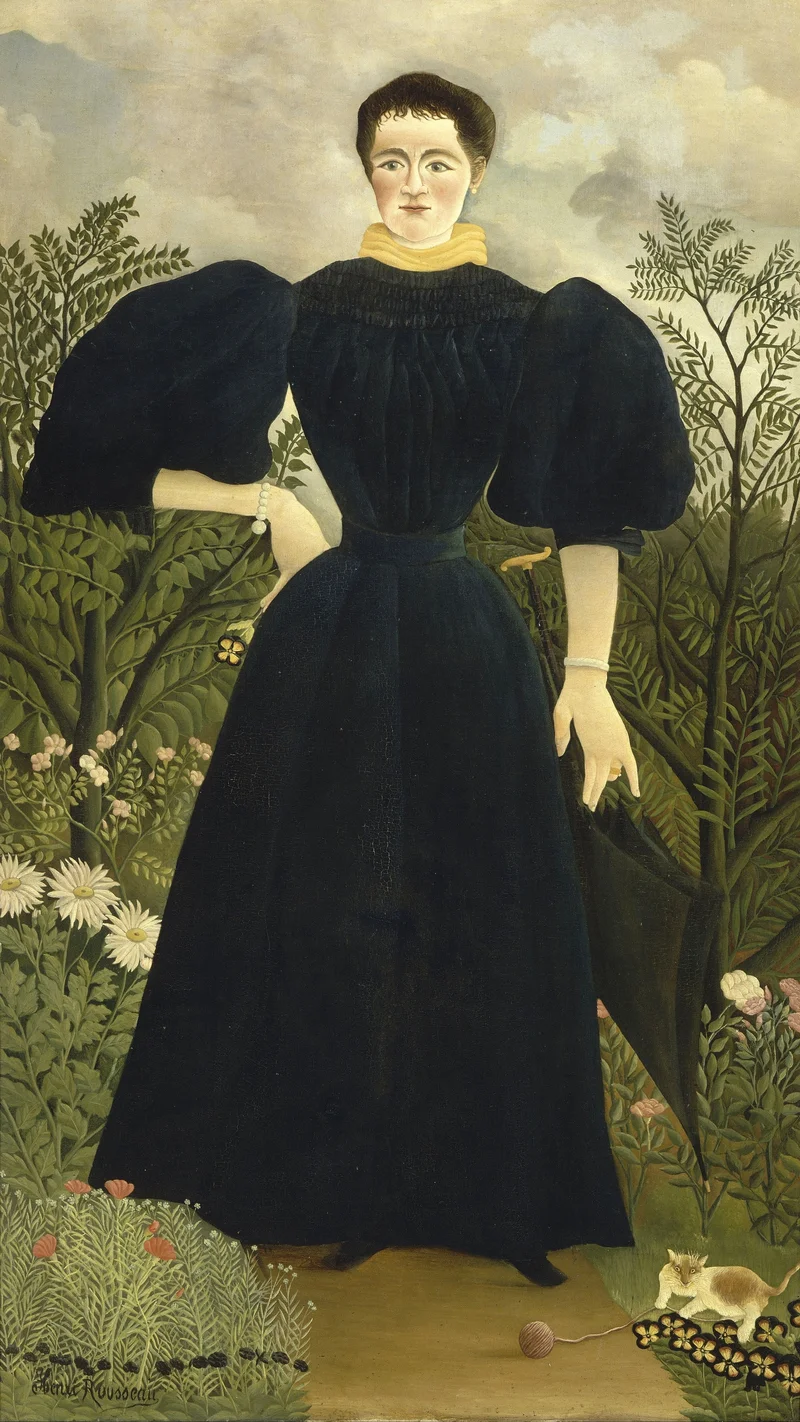
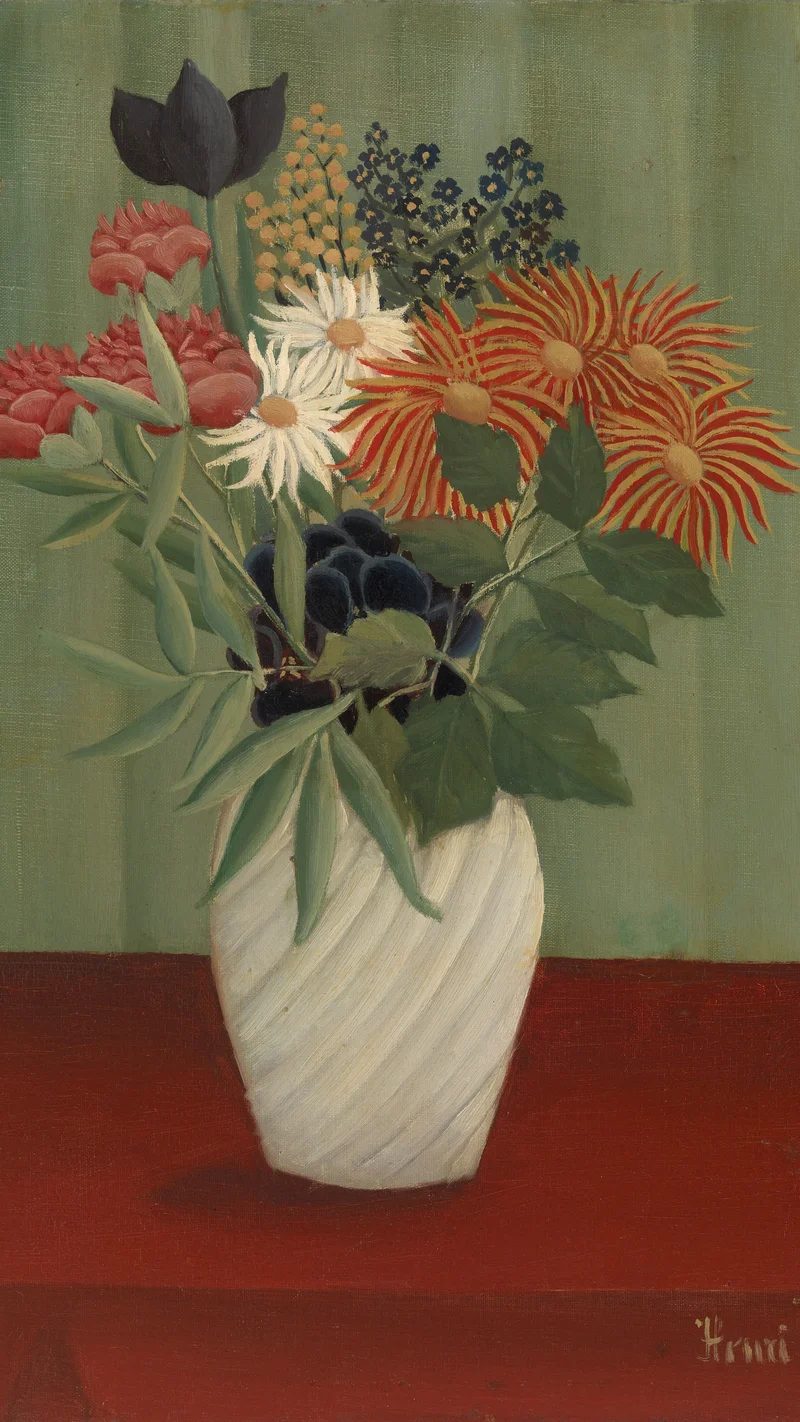
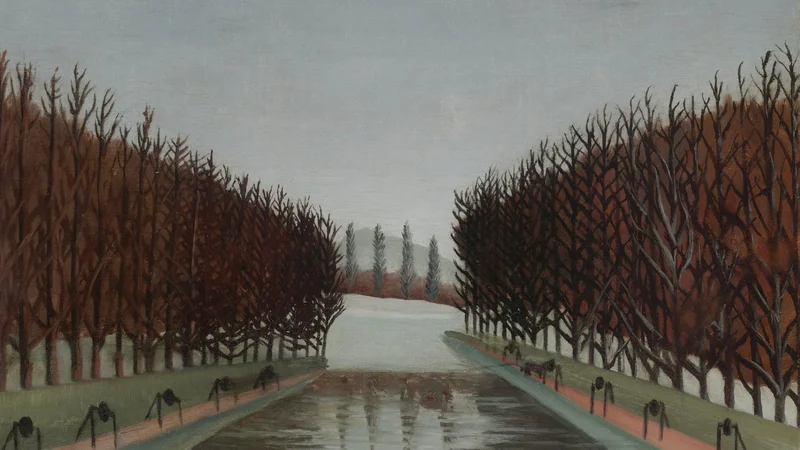
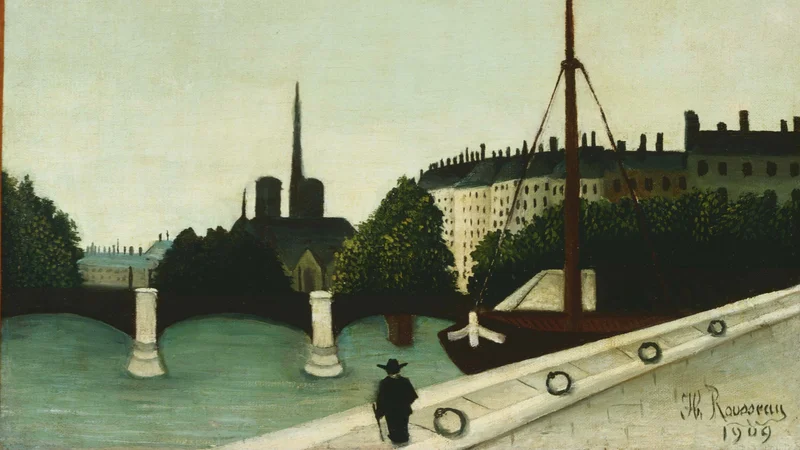
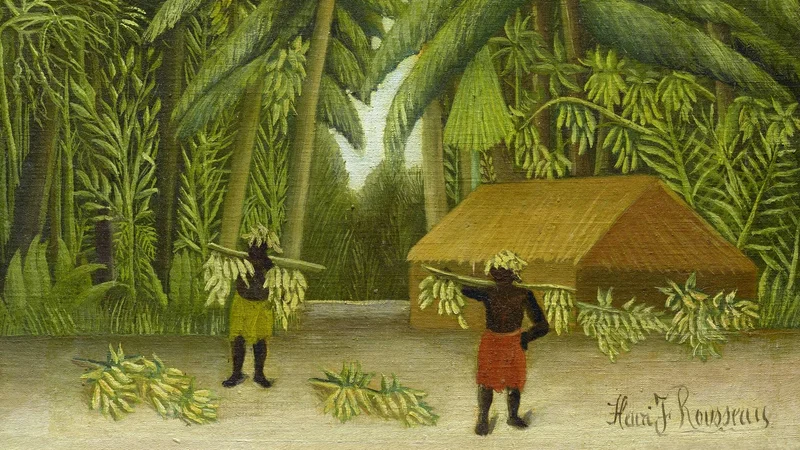
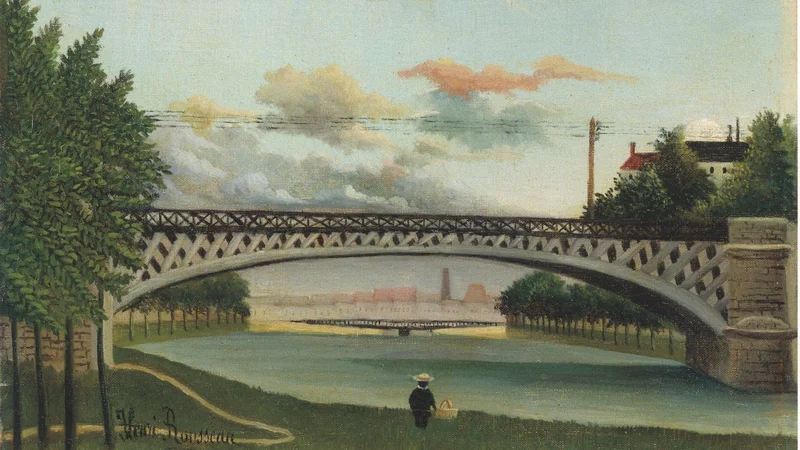
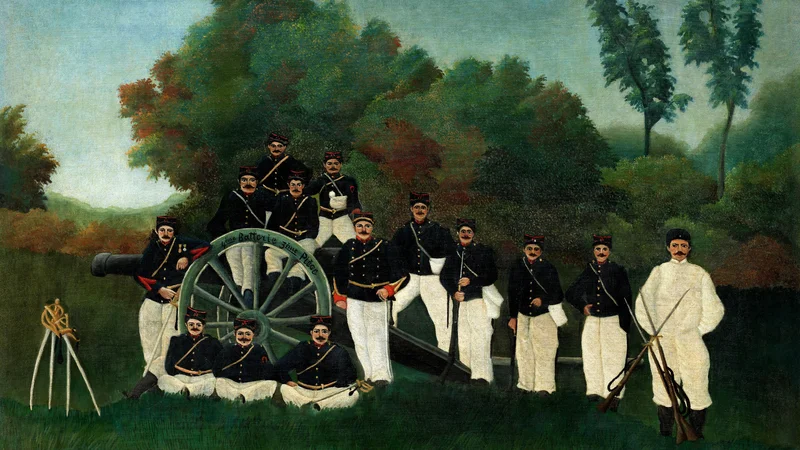
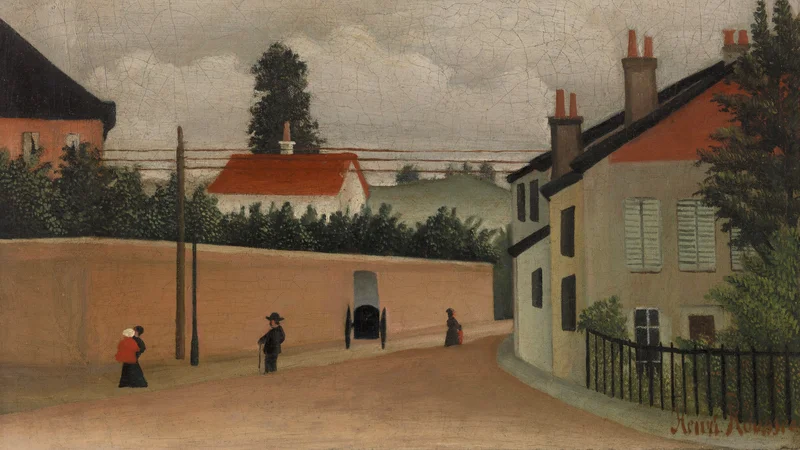
Henri Rousseau (1844–1910) was a French post-impressionist painter, largely self-taught, who emerged as a pivotal figure in the development of Naïve Art. Working primarily in Paris during the late 19th and early 20th centuries, he gained recognition for his departure from the rigorous academic standards of the era. Despite his lack of formal training, his commitment to his craft allowed him to occupy a unique position in the history of modernism, where his work served as a bridge between traditional representation and the experimental spirit of the avant-garde.
The Poetics of Flora and Form
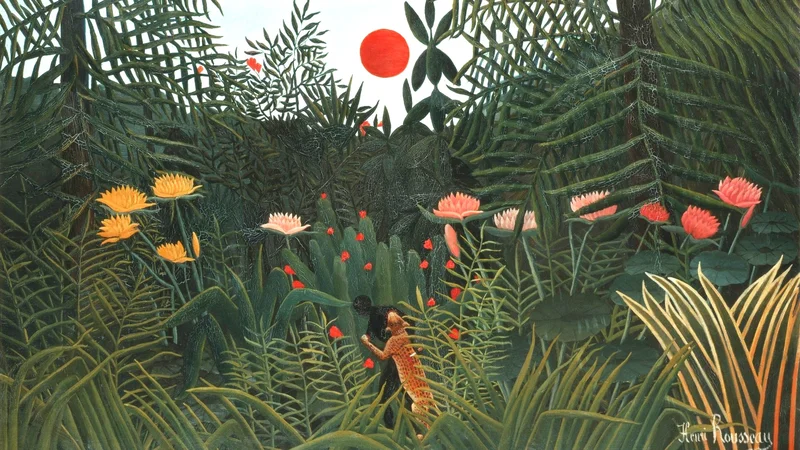
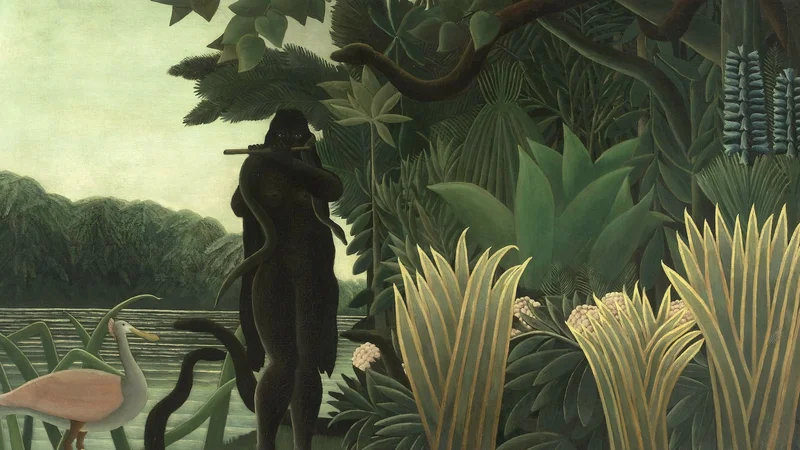
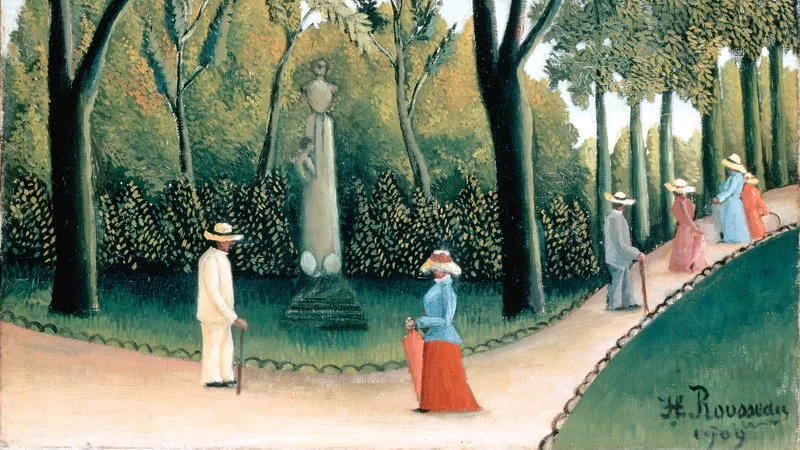
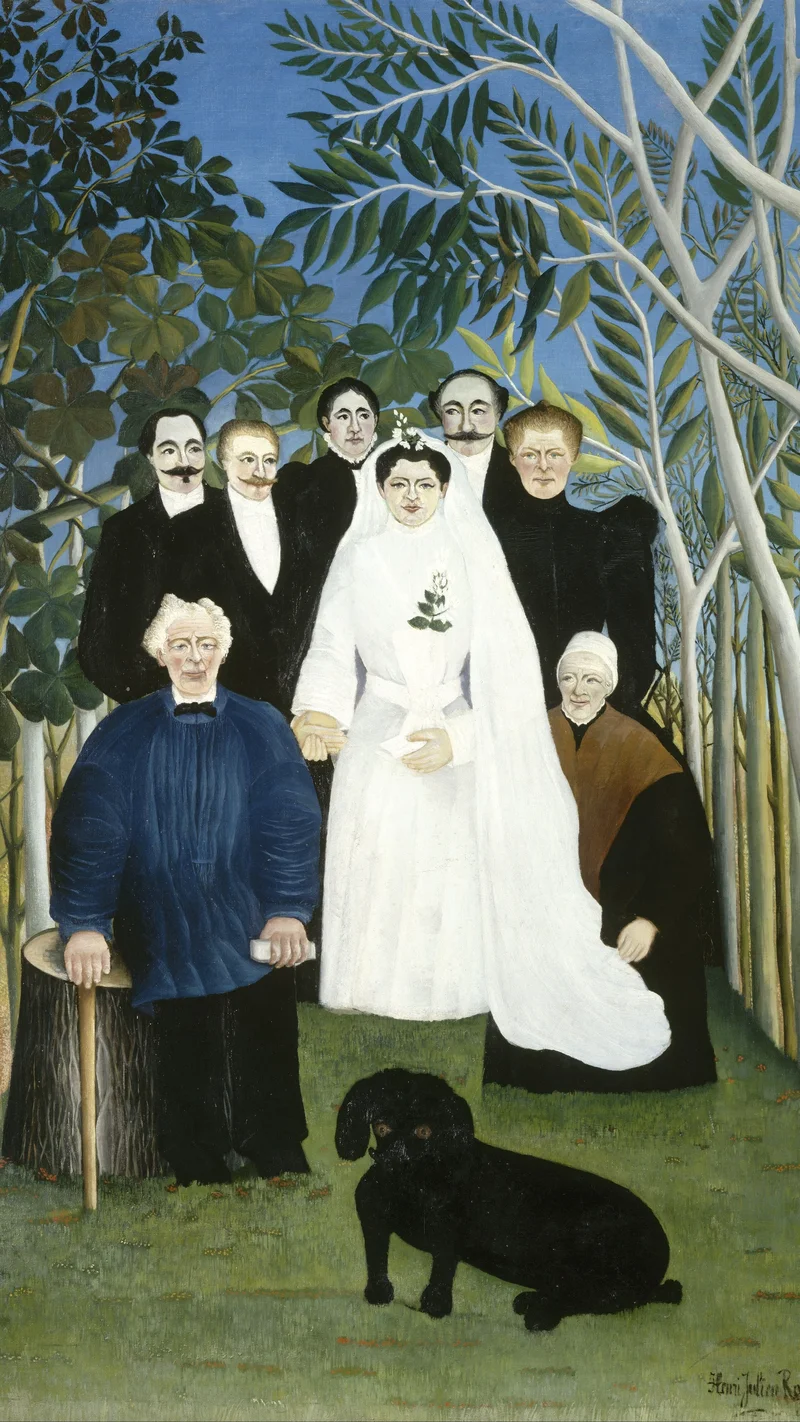
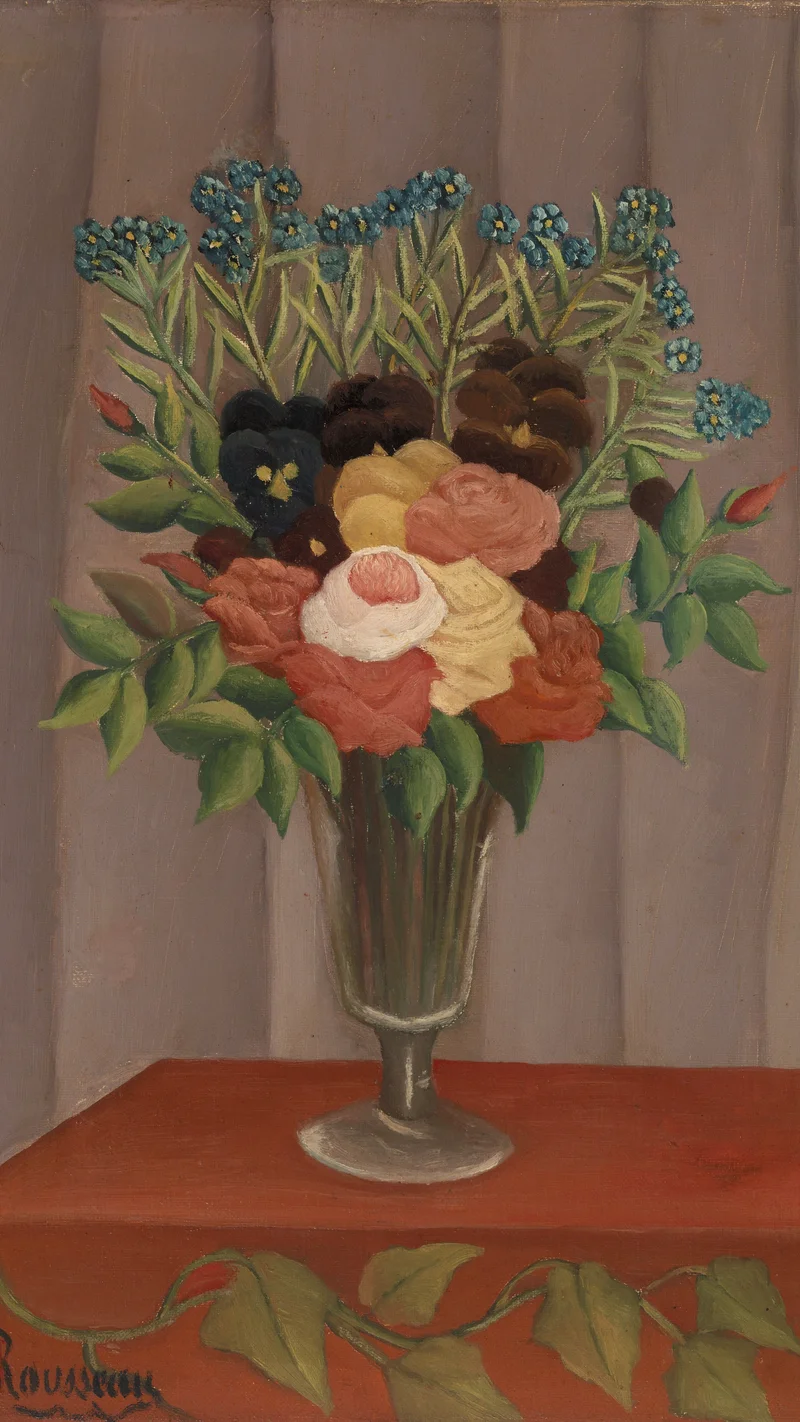
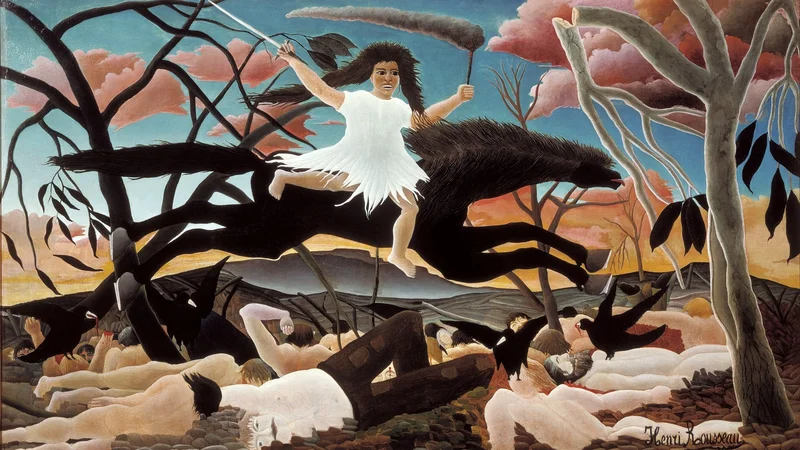
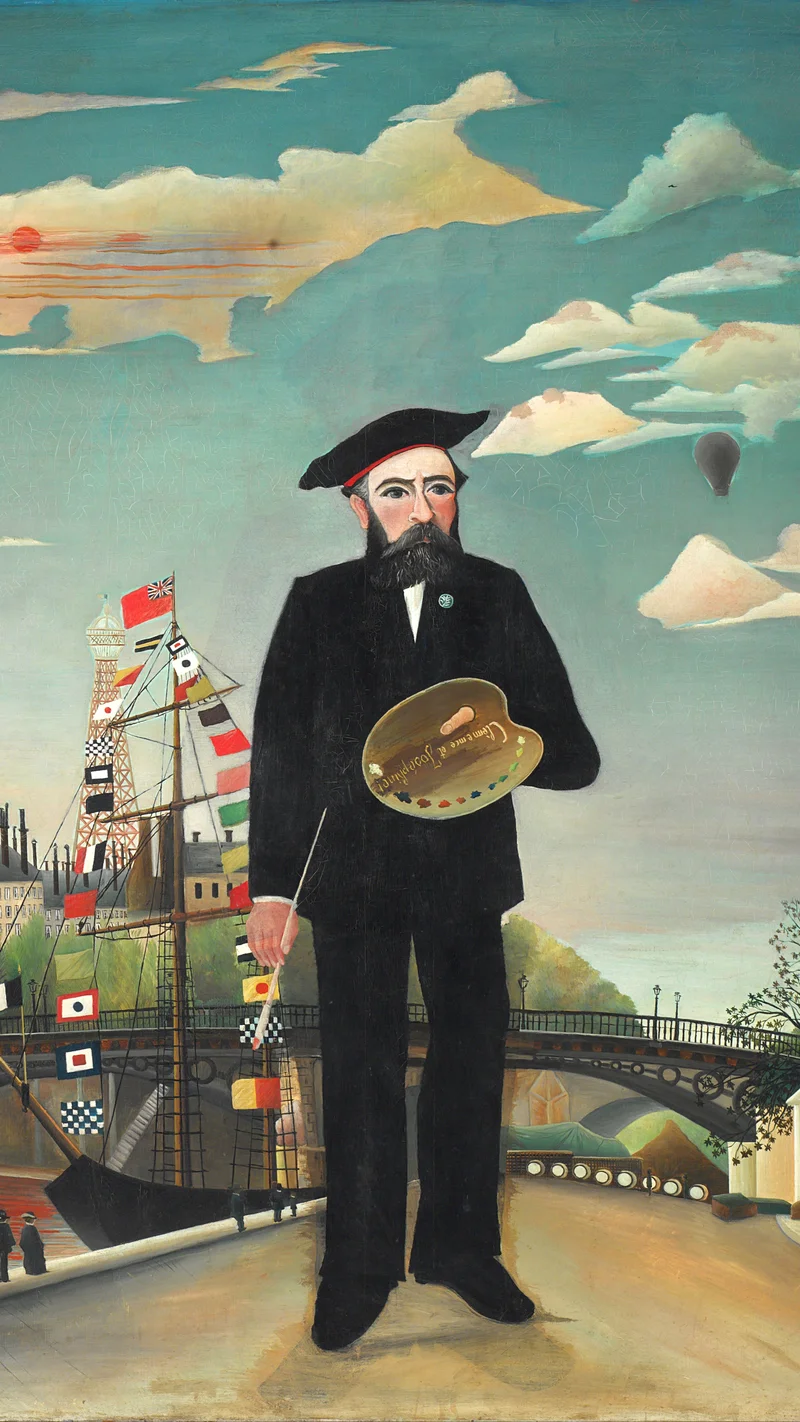
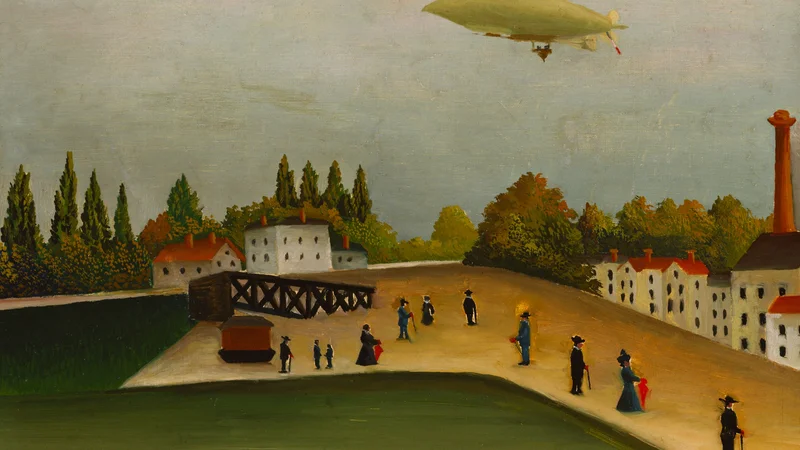
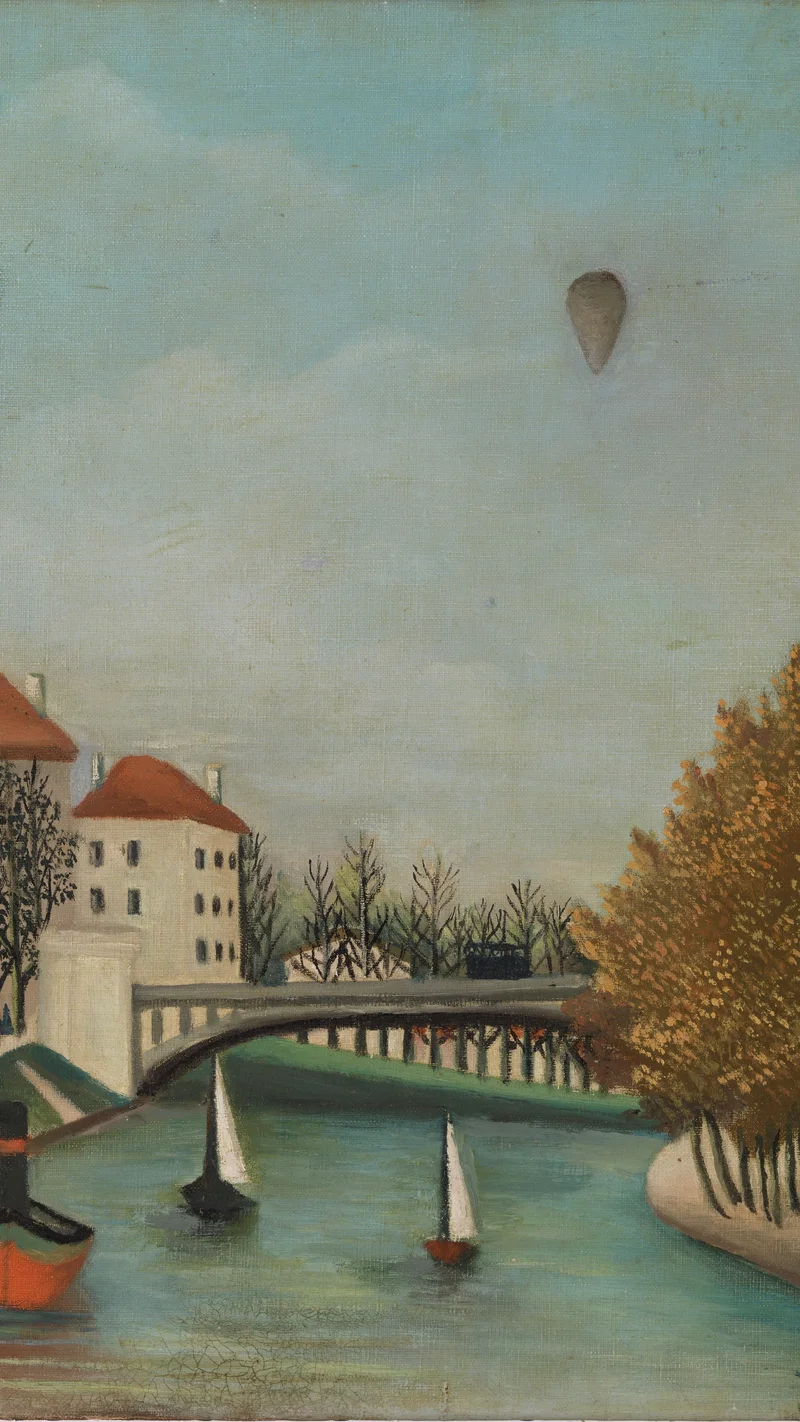
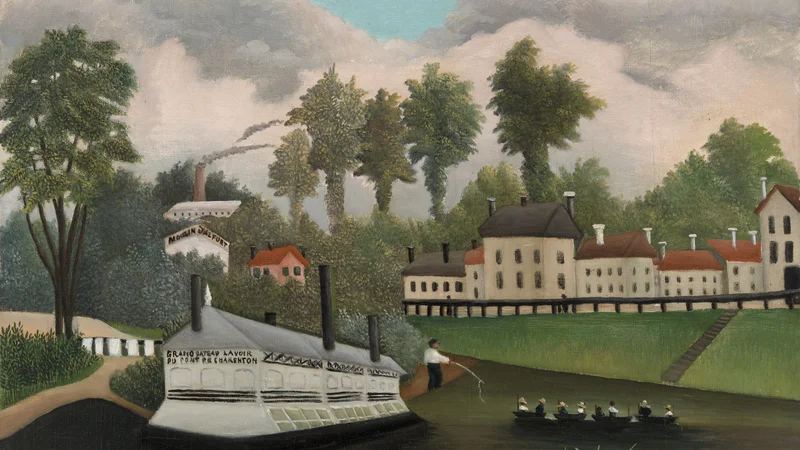
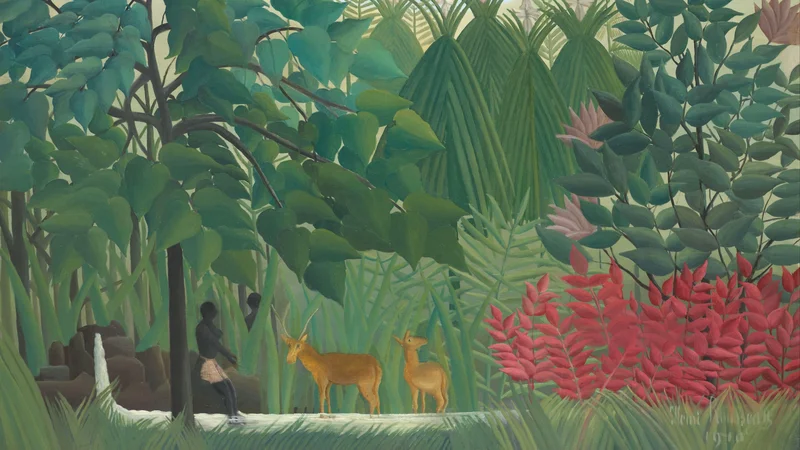
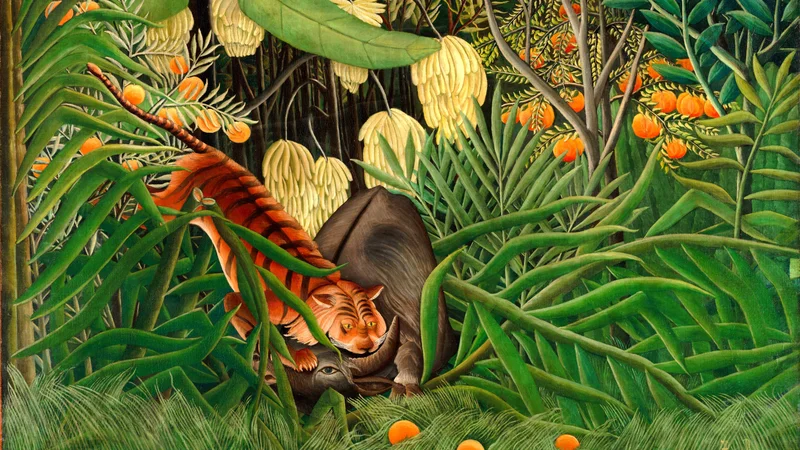
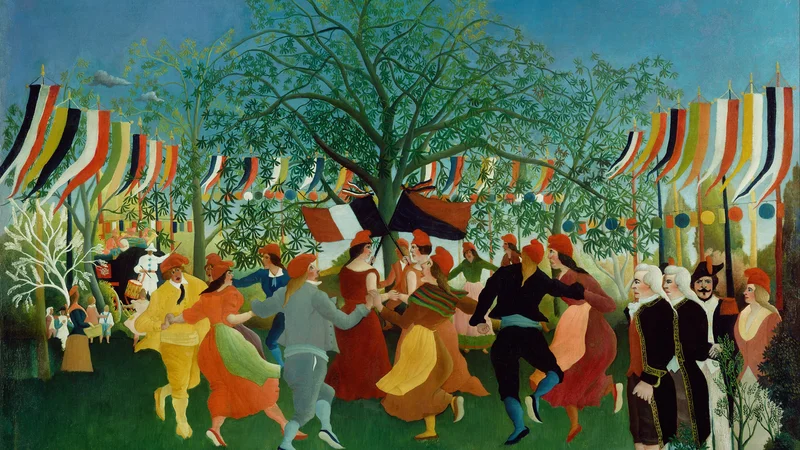
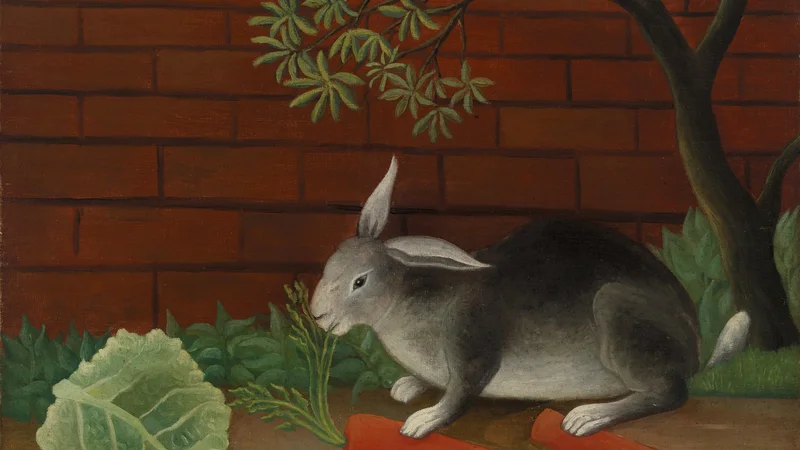
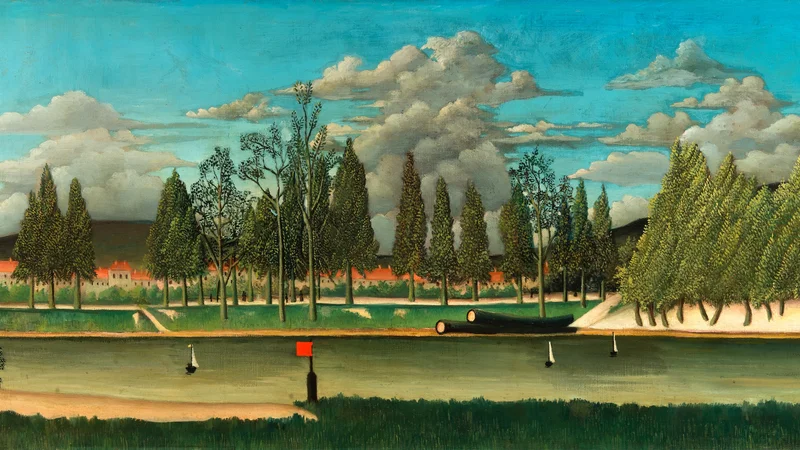
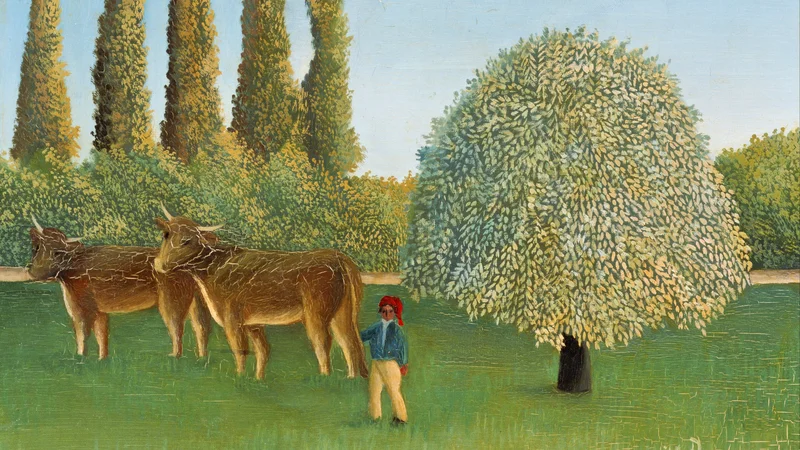
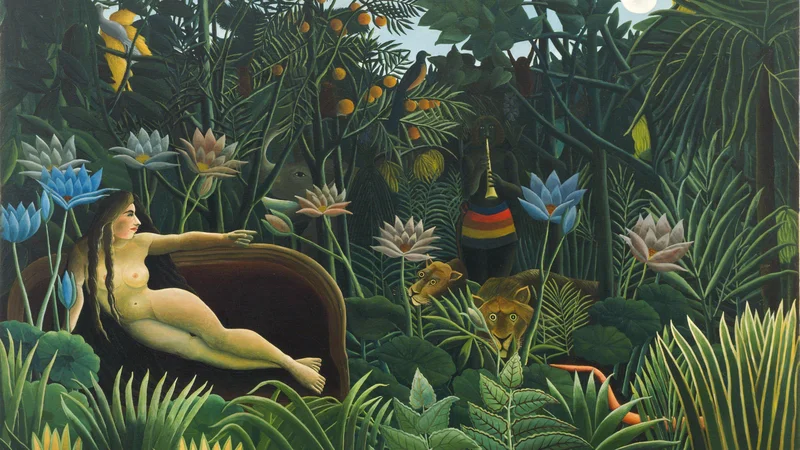
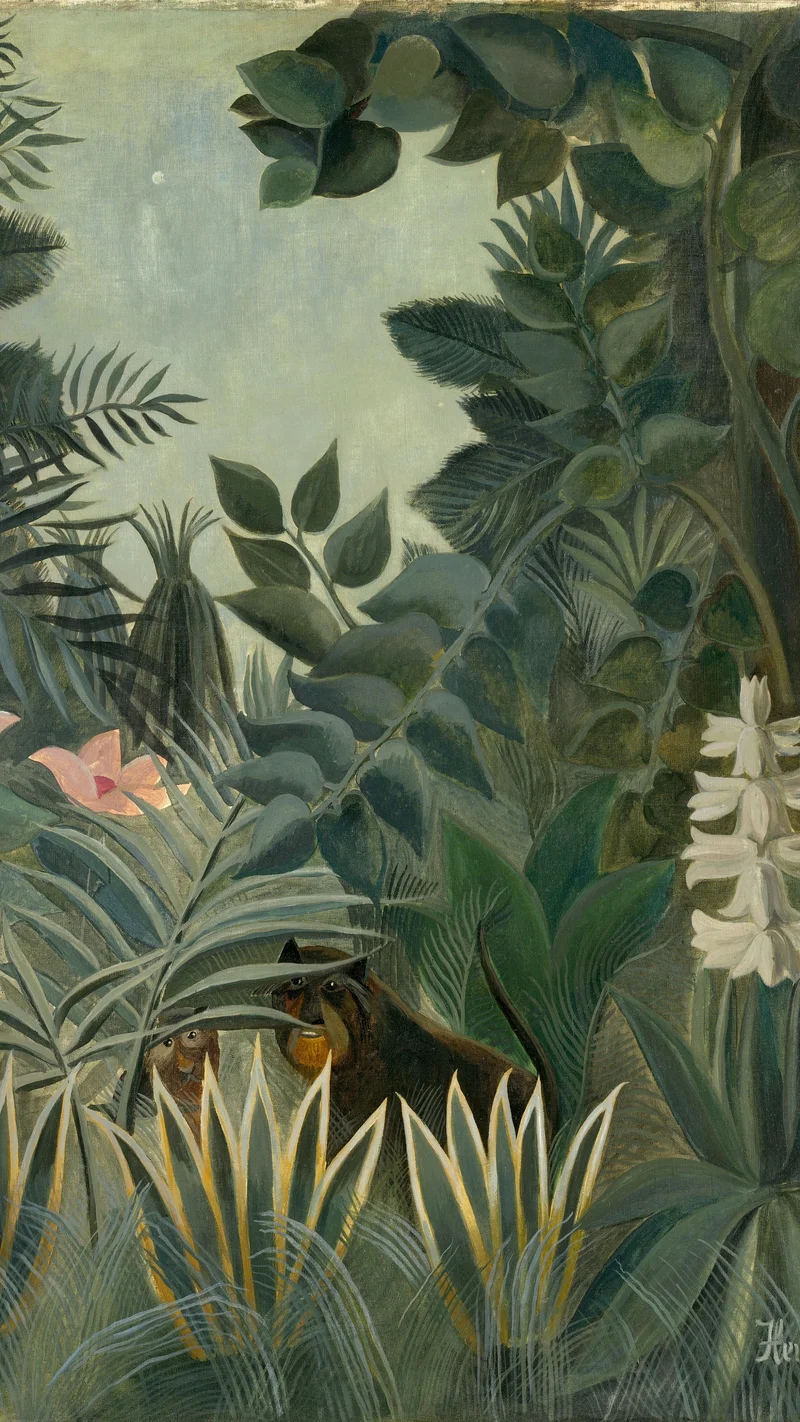
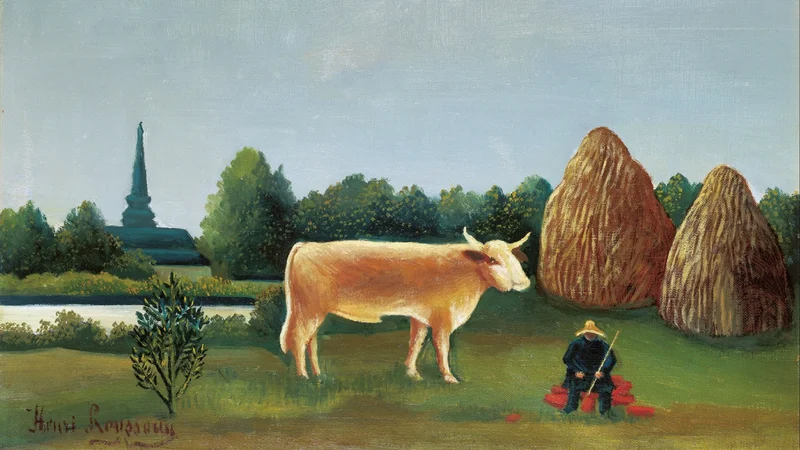
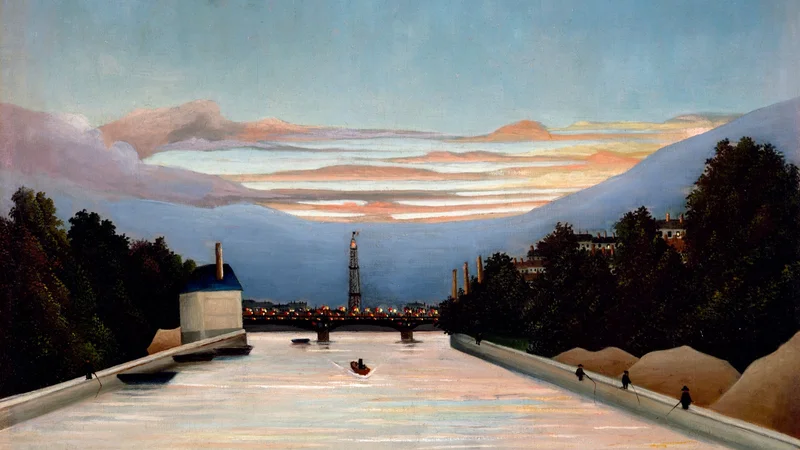
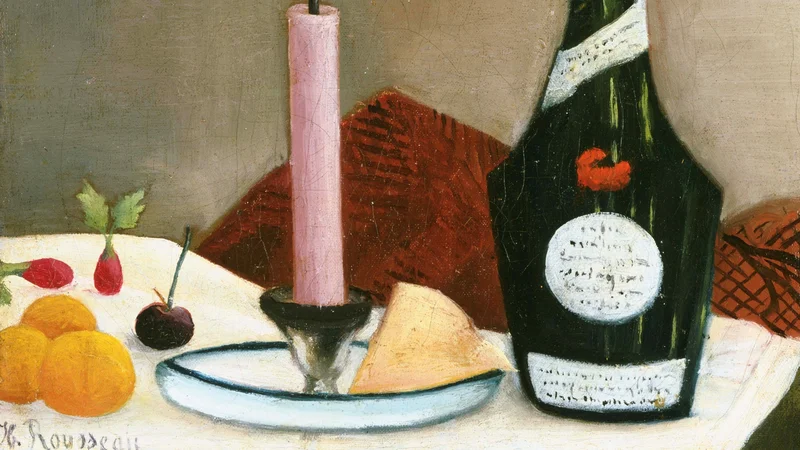
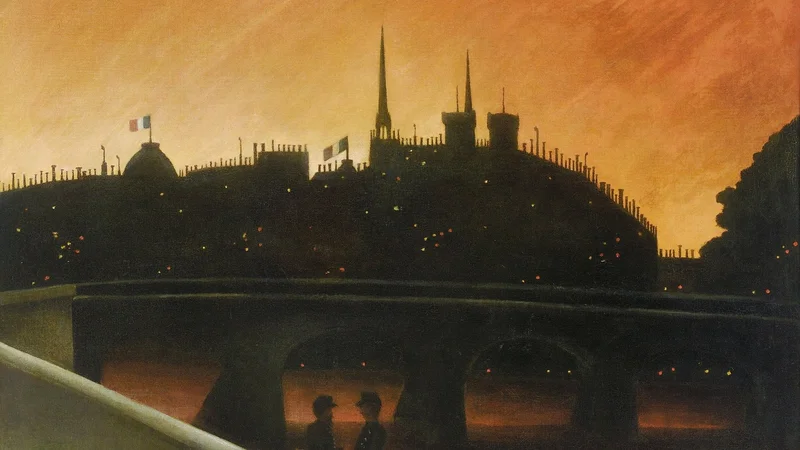
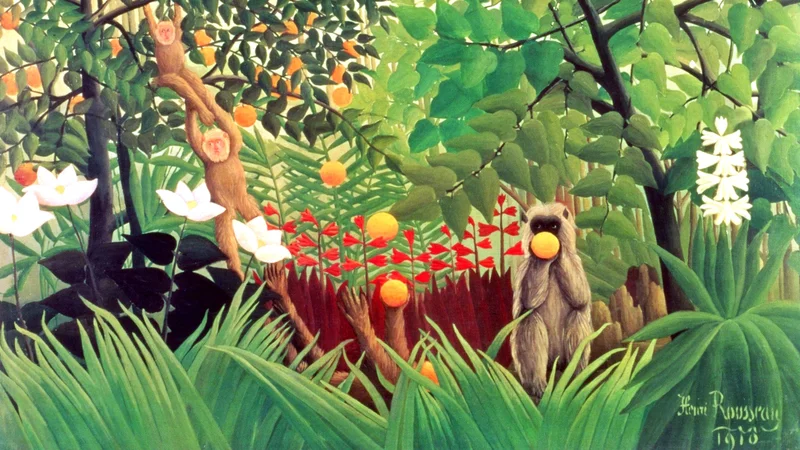
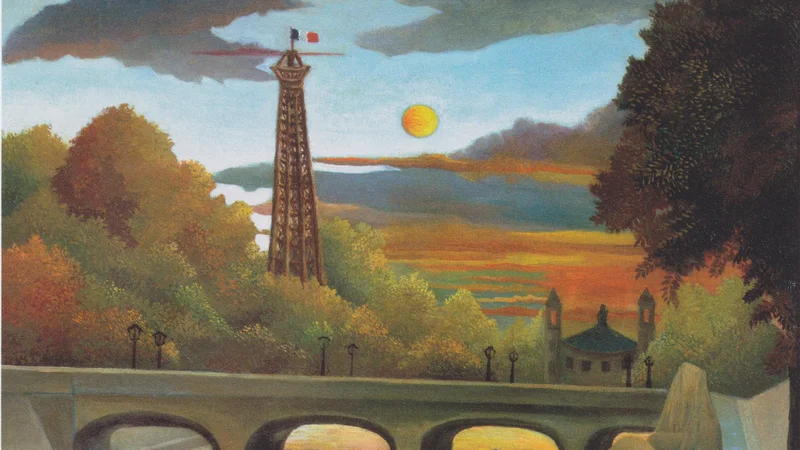
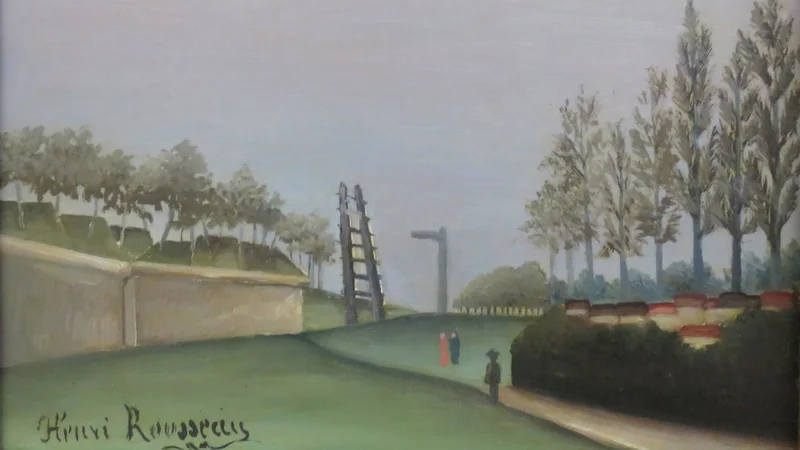
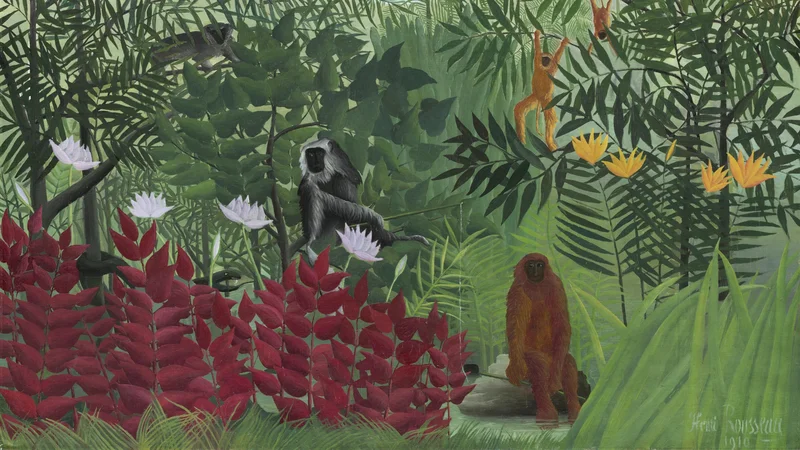
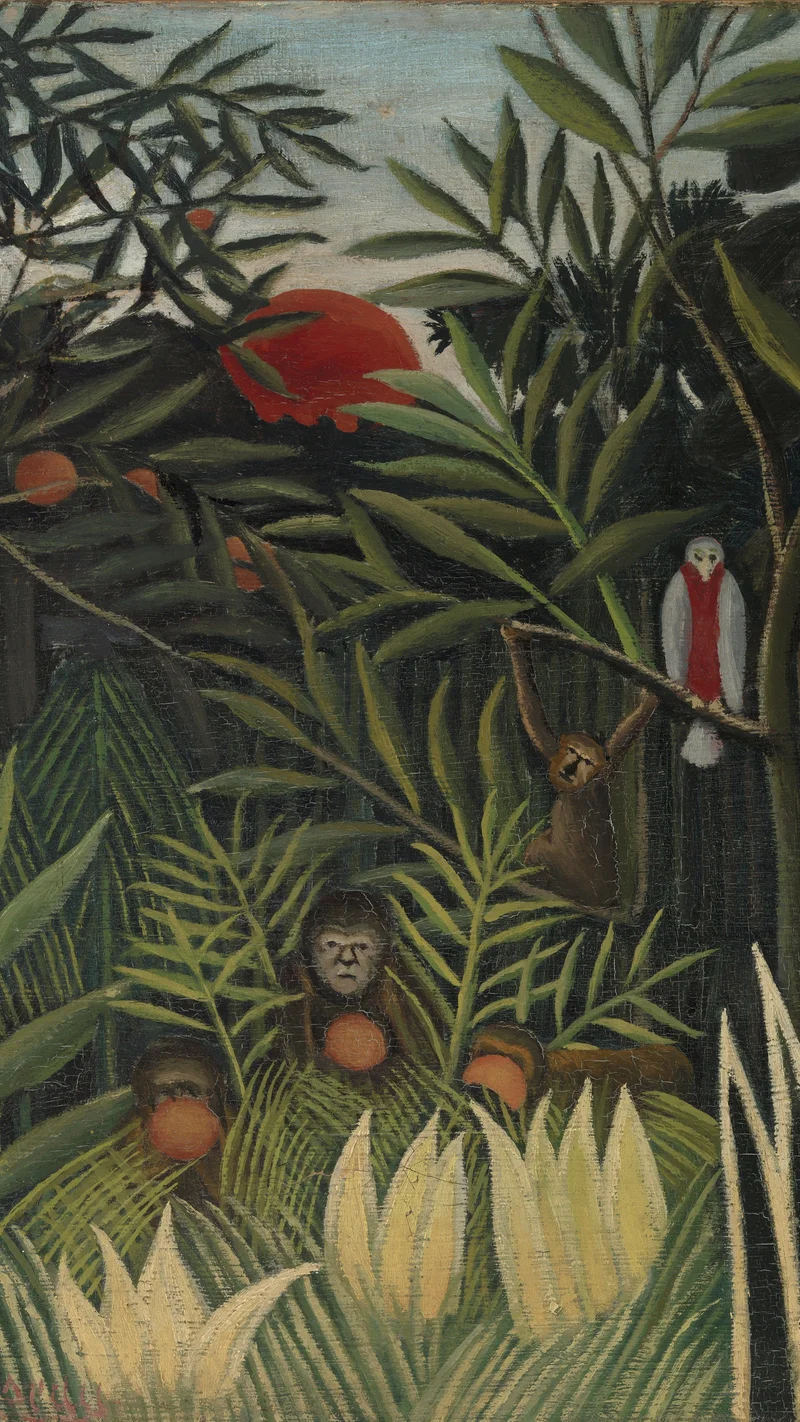
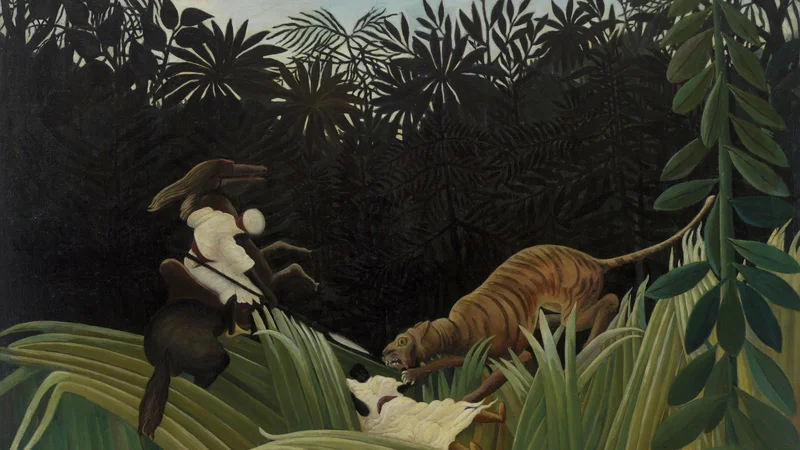
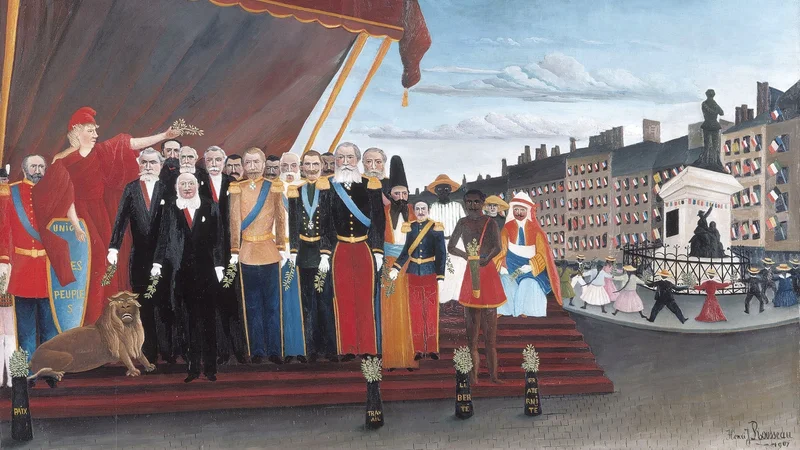
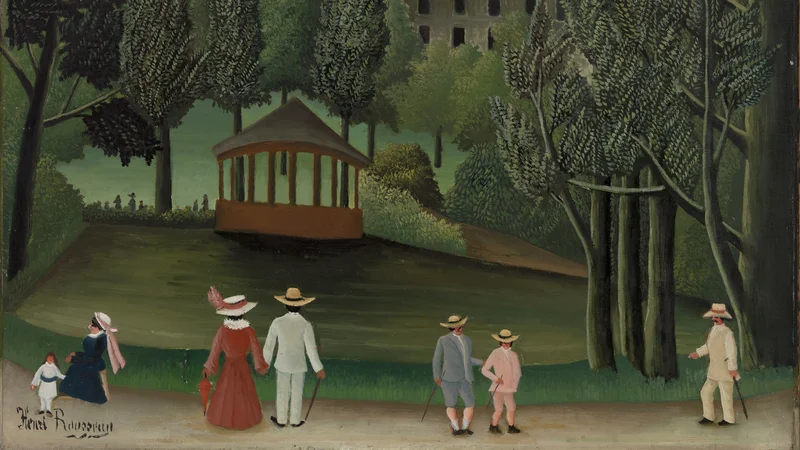
Rousseau’s technique is defined by a meticulous, almost scientific approach to foliage and a distinct rhythmic arrangement of figures within the picture plane. His compositions often balance flat, decorative surfaces with an intense, localized clarity, as seen in the dense, verdant layering of Virgin Forest with Sunset and the surreal stillness of The Snake Charmer. His work frequently juxtaposes domestic serenity with exotic subjects, ranging from the intricate botanical detail in The Rabbit's Meal to the dramatic, primal confrontation in Fight Between a Tiger and a Buffalo. Whether depicting civic life in Luxembourg Gardens: Monument to Chopin or historical narratives in A Centennial of Independence, Rousseau utilized a signature clarity of outline and an unconventional sense of perspective that discarded traditional depth in favor of a personal, expressive visual logic.