Abstract
131 artworks
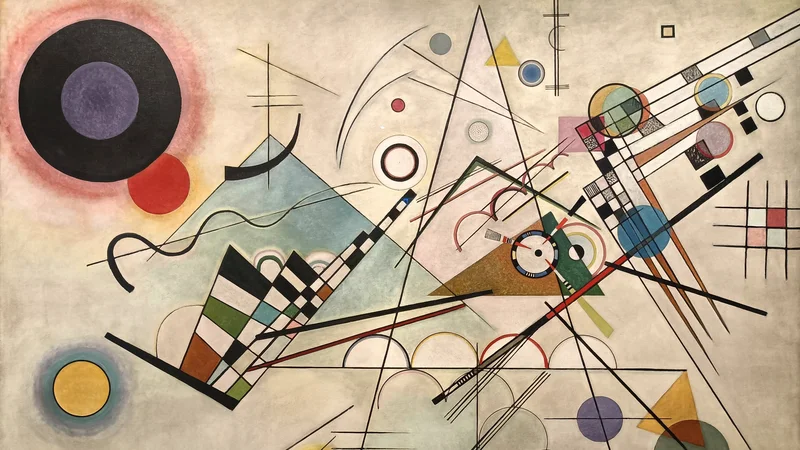
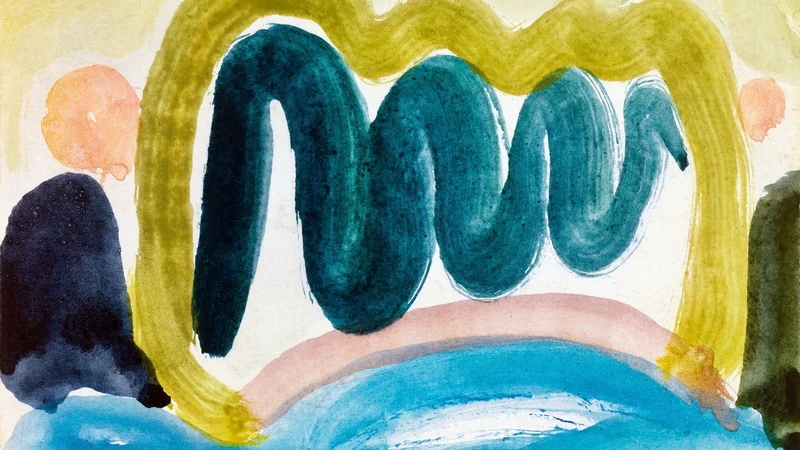
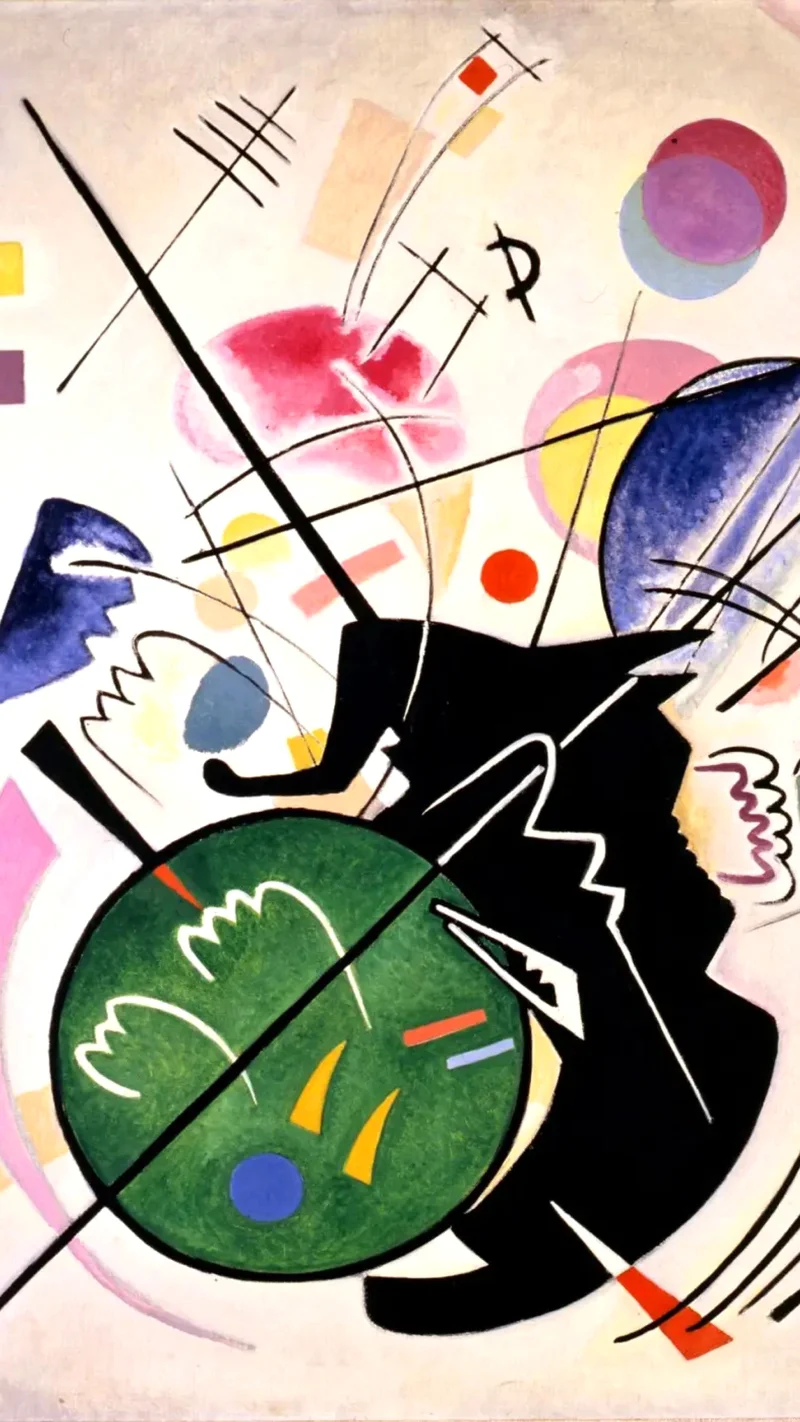
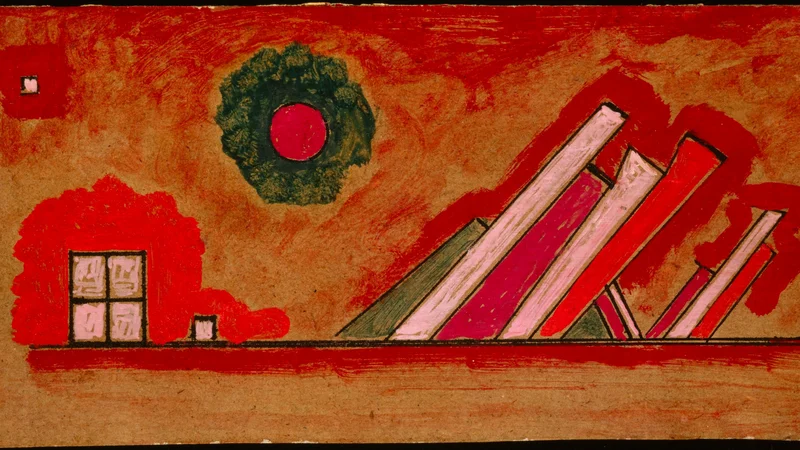
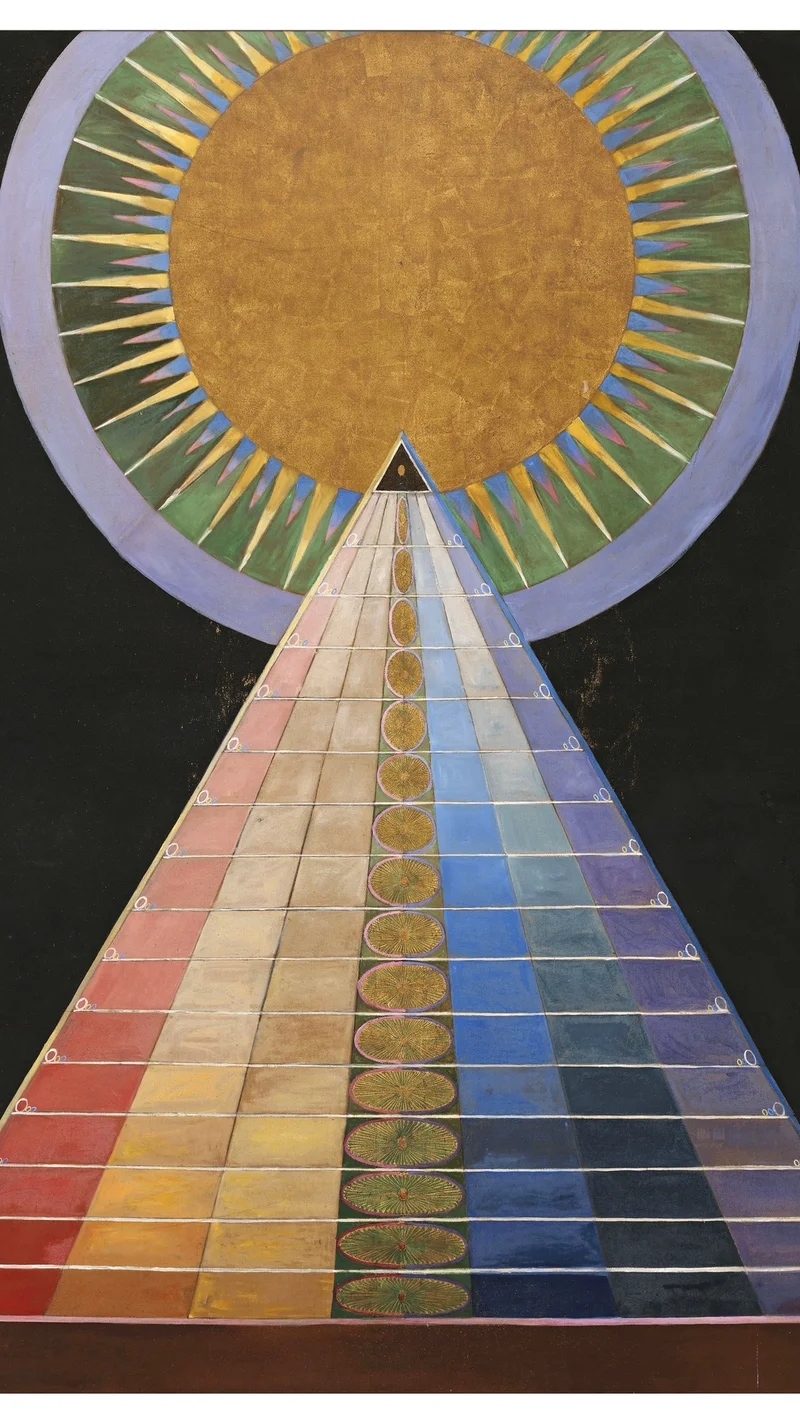
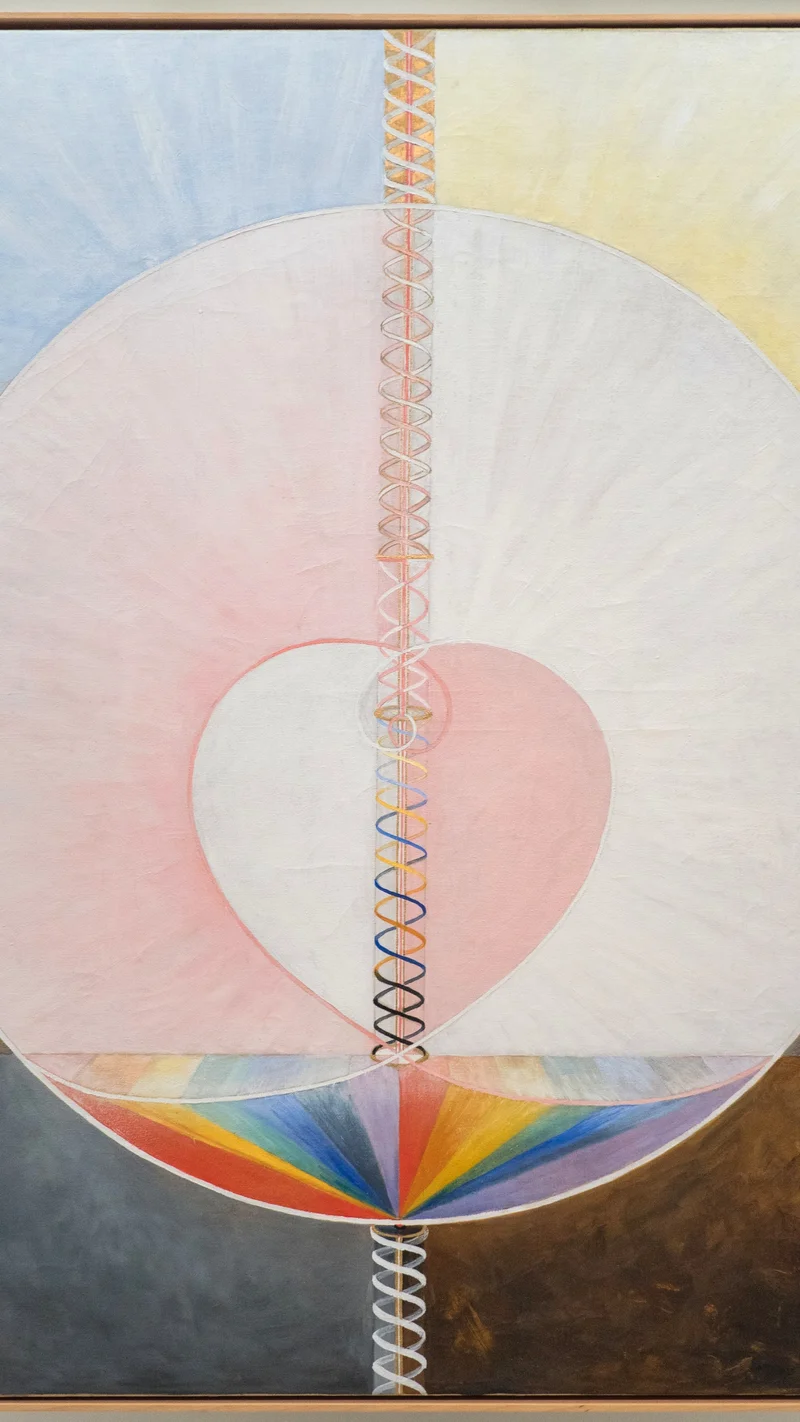
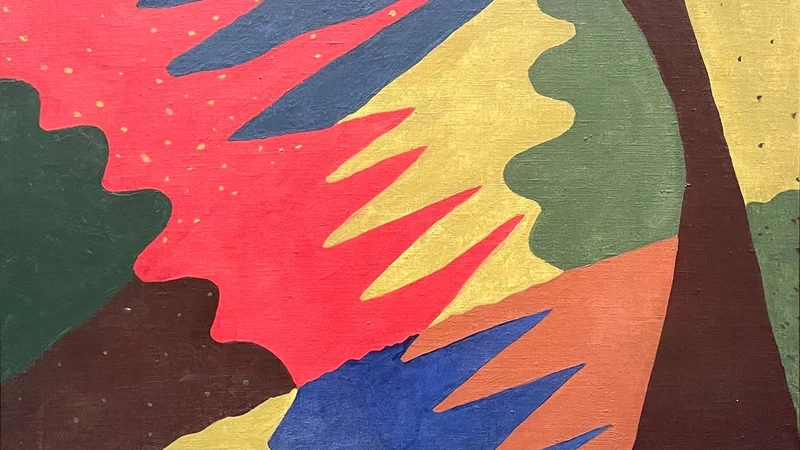
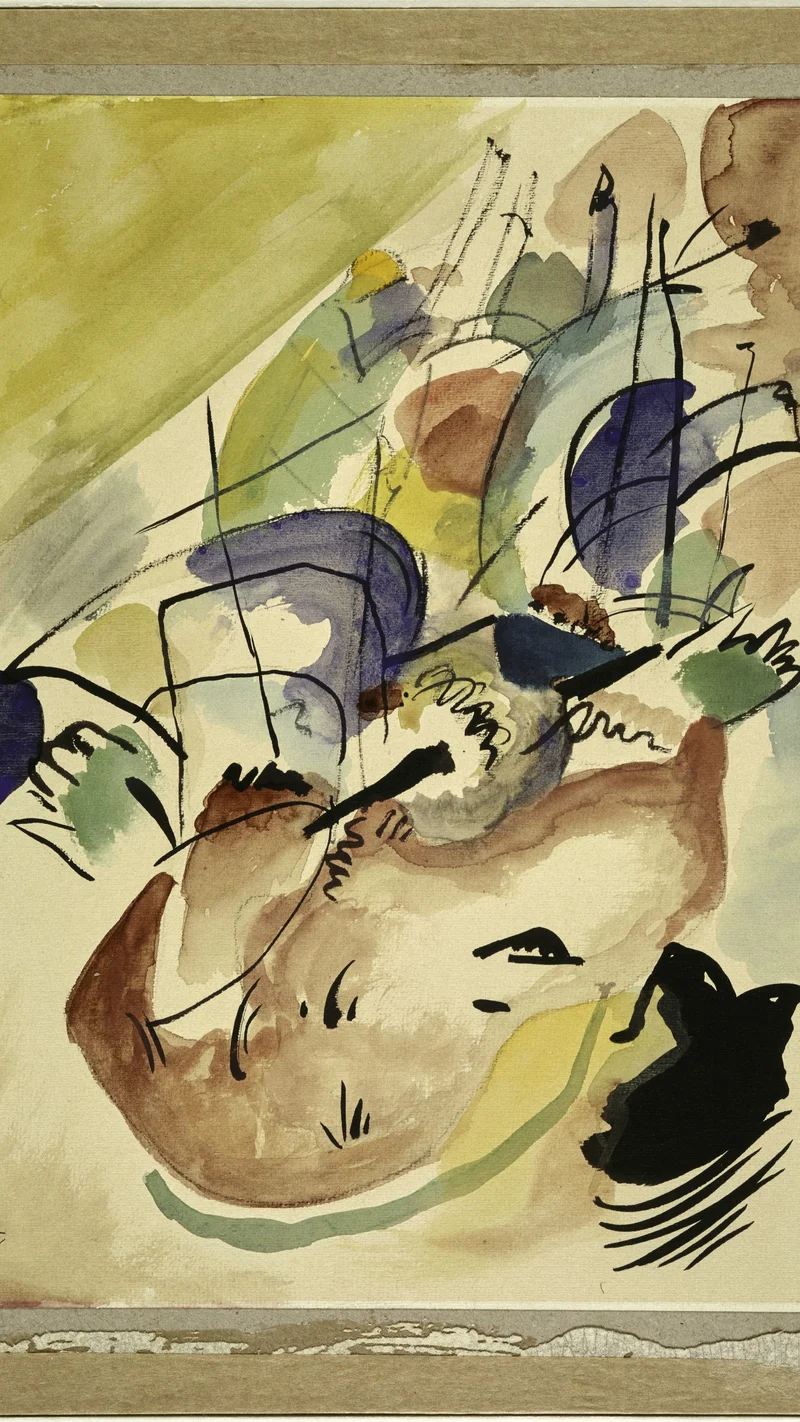
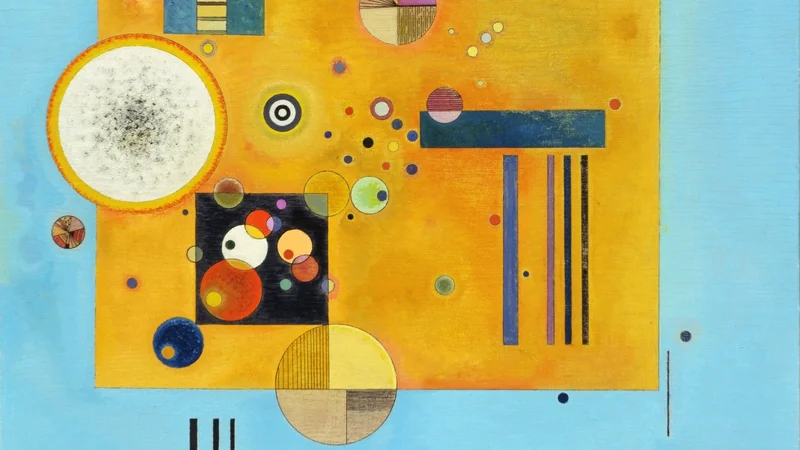
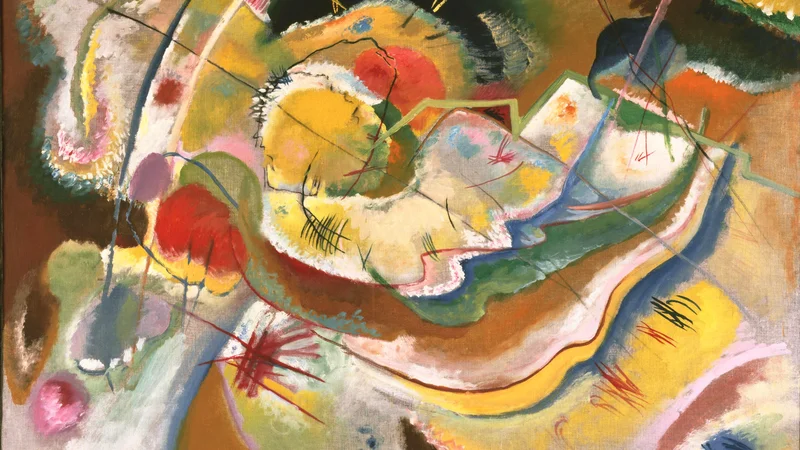
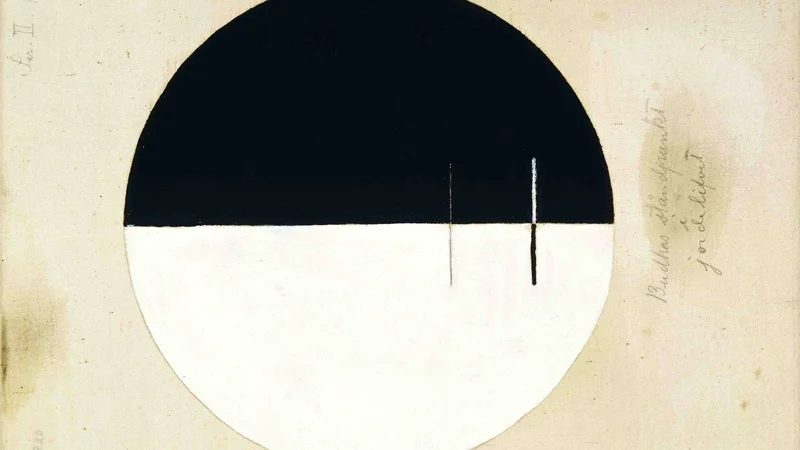
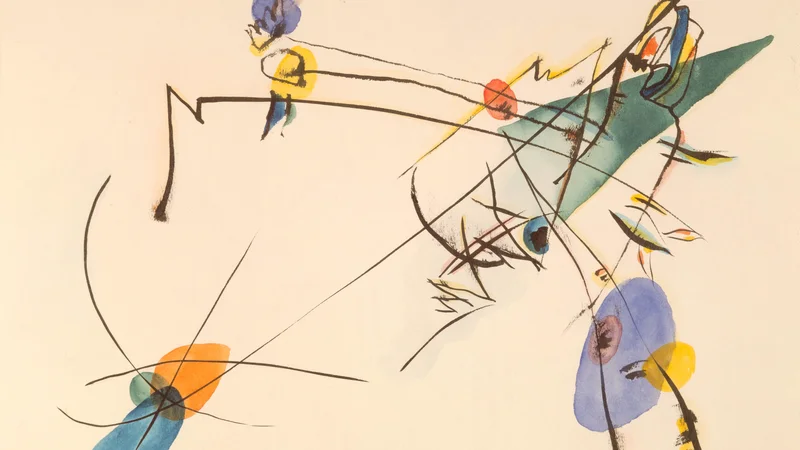
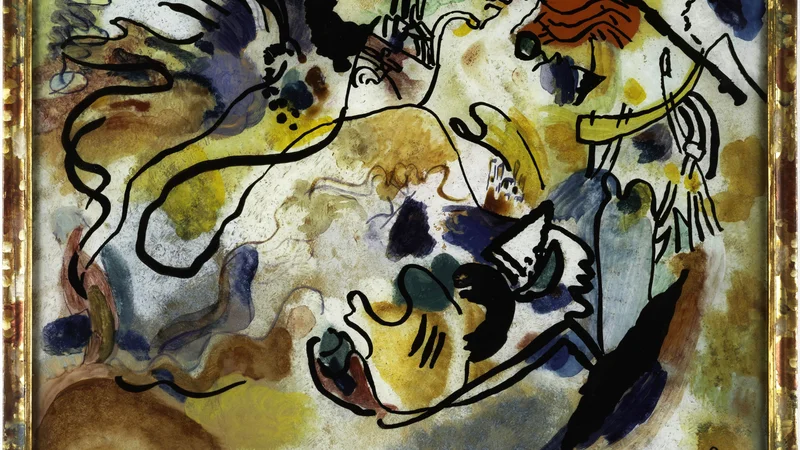
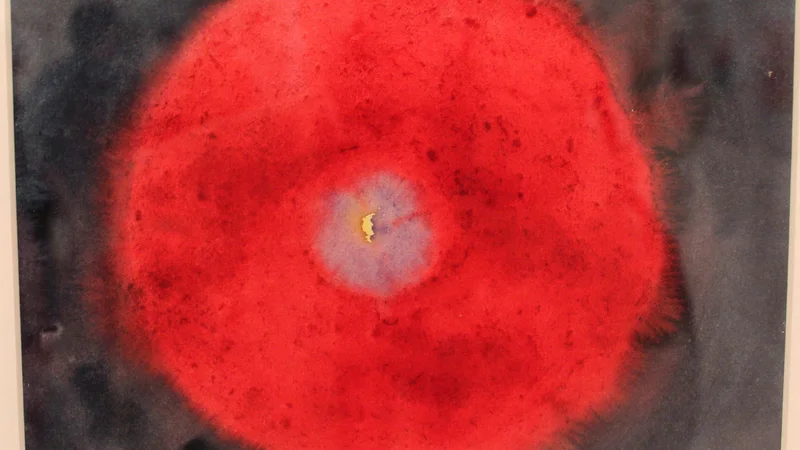
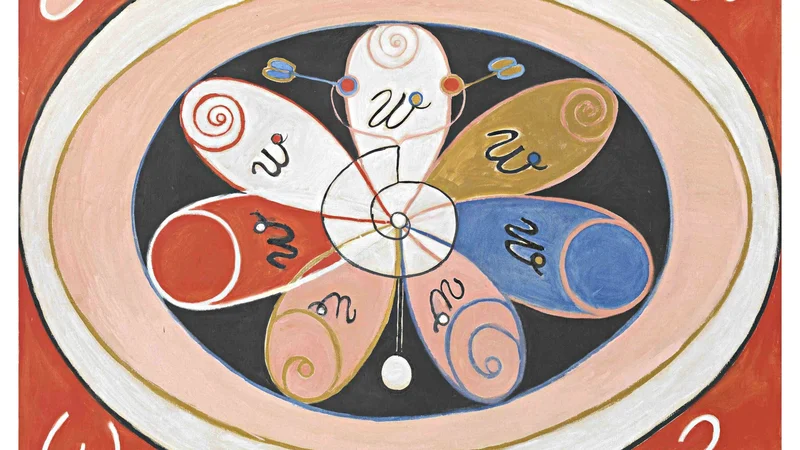
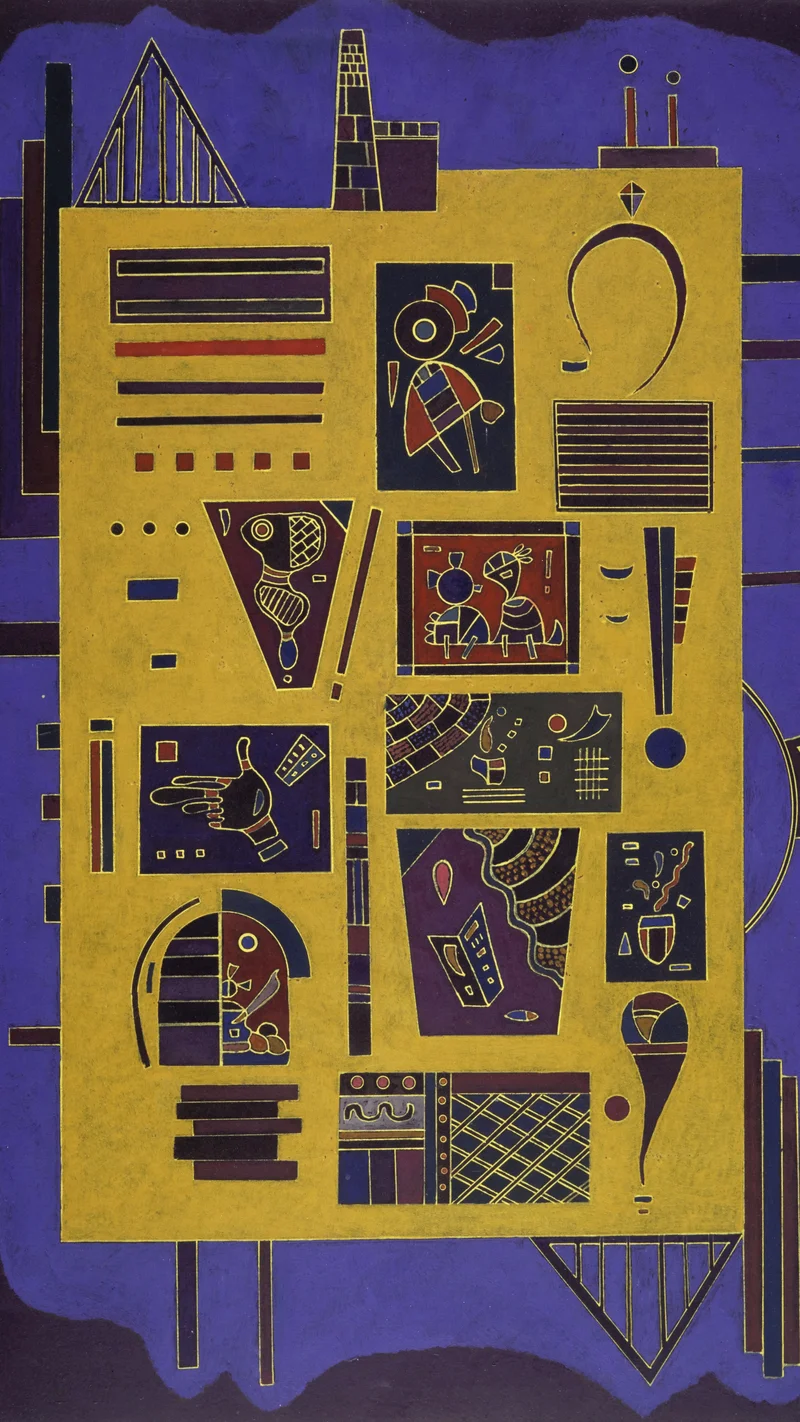
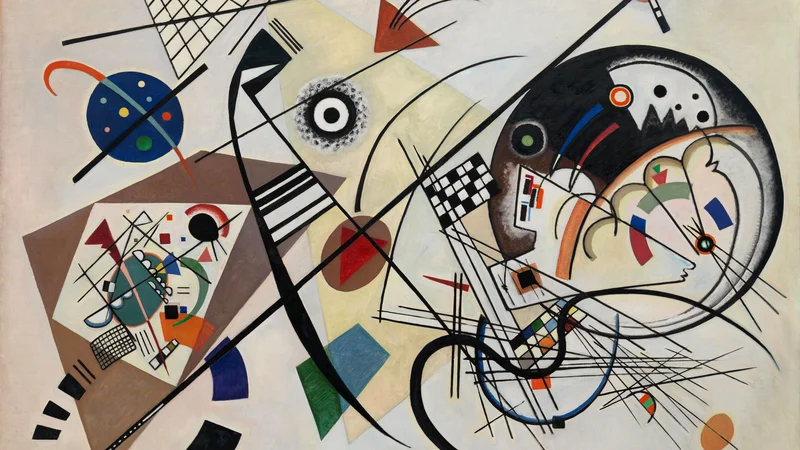
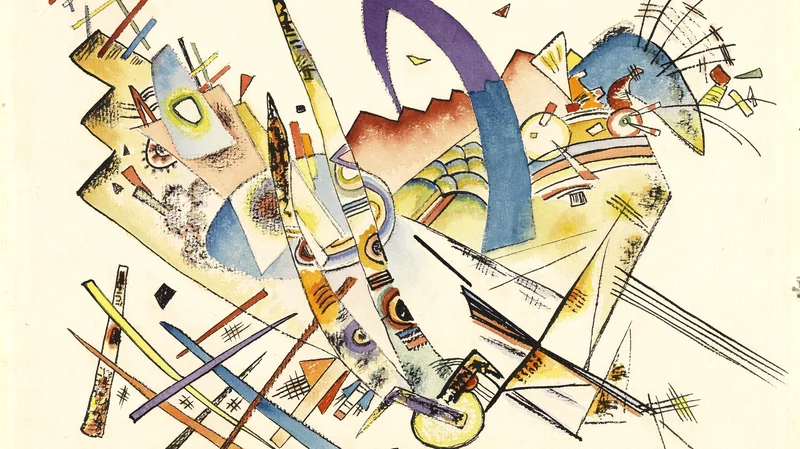
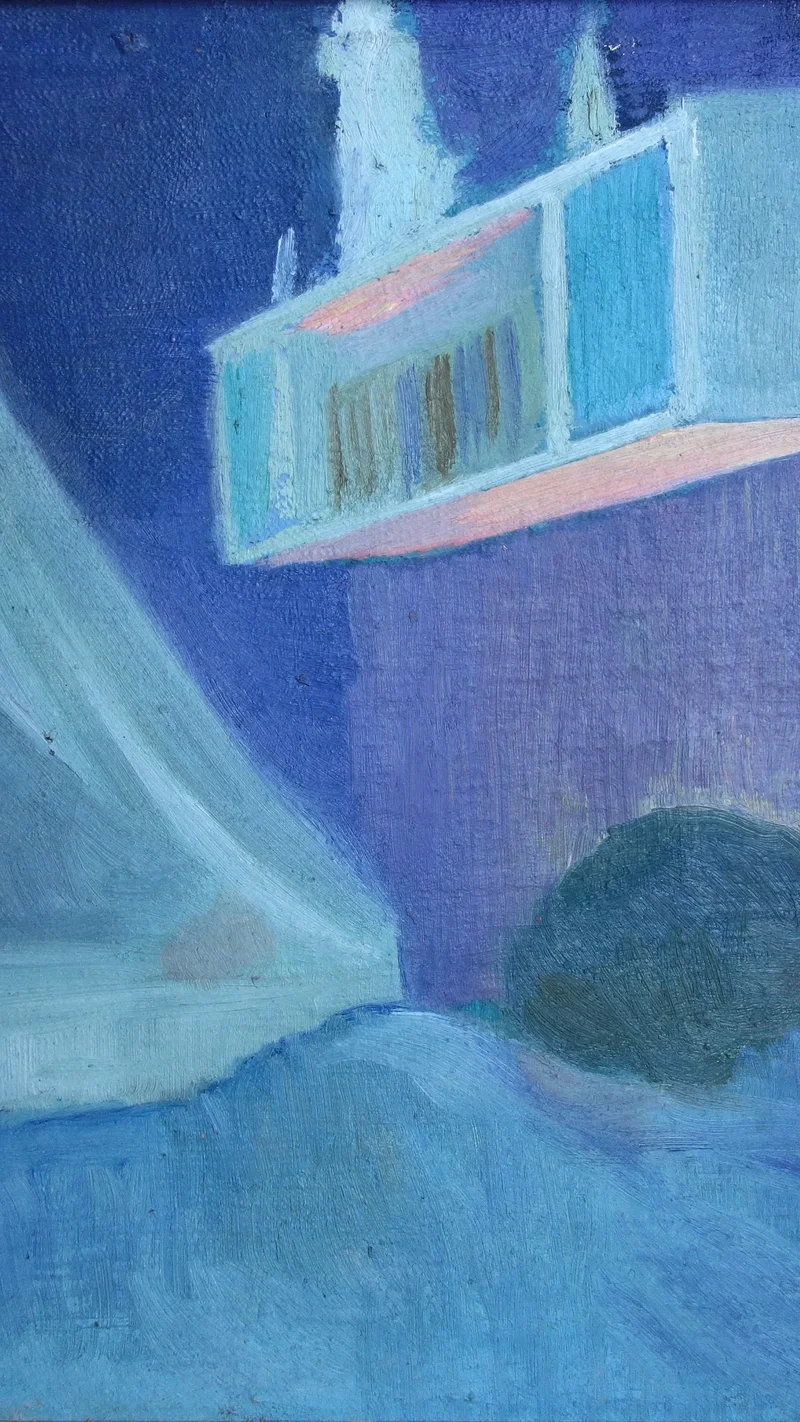
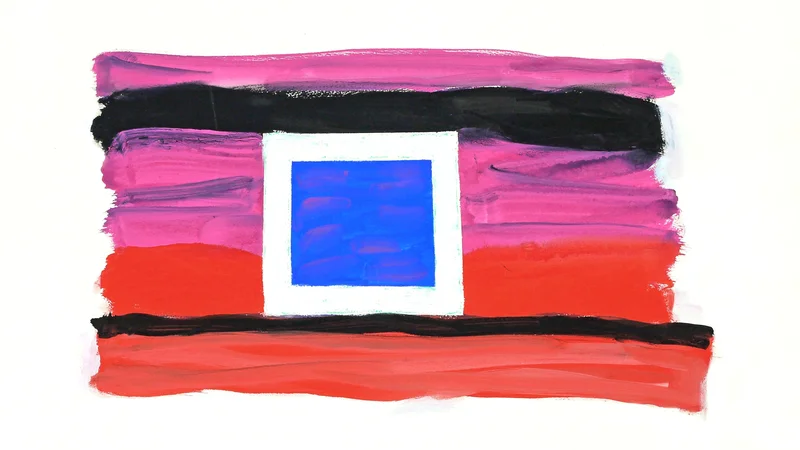
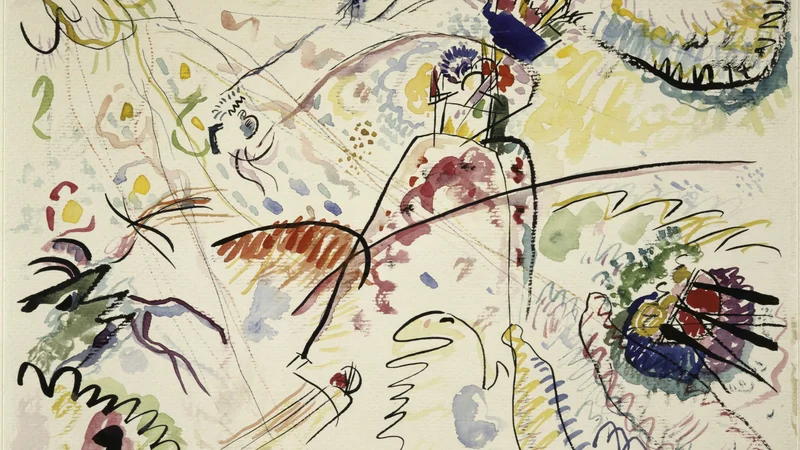
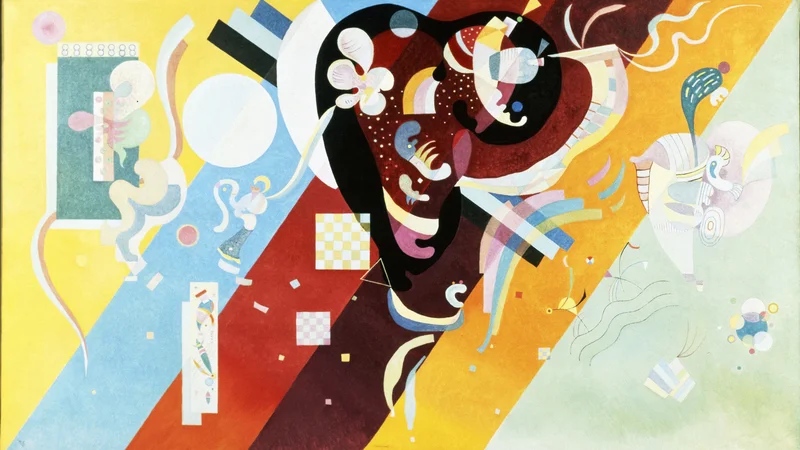
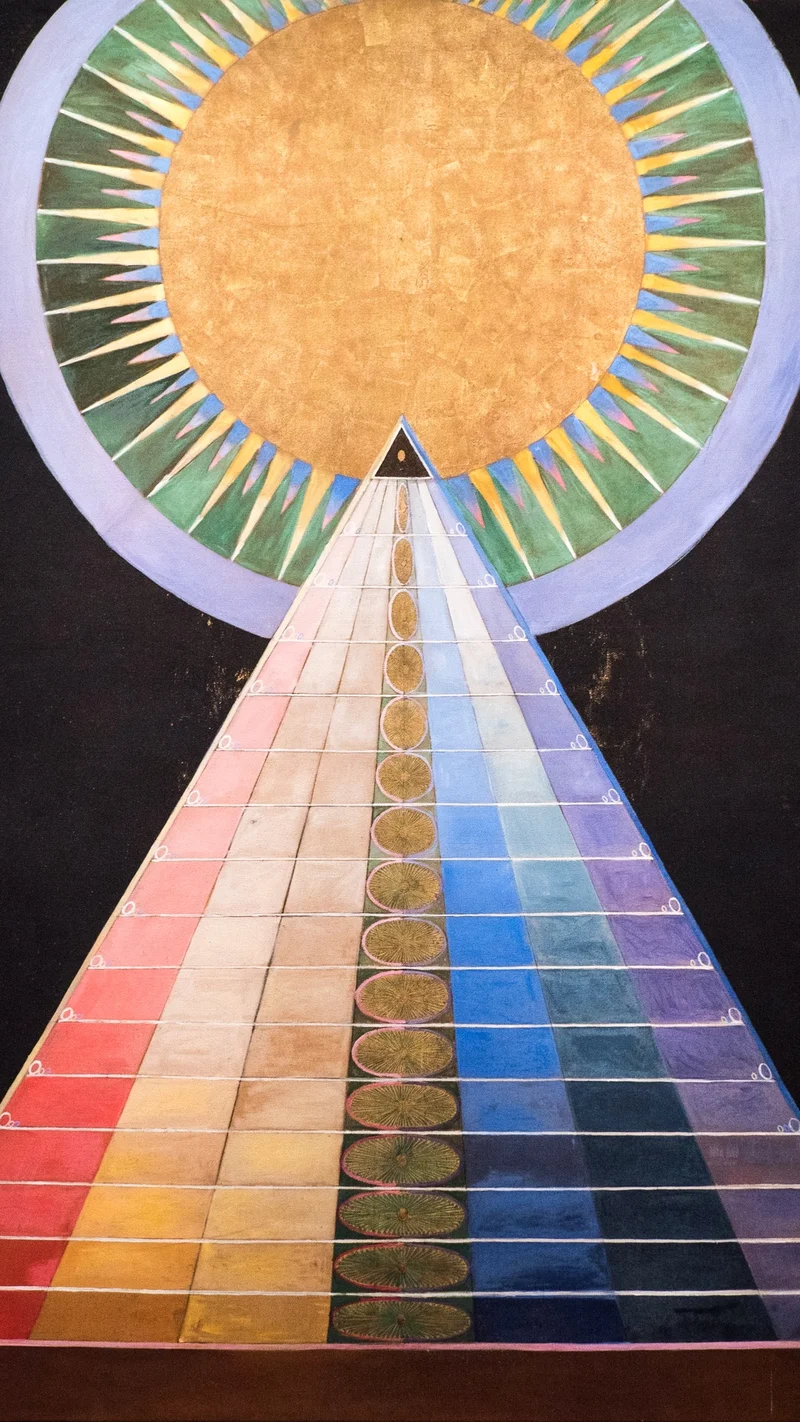
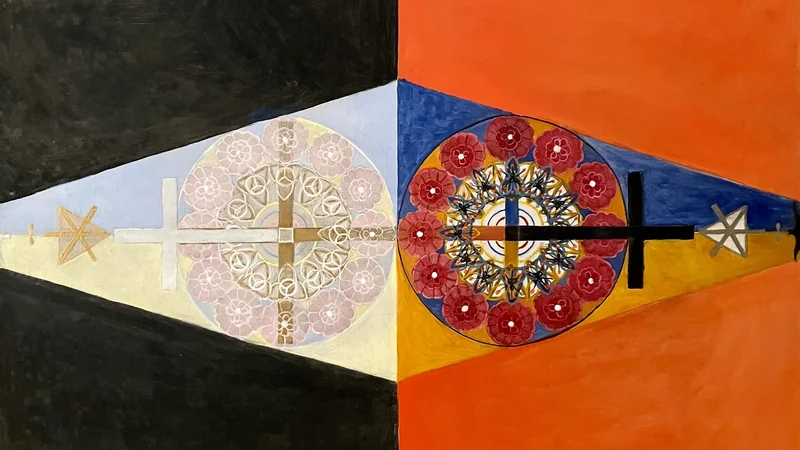
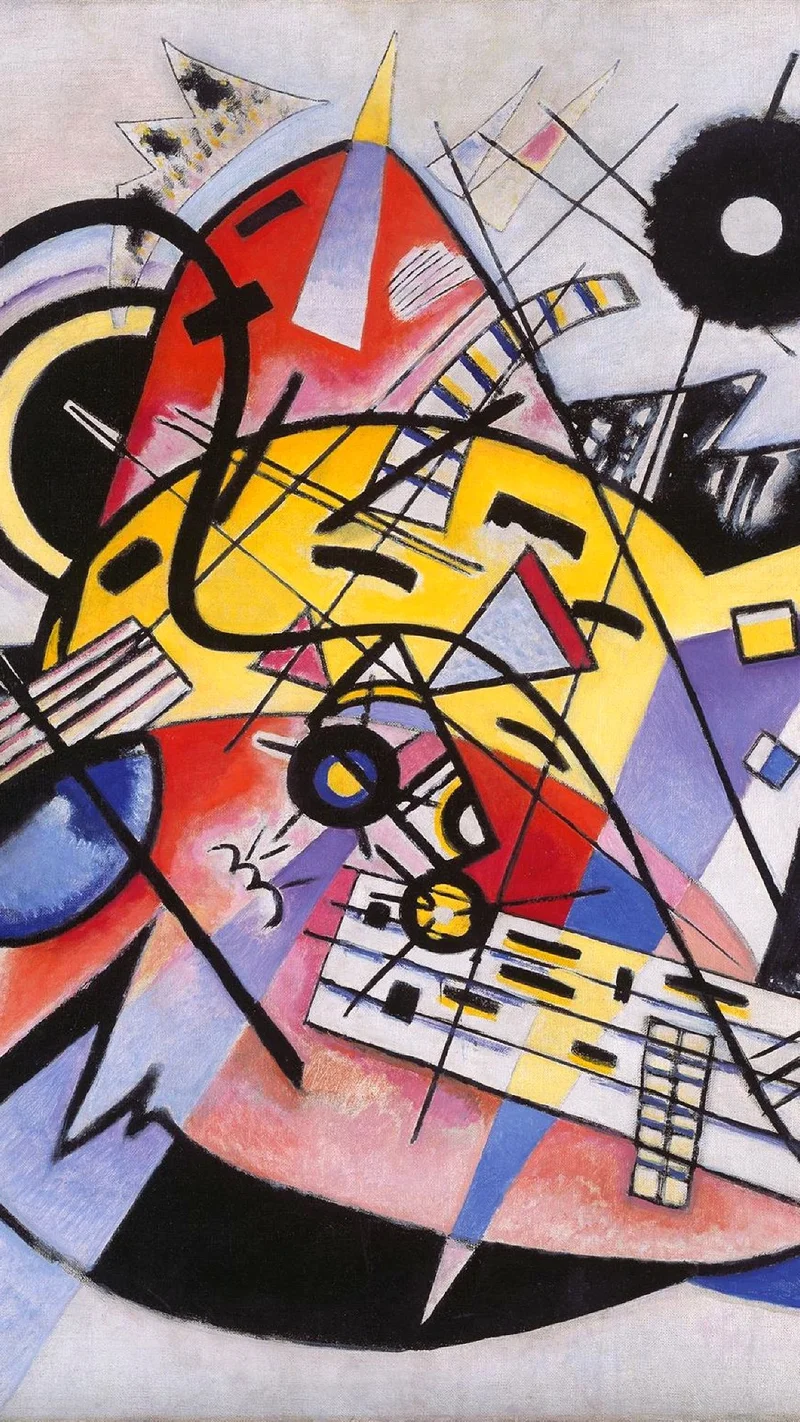
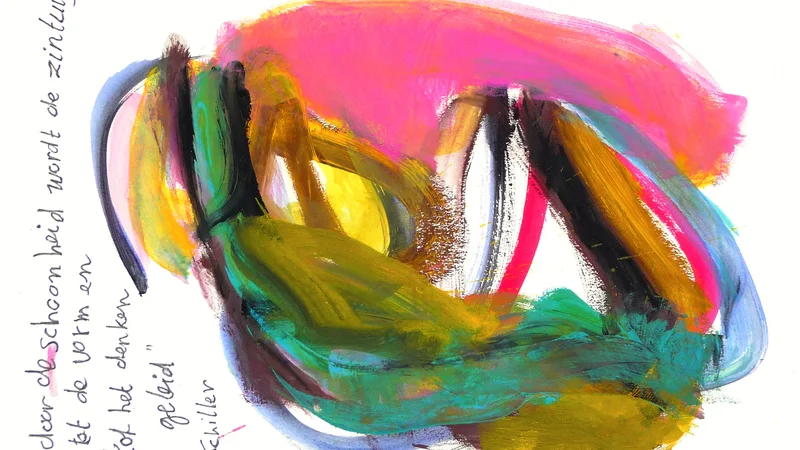
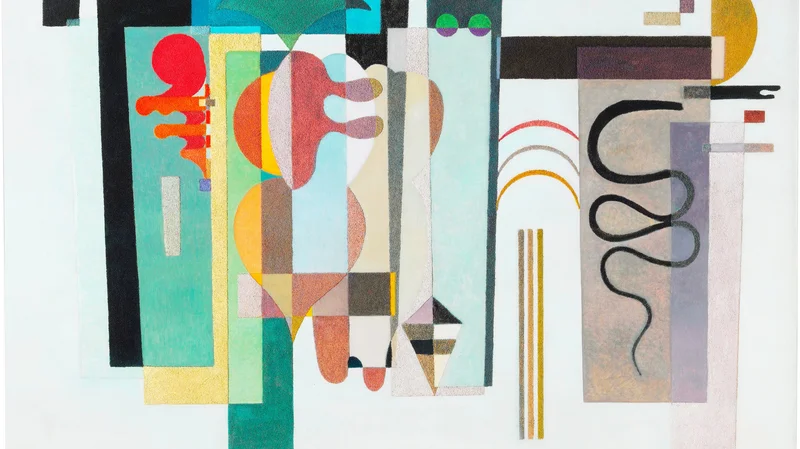
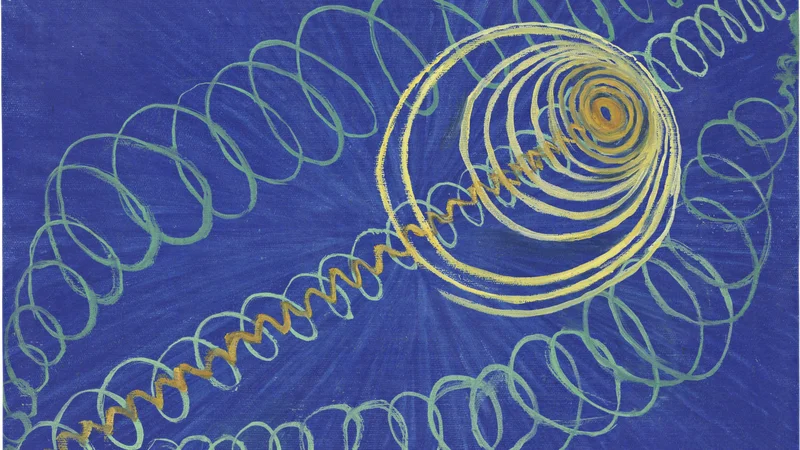
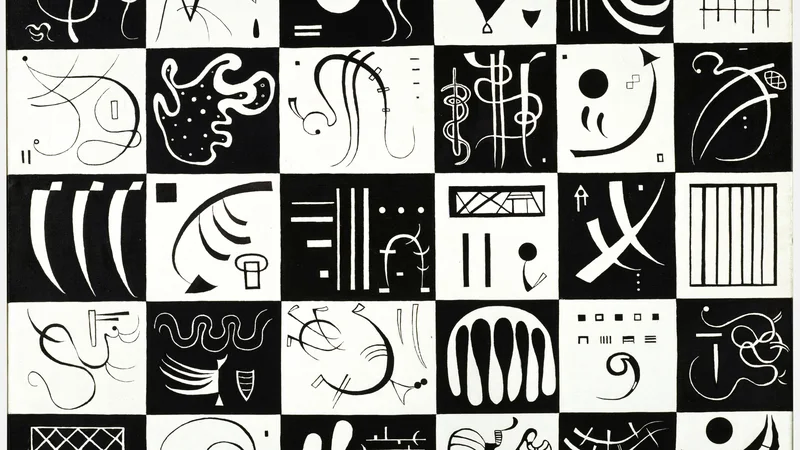
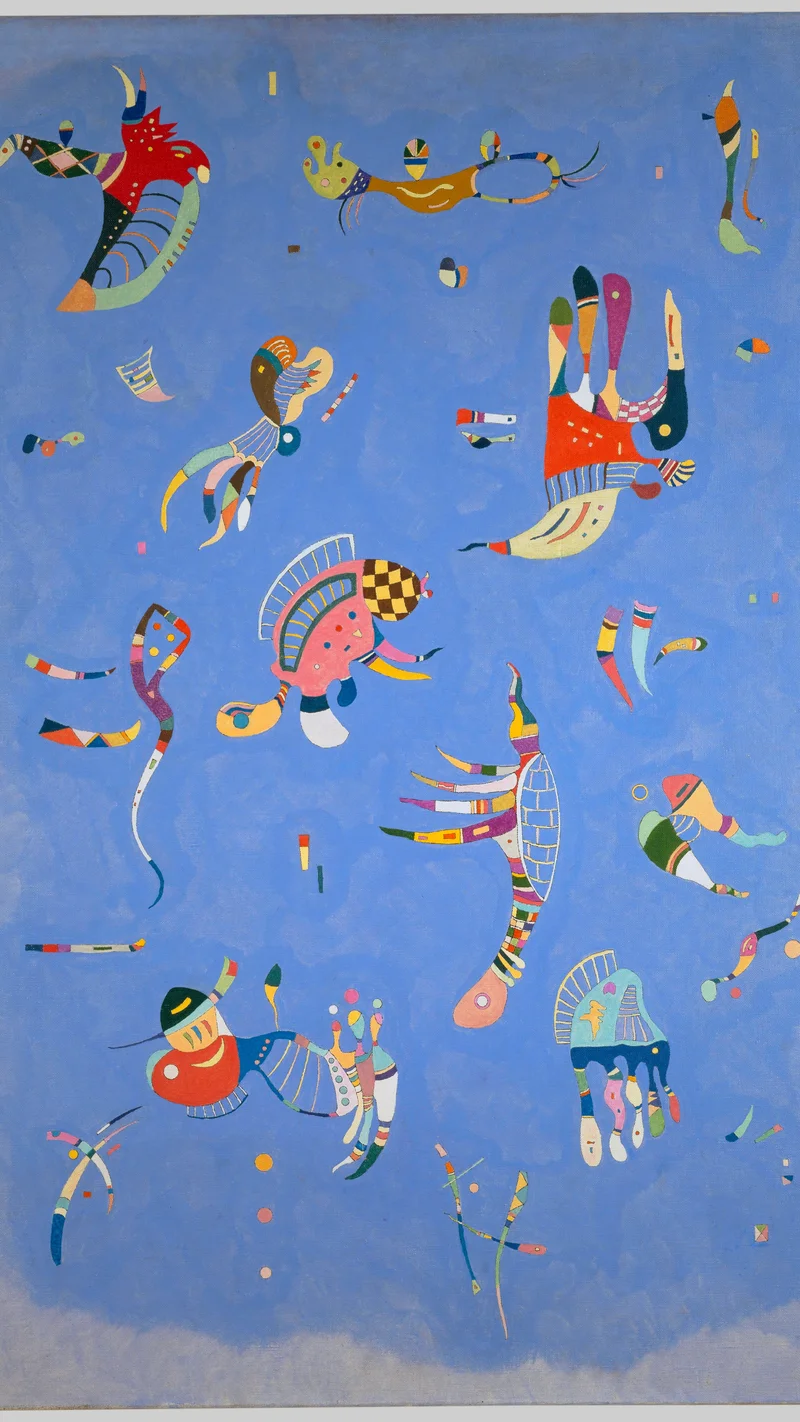
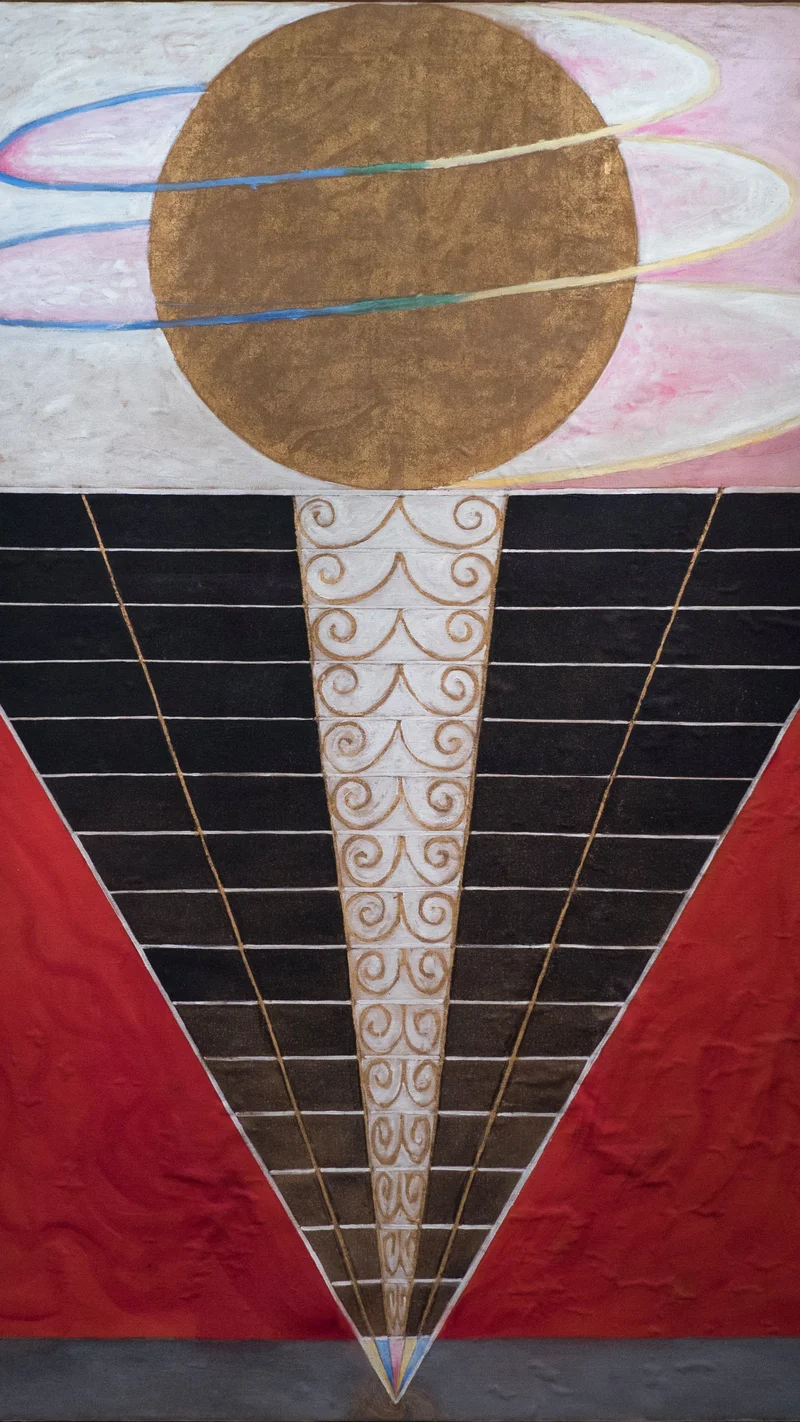
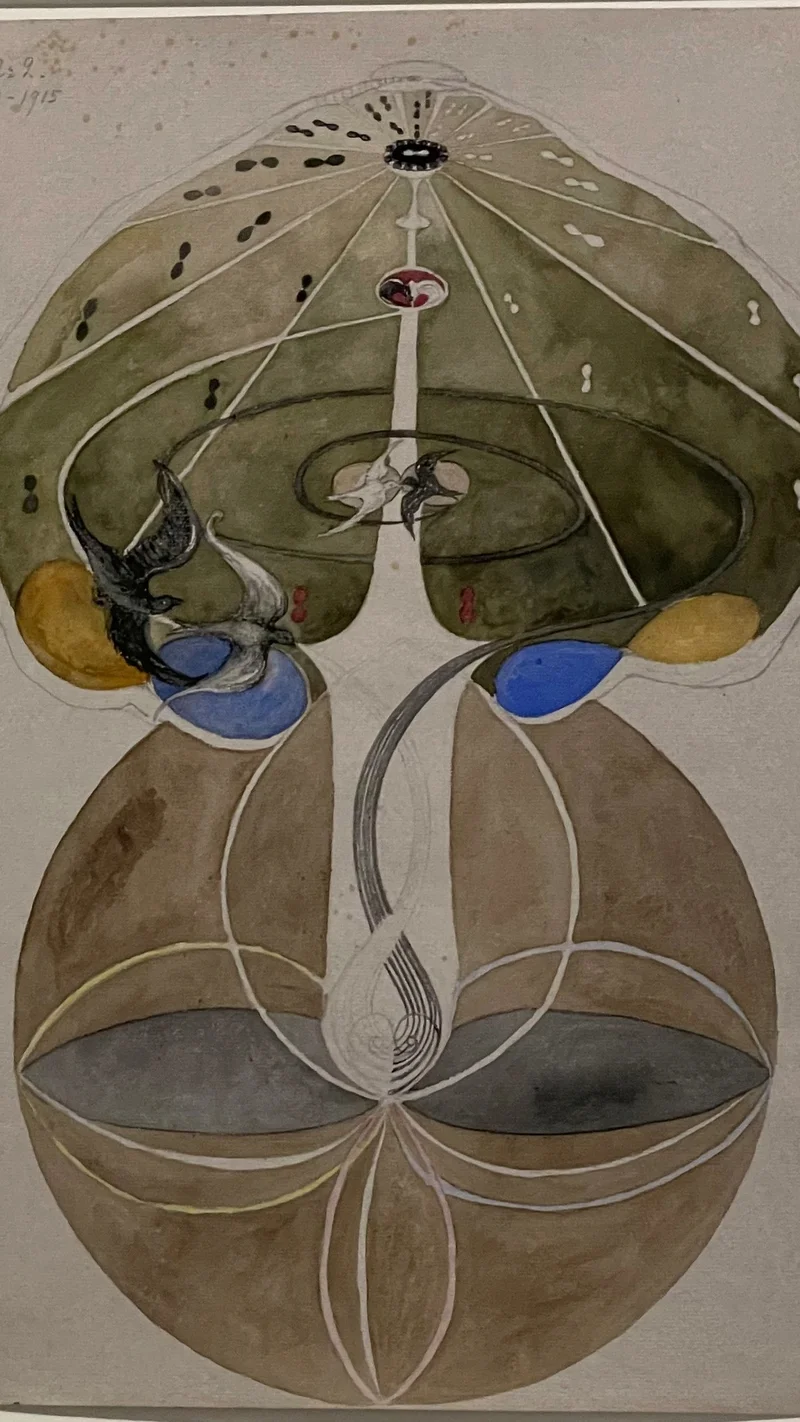
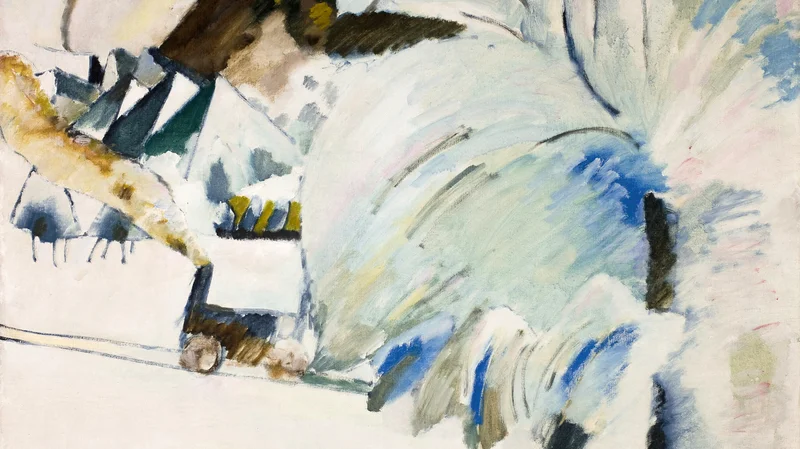
The emergence of abstraction in the early 20th century marked a profound ontological shift, as artists moved away from the mimesis that had governed Western art since the Renaissance toward a focus on the intrinsic properties of form, color, and line. Pioneered by figures such as Wassily Kandinsky, whose Composition 8 exemplified the pursuit of spiritual resonance through non-objective means, and Hilma af Klint, whose Beauty & Truth 1. (on Fr. von Schiller) predated many canonized developments, the movement dismantled the necessity of the representational subject. Artists like Arthur Dove, through works such as Soft Pressure, 1931, and Maurice Denis, who famously argued that a painting is essentially a flat surface covered with colors in a certain order, sought to translate subjective experience into a universal visual language.
The Legacy of Non-Objective Form
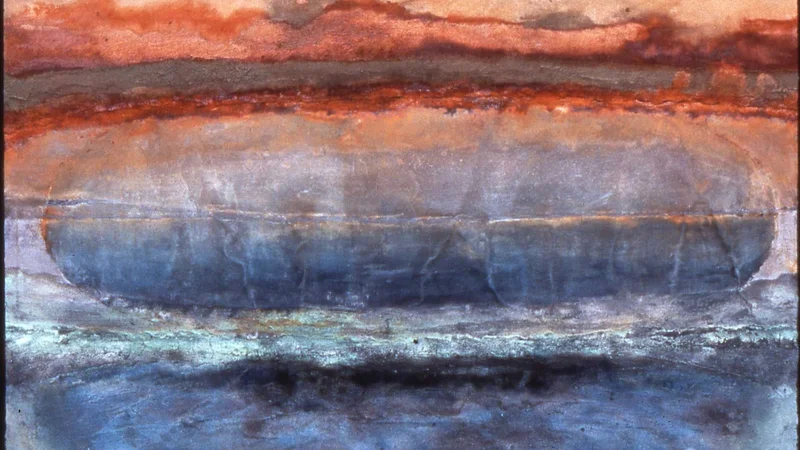
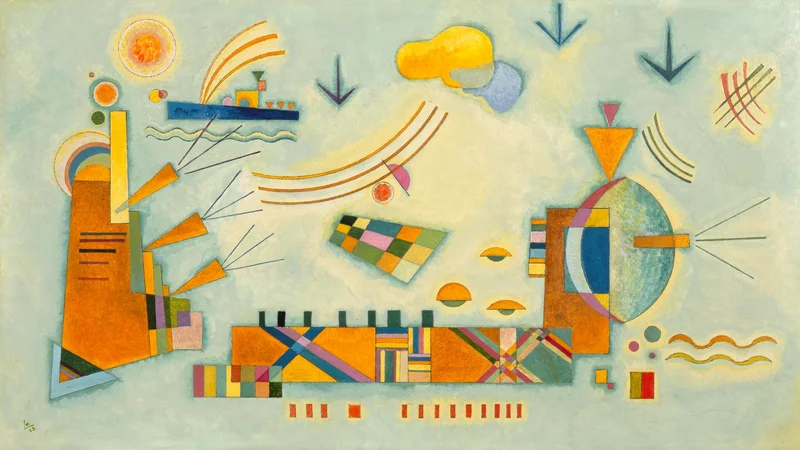
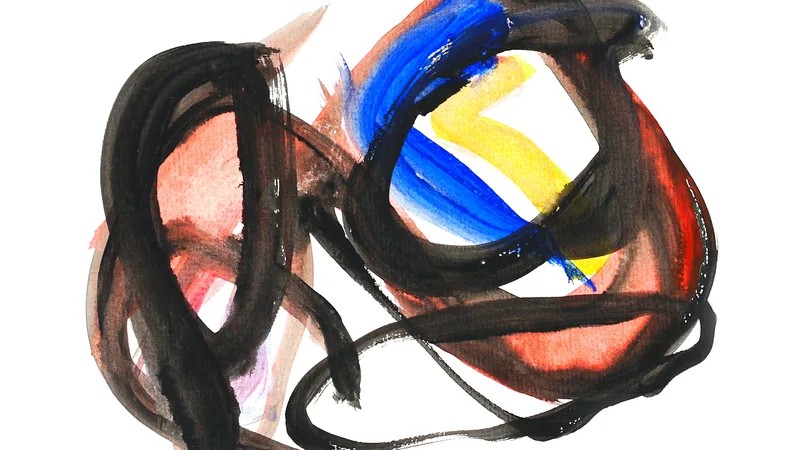
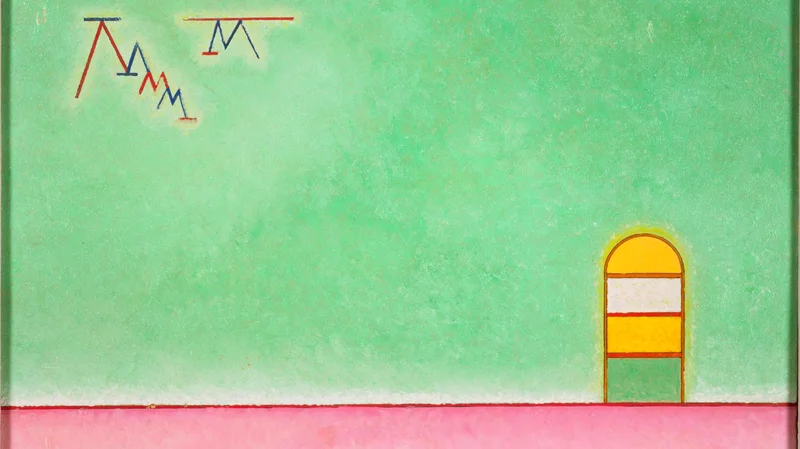
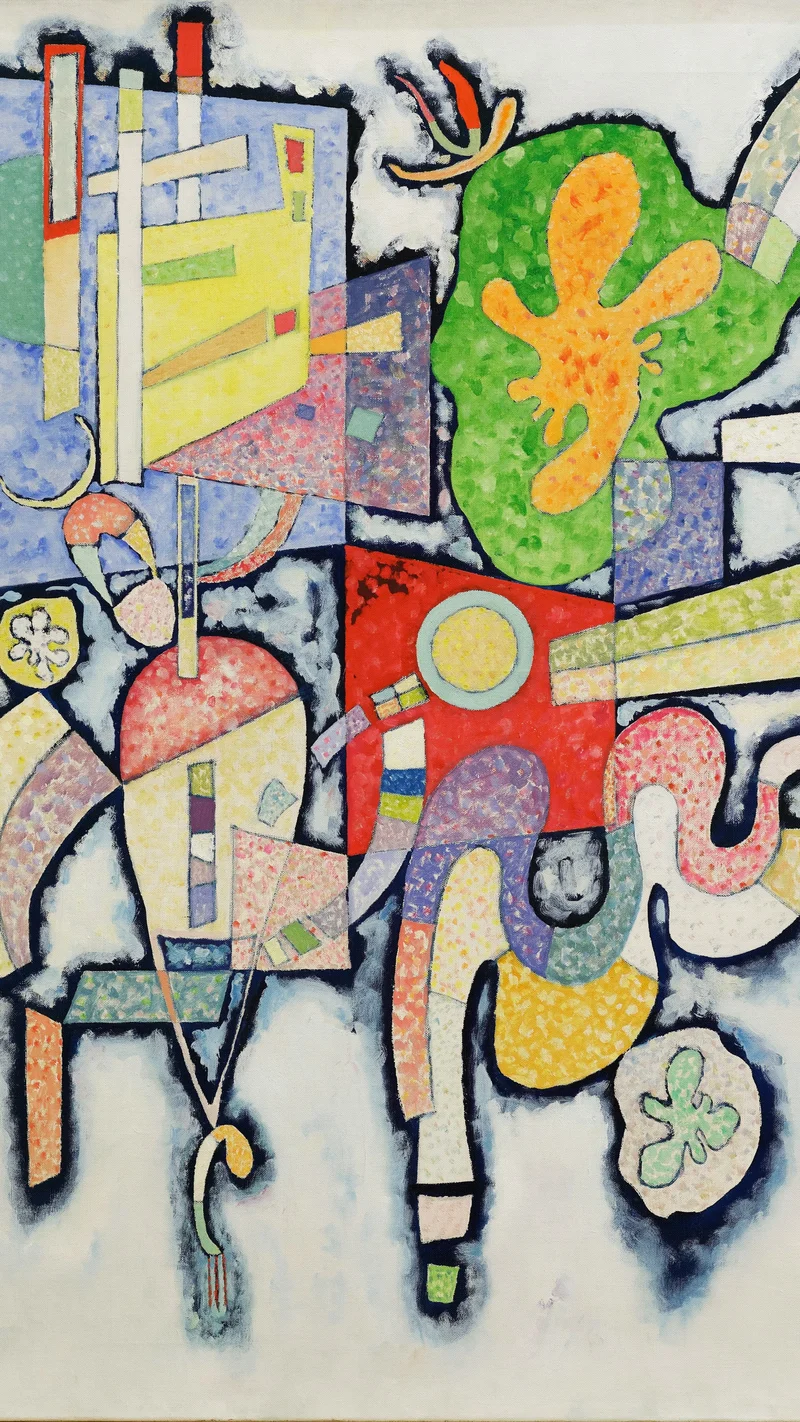
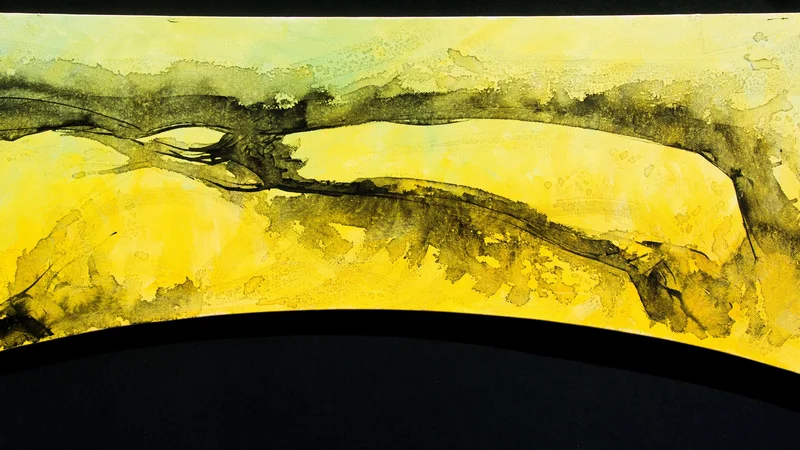
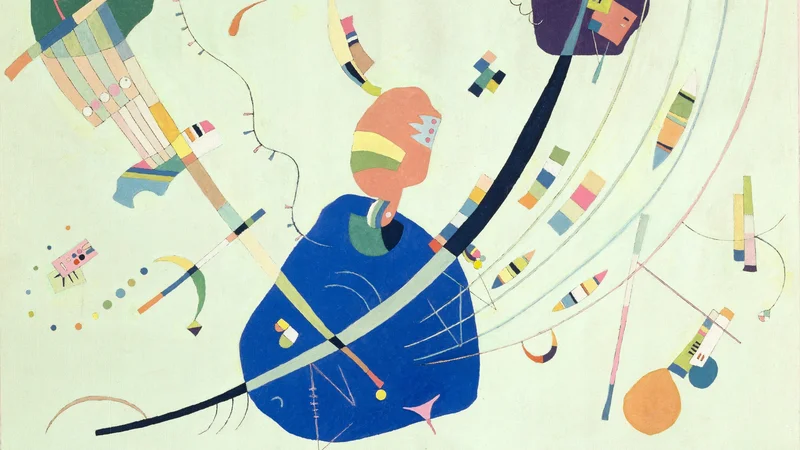
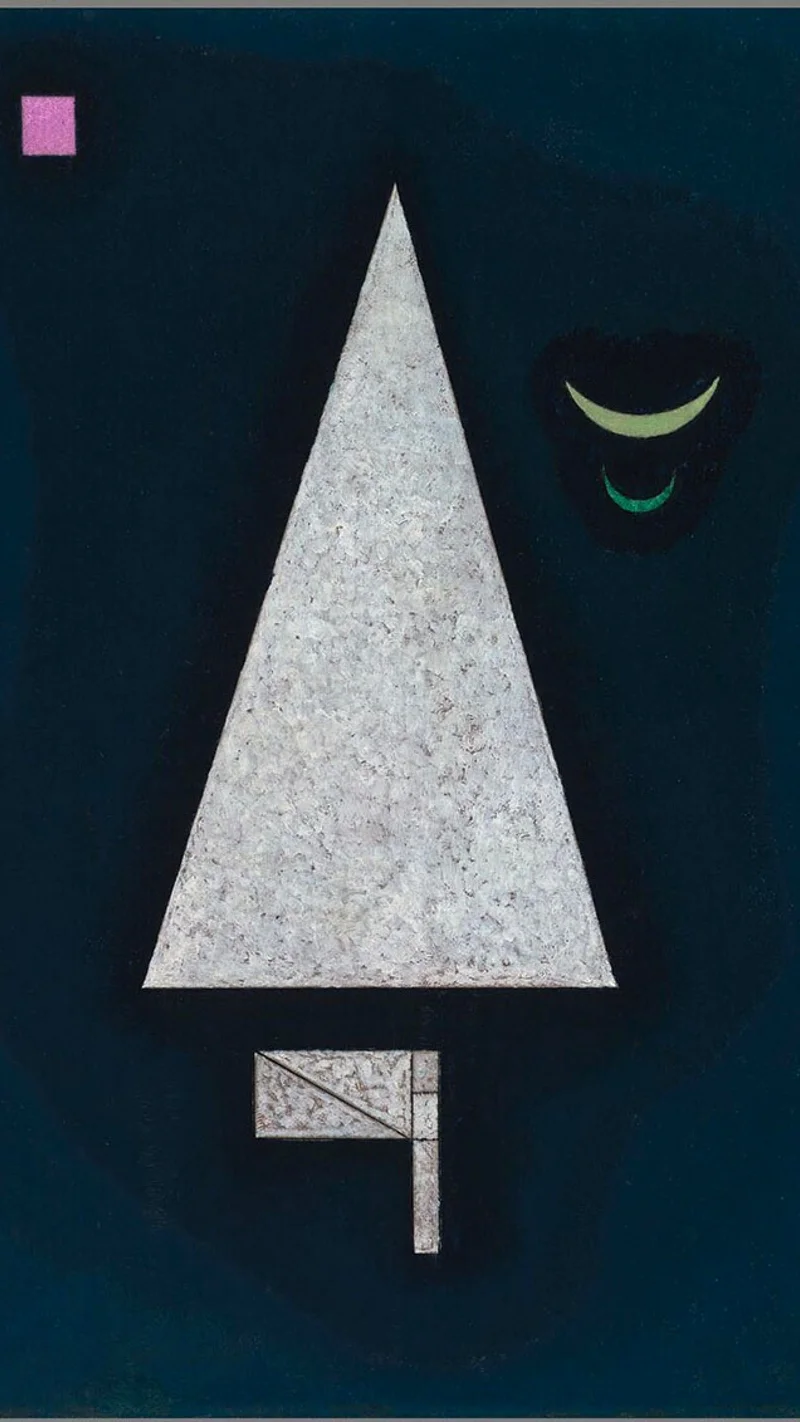
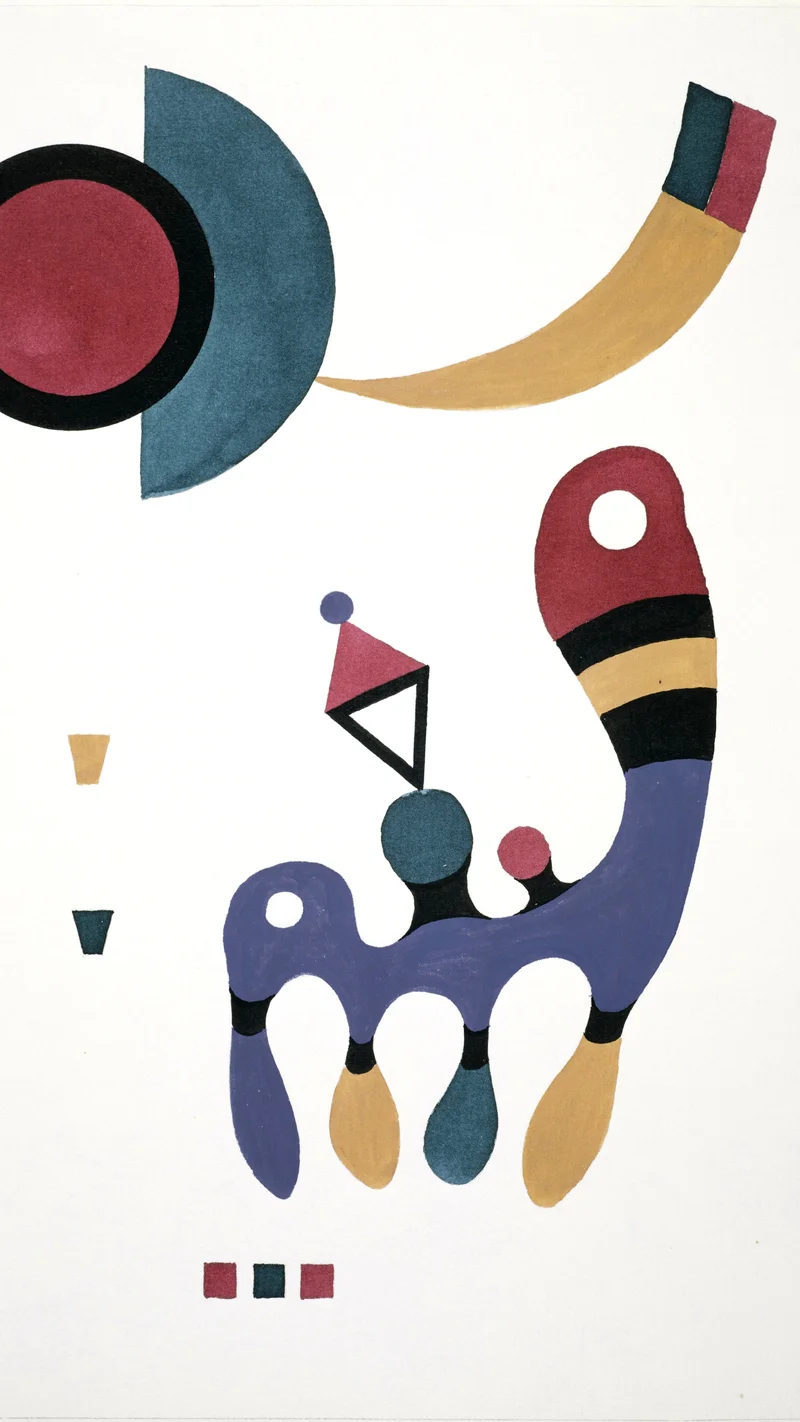
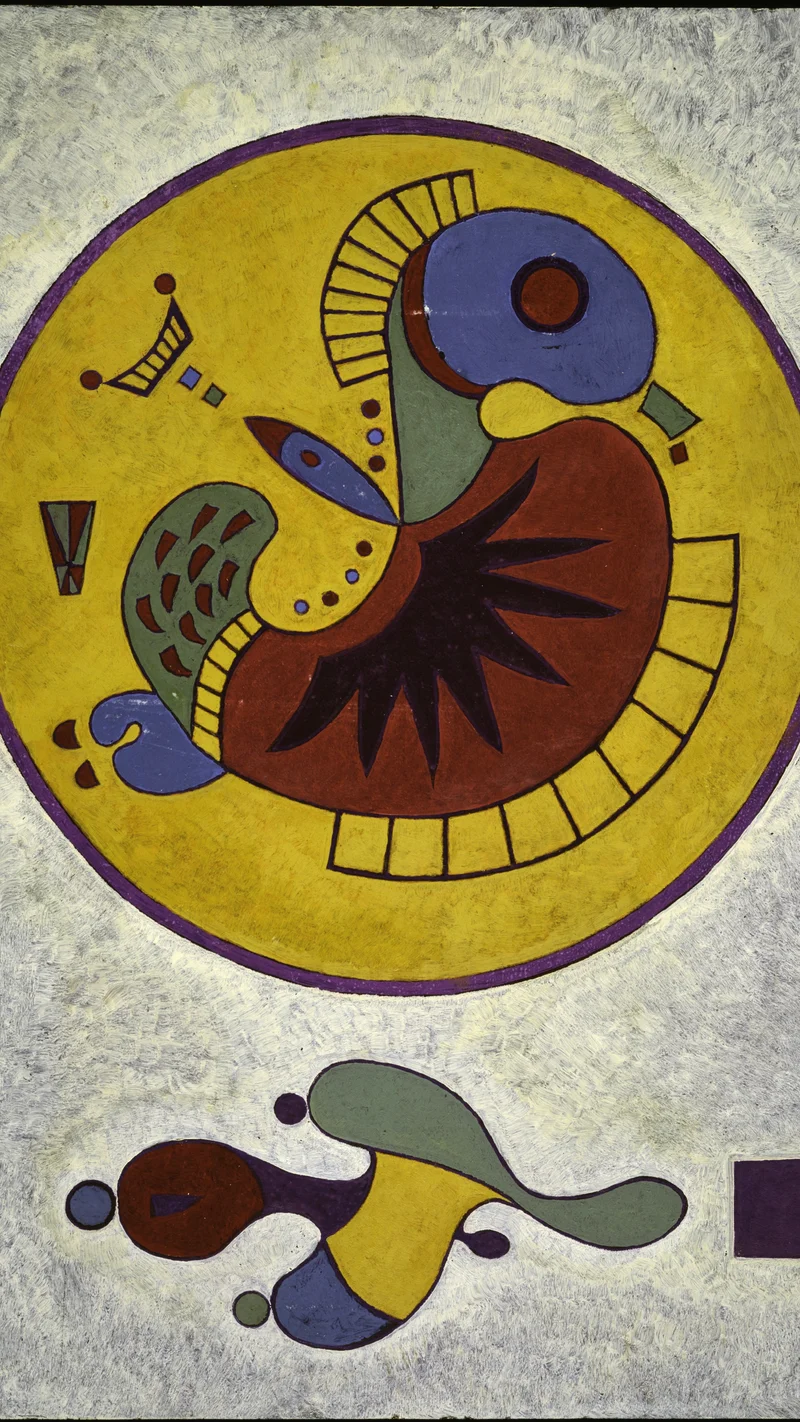
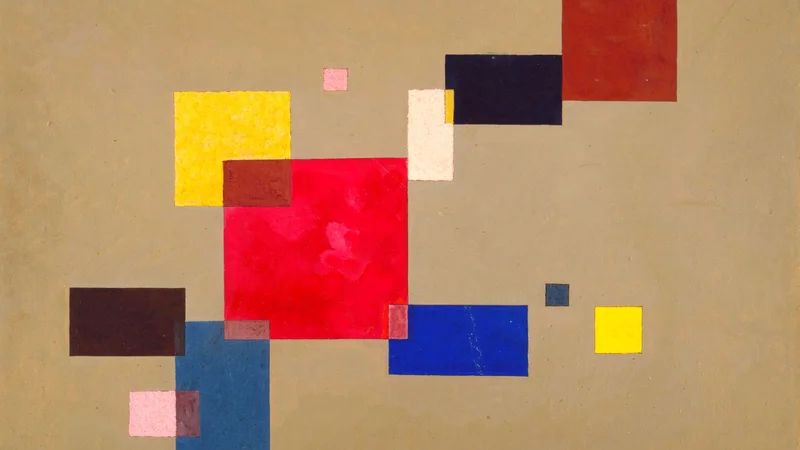
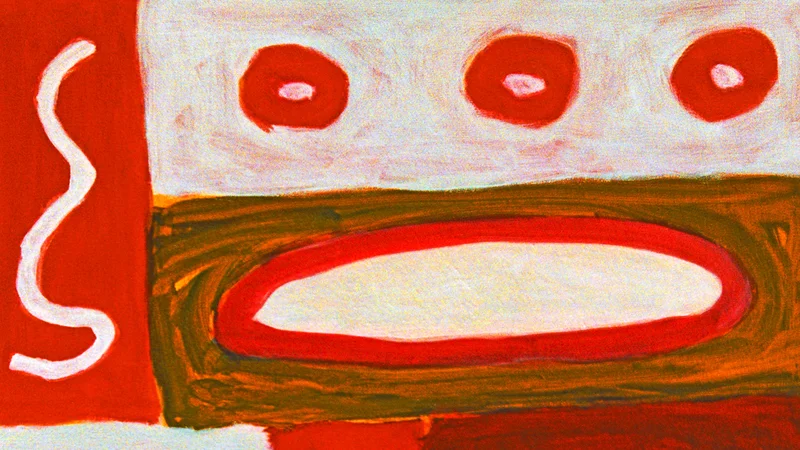
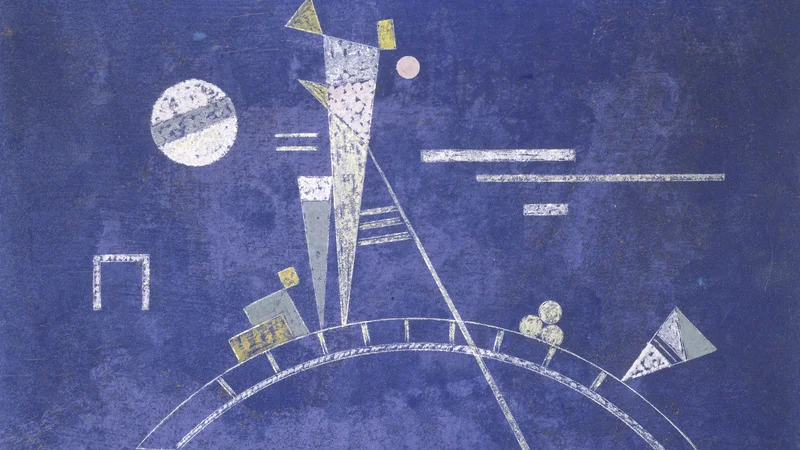
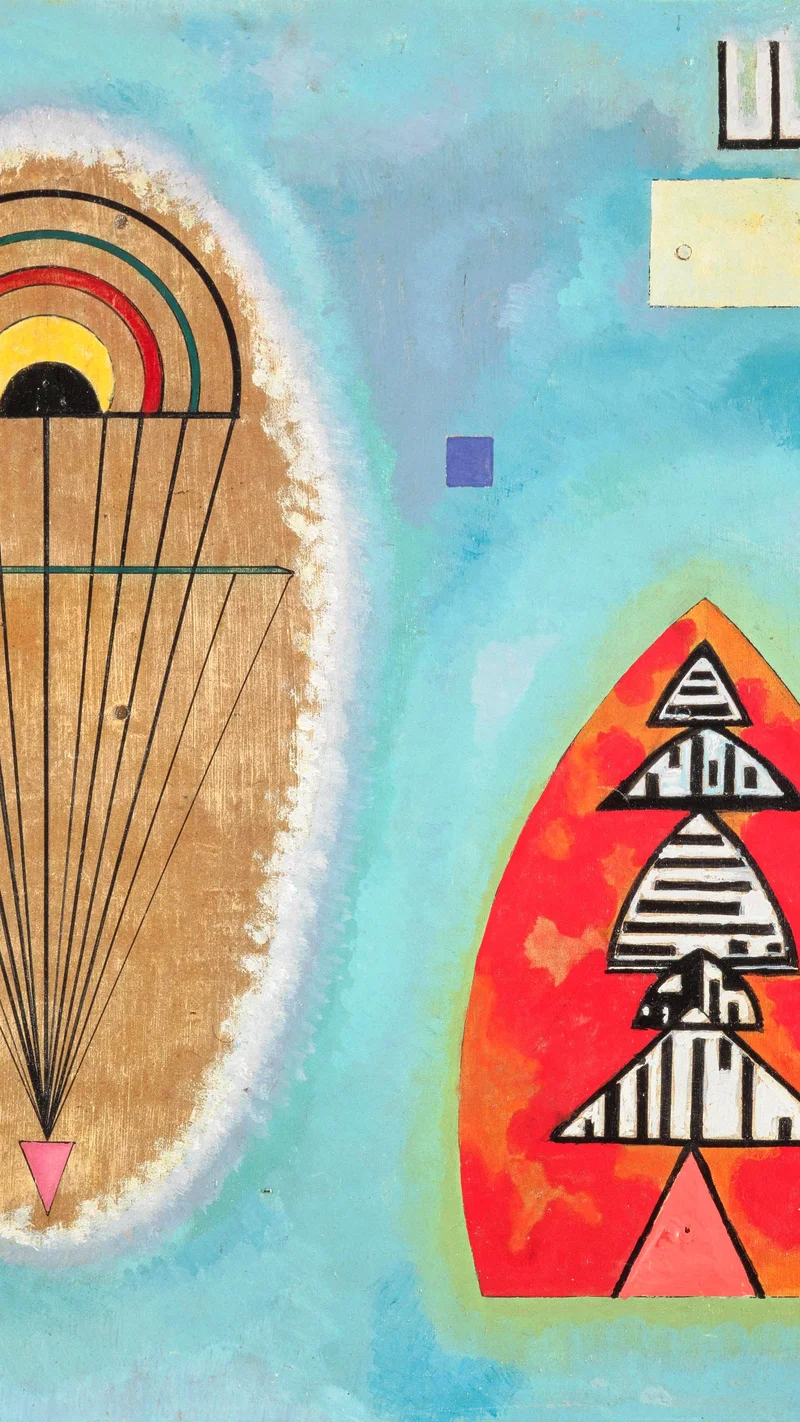
Subsequent exploration, evidenced by Fons Heijnsbroek’s Abstract Composition with Wavy Lines and the structured dynamism of Dominant Curve, solidified the movement's focus on the autonomy of the canvas. By prioritizing the internal logic of the composition—often seen in the stark, rhythmic tension of an Untitled work—abstract artists fundamentally redefined the viewer’s relationship to the art object. This transition liberated creative expression from the constraints of descriptive reality, establishing a lasting framework that continues to underpin contemporary investigations into phenomenology, perception, and the structural limits of visual art.