Transavantgarde
13 artworks
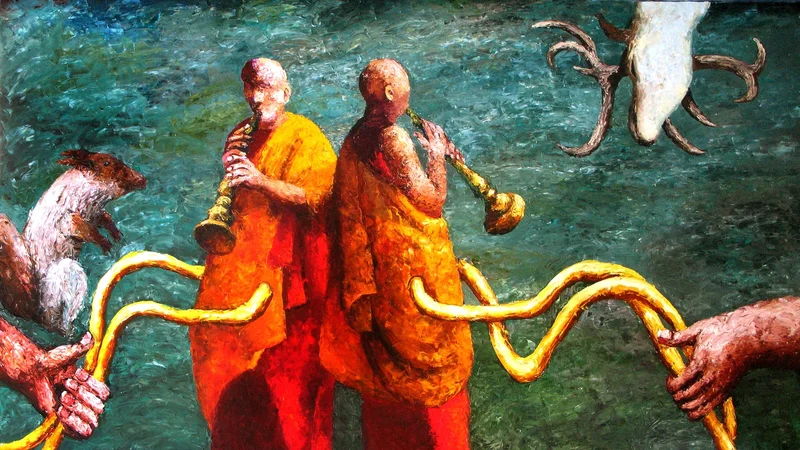
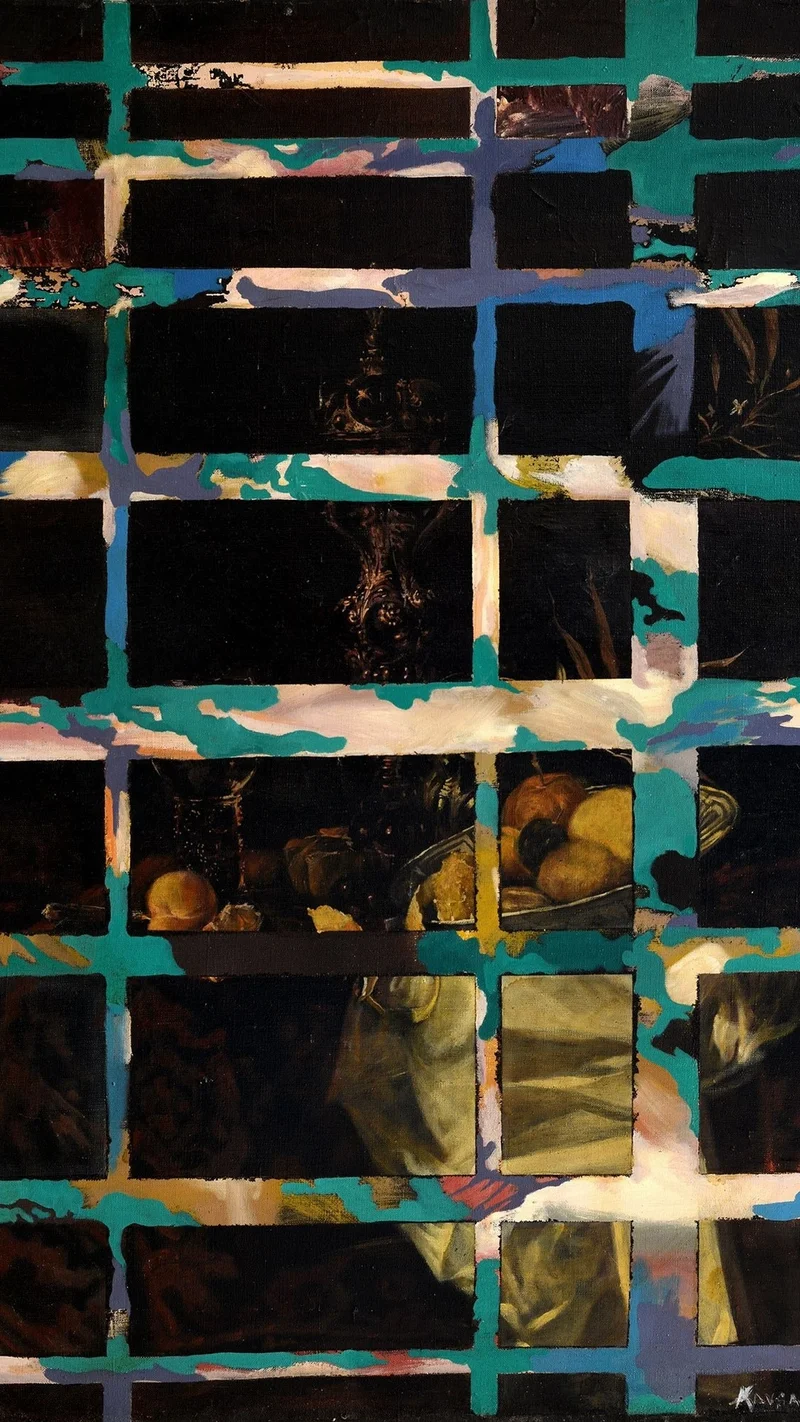
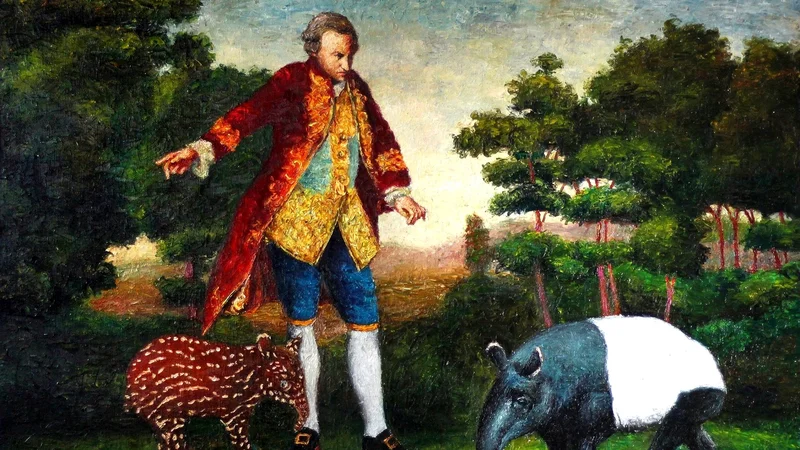
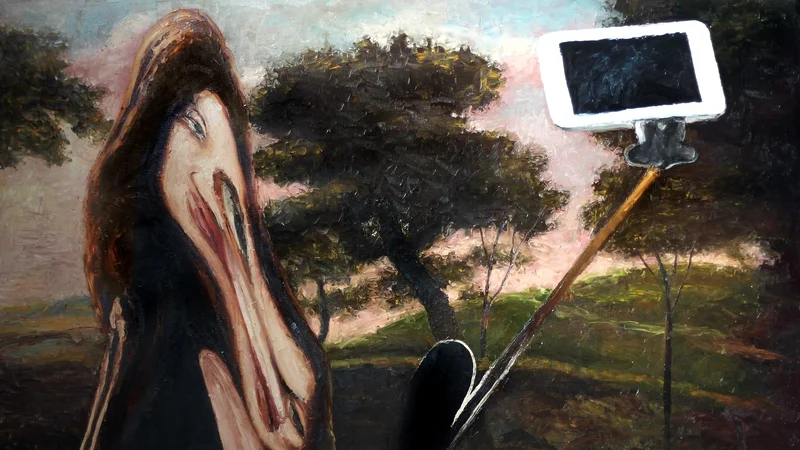
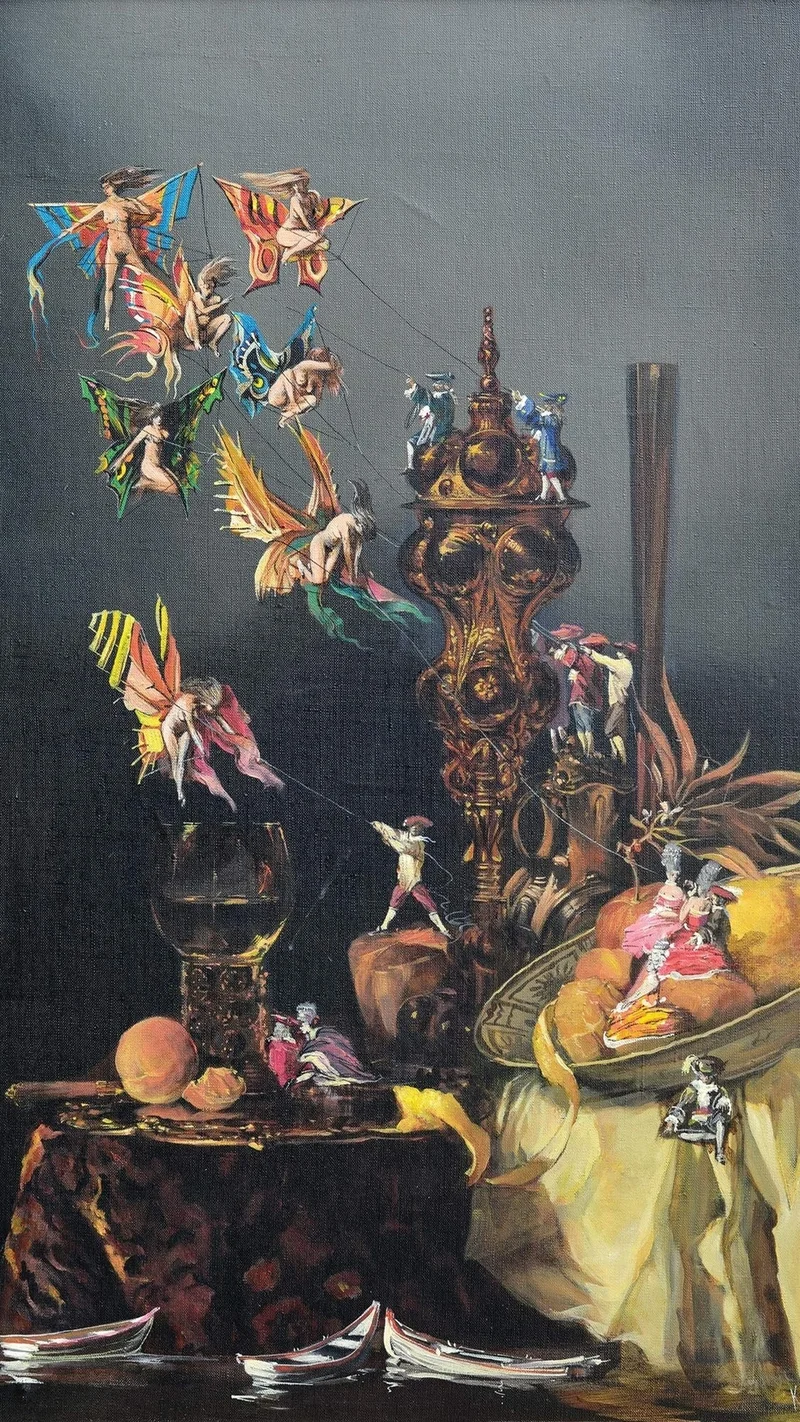
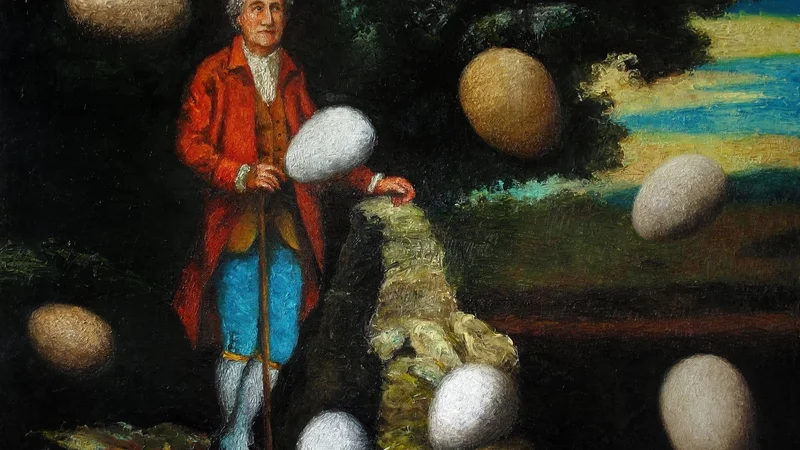
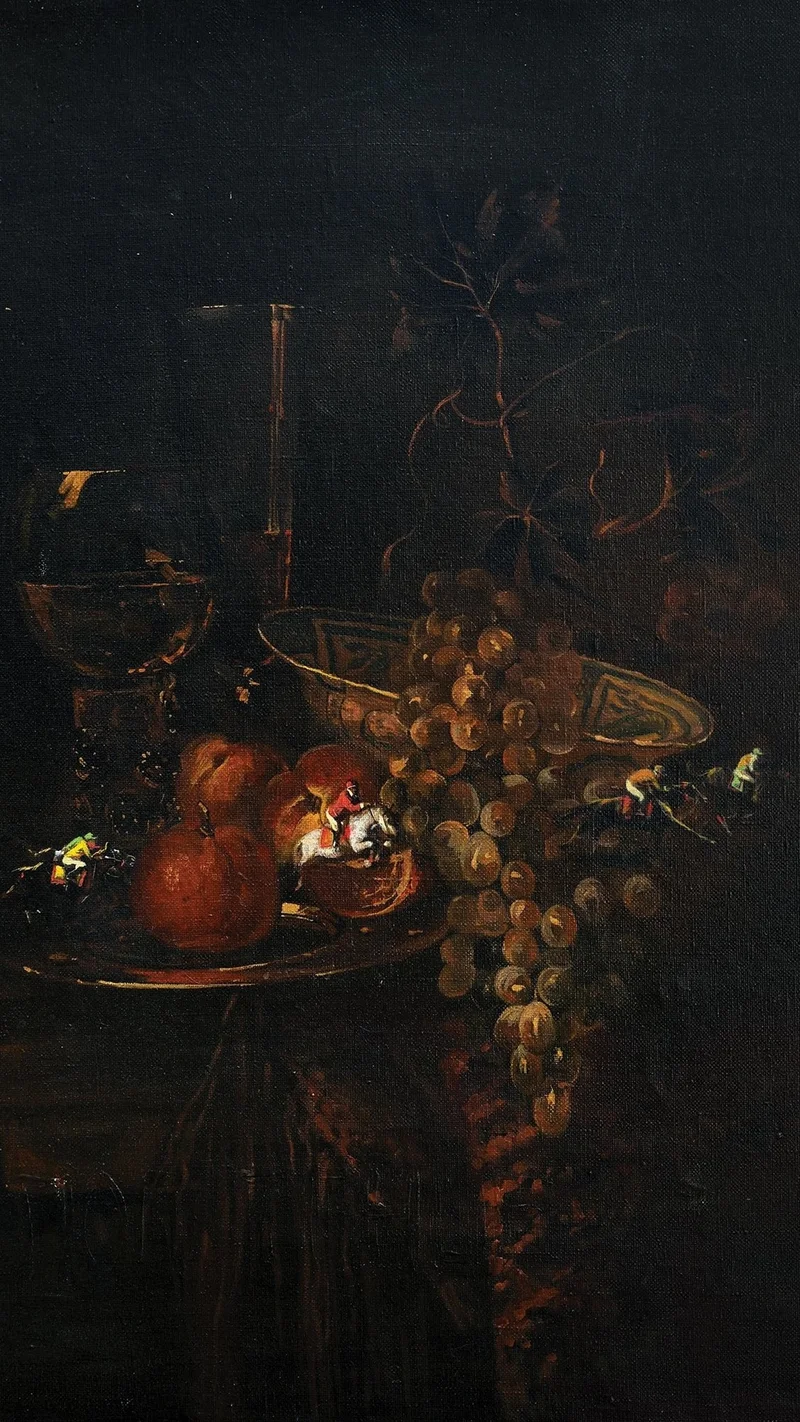
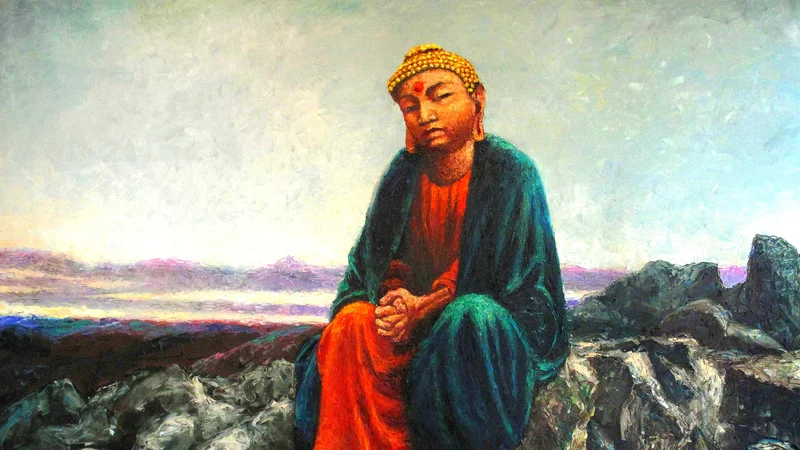
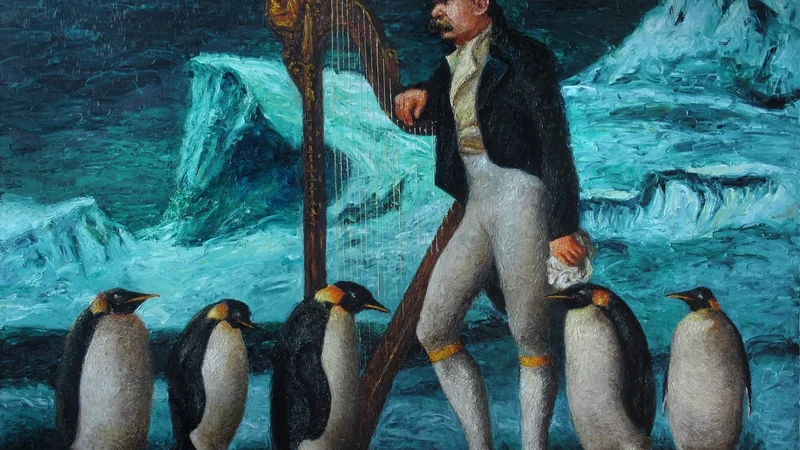
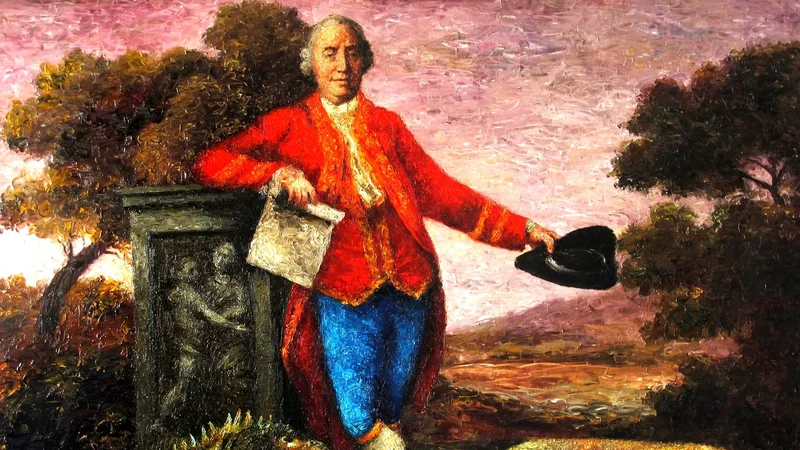
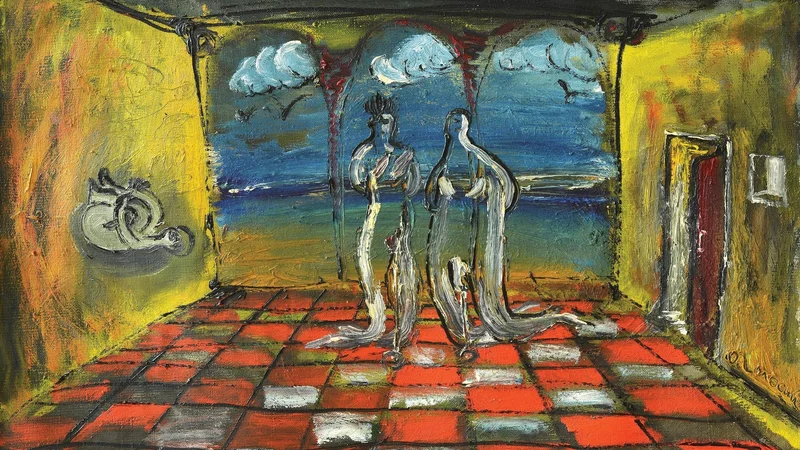
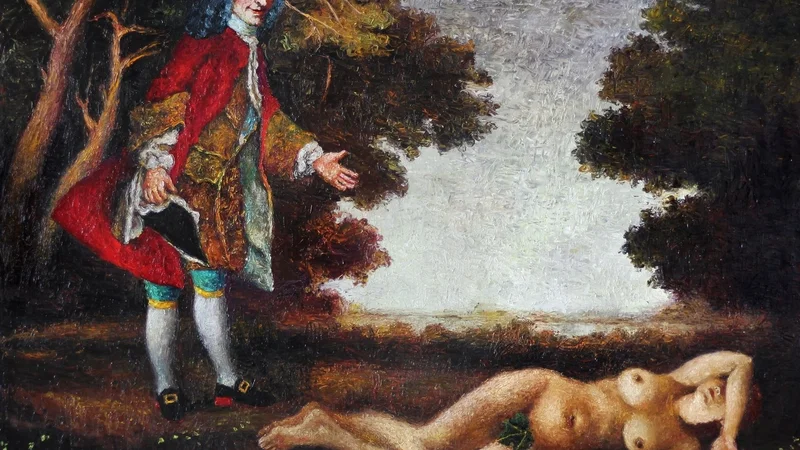
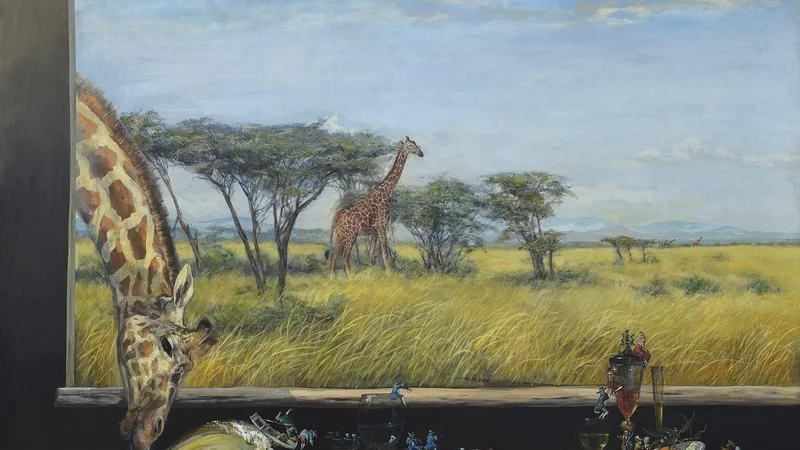
The Transavantgarde emerged in the late twentieth century as a vital, neo-expressionist reaction against the austerity of conceptualism and minimalism, finding its most poignant articulation within the Ukrainian artistic milieu. Characterized by a radical rejection of rigid theoretical frameworks, the movement prioritized the visceral act of painting, reclaiming the canvas as a space for narrative complexity and psychological depth. Artists such as Oleg Holosiy, Dmytro Kavsan, and Alexander Roitburd employed a gestural, robust brushwork that favored raw materiality over polished finish. Their color theory often transcended representational fidelity, opting instead for high-chromatic intensity to evoke metaphysical weight, while their compositions frequently subverted traditional spatial logic to create immersive, dreamlike environments.
Key works such as Holosiy’s Angelus and Ladies Snakes, alongside Roitburd’s Buddha In The Desert and Goethein Weimar, illustrate a profound engagement with fragmented historical motifs and existential themes. In pieces like Yellow Room2 and Still Lifein Cross!, the application of light is utilized not merely for volume, but to pierce the atmospheric density of the image, bridging the gap between the figurative and the abstract. By synthesizing classical art-historical tropes with a contemporary urgency, the Transavantgarde restored the primacy of the artist’s hand, leaving an indelible legacy that reaffirms painting as a dynamic, evolving discourse capable of navigating the chaos of the postmodern condition.