Mannerism
22 artworks
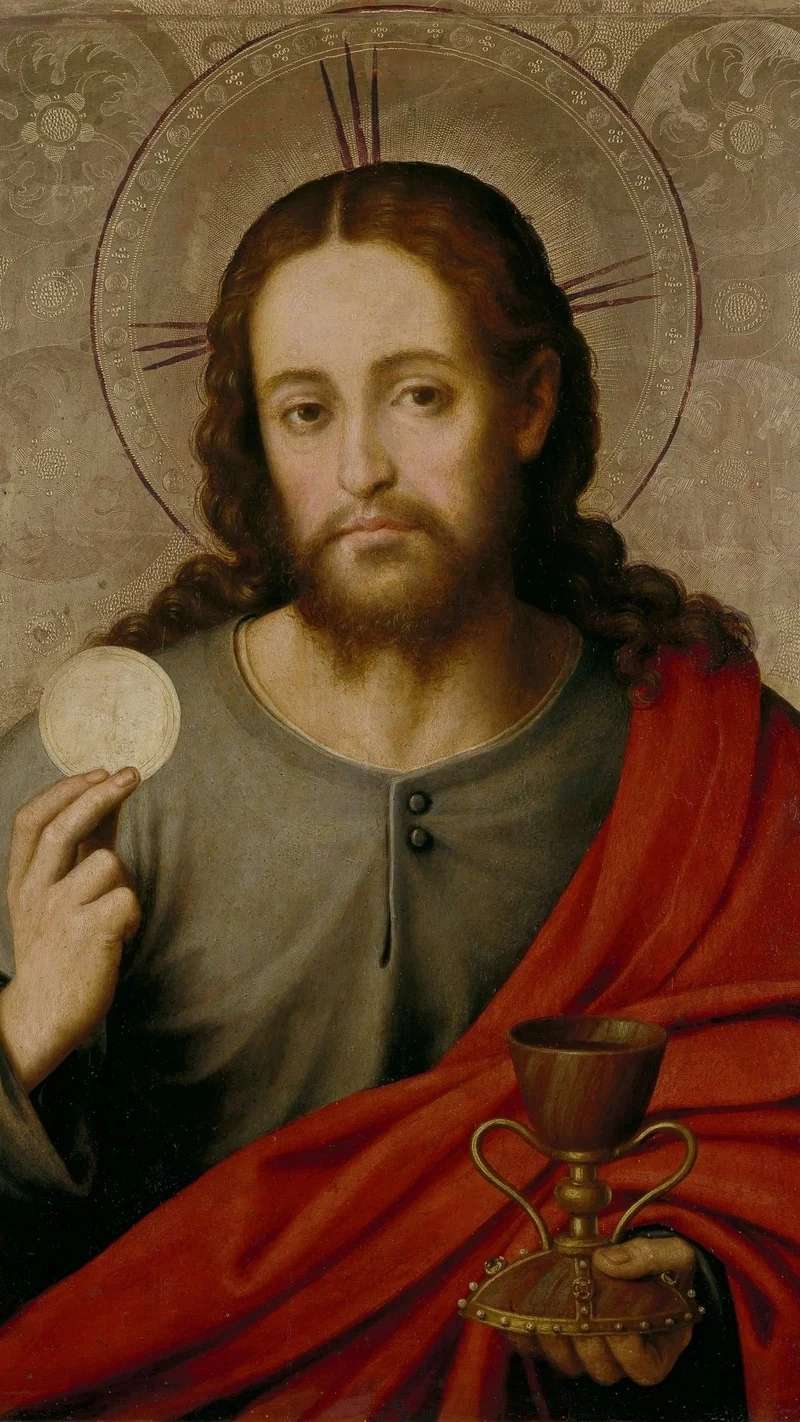
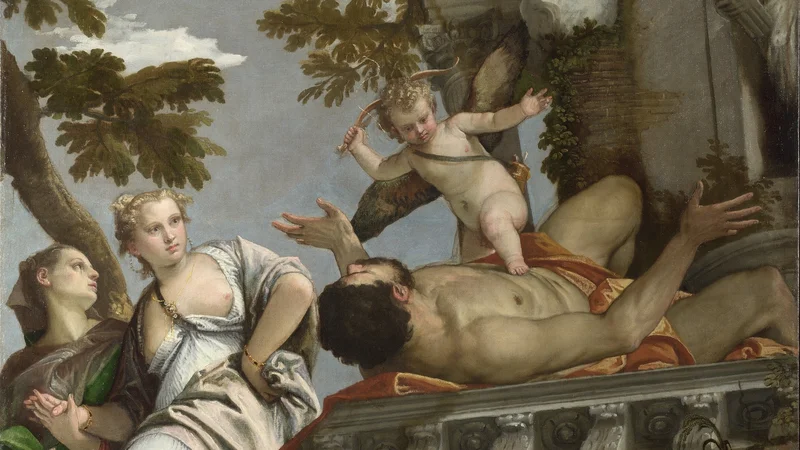
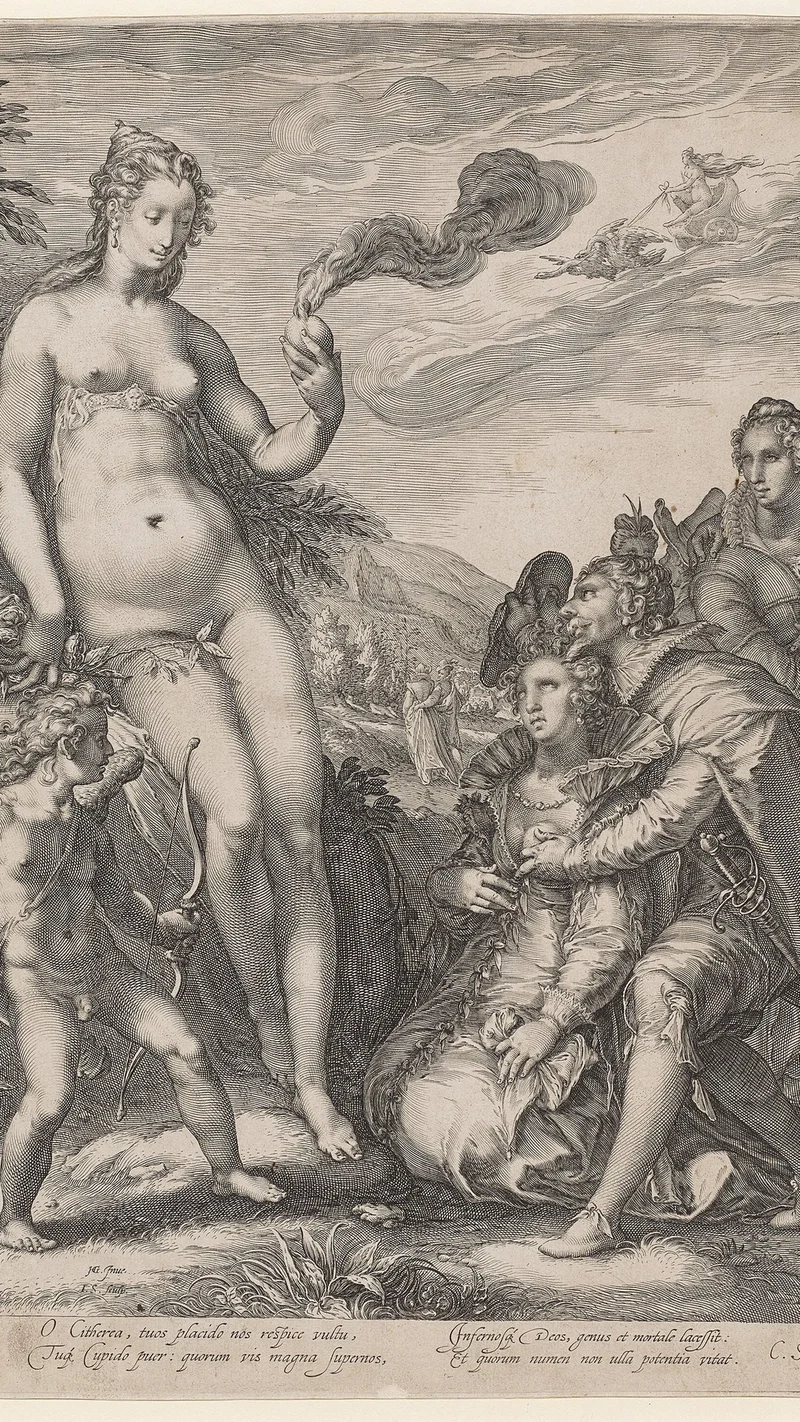
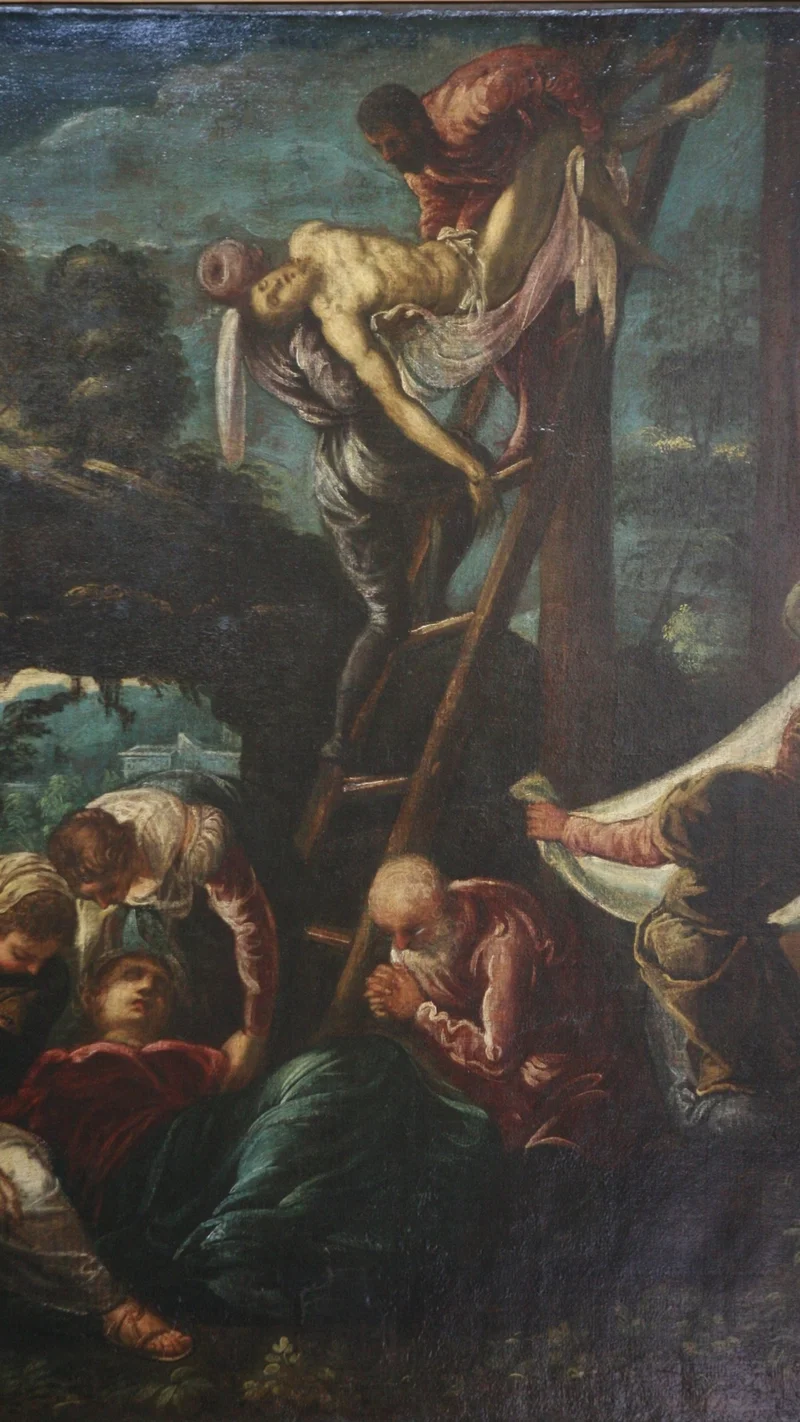
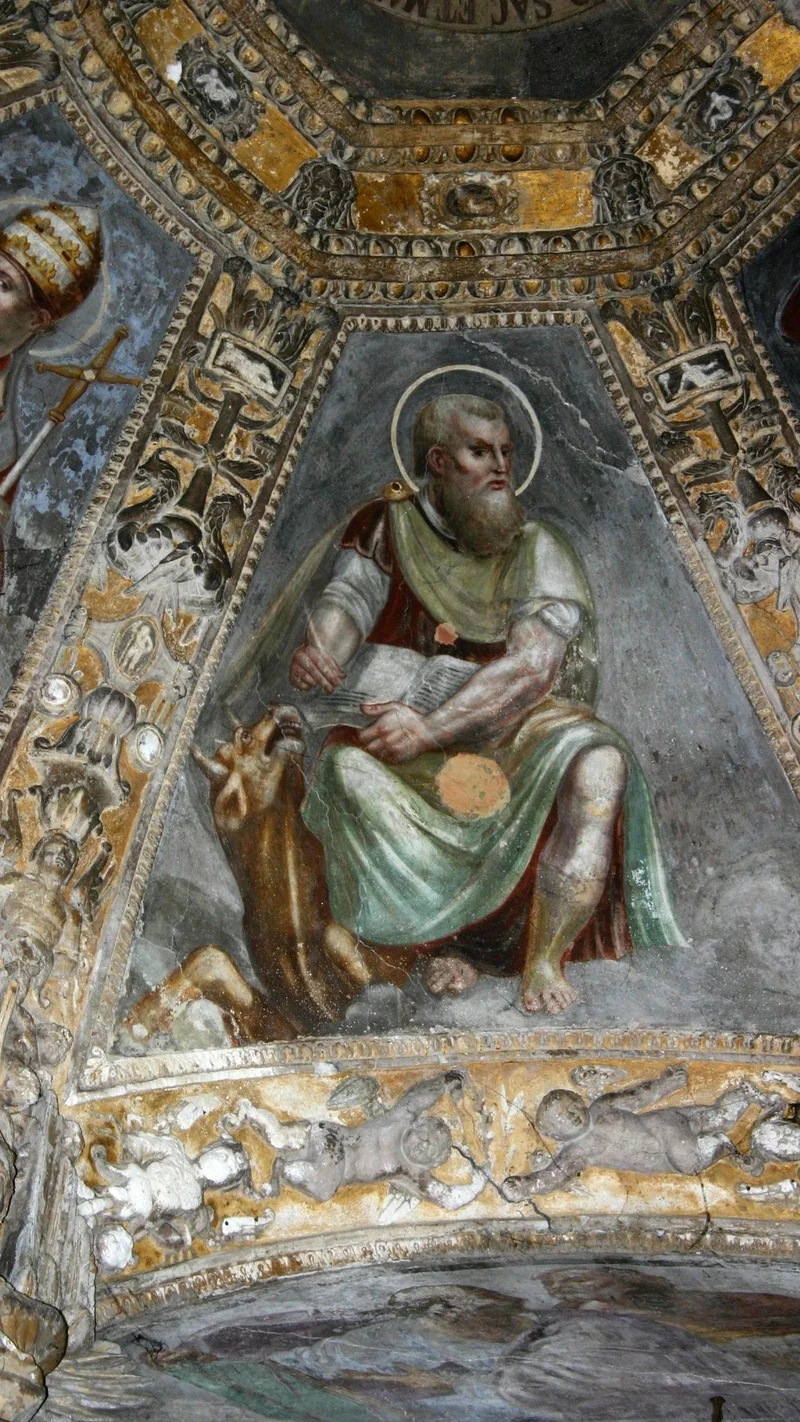
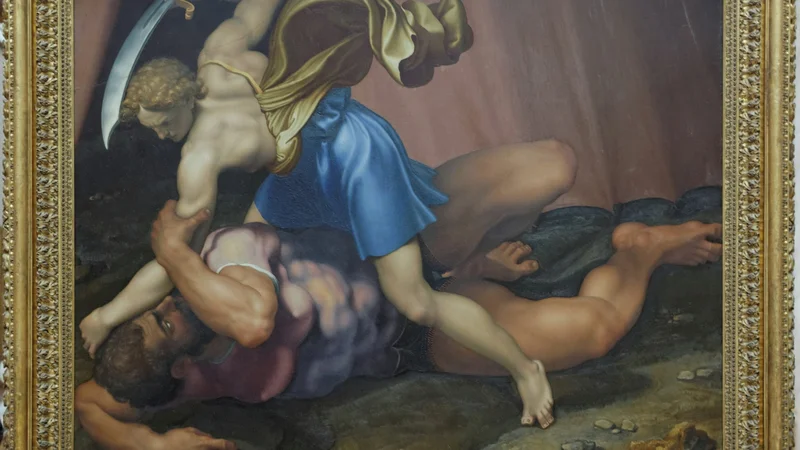
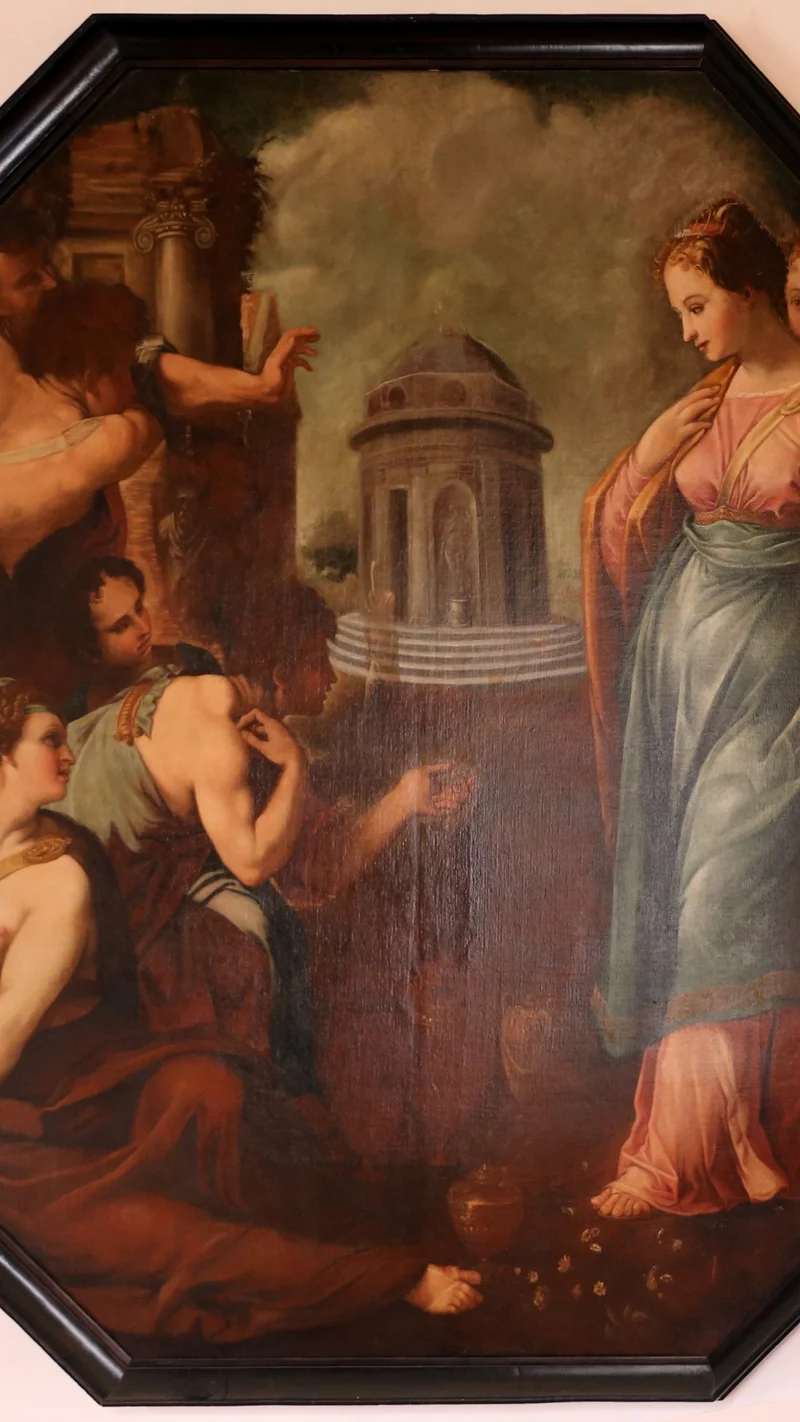
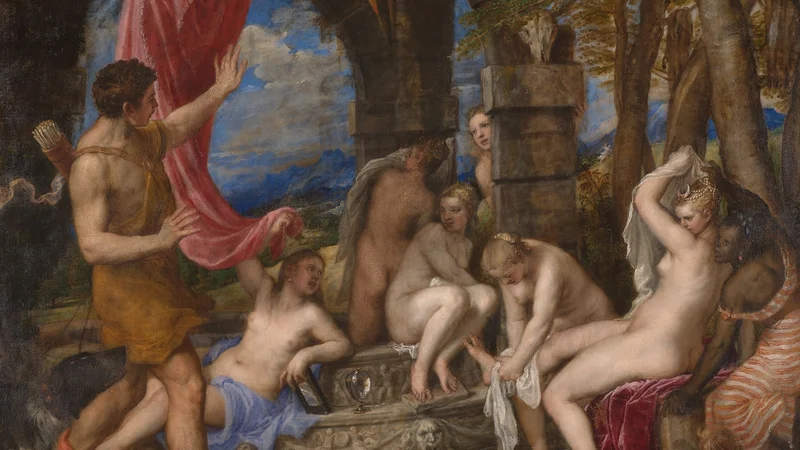
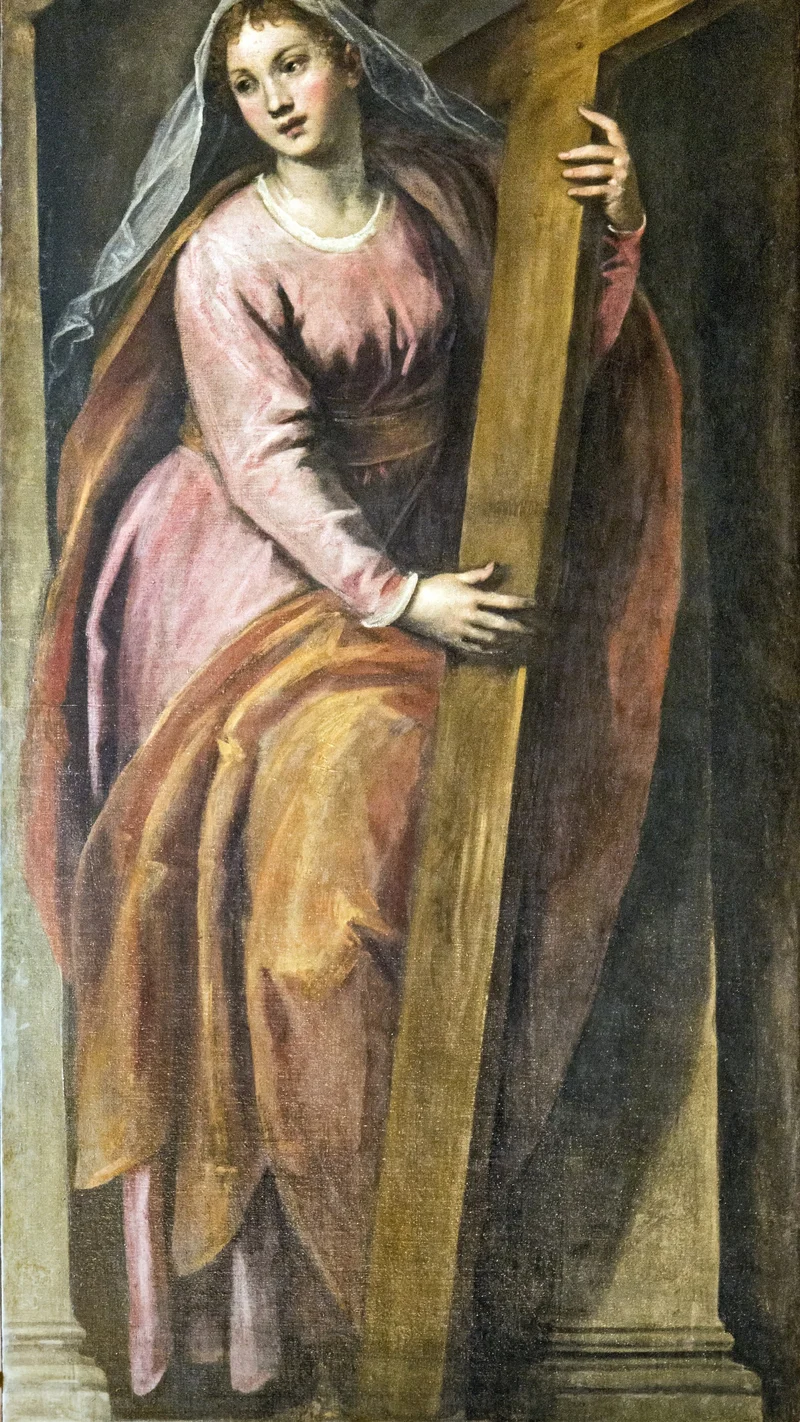
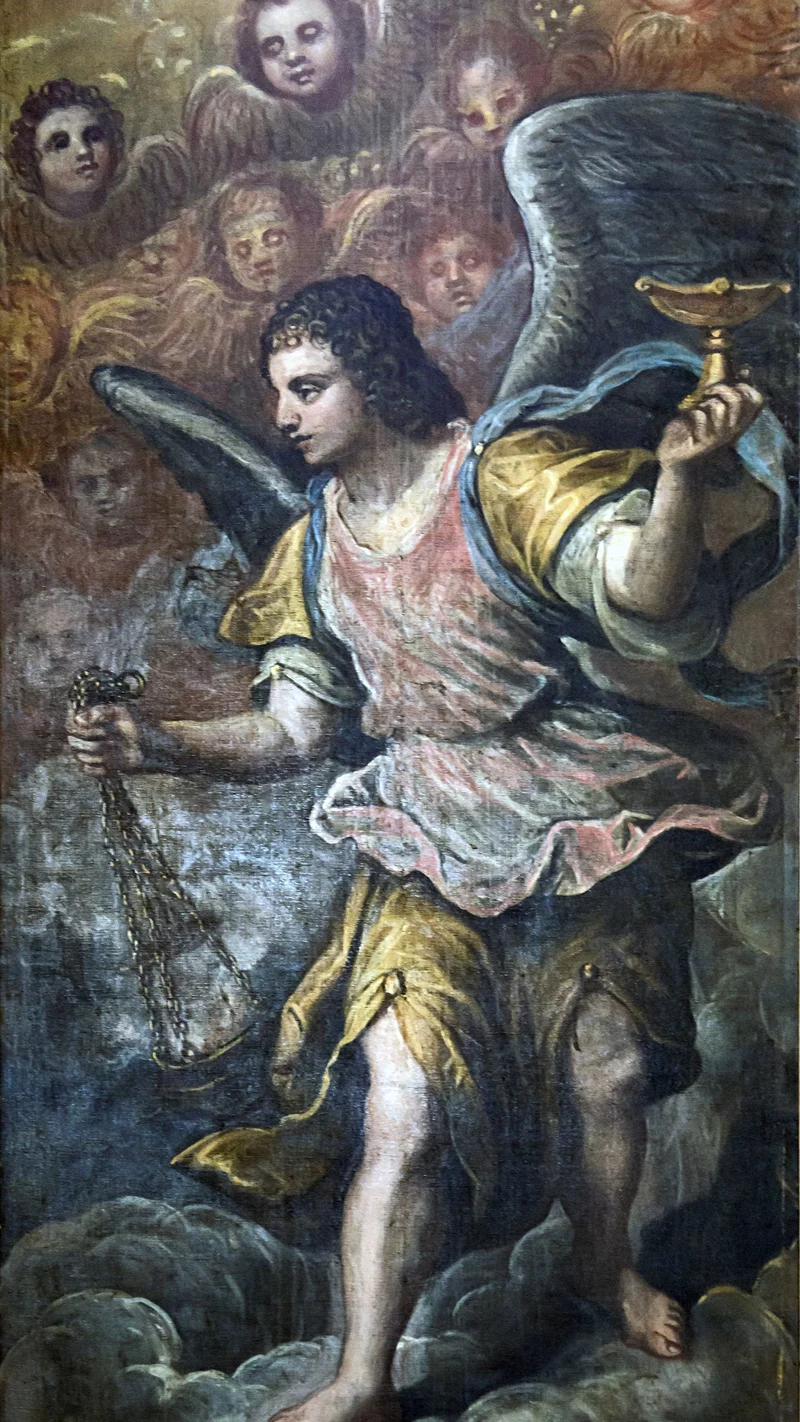
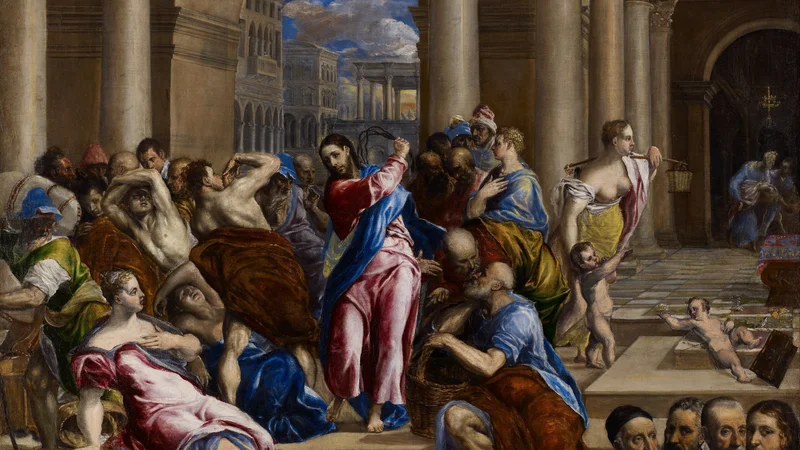
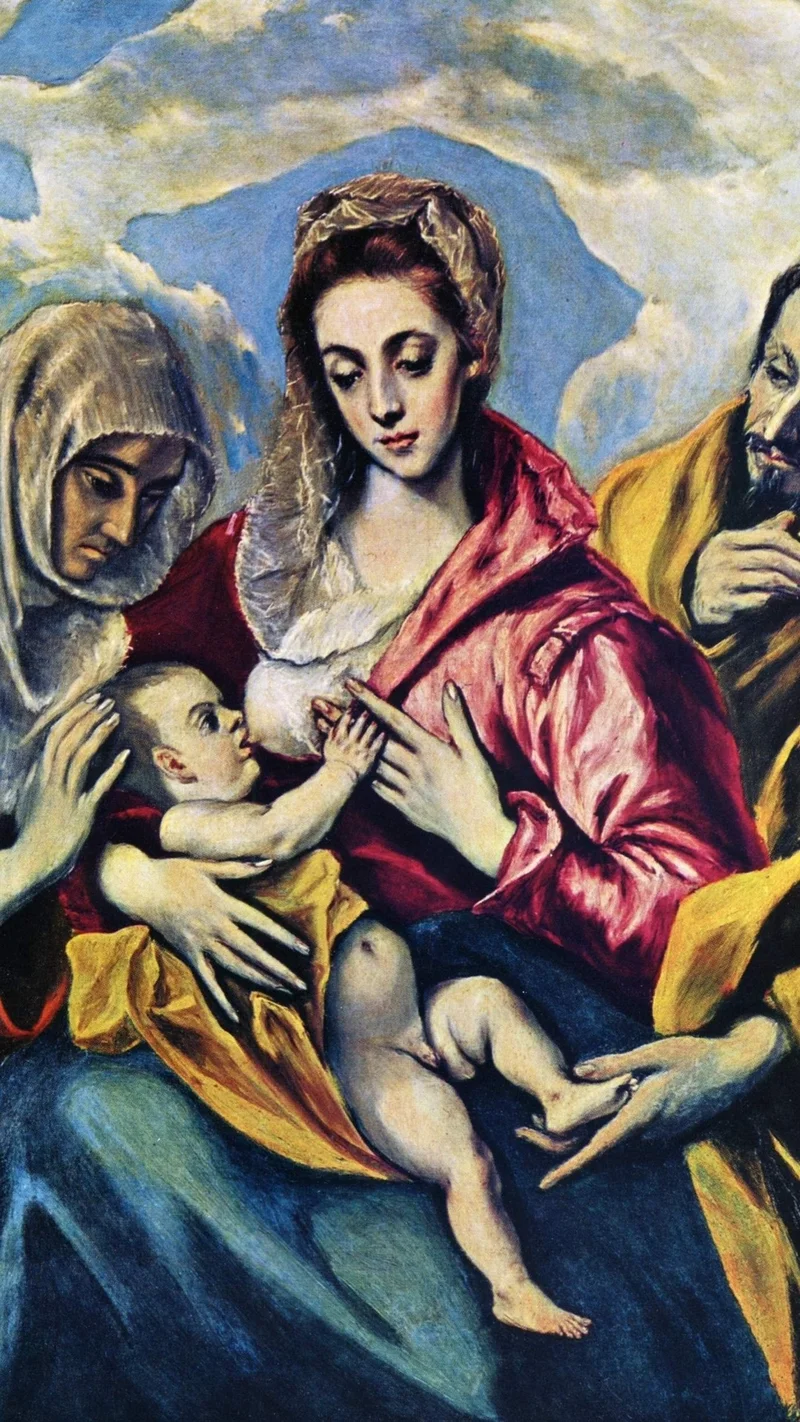
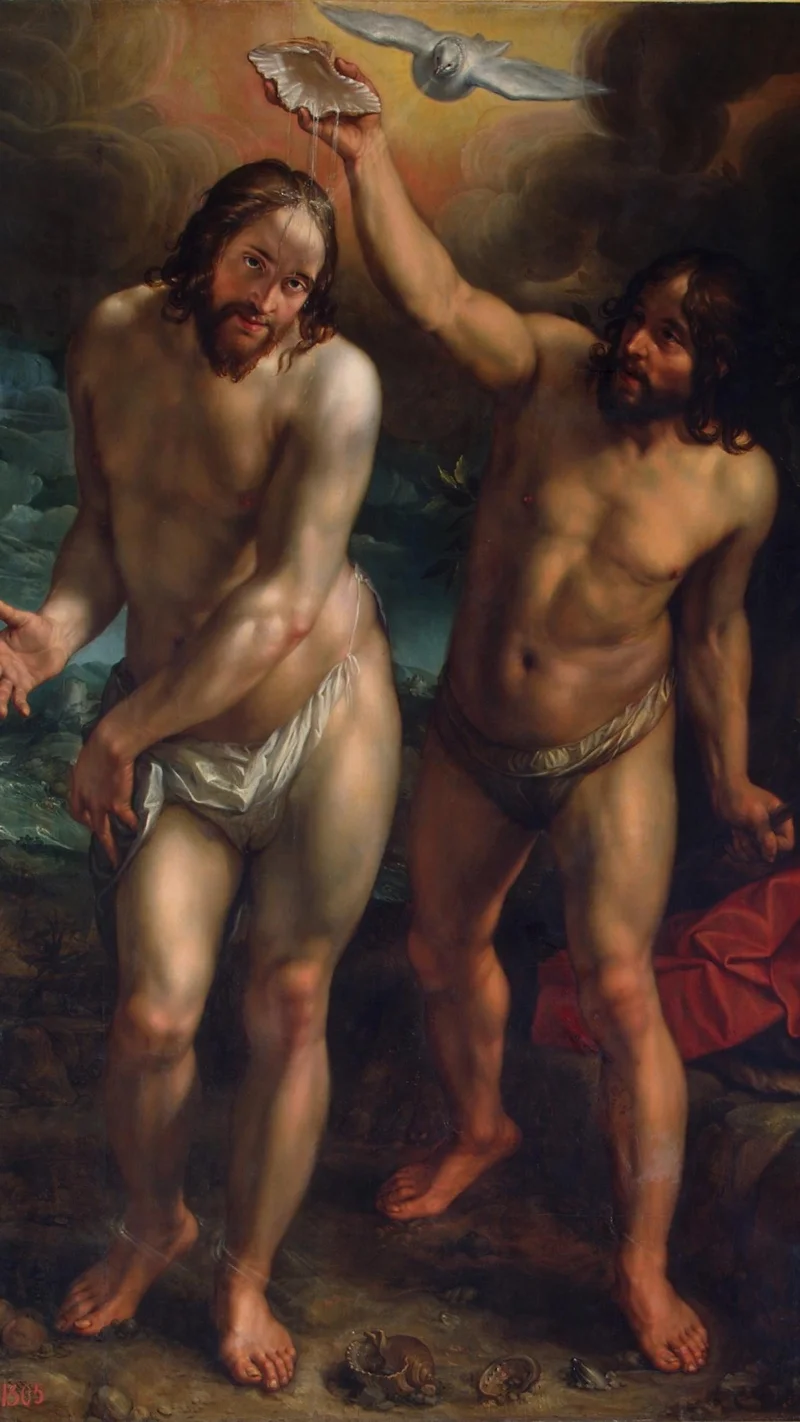
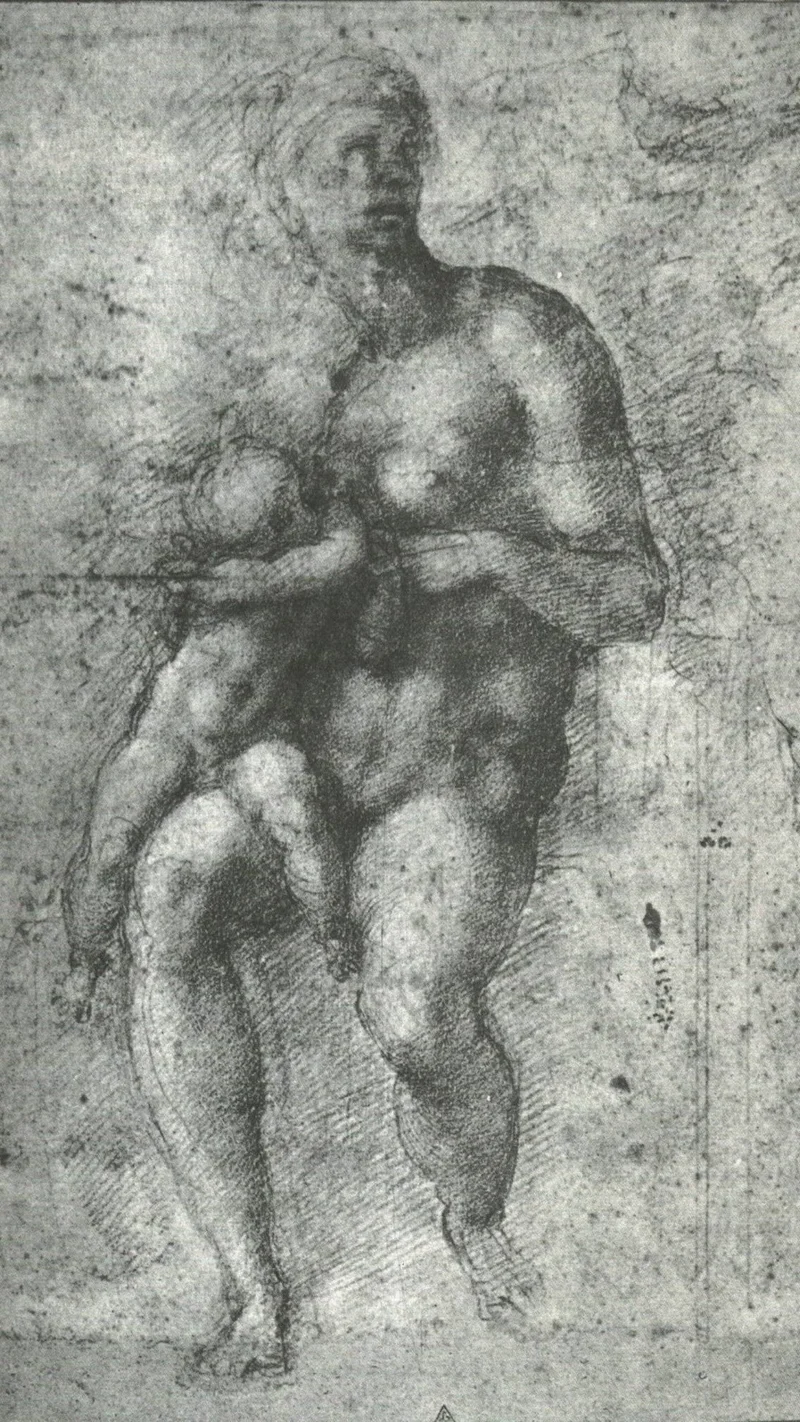
Emerging in the later years of the Italian High Renaissance, Mannerism arose as a sophisticated reaction against the harmonious equilibrium and naturalism championed by Raphael and Michelangelo. Spanning roughly from 1520 to 1580, the style was deeply rooted in a period of profound socio-political instability, characterized by the Sack of Rome and the religious turmoil of the Reformation. Artists turned inward, favoring maniera—a stylistic artifice marked by elongated proportions, ambiguous spatial depth, and a deliberate disregard for classical rules. This intellectual shift prioritized technical virtuosity and subjective expression, as evidenced in the complex, distorted figures of Daniele da Volterra’s The Descent from the Cross and the emotive, spectral luminosity defining the works of El Greco, such as Christ Driving the Traders from the Temple and El Salvador.
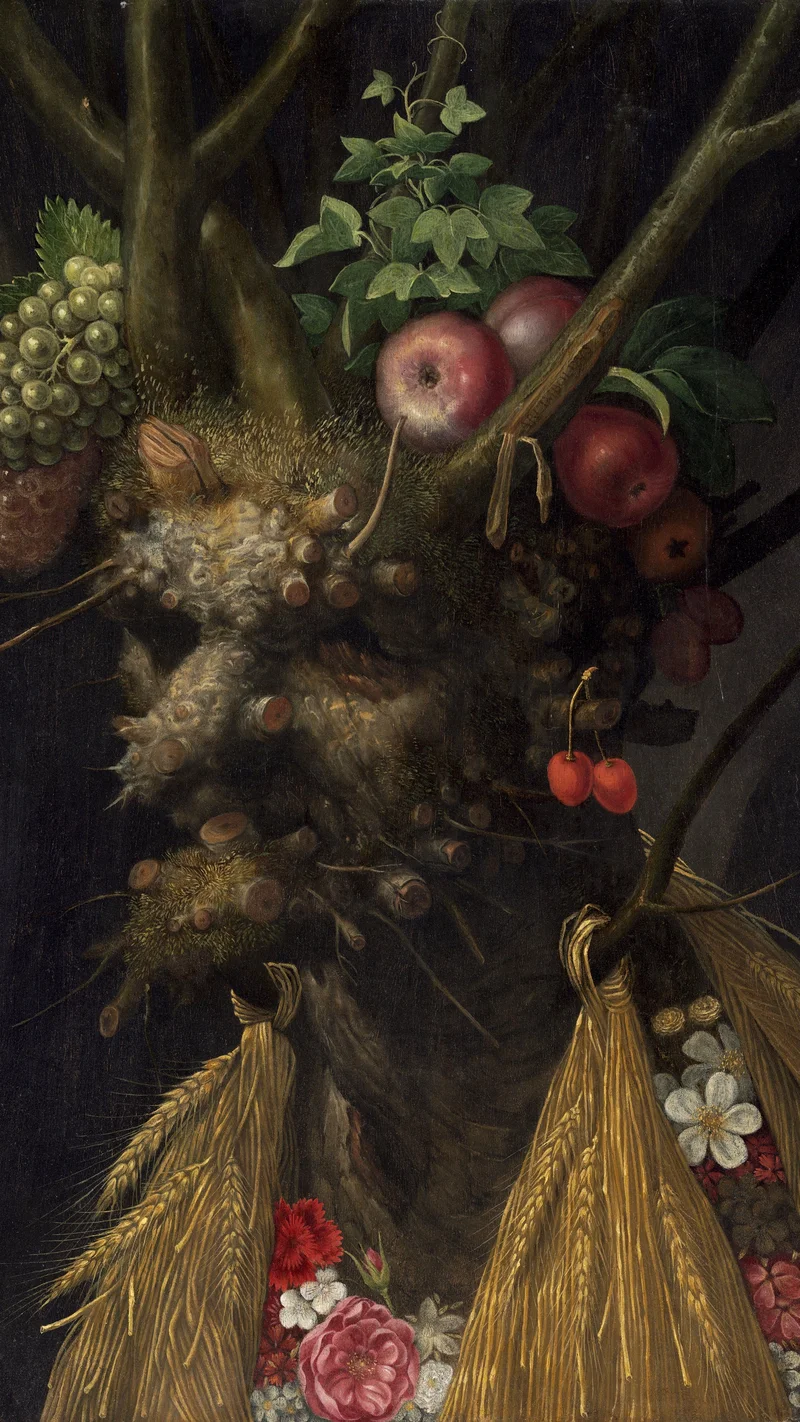
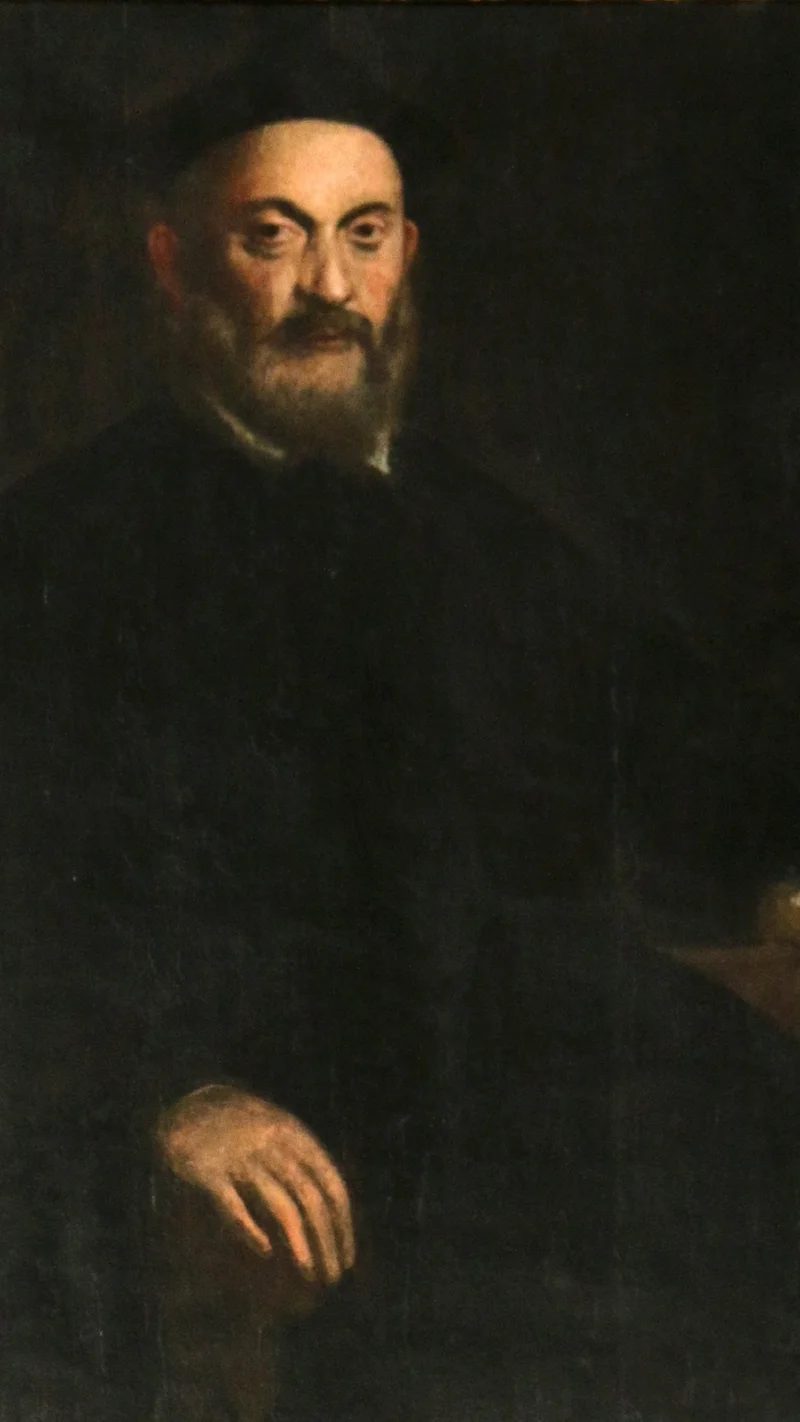
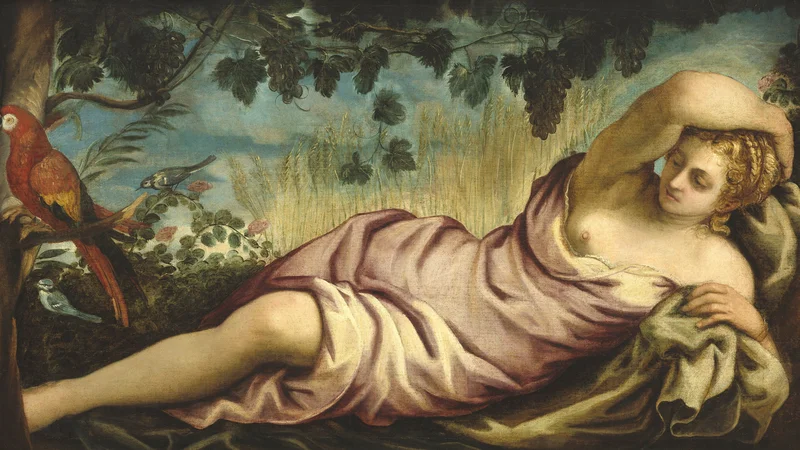
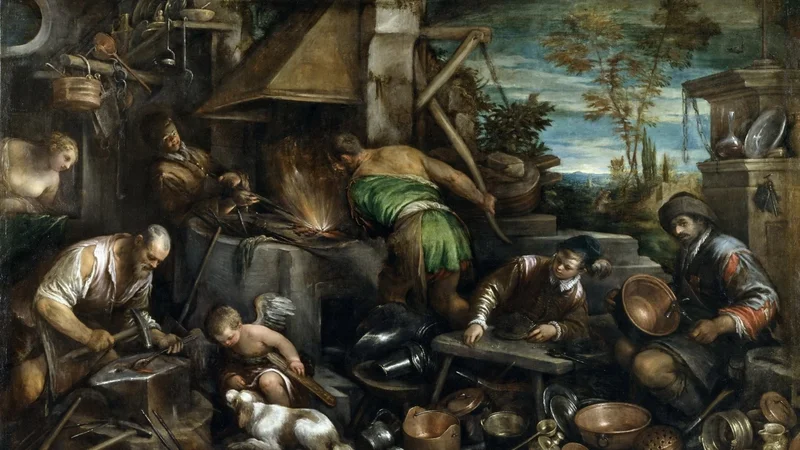
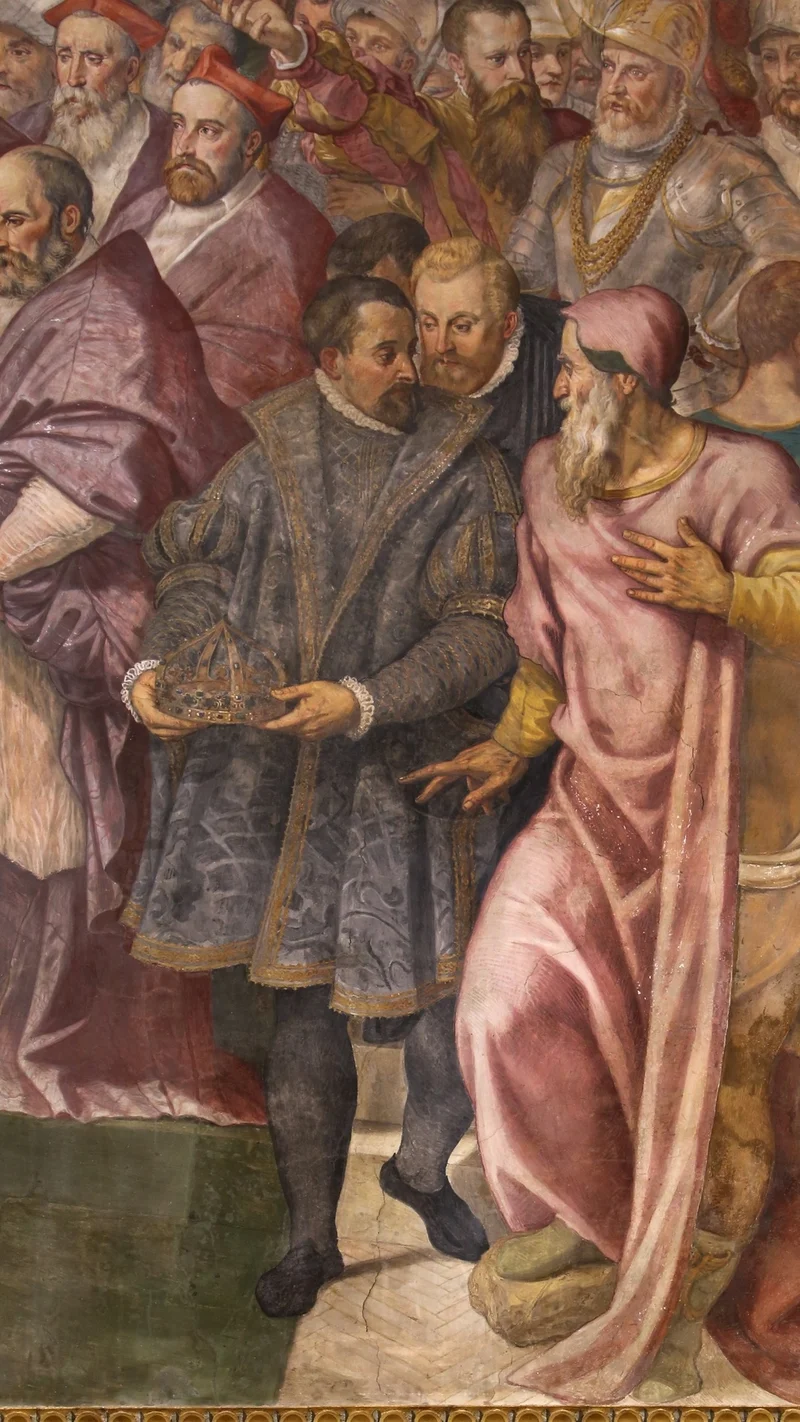
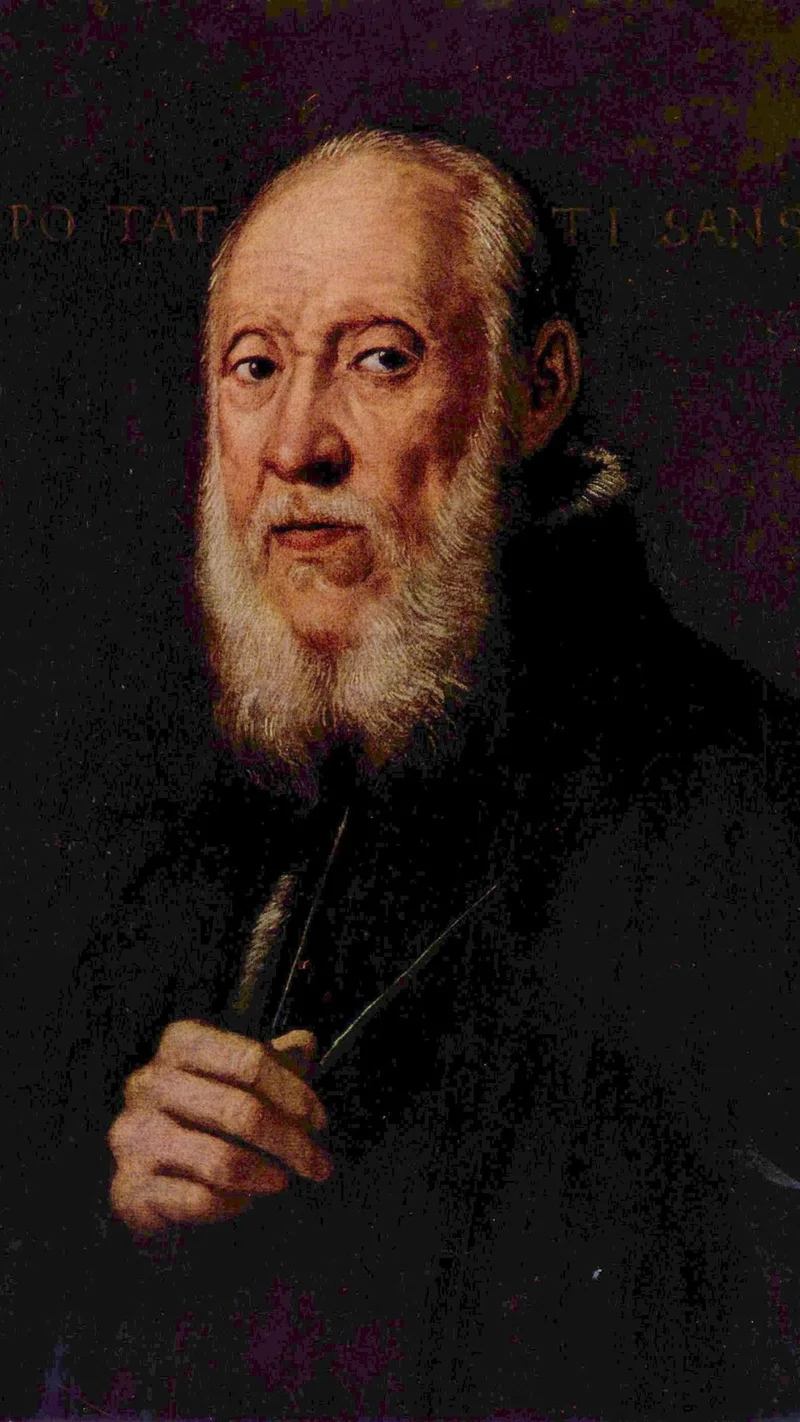
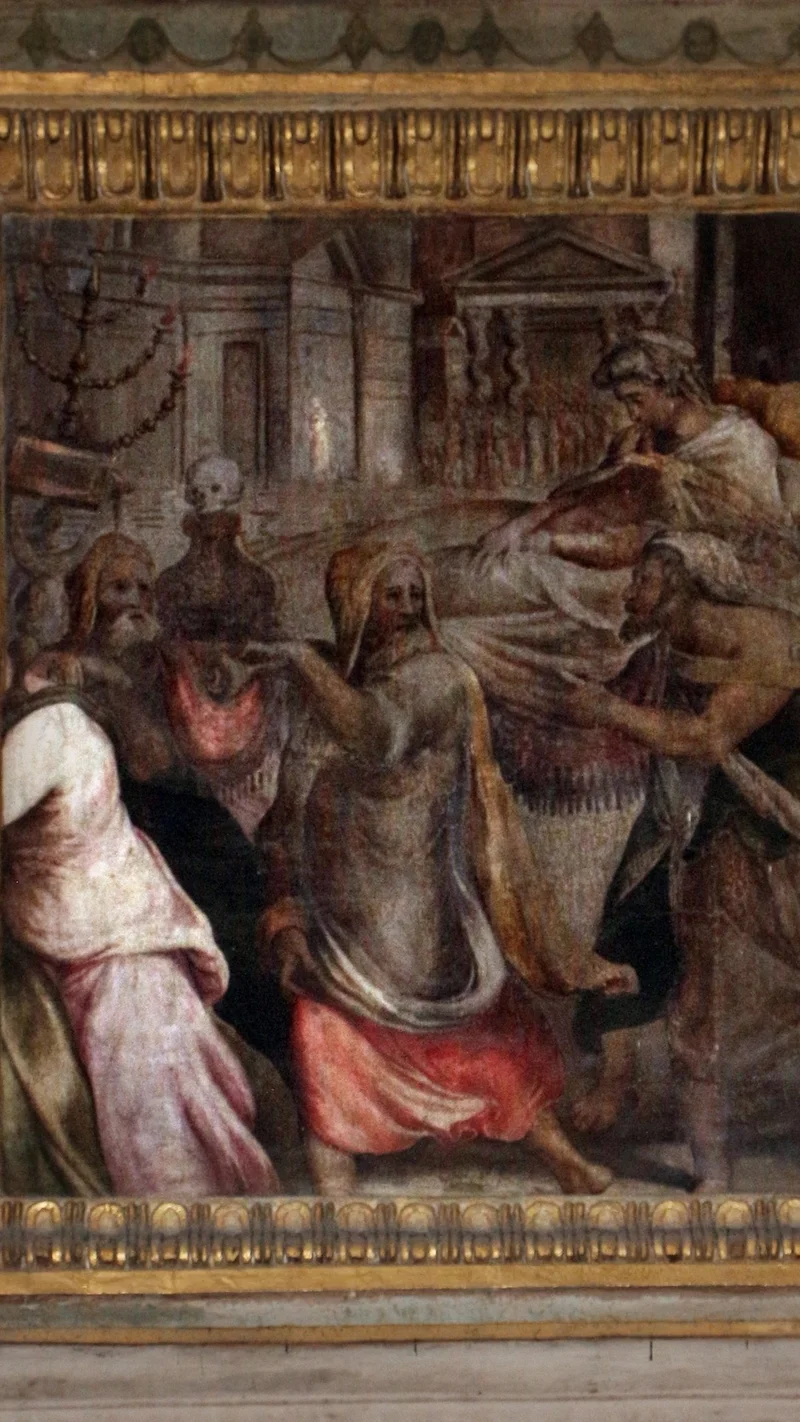
The movement thrived through the contributions of masters like Francesco Salviati, whose fluid elegance captured the courtly aesthetic of the era, and the Tintoretto family, including Jacopo and Domenico, who pushed the boundaries of dramatic composition and chiaroscuro. The fascination with psychological depth and enigmatic symbolism is further captured in works like Portrait of the Sculptor Jacopo Sansovino and the surreal, allegorical compositions exemplified by Giuseppe Arcimboldo’s Four Seasons in One Head and Summer. By rejecting the static perfection of the previous generation, Mannerism established a precedent for the expressive freedom of the Baroque, cementing its legacy as a pivotal transition toward the prioritization of the artist’s individual vision over the literal imitation of nature.