Maps
69 artworks
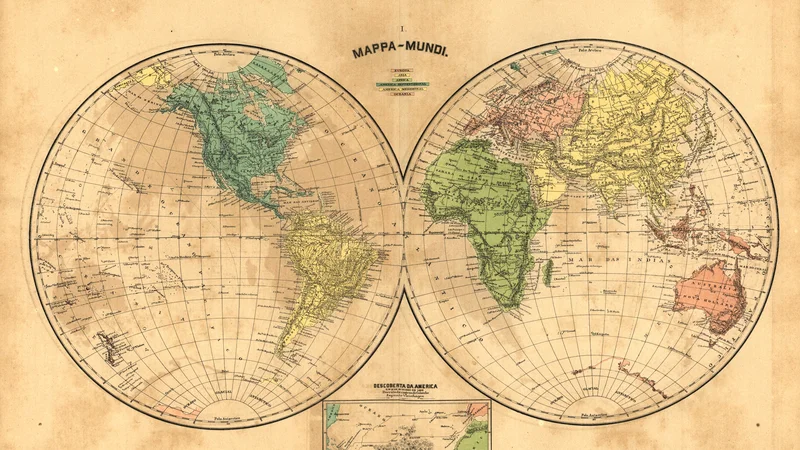
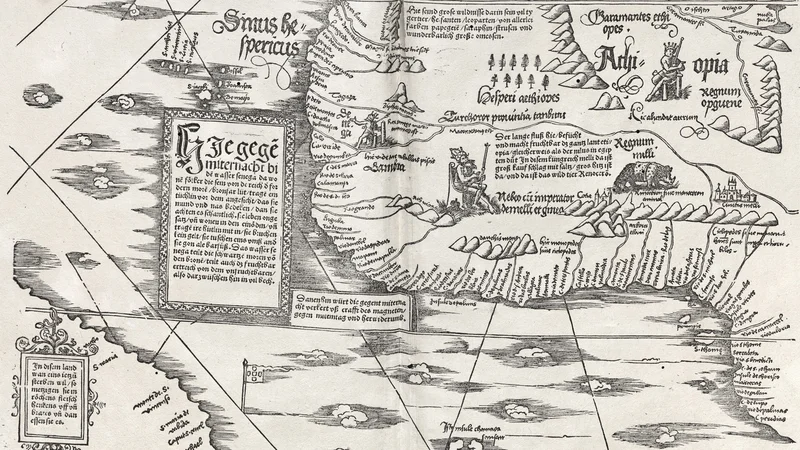
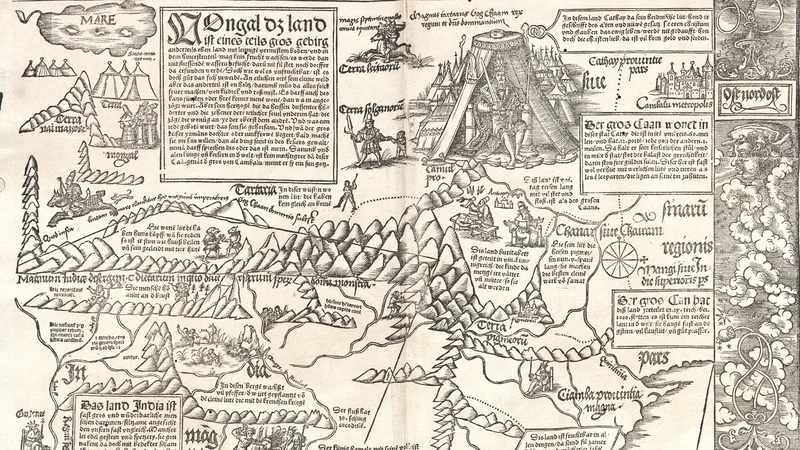
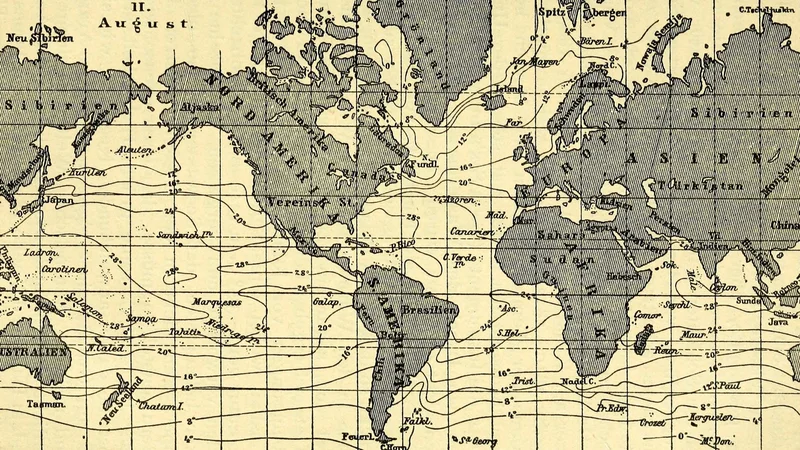
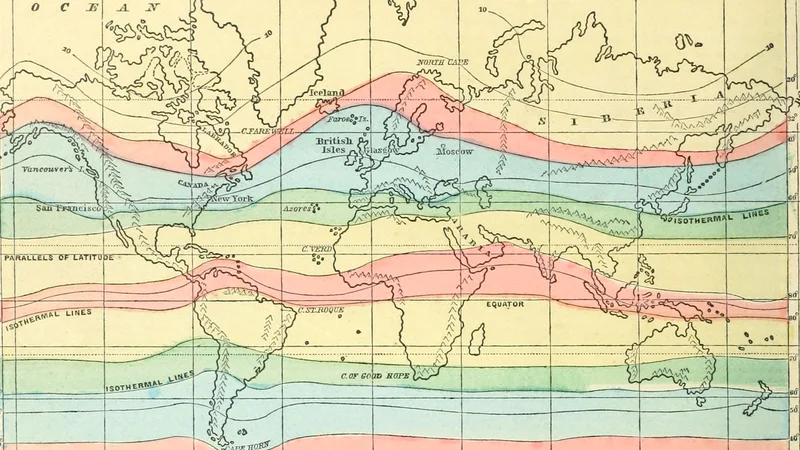
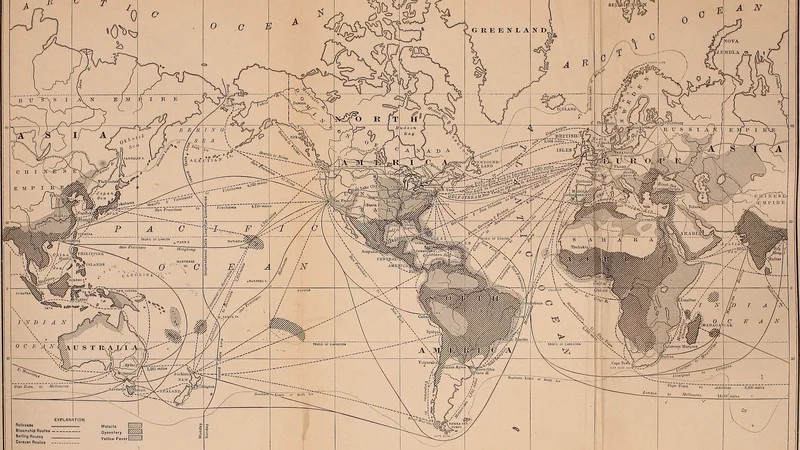
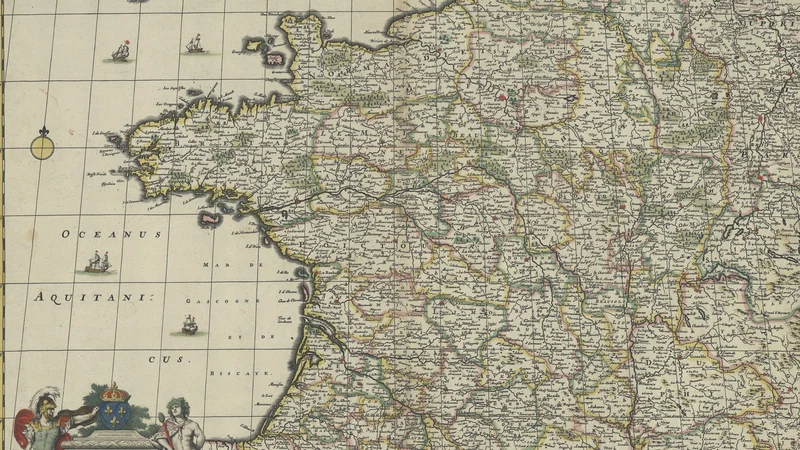
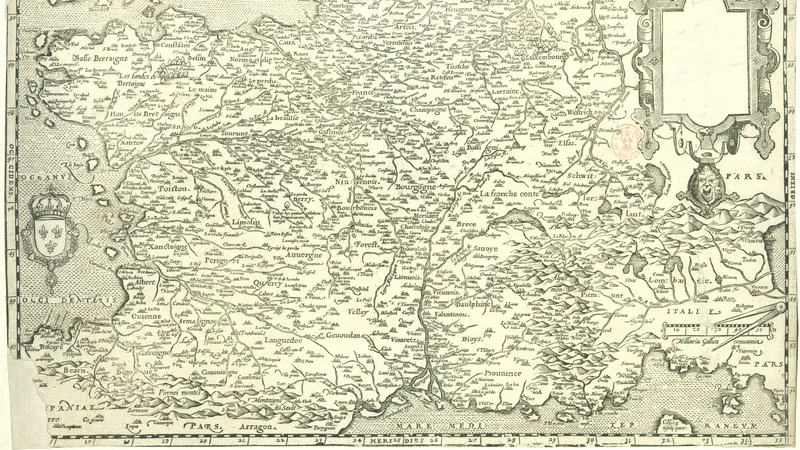
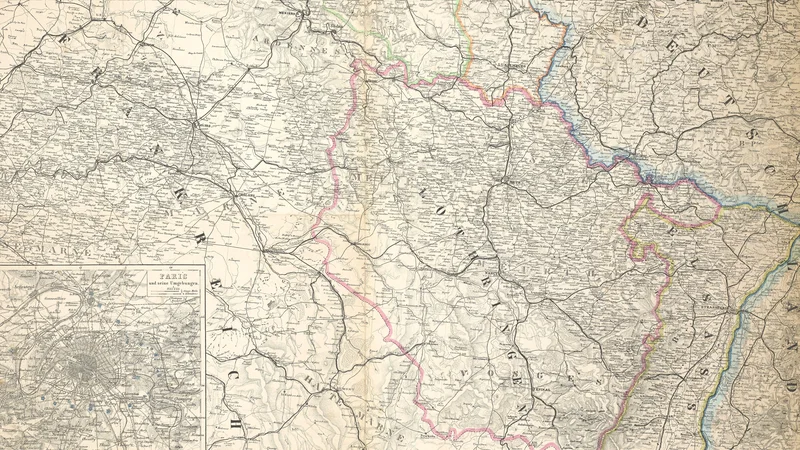
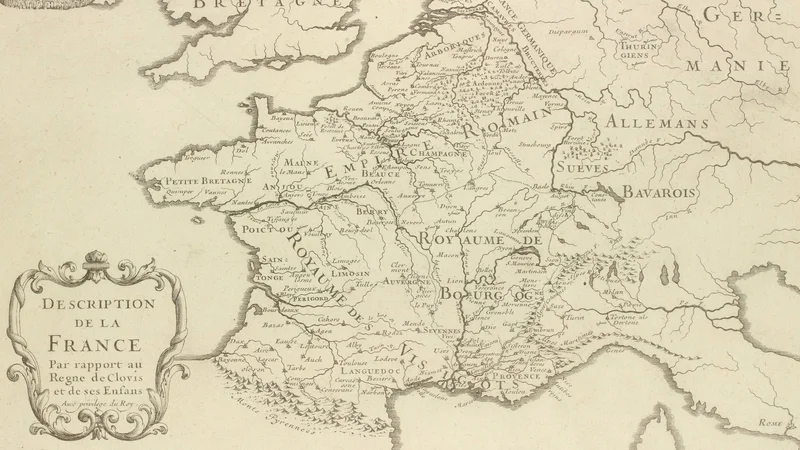
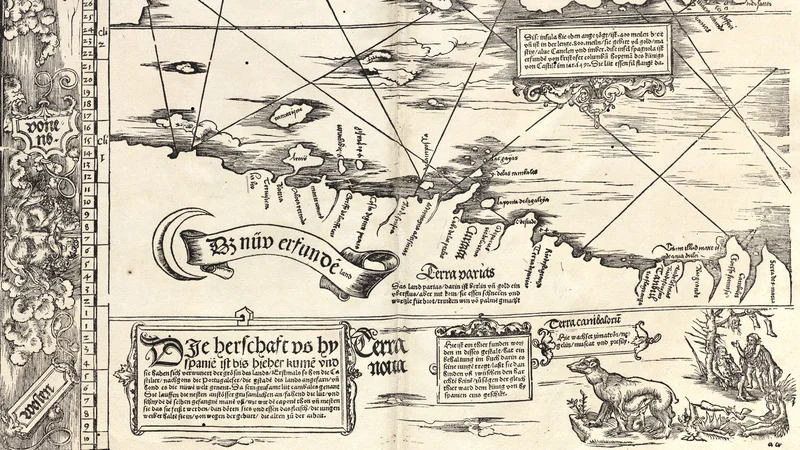
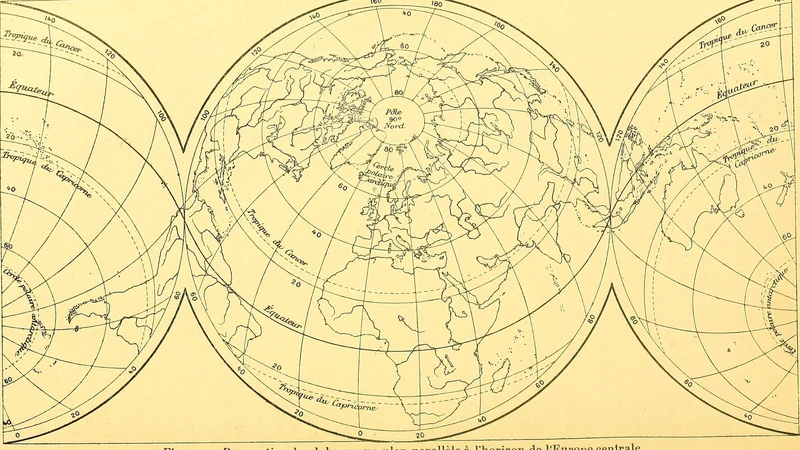
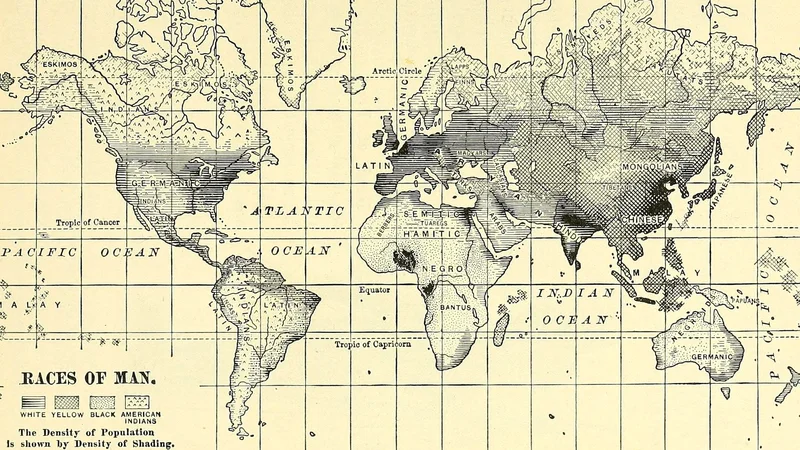
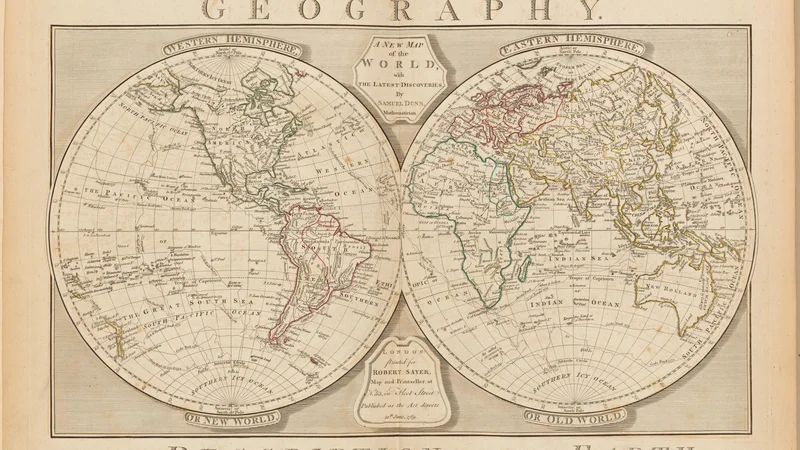
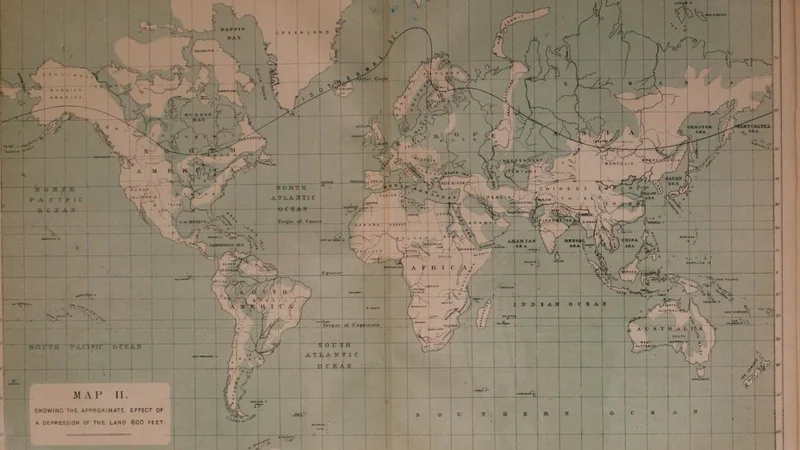
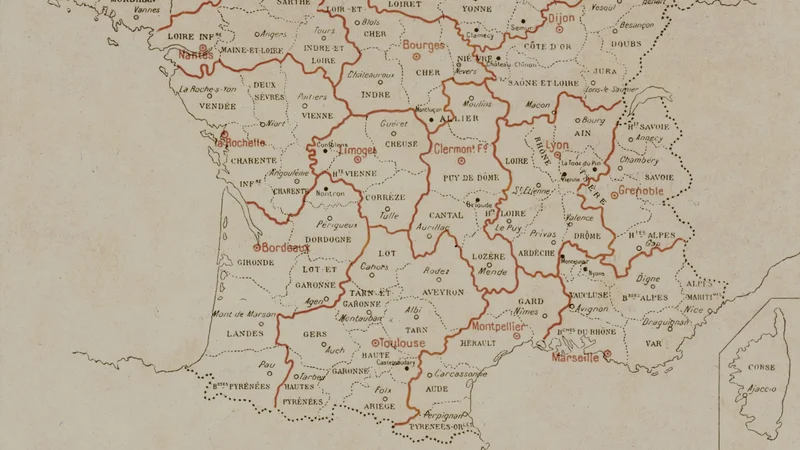
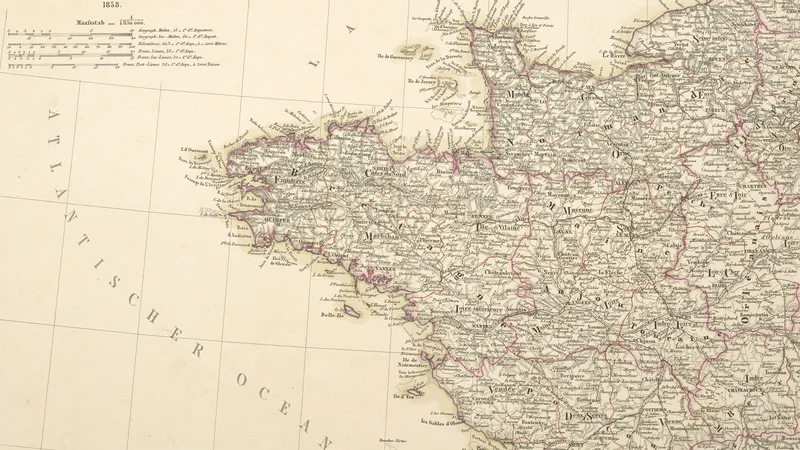
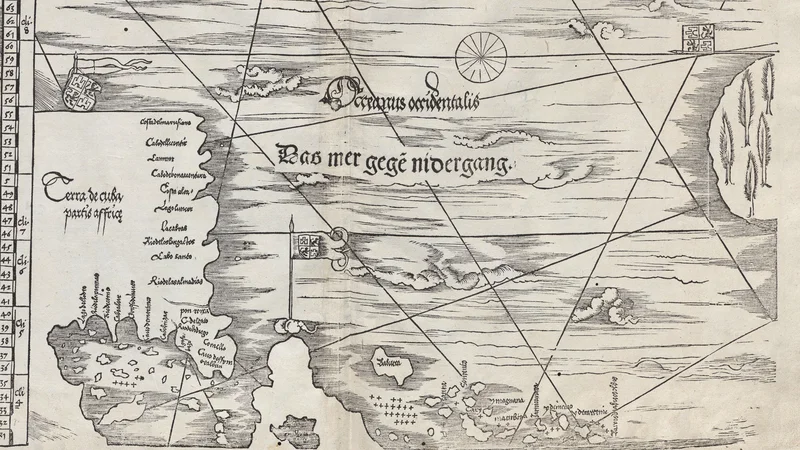
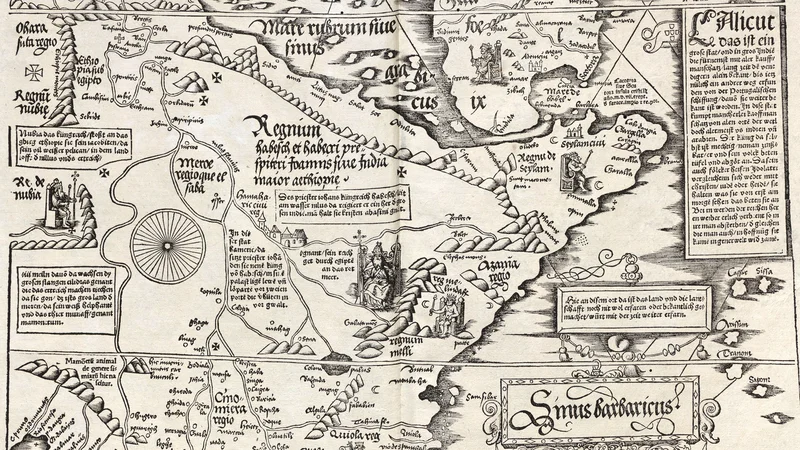
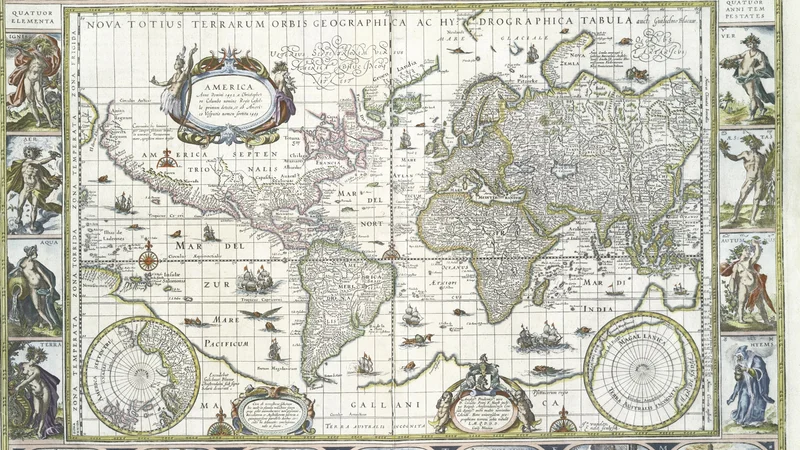
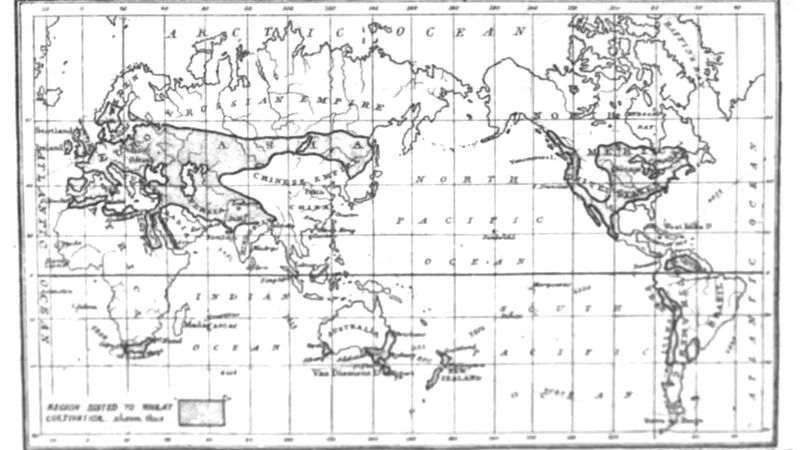
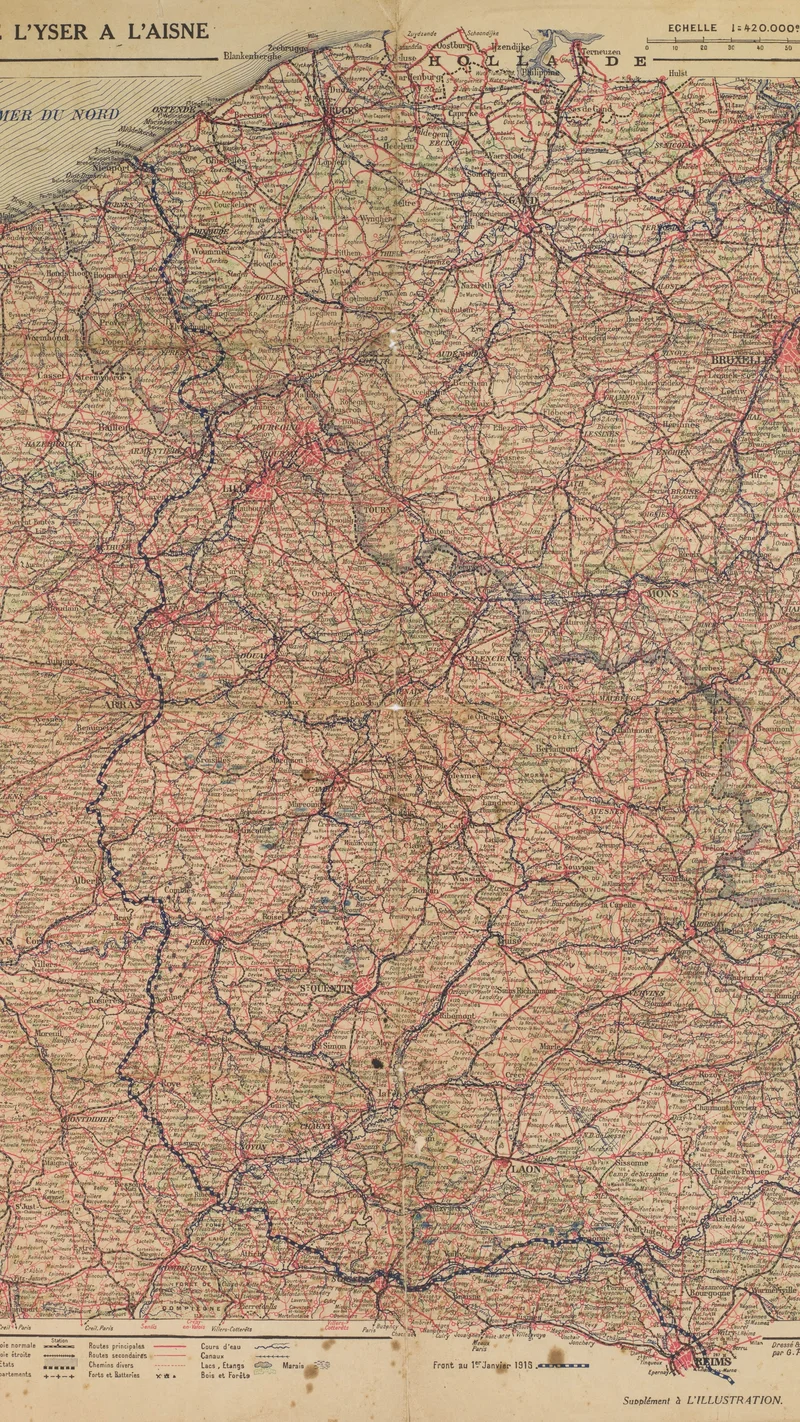
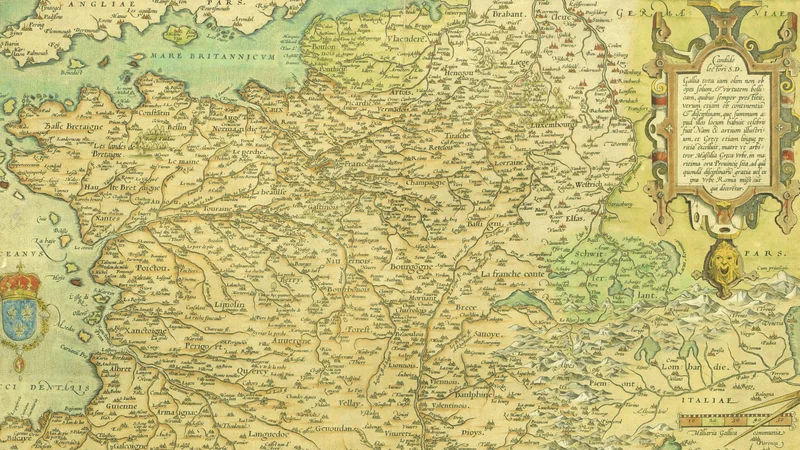
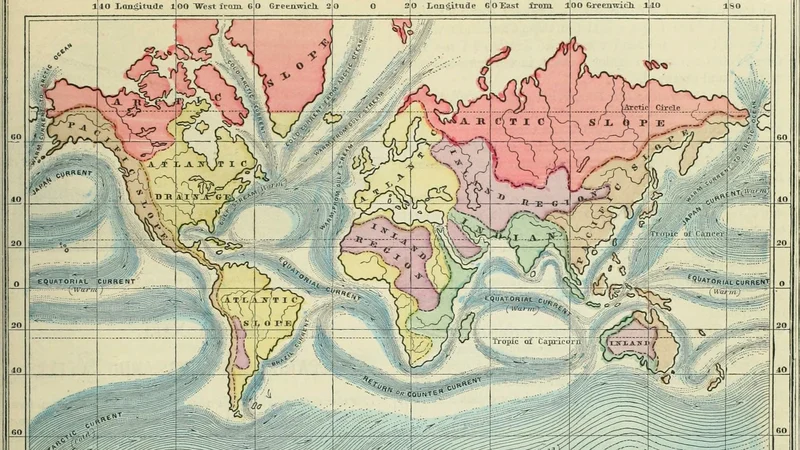
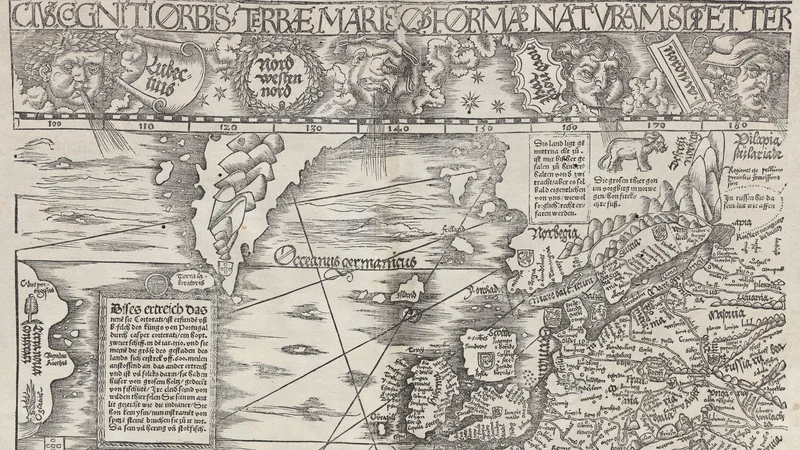
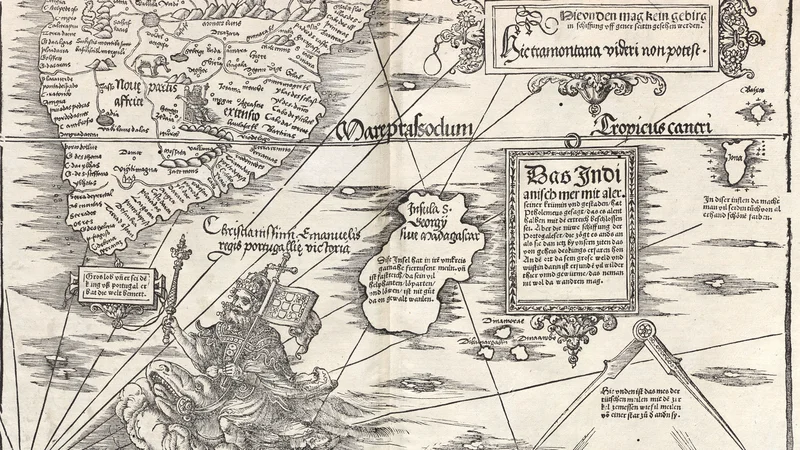
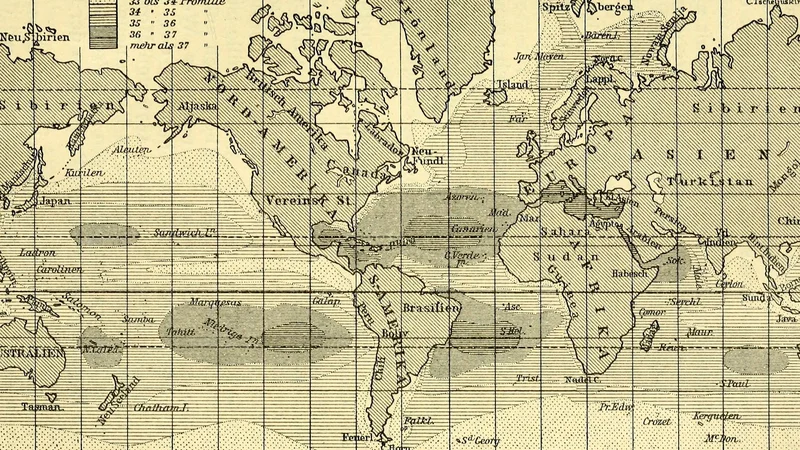
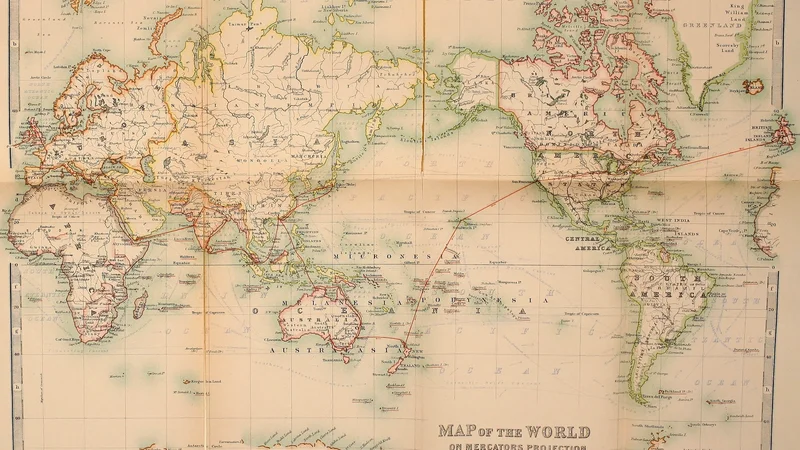
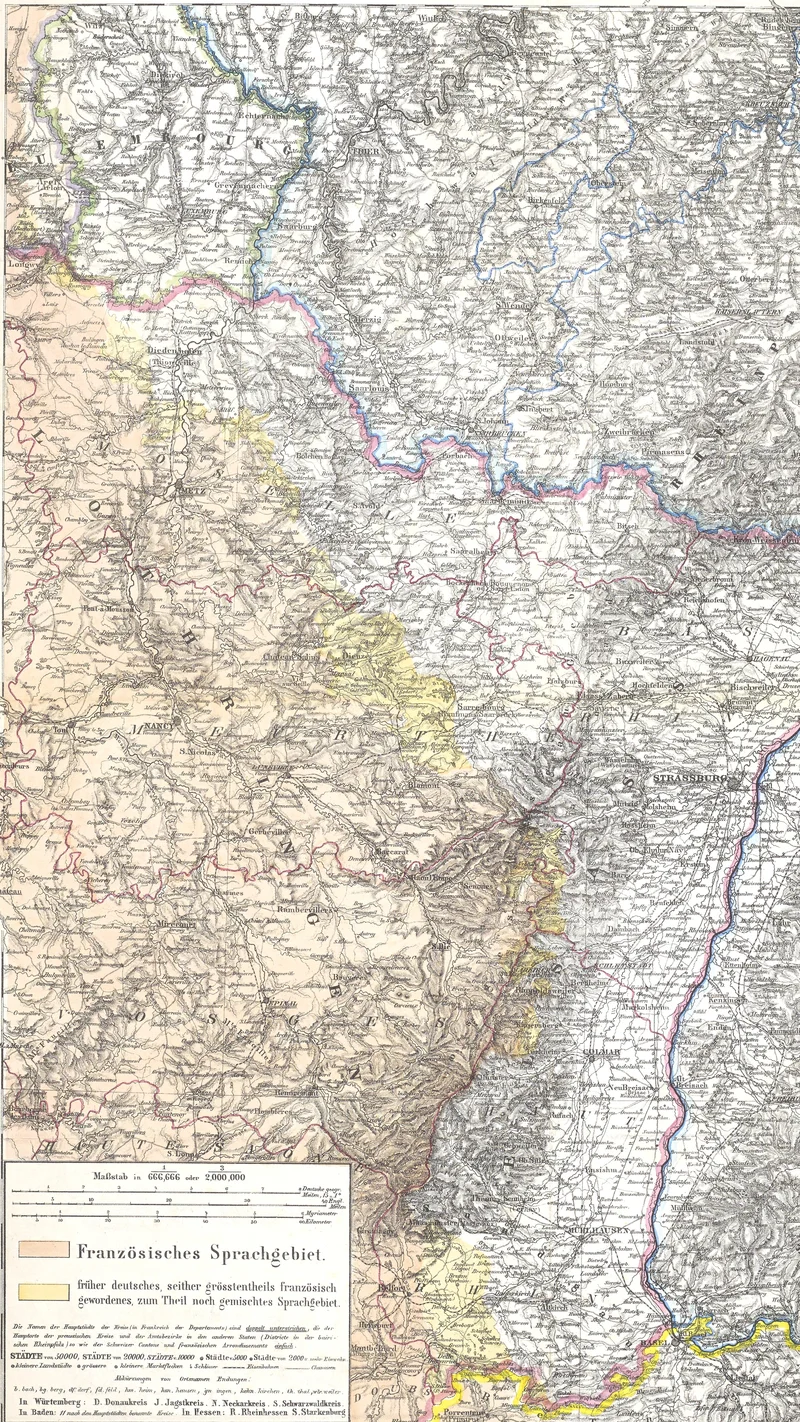
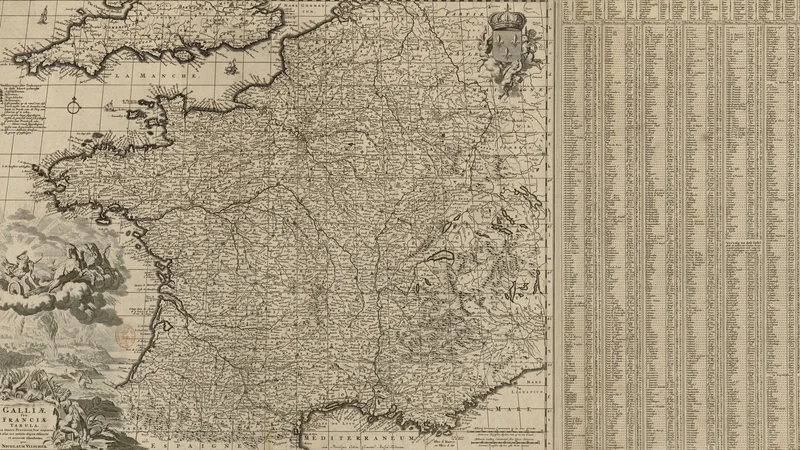
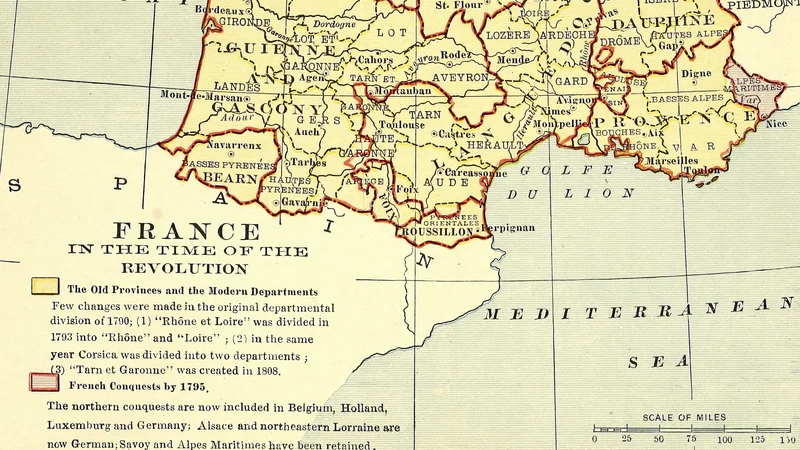
The tradition of cartographic representation—often categorized under the rubric of Maps—transcends mere technical utility, functioning instead as a profound synthesis of empirical observation and symbolic cosmology. Emerging from the medieval impulse to codify the known world, exemplified by the intricate Mappa-Mundi, these works evolved from theological schematics into instruments of scientific inquiry. By the early modern period, figures such as Lorenz Fries, whose Carta Marina Universalis Fries 1525 1530 Sheet 06 demonstrates a masterful integration of topography and maritime narrative, shifted the medium toward rigorous documentation. This transition was further refined by the pedagogical clarity of Franz Anton Schraembl and the systematic geographical surveys preserved by the Rijksmuseum and the firm of Karl Baedeker, which standardized the visual syntax of spatial comprehension.
Evolution of Cartographic Aesthetics
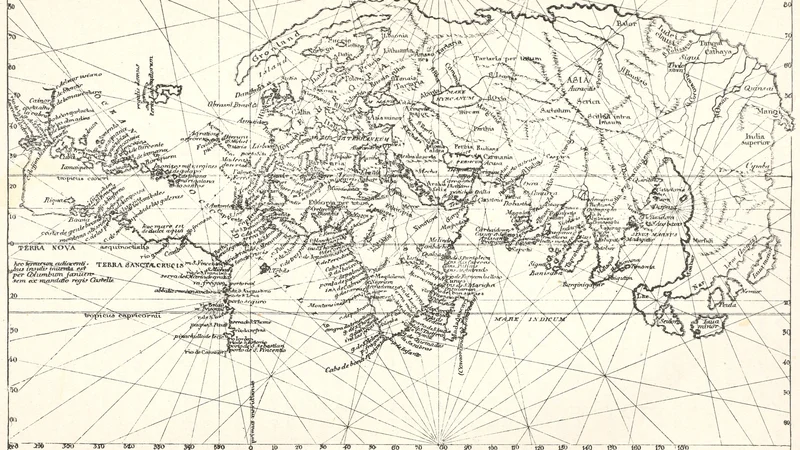
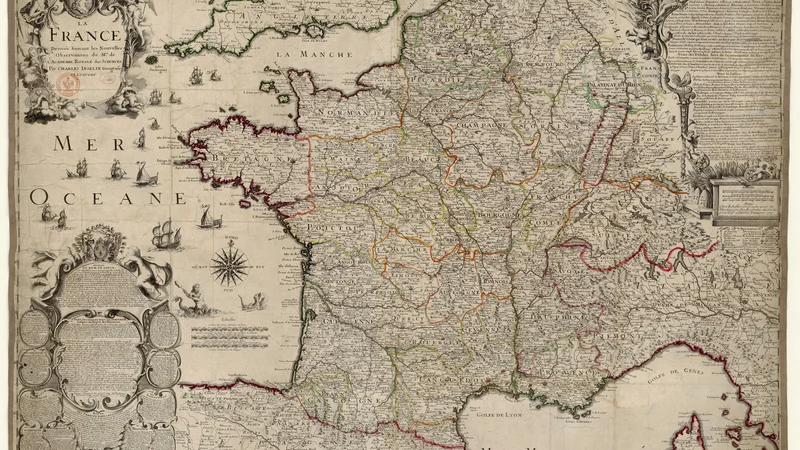
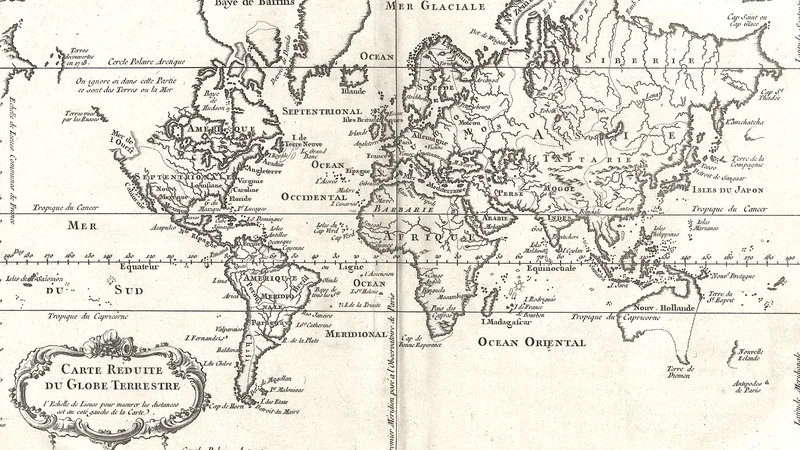
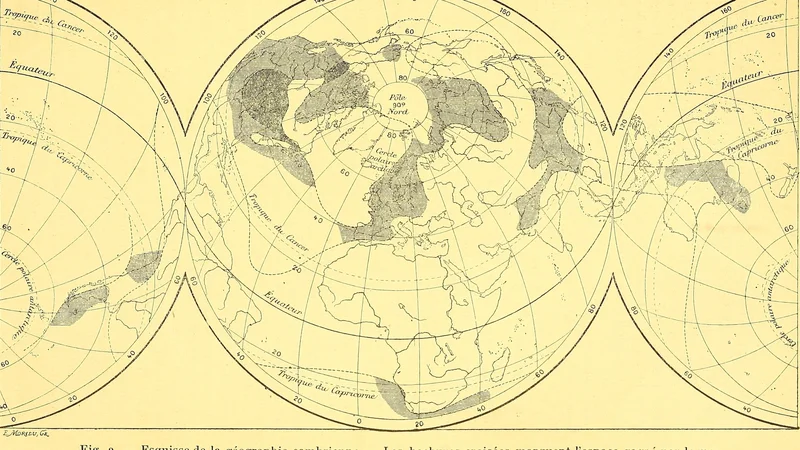
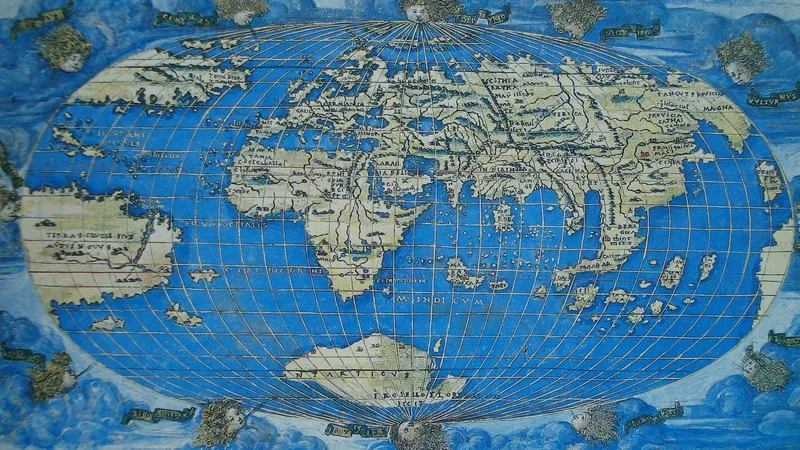
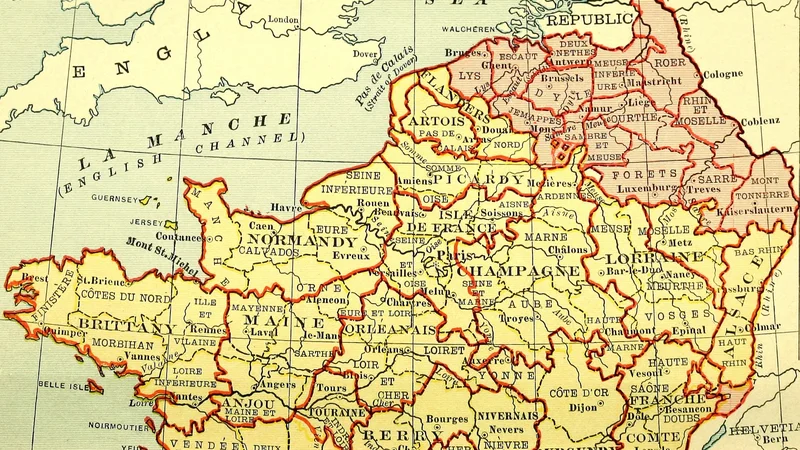
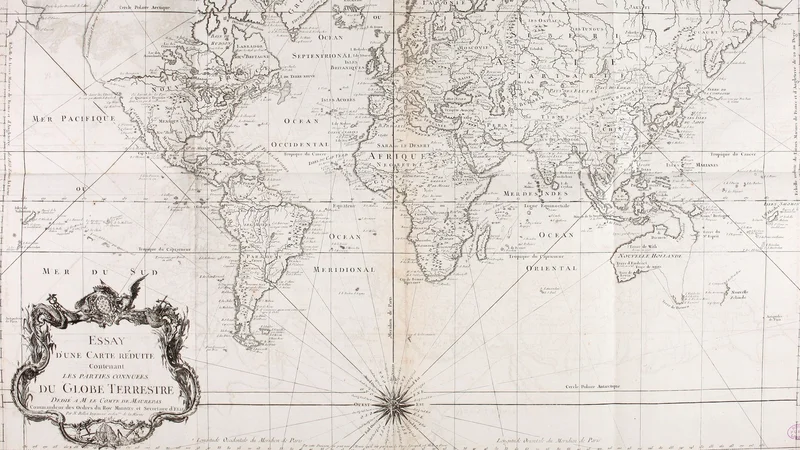
Beyond their functional roles, these maps represent a significant artistic trajectory defined by meticulous engraving, decorative cartouches, and the allegorical ornamentation of blank space. Works such as the Carte Reduite du Globe Terrestre and the analytical plates in Geography of the Middle Ages, Principally in the 9th Century highlight a commitment to precision balanced by an enduring aesthetic sensibility. The historical impact of these visual documents is immense, as they provided the foundational iconography for subsequent eras of exploration and intellectual expansion. By transforming abstract data into legible, structural beauty, these artists established a visual language that continues to inform our understanding of the terrestrial surface as both a canvas and a site of human history.