Lorenz Fries
7 artworks
Lorenz Fries (active c. 1525) was a prominent cartographer and physician whose contributions to the field of cartography emerged during the high period of the Northern Renaissance. Operating primarily within the intellectual circles of Strasbourg, Fries distinguished himself as a successor to the Ptolemaic tradition, refining the representation of geographical knowledge. His work represents a pivotal transition in the early sixteenth century, as European scholars sought to reconcile classical geocentric models with the emerging empirical data provided by contemporary exploration.
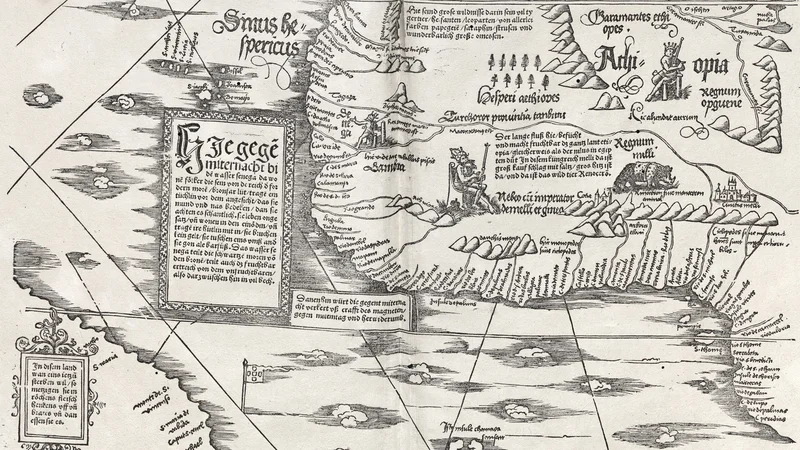
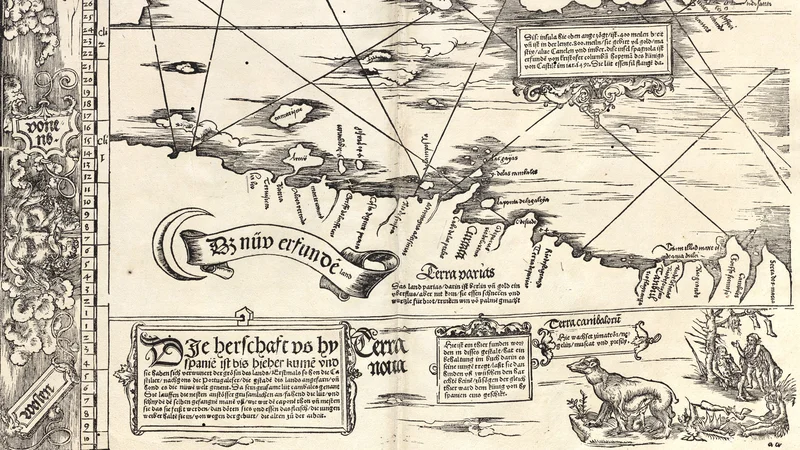
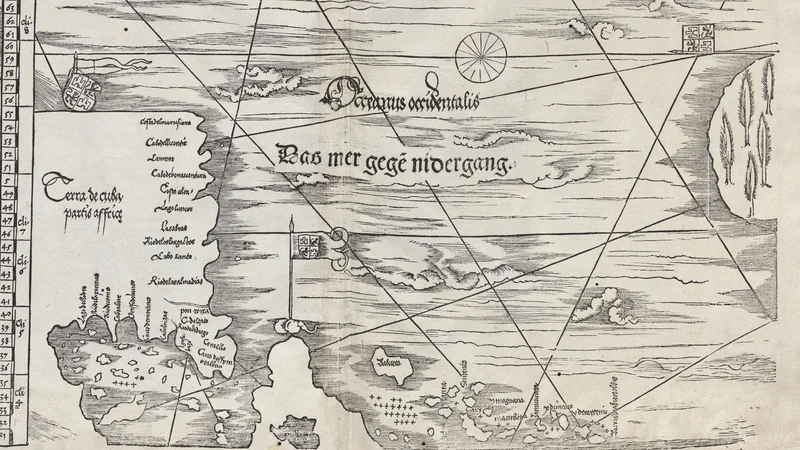
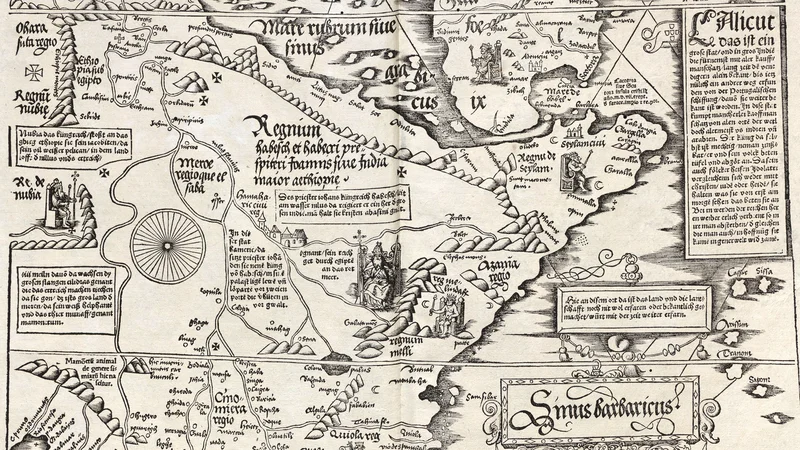
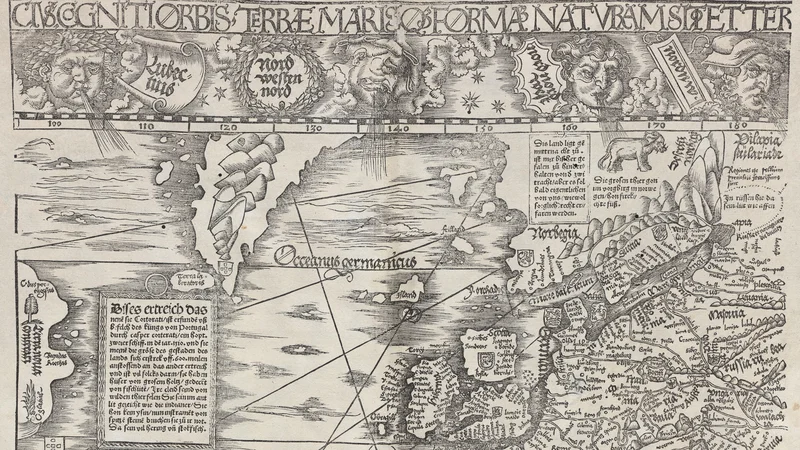
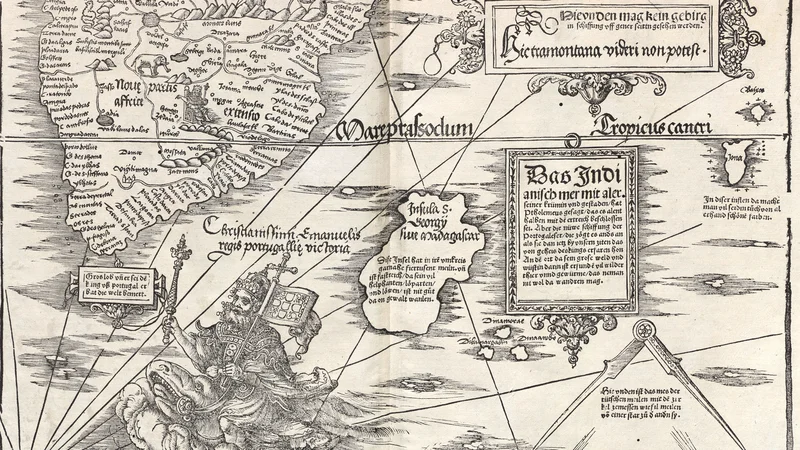
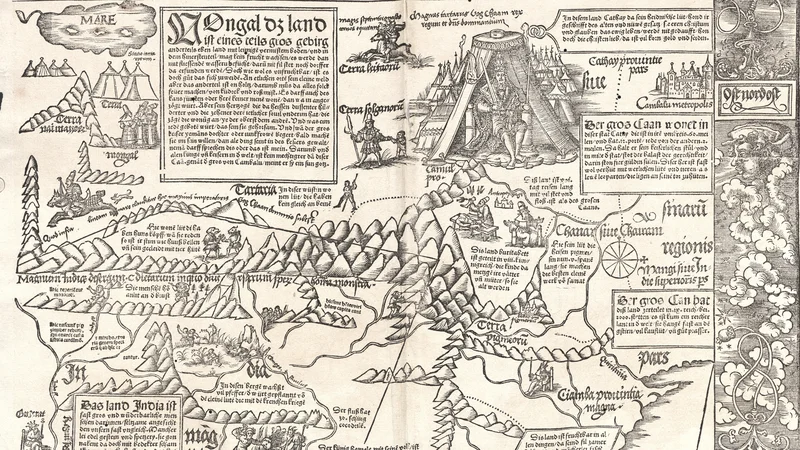
Fries is best known for his meticulous woodcut printing technique, characterized by a distinct visual rhythm that emphasizes clarity of coastline and topographic texture. His major undertaking, the Carta Marina Universalis Fries 1525 1530, is segmented into several critical components, including Carta Marina Universalis Fries 1525 1530 Sheet 01, Carta Marina Universalis Fries 1525 1530 Sheet 02, Carta Marina Universalis Fries 1525 1530 Sheet 04, Carta Marina Universalis Fries 1525 1530 Sheet 05, Carta Marina Universalis Fries 1525 1530 Sheet 06, and Carta Marina Universalis Fries 1525 1530 Sheet 07. These maps exhibit a sophisticated compositional structure that balances scholarly annotations with decorative maritime iconography, effectively communicating the scale and mystery of the known world to a learned audience.
The historical significance of Fries lies in his ability to standardize and disseminate geographical information, bridging the gap between medieval cosmography and modern scientific mapping. By integrating rigorous data with refined woodcut craftsmanship, he facilitated a broader understanding of global connectivity. His influence persisted through the subsequent decades, as his editorial approach to mapmaking informed the evolution of regional and world atlases, securing his role as a foundational figure in the development of sixteenth-century geographical documentation.