Naive Art
52 artworks
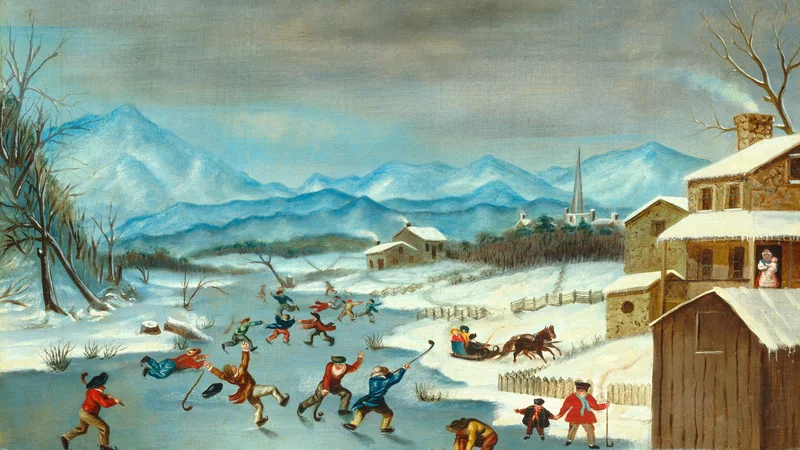
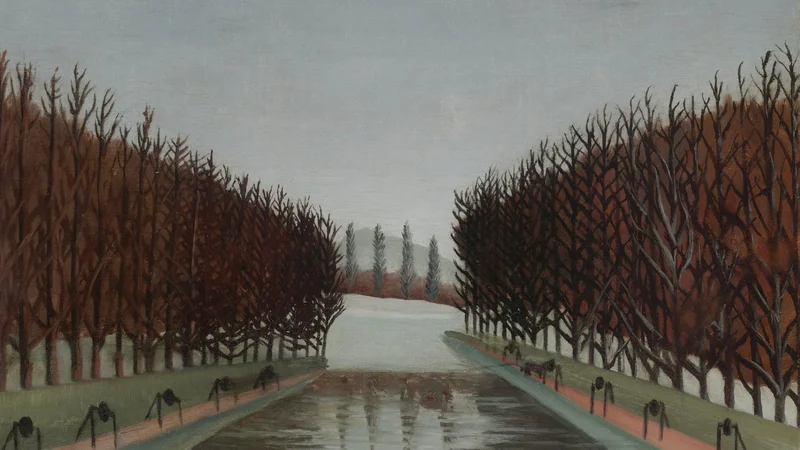
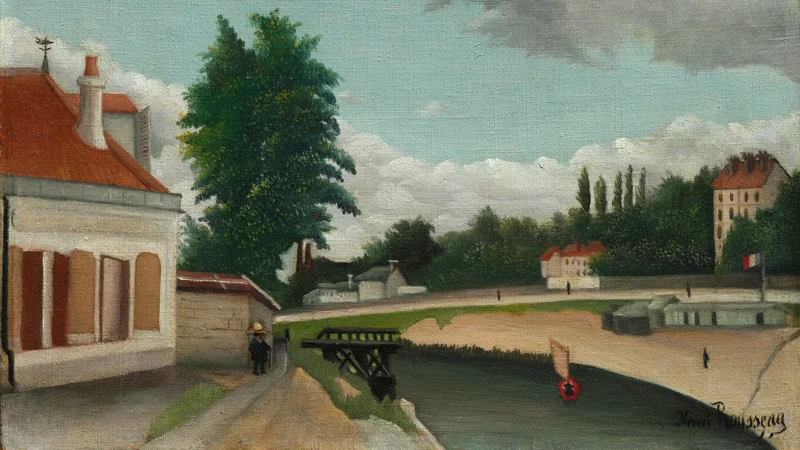
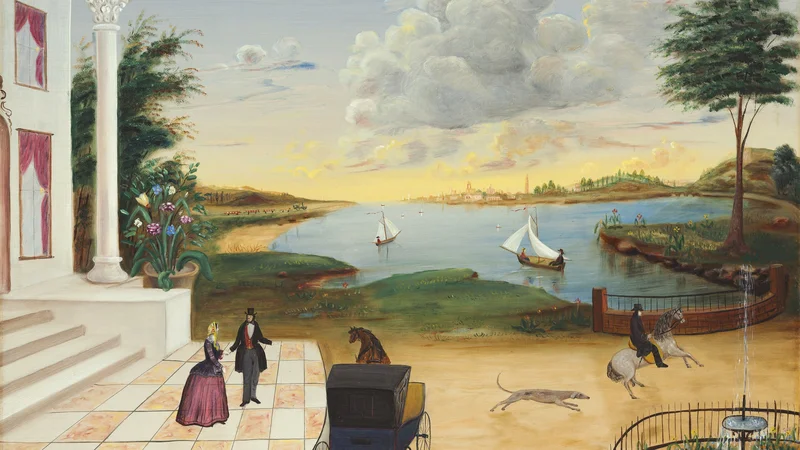
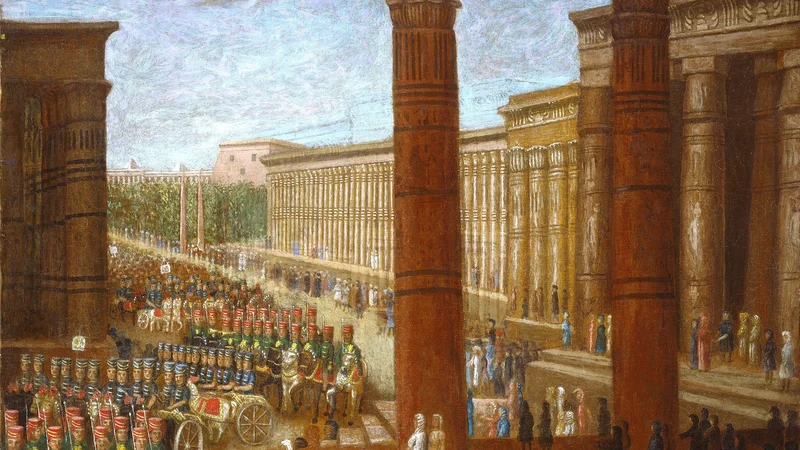
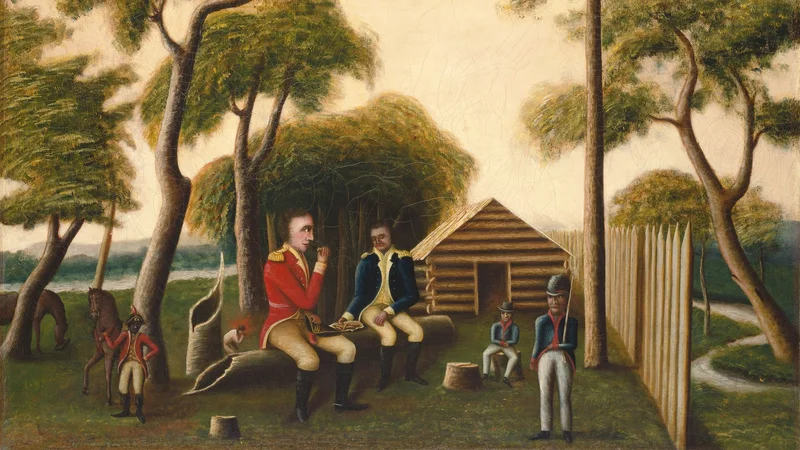
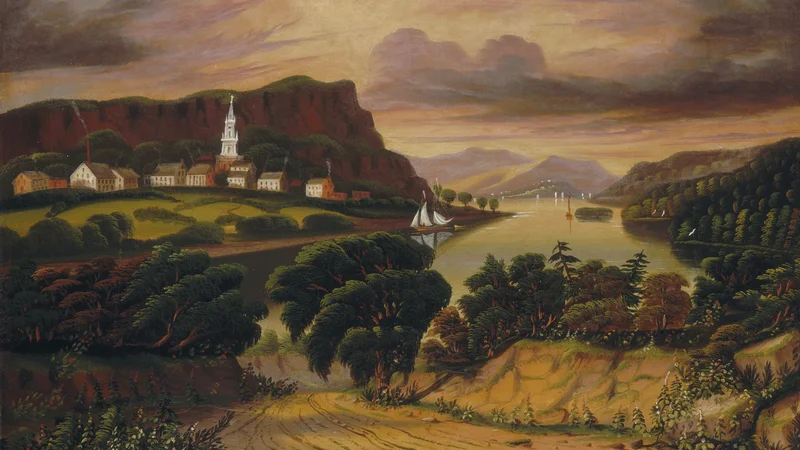
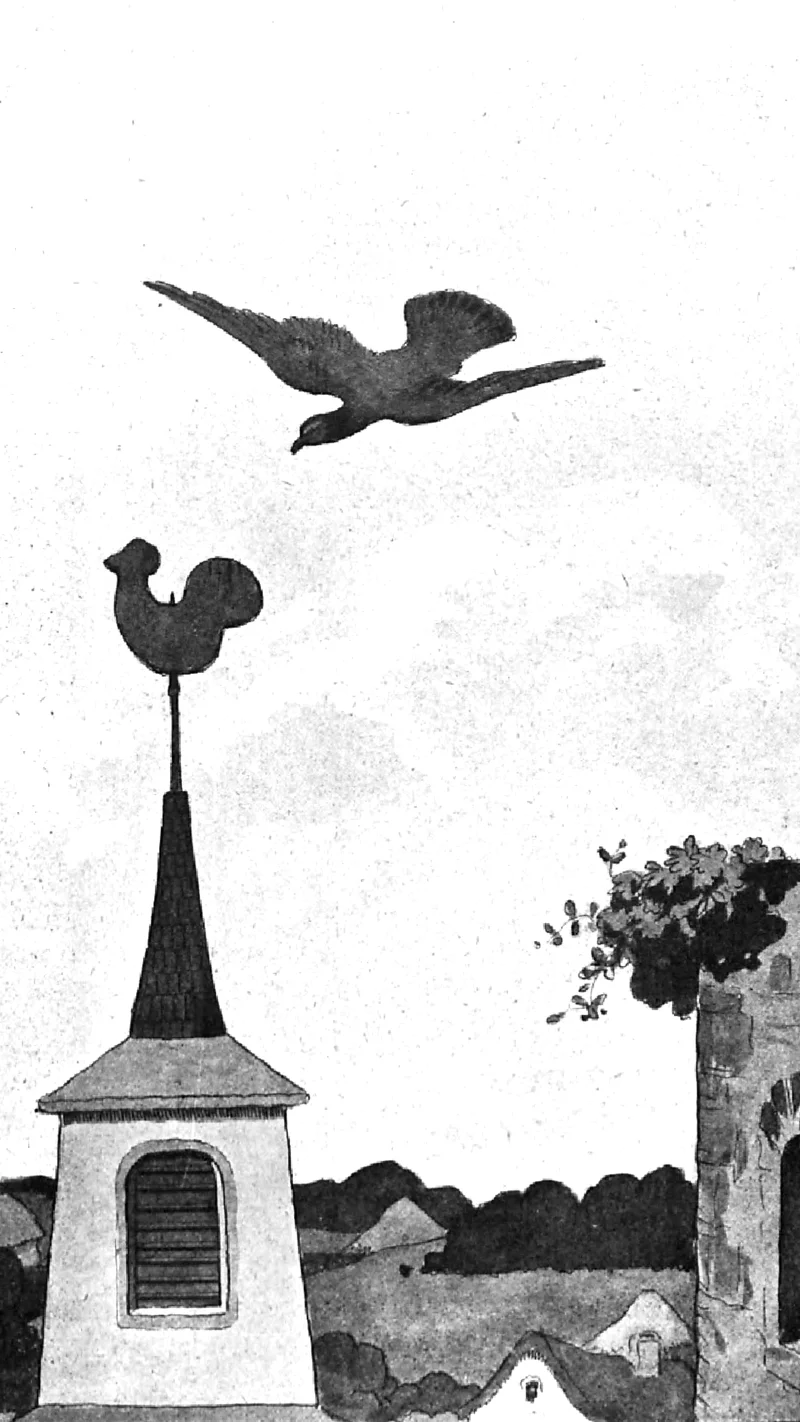
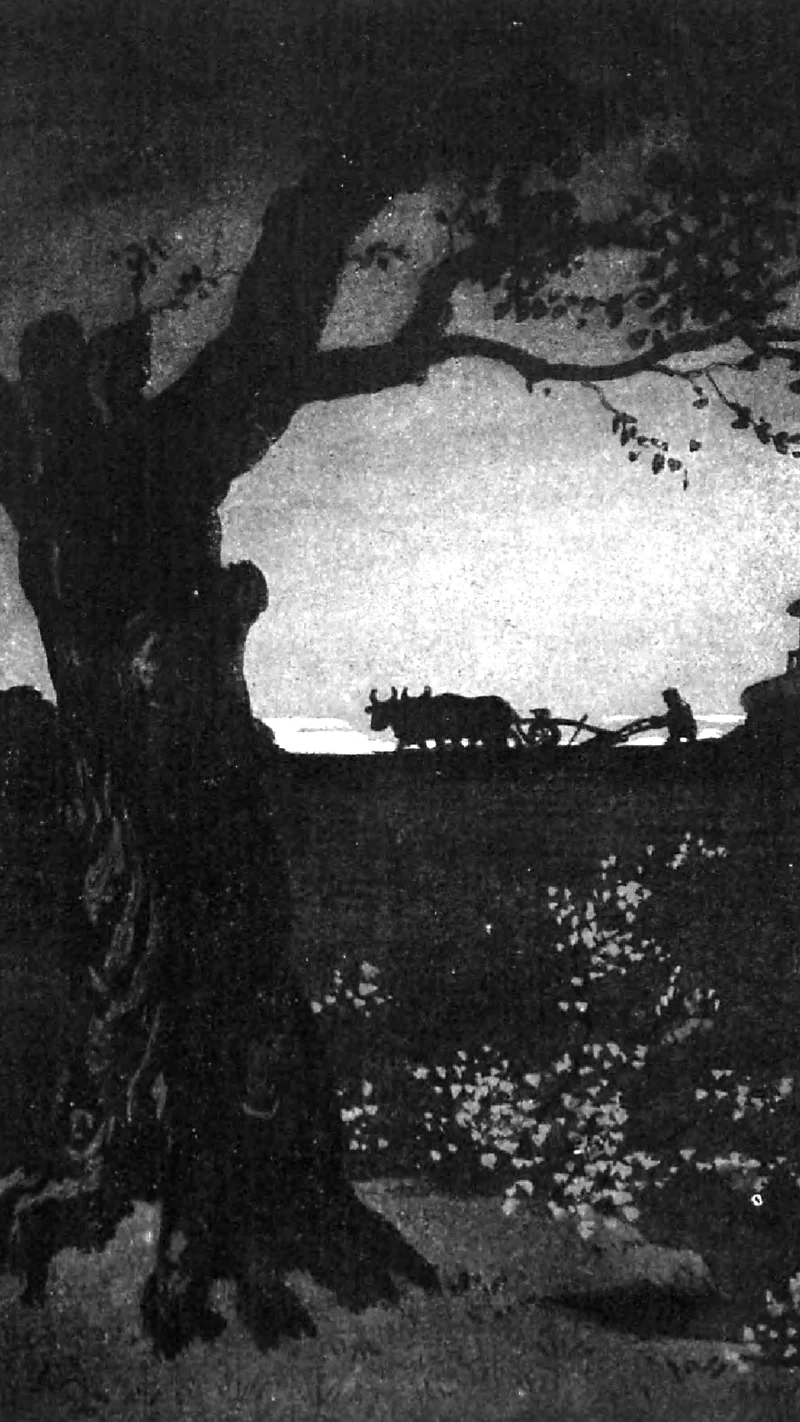
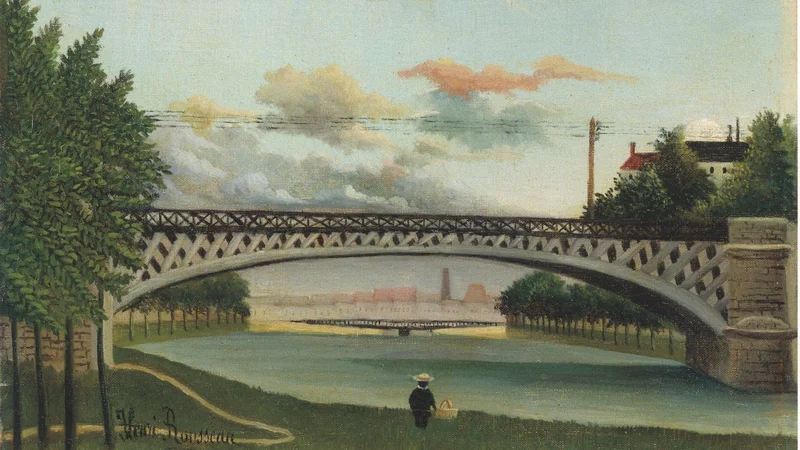
Naive Art emerged as a distinct aesthetic category during the late 19th and early 20th centuries, defined by the rejection of traditional academic constraints in favor of a raw, intuitive approach to formal representation. Characterized by a deliberate abandonment of linear perspective and refined anatomical proportion, the style prioritizes flattened spatial planes and bold, non-naturalistic color palettes. Painters such as Henri Rousseau, notably in works like Threatening Sky, utilized an idiosyncratic handling of light and meticulous, miniaturized brushwork to achieve a dreamlike, crystalline clarity that transcended mere mimicry of the physical world. This departure from conventional realism allowed for the emergence of deeply personal, symbolic narratives that eschewed the pedagogical rigor of the European academies.
Technical Innovations and Historical Scope.
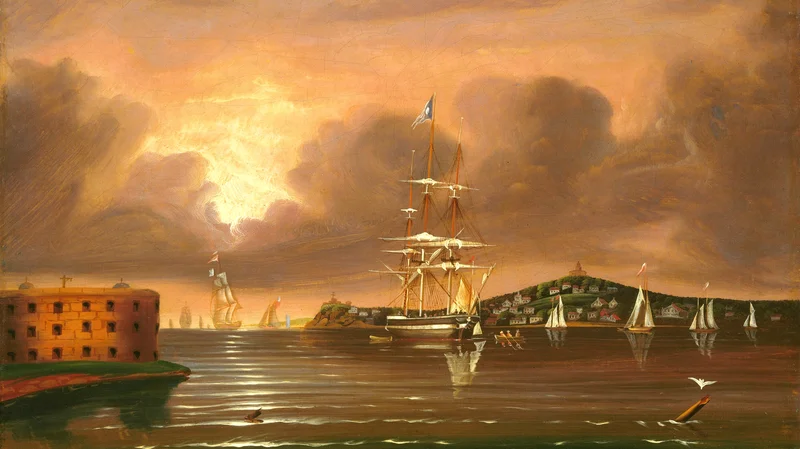
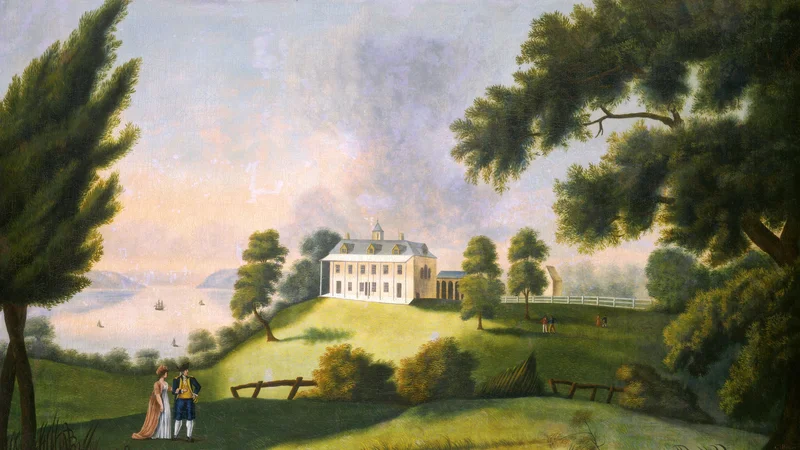
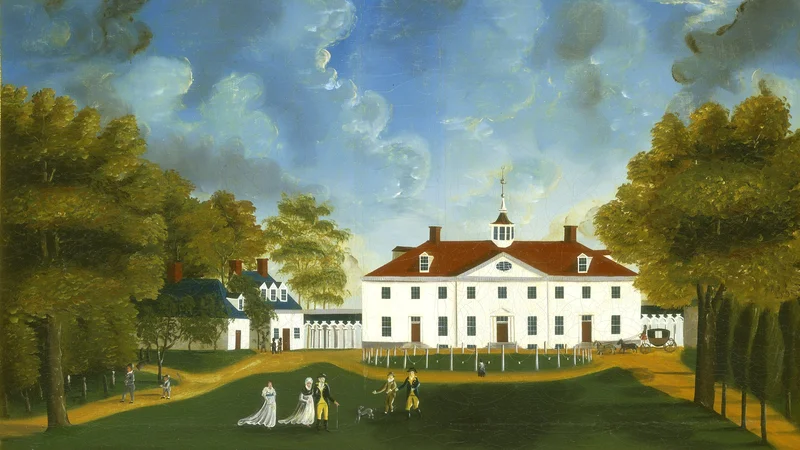
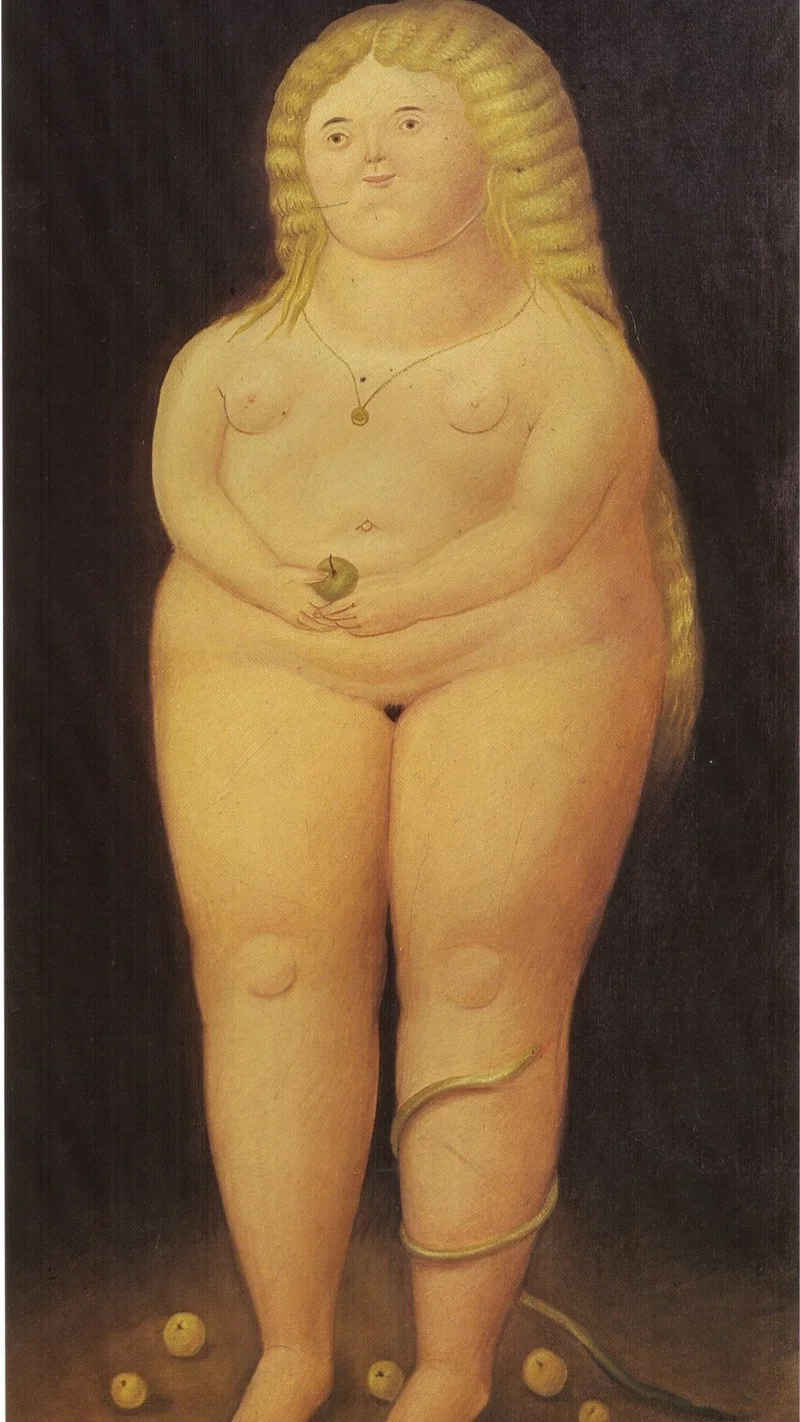
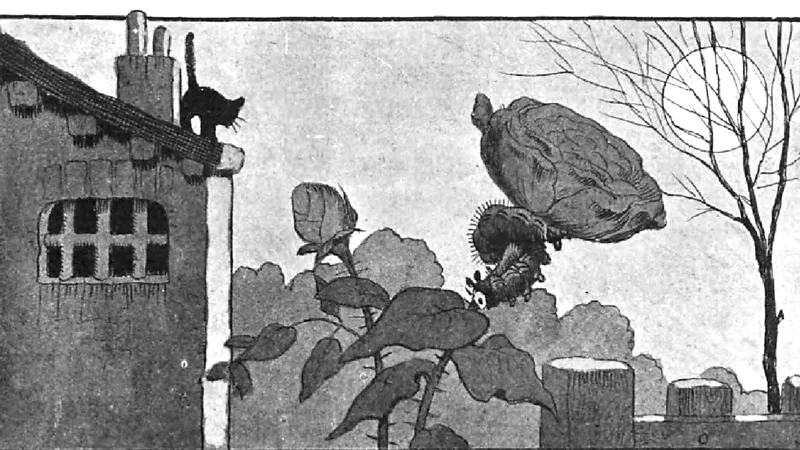
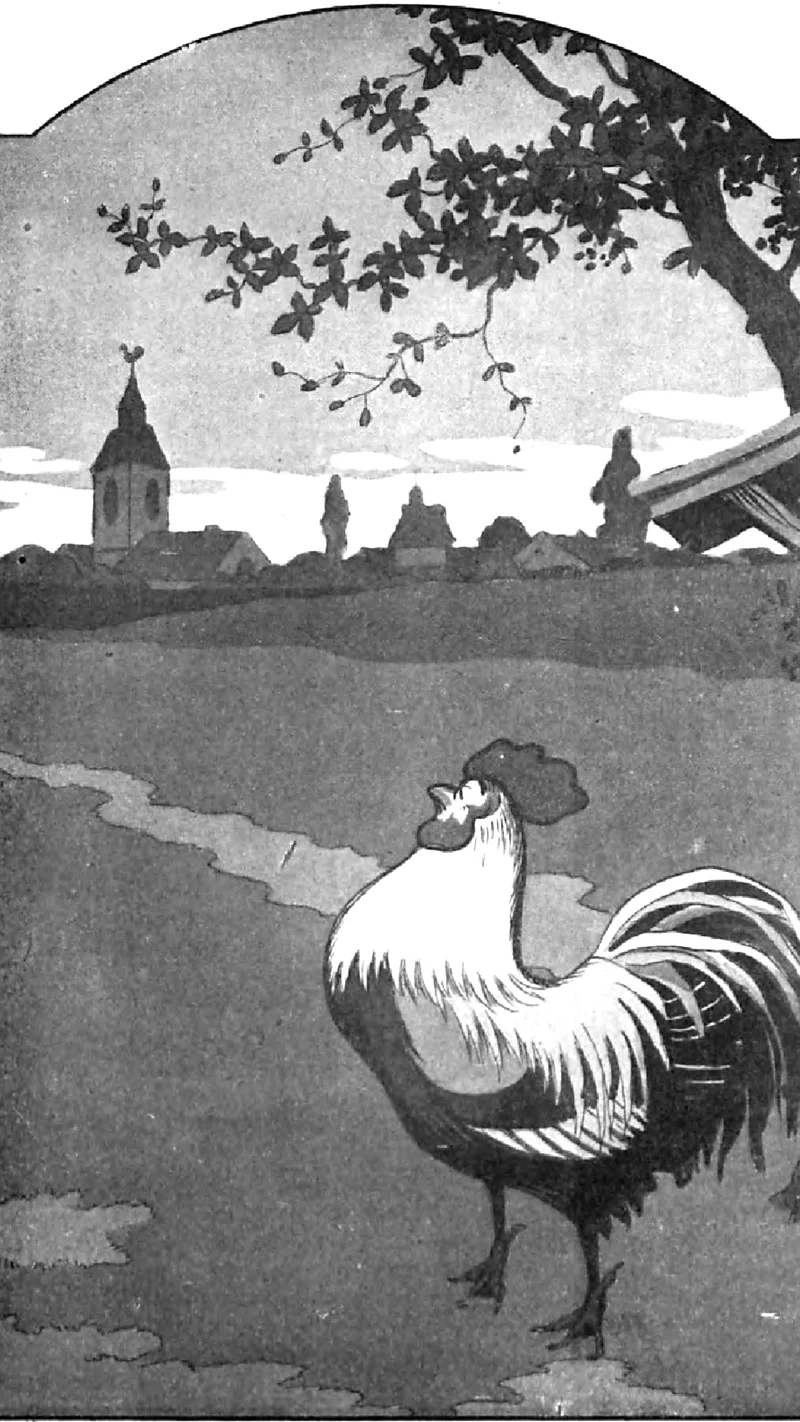
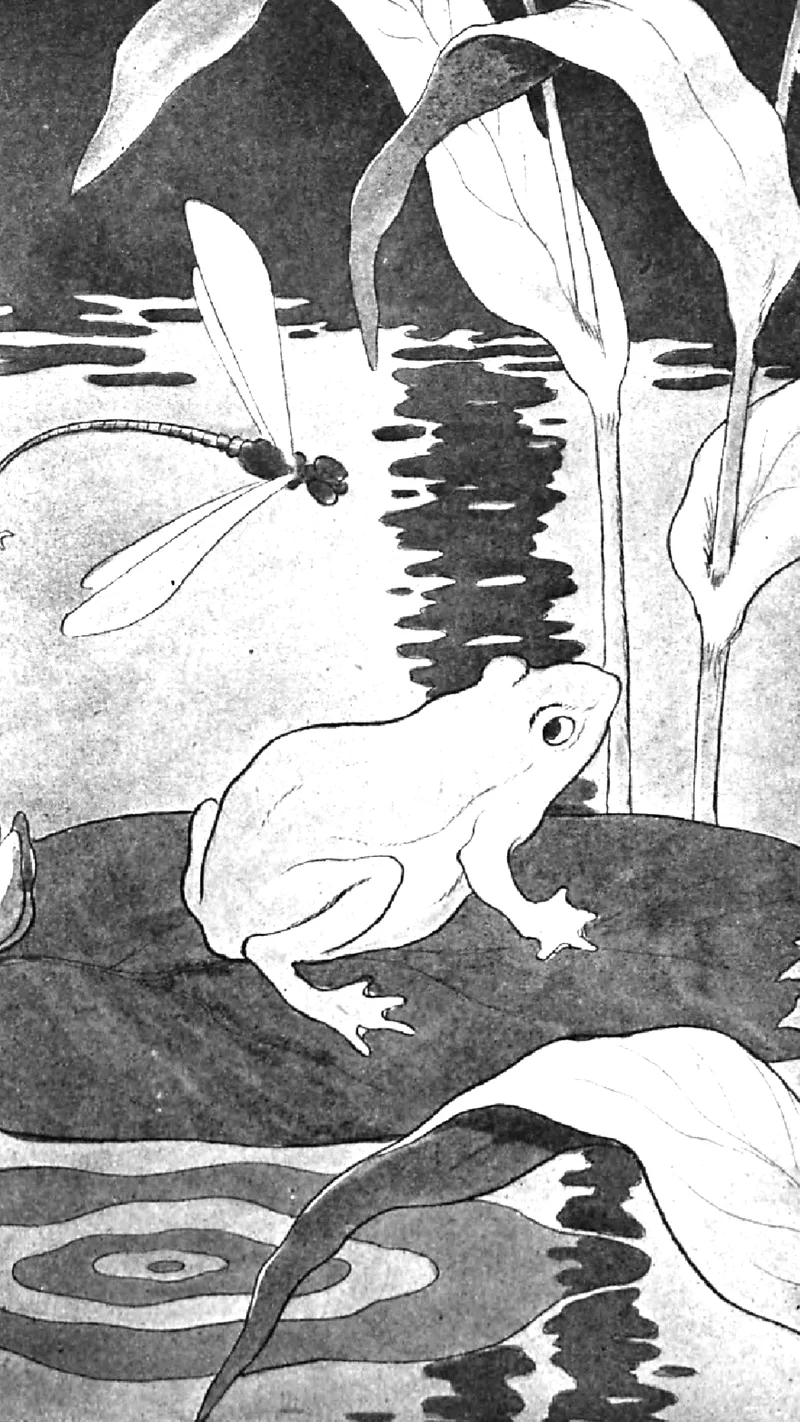
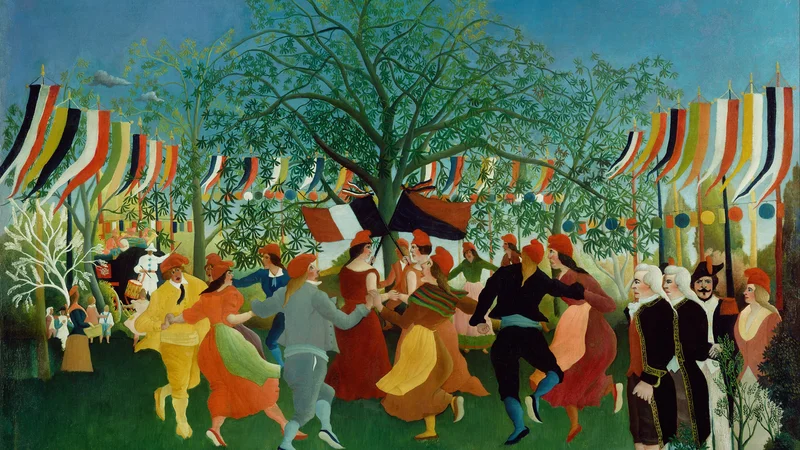
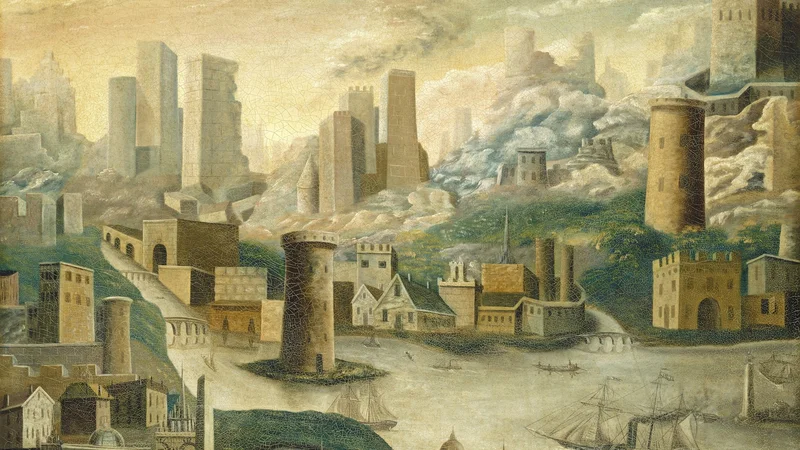
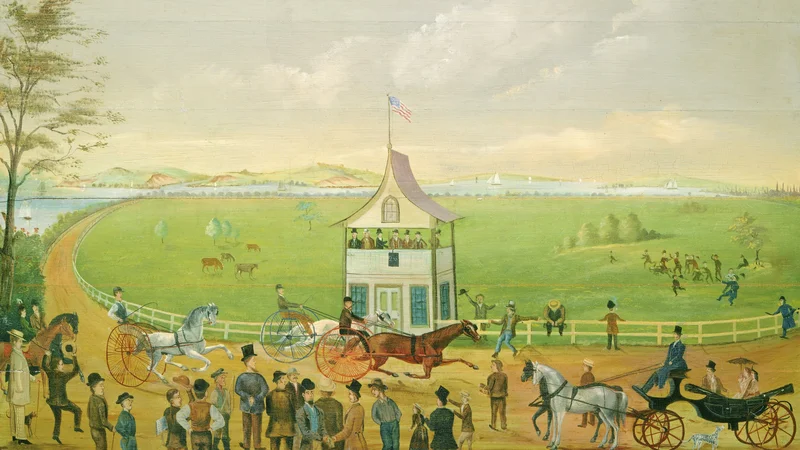
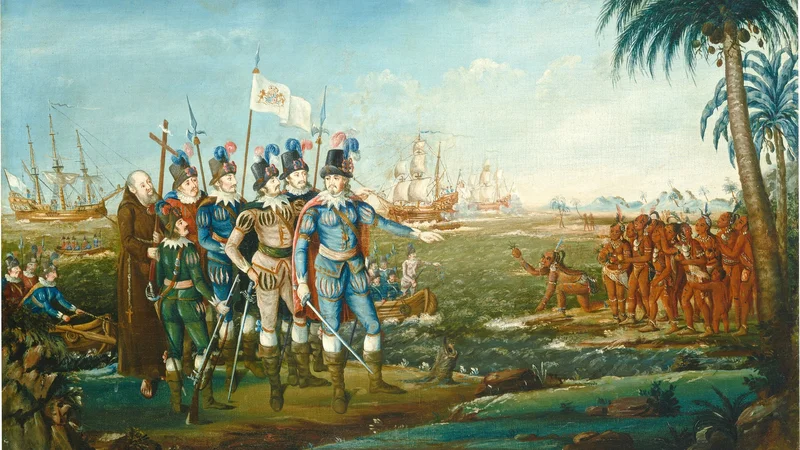
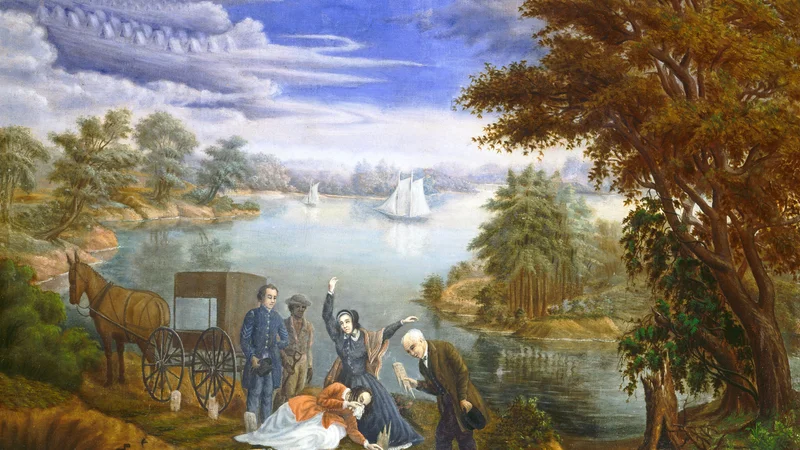
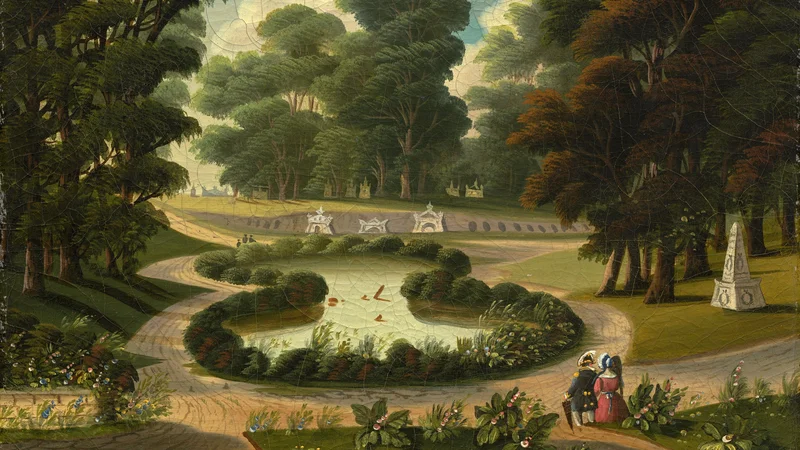
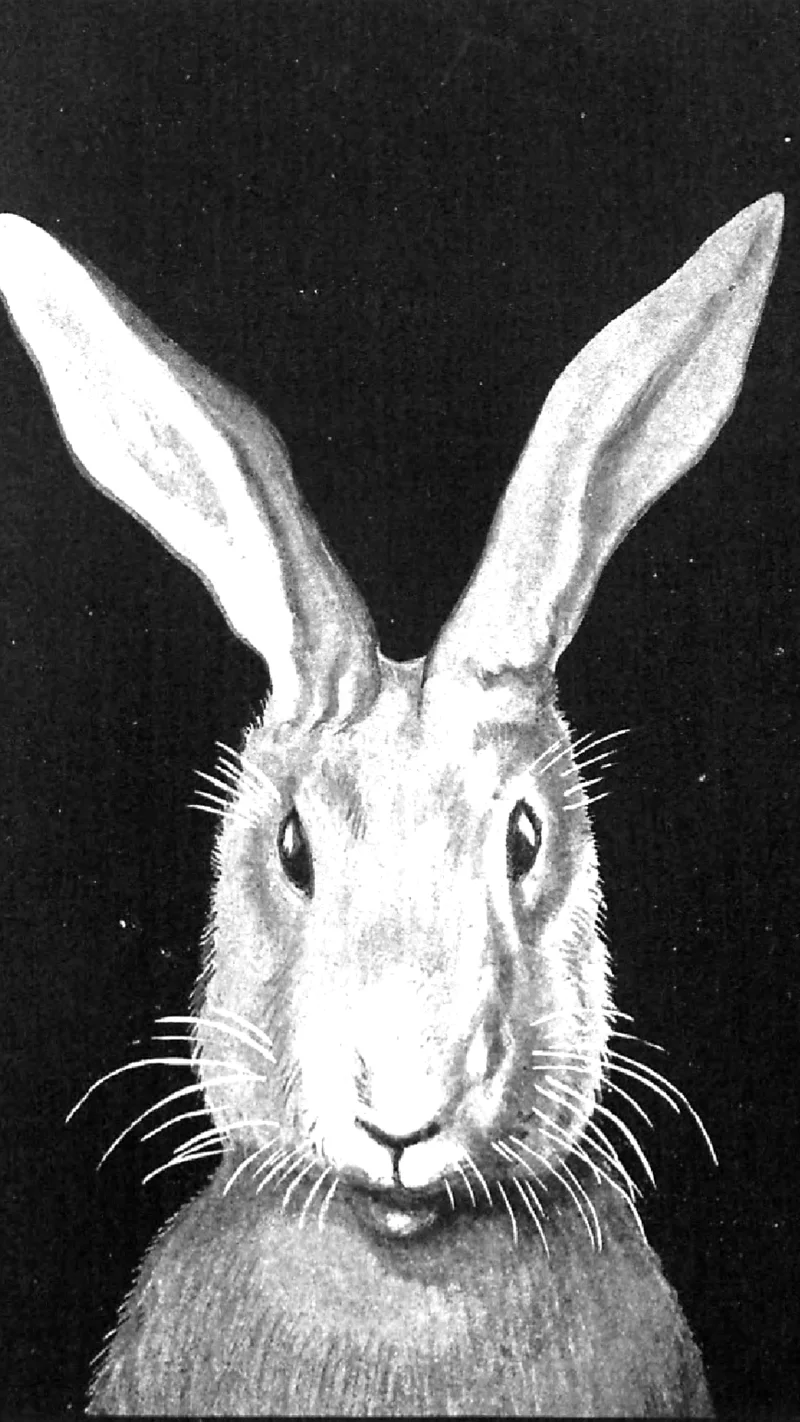
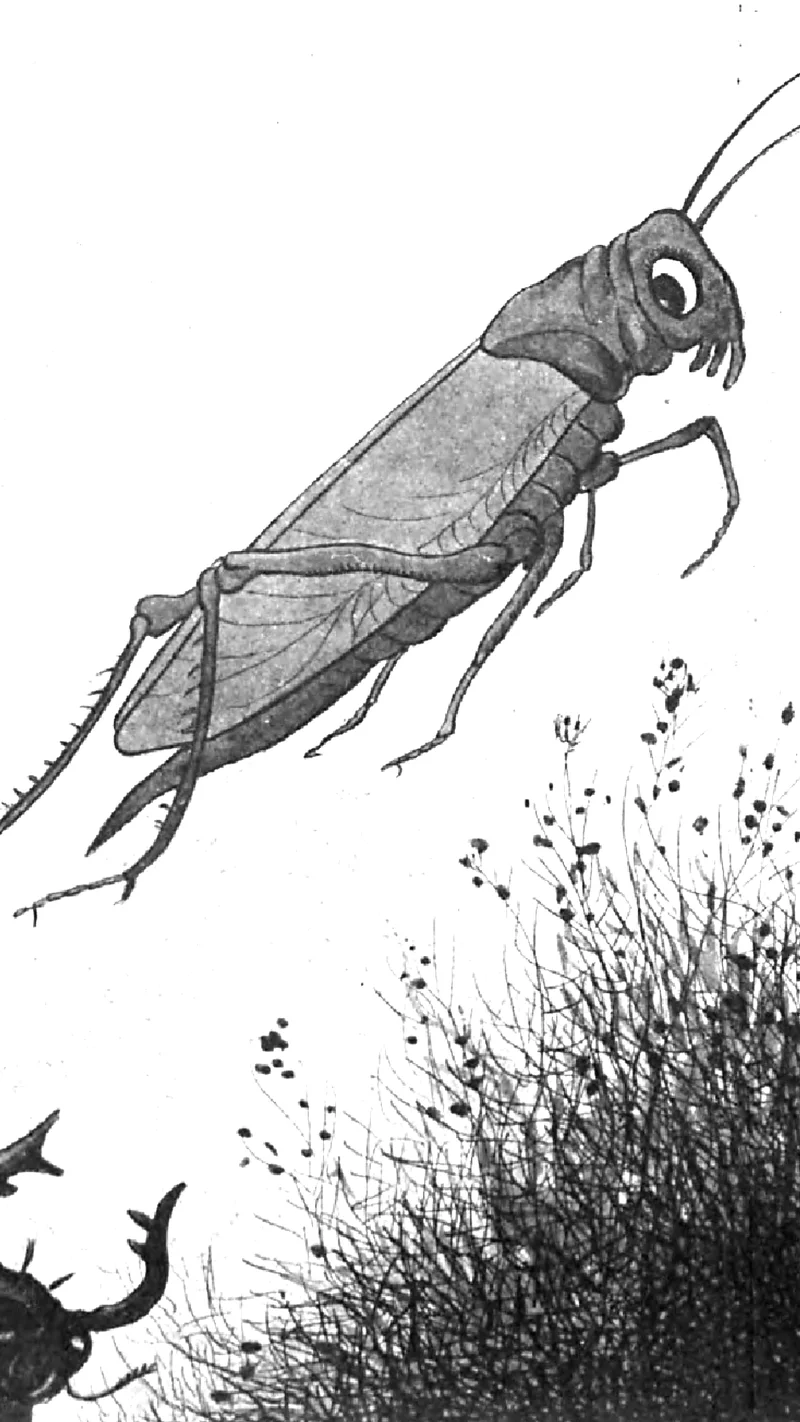
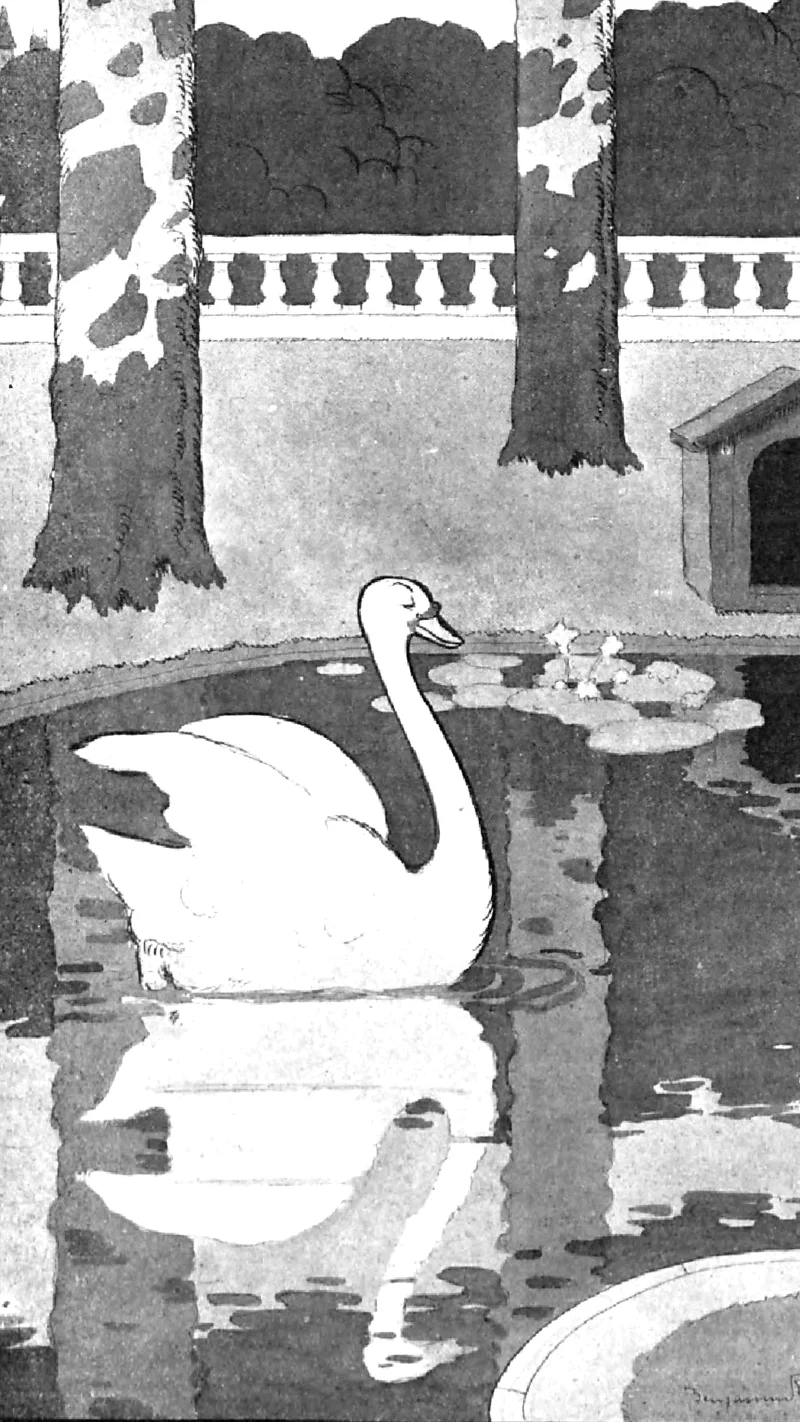
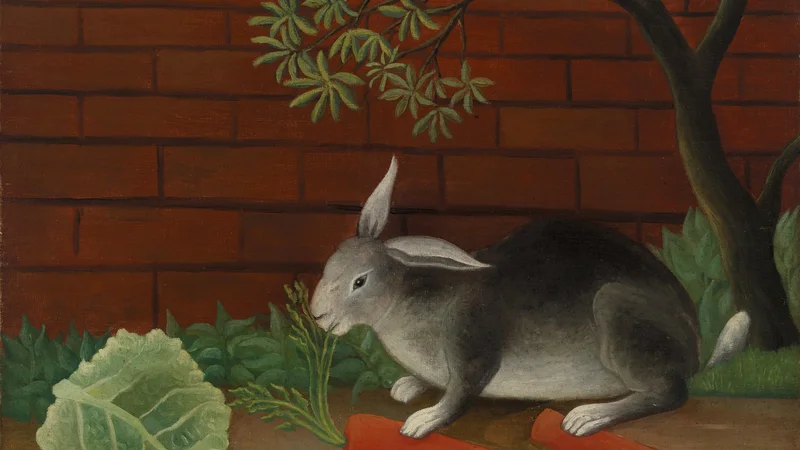
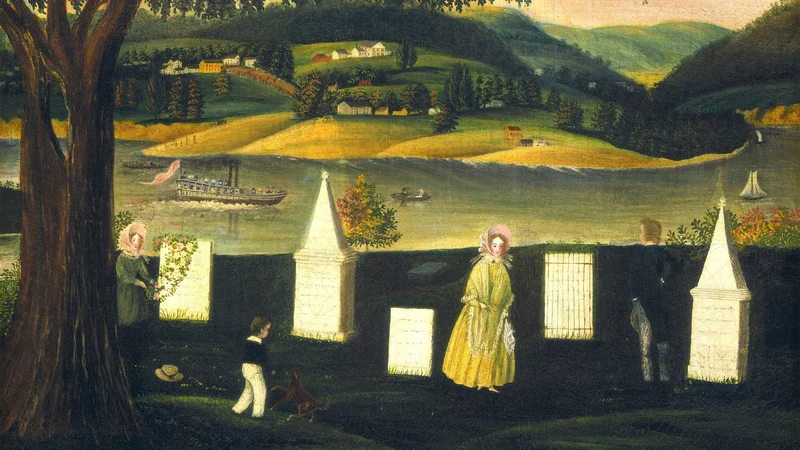
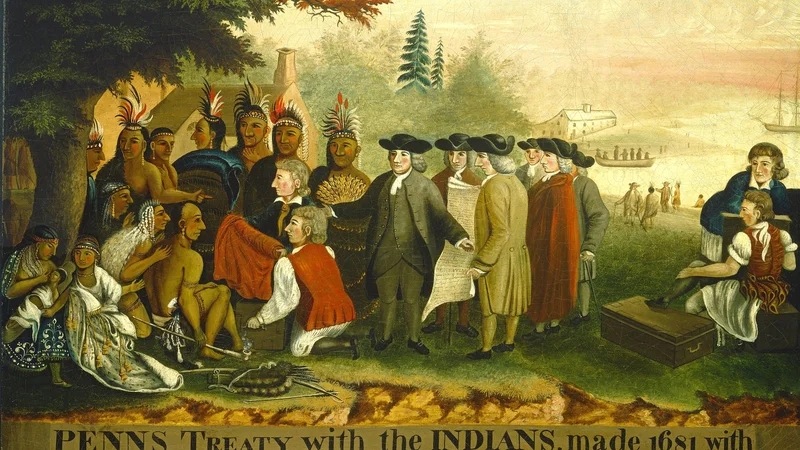
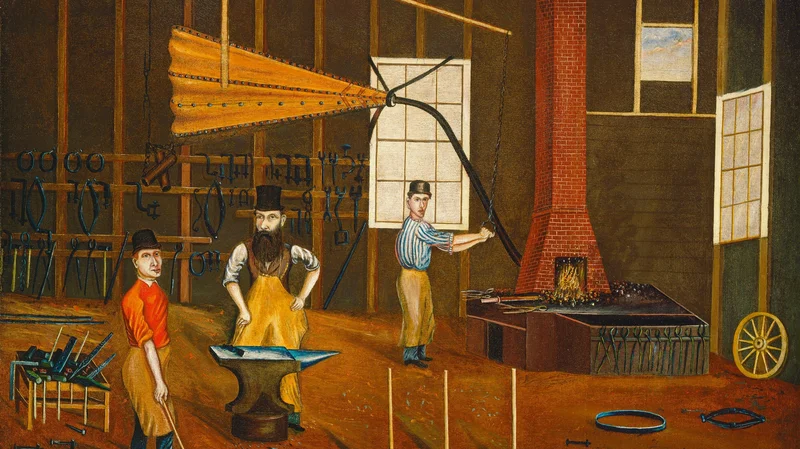
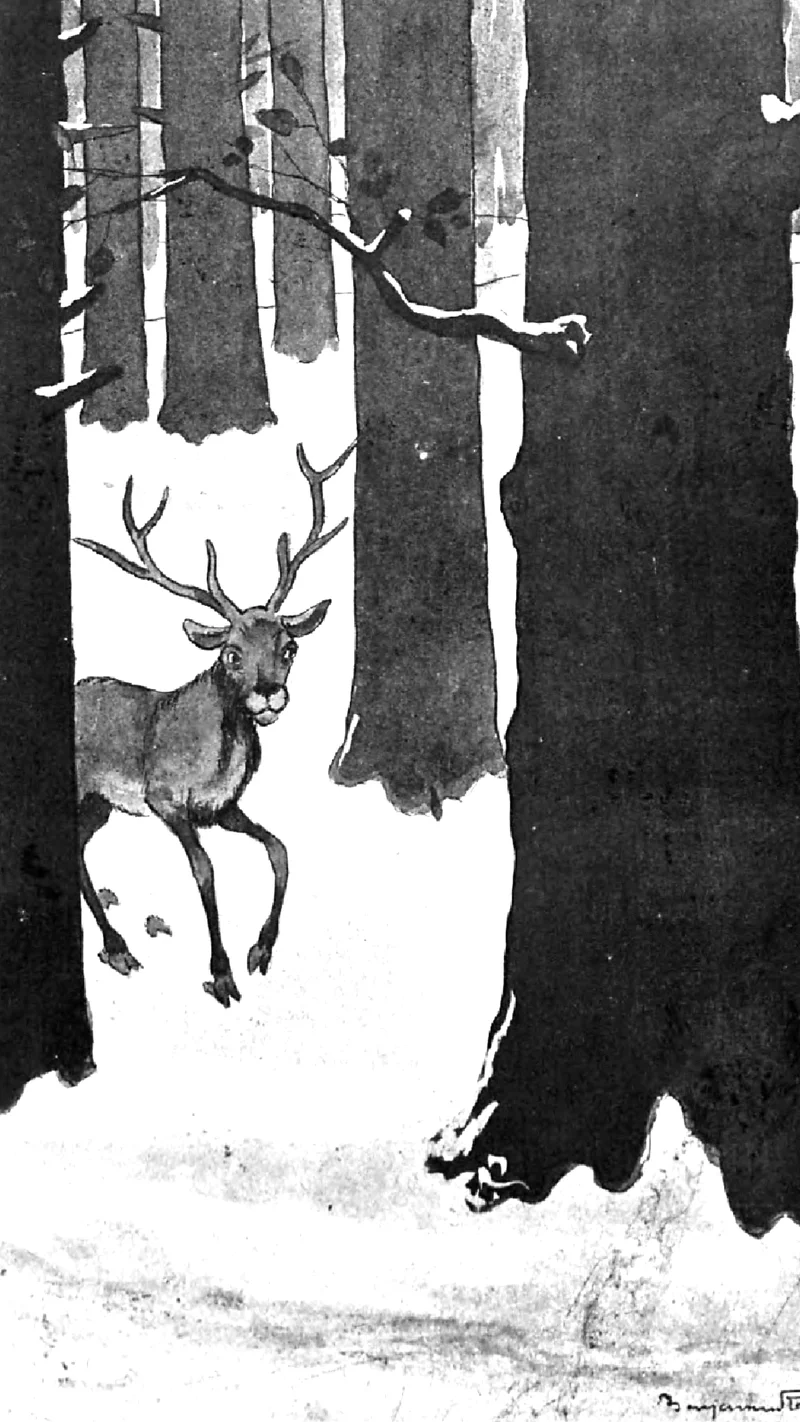
In the American context, 19th-century itinerant artists including Thomas Chambers and Erastus Field—exemplified by works like Bay of New York and A Centennial of Independence—refined a structural language rooted in decorative pattern and rhythmic composition. Their approach to A View of Mount Vernon or the stark, emotive contours of Adam and Eve demonstrates an sophisticated mastery of design over empirical accuracy, a trait echoed in the whimsical, anthropomorphic precision of Benjamin Rabier’s The Rabbit's Meal. By prioritizing psychic intensity and structural integrity over photographic fidelity, these artists established a foundational legacy that recalibrated the relationship between the visionary imagination and the canvas, securing Naive Art’s status as a critical precursor to modernist expression.