American Realism
172 artworks
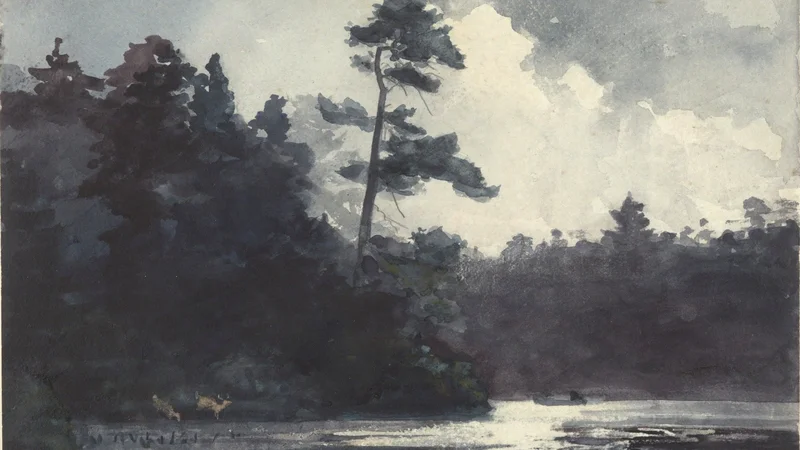
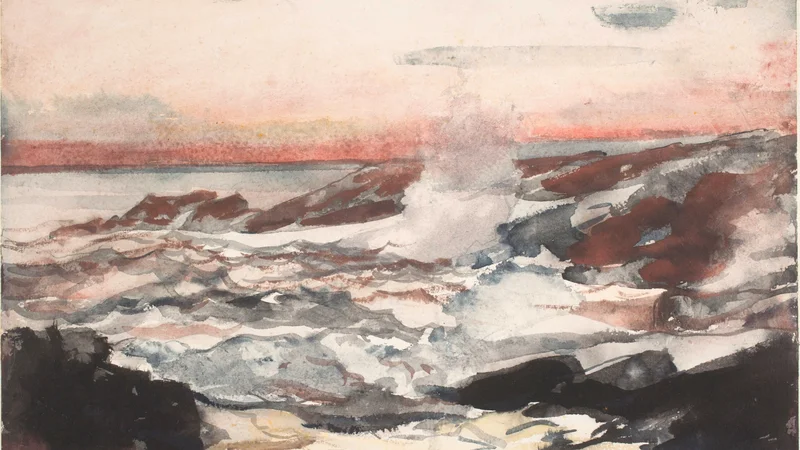
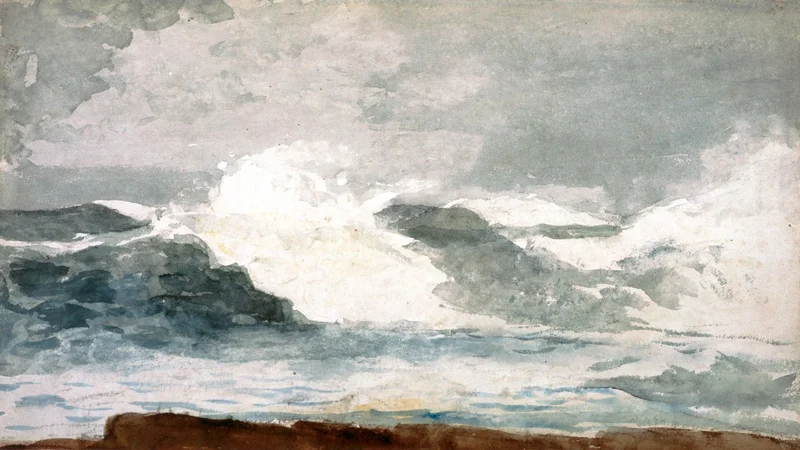
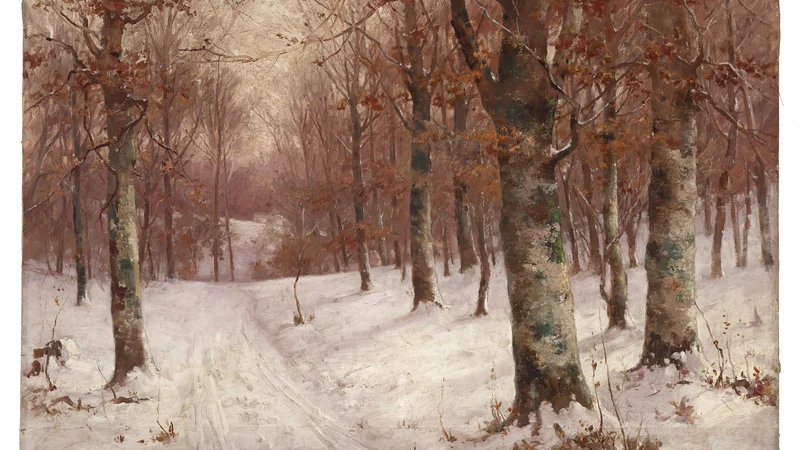
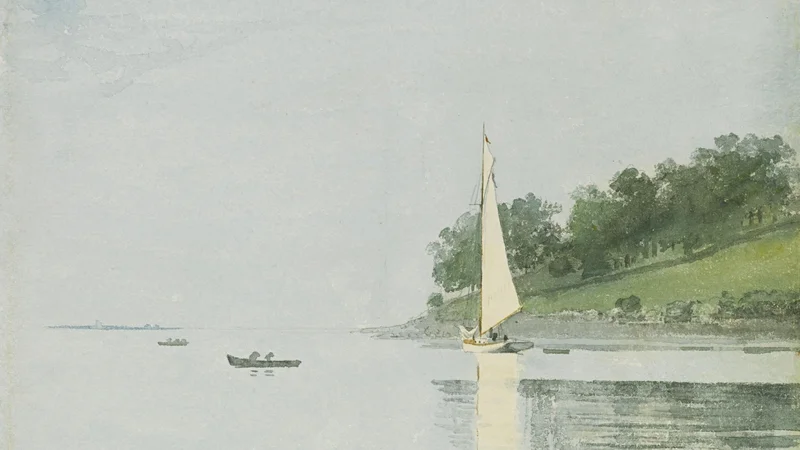
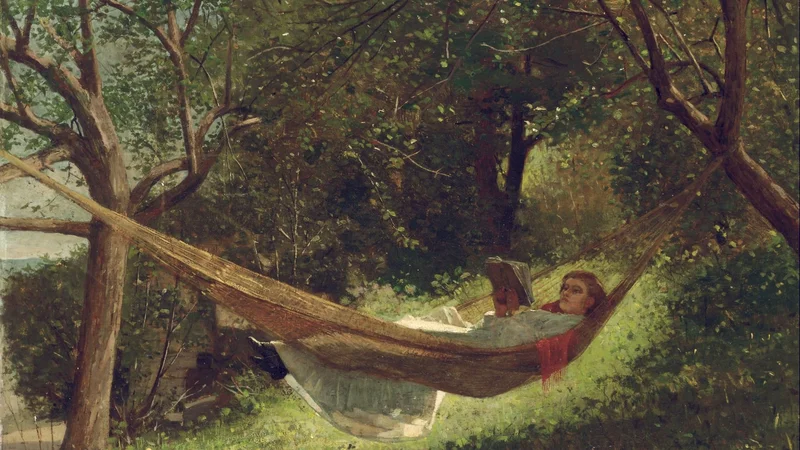
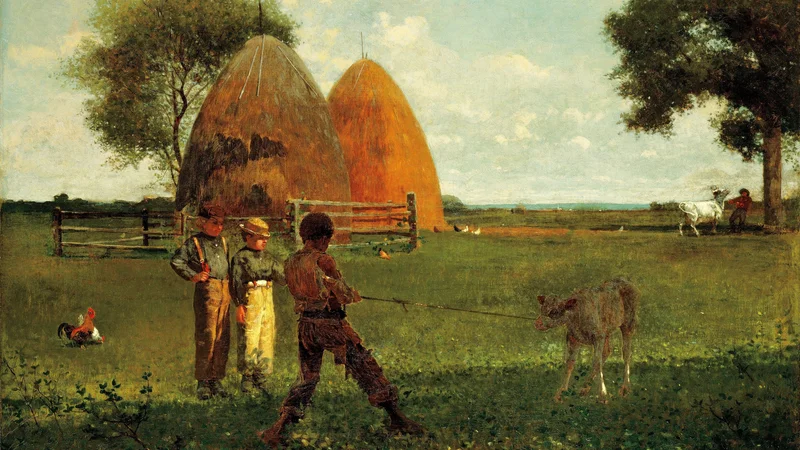
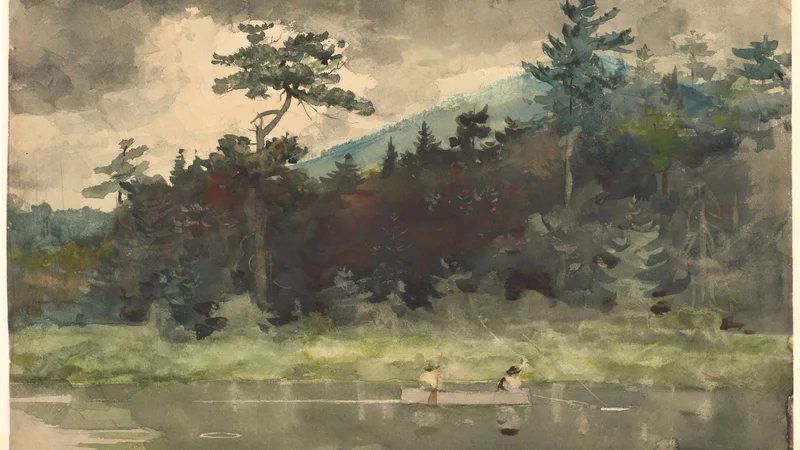
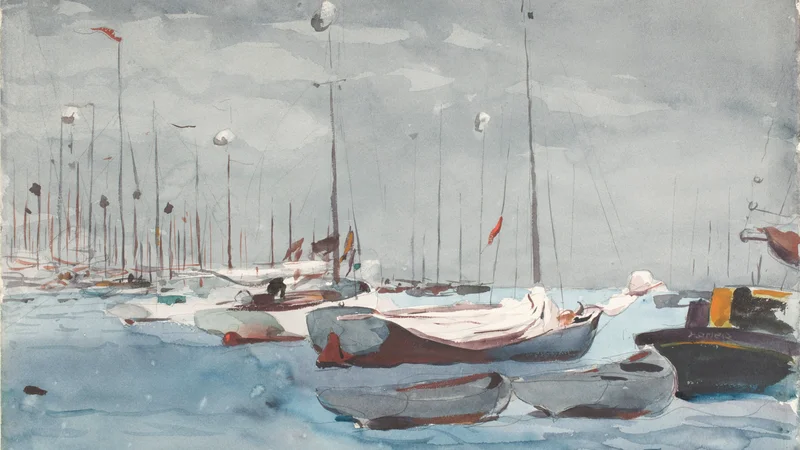
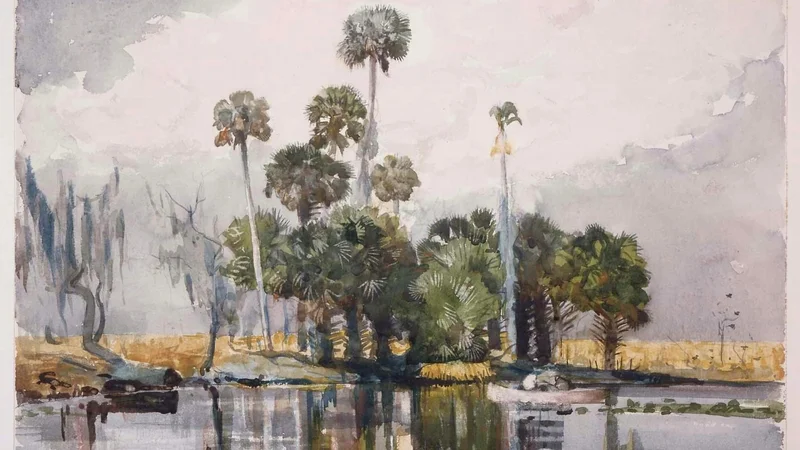
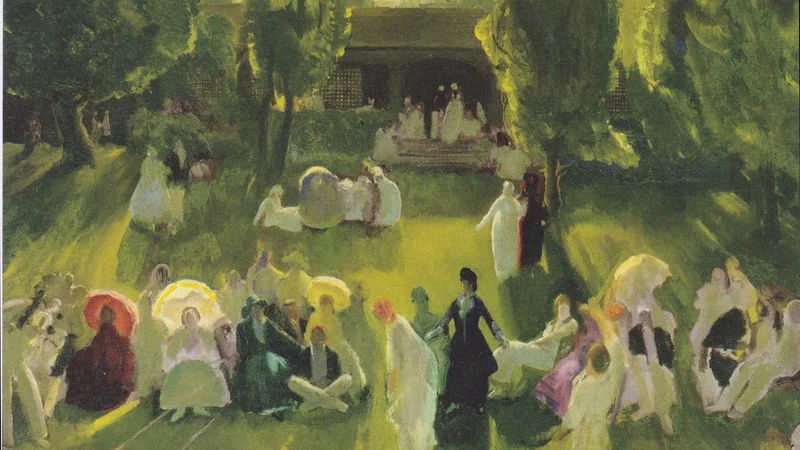
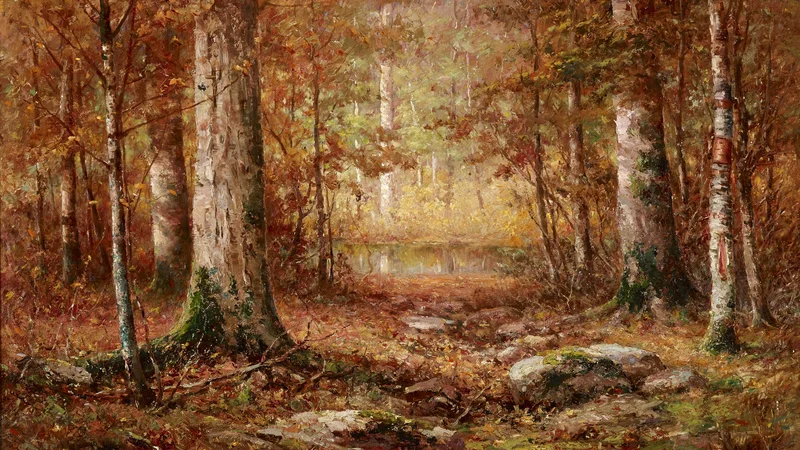
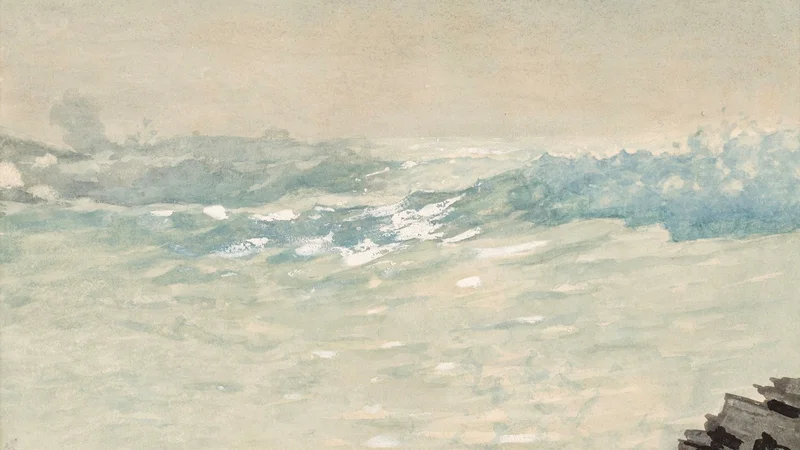
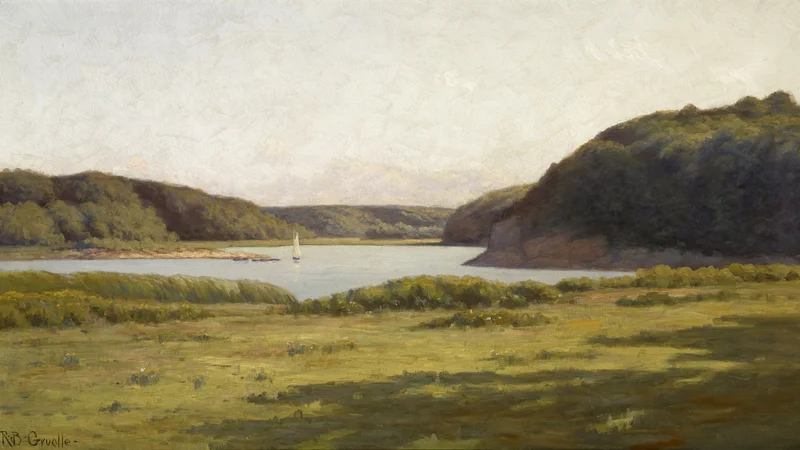
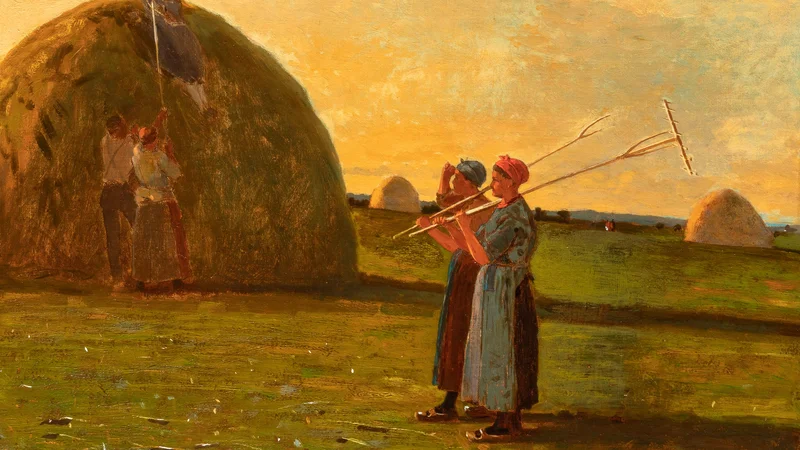
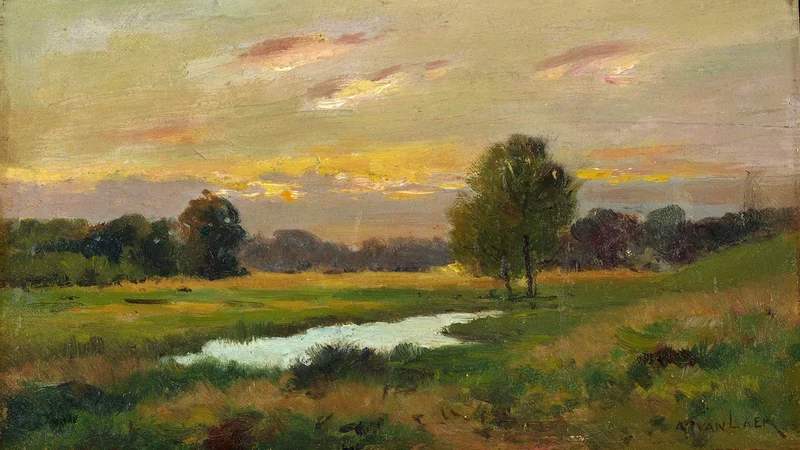
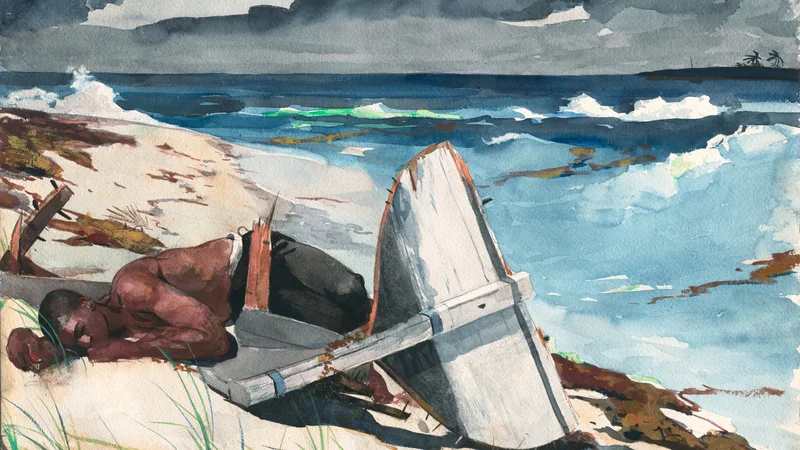
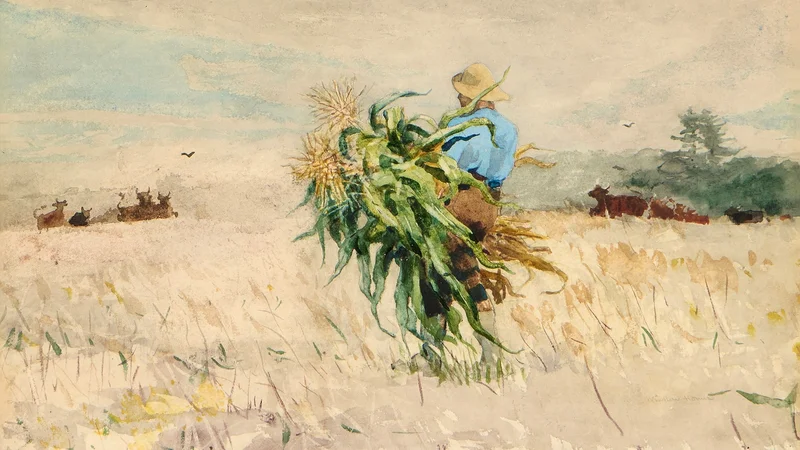
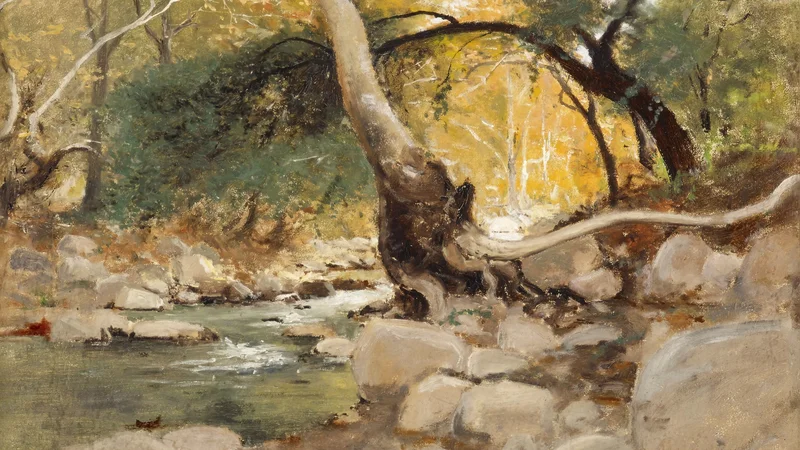
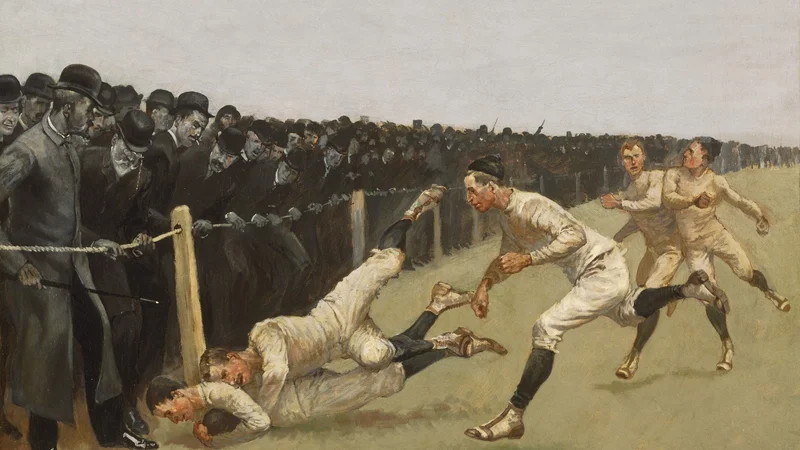
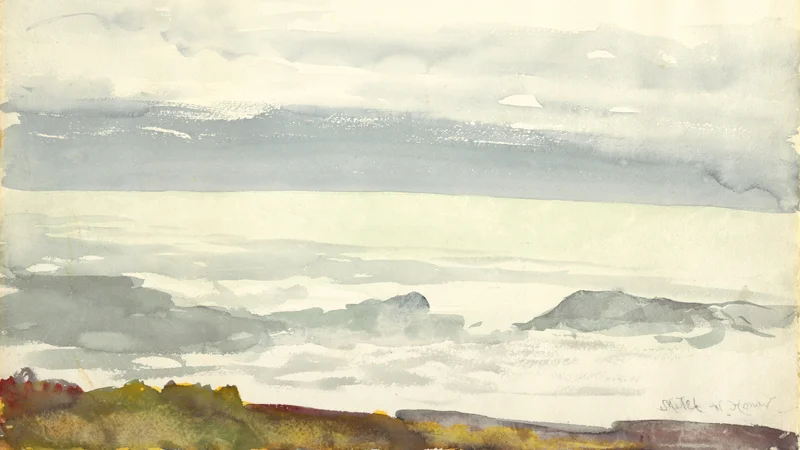
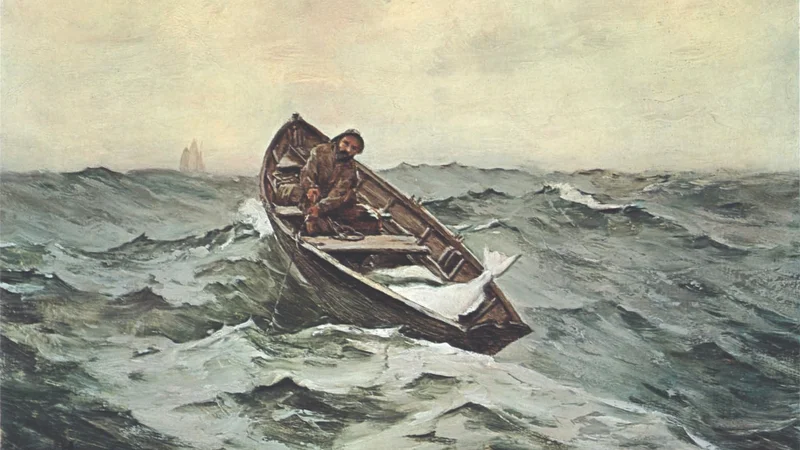
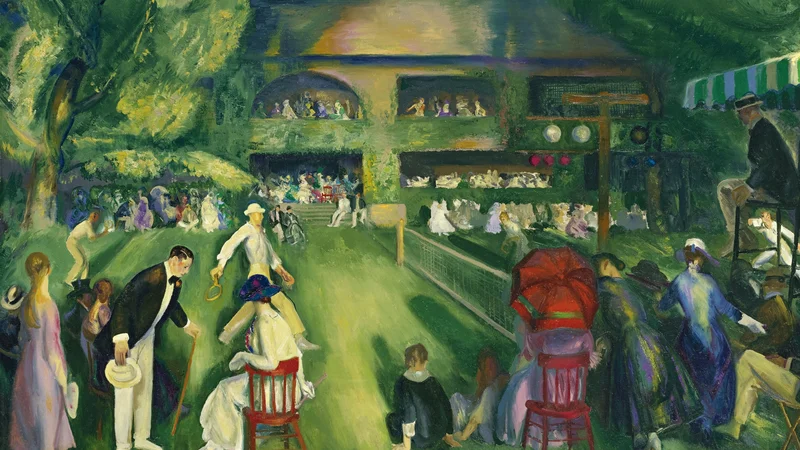
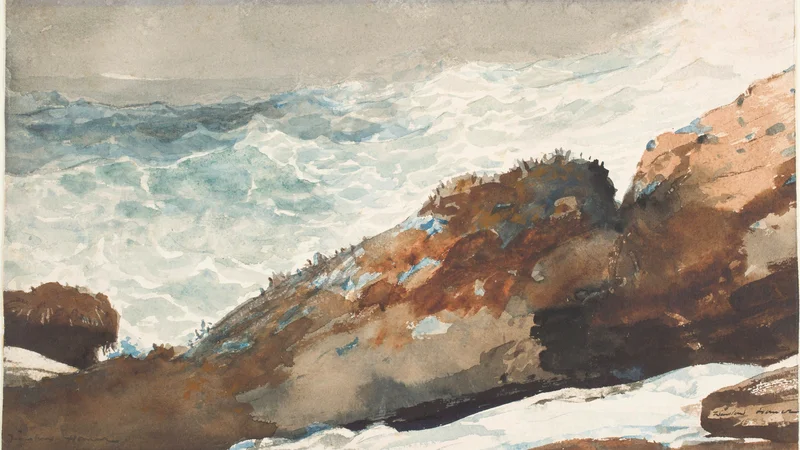
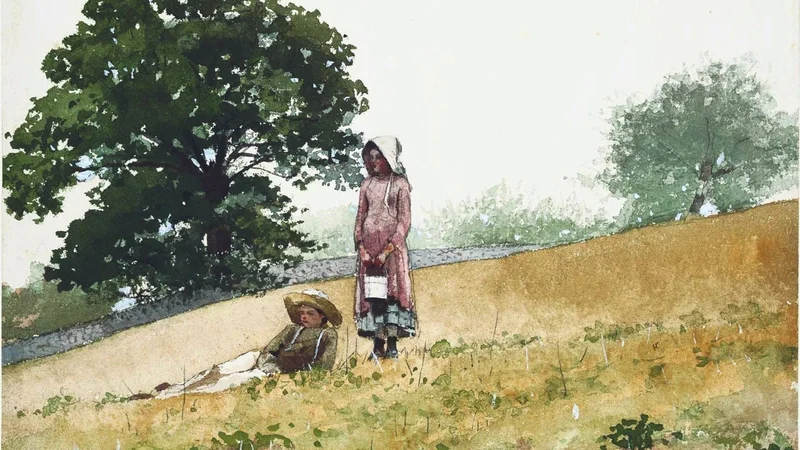
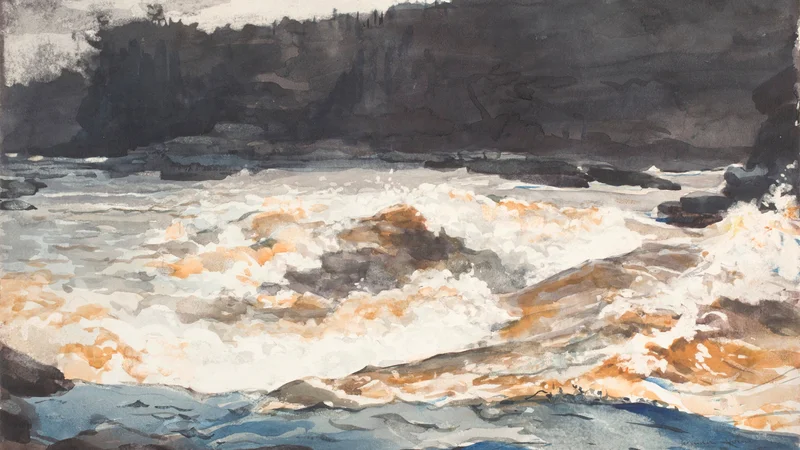
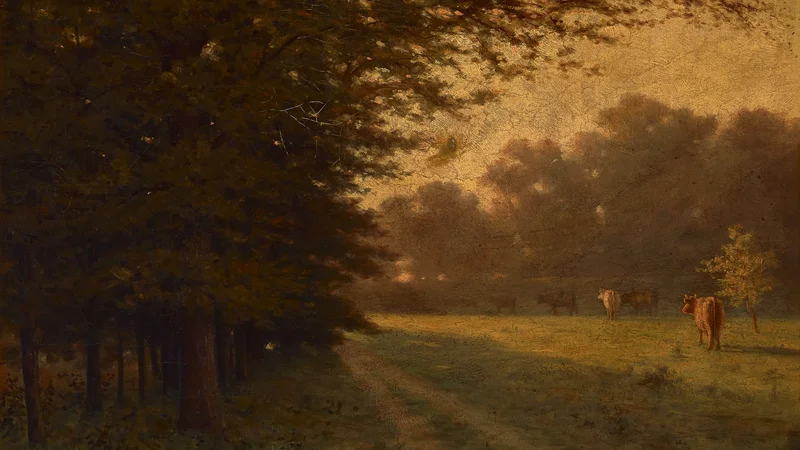
Emerging in the late 19th century as a deliberate departure from the idealized aesthetic of the Gilded Age, American Realism championed the unvarnished observation of the natural world and the complexities of modern experience. Artists associated with this movement, such as Winslow Homer, utilized rigorous plein air techniques to master the ephemeral qualities of light and atmosphere. In works like Surf at Prout's Neck and Ocean Seen from a Cliff: View at Prout's Neck, Maine, Homer employed a sophisticated color theory, eschewing academic artifice in favor of tactile, directional brushwork that captured the raw, kinetic energy of the Atlantic coast. This commitment to verisimilitude extended to the work of Jonas Lie, George Bellows, and members of the Hoosier Group such as John Bundy and Richard Gruelle, whose localized landscapes prioritized the structural integrity of the environment over romanticized artifice.
Technical Mastery and Compositional Rigor
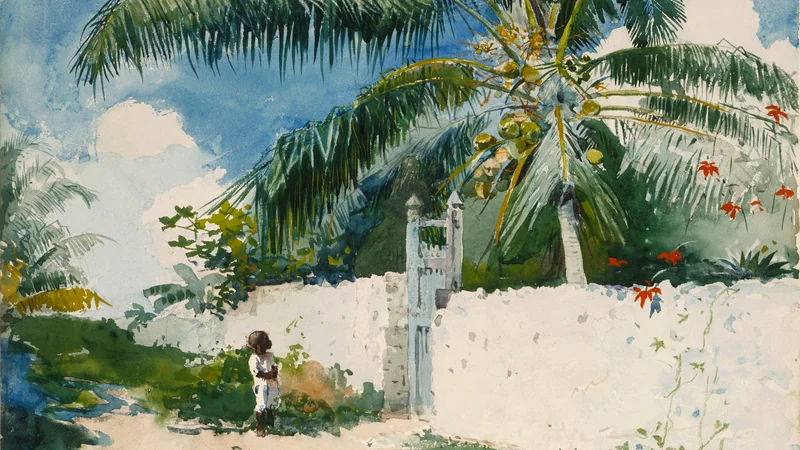
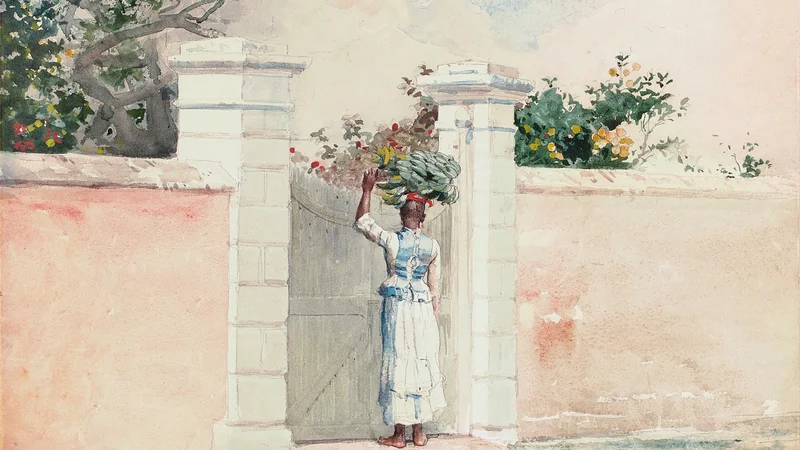
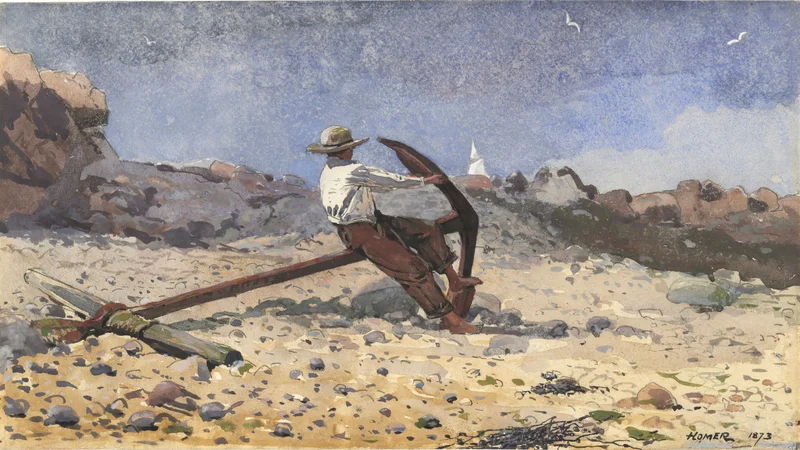
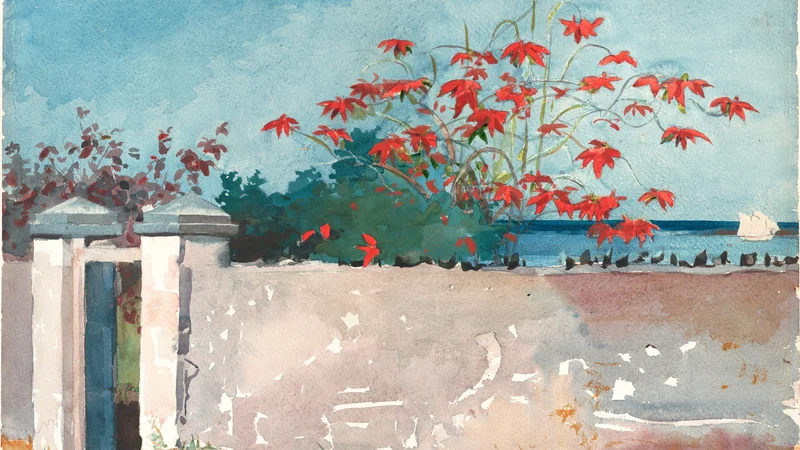
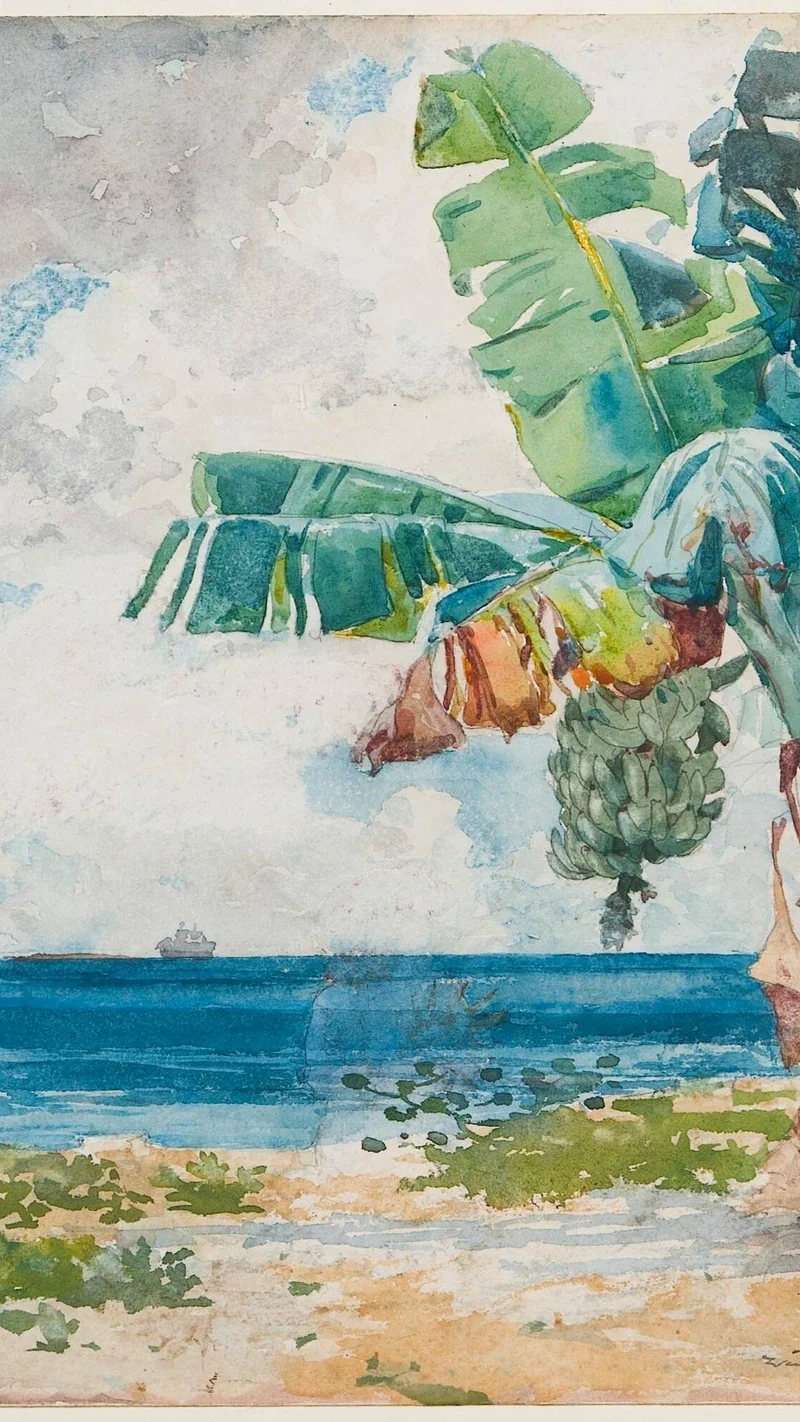
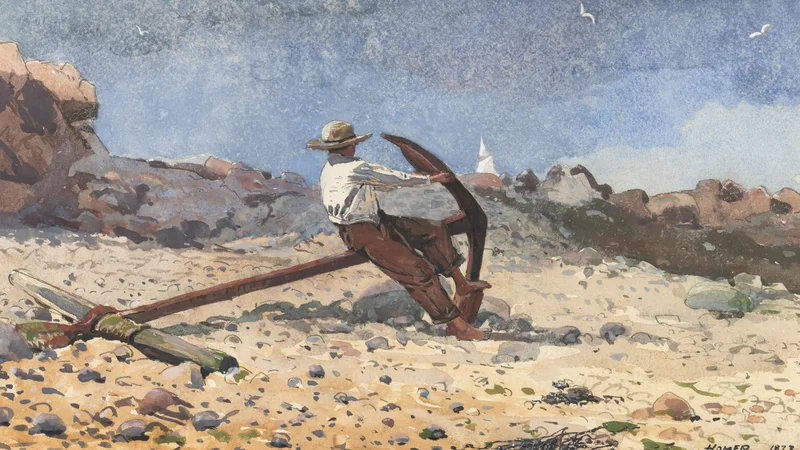
The movement’s legacy rests upon a disciplined application of compositional balance and tonal modulation. Through precise draftsmanship—evident in the psychological depth of Boy with Anchor or the luminous clarity of A Garden in Nassau and A Wall, Nassau—these painters elevated the mundane to the monumental. By emphasizing the materiality of pigment and the scientific observation of light, American Realists established a visual vocabulary that grounded the national identity in the rugged terrain of the continent. Their synthesis of observation and craft redefined the boundaries of the canvas, shifting the focus from historical allegories toward an authentic encounter with the immediacy of American life, ultimately shaping the trajectory of 20th-century figurative art.