Barbizon School
76 artworks
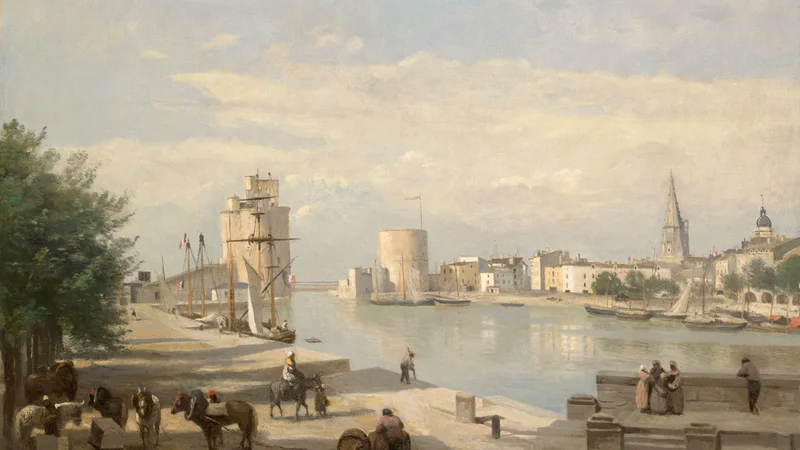
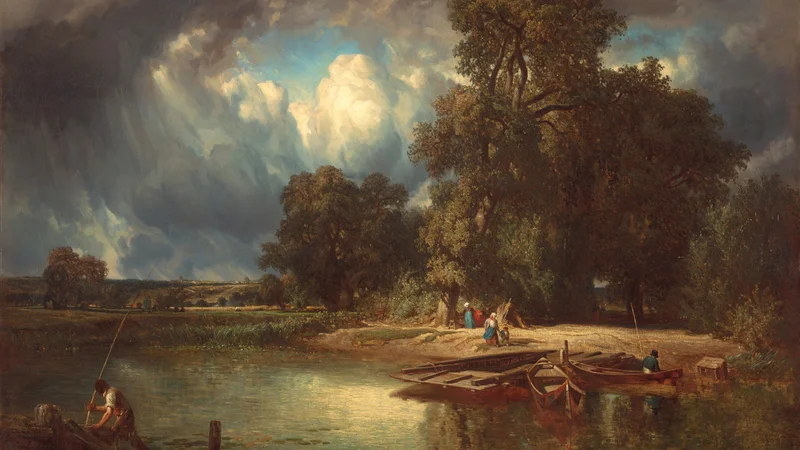
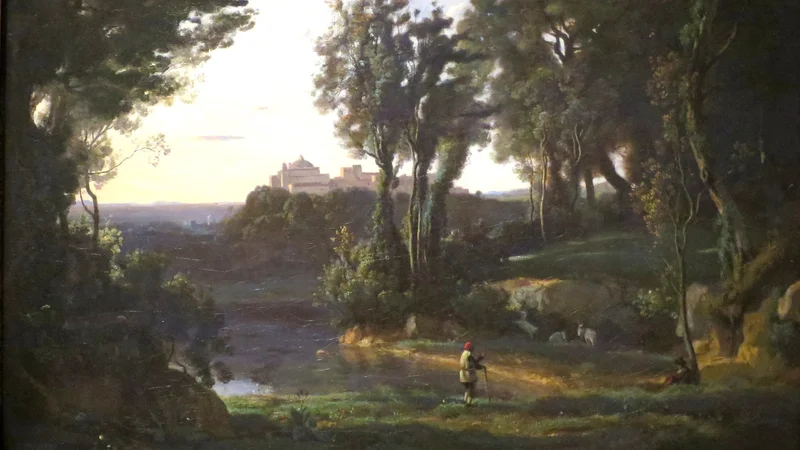
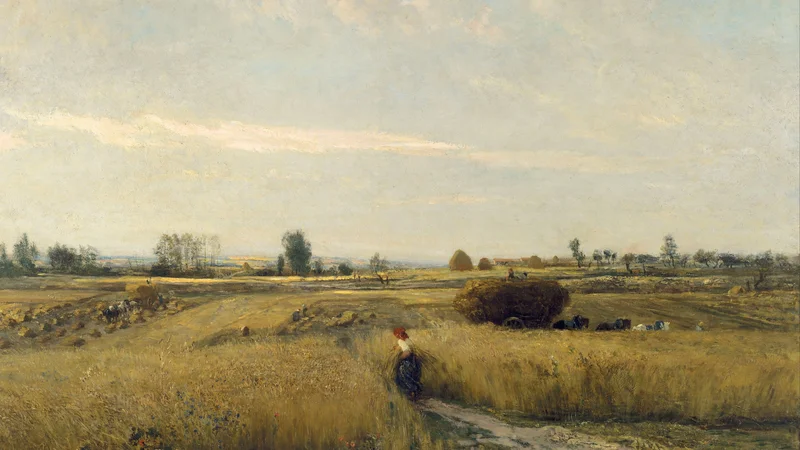
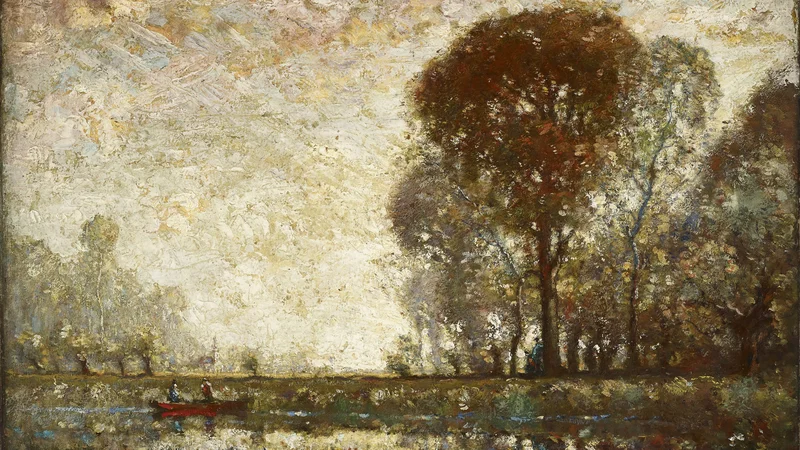
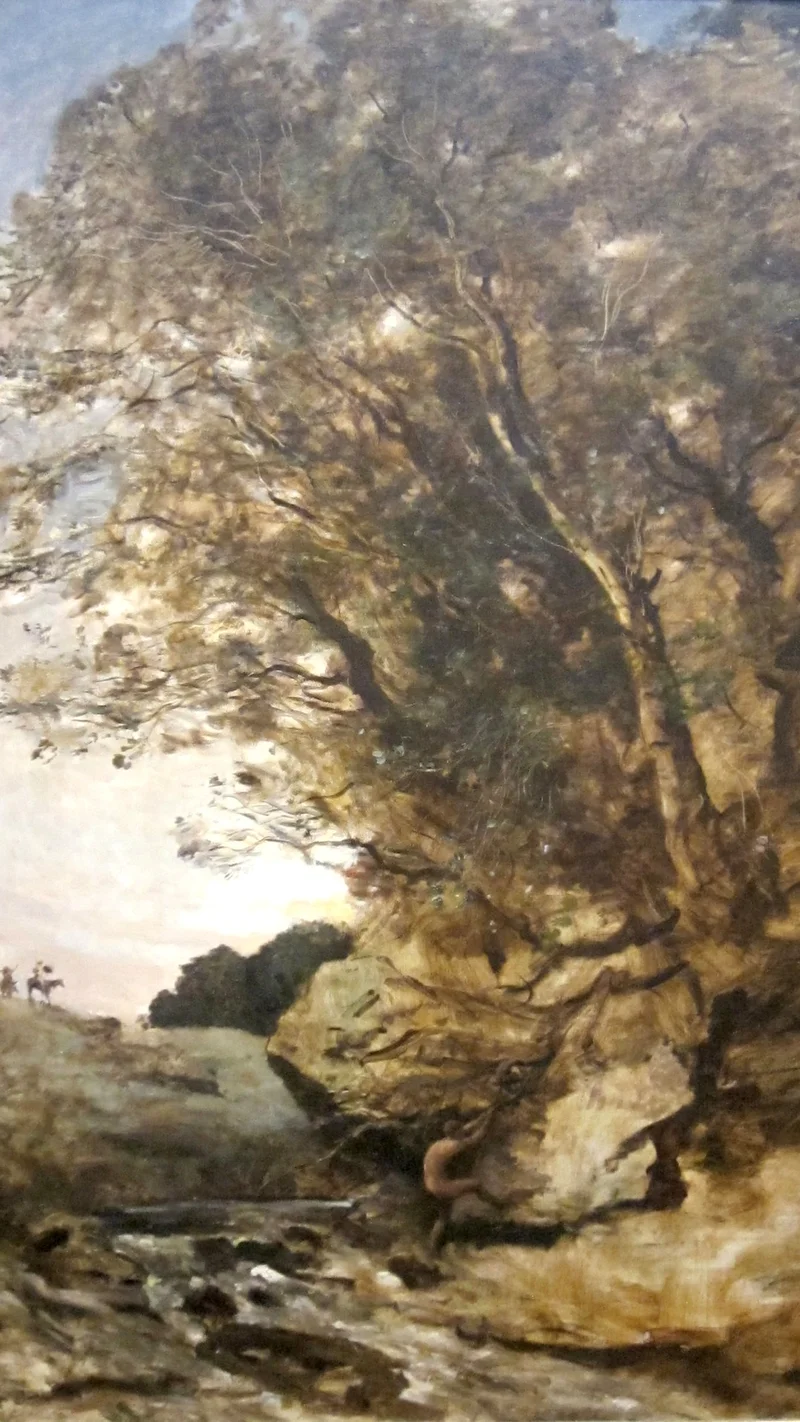
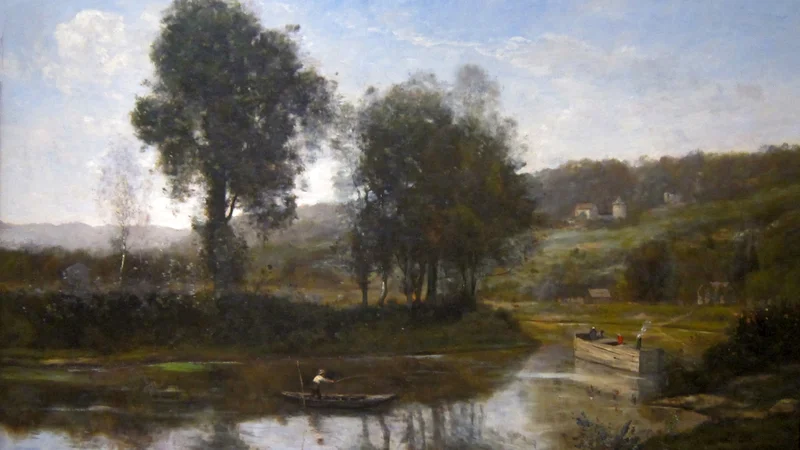
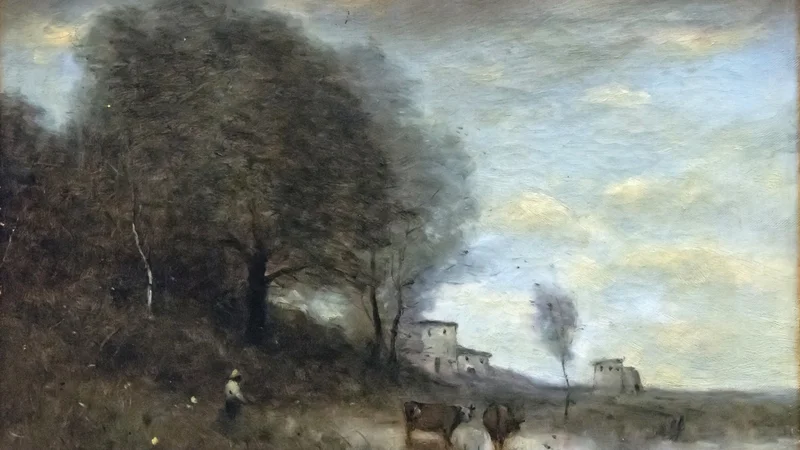
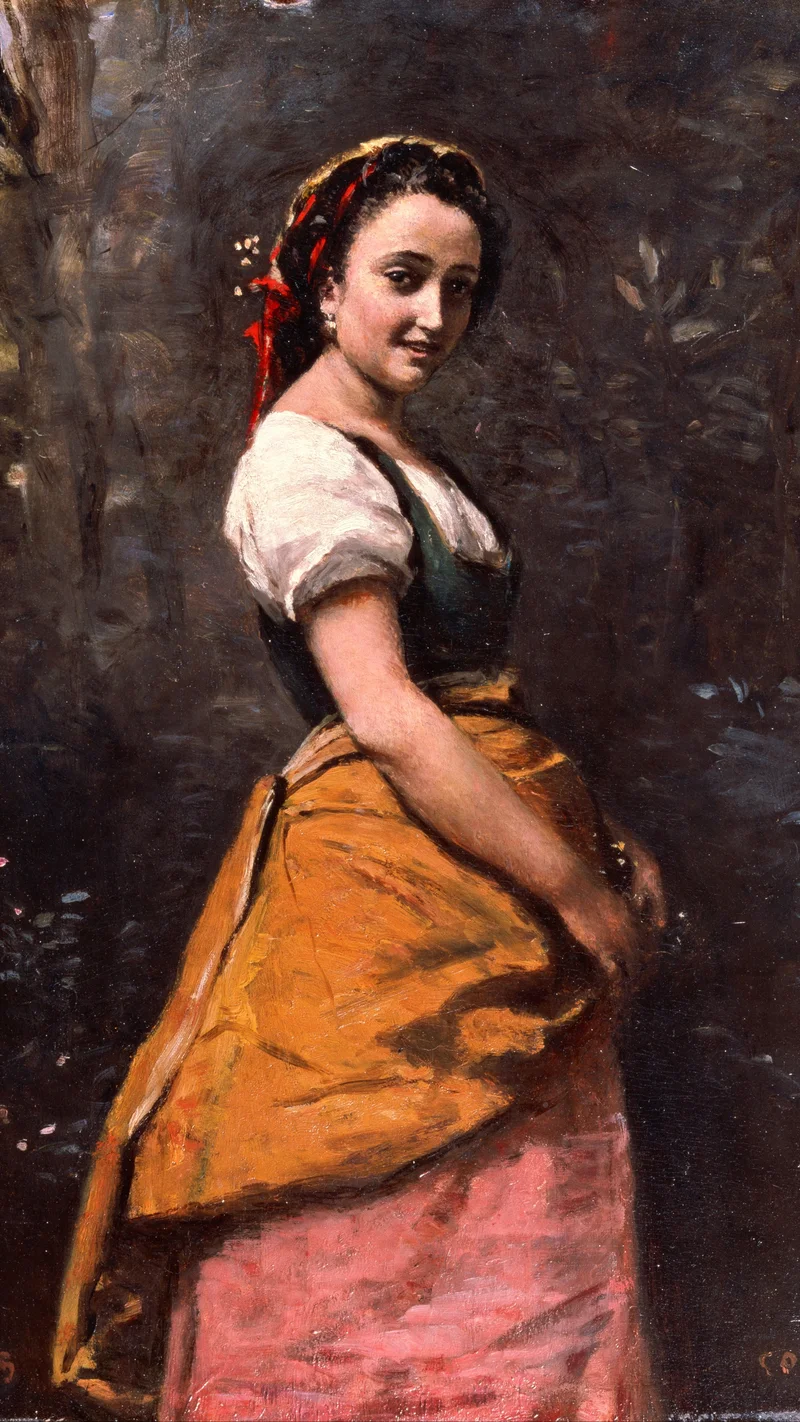
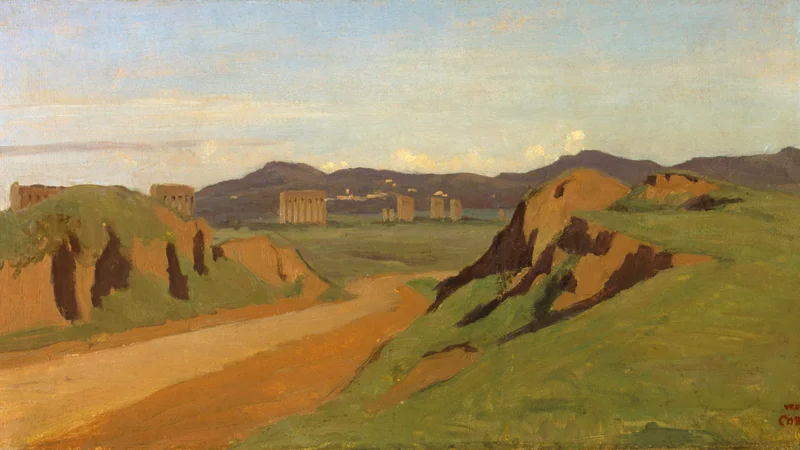
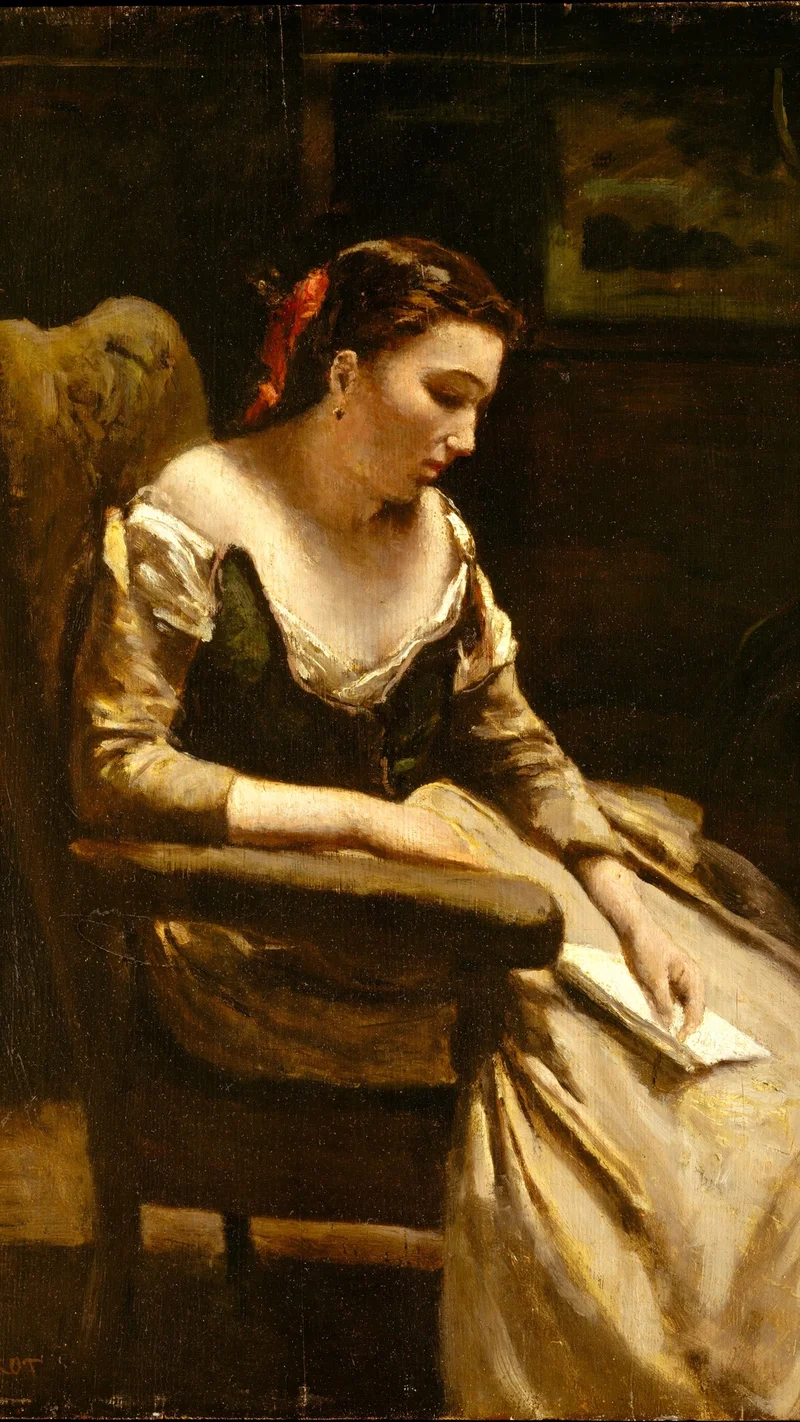
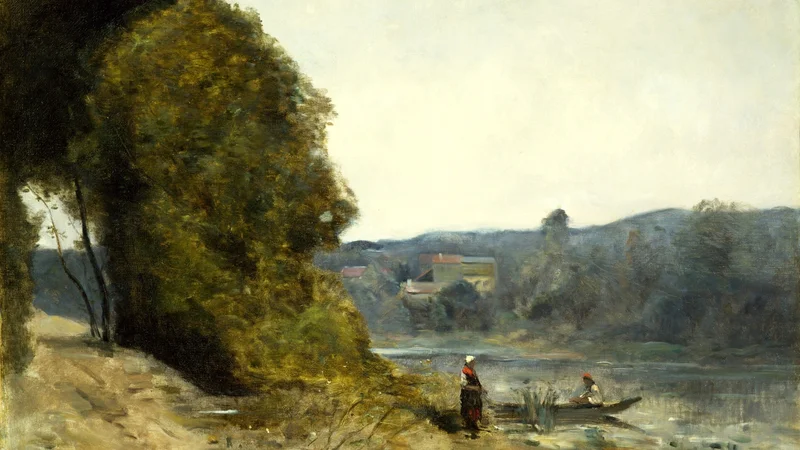
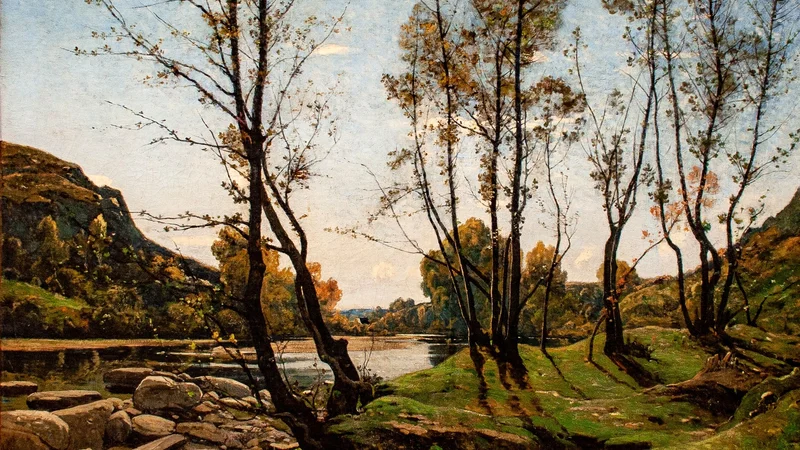
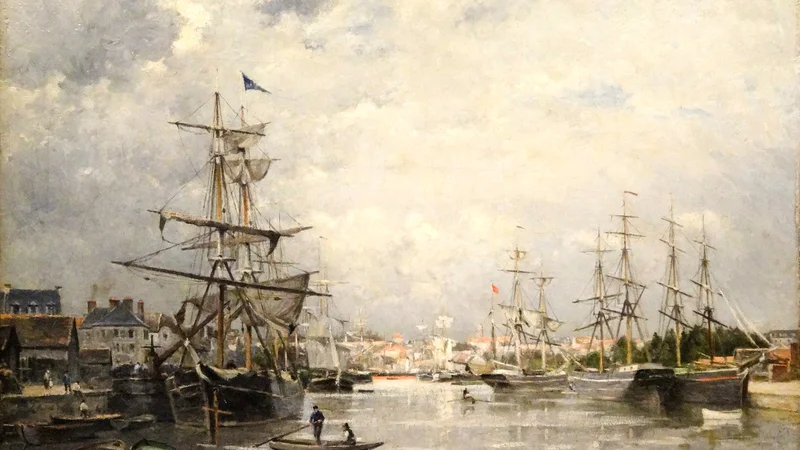
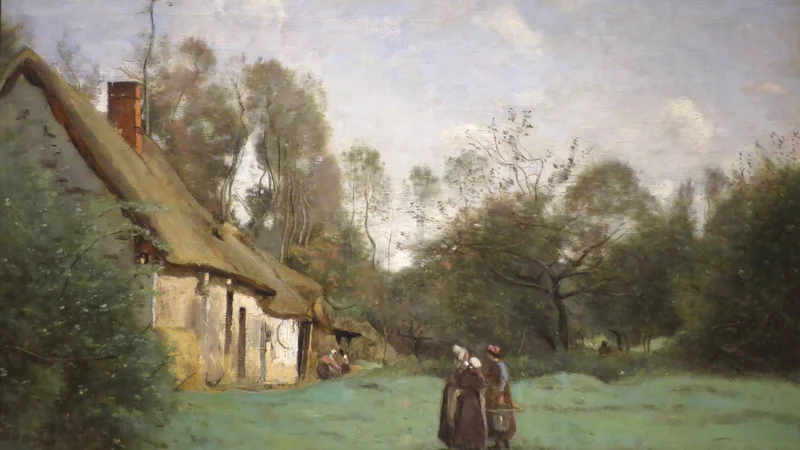
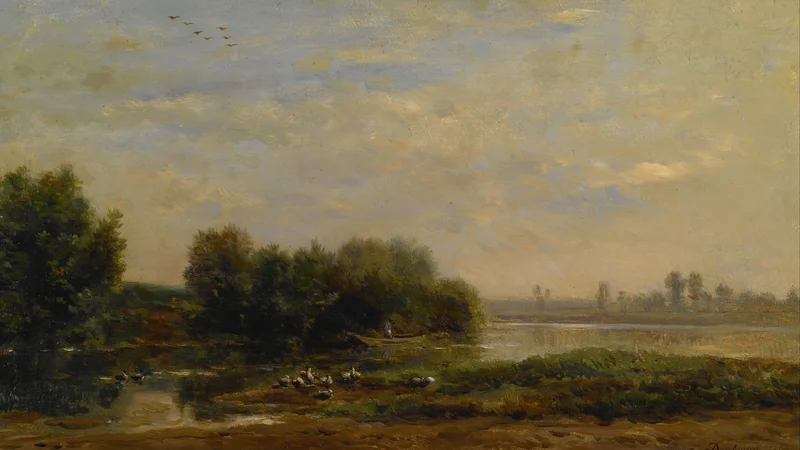
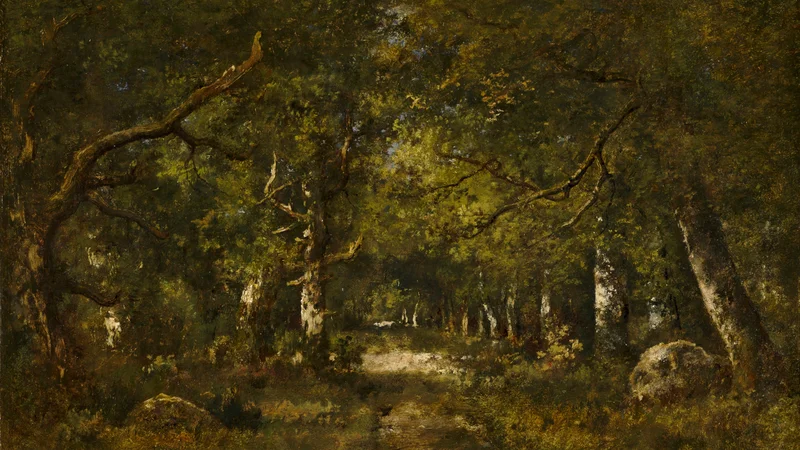
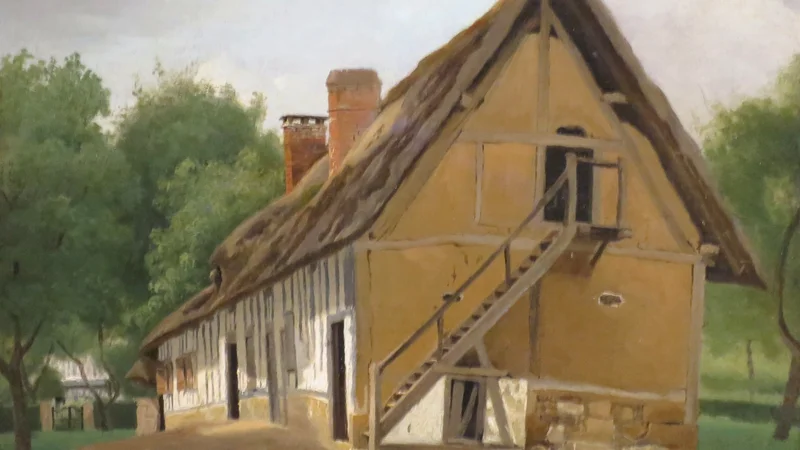
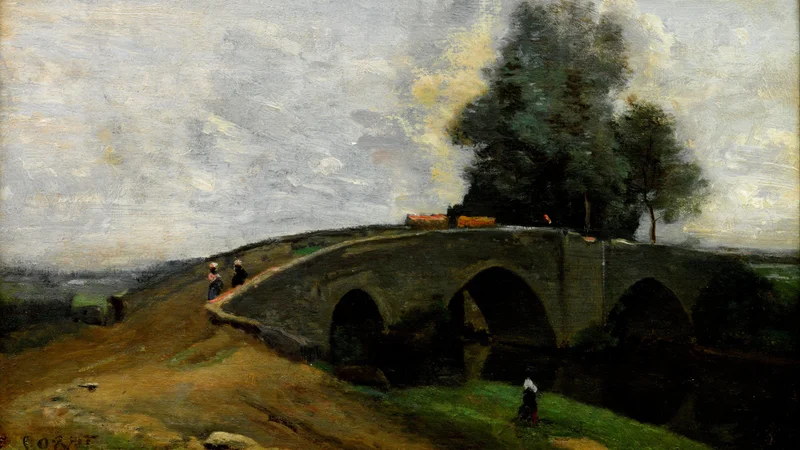
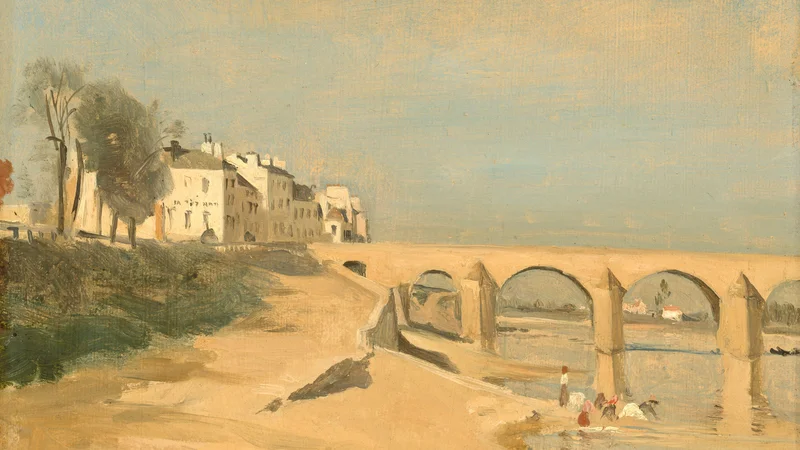
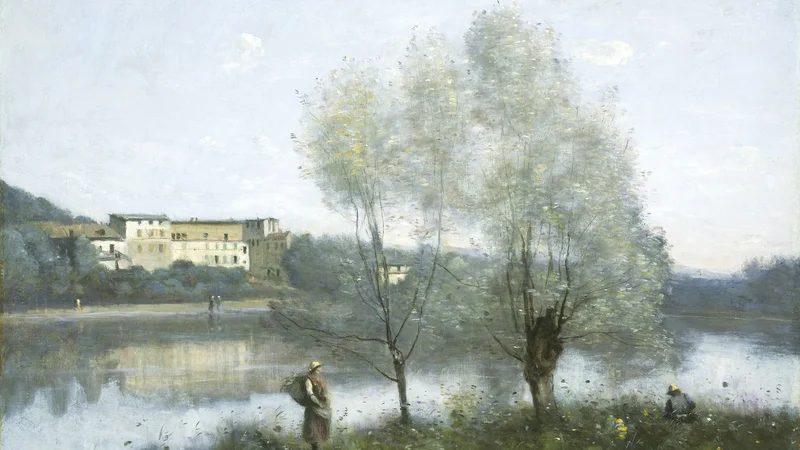
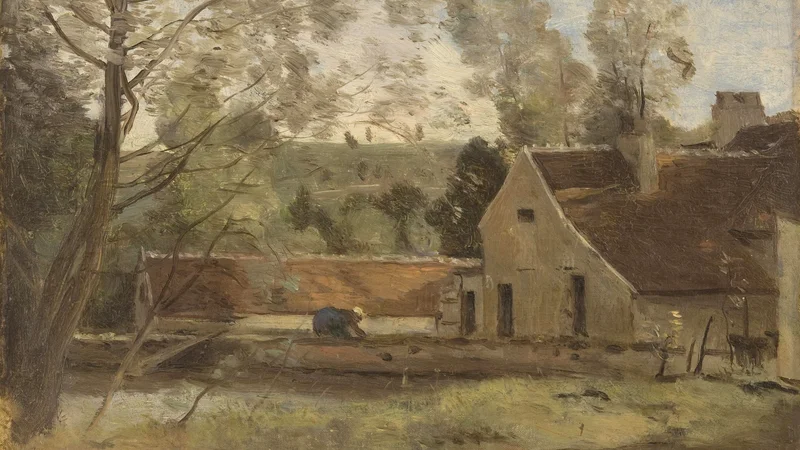
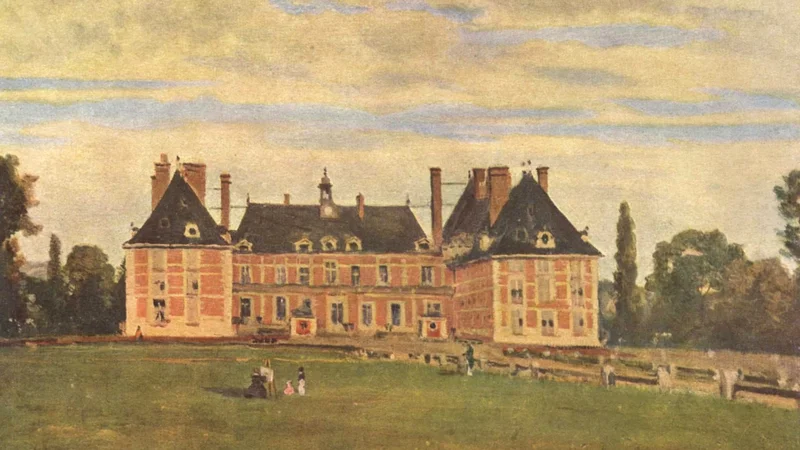
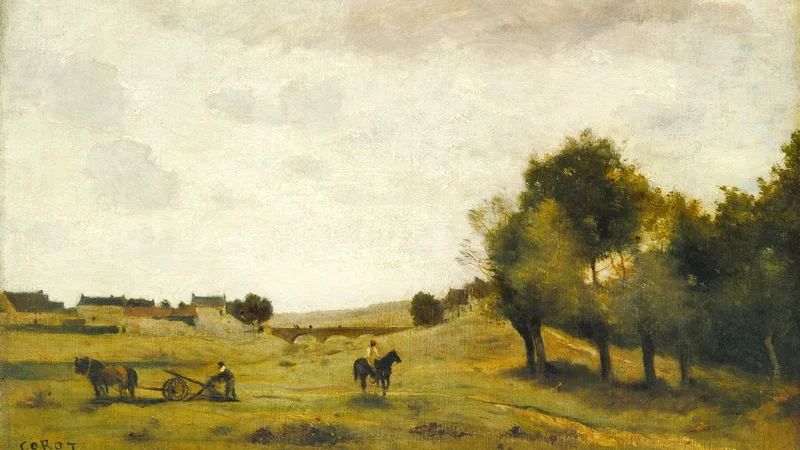
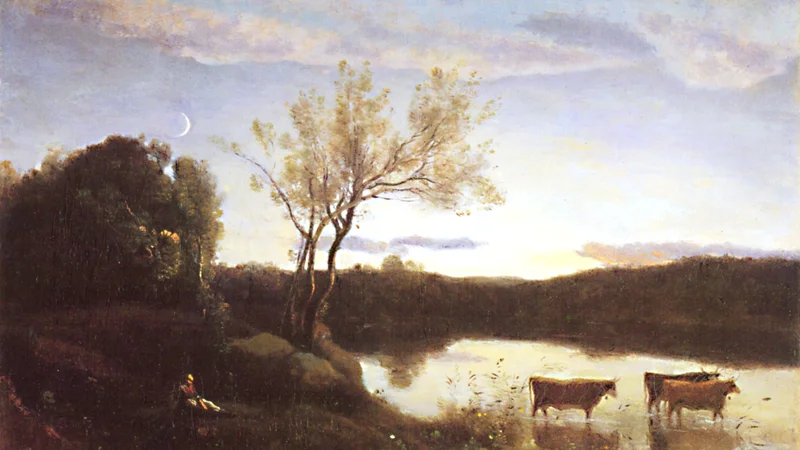
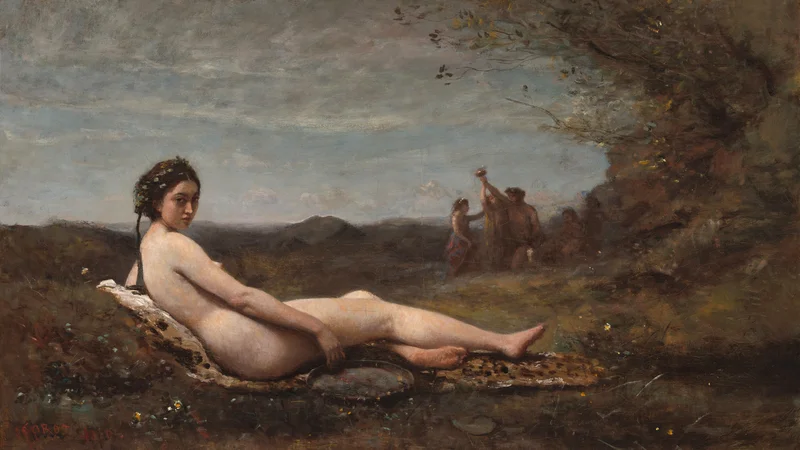
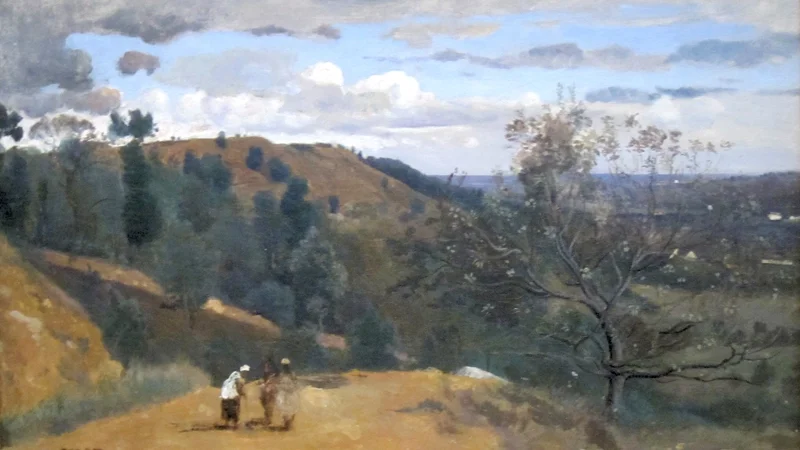
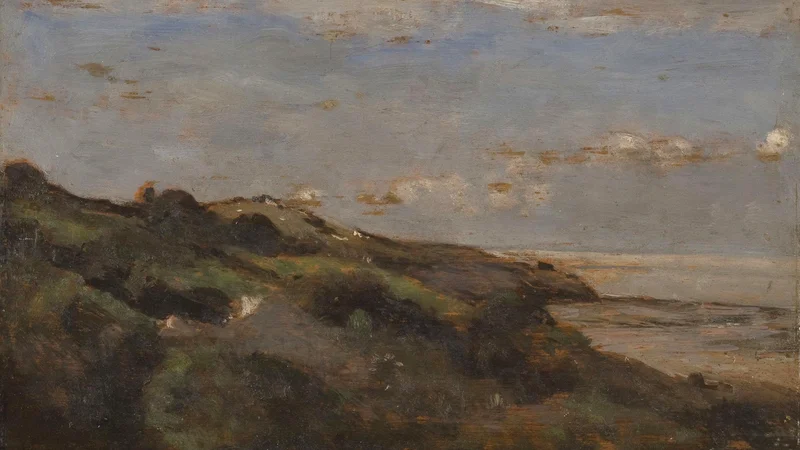
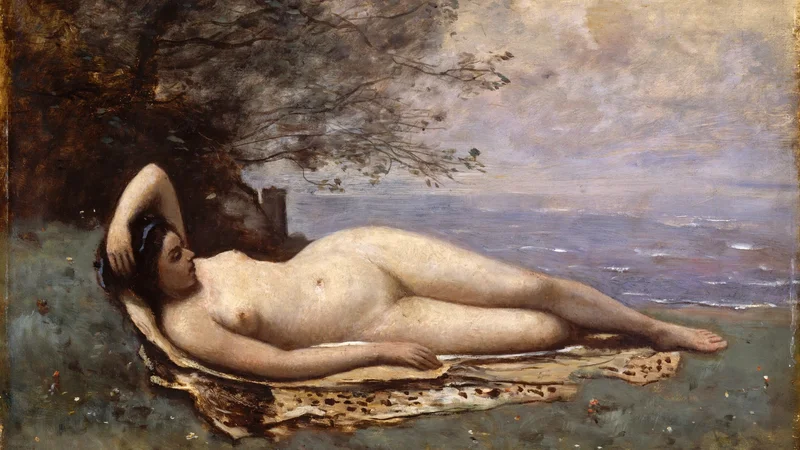
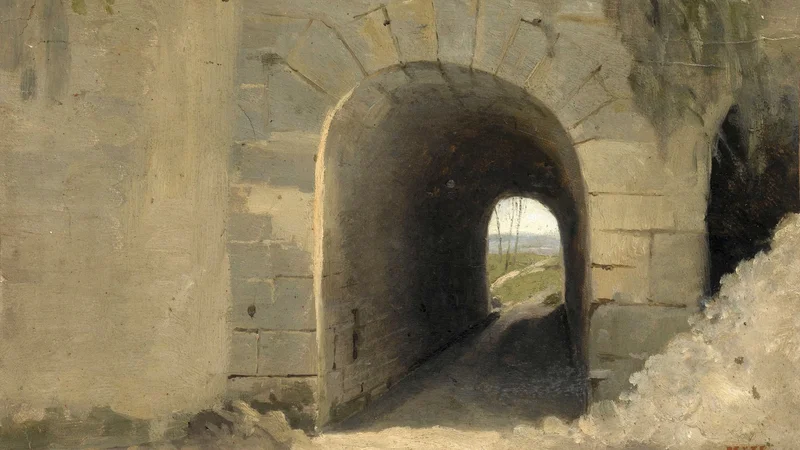
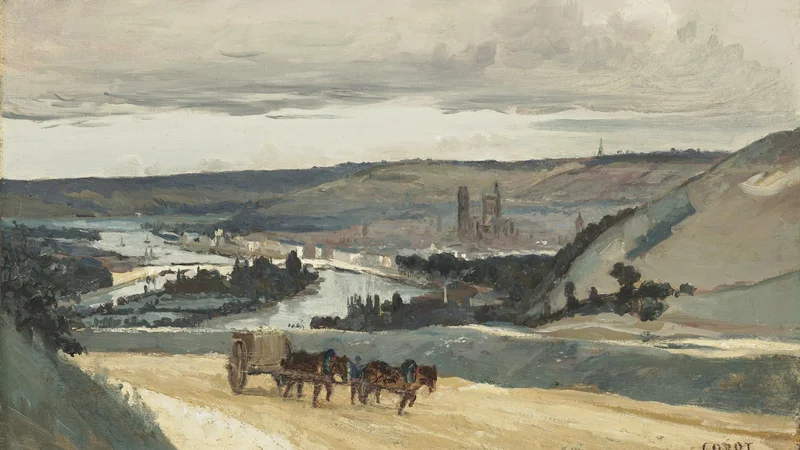
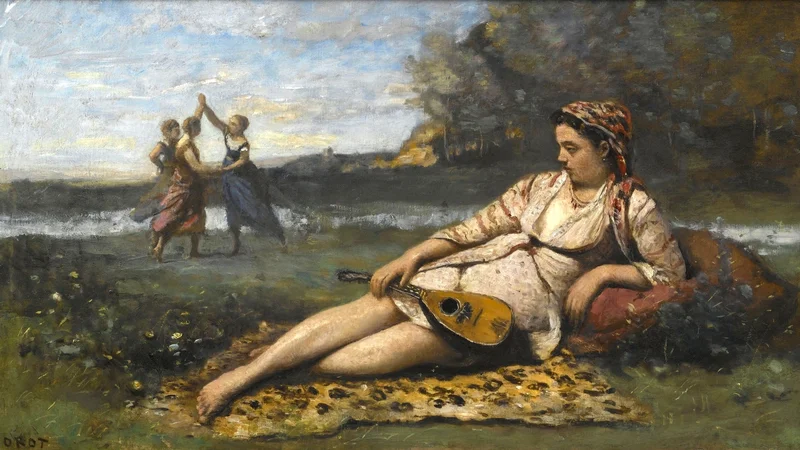
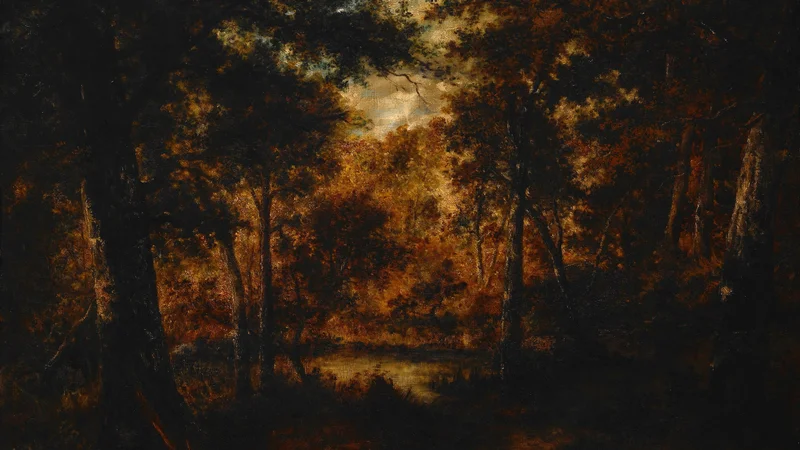
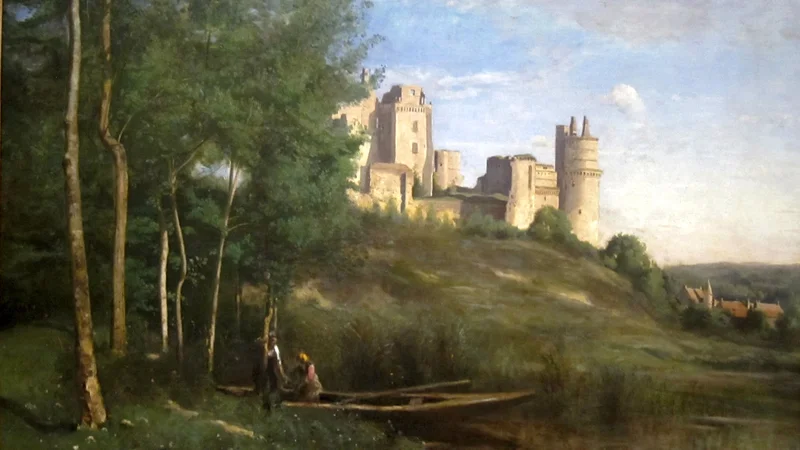
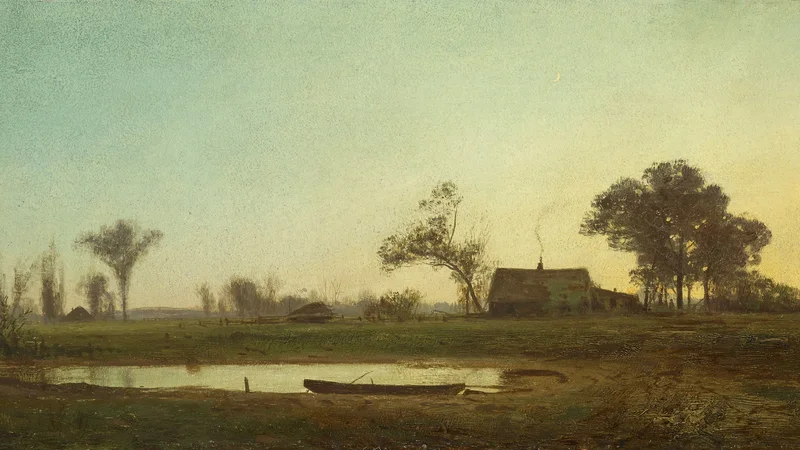
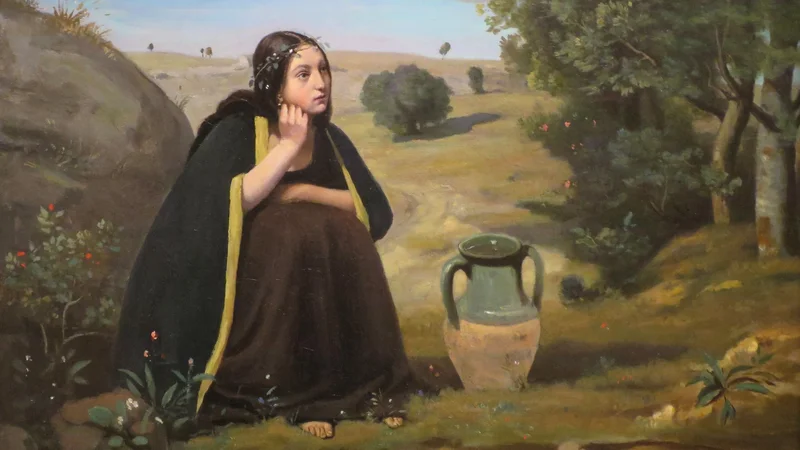
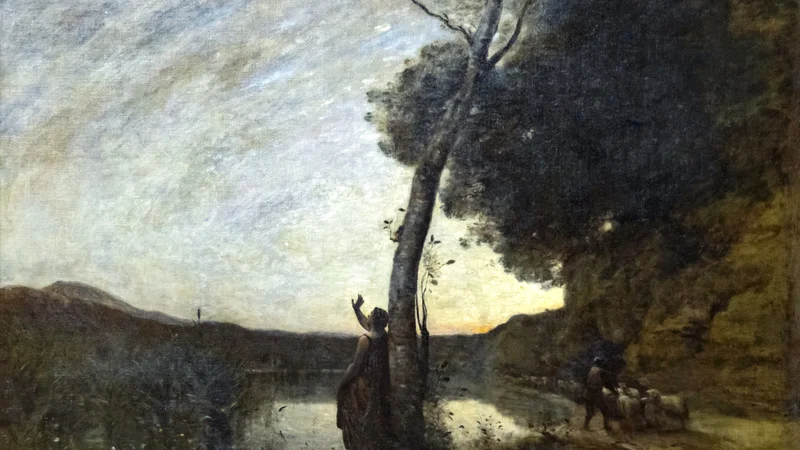
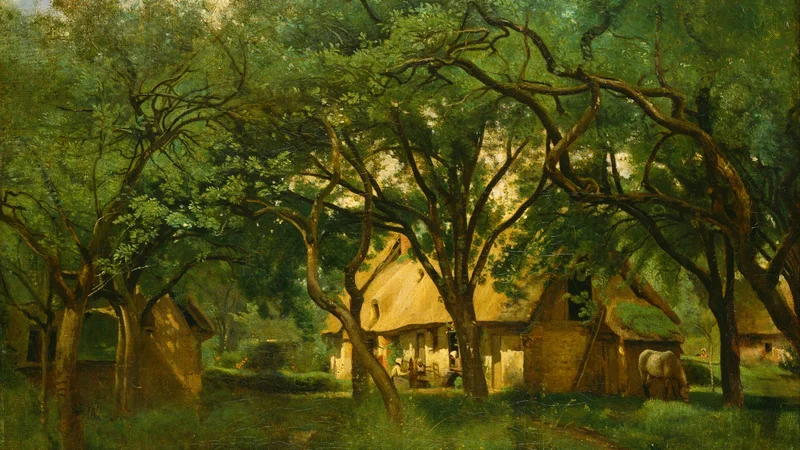
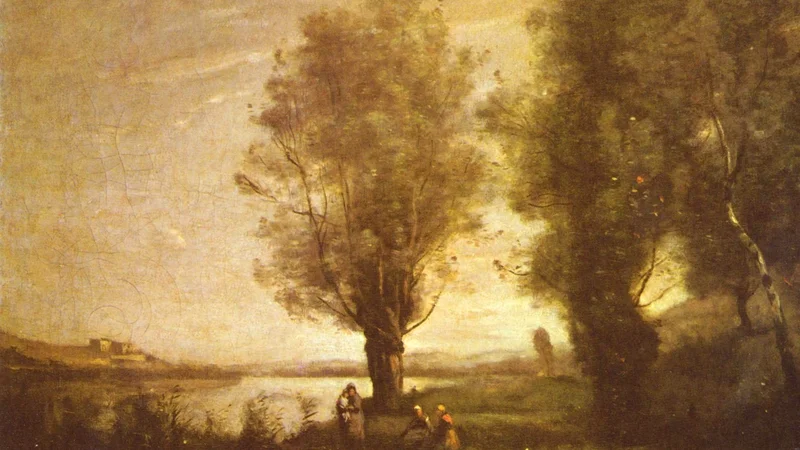
Emerging during the 1830s near the Fontainebleau Forest, the Barbizon School represented a pivotal shift toward en plein air naturalism, marking a rejection of the highly staged, neoclassical landscape traditions of the French Academy. Artists associated with this movement, including Jean-Baptiste Camille Corot and Charles-François Daubigny, sought a direct, unmediated engagement with the rural environment. Through works such as The Pond and The Approaching Storm, these painters emphasized atmospheric modulation and the shifting qualities of light, grounding their compositions in the tactile realities of the French countryside rather than idealized historical settings.
Legacy and Artistic Influence.
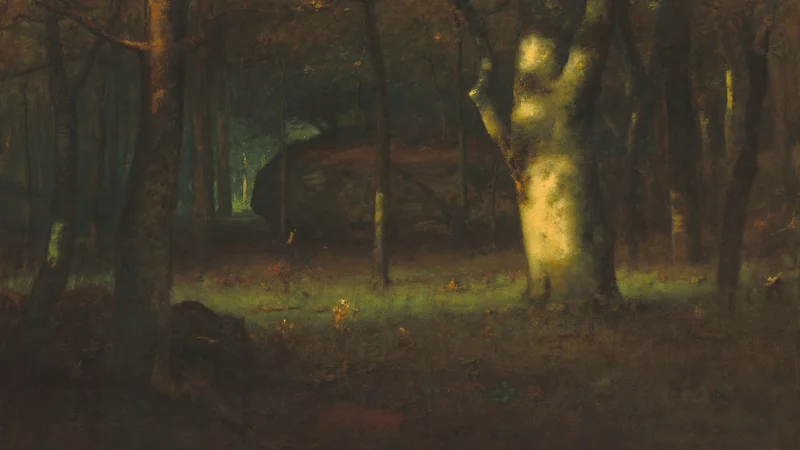
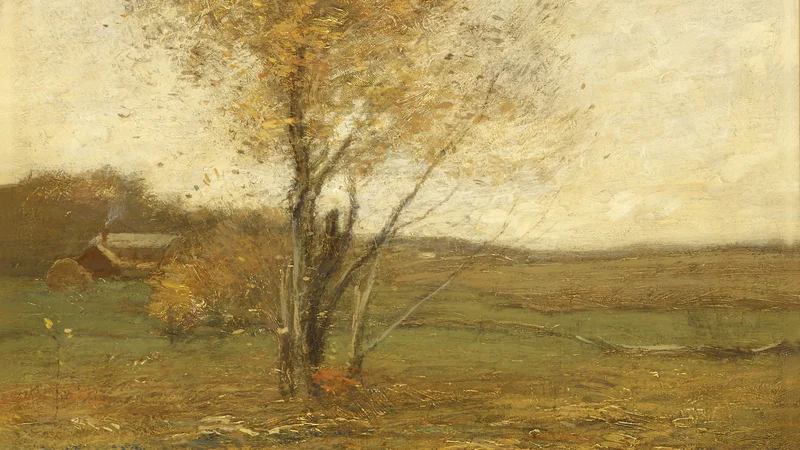
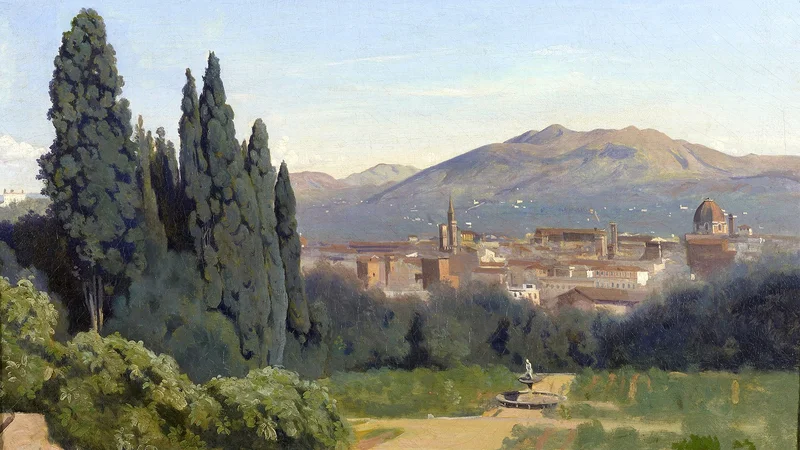
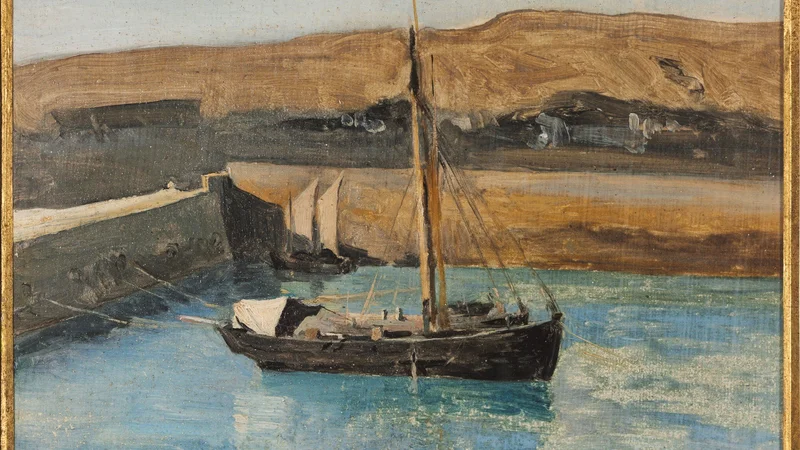
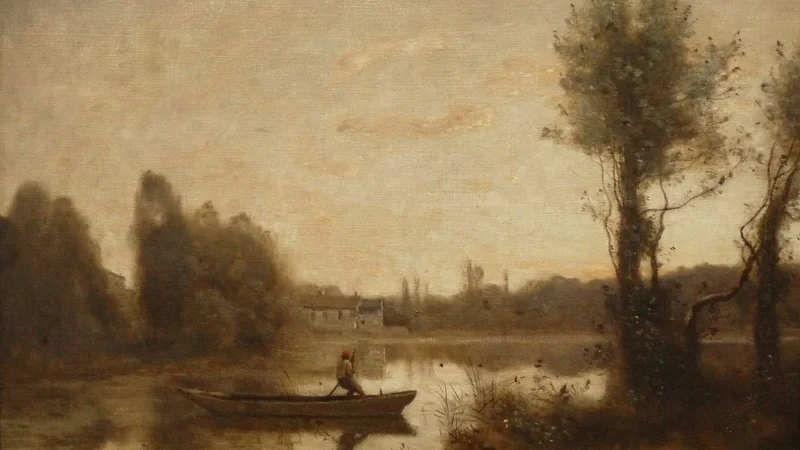
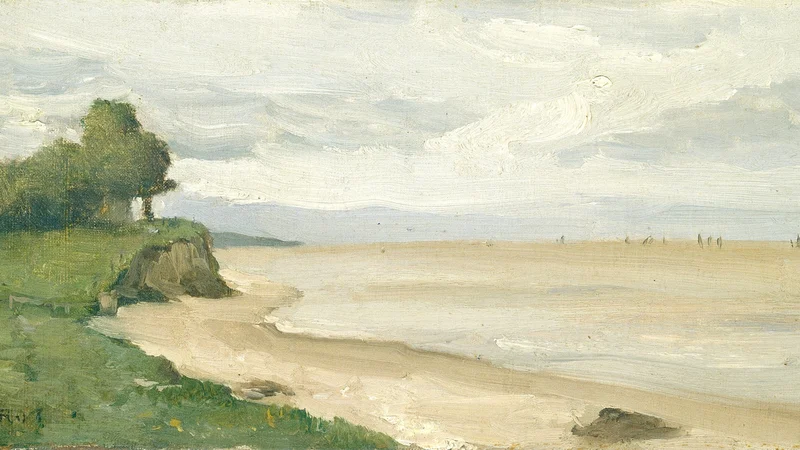
The movement's commitment to observation fostered a new visual vocabulary that directly prefigured the sensibilities of Impressionism. Figures like Narcisse Virgilio Díaz, Henri Harpignies, and Stanislas Lépine elevated the humble terrain of the forest floor and provincial villages to a position of profound aesthetic seriousness, as evidenced in The Fairy Pool and The Port of Caen. By prioritizing the artist's subjective experience of nature—captured with textured brushwork and a nuanced tonal palette in pieces such as The Valley of the Aumance and The Harbor of La Rochelle—the Barbizon painters dismantled the hierarchy of subject matter. Their foundational focus on the immediacy of the landscape established the trajectory for modern painting, effectively liberating the artist to interpret the natural world as a primary, rather than secondary, subject of inquiry.