Political Cartoon
12 artworks
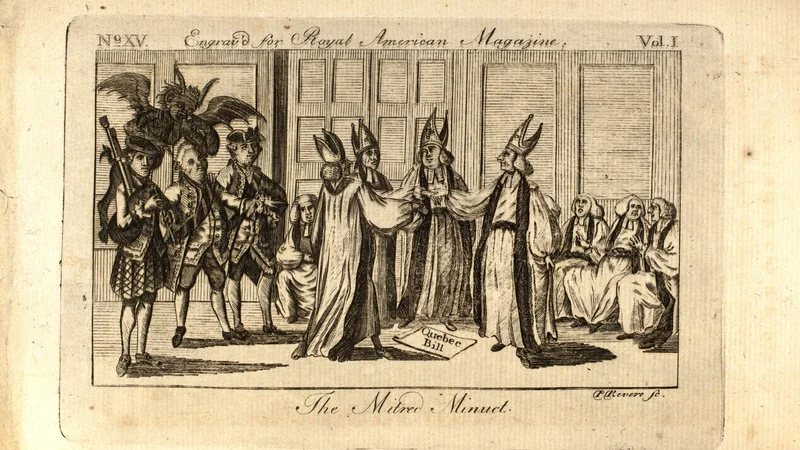
The political cartoon emerged as a potent instrument of visual rhetoric during the Enlightenment, functioning as a primary vehicle for social critique and ideological mobilization. Rooted in the eighteenth-century tradition of satirical print culture, the genre utilized caricature, allegory, and biting irony to distill complex geopolitical tensions into accessible visual narratives. Paul Revere’s The Mitred Minuet stands as a seminal example of this era, leveraging print media to galvanize revolutionary sentiment by dehumanizing political adversaries. This aesthetic strategy of reduction and symbolism allowed artists to bypass linguistic barriers, transforming the printed page into a volatile space for public discourse and dissent.
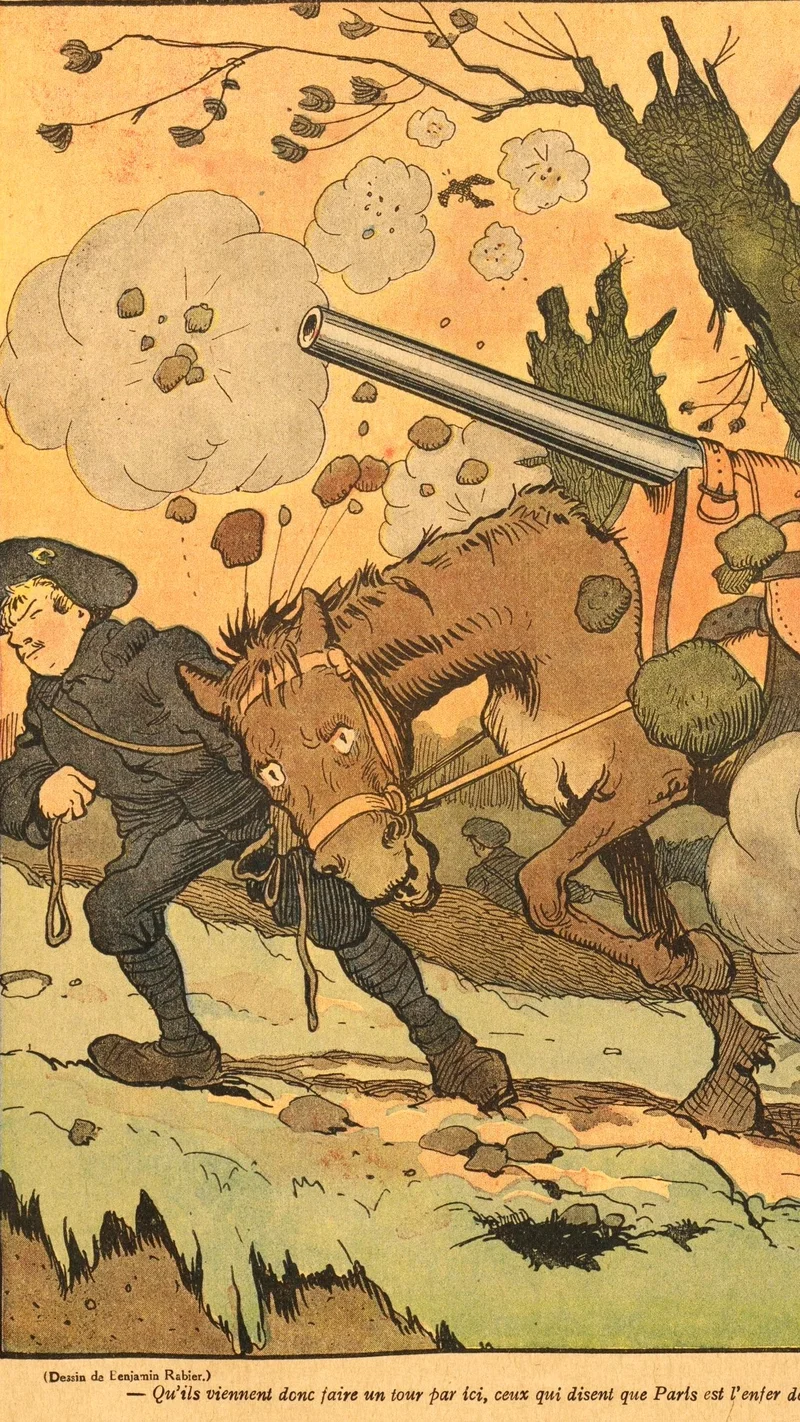
Throughout the twentieth century, the form evolved from localized satire to a sophisticated tool for state-sponsored messaging and humanitarian advocacy. Figures such as Benjamin Rabier utilized the medium’s inherent capacity for moral framing in works like Paris is Hell for Horses, which employed anthropomorphism to highlight systemic cruelty. Simultaneously, the Office of War Information harnessed the medium to foster transnational unity, as seen in iconic imagery depicting the alliance of the American, British, Chinese, Russian, and French flags. These works demonstrate how the political cartoon transcends mere illustration, acting as a historical ledger that captures the shifting intersections of power, propaganda, and public morality.