Benjamin Rabier
22 artworks
Benjamin Rabier (1864–1939) was a prominent French illustrator, comic book author, and animator whose career flourished during the early twentieth century, with significant creative output documented in 1909, 1917, and 1932. Often associated with the development of Naive Art and early graphic narrative traditions, Rabier possessed a unique ability to anthropomorphize animals with psychological depth and gentle humor. His work bridged the gap between fine art caricature and popular illustration, establishing a visual language that prioritized clarity of line and expressive simplicity over academic rigor.
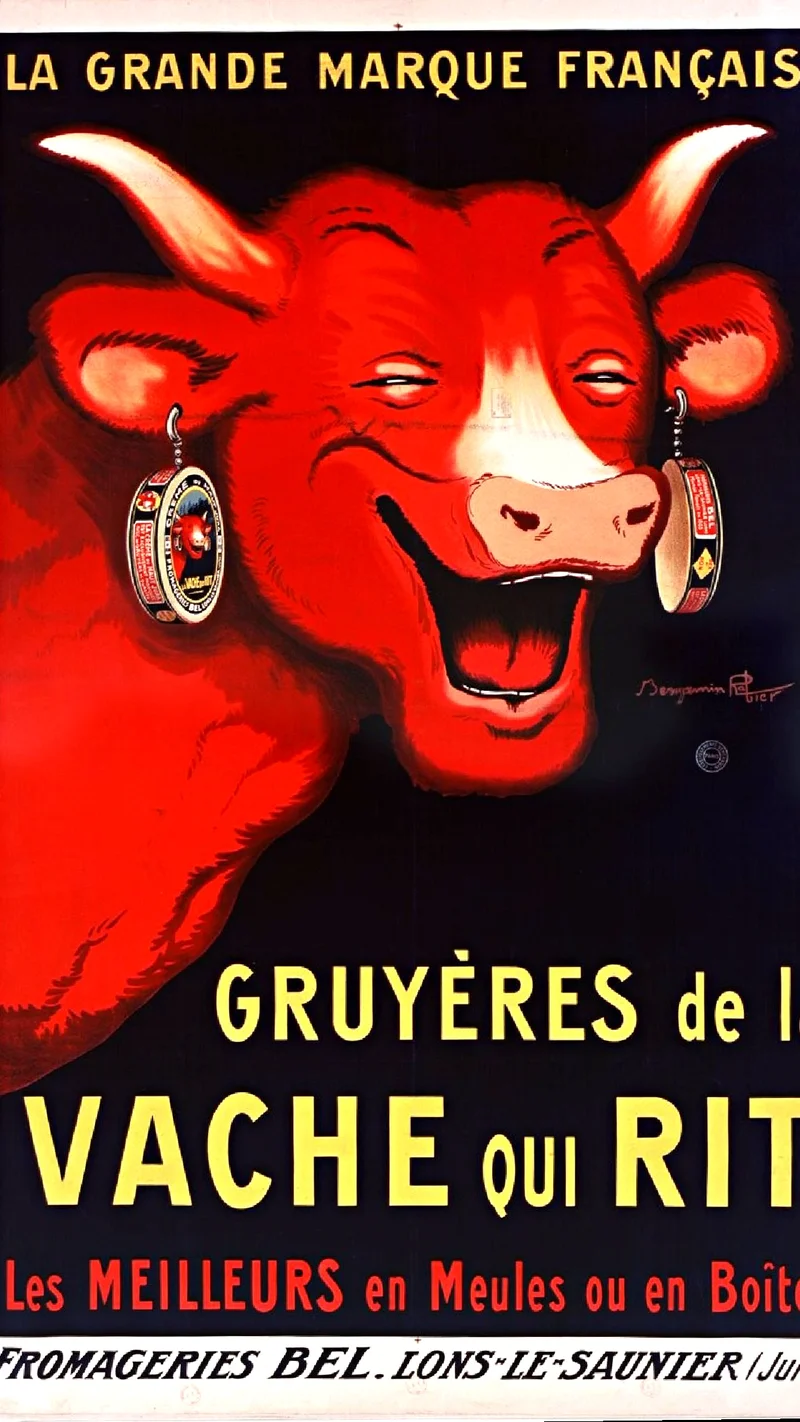
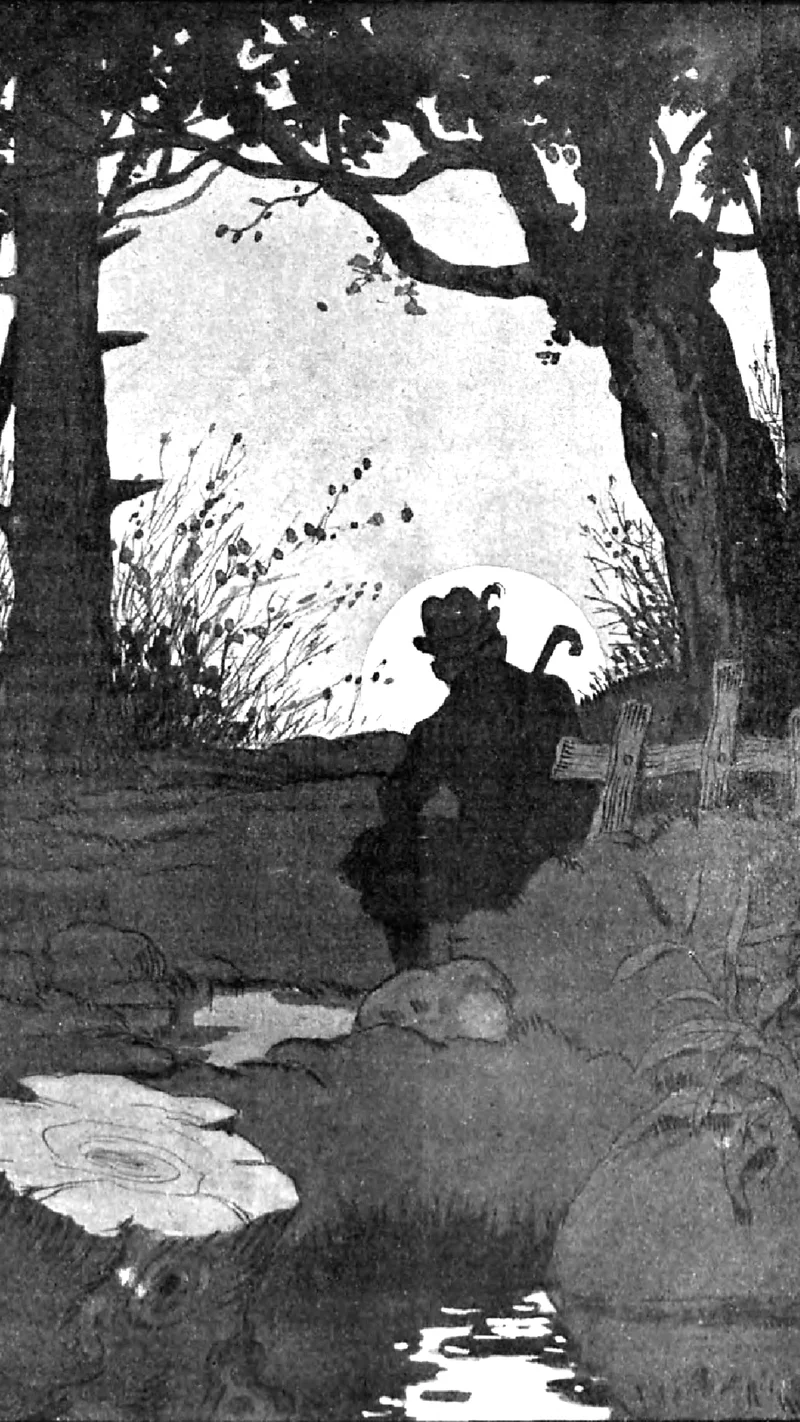
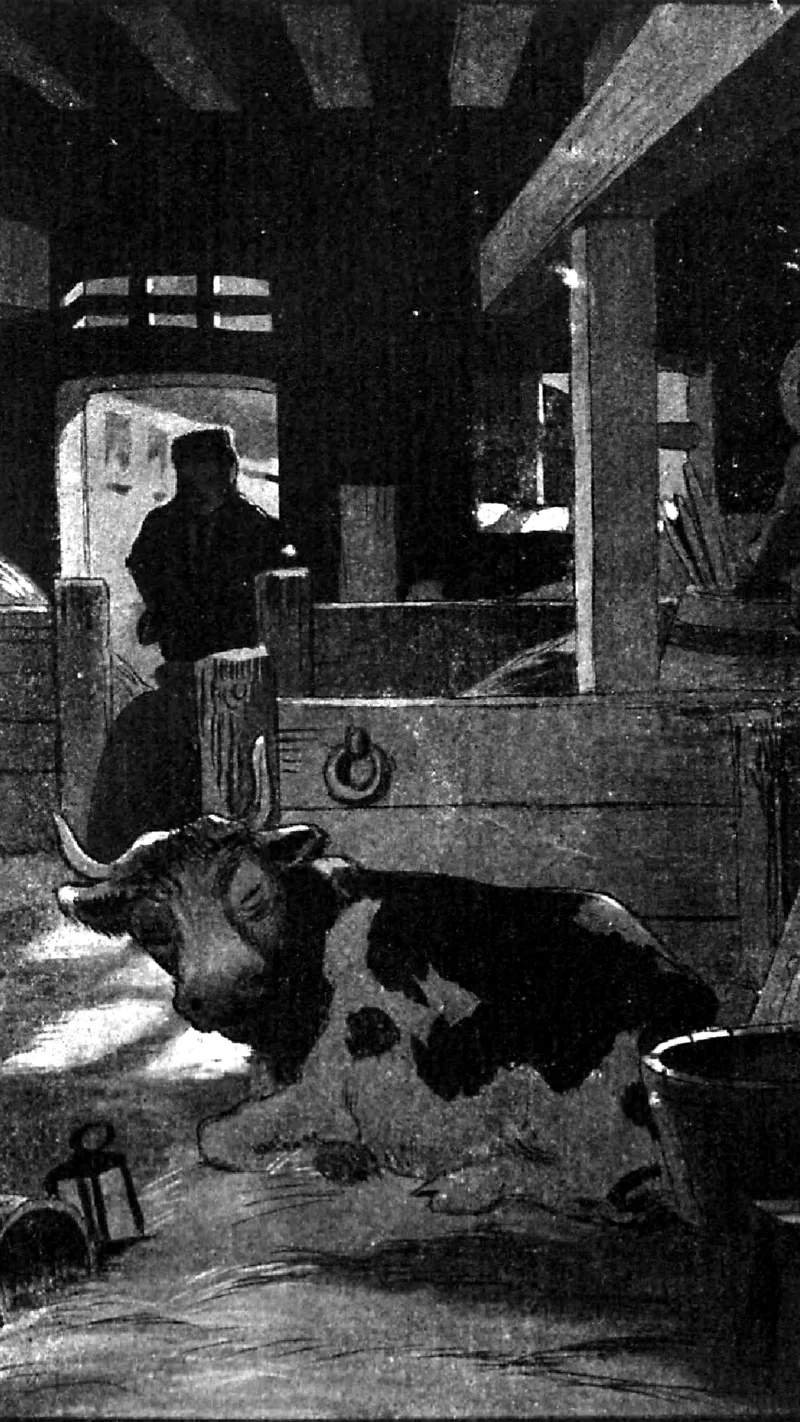
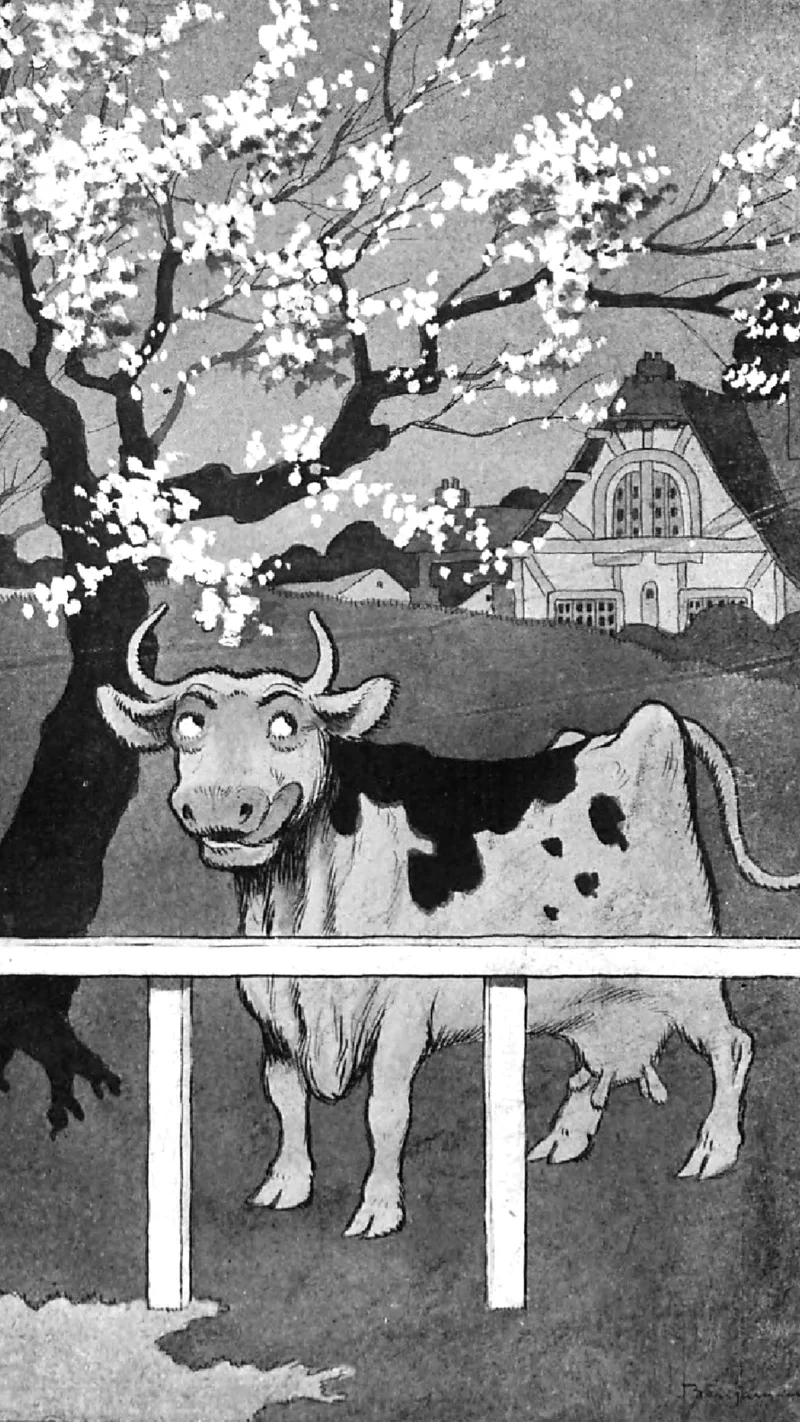
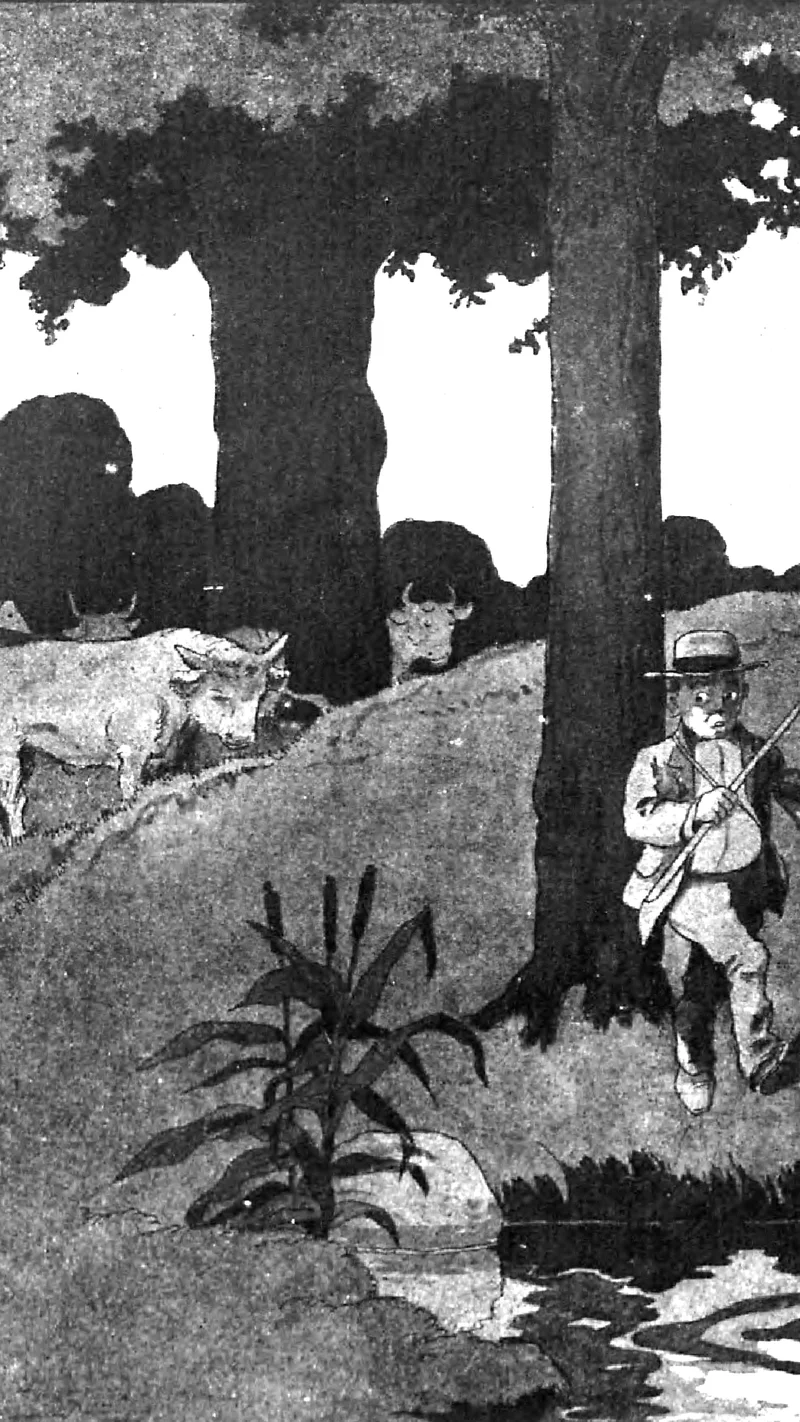
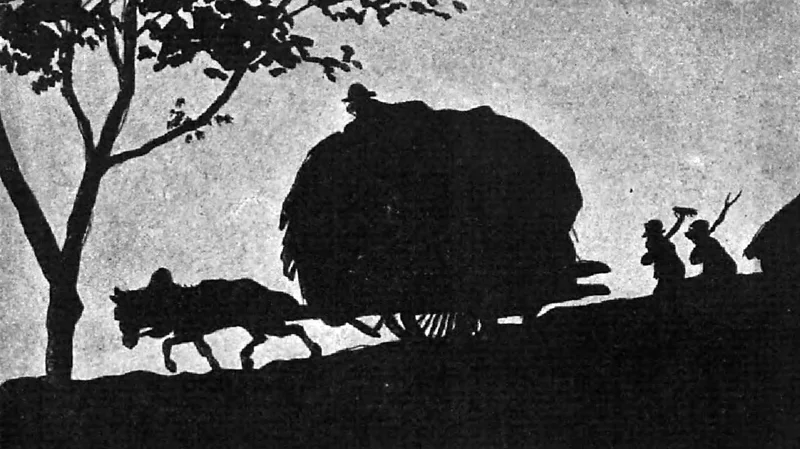
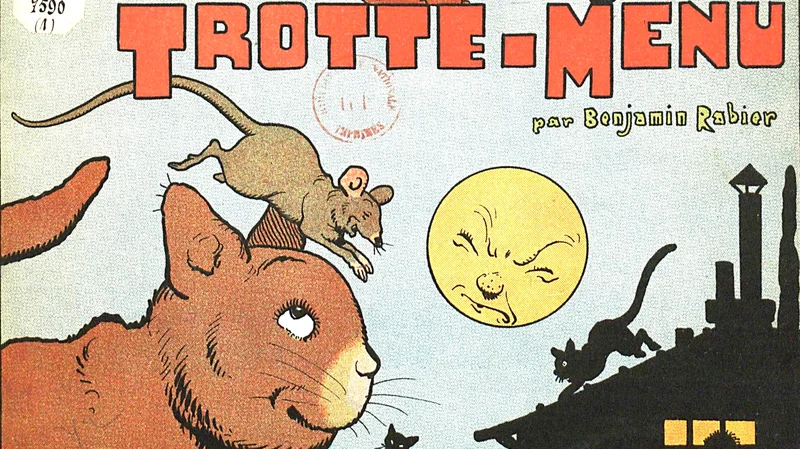
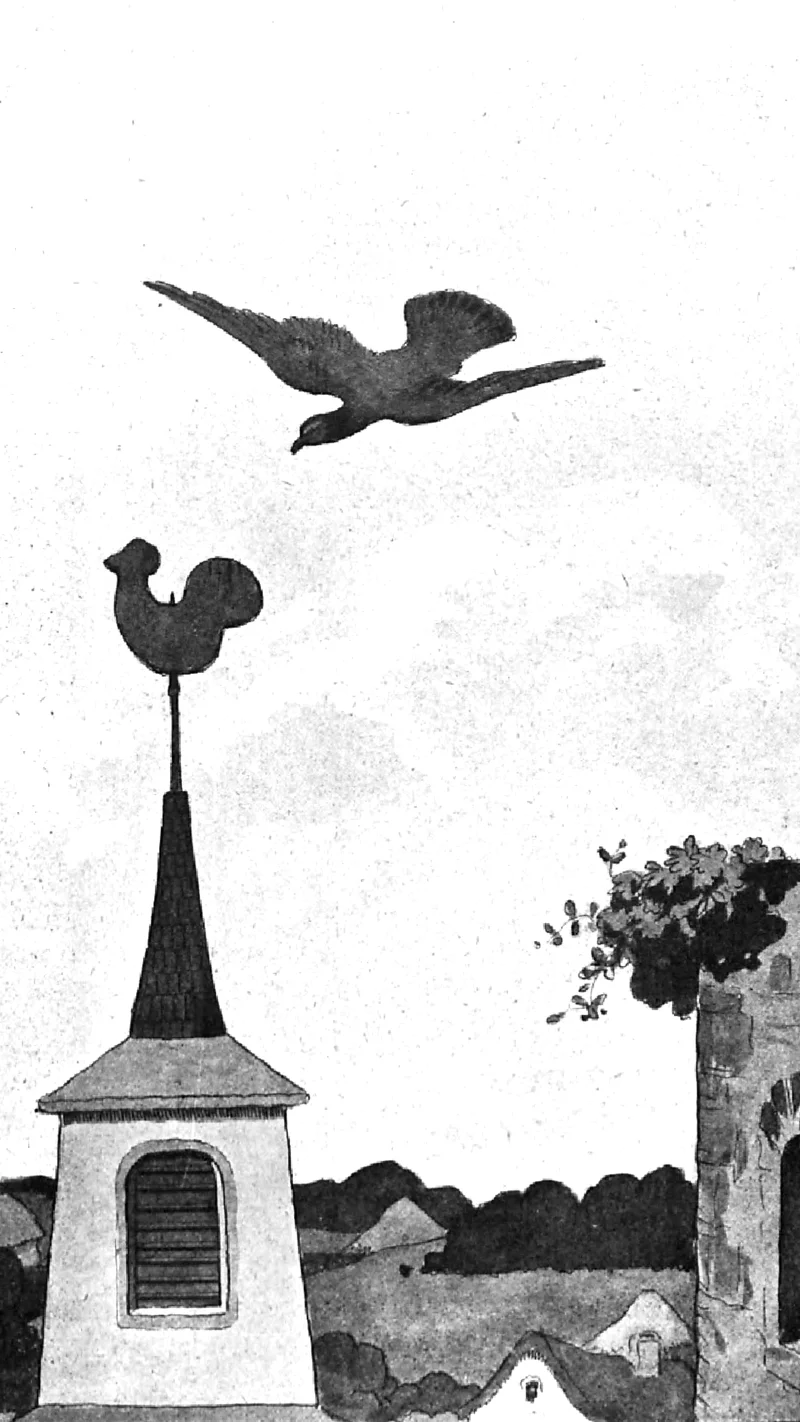
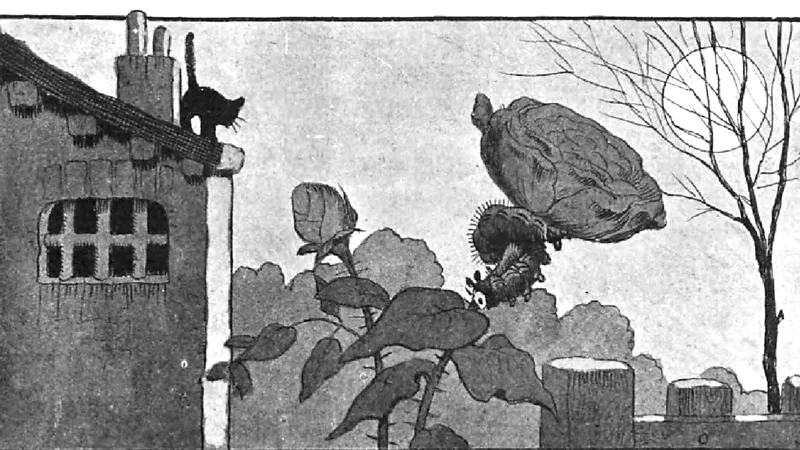
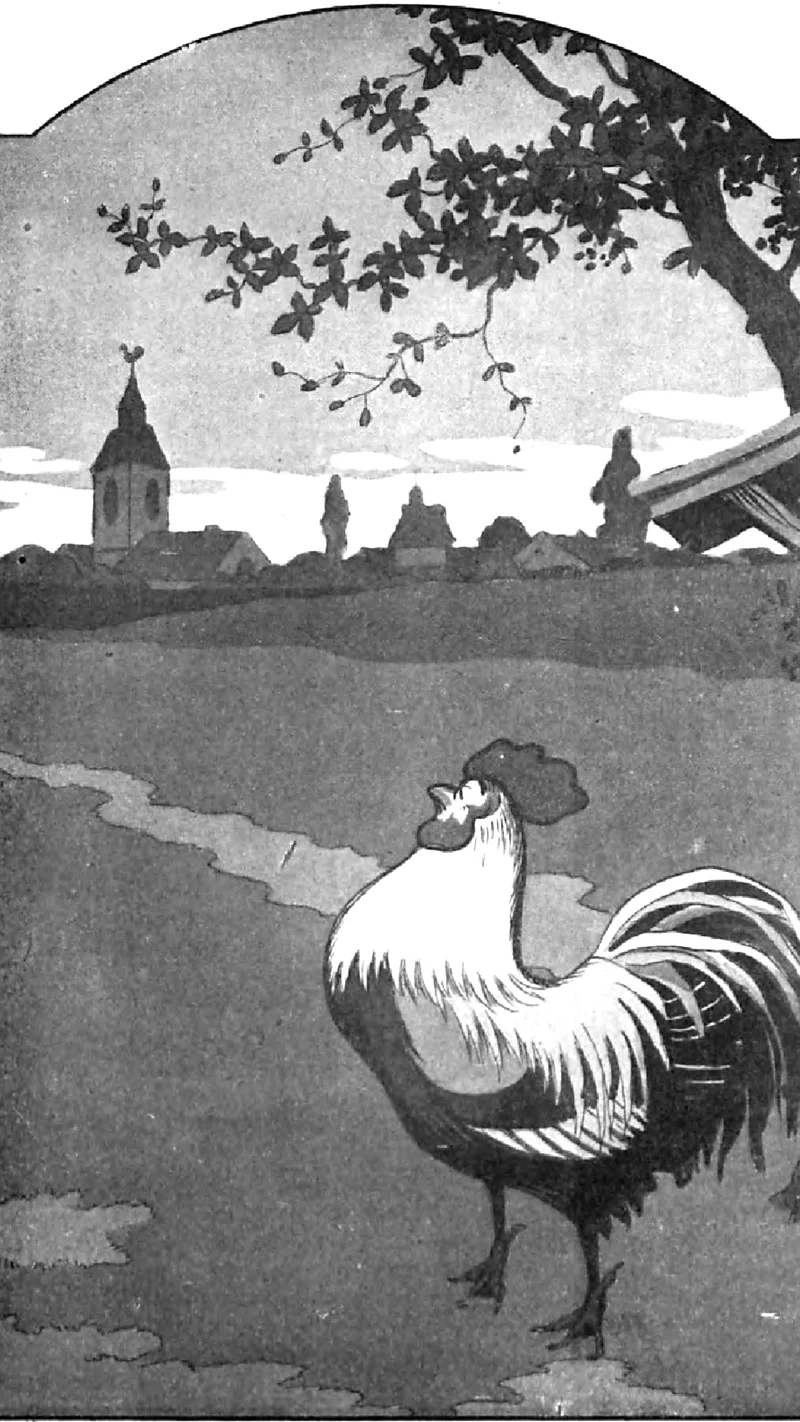
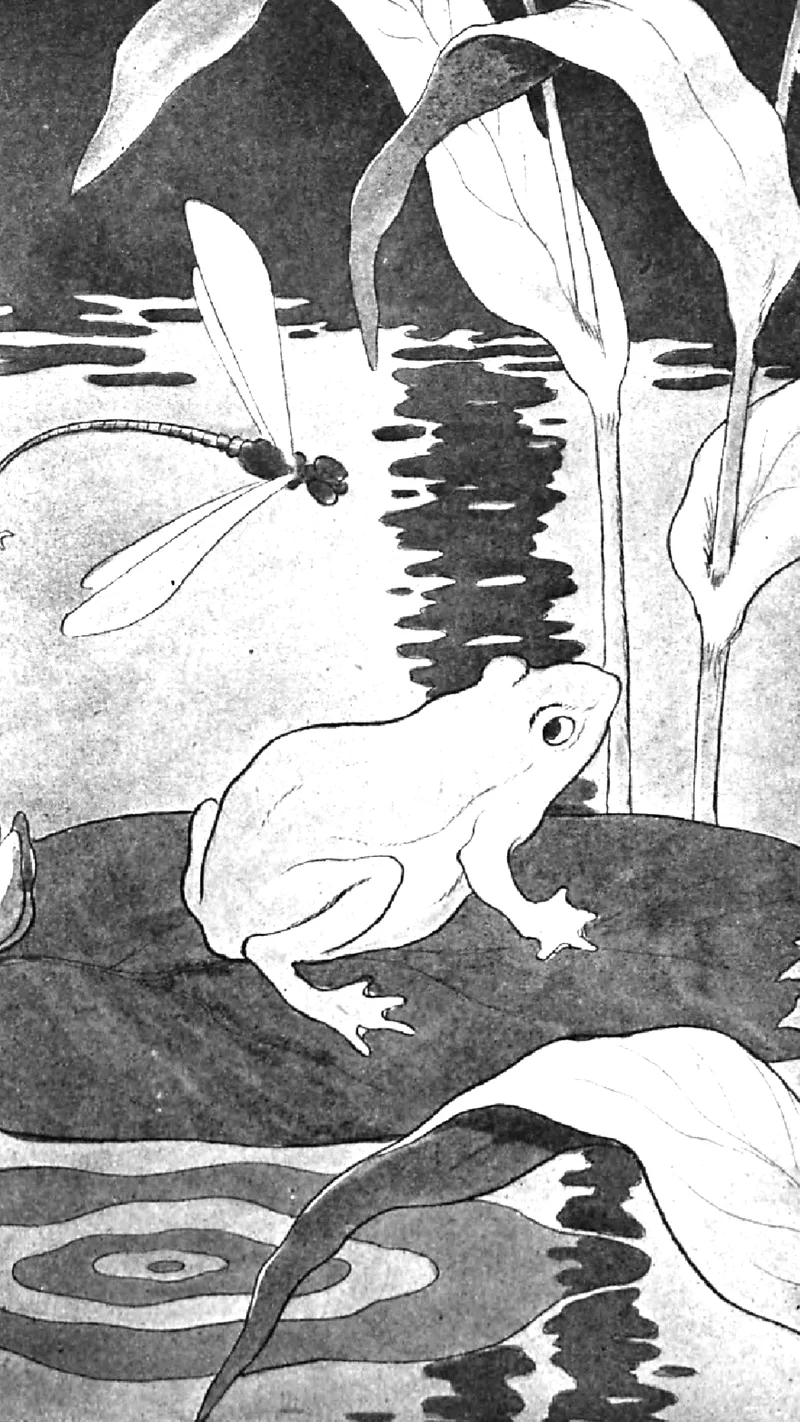
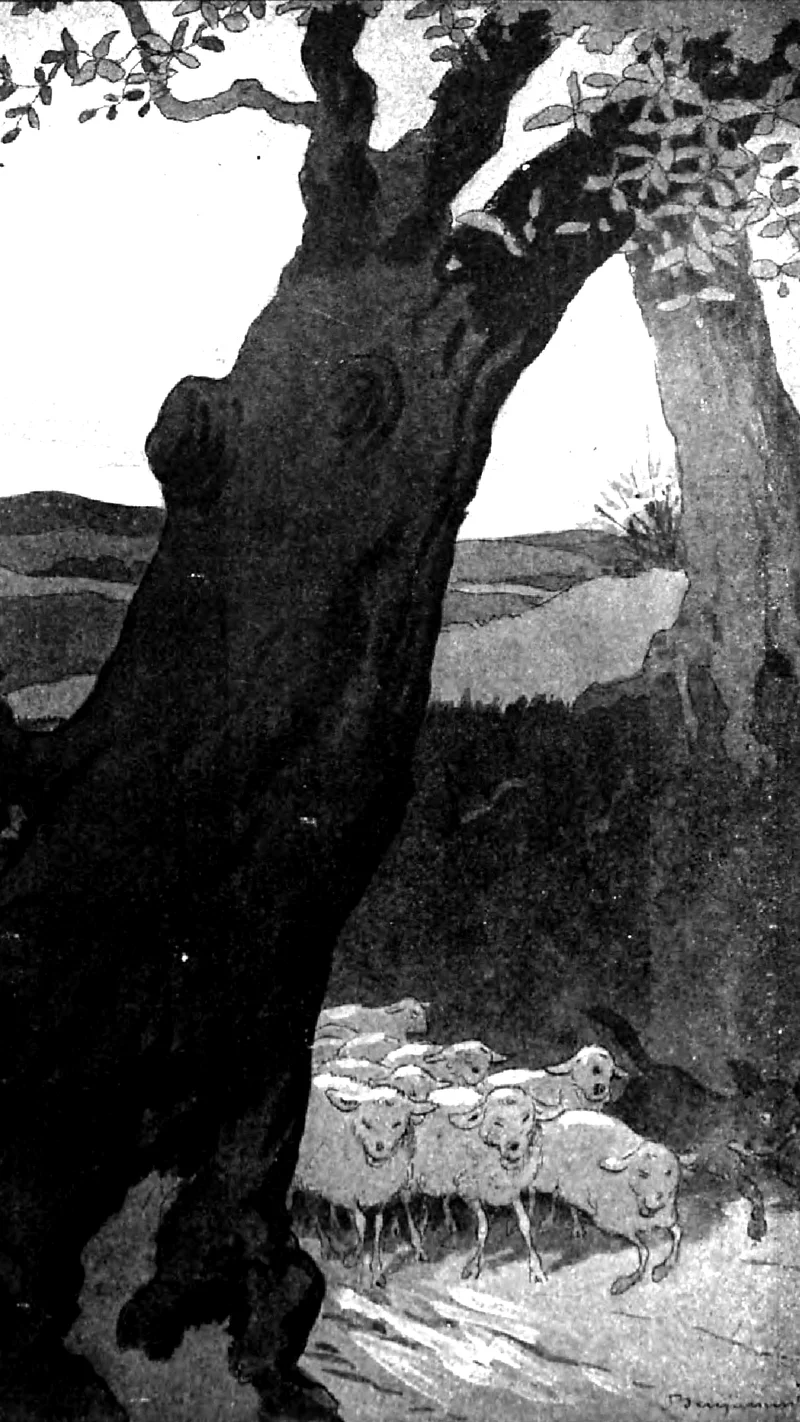
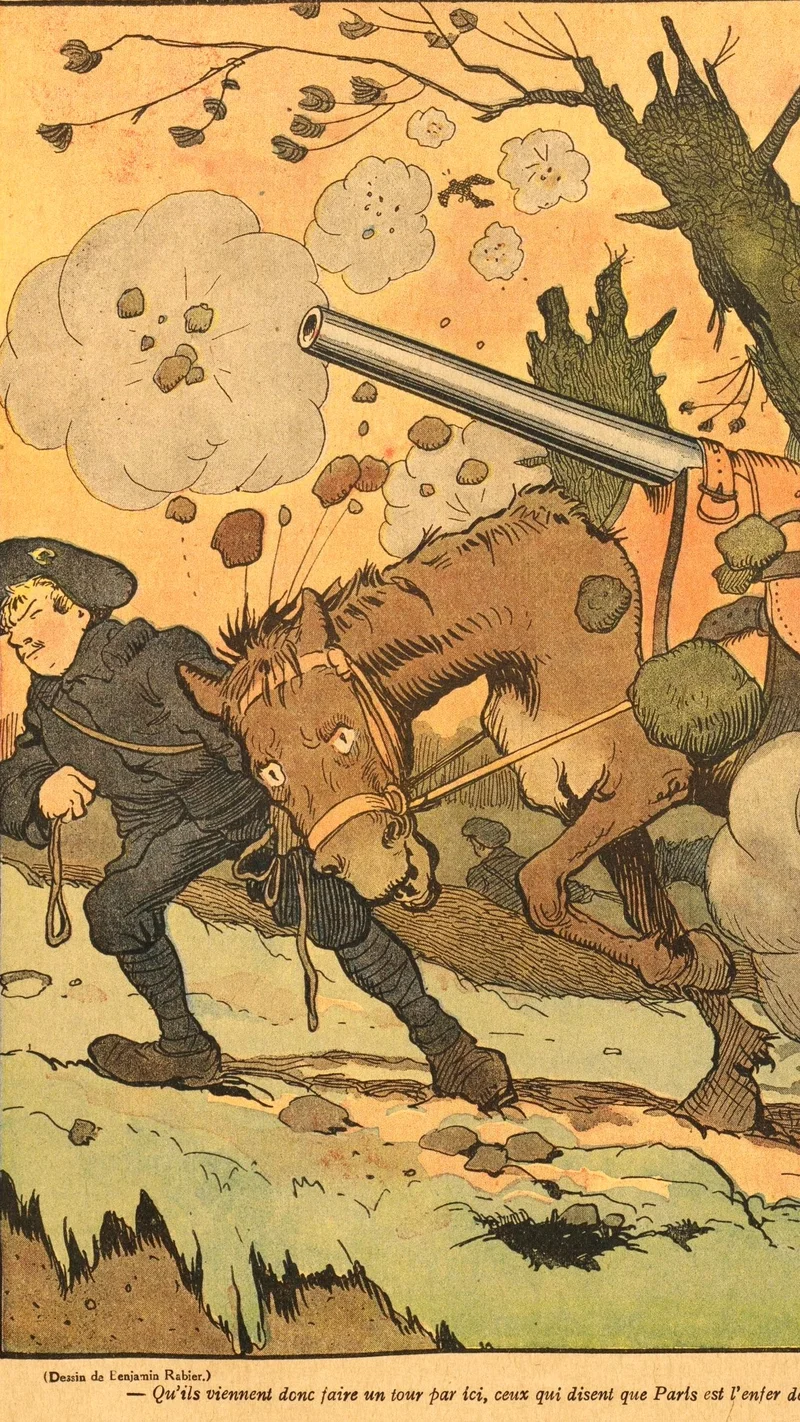
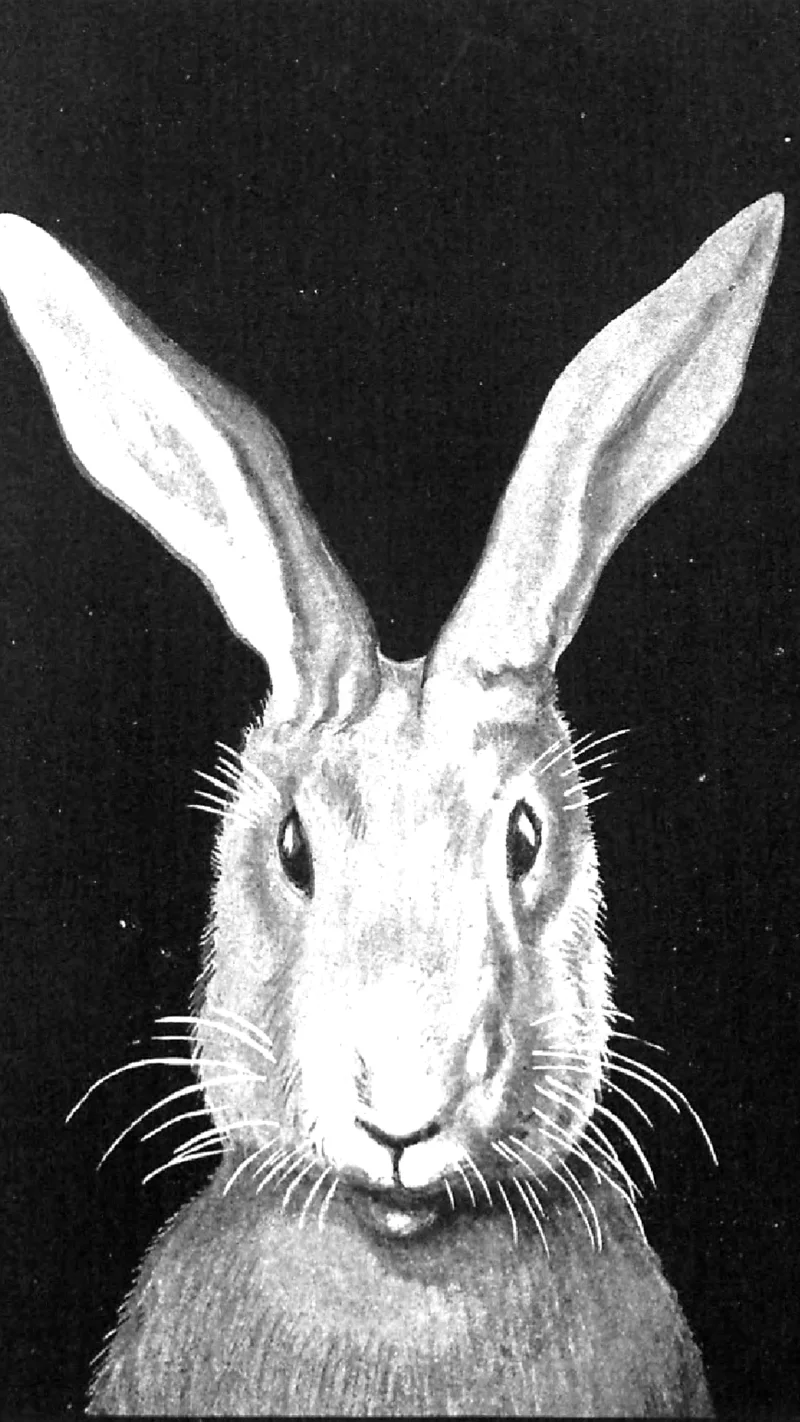
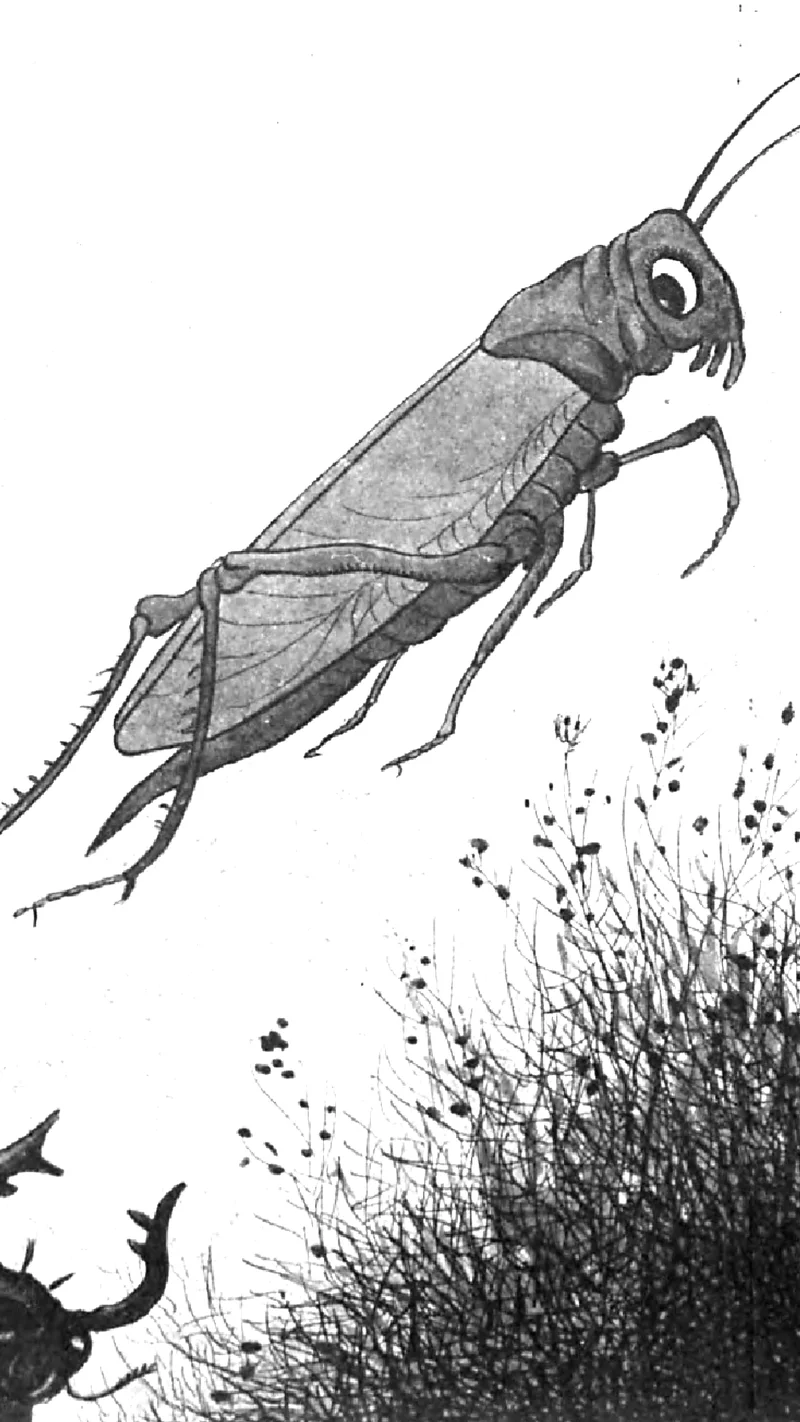
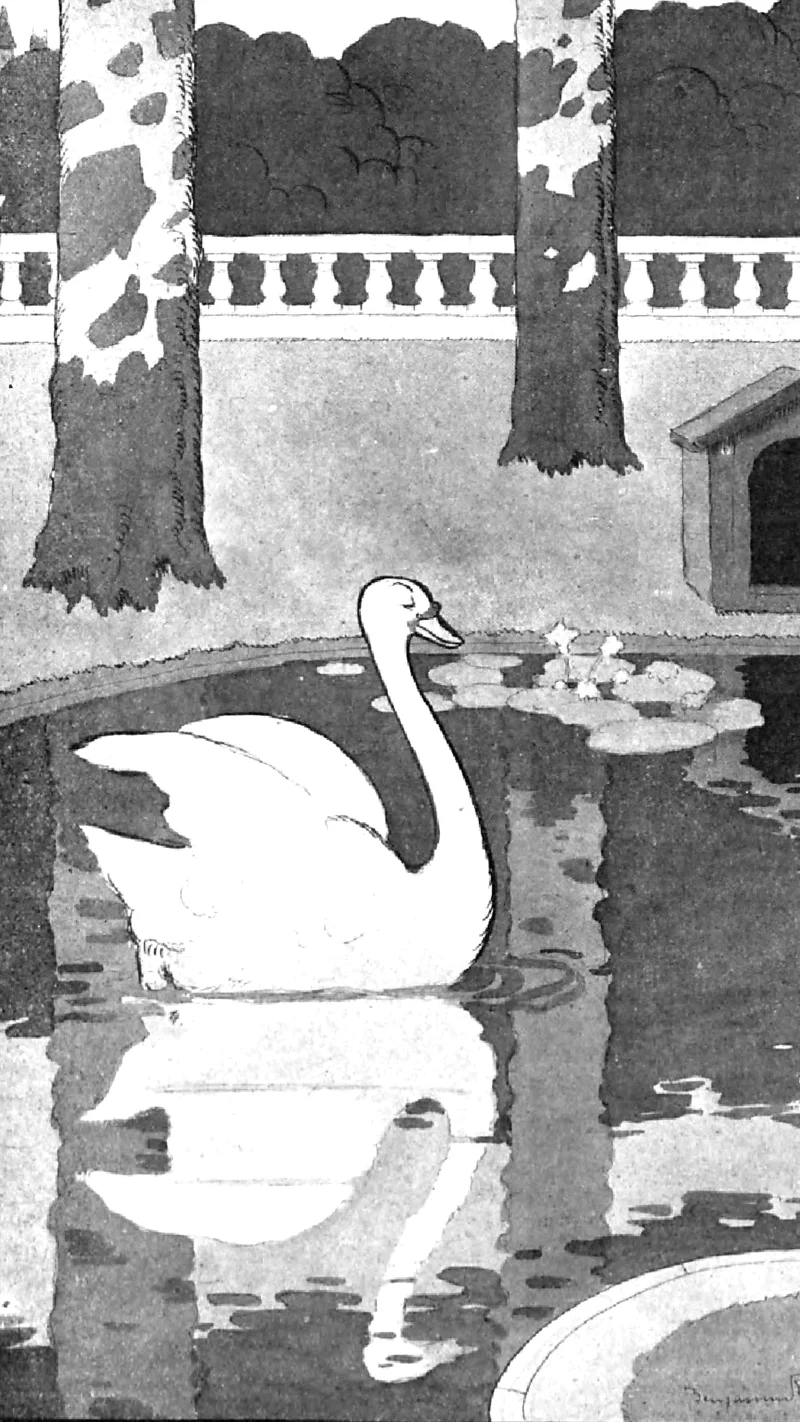
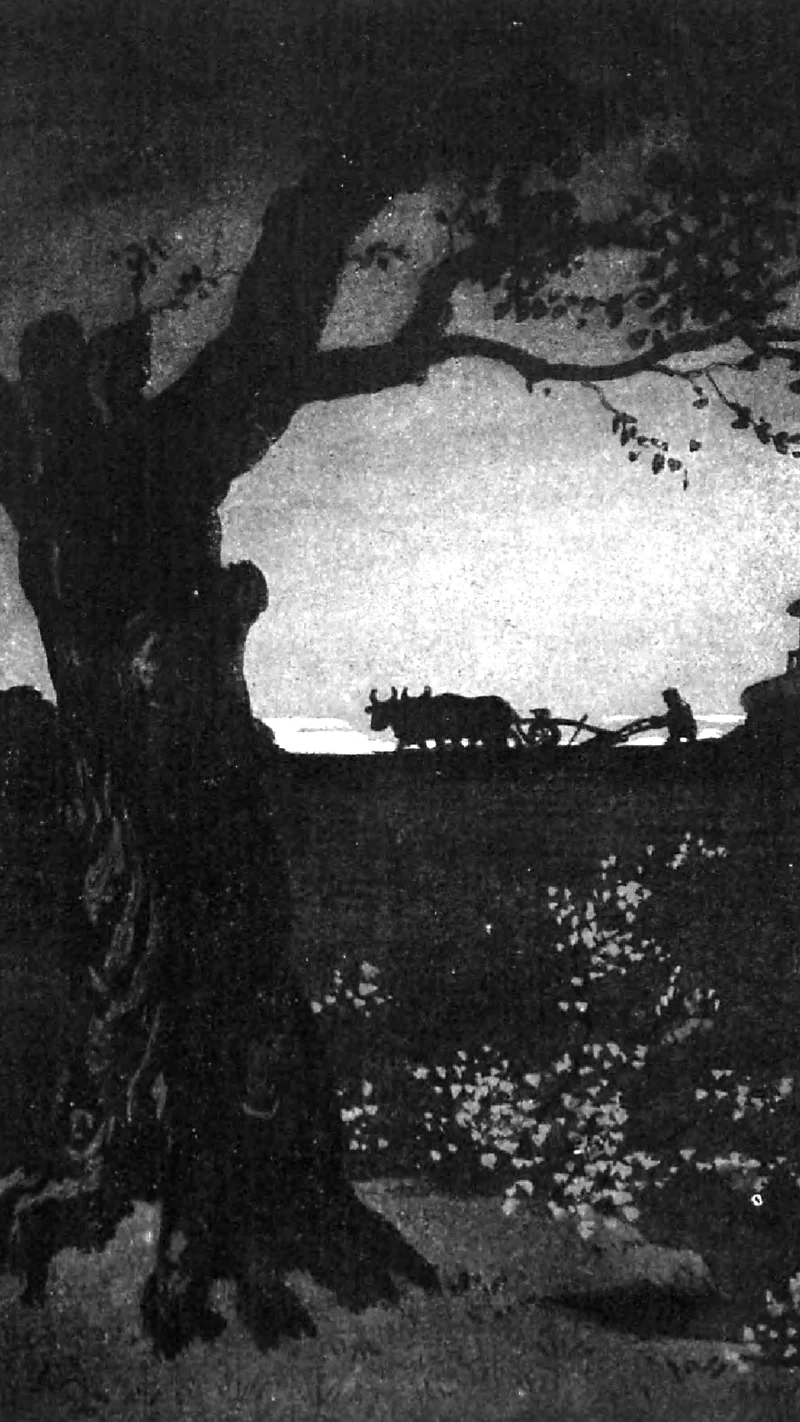
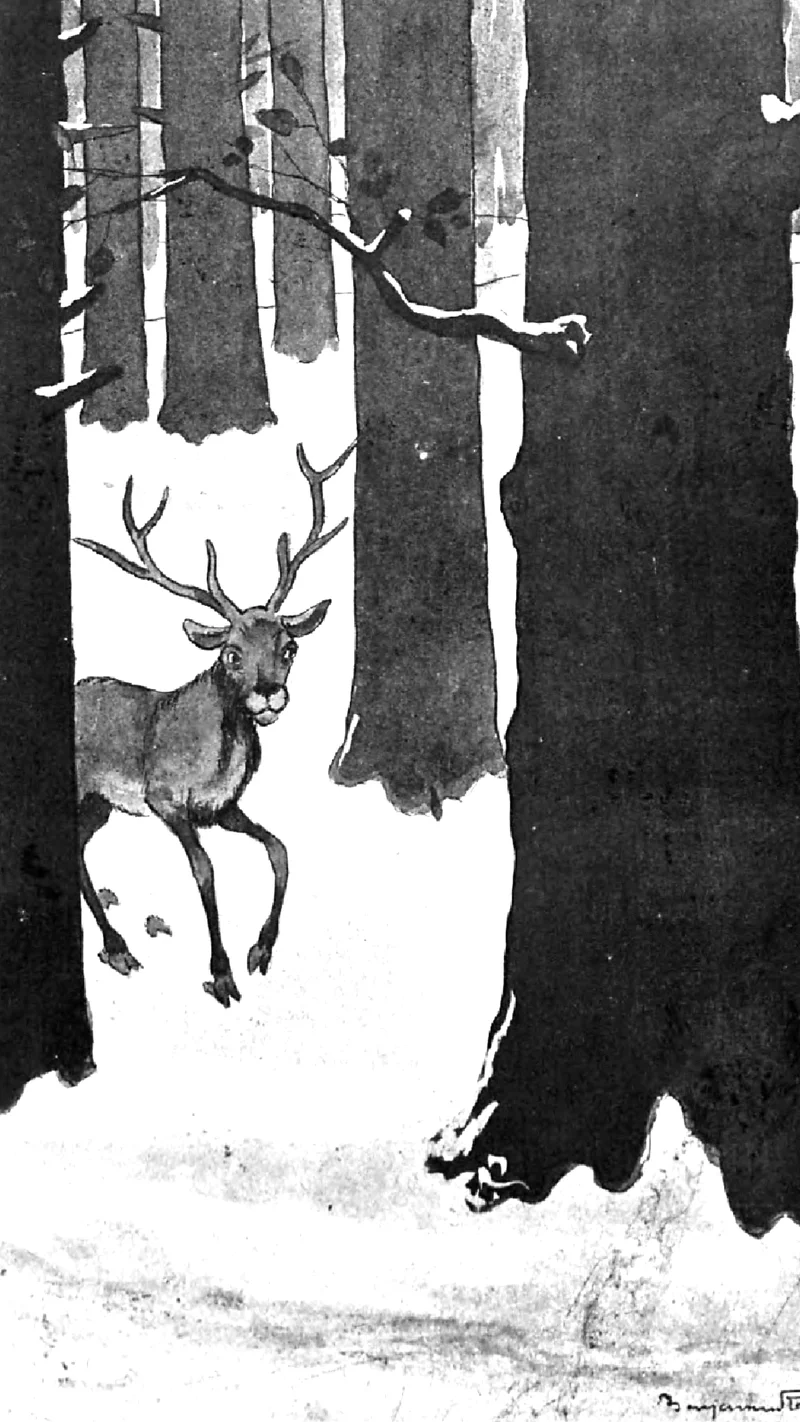
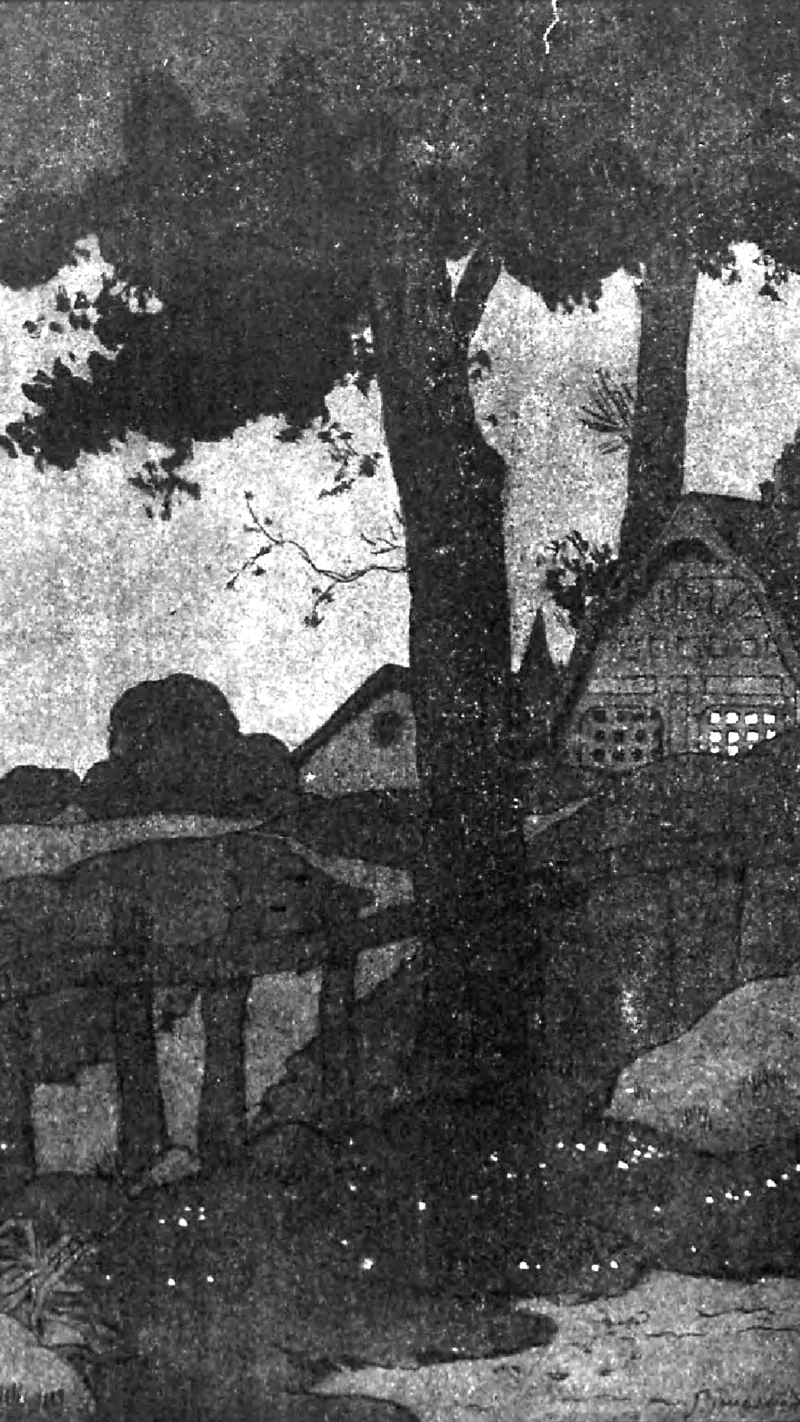
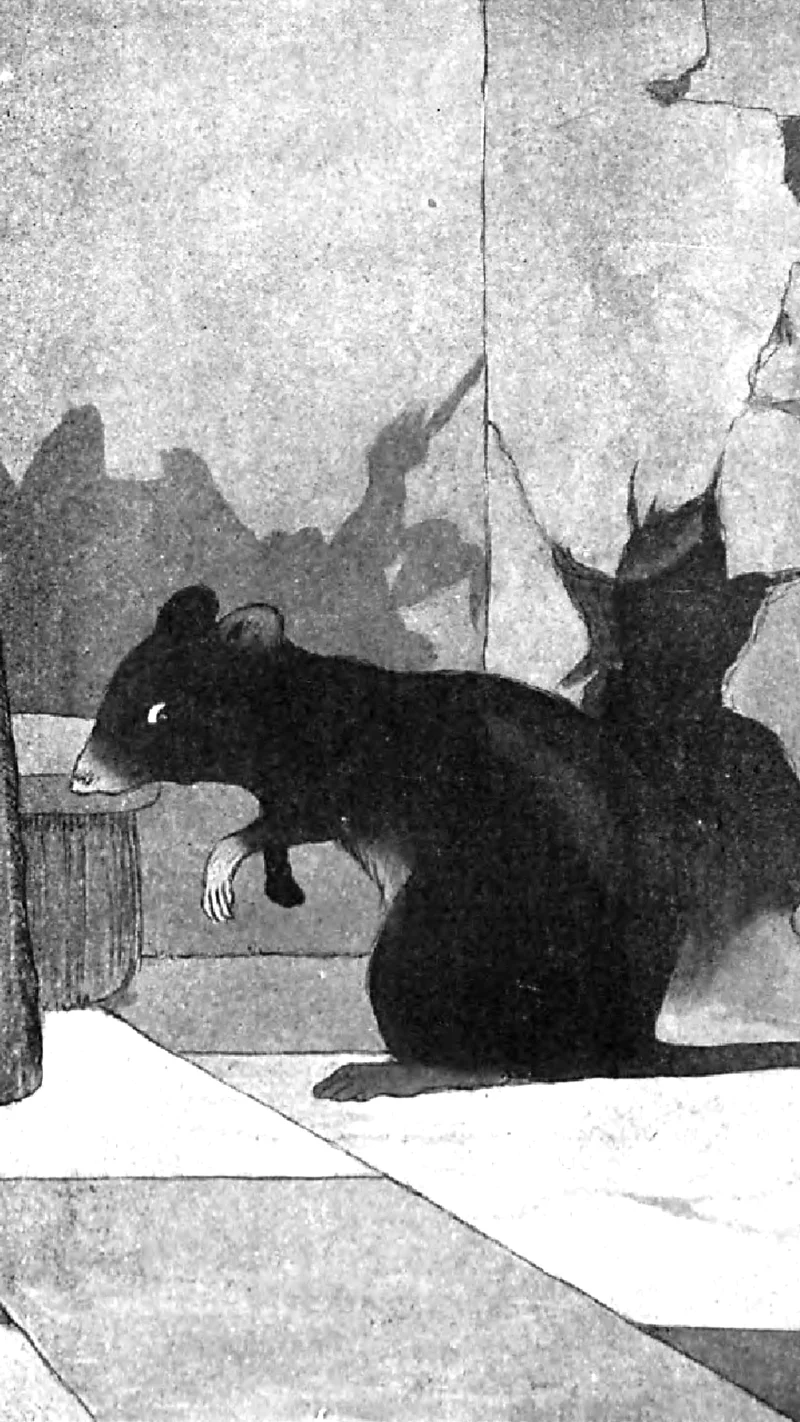
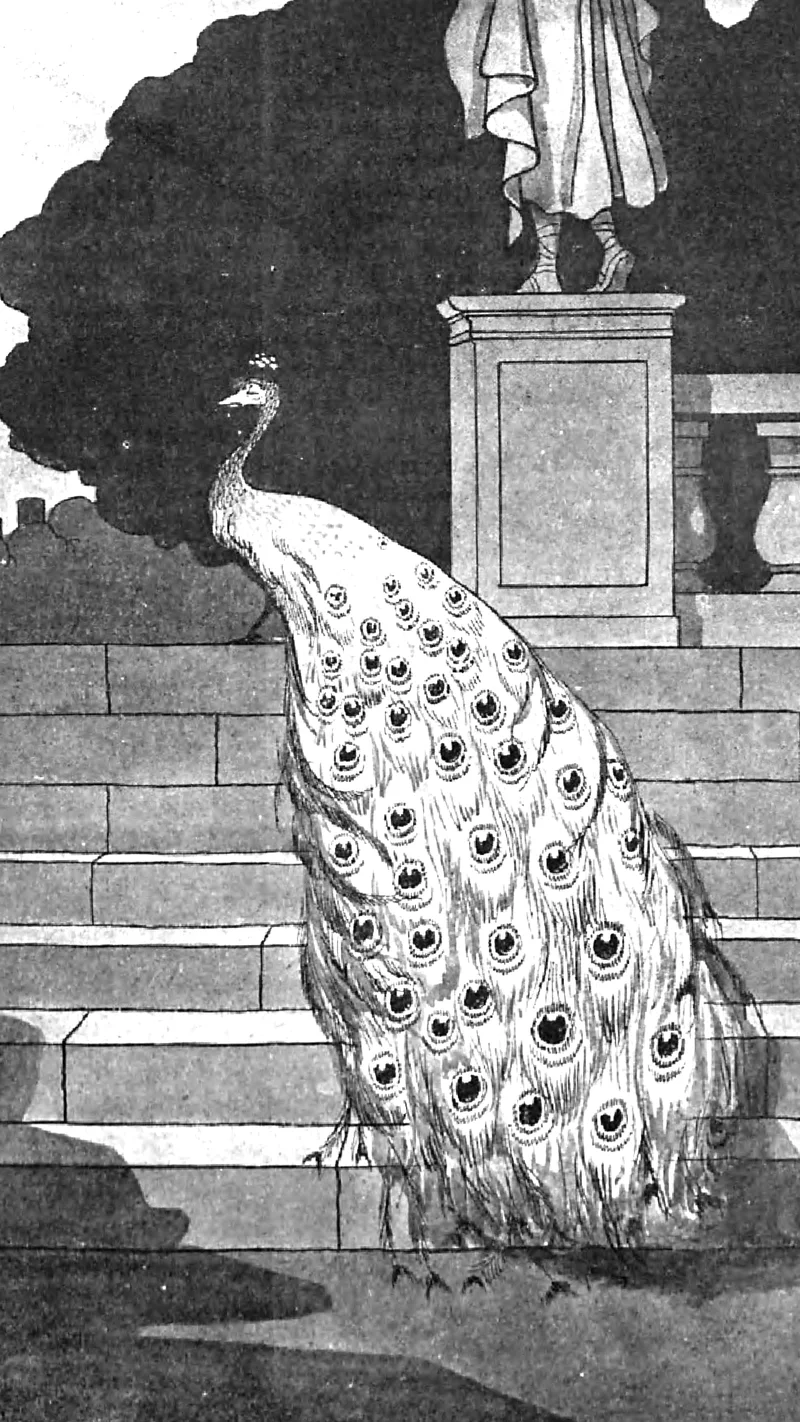
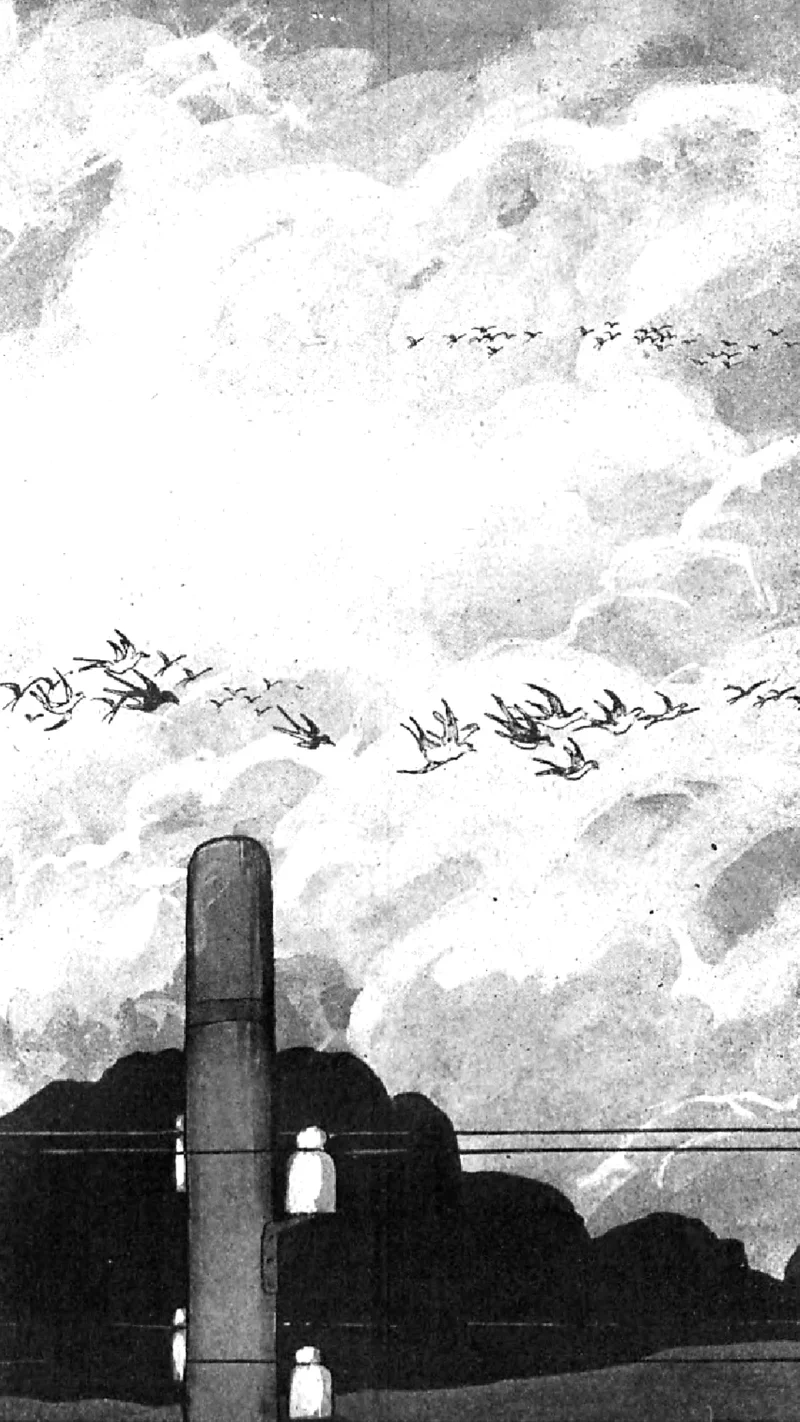
Rabier’s technique was defined by a masterful economy of stroke, which allowed him to imbue his subjects with distinct, often endearing personalities. His thematic focus frequently centered on the natural world, as seen in his evocative contributions to Jules Renard’s Histoires naturelles, which include pieces such as Le cerf and Le coq de clocher. His versatility extended to social commentary, exemplified by the poignant Paris is Hell for Horses, and his illustrative work on Trotte-menu and The Image Hunter. Perhaps his most enduring contribution to visual culture remains the iconic Vache qui rit poster, a design that synthesized his stylistic approach into a globally recognized graphic emblem.
The historical significance of Rabier lies in his profound influence on the evolution of the modern comic strip and character design. By rejecting the rigid aesthetic standards of his contemporaries, he paved the way for a more fluid, character-driven style of illustration. His legacy is firmly established within the history of twentieth-century French graphic arts, where his work continues to be studied for its technical precision and its pioneering role in shaping the visual iconography of the era.