De Stijl
24 artworks
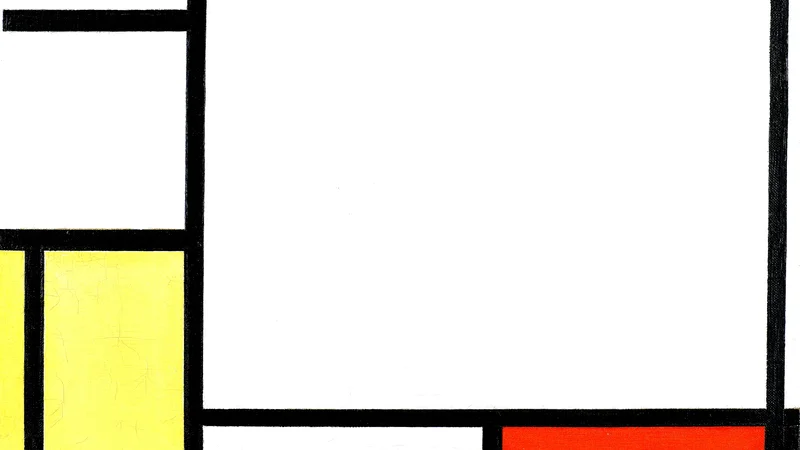
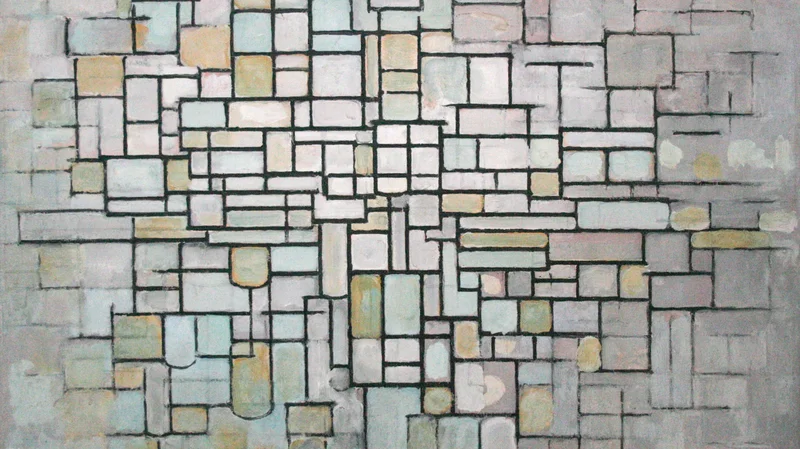
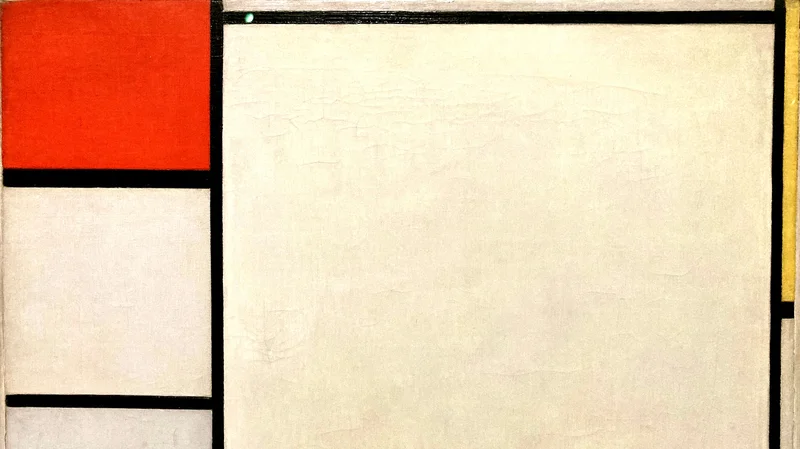
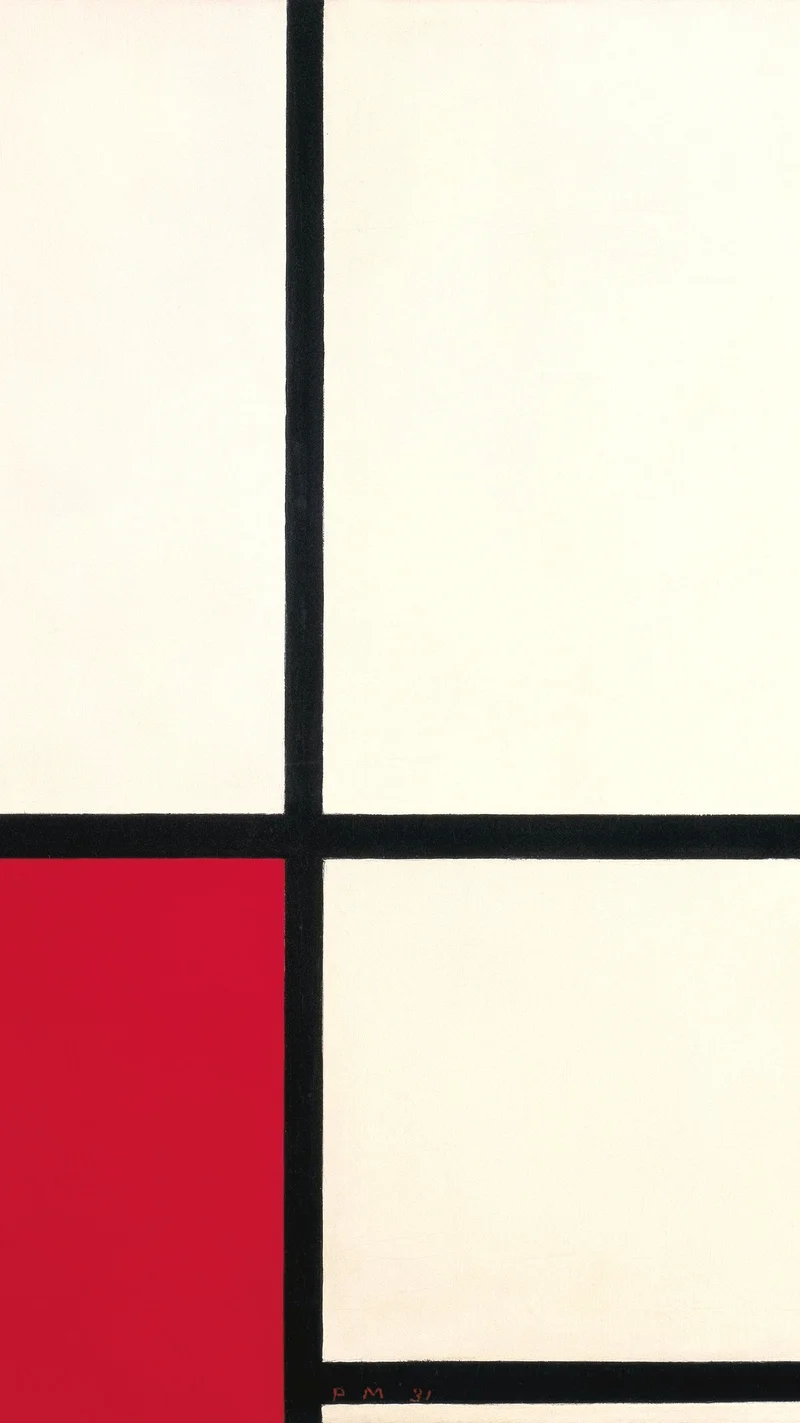
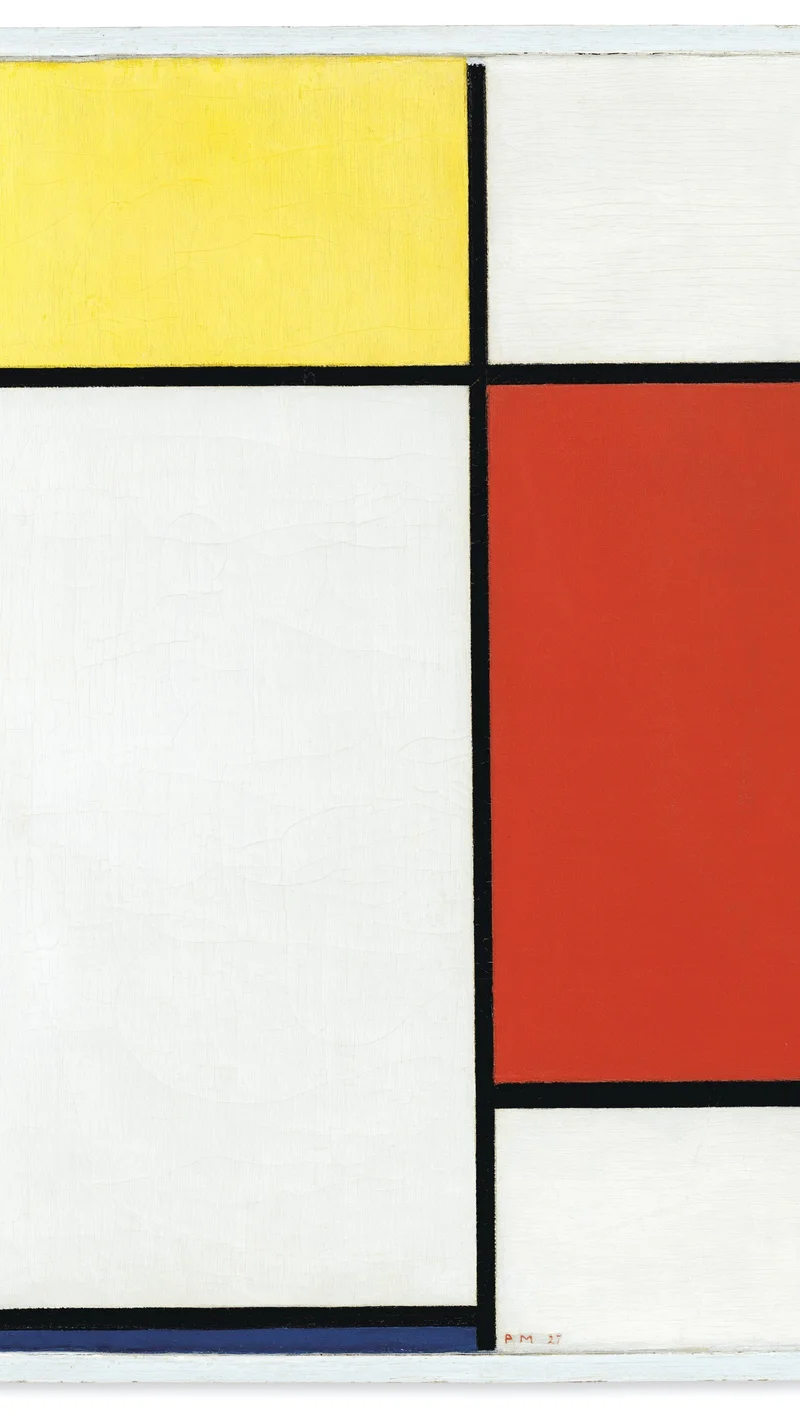
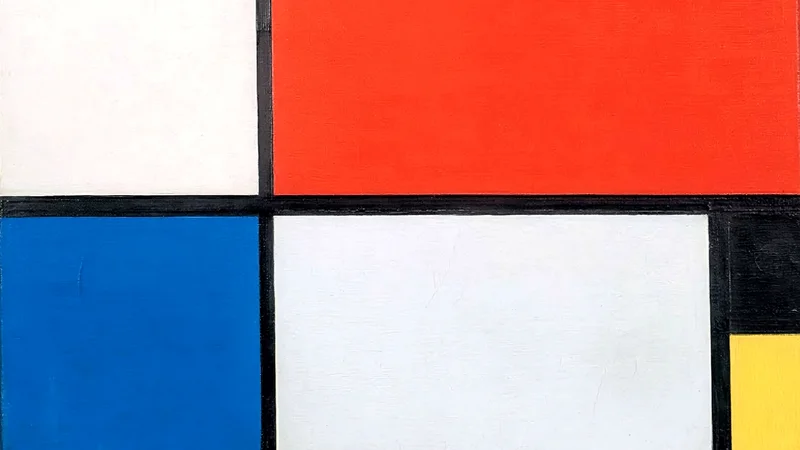
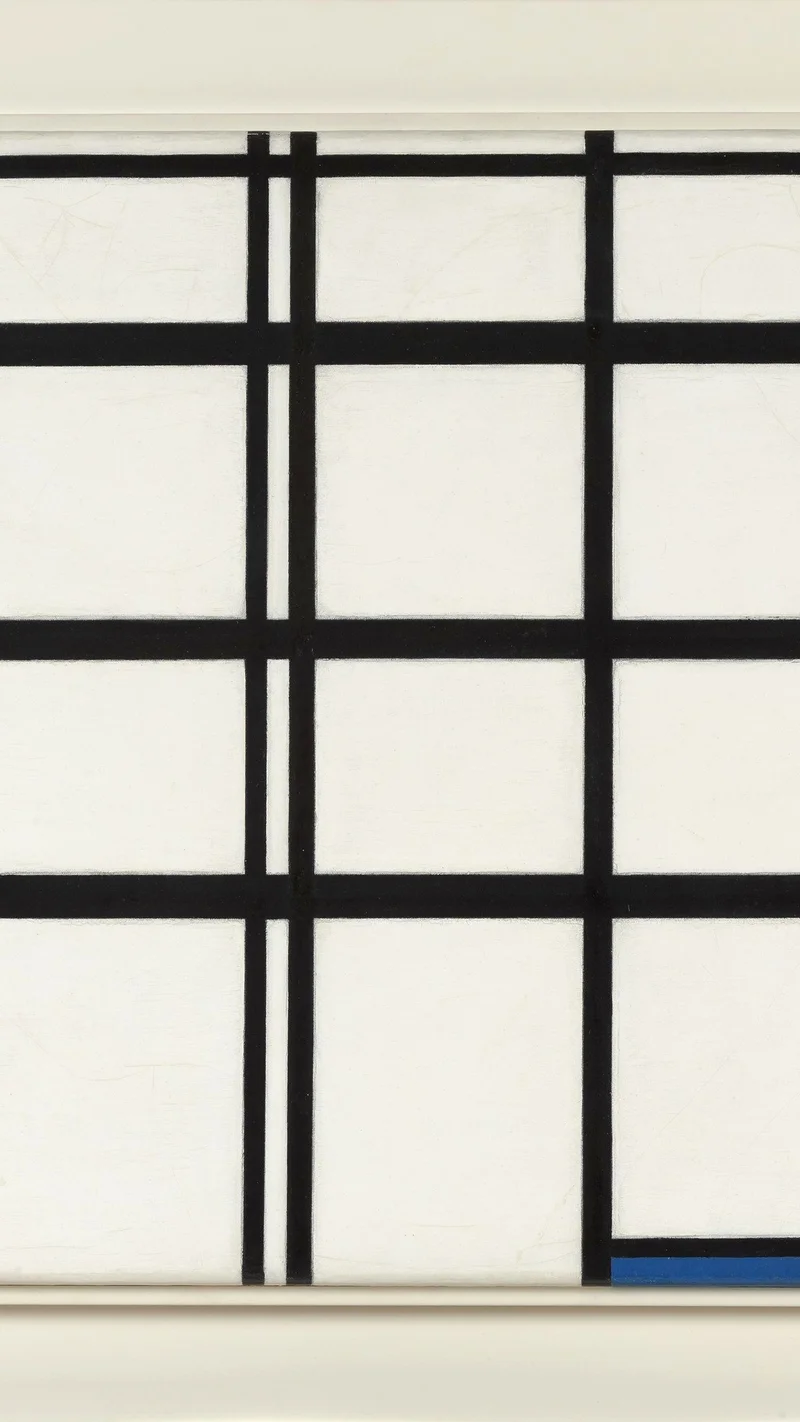
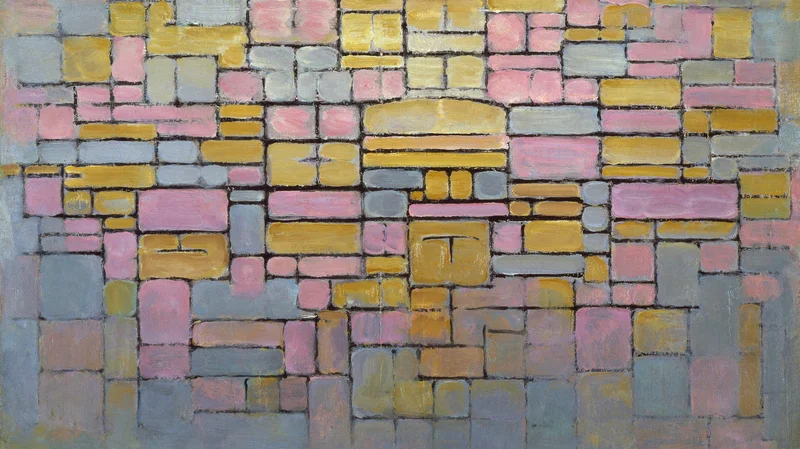
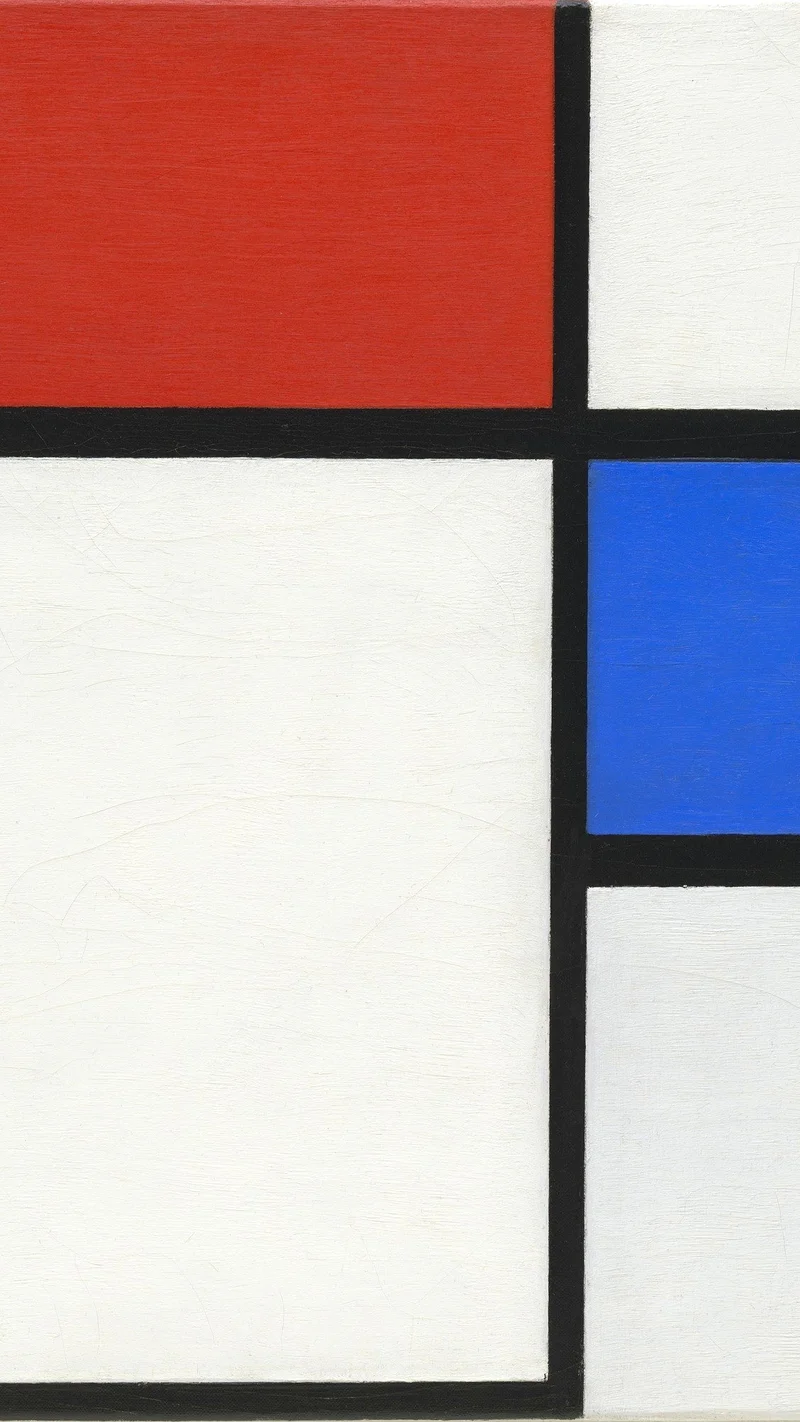
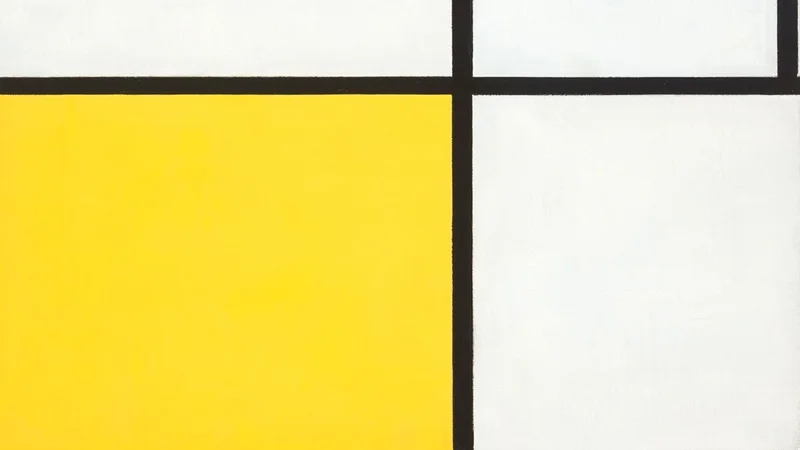
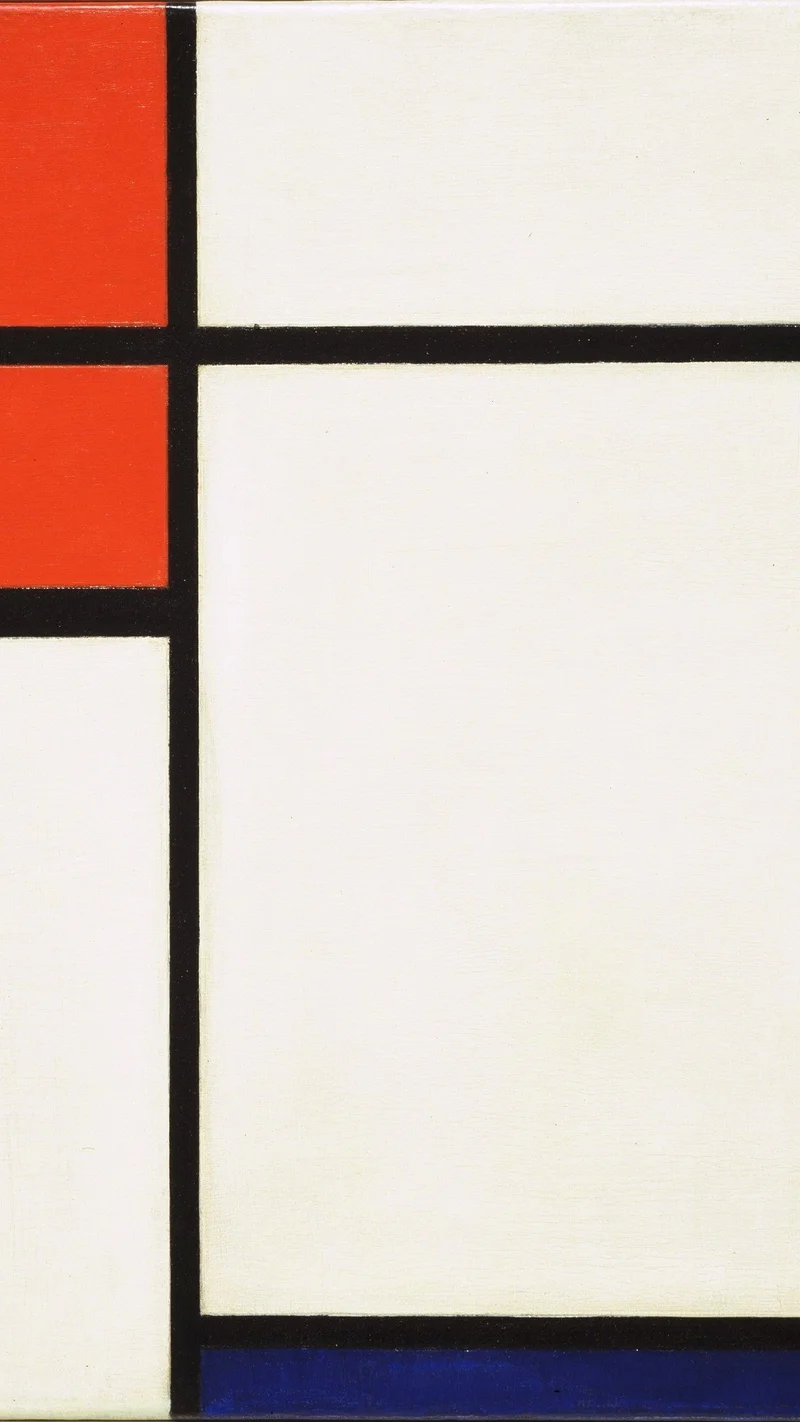
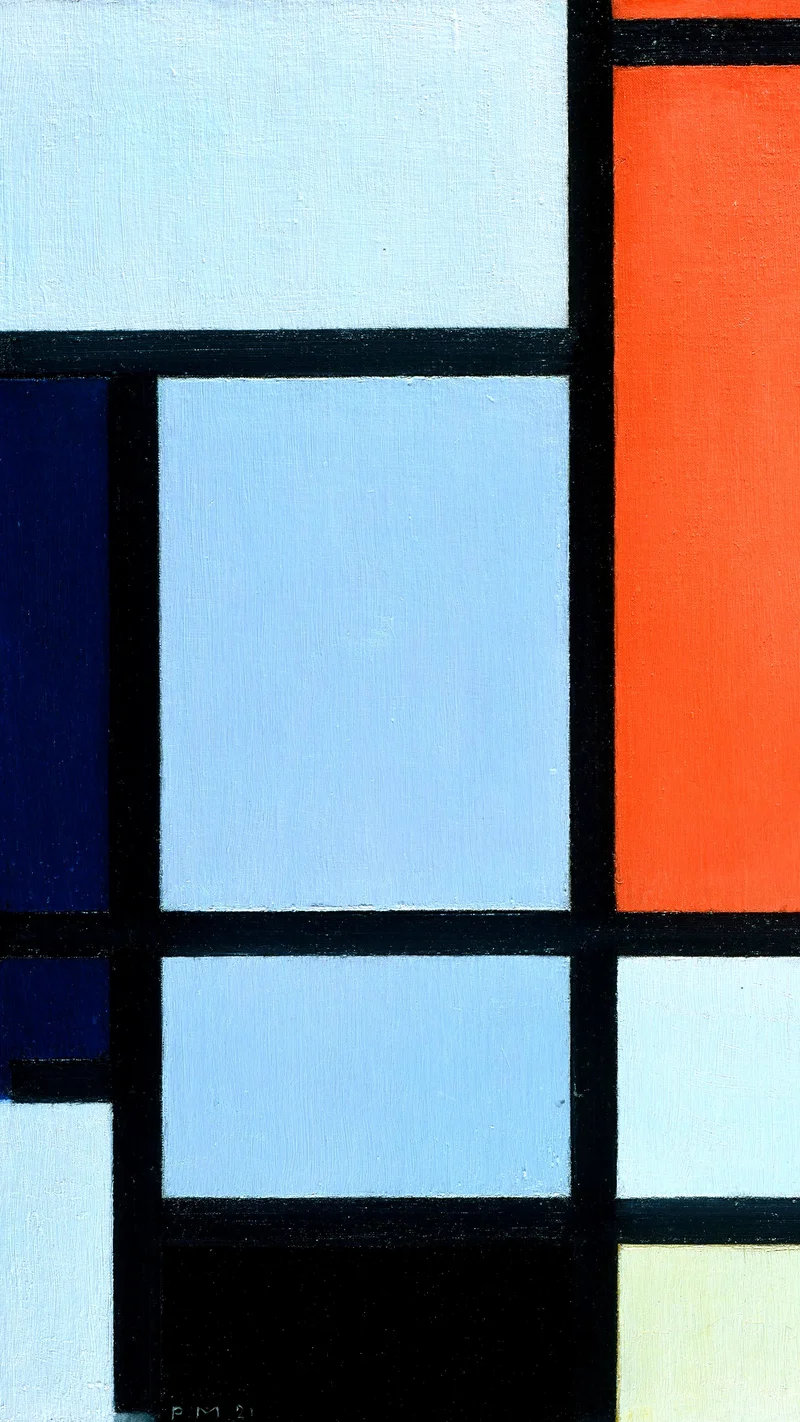
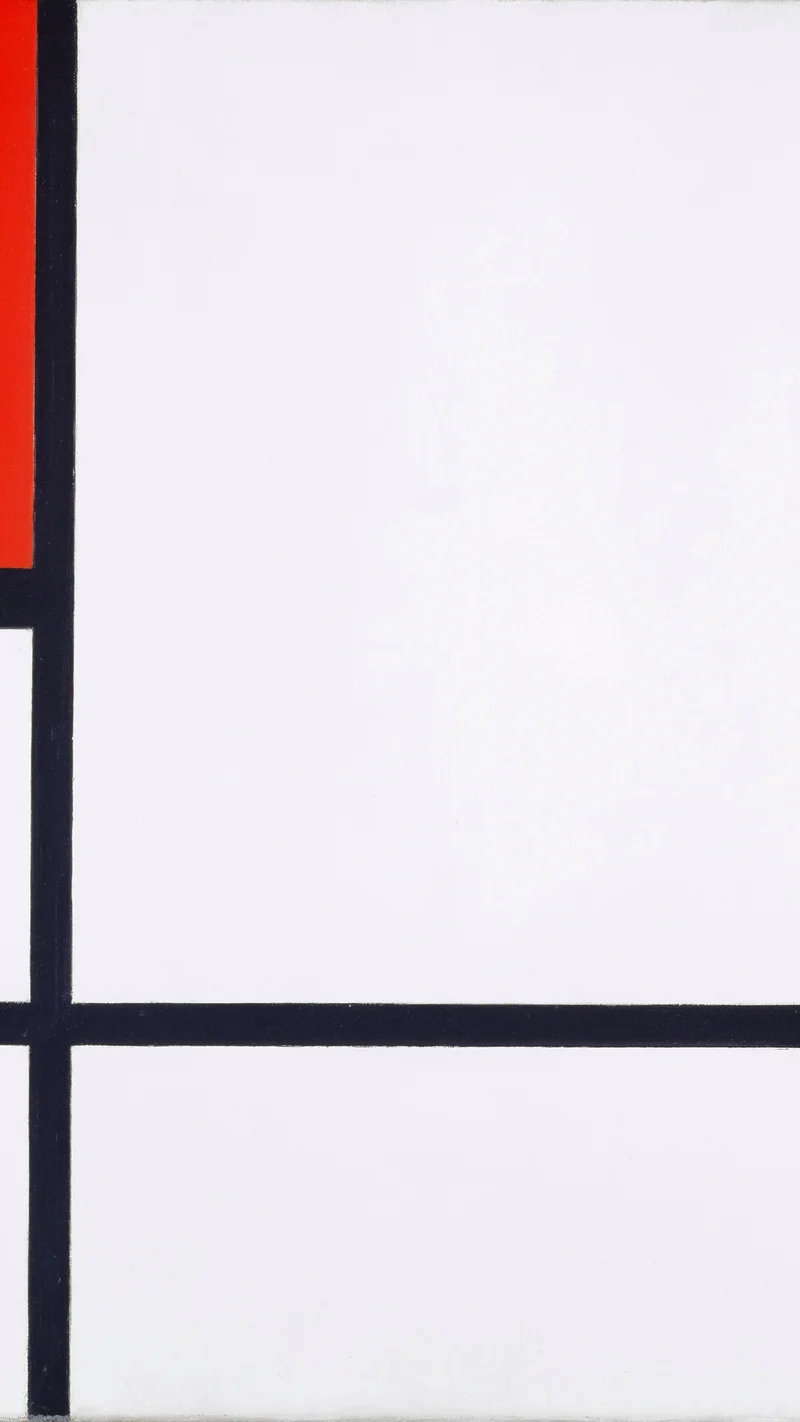
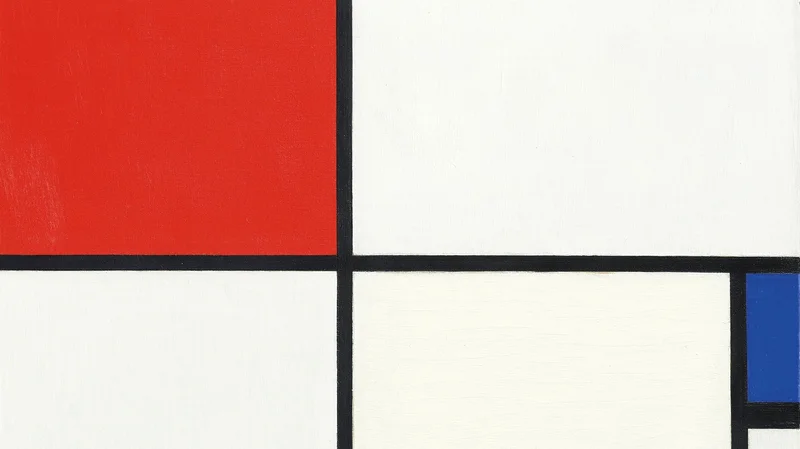
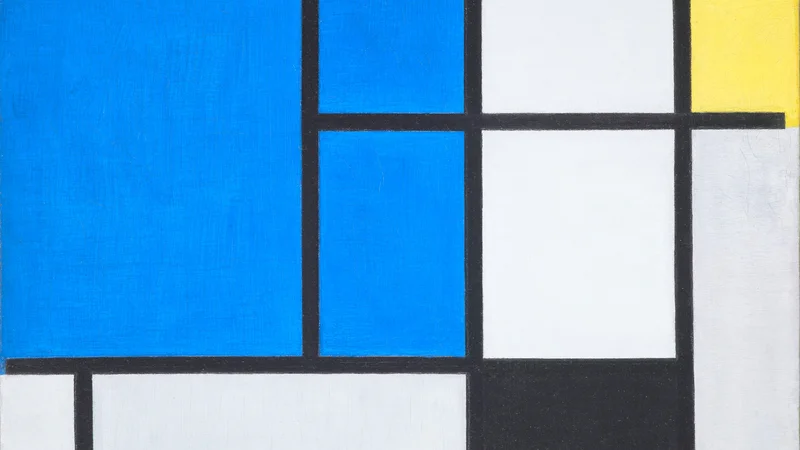
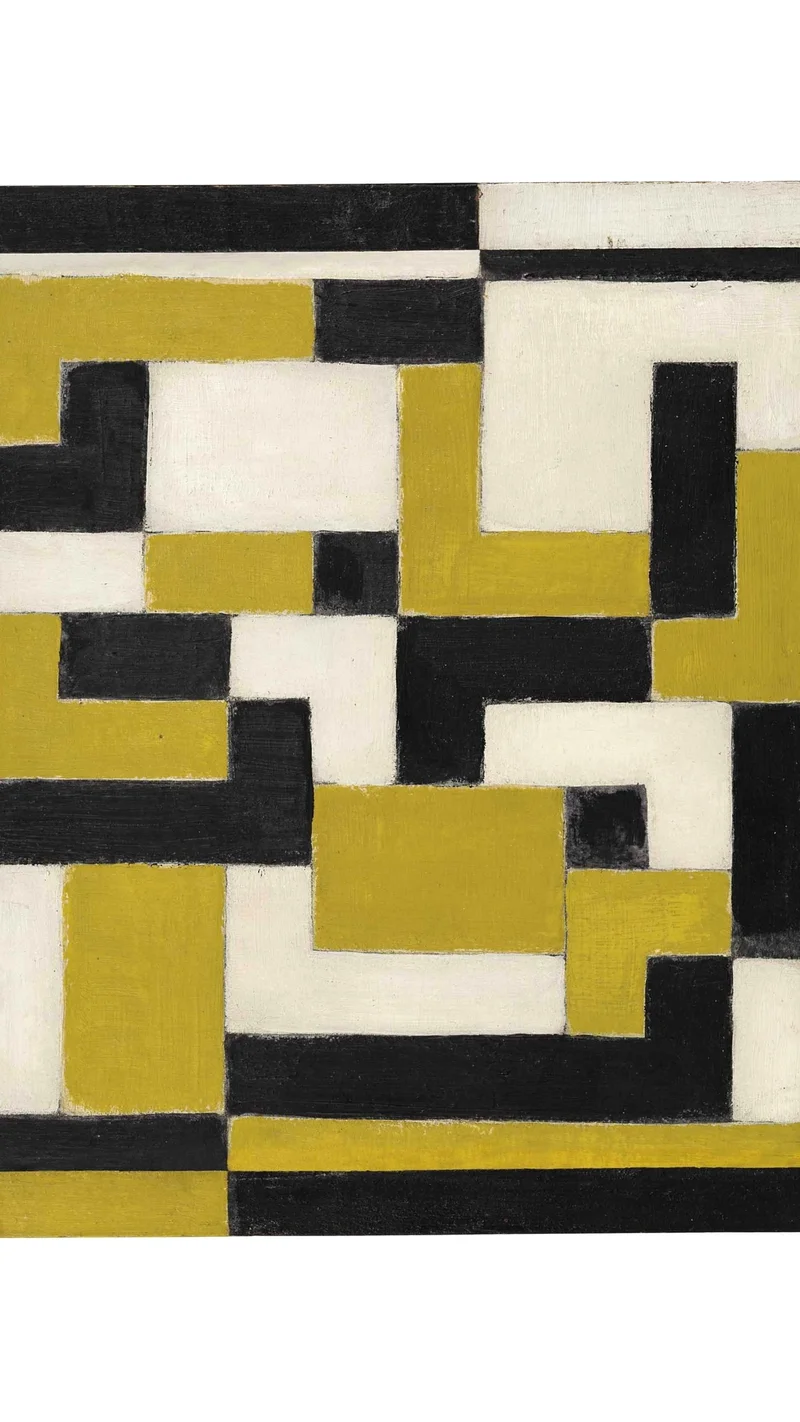
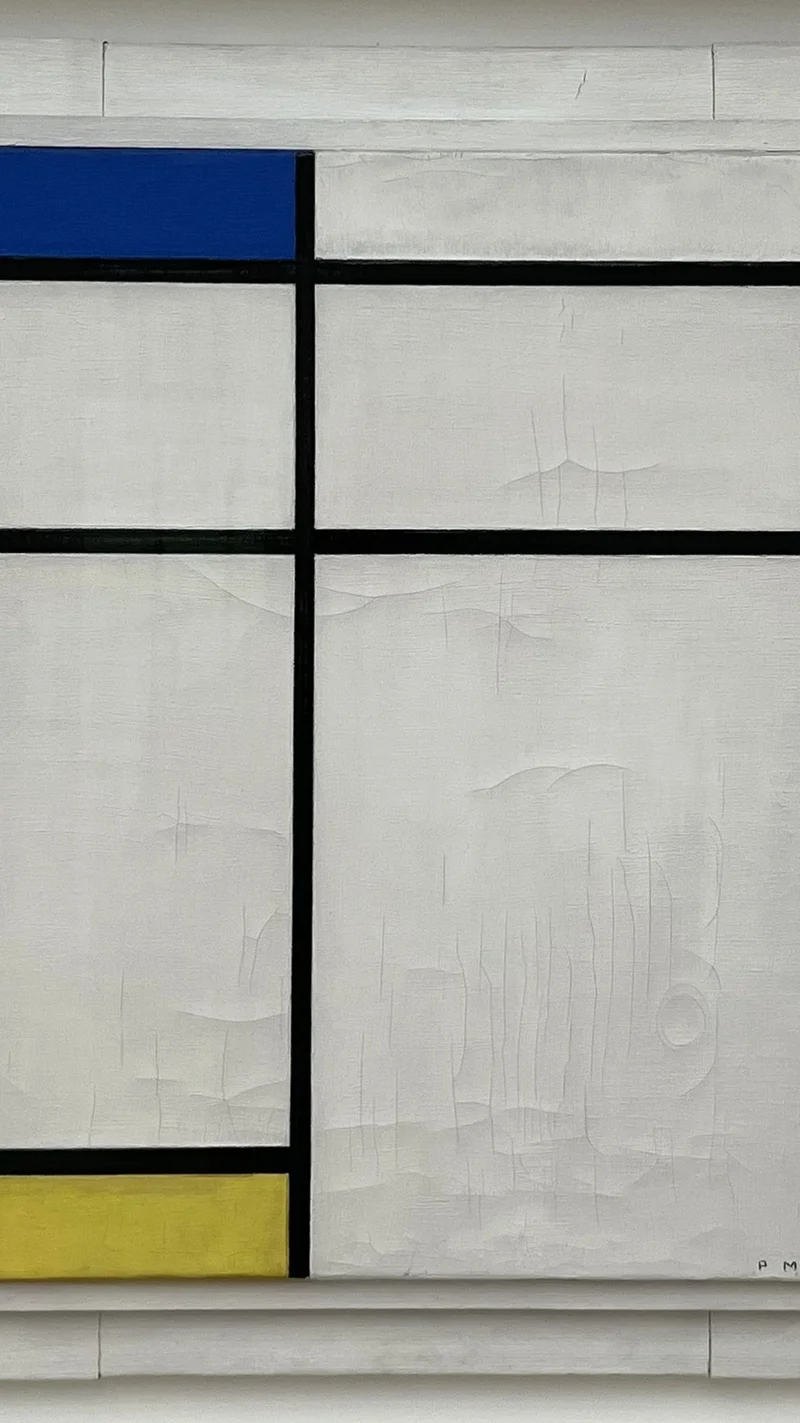
Emerging in the Netherlands in 1917, De Stijl—or Neoplasticism—represented a radical quest for universal harmony through the reduction of form to its most essential elements. Founded by Theo van Doesburg and Piet Mondrian, the movement sought to strip art of individual subjectivity, advocating instead for a visual language defined by the grid, the primary colors of red, yellow, and blue, and the non-colors of black, white, and gray. This austere framework is exemplified in Mondrian’s seminal Composition with Blue, Red, Yellow, and Black and his rigorous Composition in White, Black, and Red Paris, 1936, where the interplay of asymmetrical balance reflects an ambition to transcend the chaotic nature of the physical world in favor of an objective, spiritual equilibrium.
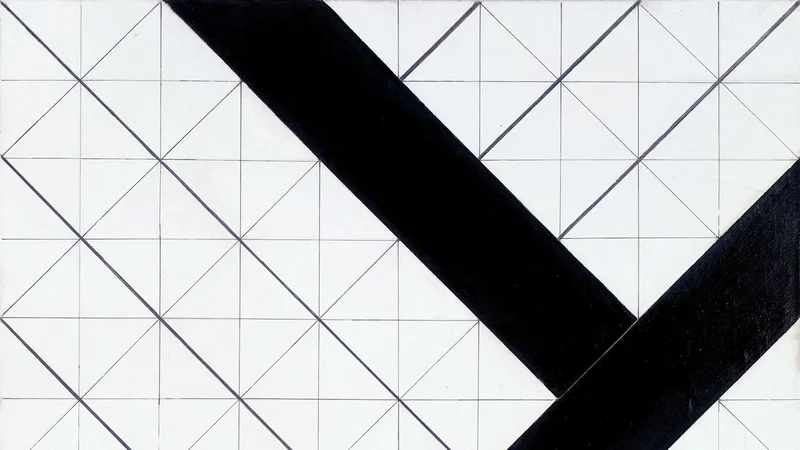
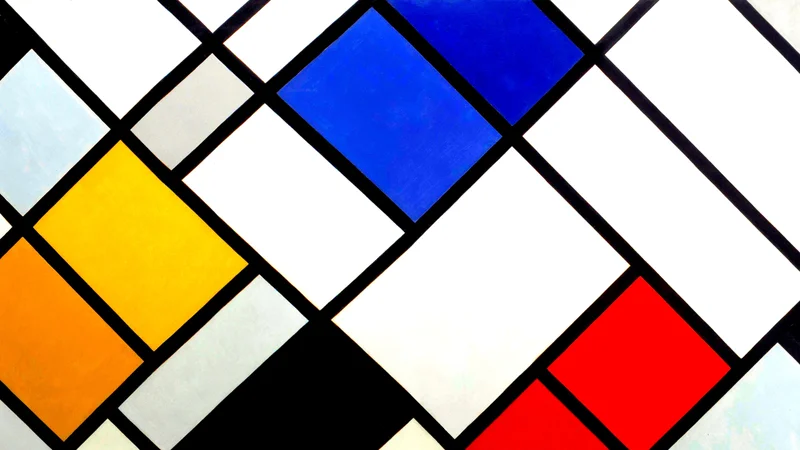
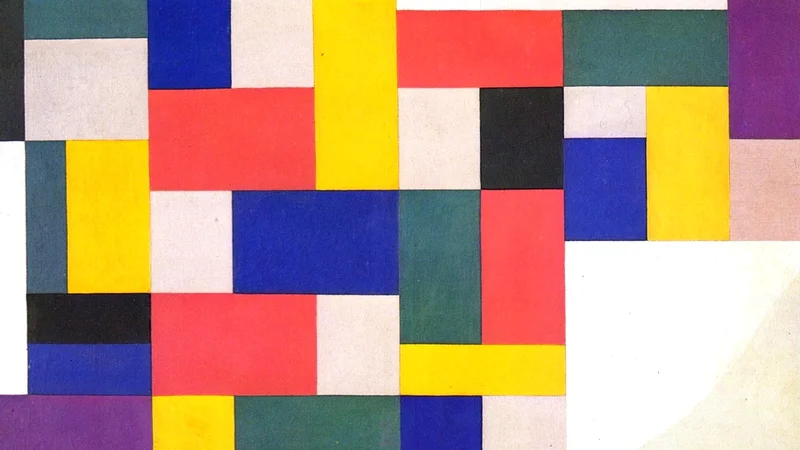
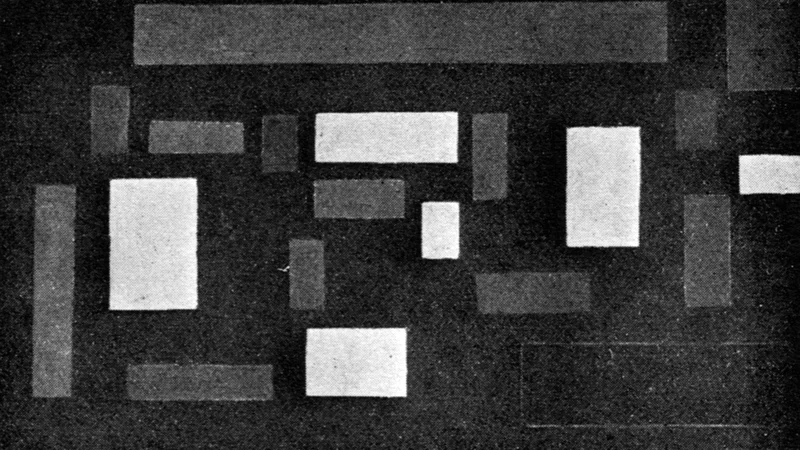
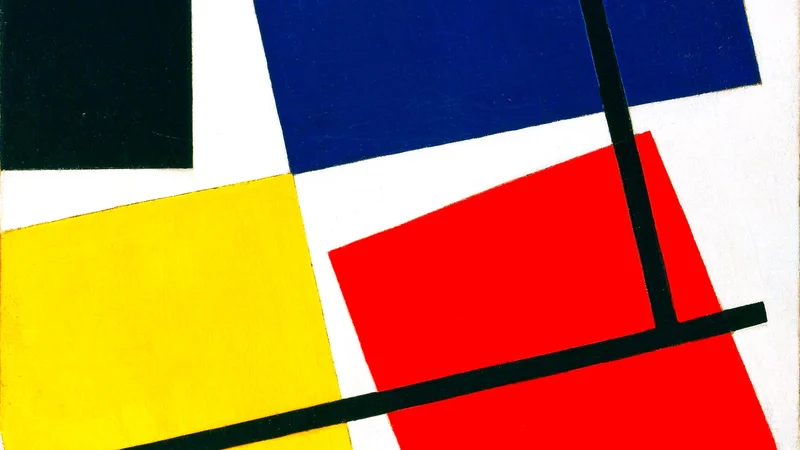
The trajectory of the movement expanded beyond the canvas, influencing architecture and design through an intellectual rigor that demanded the total integration of art and life. Works such as van Doesburg’s Simultaneous Counter-Composition and his explorations in Belgrade and Composition no. III pushed the boundaries of spatial dynamics and diagonal tension, challenging the static nature of the rectangular grid. By codifying these principles, De Stijl exerted a profound and lasting impact on the trajectory of modernism, providing a foundational vocabulary for the Bauhaus and later minimalist movements. Its legacy persists in the enduring pursuit of structural clarity, forever altering the dialectic between artistic intent and geometric precision.

![Piet Mondrian — New York City 2 [unfinished, formerly New York City III]](https://cdn.wall-art-frame.com/thumbnails/800/2d380654-c8ec-4f91-b100-eb08b74183d6_800.webp)