Theo van Doesburg
6 artworks
Theo van Doesburg (1883–1931) was a Dutch painter, theorist, and architect who served as the primary catalyst for the De Stijl movement. Emerging from a background of varied early artistic influences, he established his reputation as a relentless advocate for a universal visual language, founded on geometric precision and the reduction of the aesthetic experience to primary colors and orthogonal structures. His efforts in the early twentieth century were instrumental in bridging the gap between Dutch abstraction and the broader European avant-garde, effectively positioning him at the center of international debates regarding the intersection of art and social order.
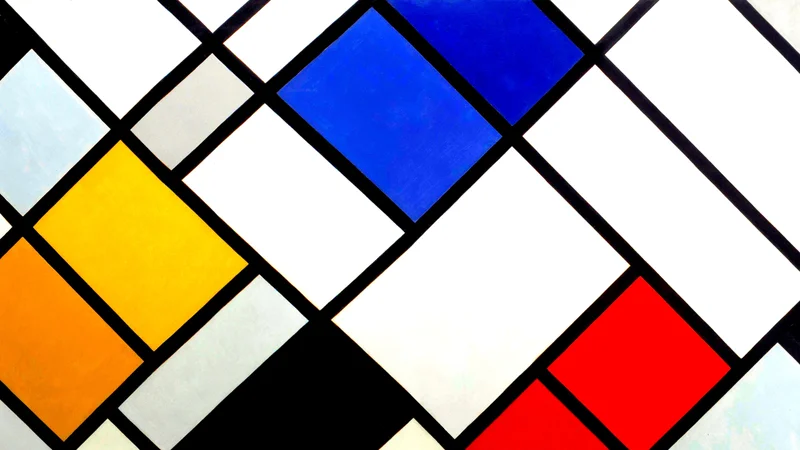
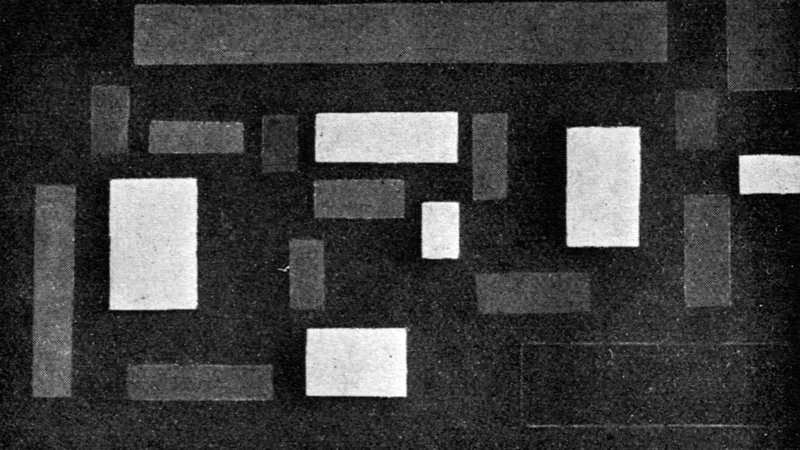
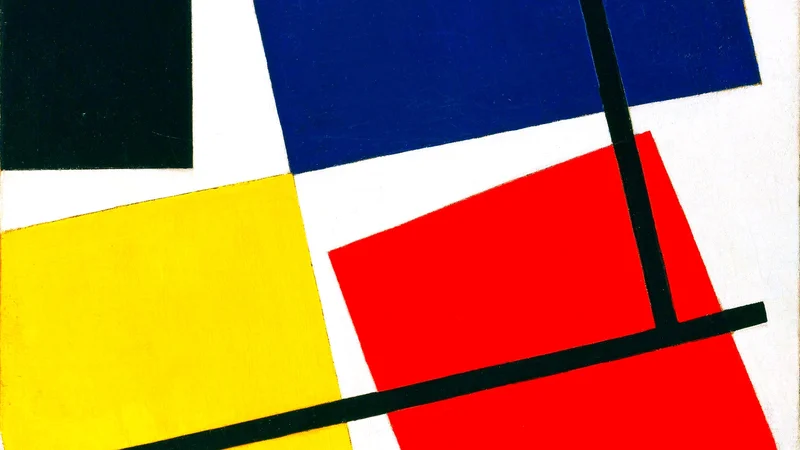
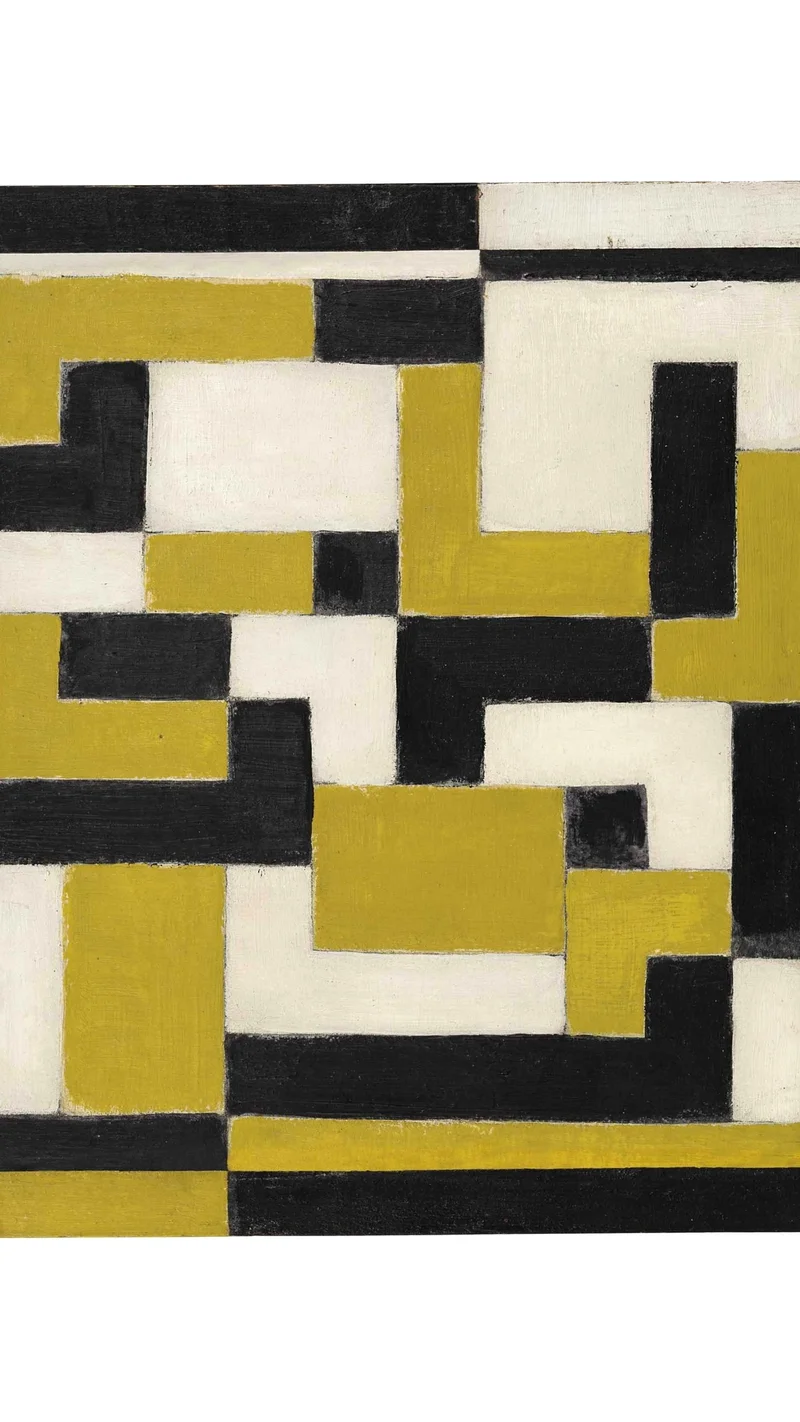
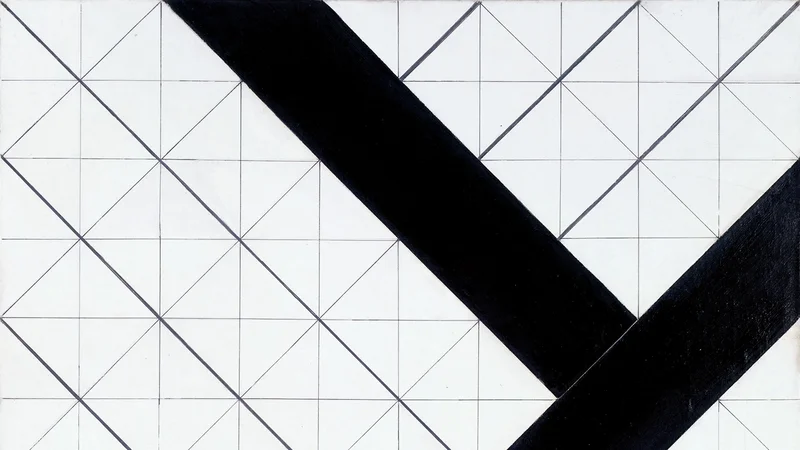
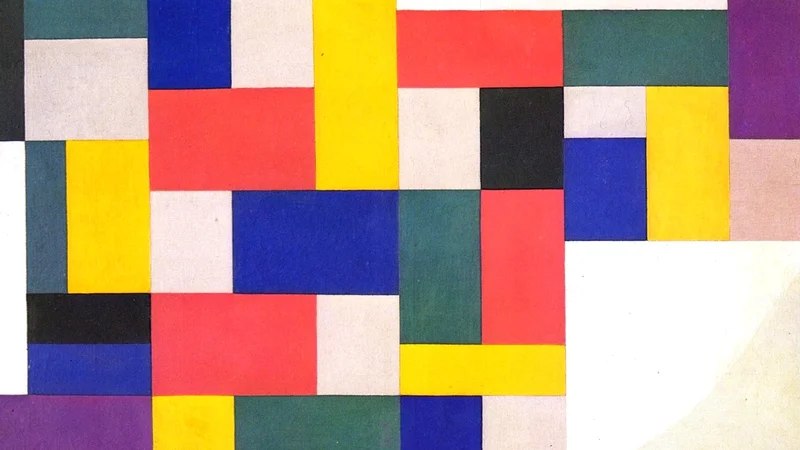
Throughout his career, van Doesburg developed a rigorous approach to abstraction, most notably through his theory of Elementarism, which introduced diagonal tension to challenge the static nature of horizontal and vertical compositions. This technical evolution is evidenced in his works such as Simultaneous Counter-Composition, Counter-Composition of Dissonances XVI, and Counter-Composition VI. By the mid-1920s and into 1930, his paintings—including Composition, Composition VI (on black fond), and Composition—demonstrated an increasing commitment to mathematical clarity and the elimination of subjective expression. These pieces systematically explored the dynamic interaction of form and space, eschewing representation in favor of a purely rational, non-objective visual syntax.
Van Doesburg’s historical significance lies in his role as a tireless polemicist and architect of the modern vision. Through his journal, De Stijl, he facilitated a dialogue between architecture, painting, and design, permanently influencing the trajectory of twentieth-century modernism. His insistence on the integration of art into life and his rigorous structural investigations remain foundational to the development of minimalist and hard-edge abstraction, securing his place as one of the most intellectually consequential figures of his era.