Art Nouveau
53 artworks
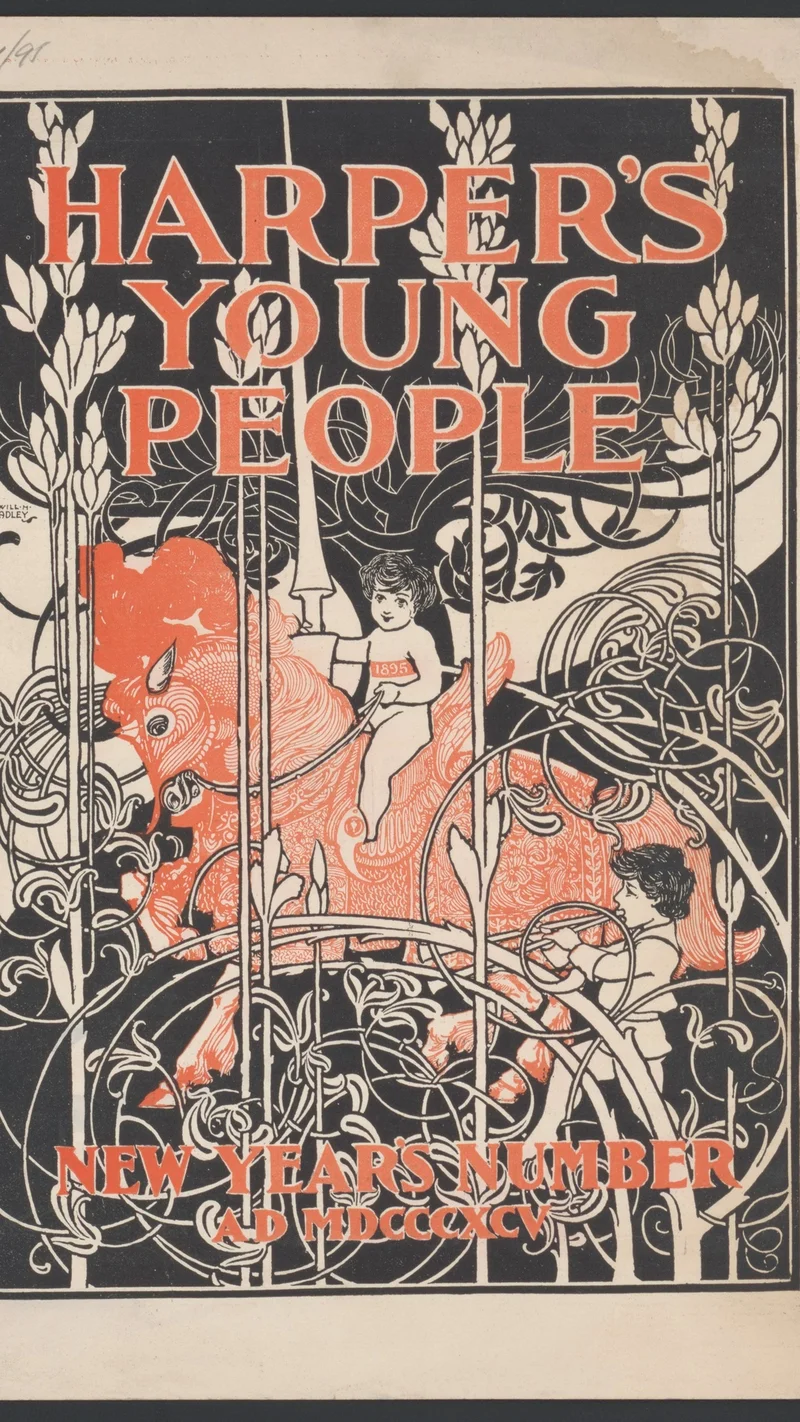
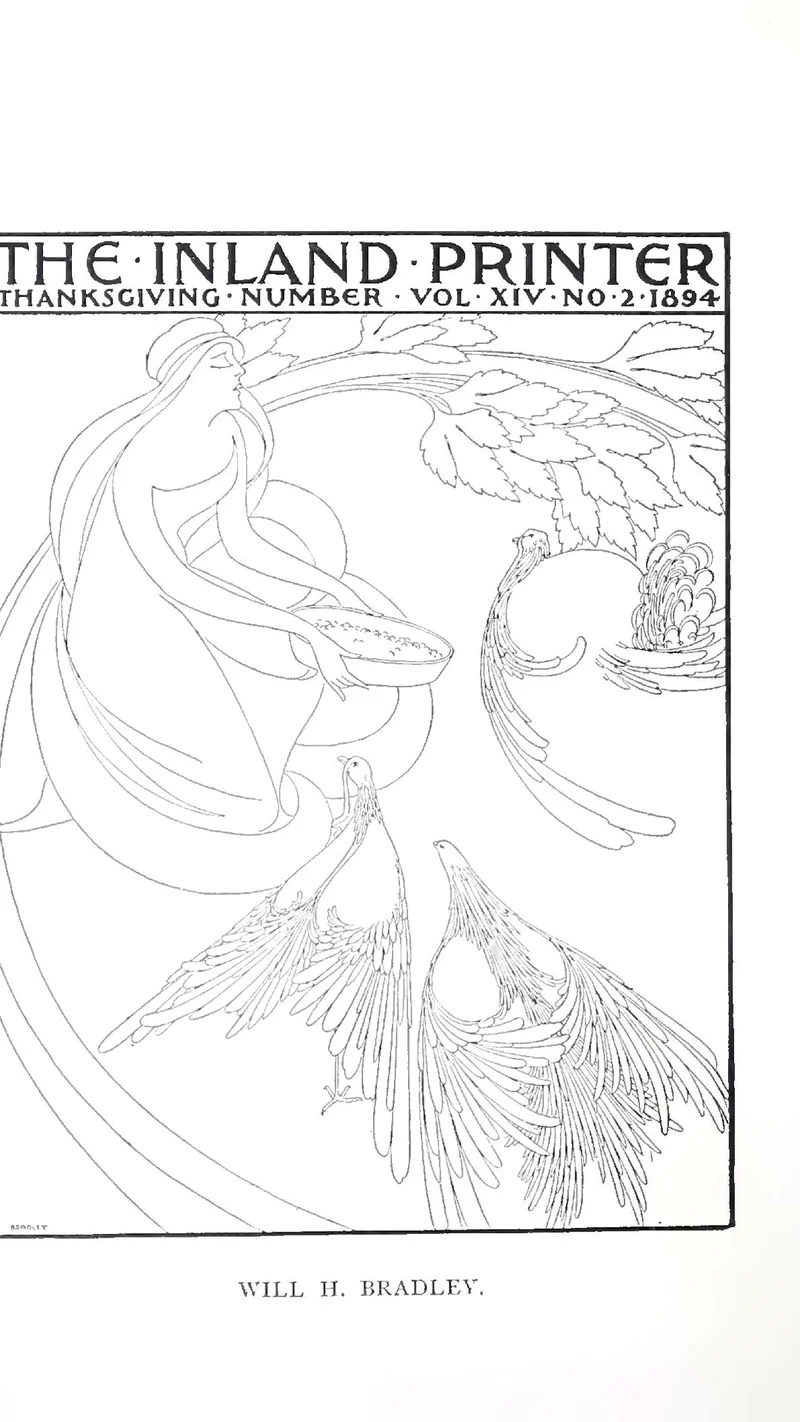
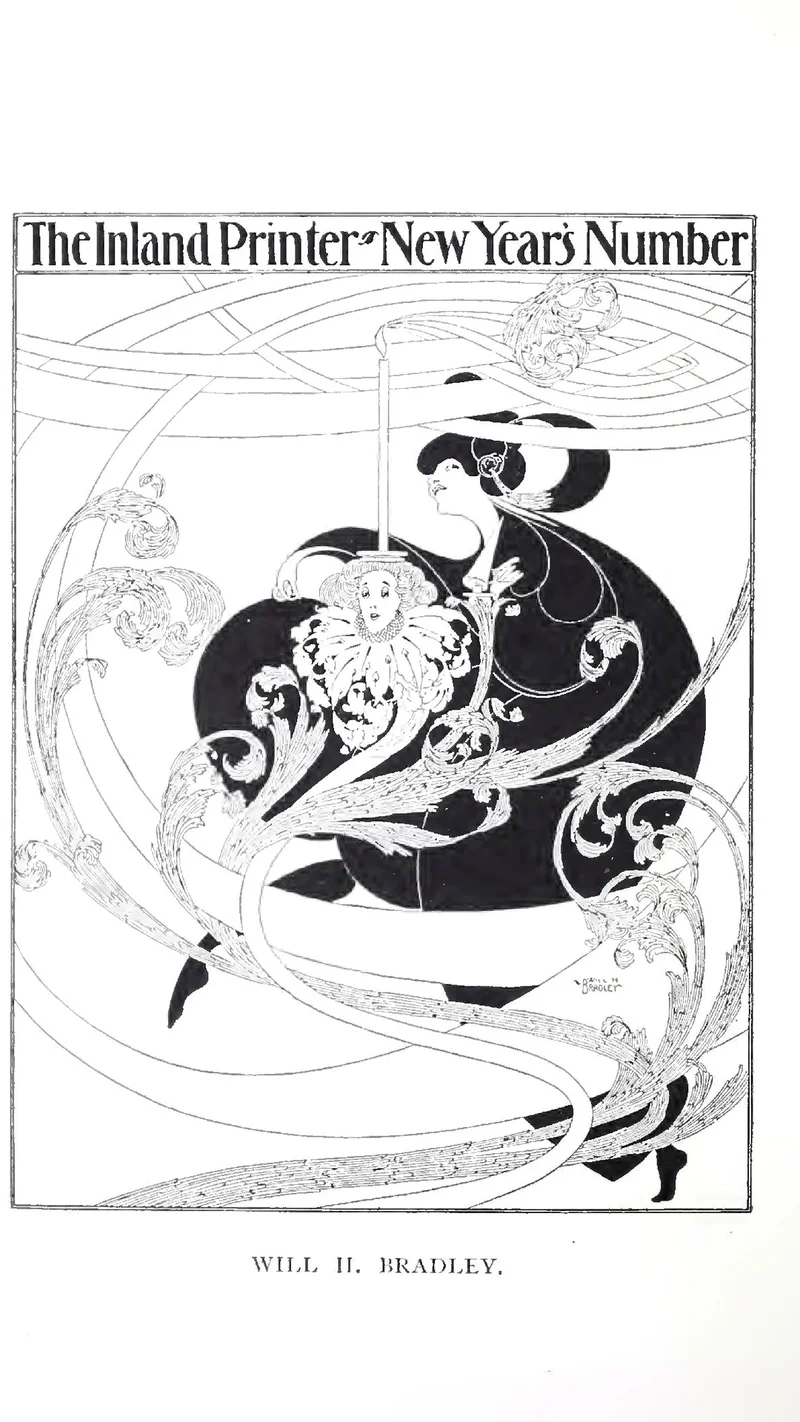
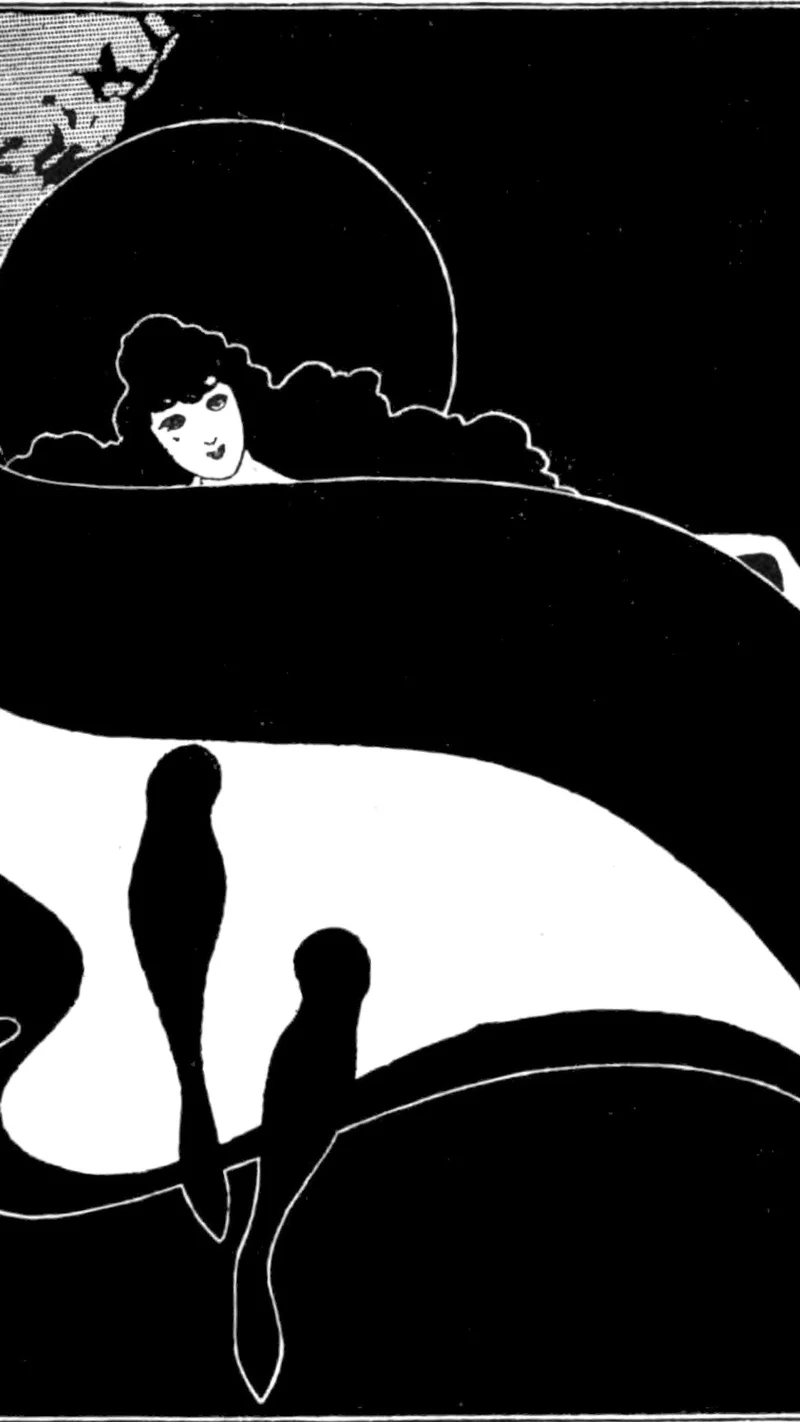
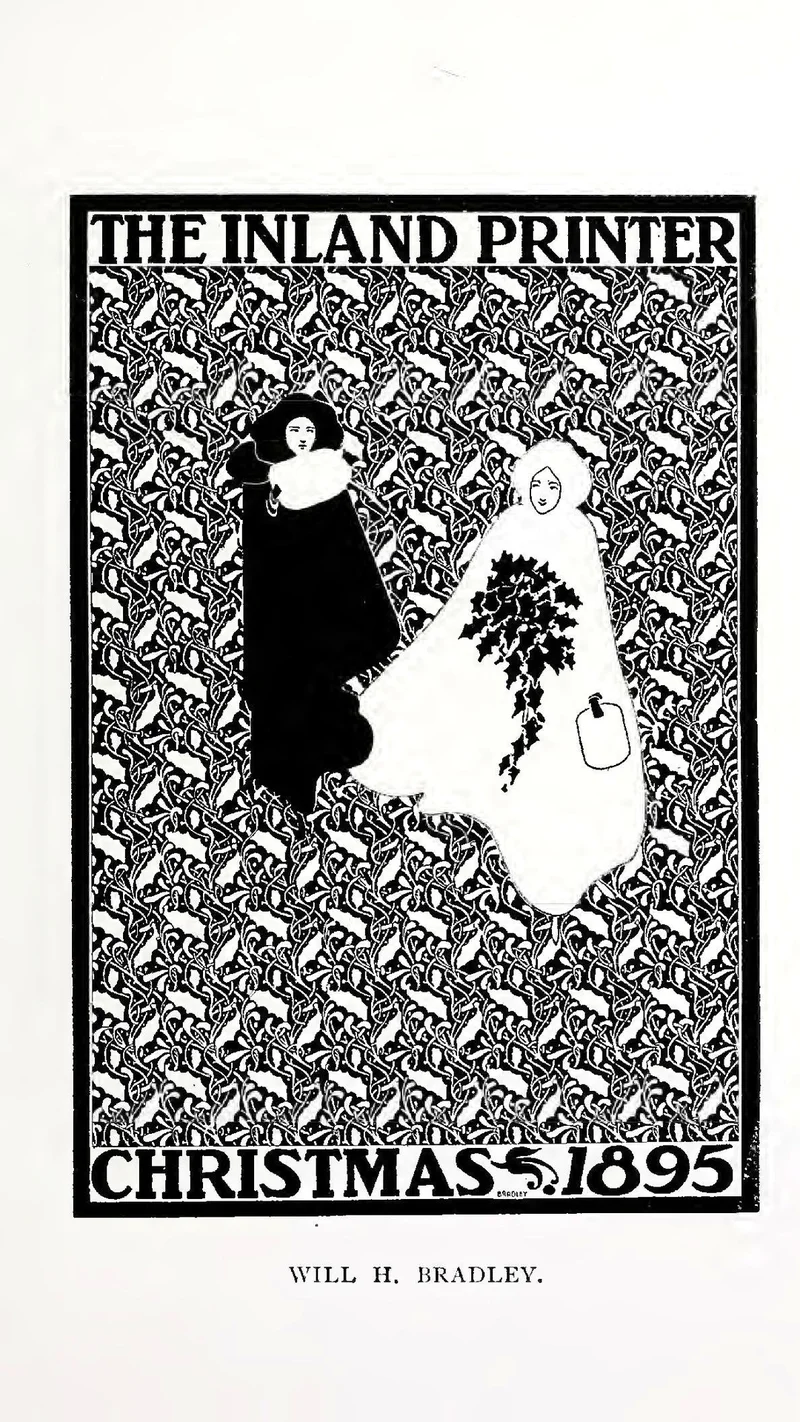
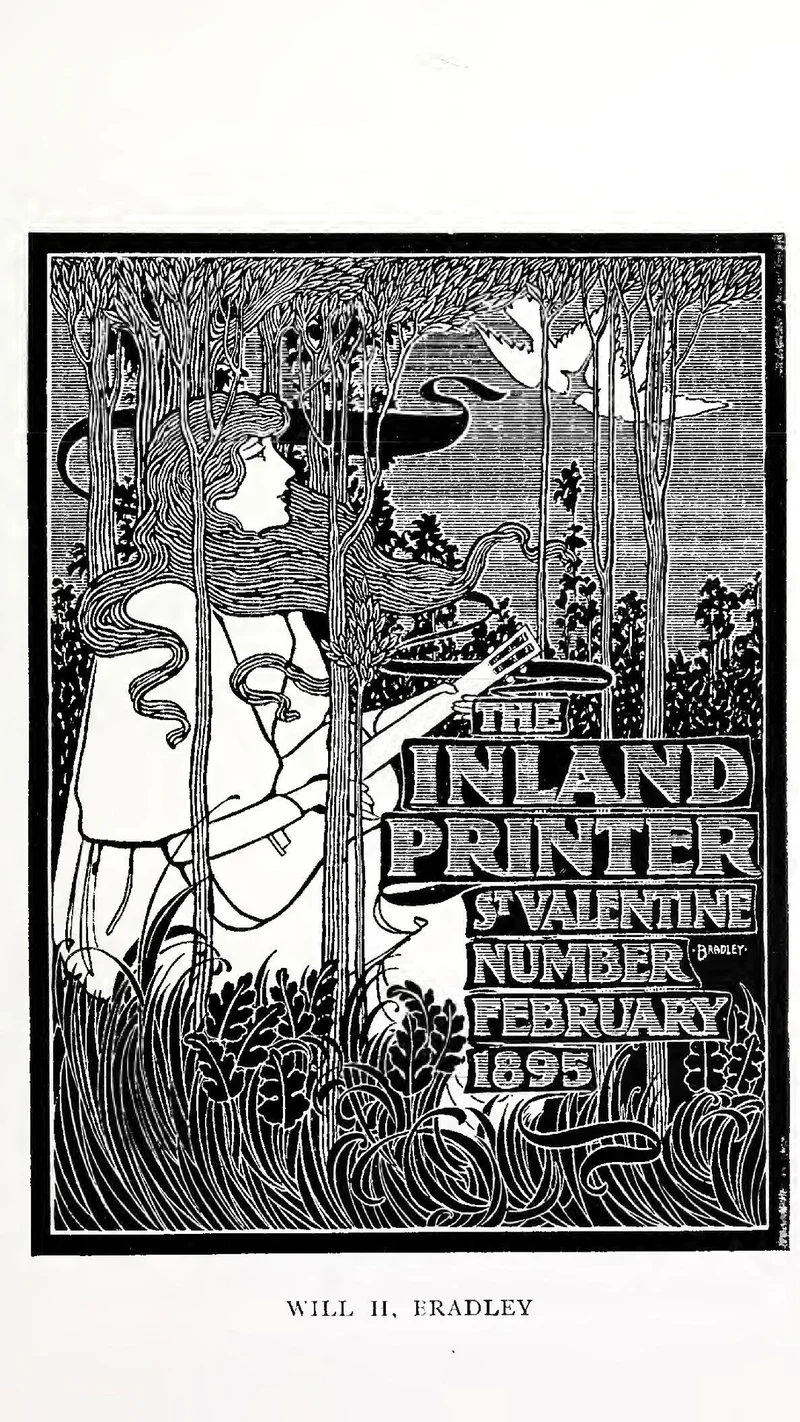
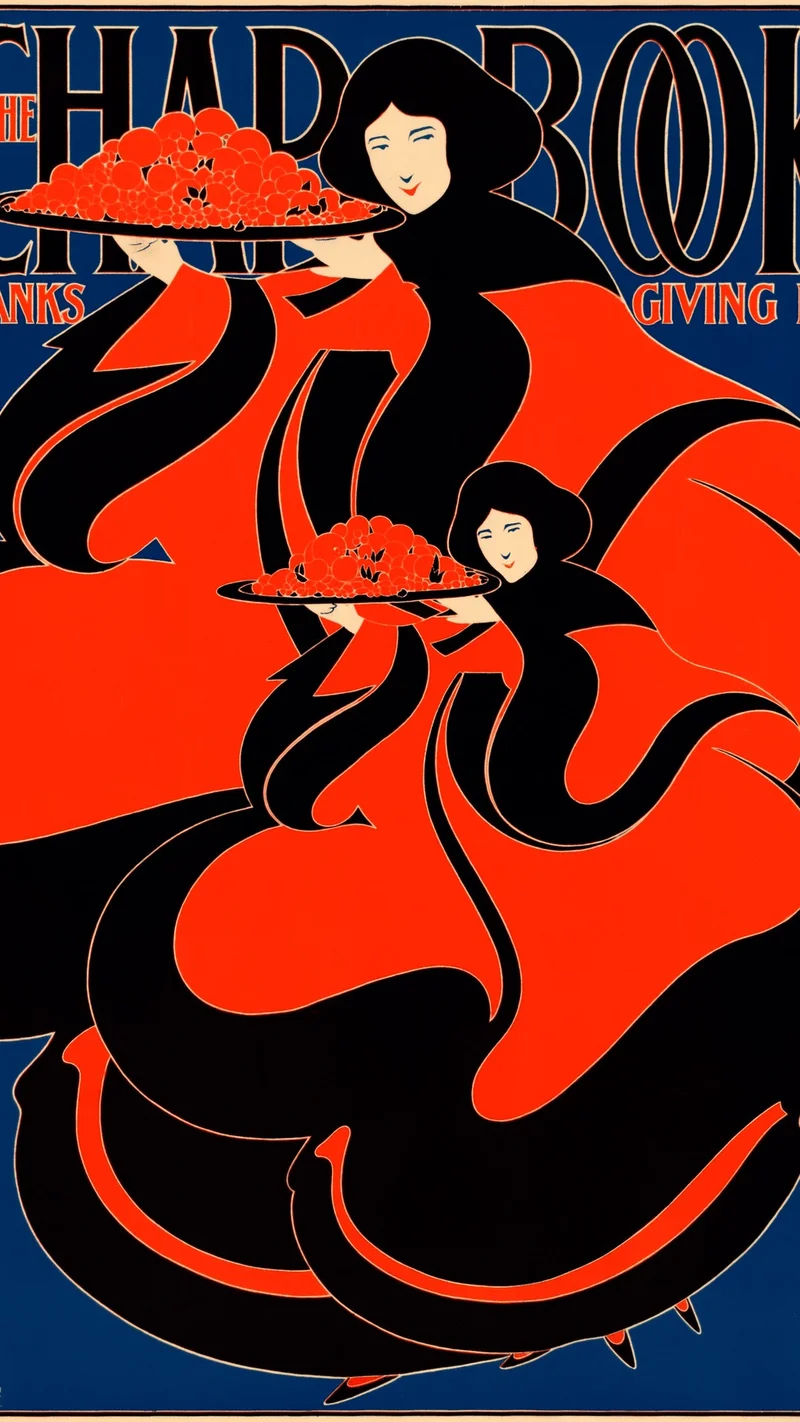
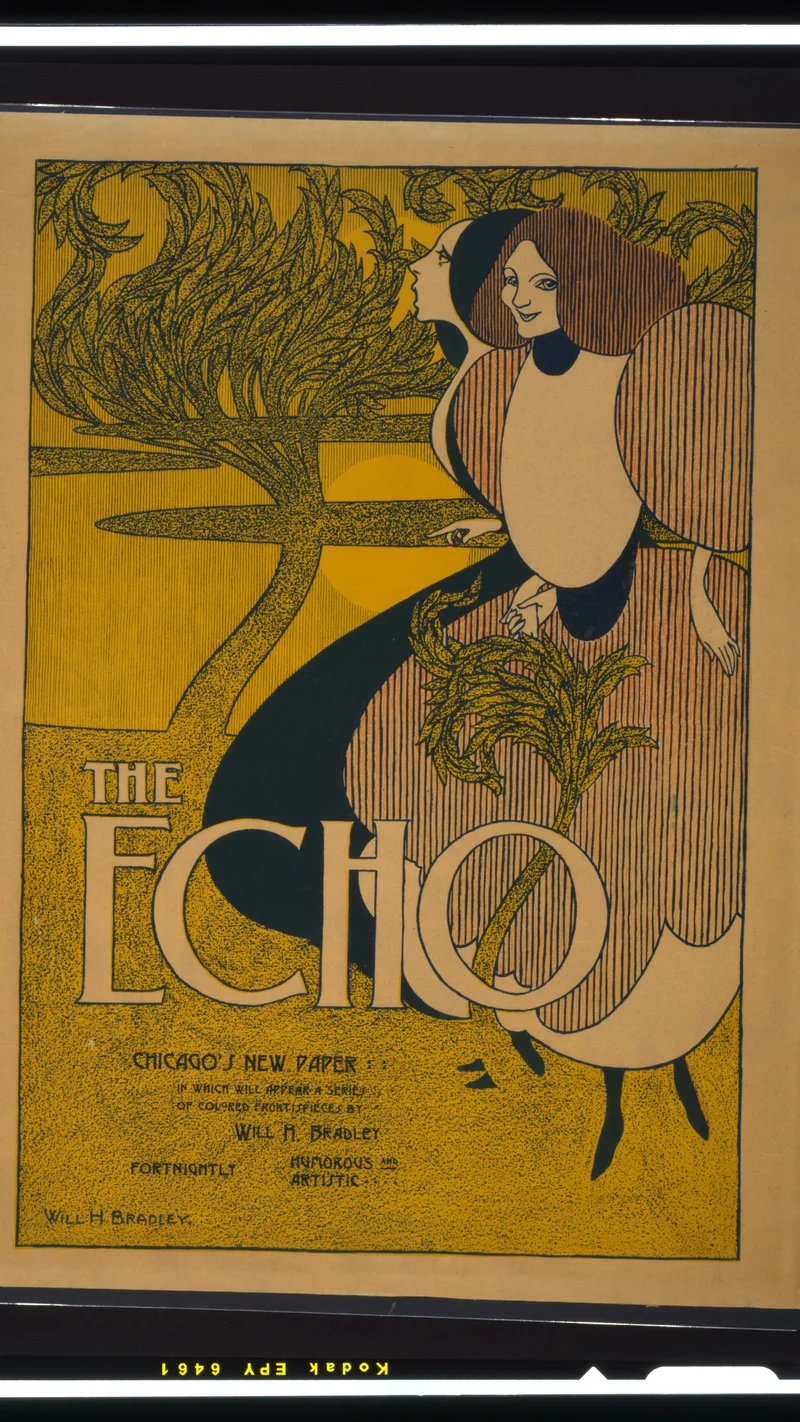
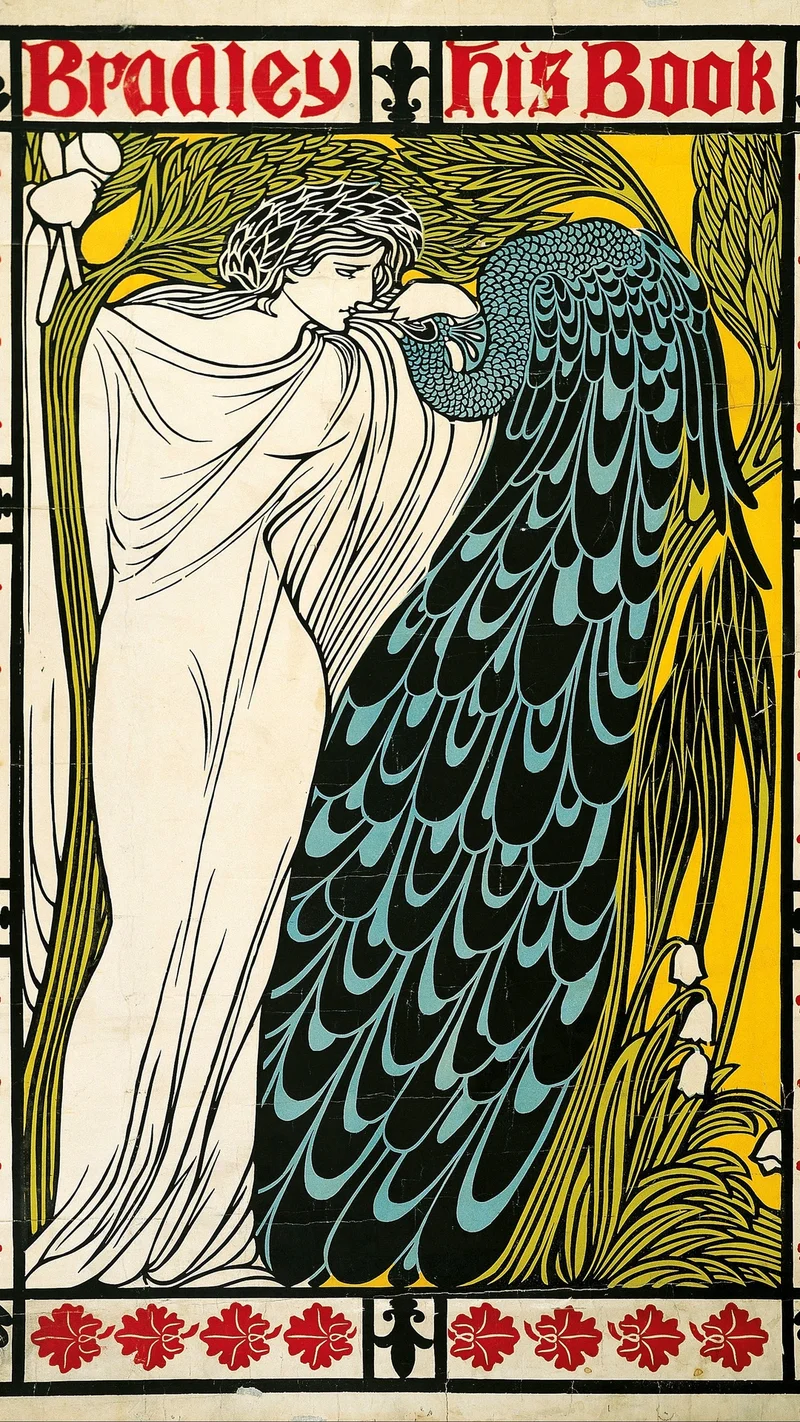
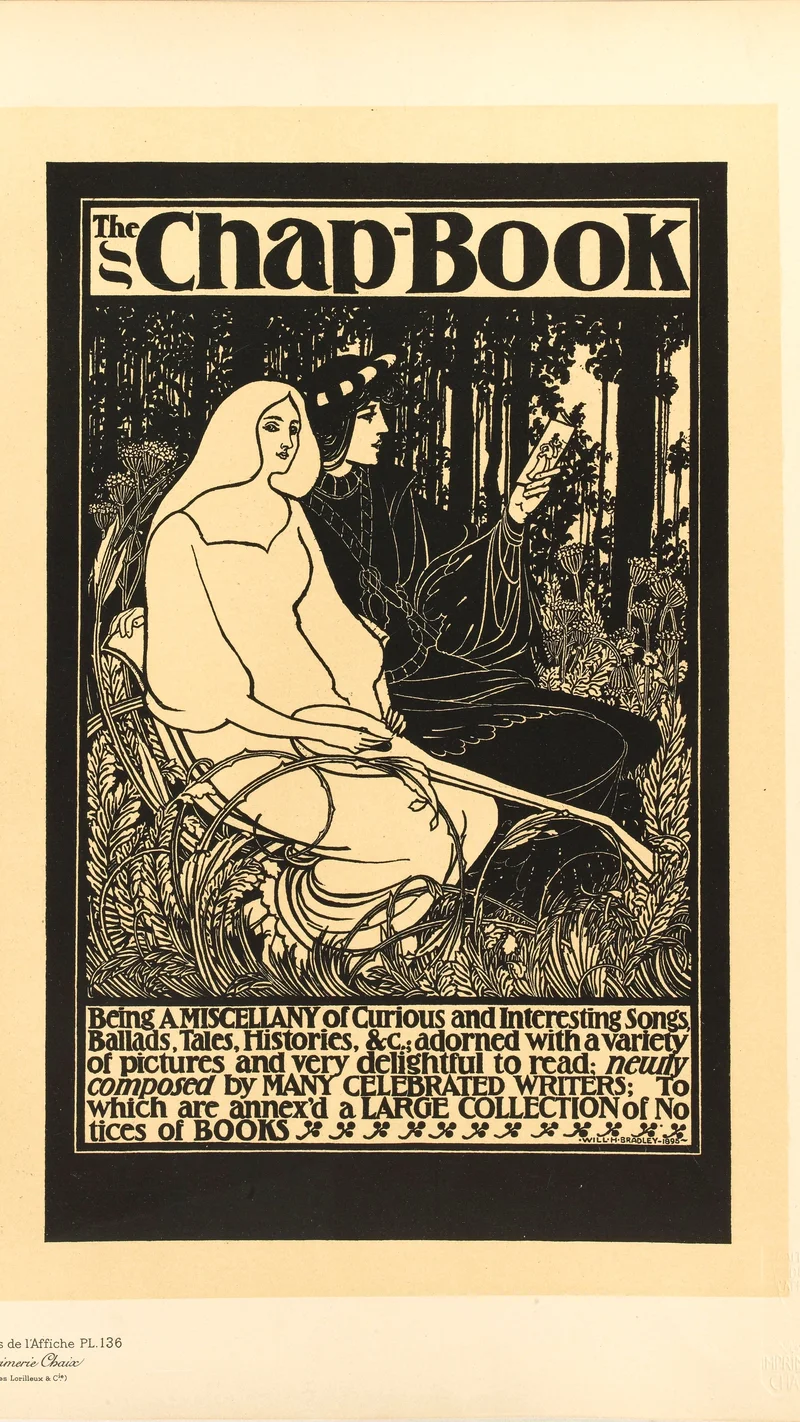
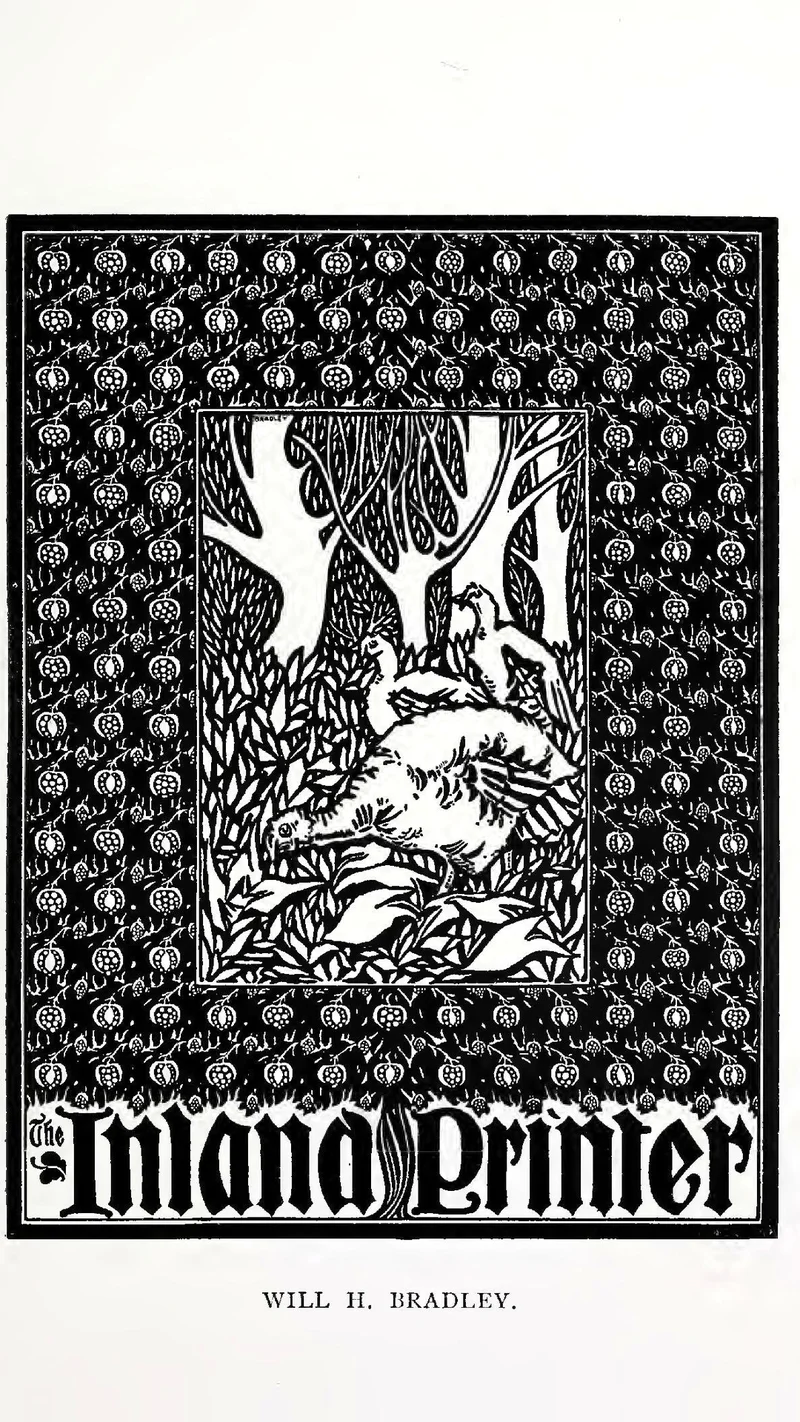
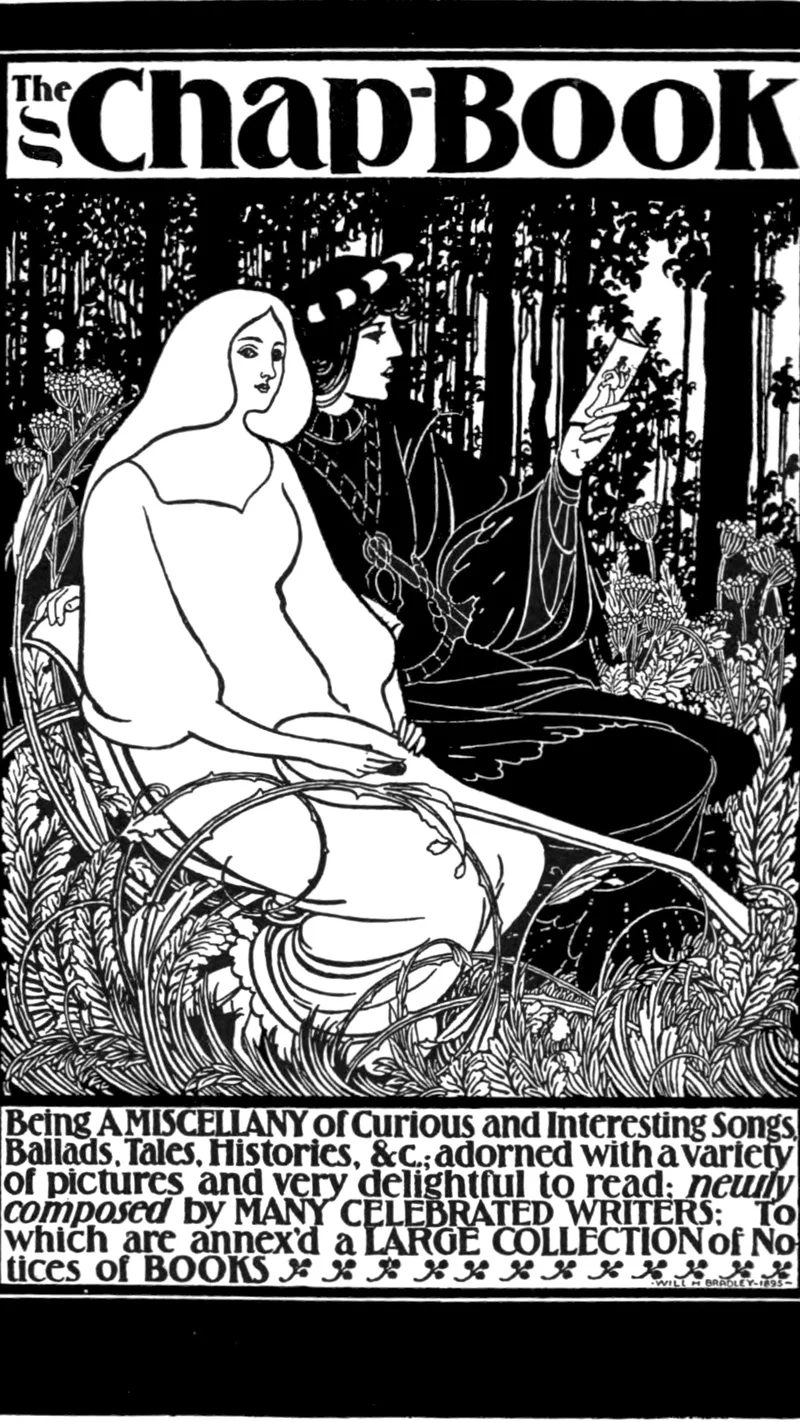
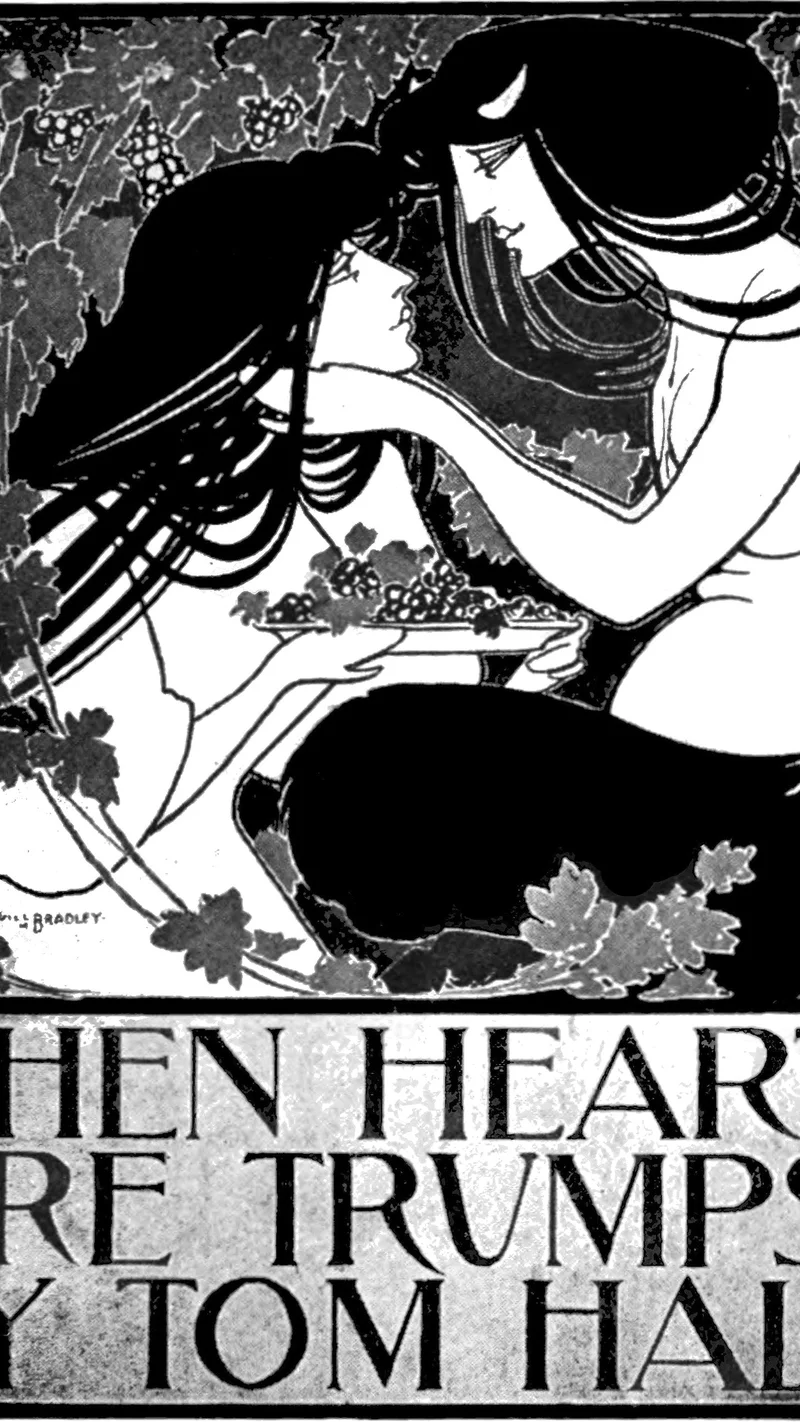
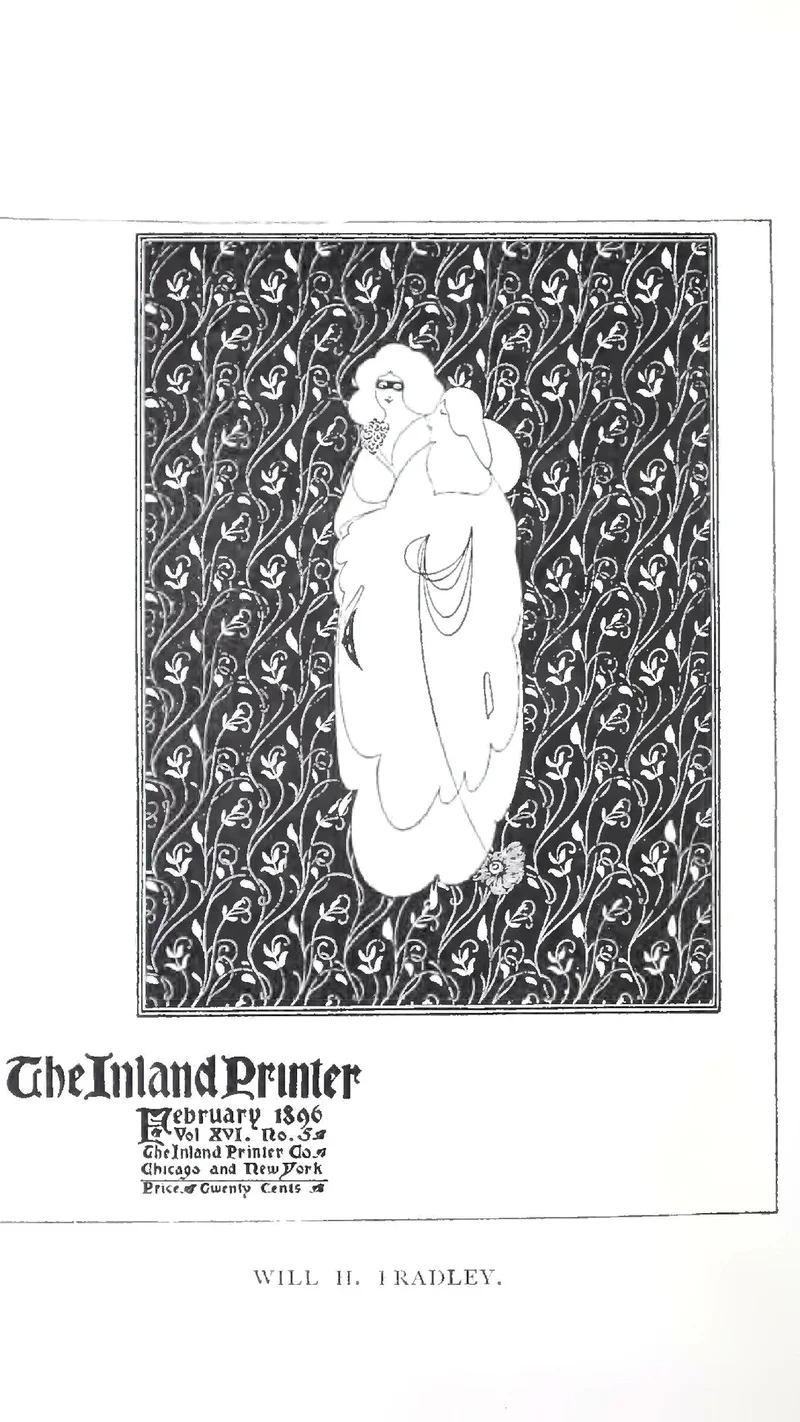
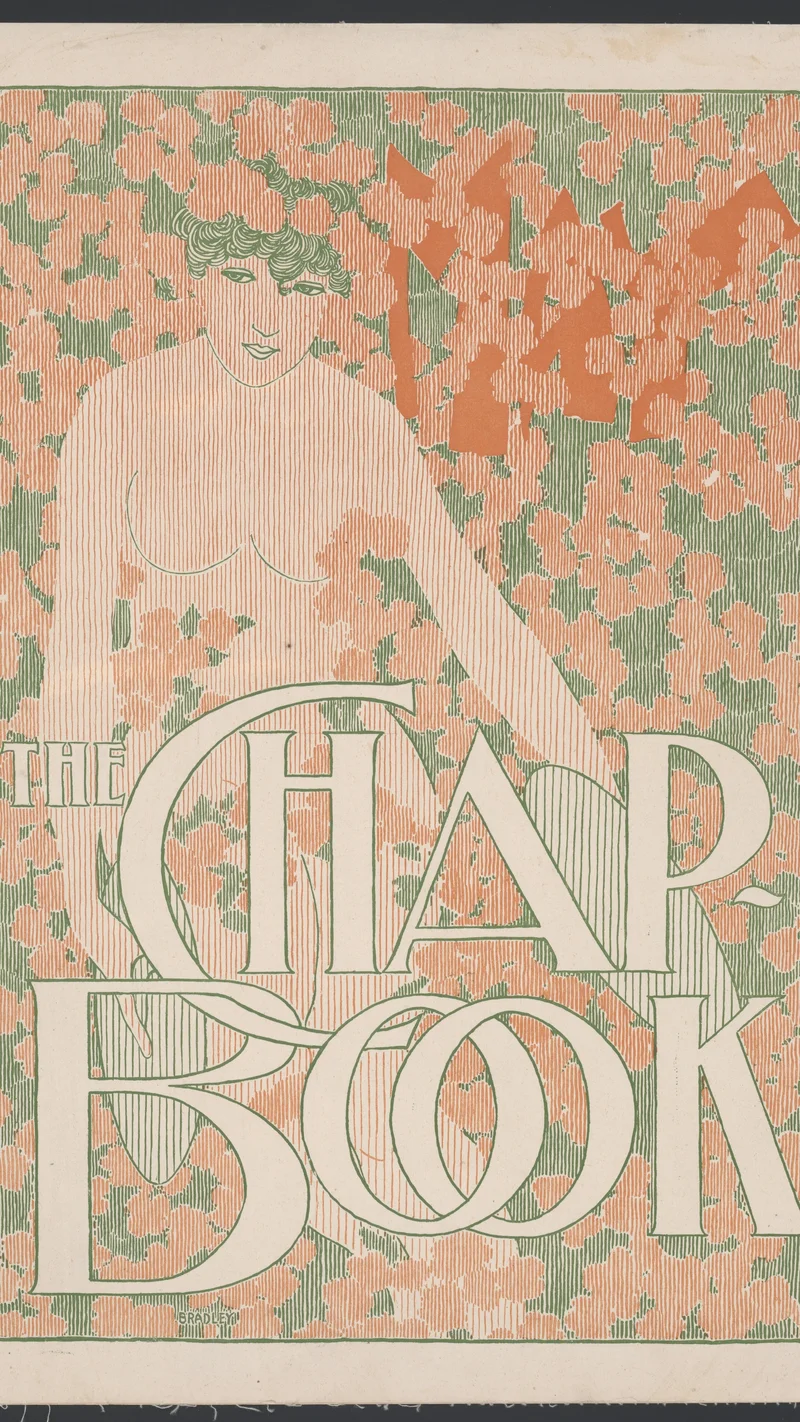
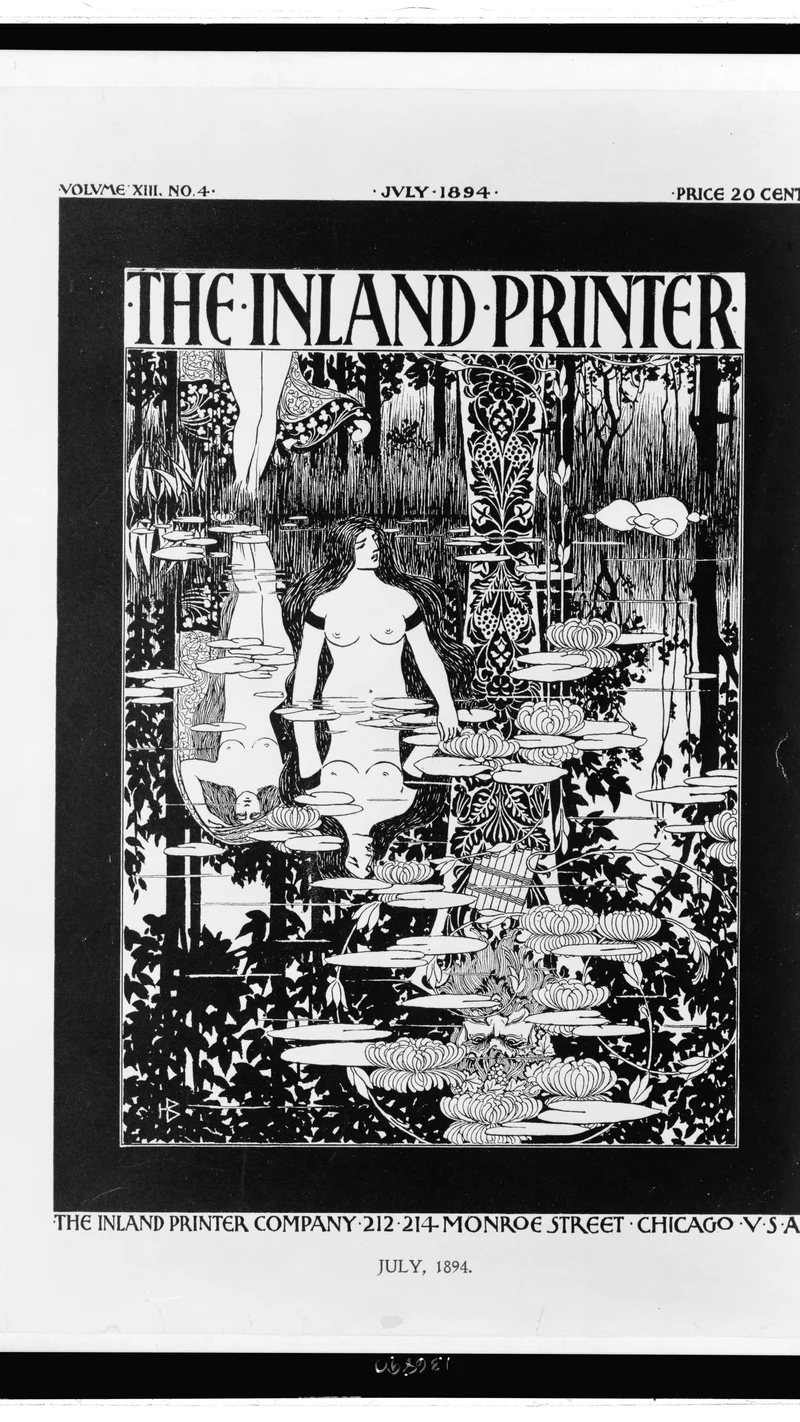
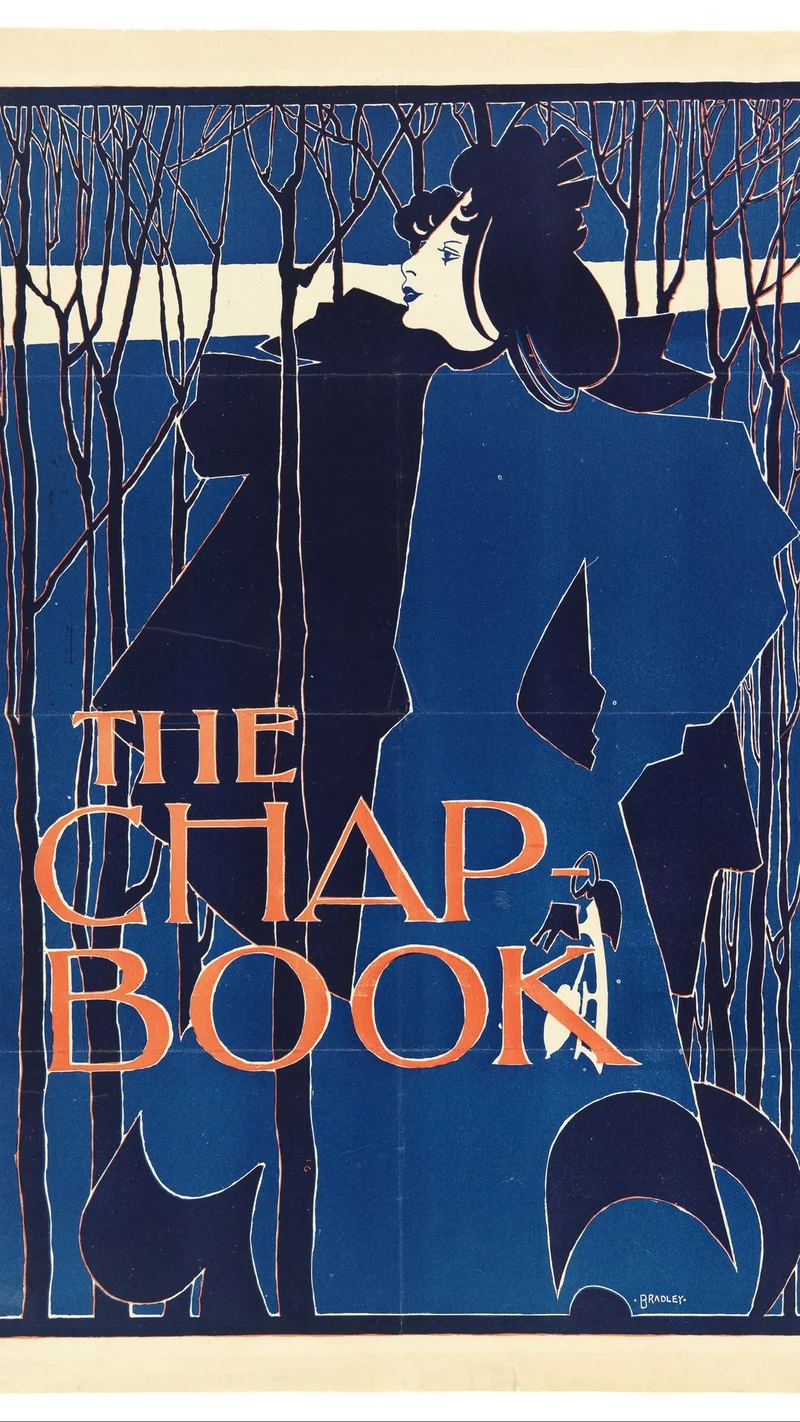
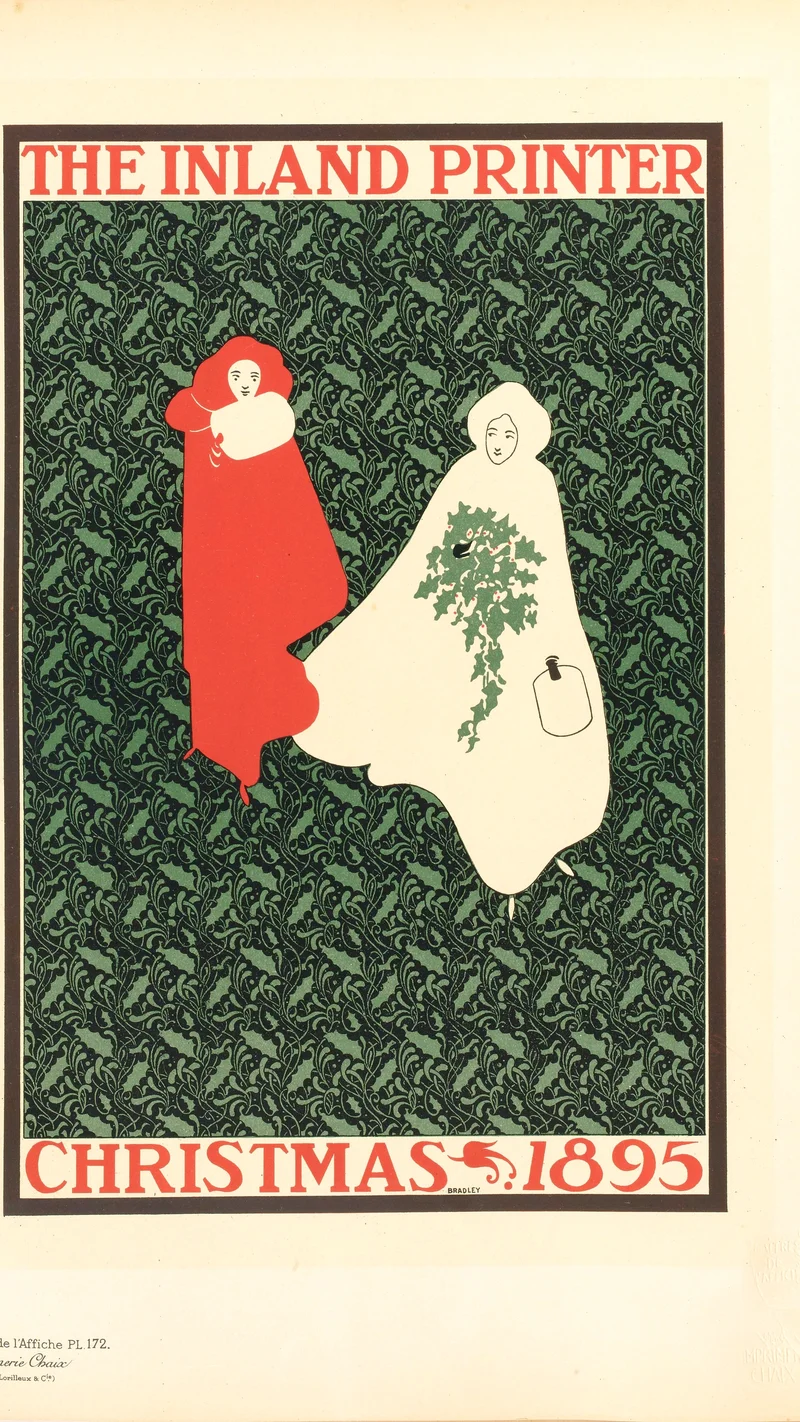
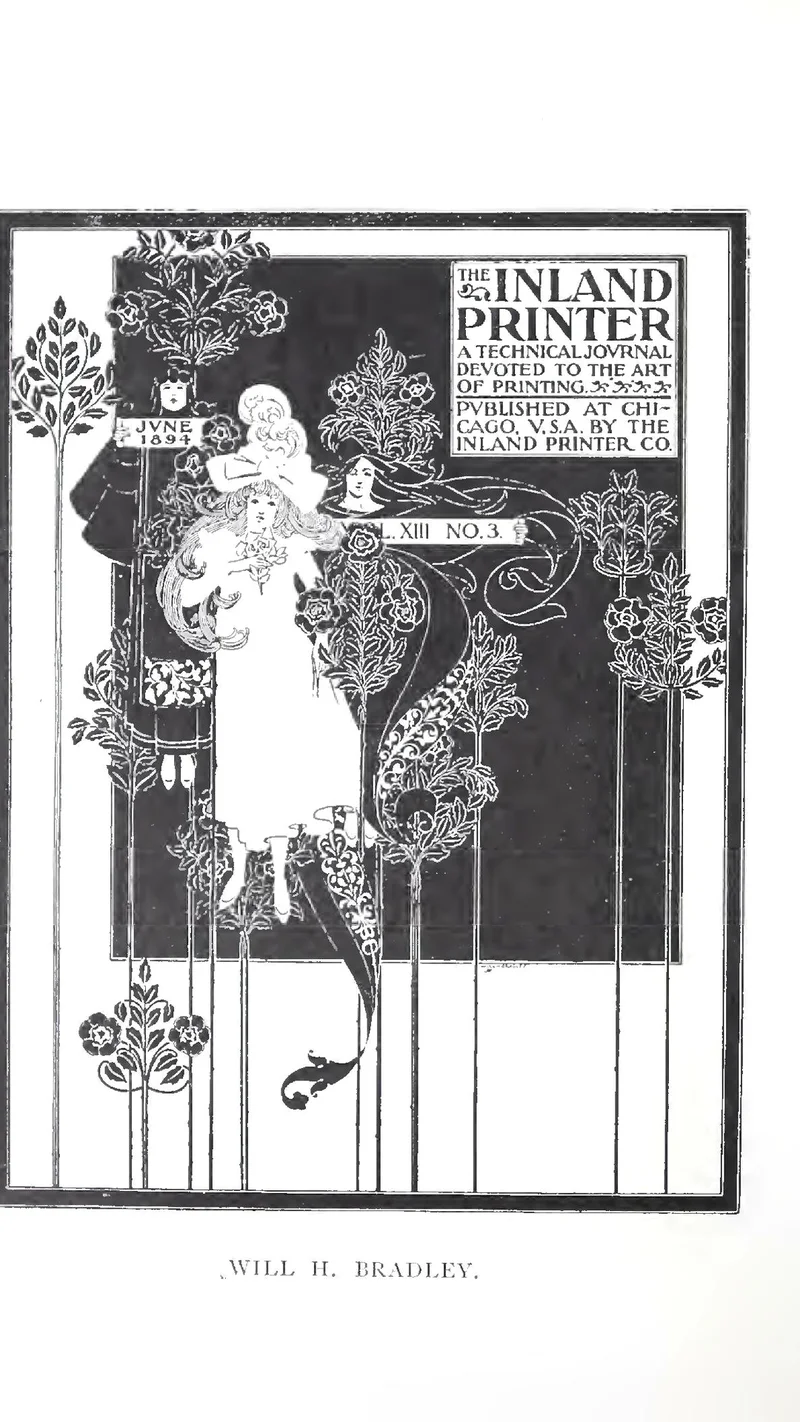
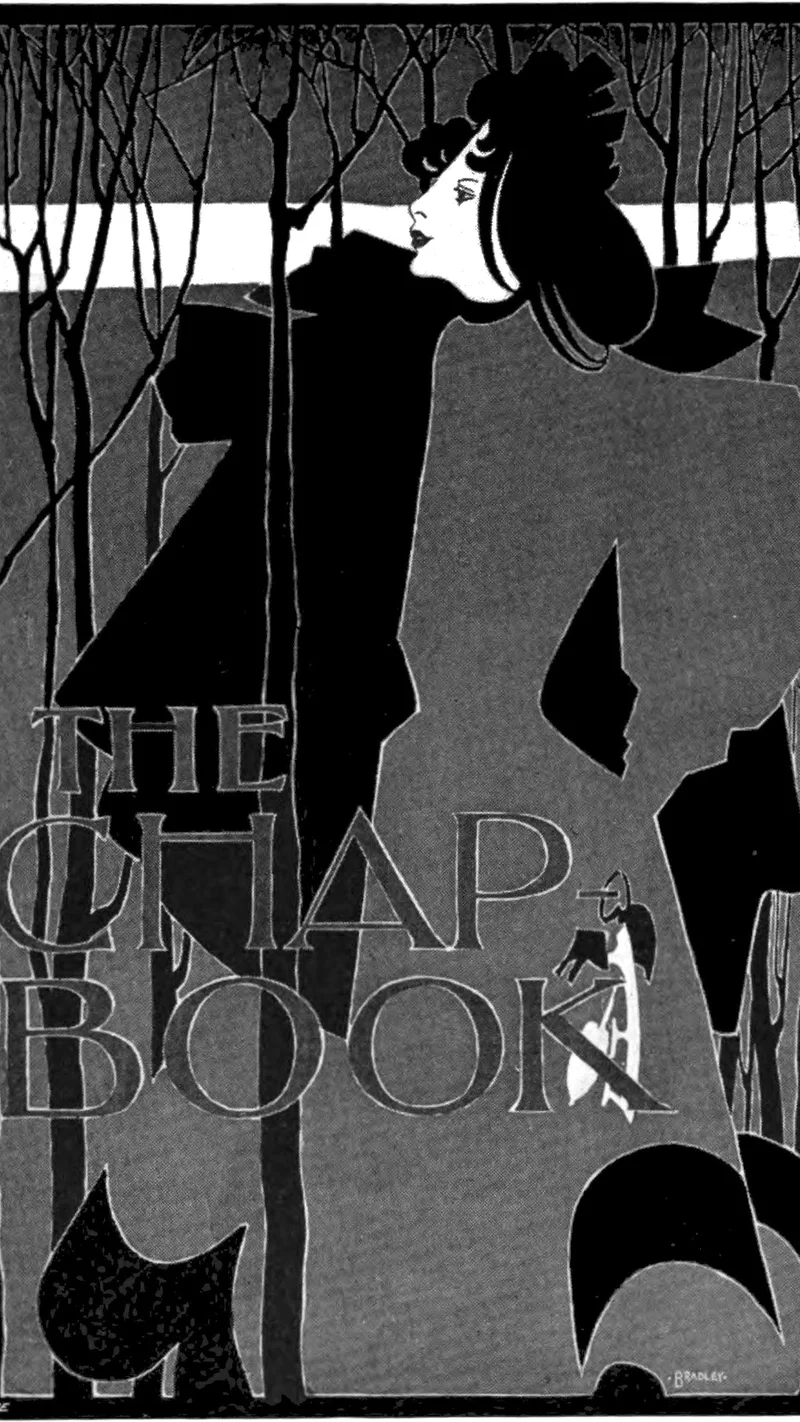
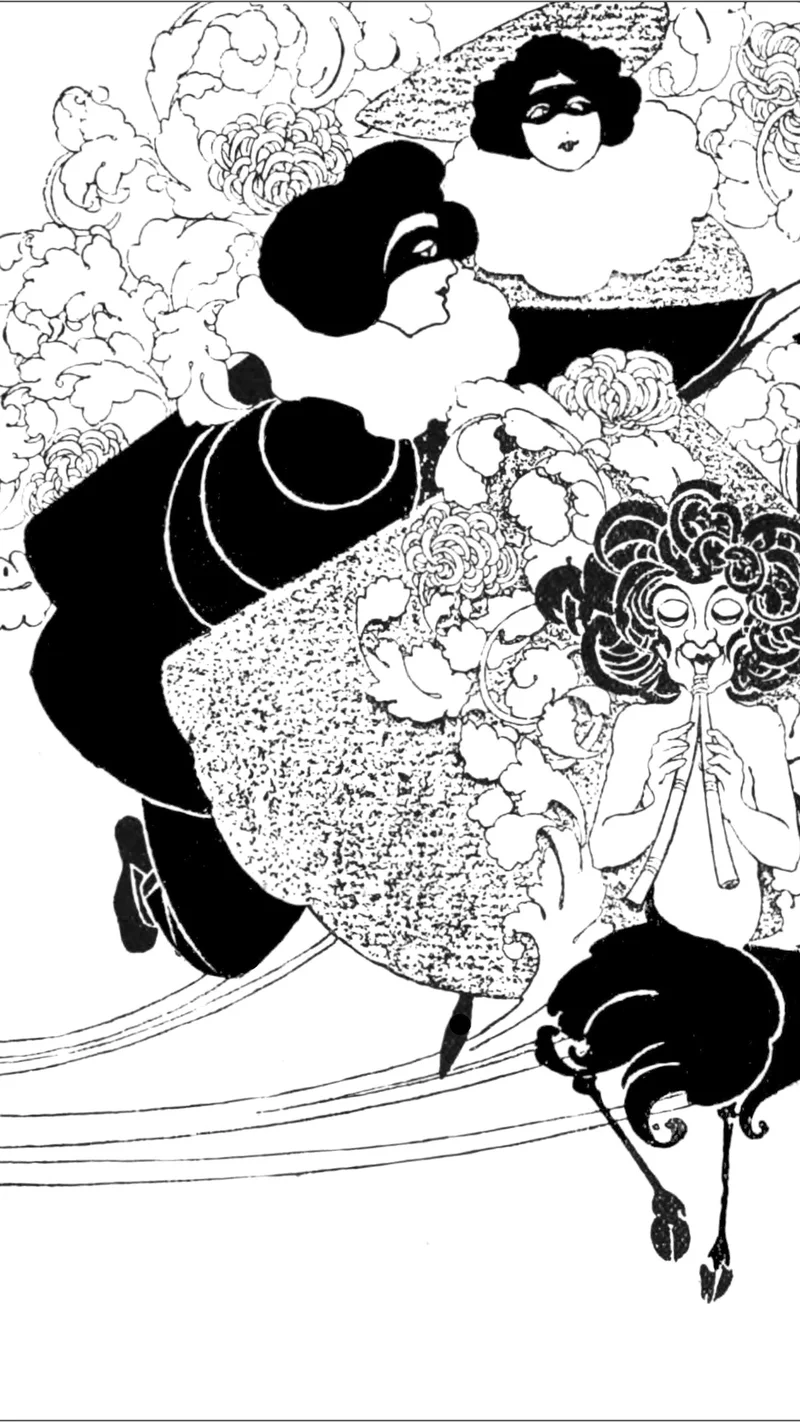
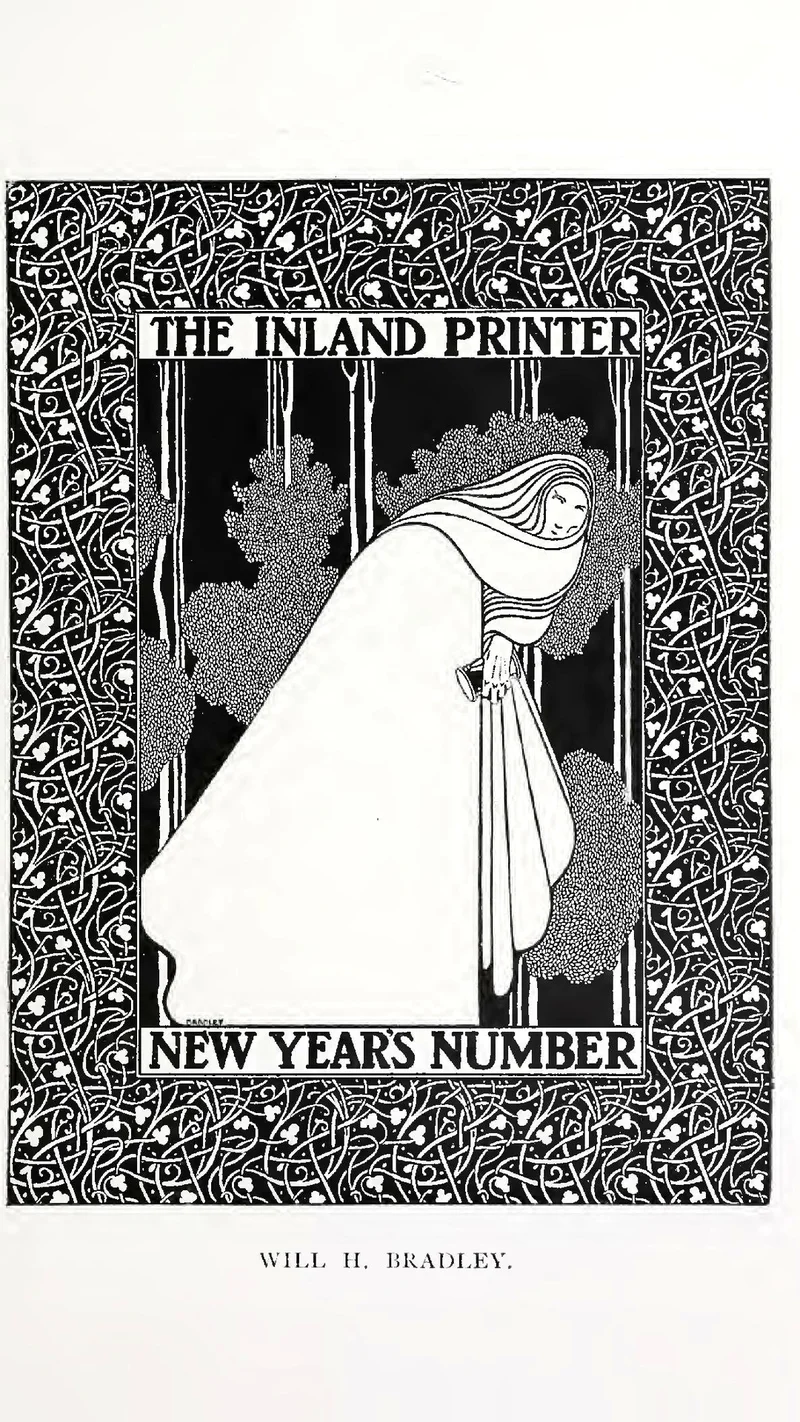
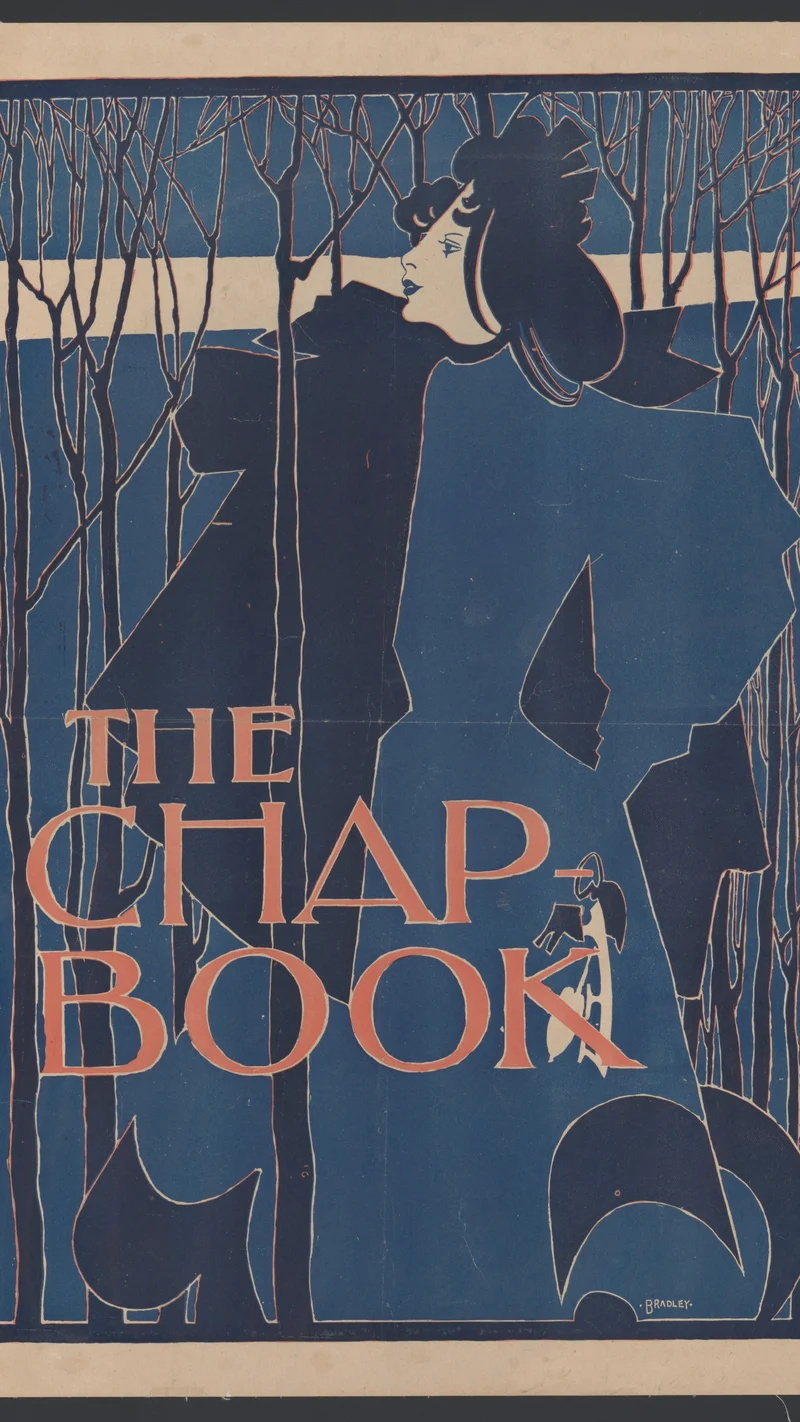
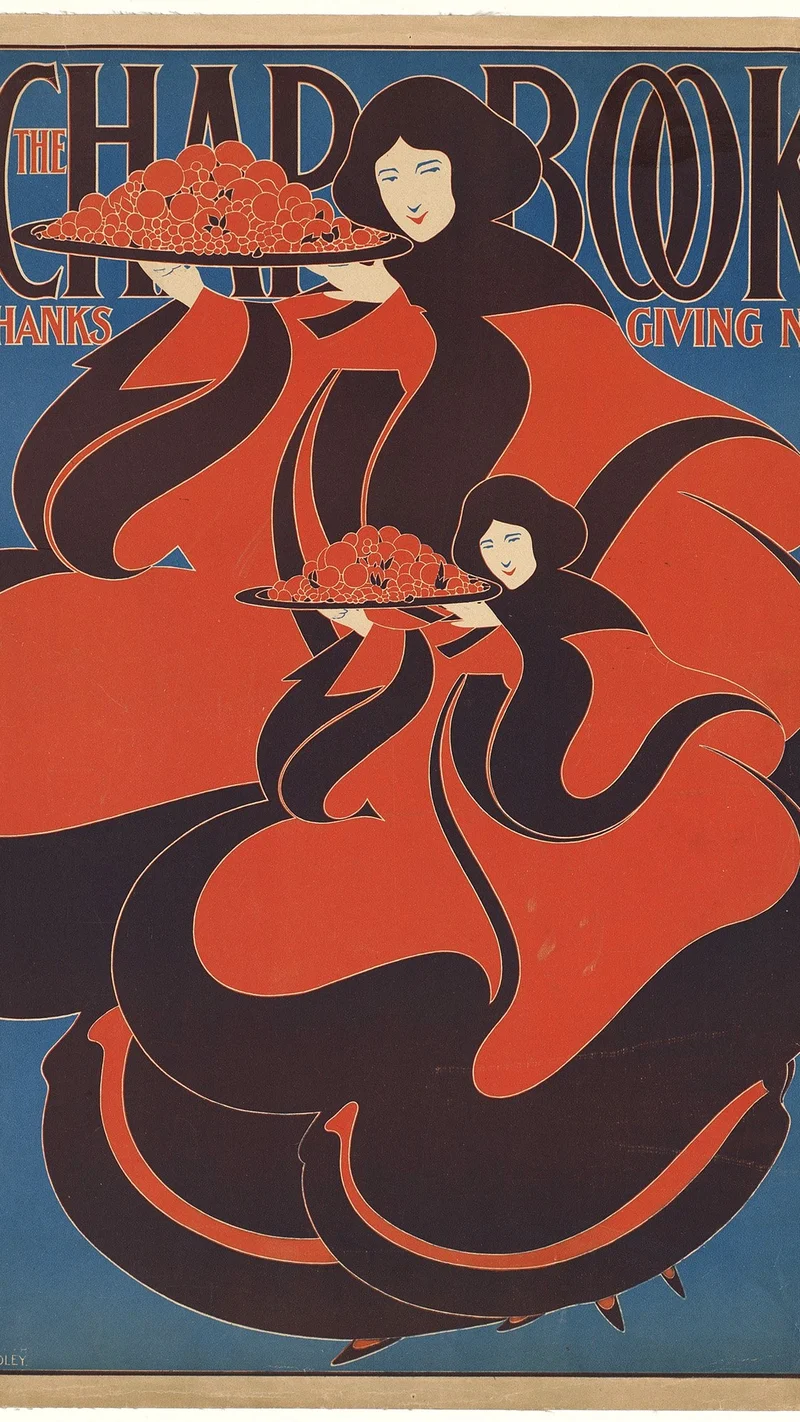
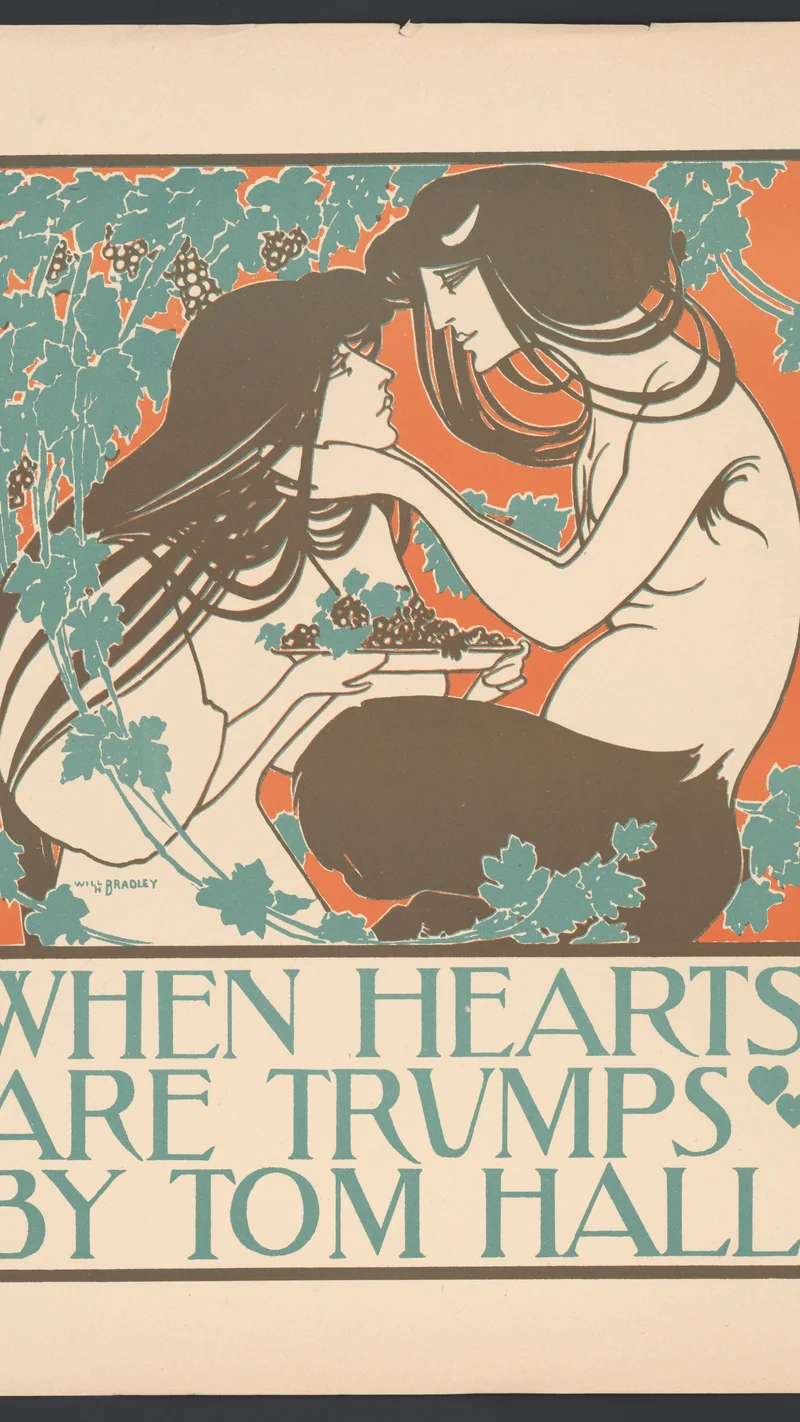
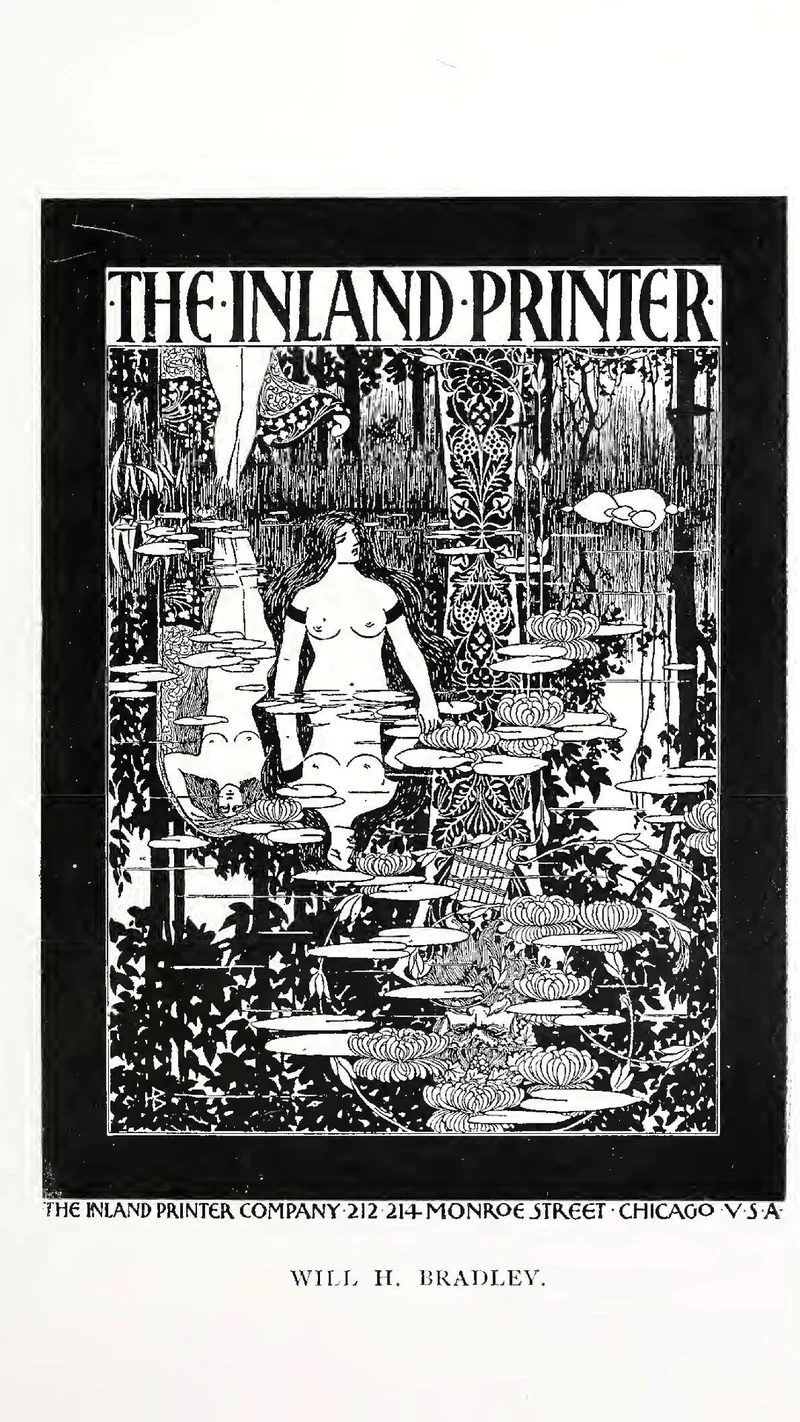
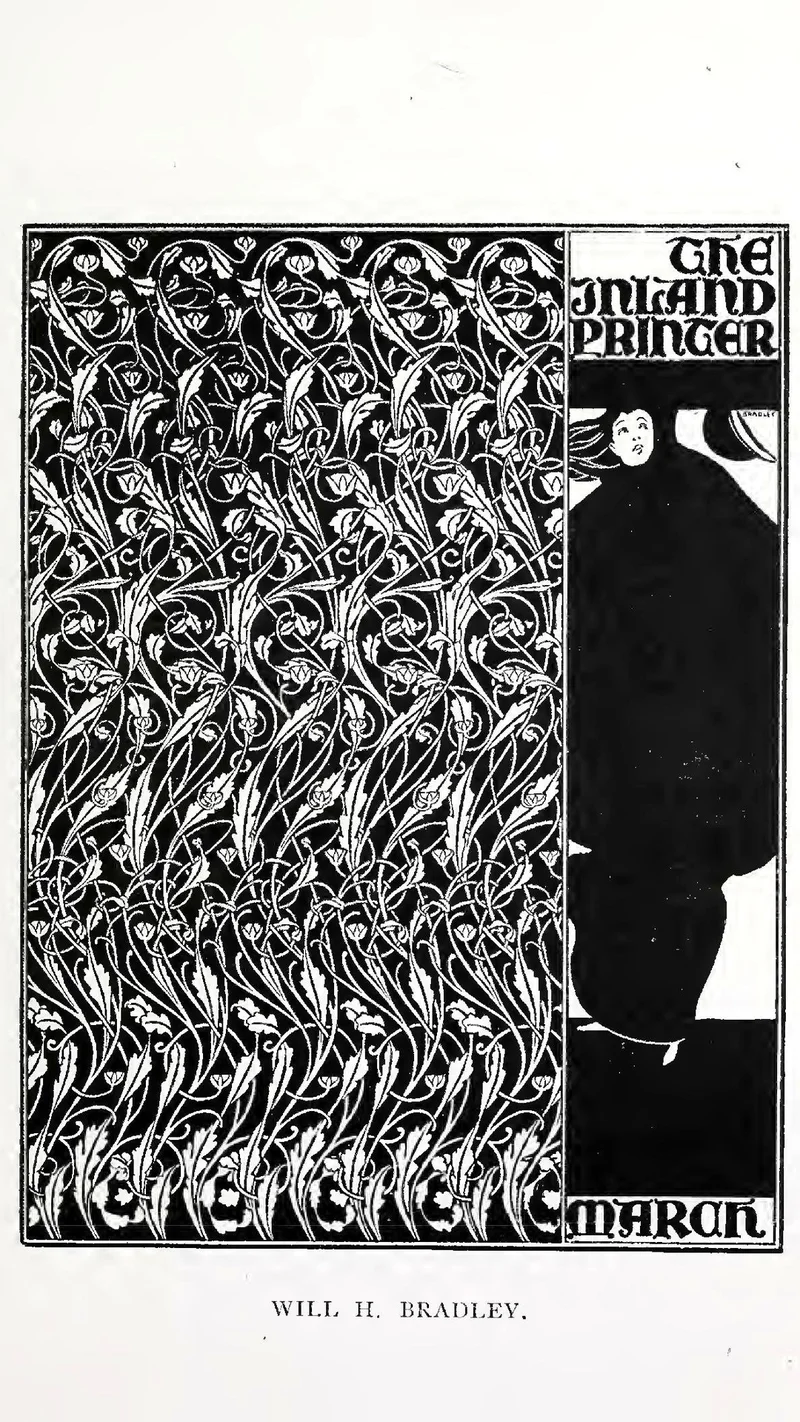
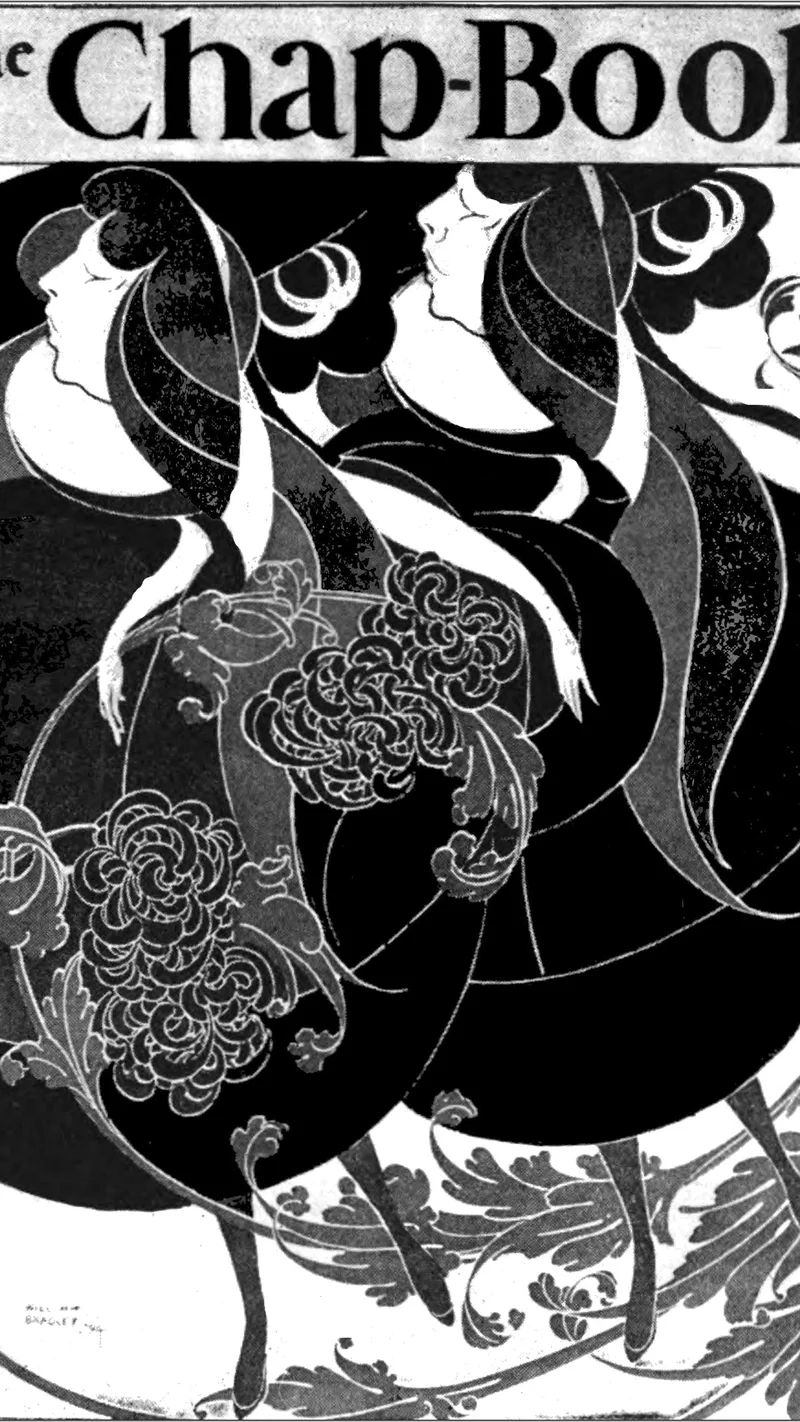
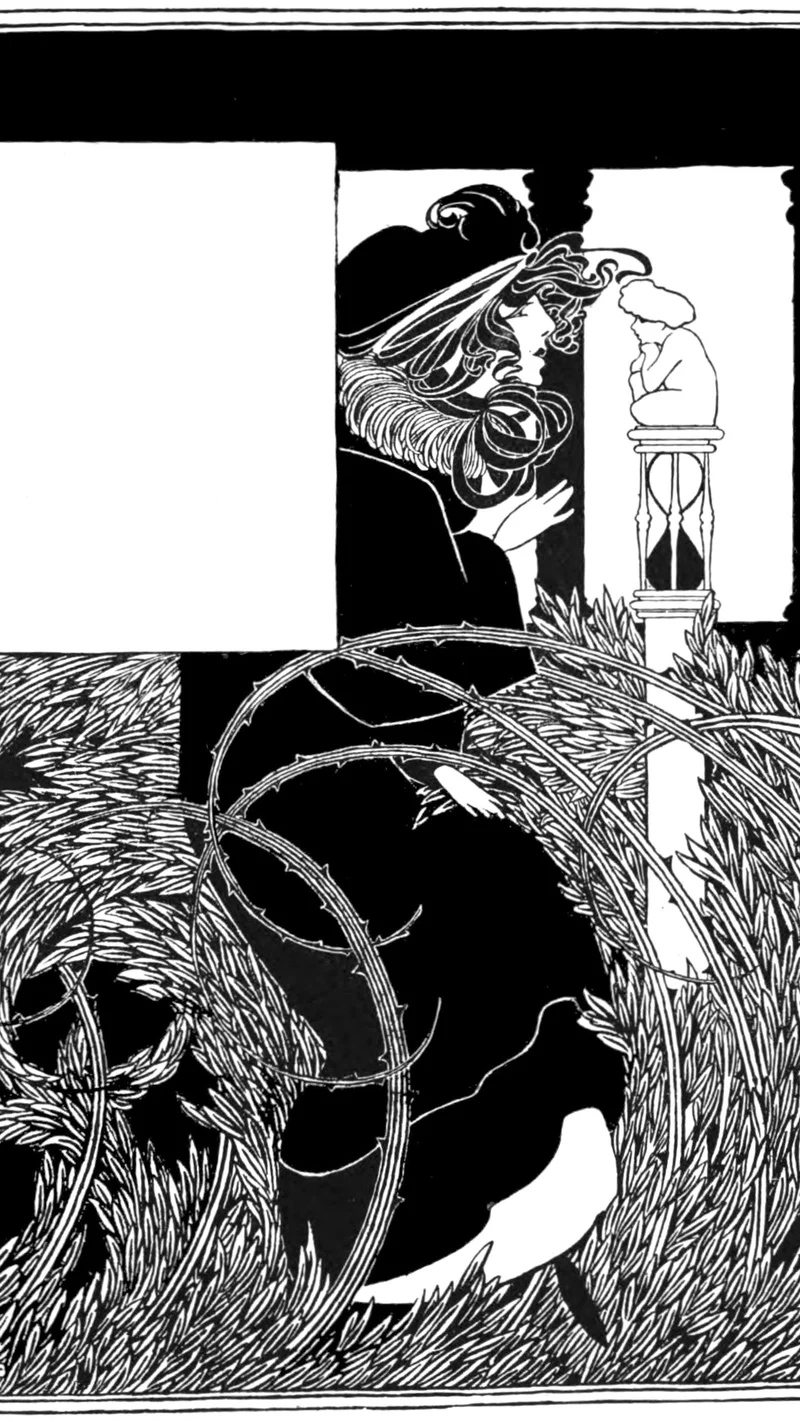
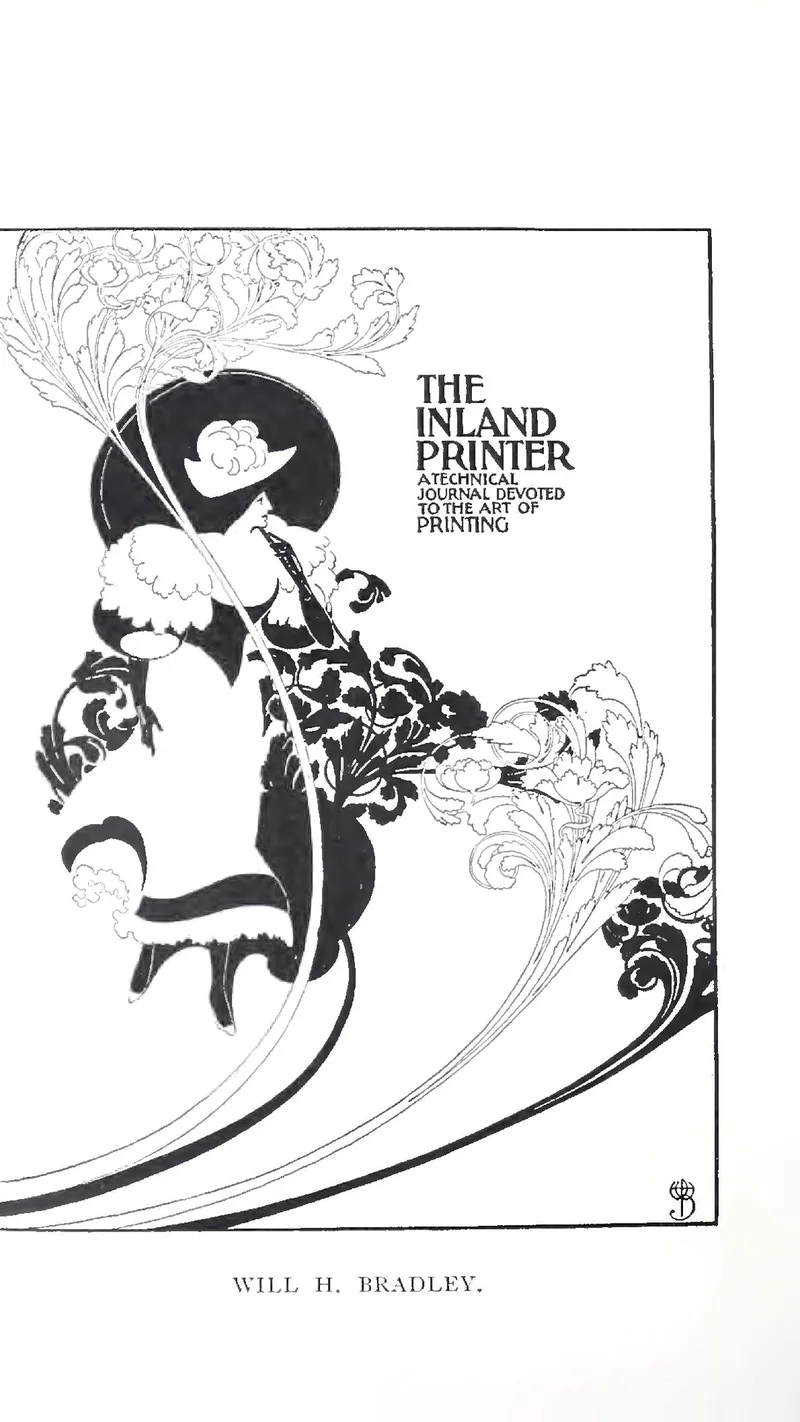
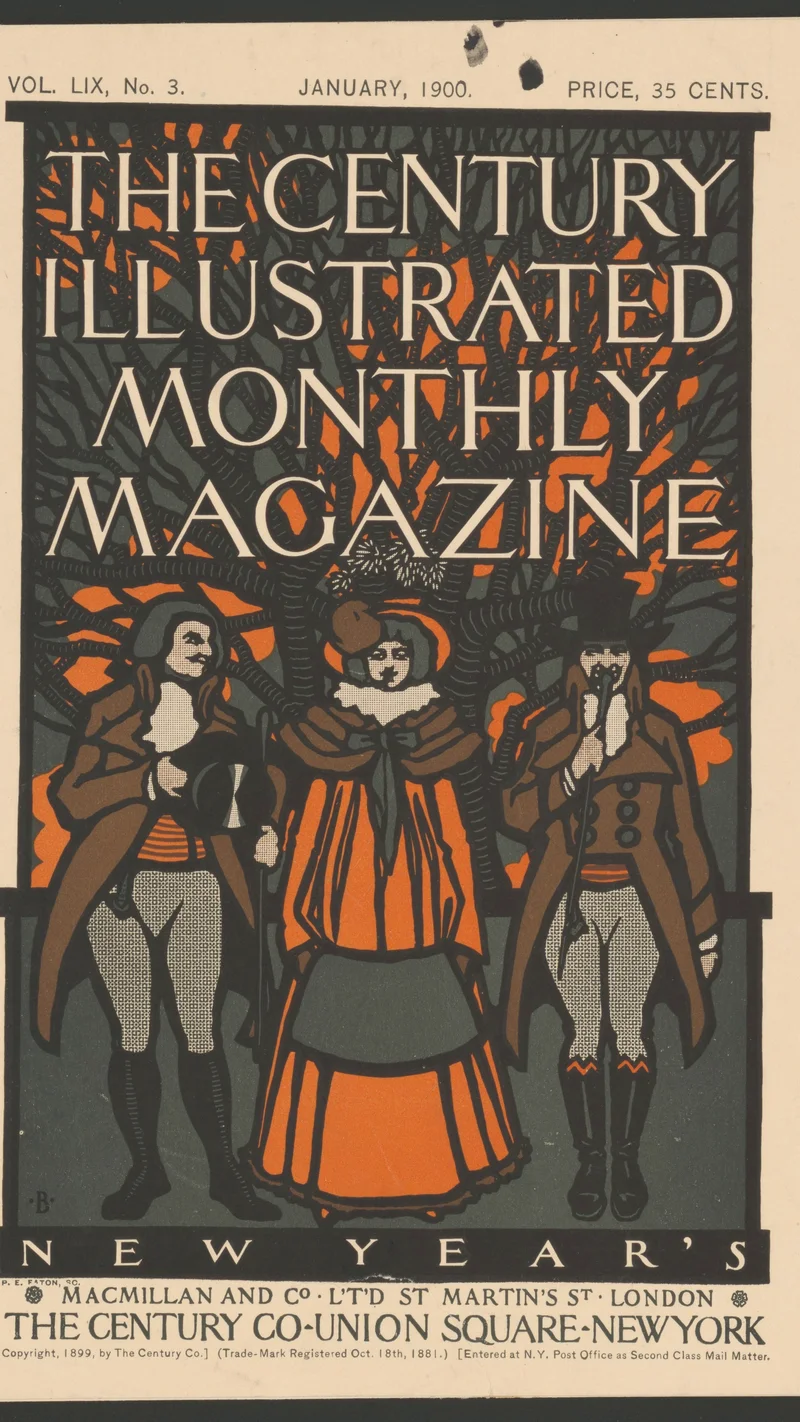
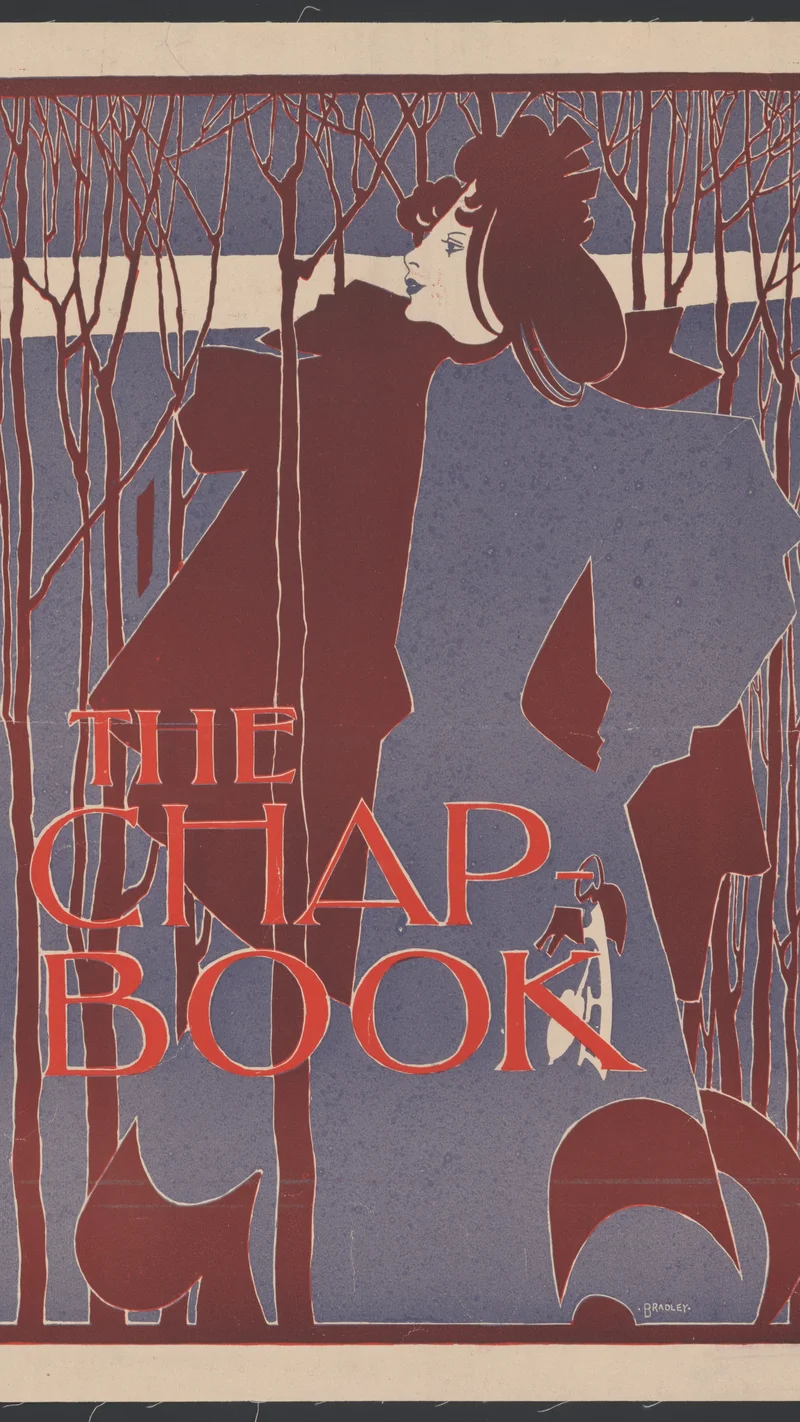
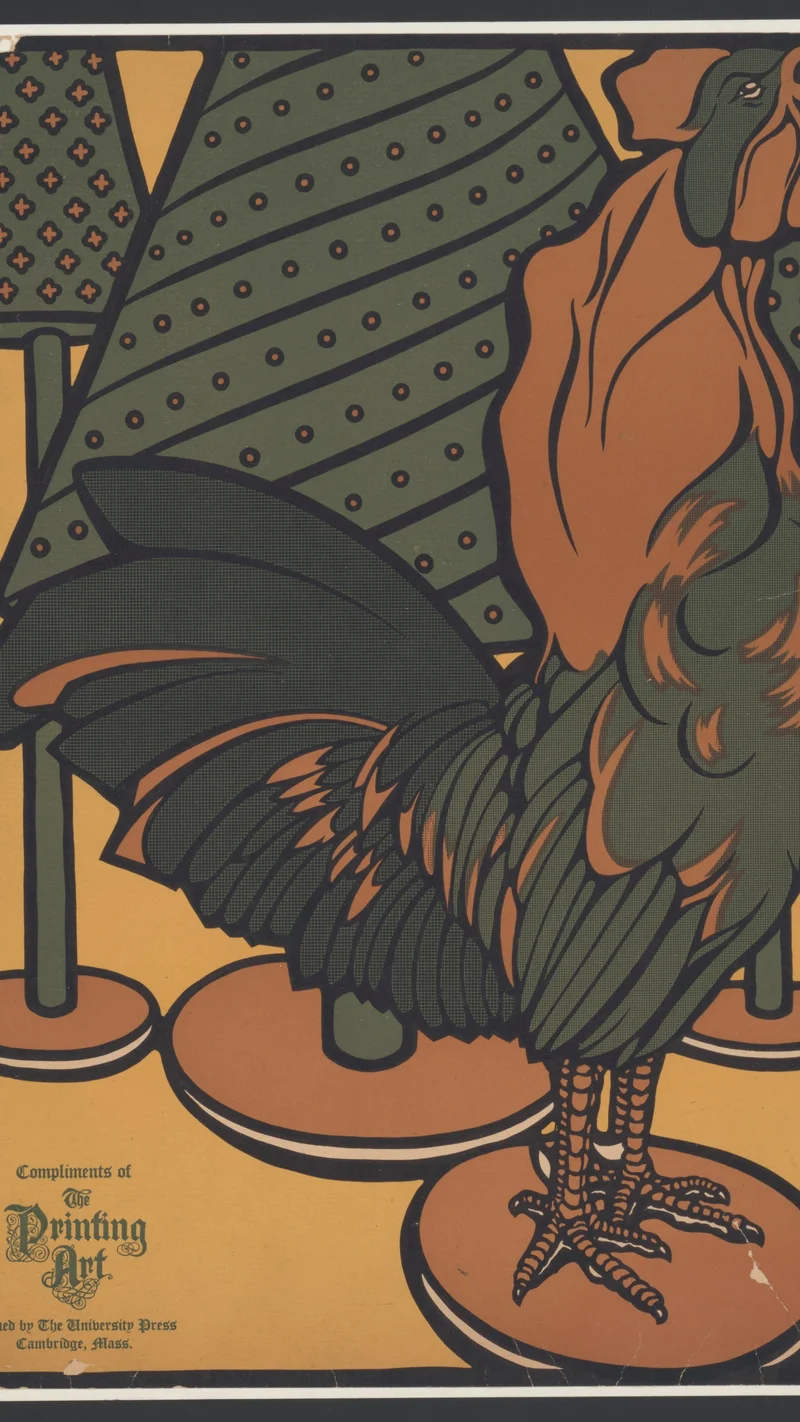
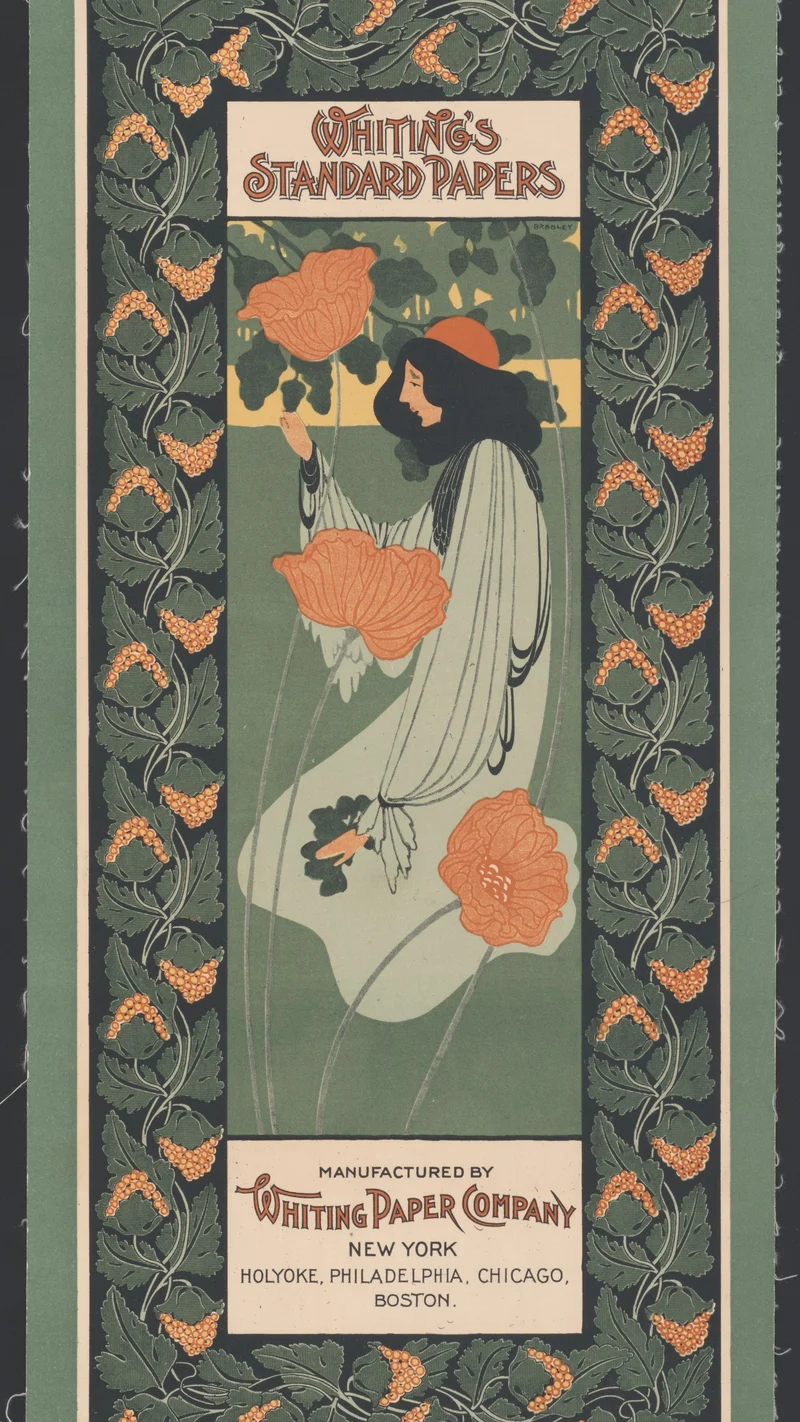
Emerging in the late 19th century as a radical departure from the rigid historicism of the Victorian era, Art Nouveau sought to harmonize fine art with the decorative arts, creating a unified aesthetic language inspired by the fluid lines of the natural world. This movement, characterized by organic, asymmetrical curves and stylized floral motifs, functioned as a philosophical reaction against the dehumanizing effects of industrialization. By elevating the status of graphic design and illustration, artists such as Will Bradley and Ethel Reed challenged the traditional boundaries between high and low culture, emphasizing a synthesis of form and function that echoed through the European avant-garde and its American counterparts.
The Synthesis of Graphic Design and Symbolism
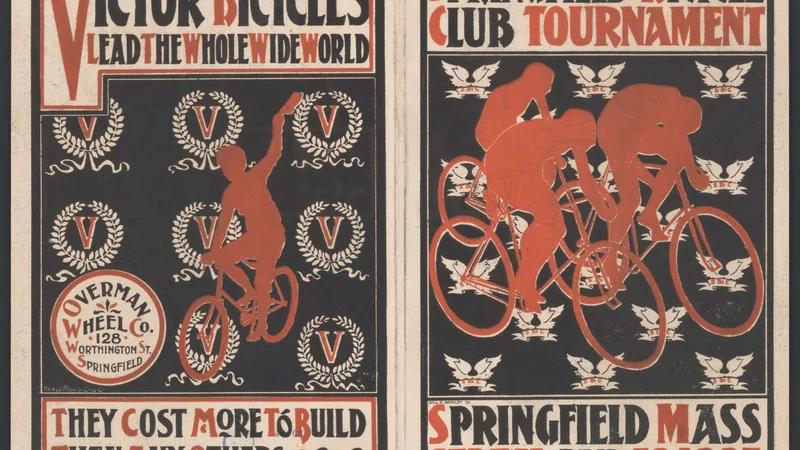
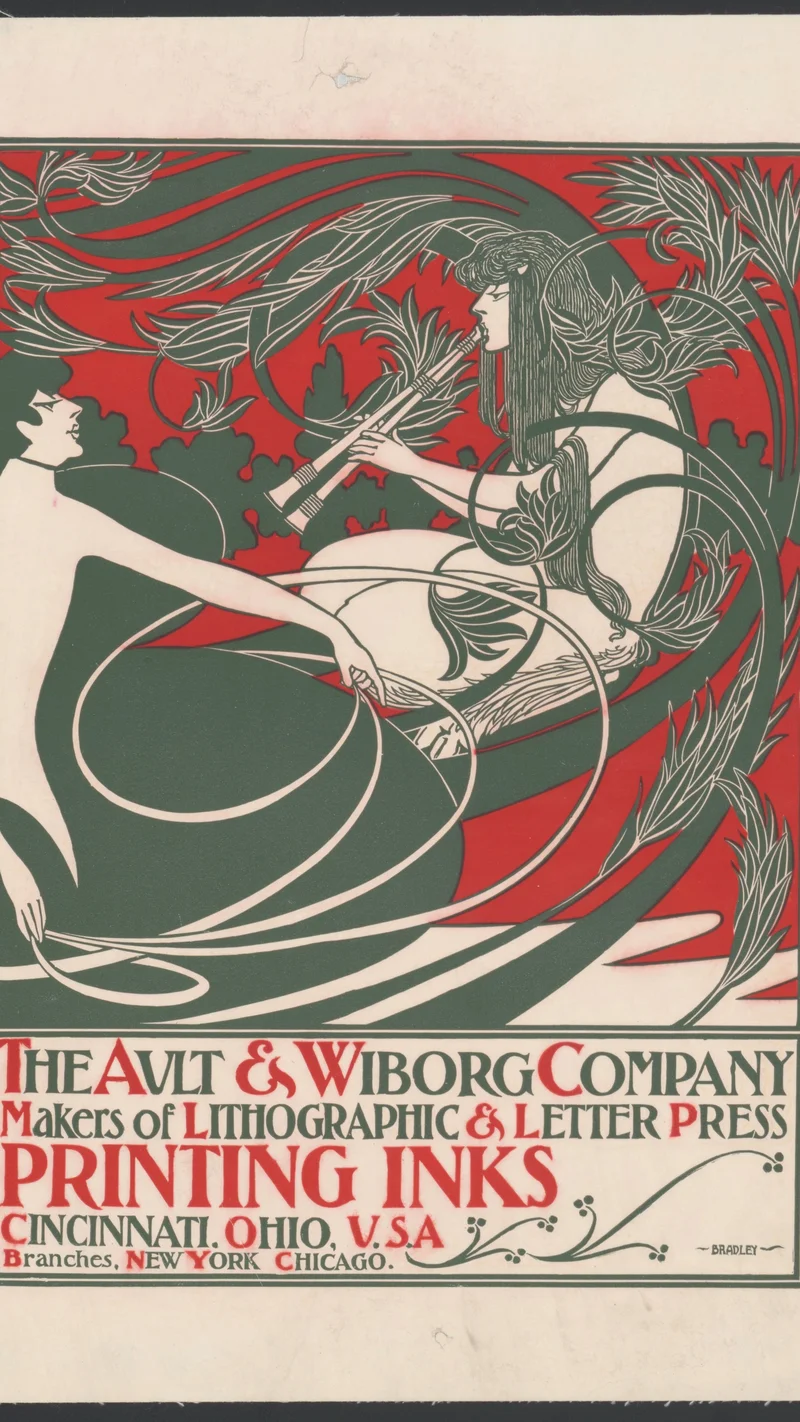
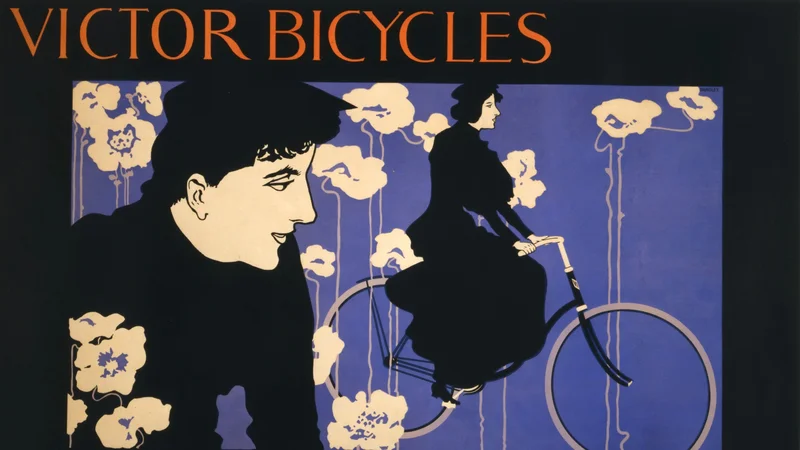
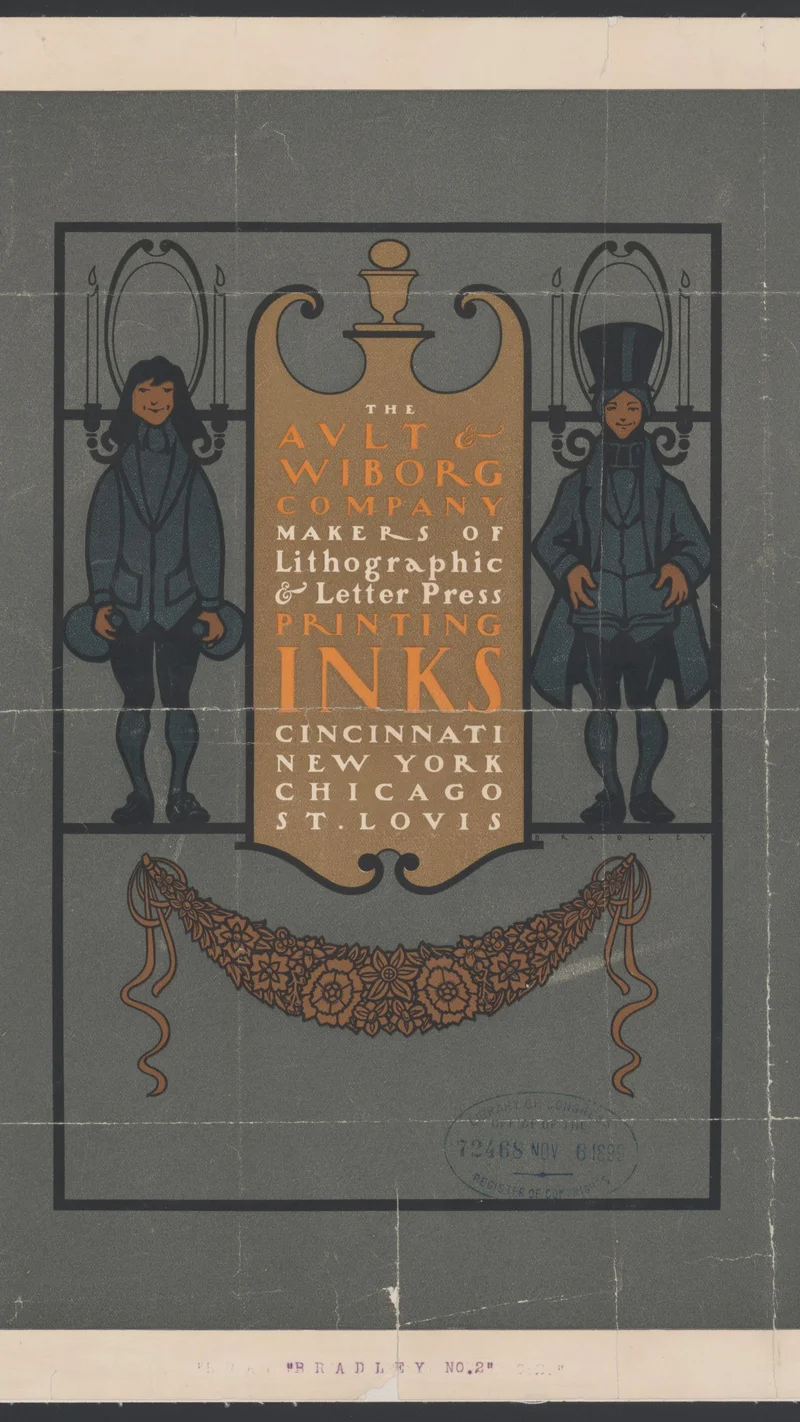
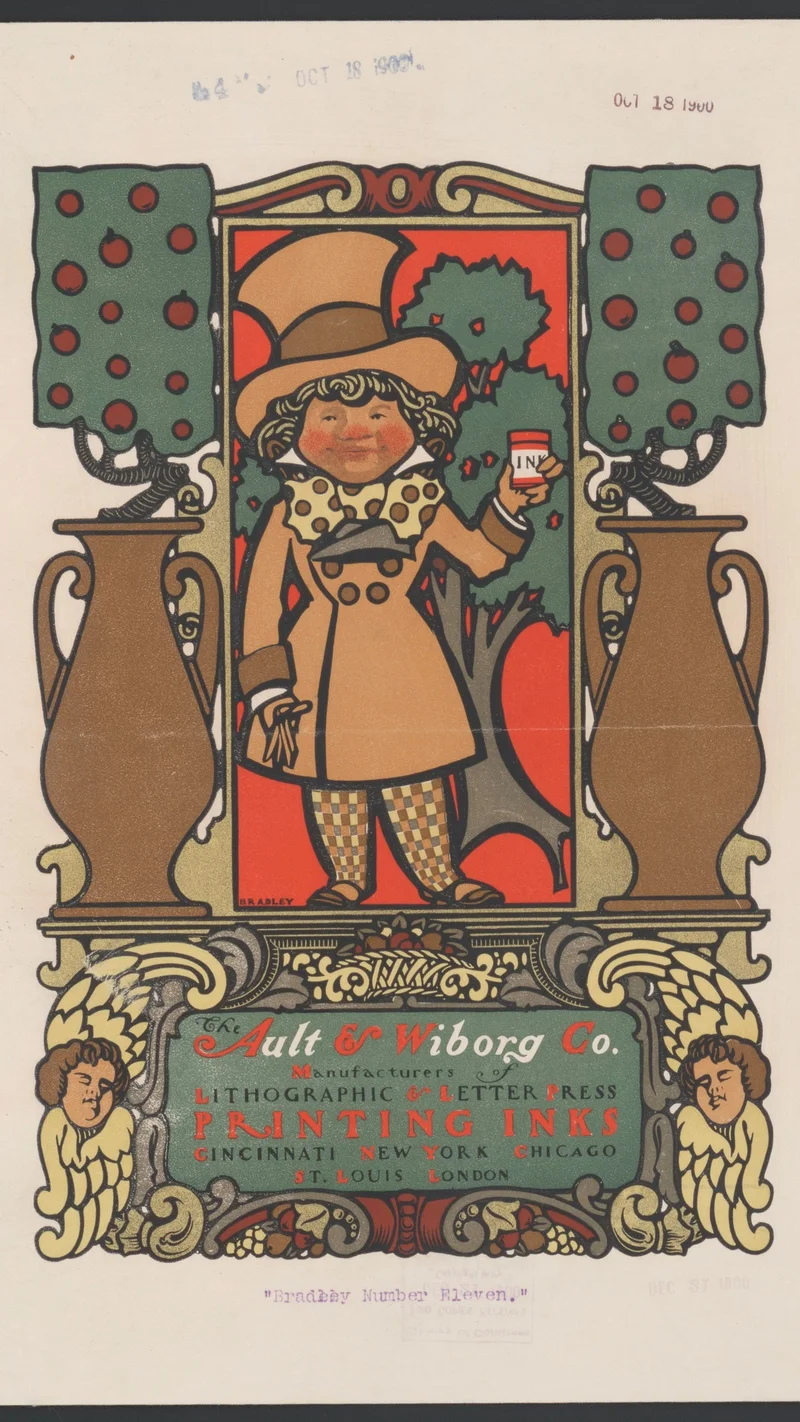
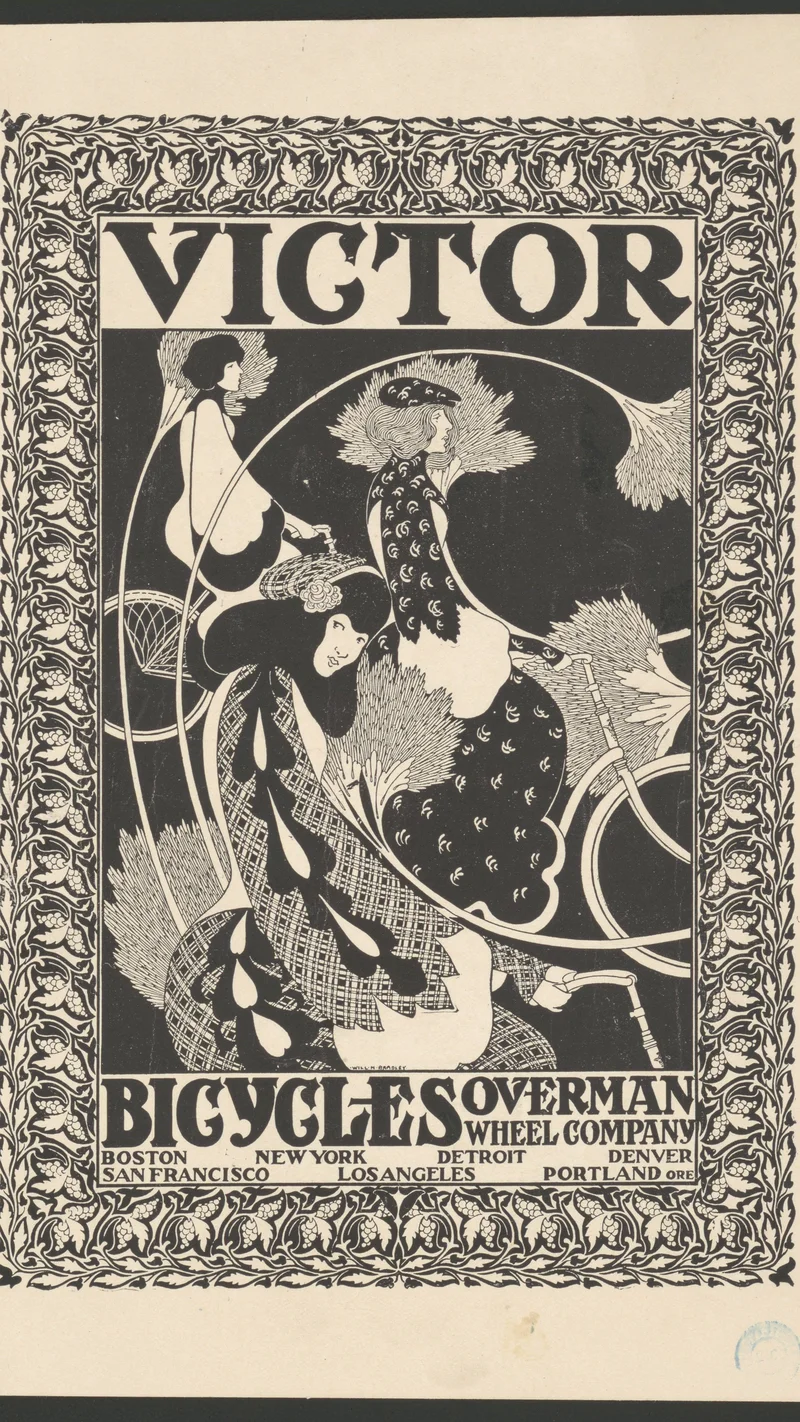
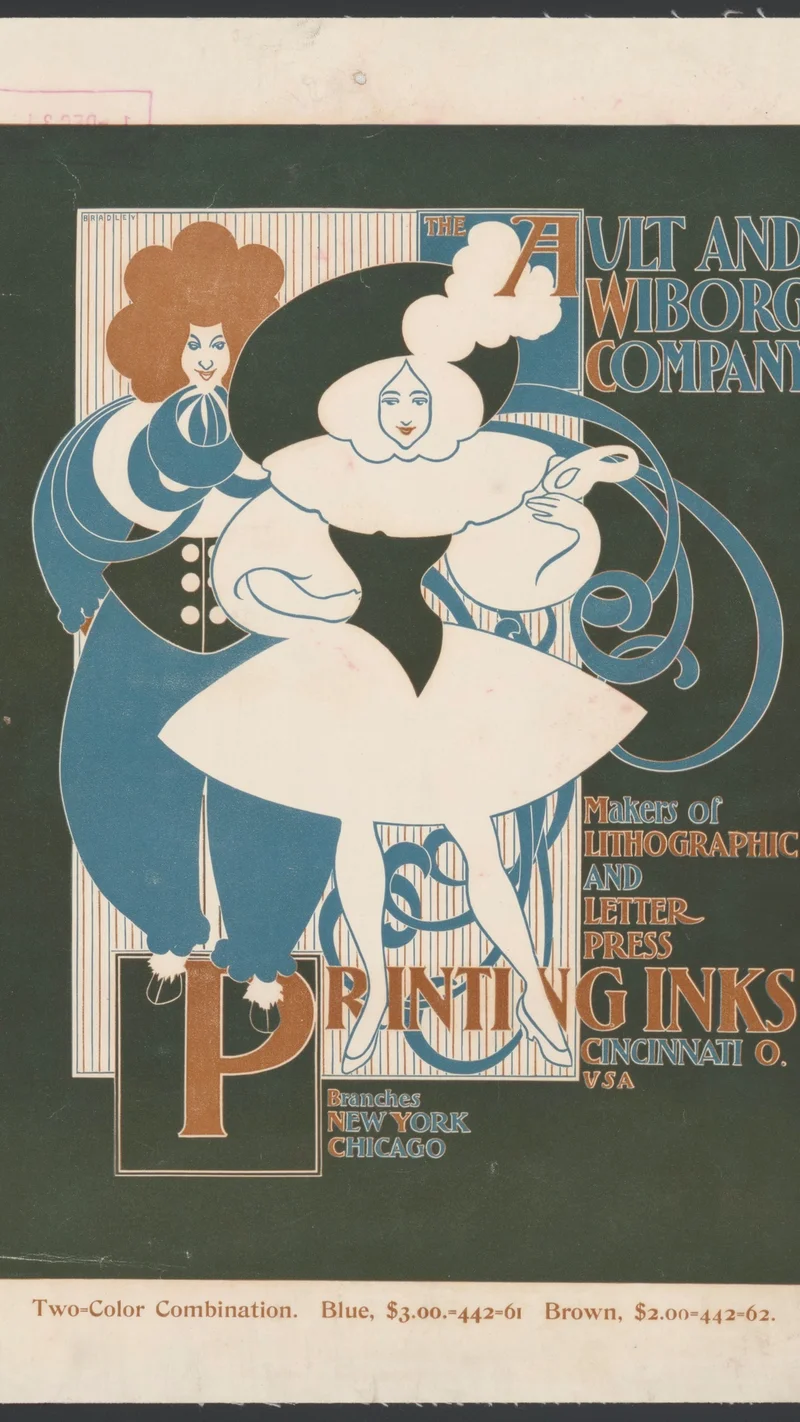
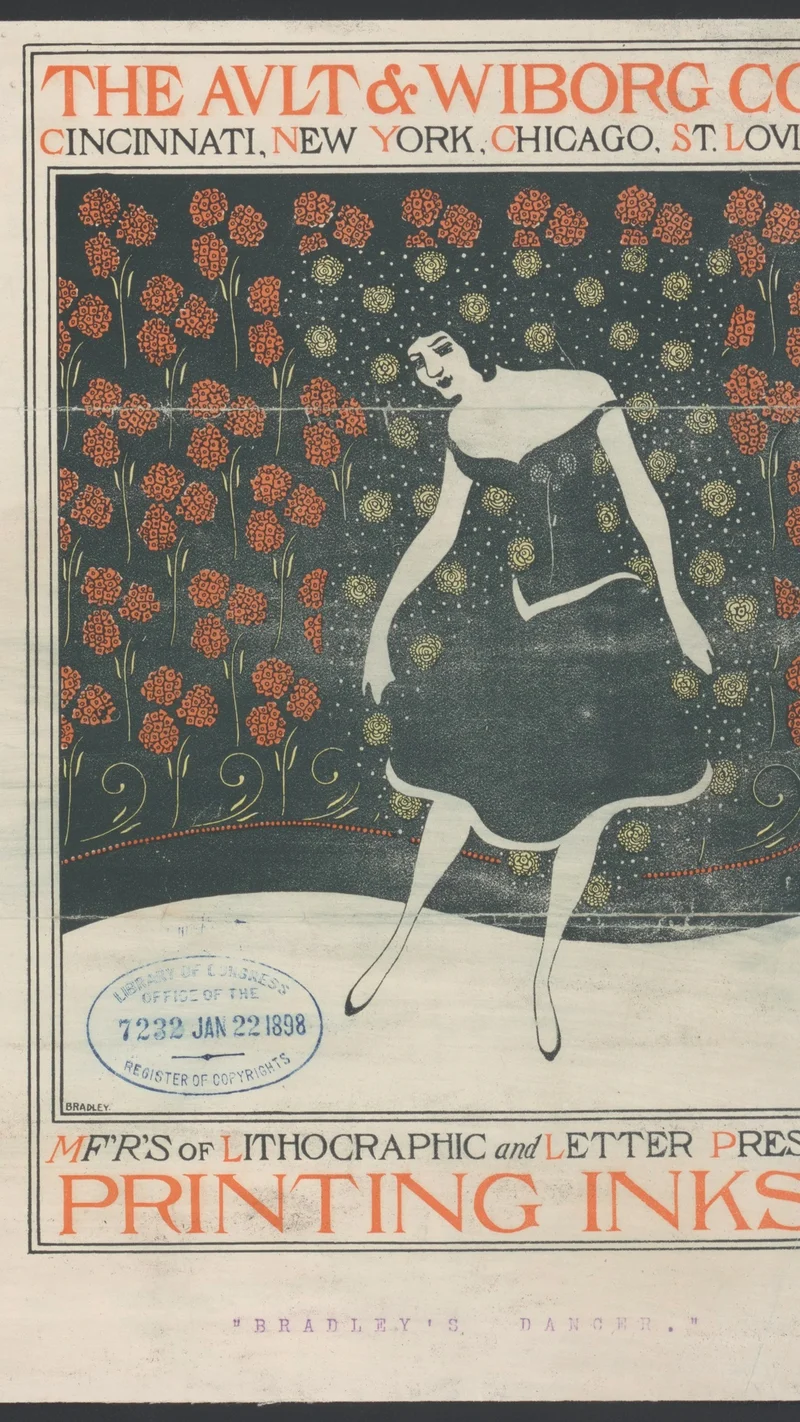
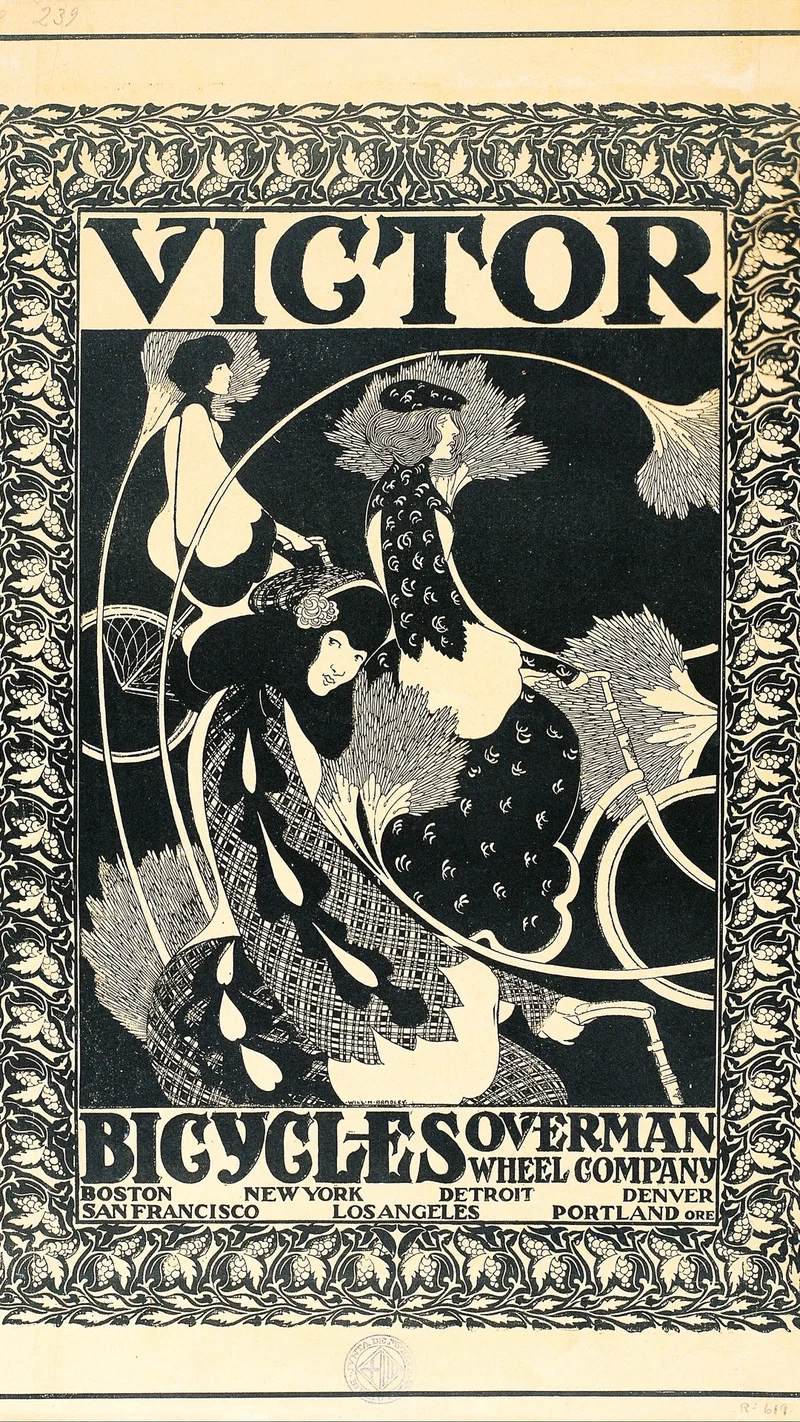
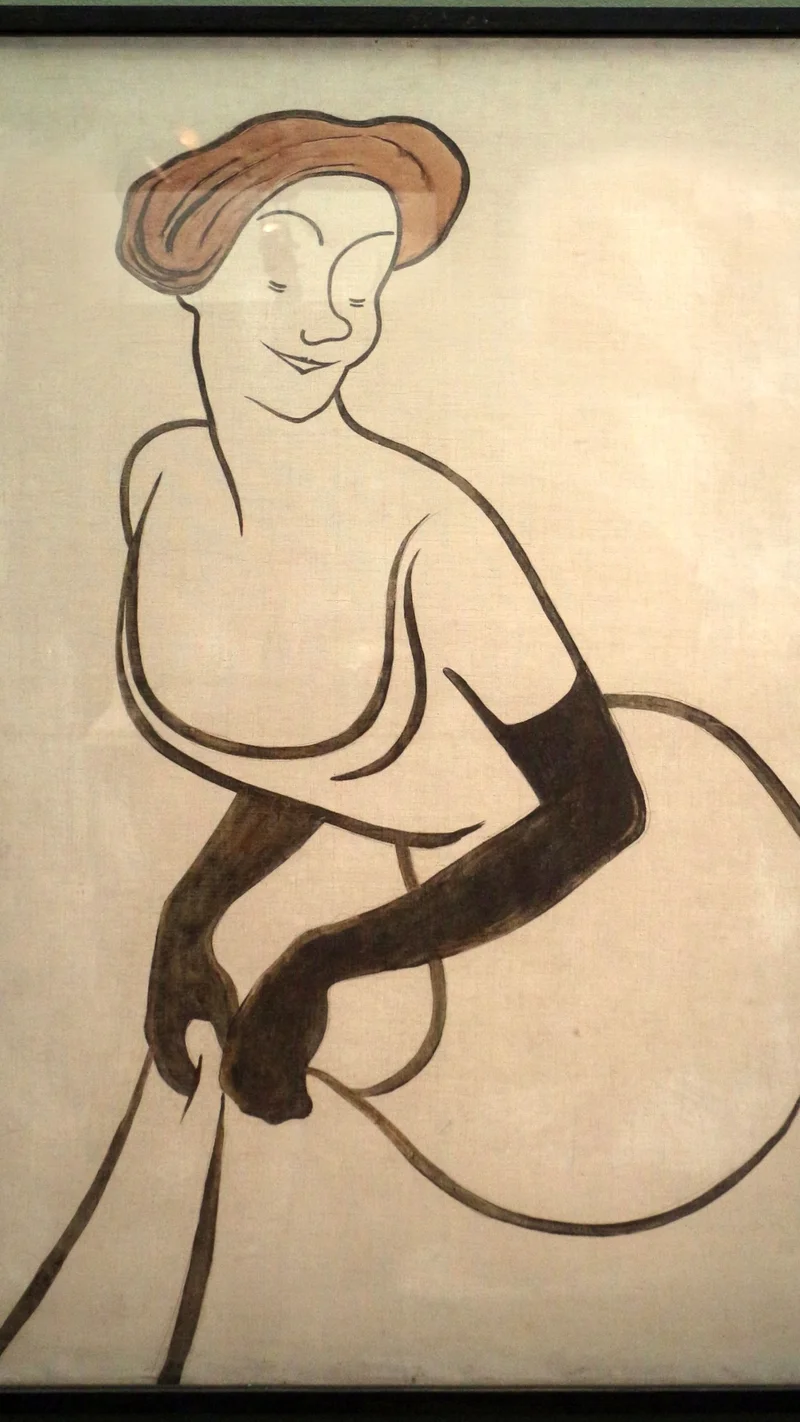
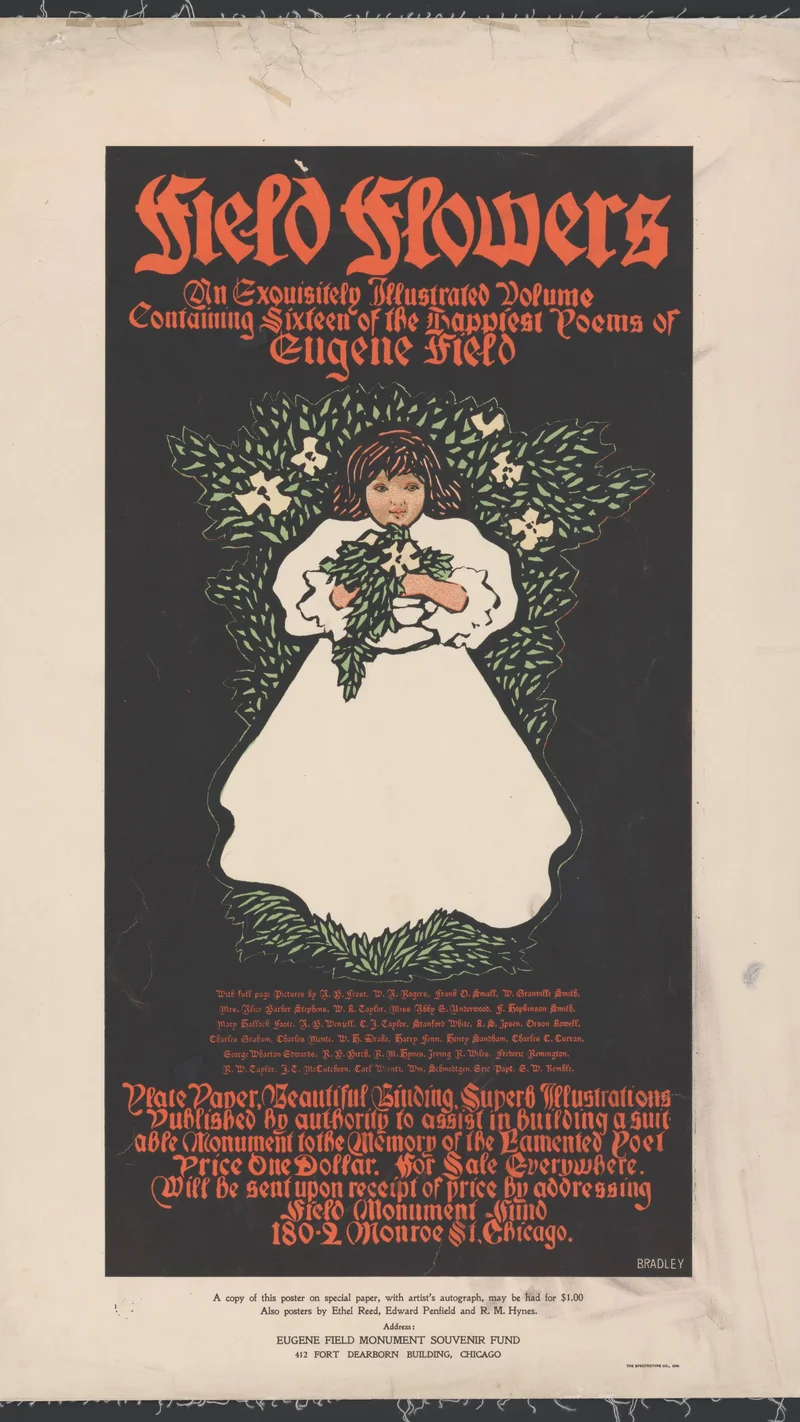
Central to the success of Art Nouveau was its mastery of lithography and the poster as a medium for public engagement. Artists like Théophile Steinlen and Leonetto Cappiello transformed urban spaces into galleries, utilizing bold typography and expressive contours in works such as Yvette Guilbert. Similarly, the intricate craftsmanship displayed in William Bradley’s Victor Bicycles / Springfield Bicycle Club Tournament and his vibrant contributions for the Ault & Wiborg Company highlighted a sophisticated integration of text and image. Publications such as Field Flowers: An Exquisitely Illustrated Volume Containing Sixteen of the Happiest Poems of Eugene Field further underscore how the movement permeated literary and commercial spheres. By advocating for a total work of art, Art Nouveau bridged the gap between artisanal tradition and the burgeoning demands of the modern graphic age, leaving an indelible mark on the history of visual culture.