Piet Mondrian
18 artworks
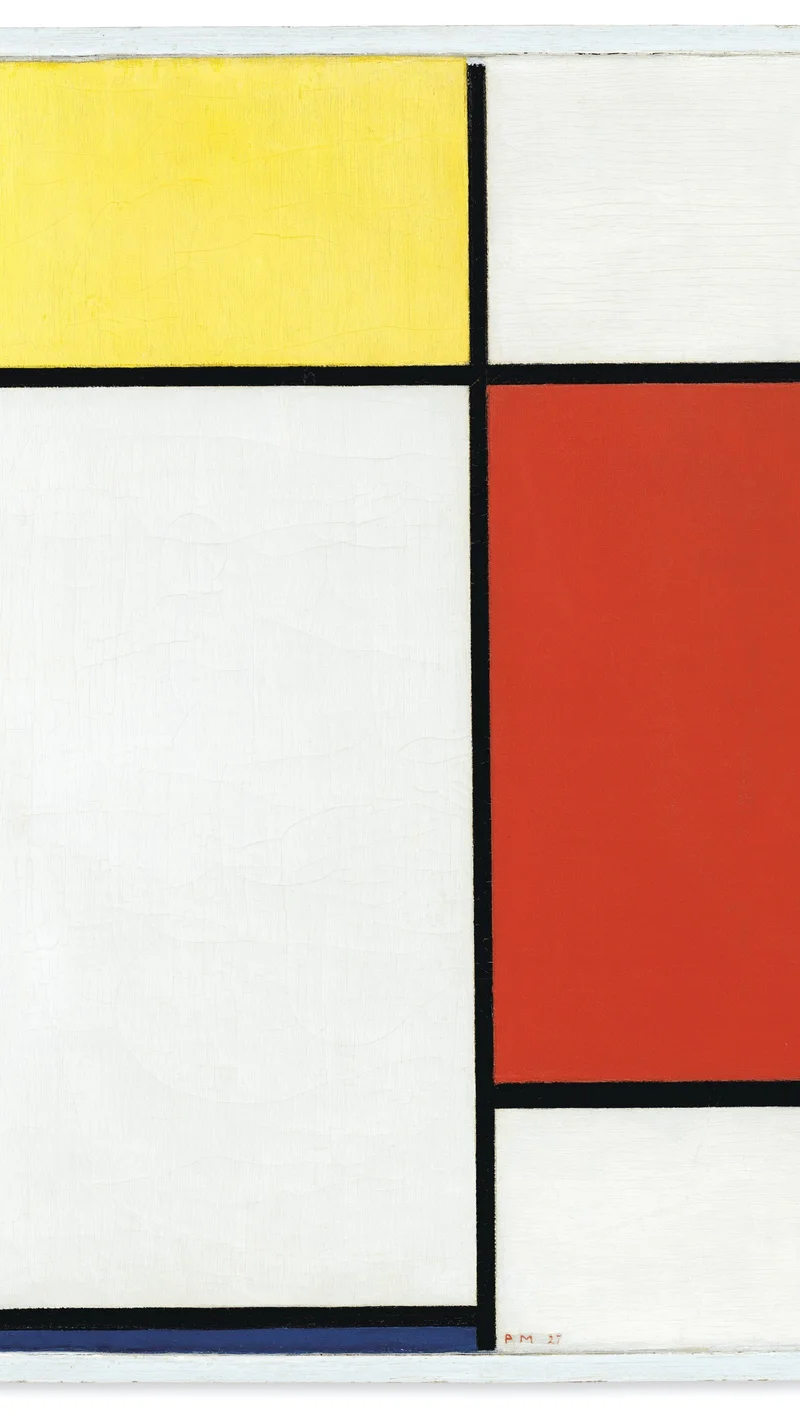
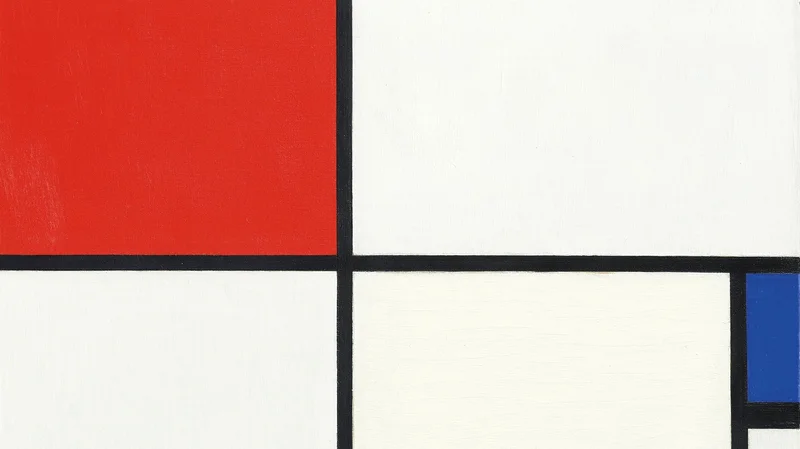
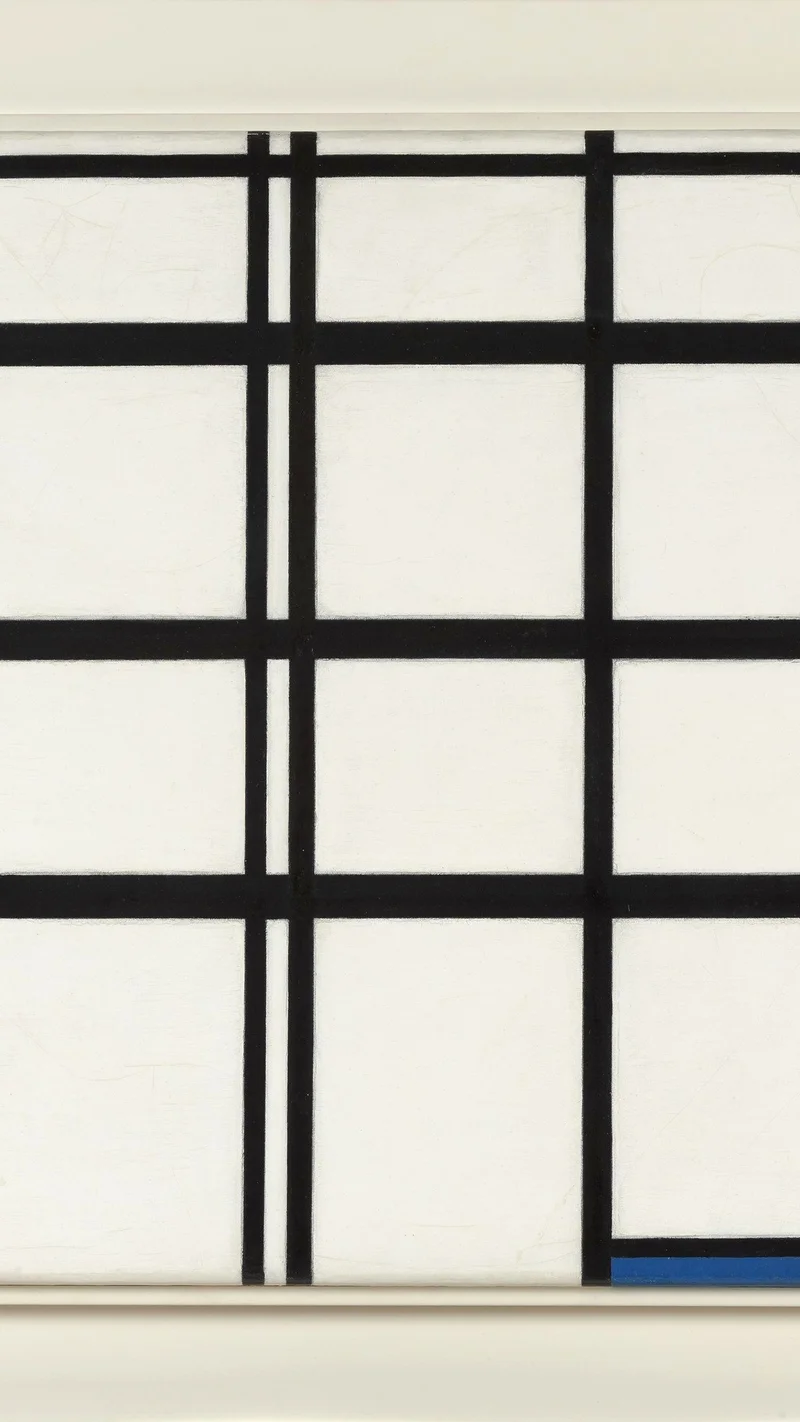
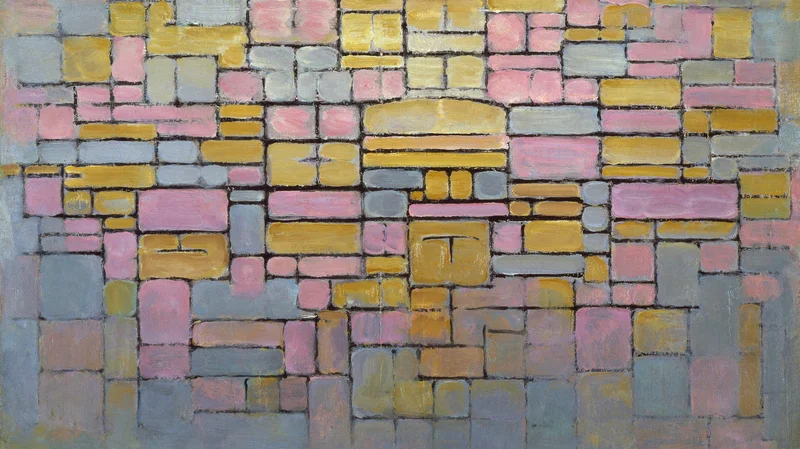
Piet Mondrian (1872–1944) was a seminal Dutch painter whose rigorous evolution toward abstraction fundamentally redefined the trajectory of 20th-century modernism. Initially trained in the traditional academic style of the Hague School, Mondrian began his career documenting the Dutch landscape before undergoing a profound transition during his formative years in Paris. It was there that he moved beyond representational observation to embrace the principles of Neoplasticism, a movement he helped formalize through the collective De Stijl. His practice during active periods in 1913, 1927, and 1929 reflects a lifelong pursuit of universal harmony through the reduction of art to its most essential elements.
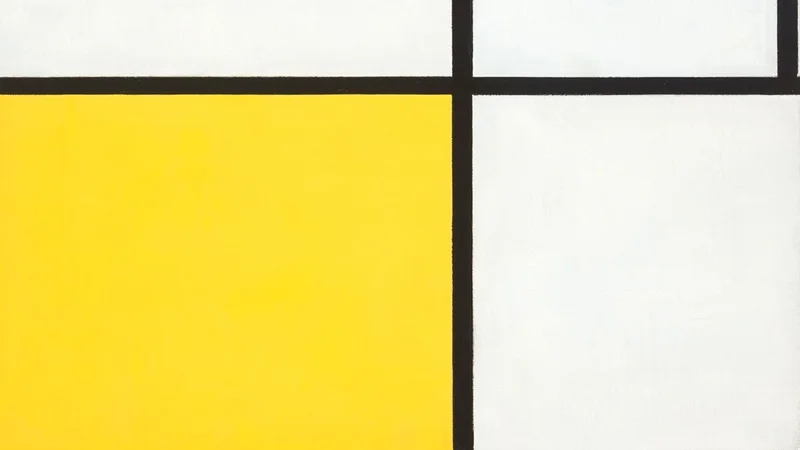
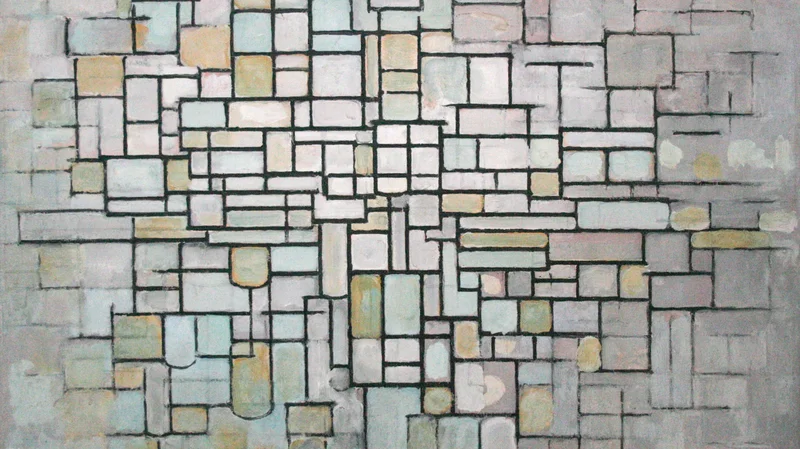
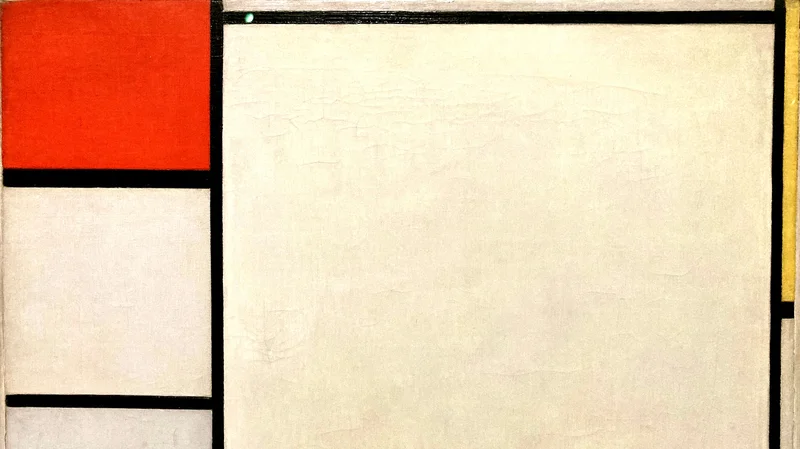
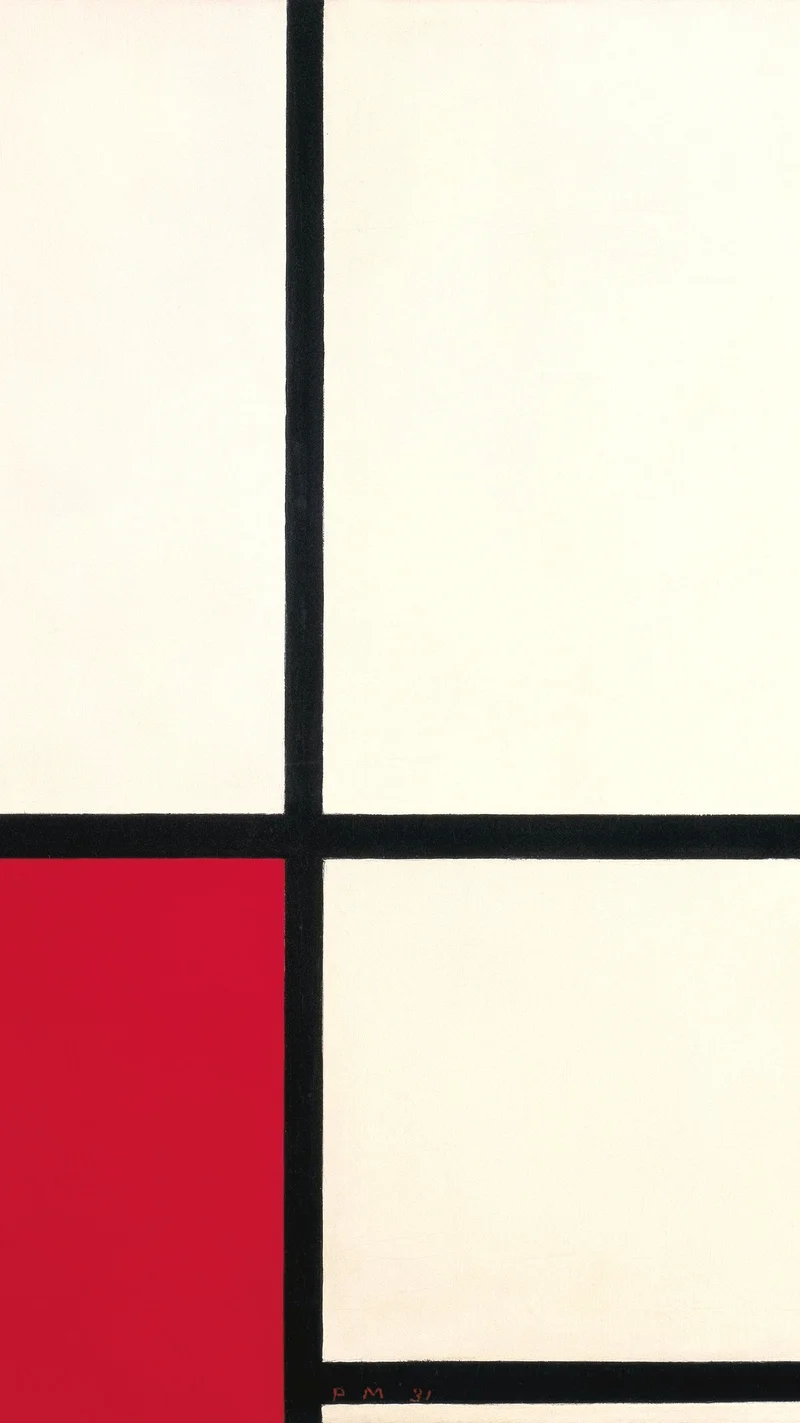
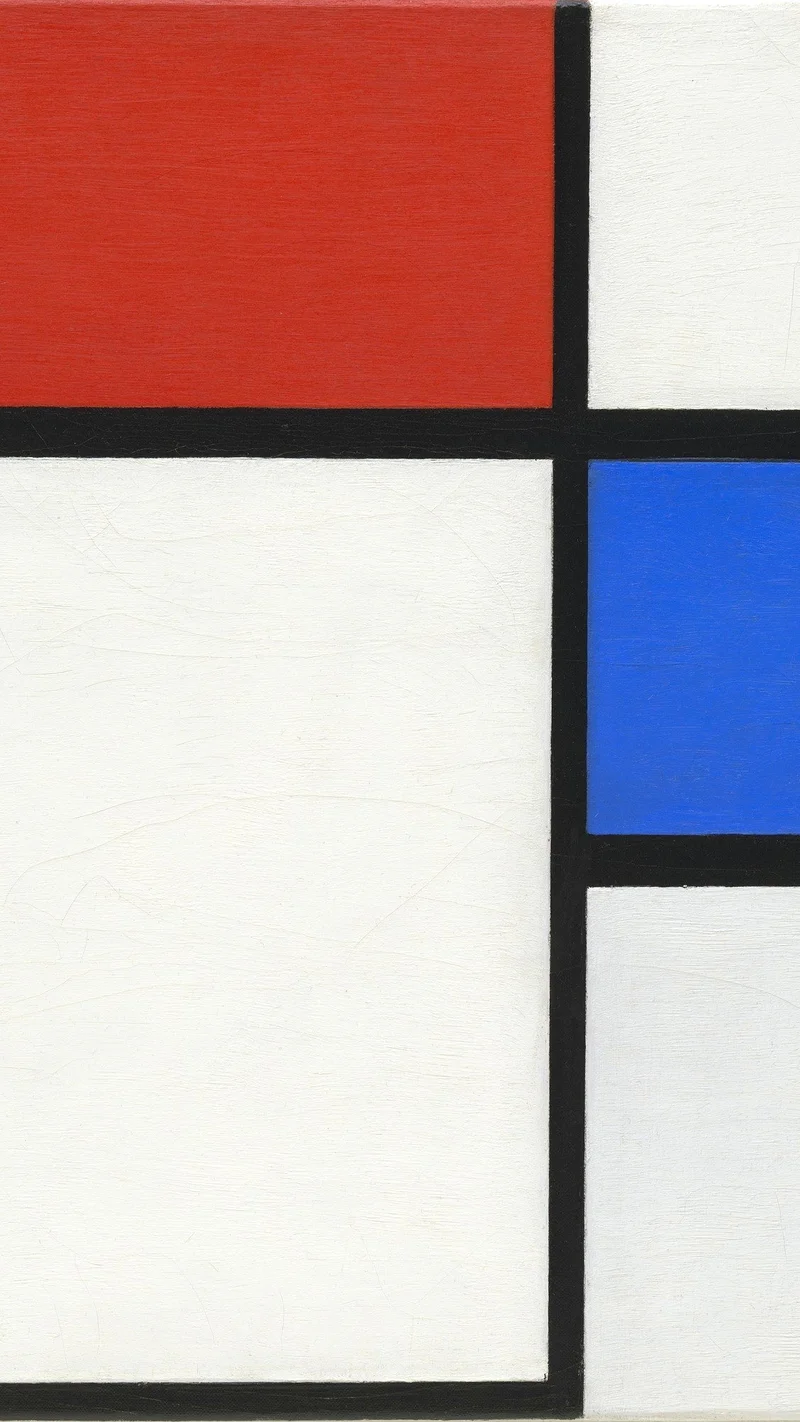
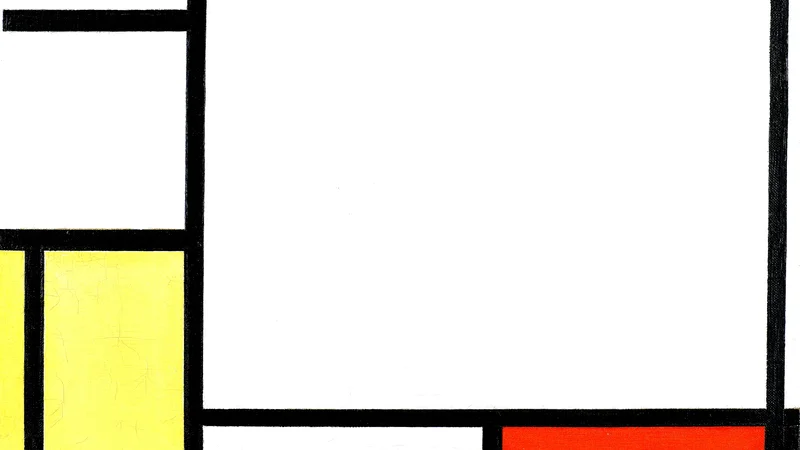
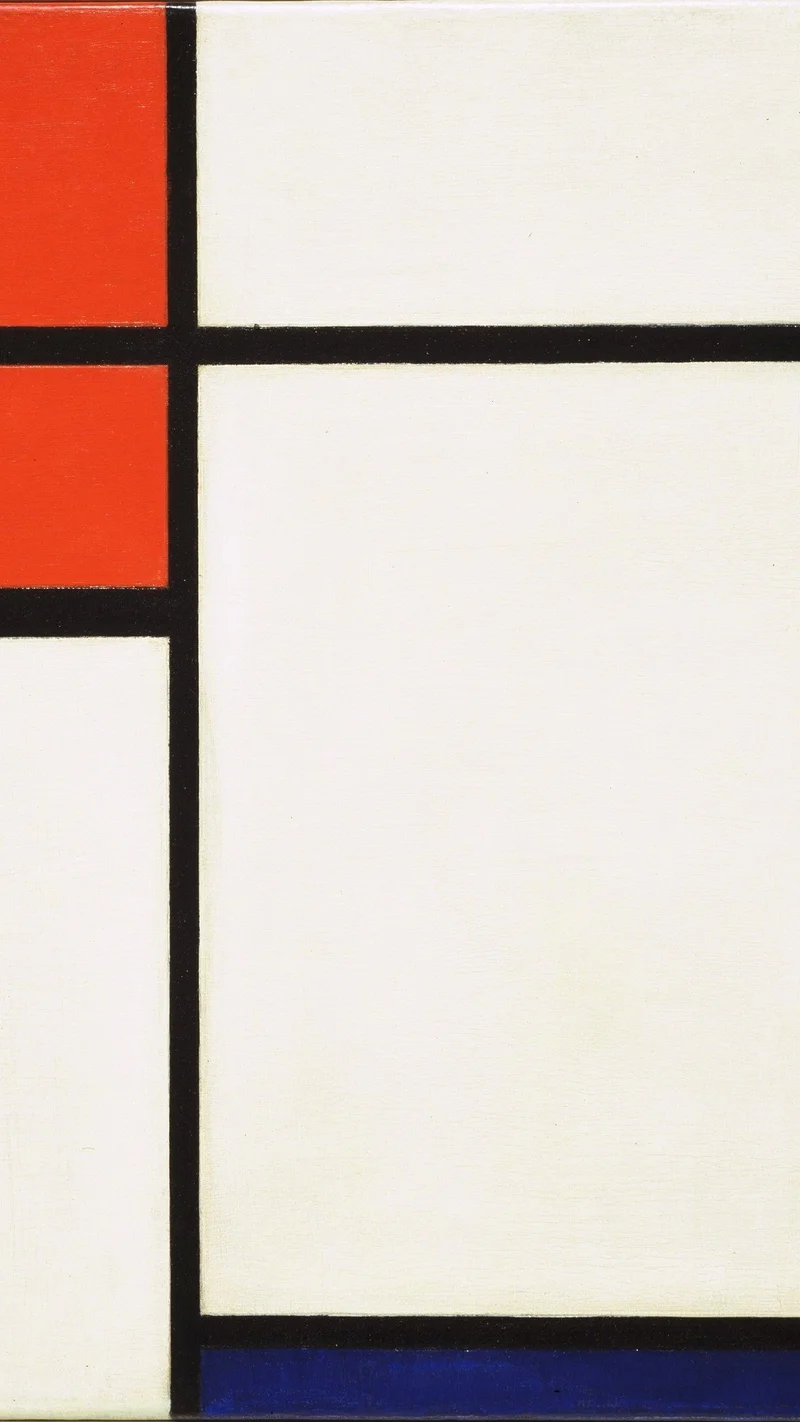
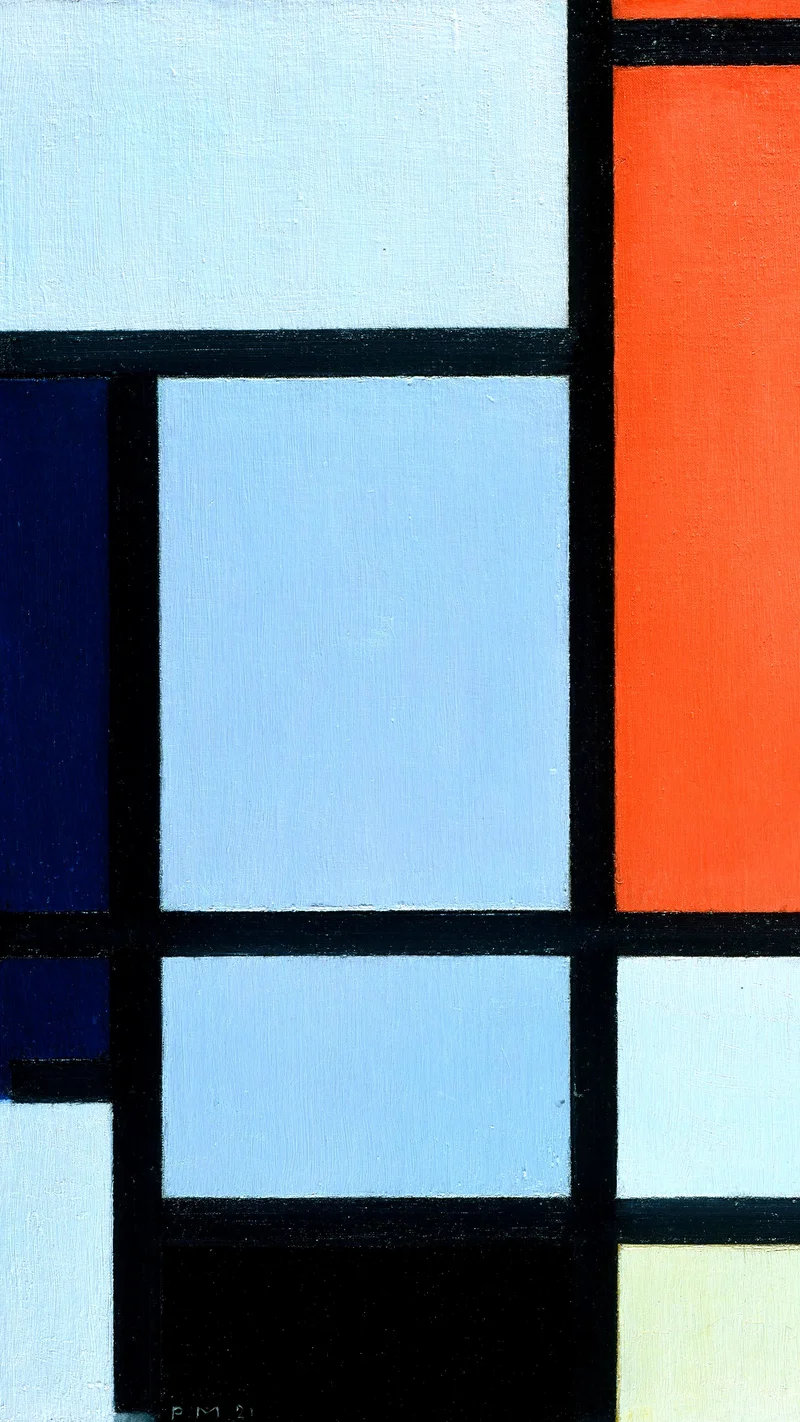
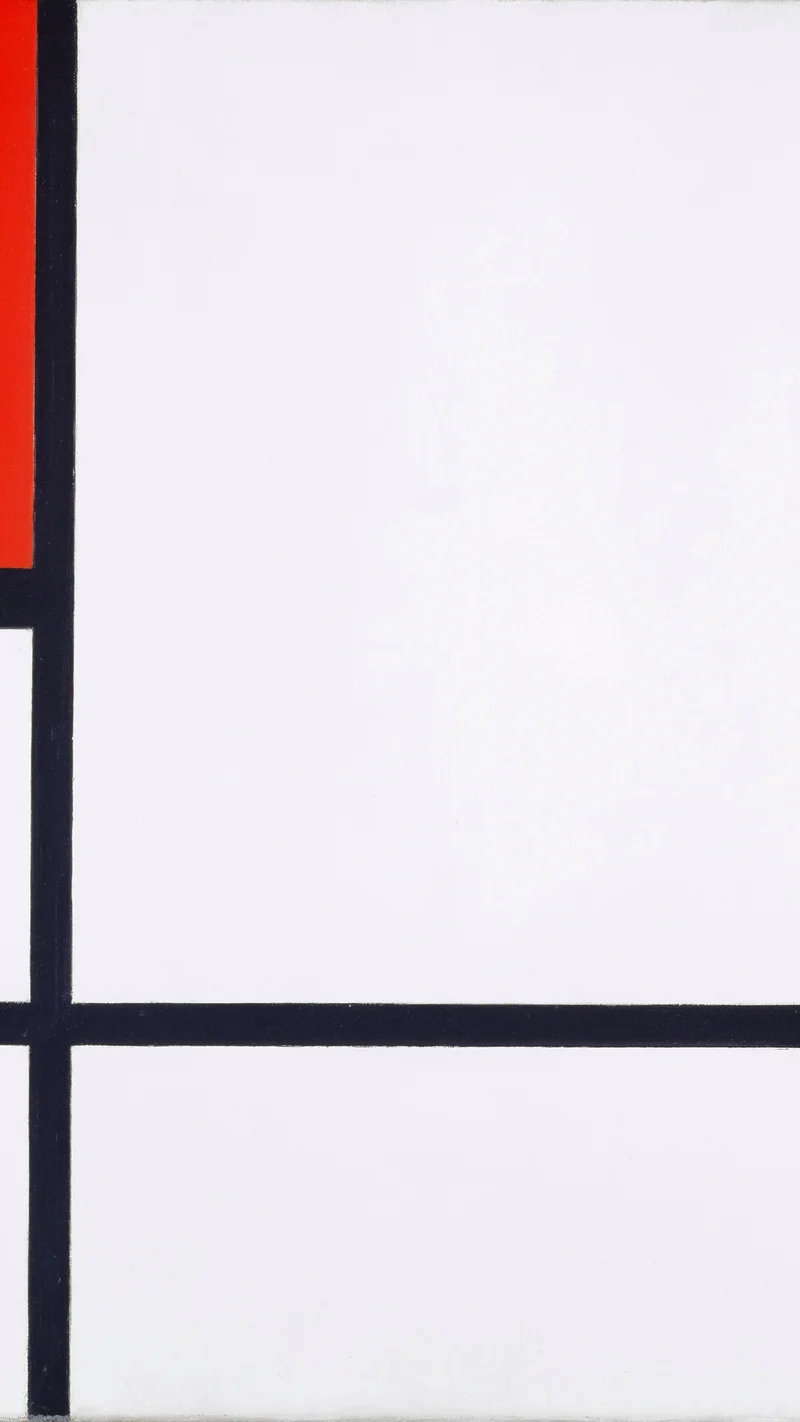
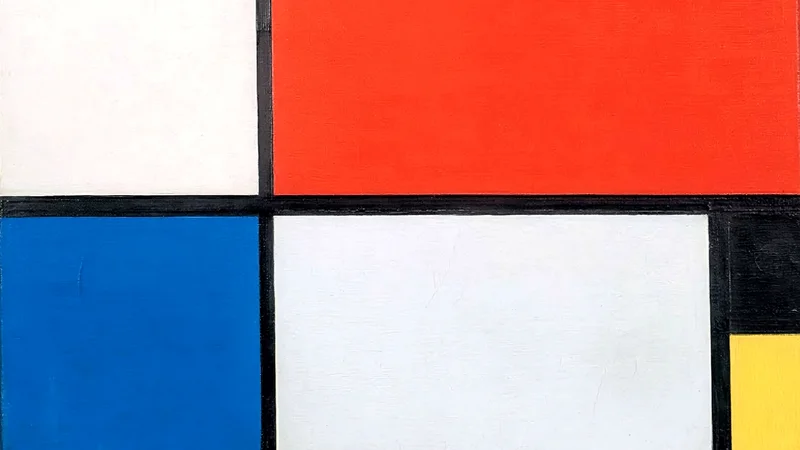
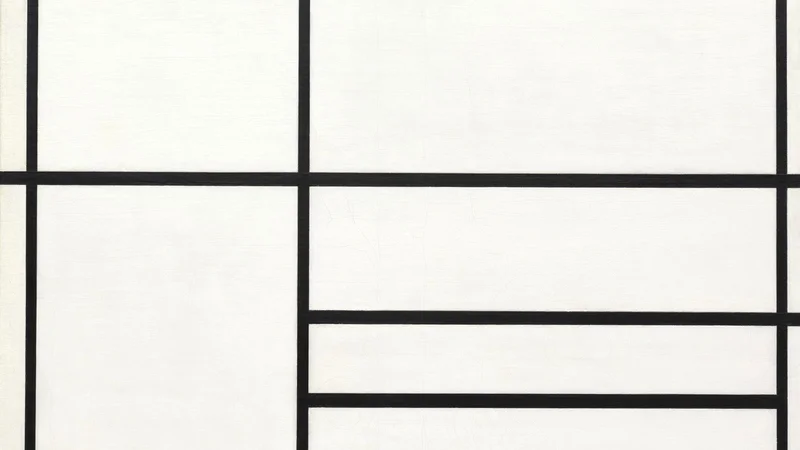
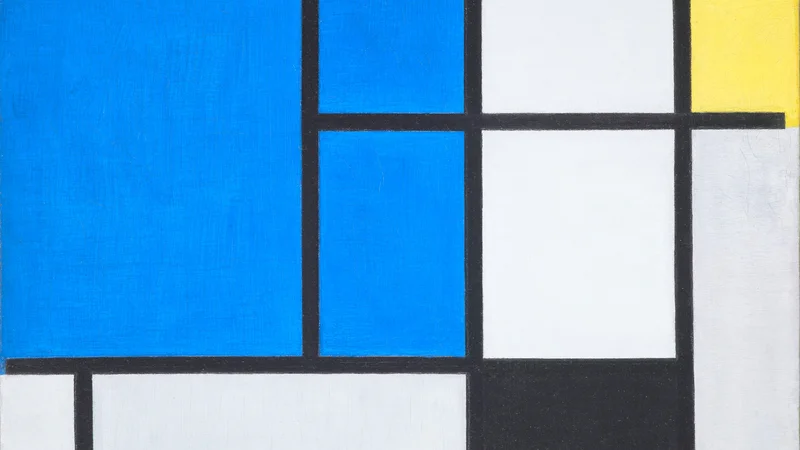
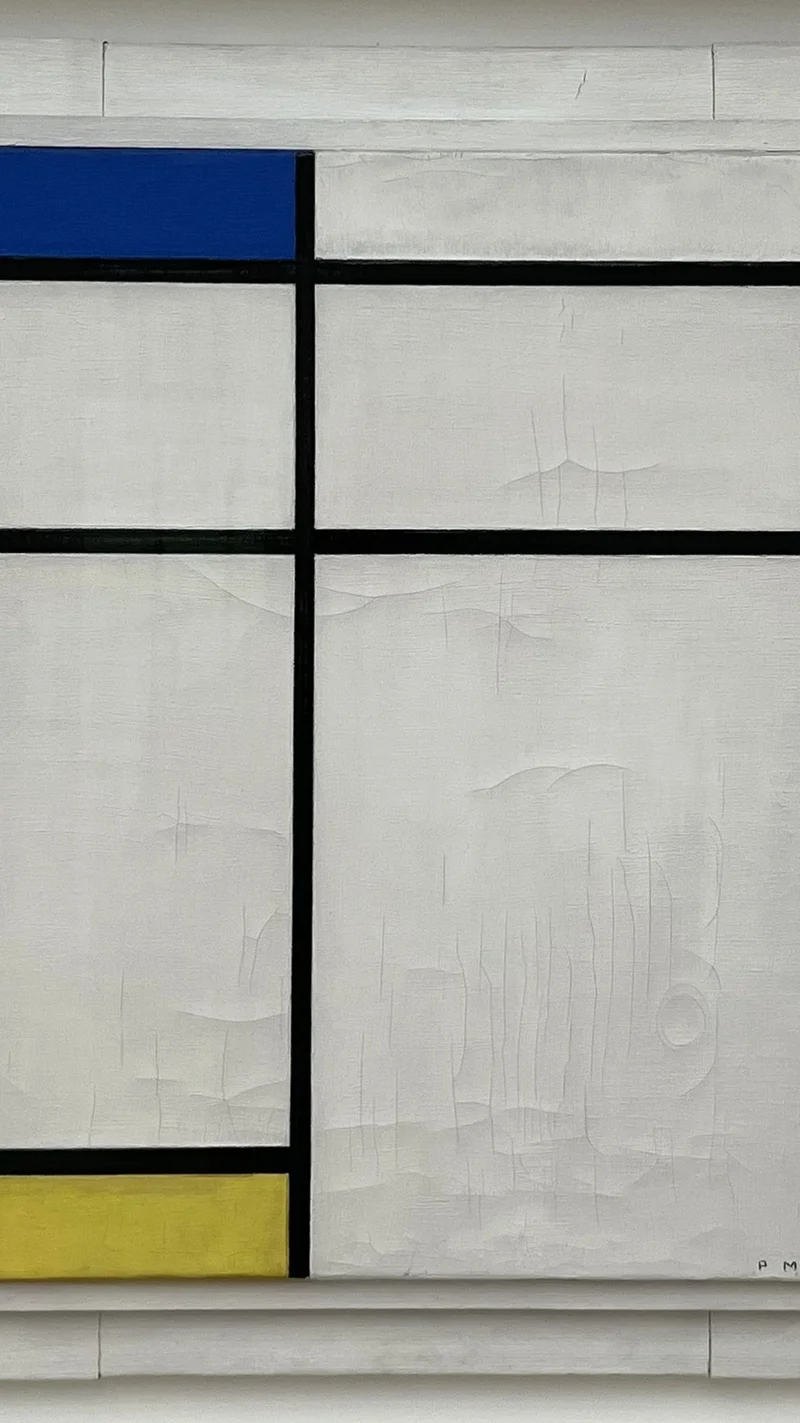
Mondrian’s mature technique is characterized by a strict economy of means, utilizing a palette of primary colors—red, yellow, and blue—constrained within a grid of black horizontal and vertical lines against a white ground. This methodology is elegantly exemplified in works such as Composition no II, Composition no. III, and Composition with Blue, Red, Yellow, and Black. His exploration of spatial tension is further evidenced in Composition No. 11 and the nuanced, geometric balance of Composition in White, Black, and Red Paris, 1936. These pieces illustrate his attempt to reach a state of equilibrium between opposing forces, stripping away the anecdotal to reveal a structural reality.
The historical significance of Mondrian’s work lies in his radical departure from mimesis, which paved the way for subsequent developments in minimalist and concrete art. By isolating the fundamental components of painting, he asserted that aesthetic order could reflect a broader, cosmic clarity. His relentless refinement of the canvas remains a cornerstone of institutional art history, marking a decisive shift toward an intellectualized, non-objective approach to visual expression that continues to inform modern critical theory.
![Piet Mondrian — New York City 2 [unfinished, formerly New York City III]](https://cdn.wall-art-frame.com/thumbnails/800/2d380654-c8ec-4f91-b100-eb08b74183d6_800.webp)