Alexander Roitburd
8 artworks
Alexander Roitburd (1961–2021) was a pivotal Ukrainian artist whose practice became synonymous with the Transavantgarde movement. Emerging from the vibrant cultural milieu of Odessa, he established himself as a central figure in the development of contemporary Eastern European art. Roitburd’s work is characterized by a sophisticated engagement with historical, philosophical, and literary narratives, synthesizing diverse cultural references into a singular visual language that bridged late-Soviet sensibilities with international postmodern currents.
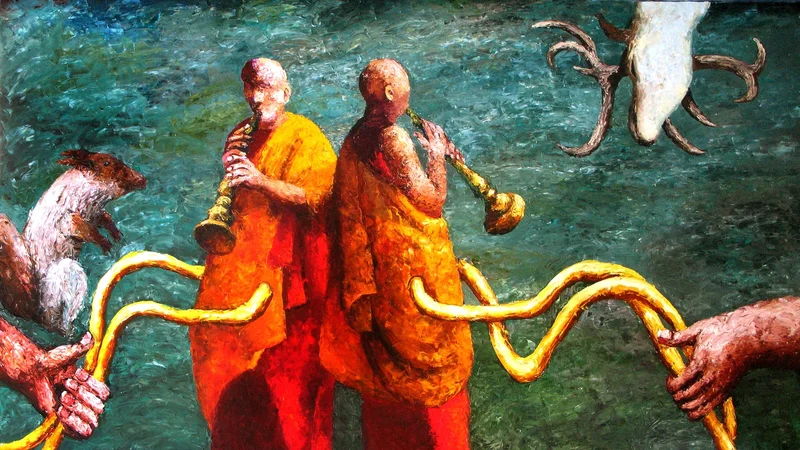
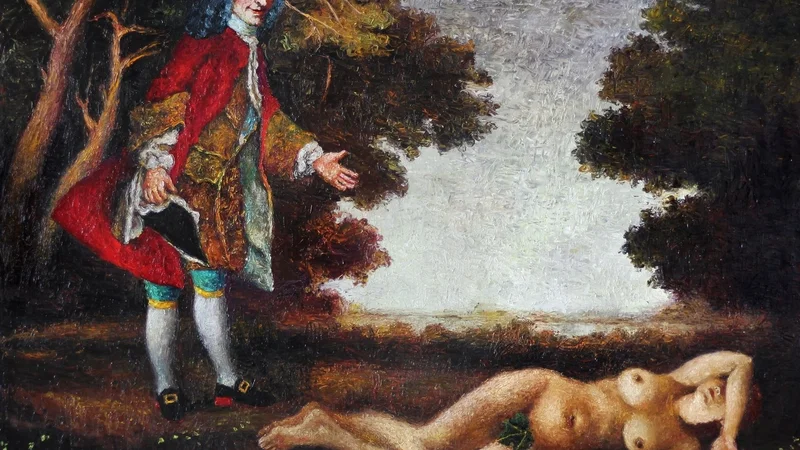
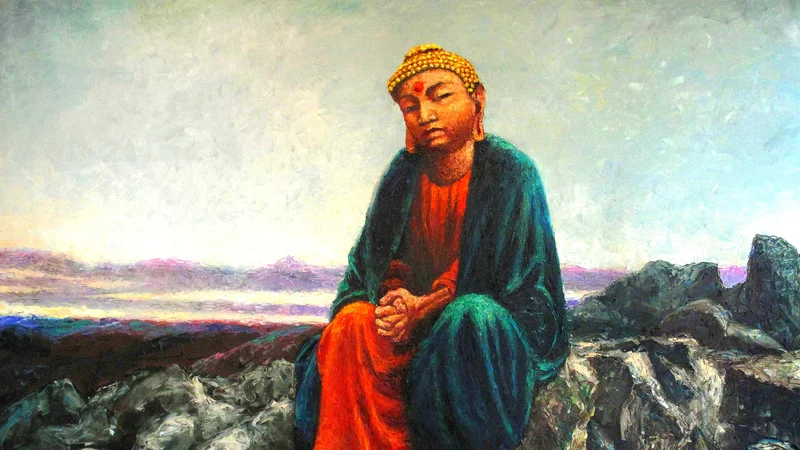
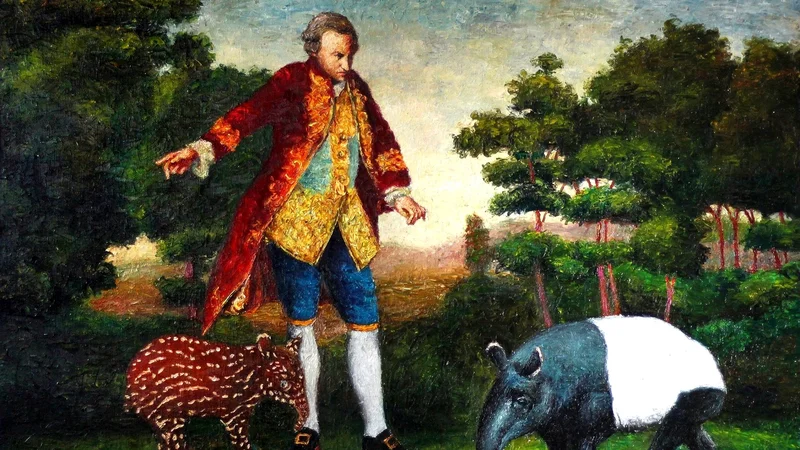
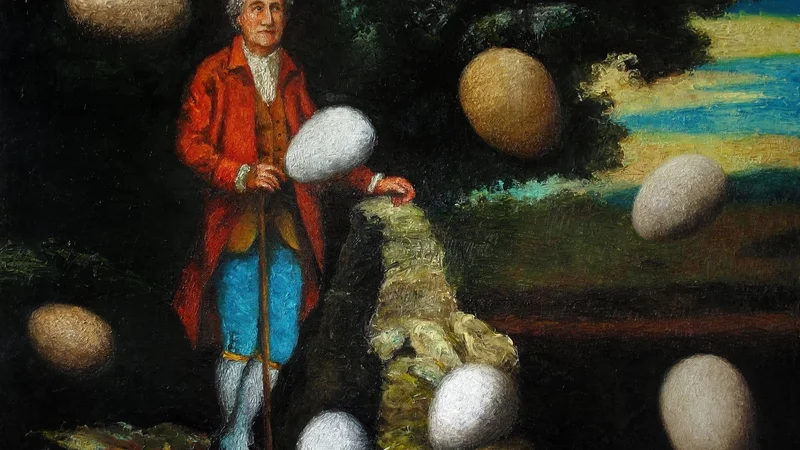
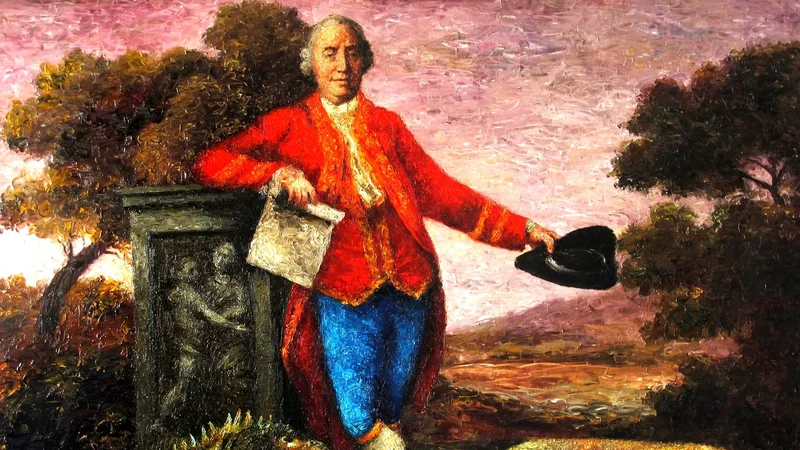
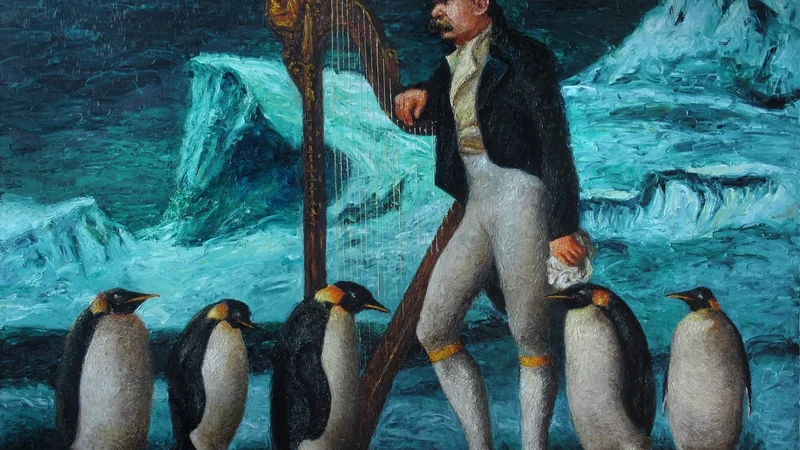
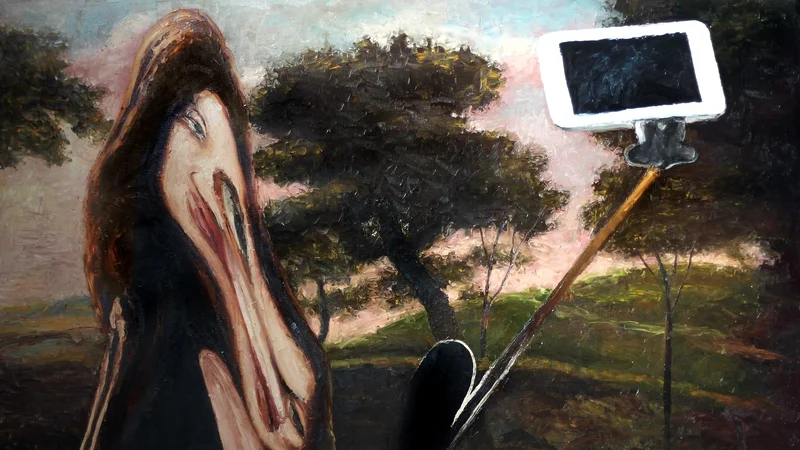
Technically, Roitburd employed a gestural, painterly approach defined by a rich, often discordant color palette that served to heighten the psychological intensity of his subjects. His mastery of medium is evident in works such as Angelus and Buddha In The Desert, where fluid brushwork confronts static iconographic traditions. His thematic exploration of intellectual history is further articulated in series focusing on canonical figures, including Goethe in Weimar, Nietzsche in Ice, or the Birth of Music From the Spirit of Tragedy, Voltaire and a Forest Nymph, and Kant. Through these paintings, active during his key periods of 2011 and 2014, he interrogated the fragility of human knowledge and the absurdity of cultural authority.
Roitburd’s historical significance rests on his capacity to challenge the boundaries of representational painting. By deconstructing the myths of Western civilization through an ironic, Neo-Expressionist lens, he provided a crucial framework for post-Soviet artistic discourse. His enduring influence persists in the way he successfully reconfigured classical tropes, ensuring that his body of work remains an essential study in the application of intellectual inquiry within contemporary painting.