Wassily Kandinsky
107 artworks
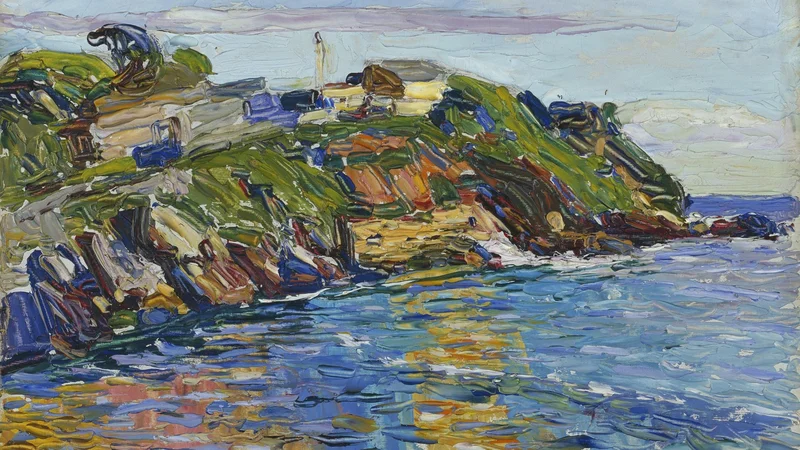
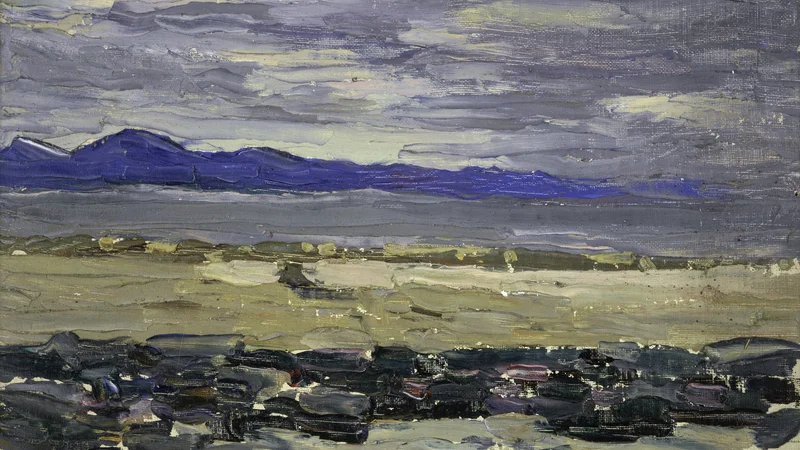
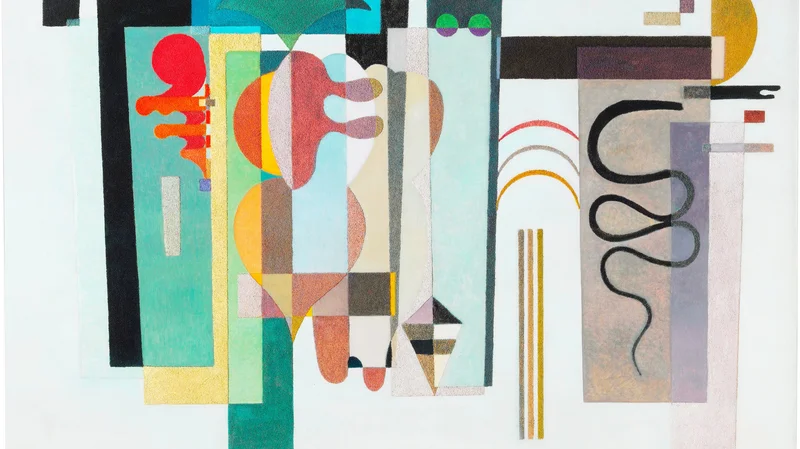
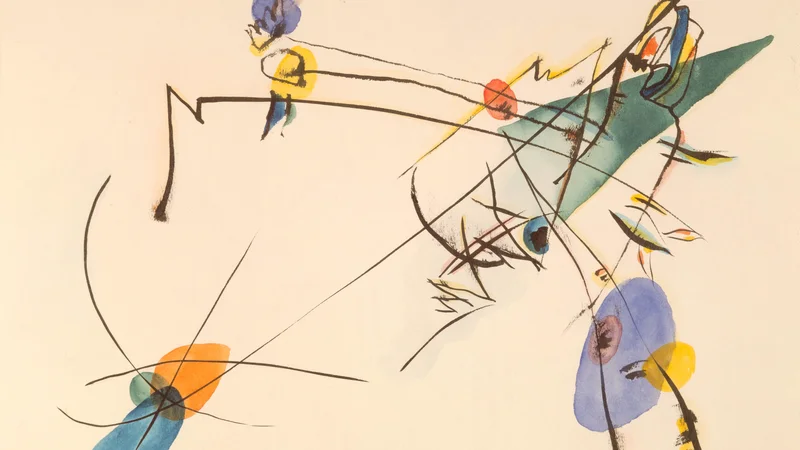
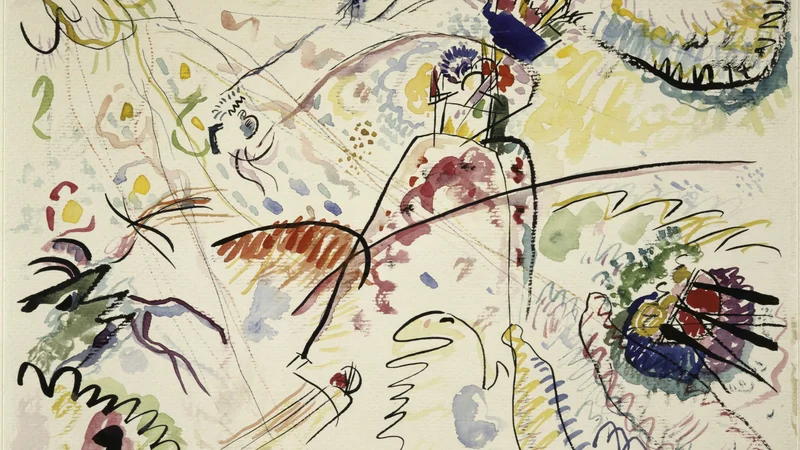
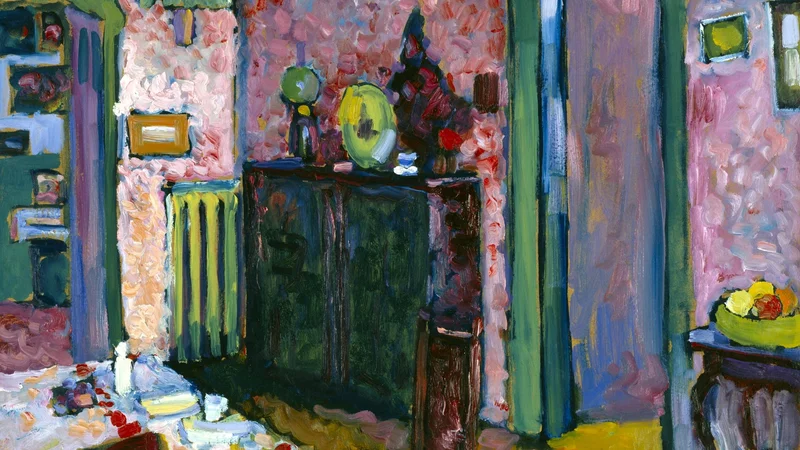
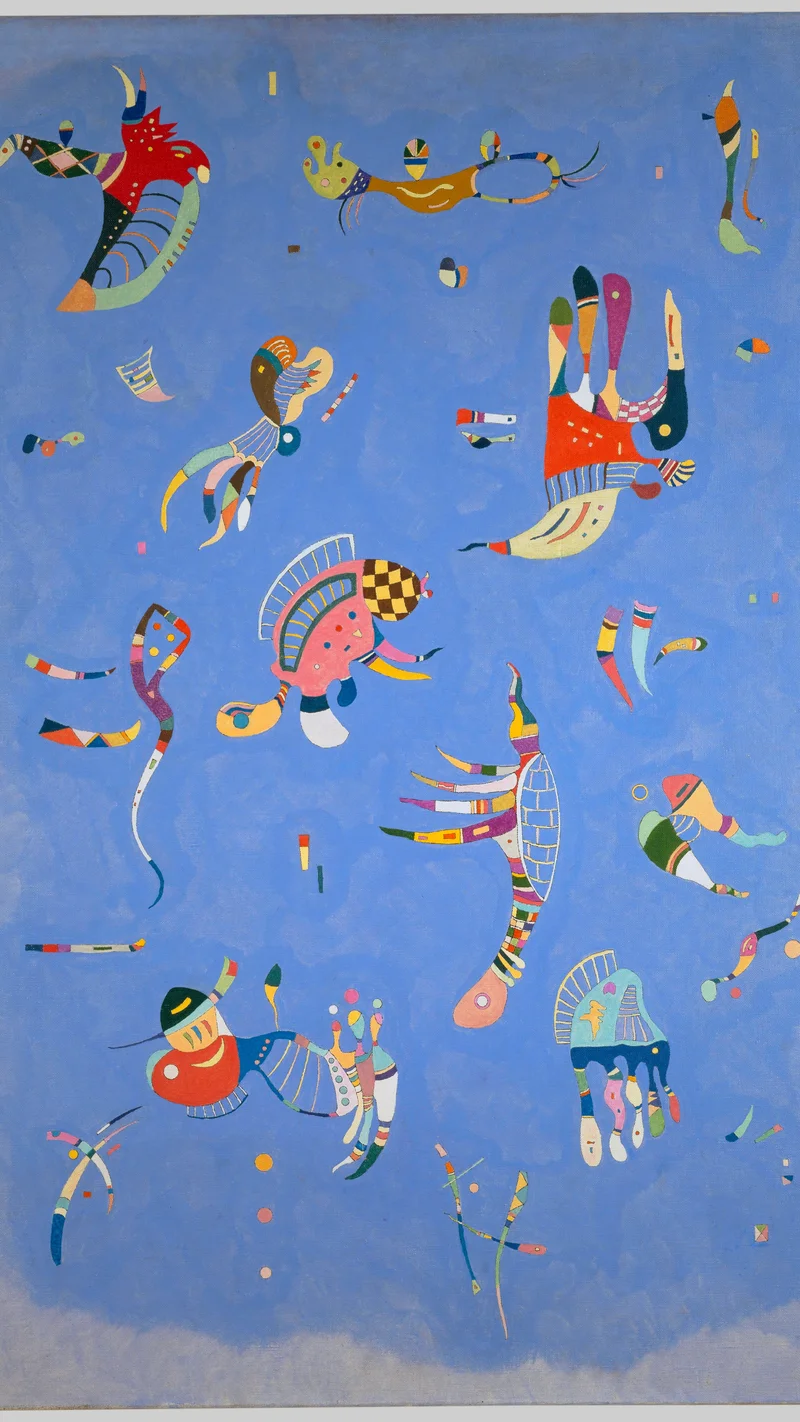
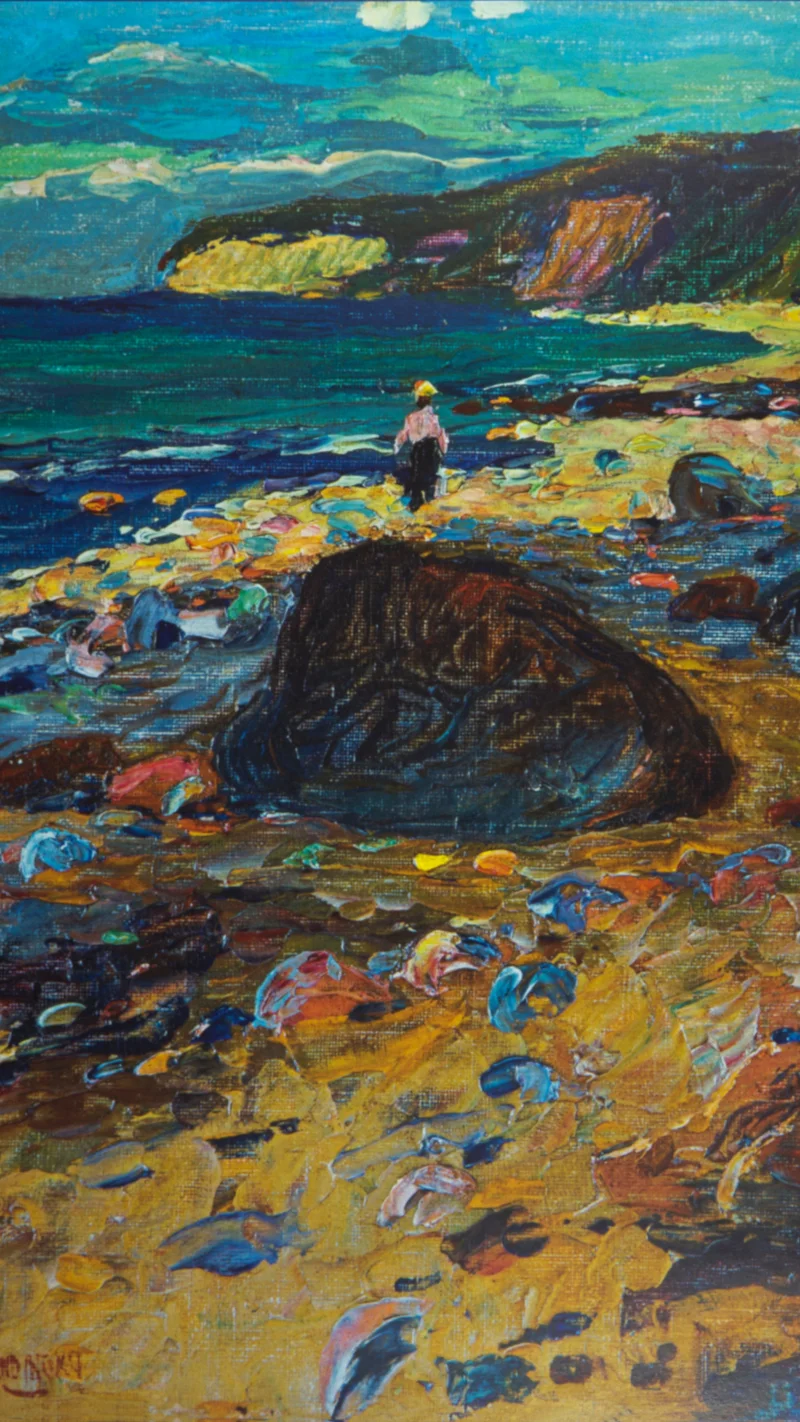
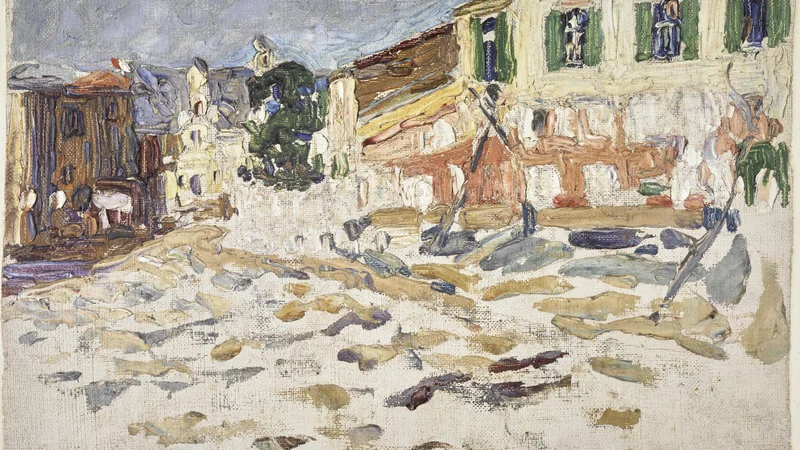
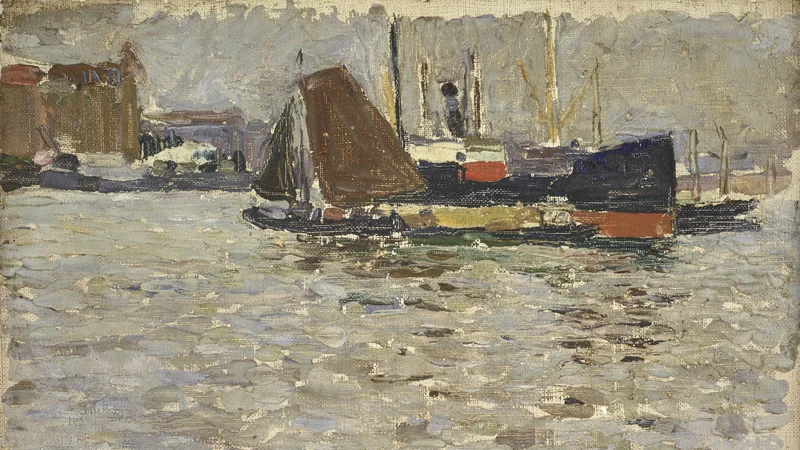
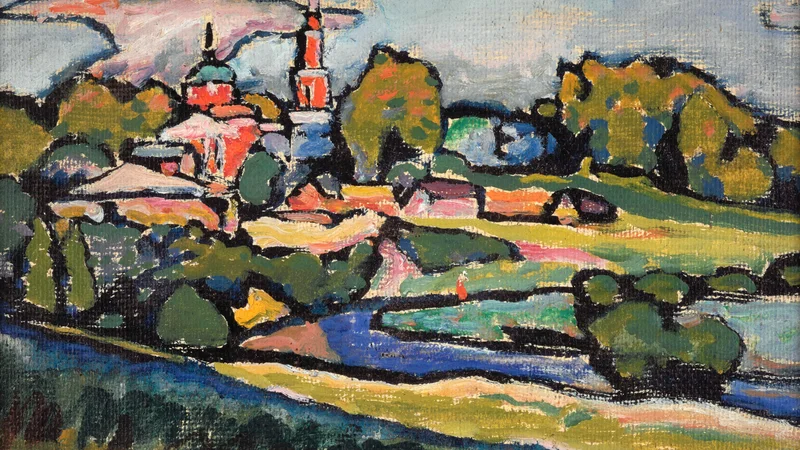
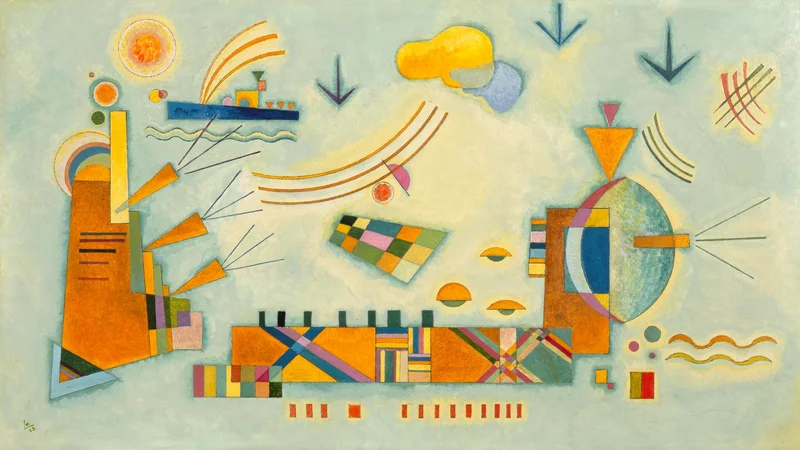
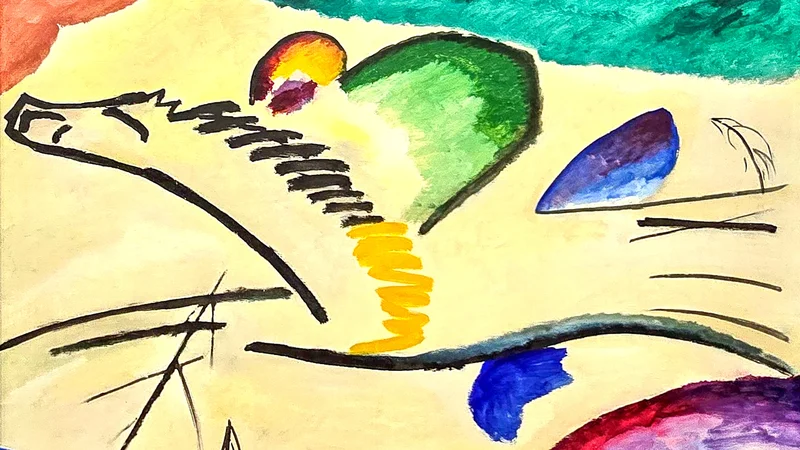
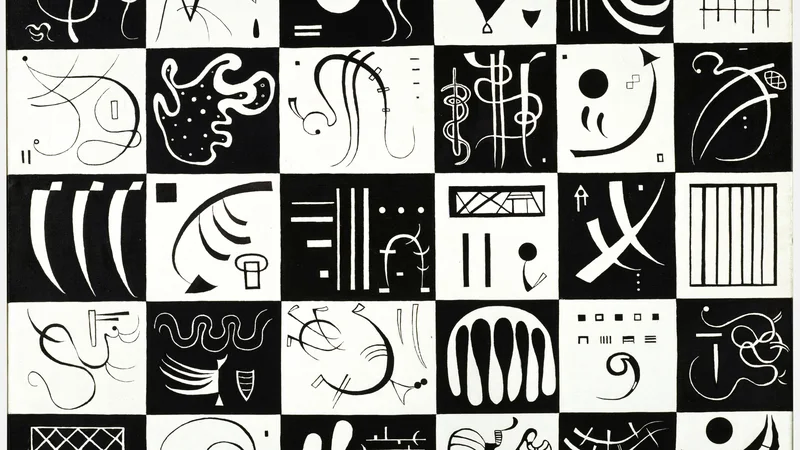
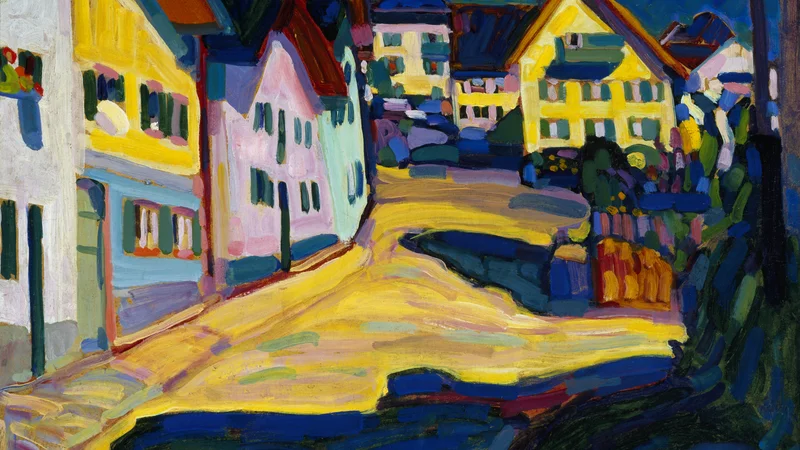
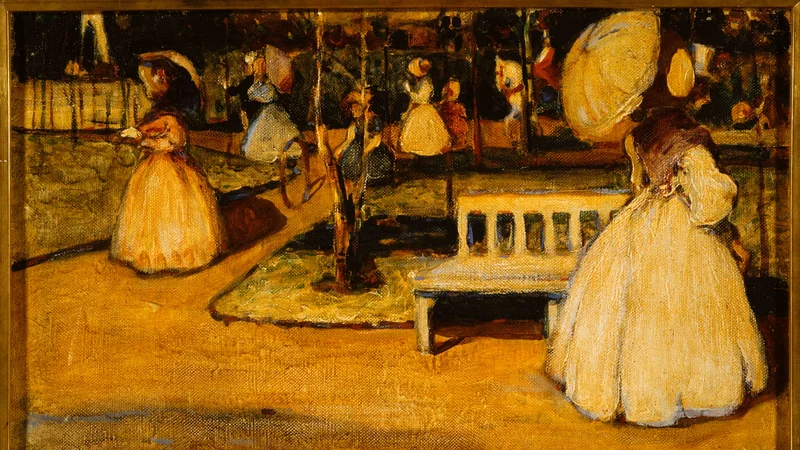
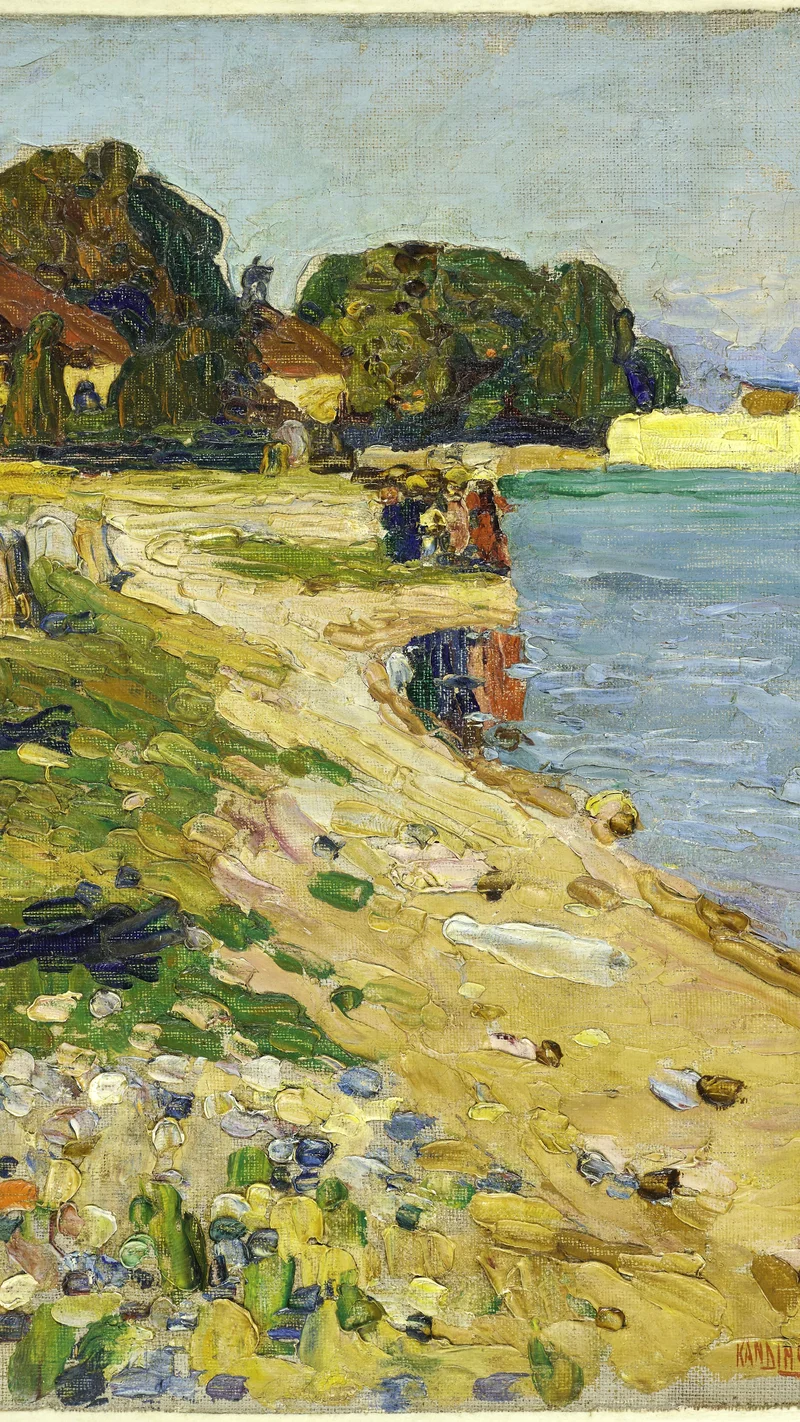
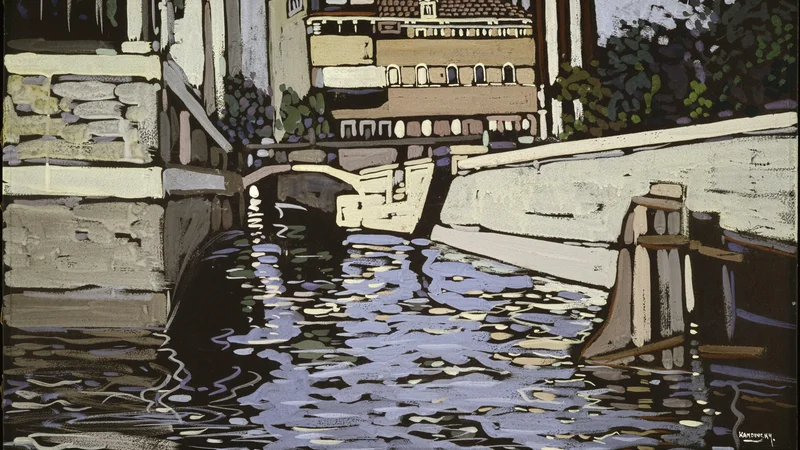
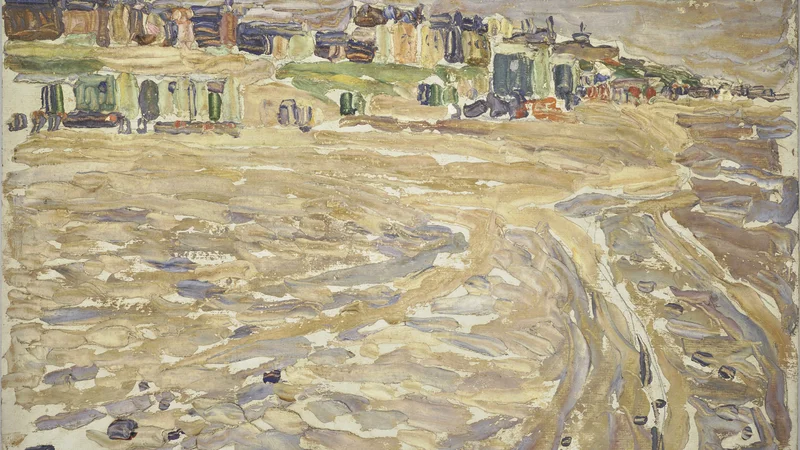
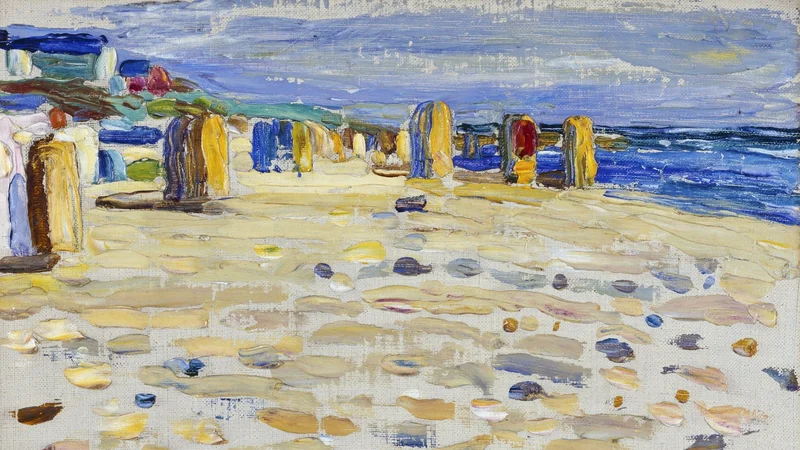
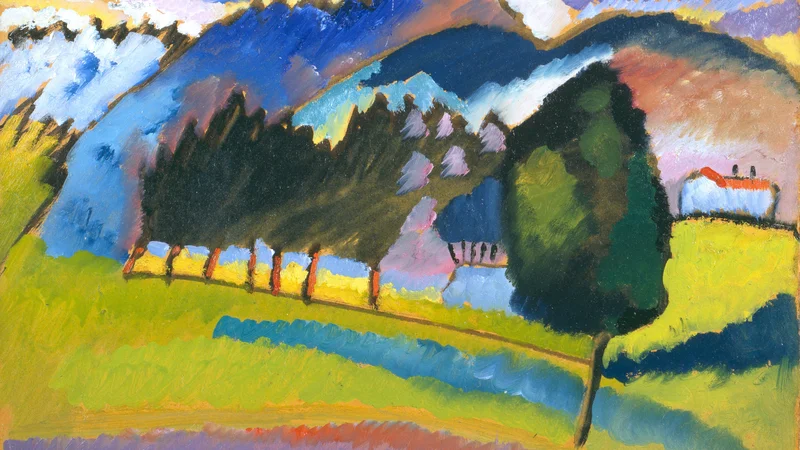
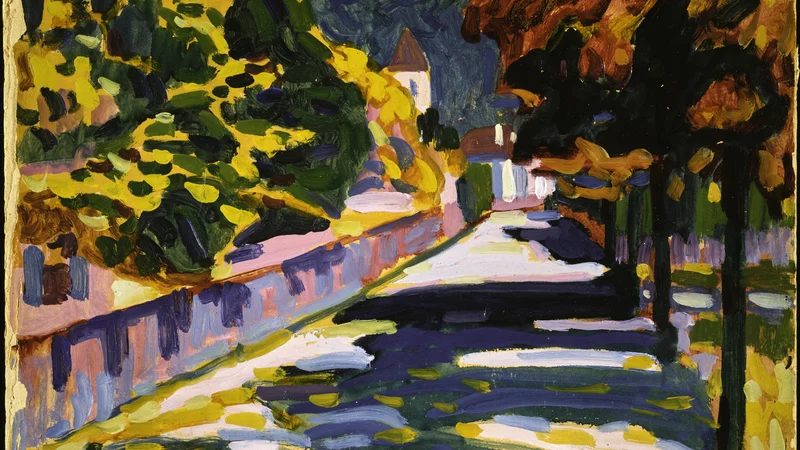
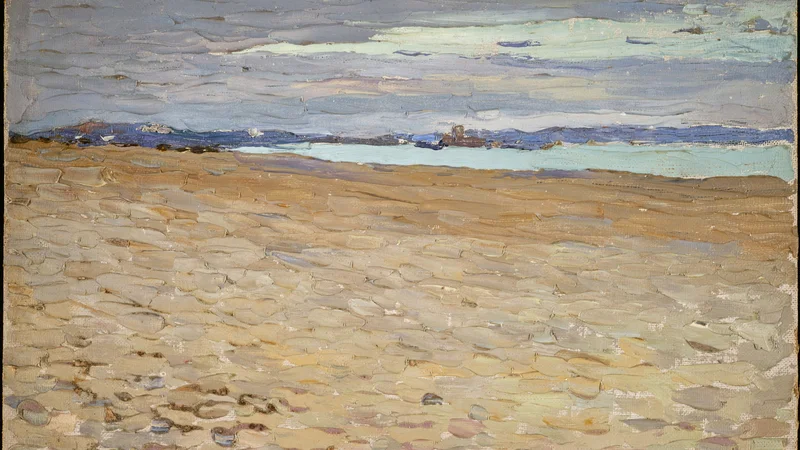
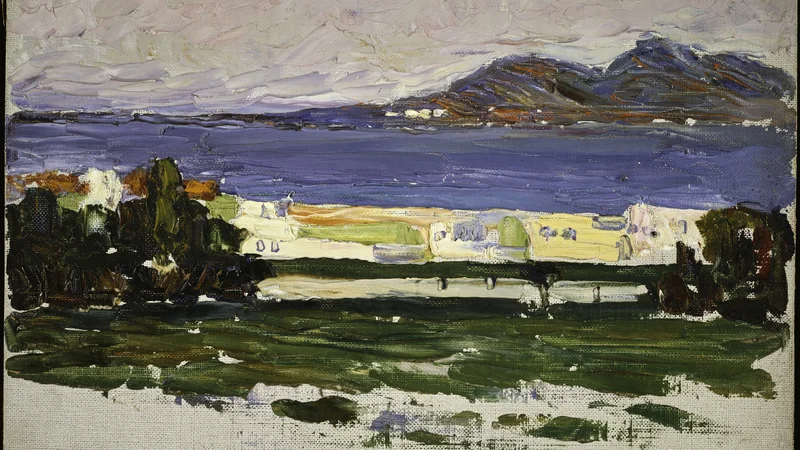
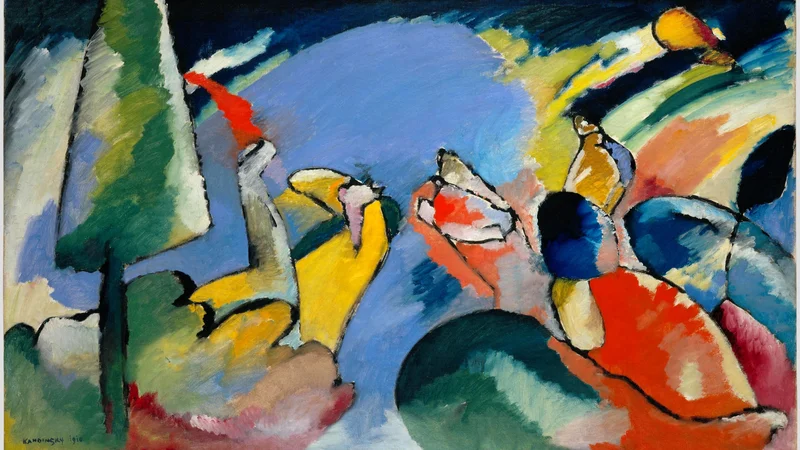
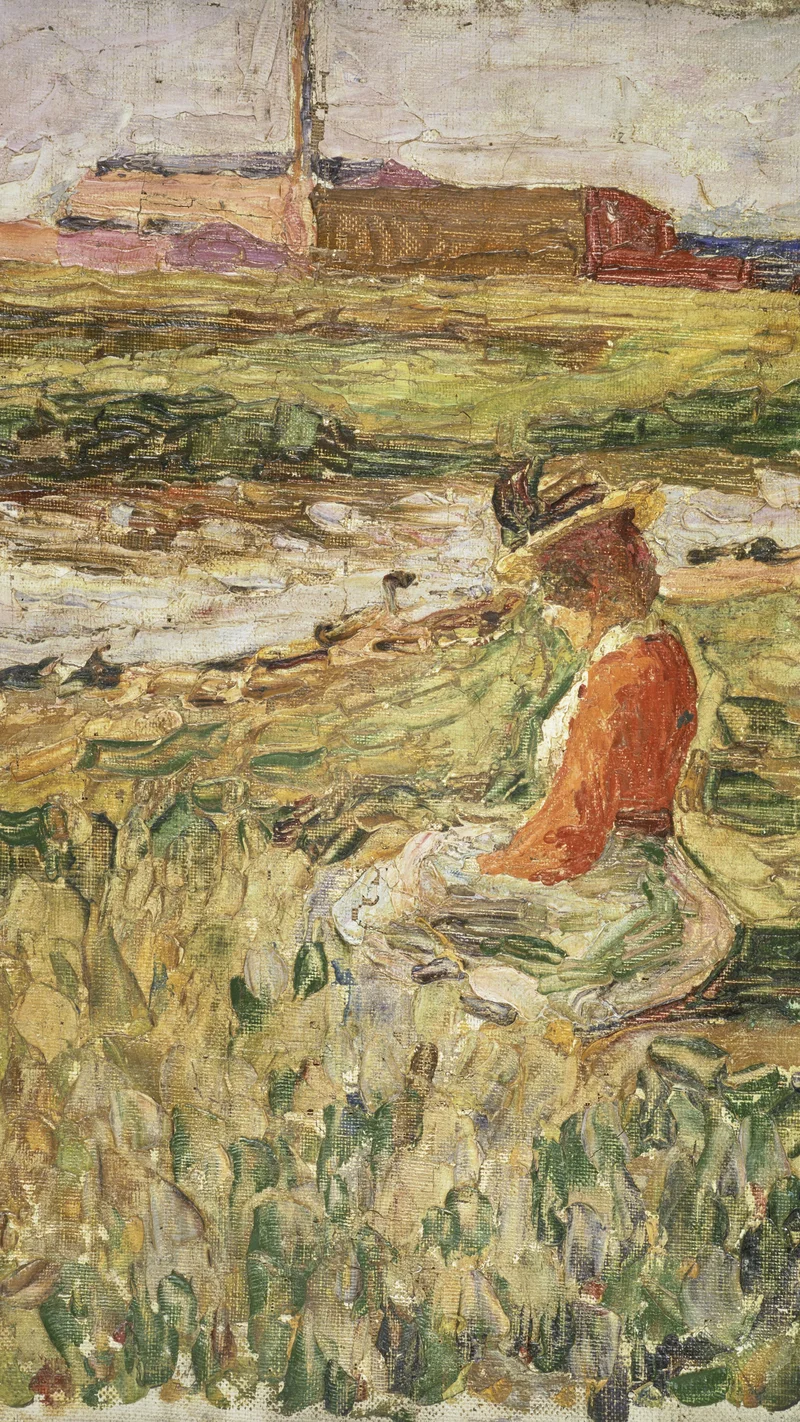
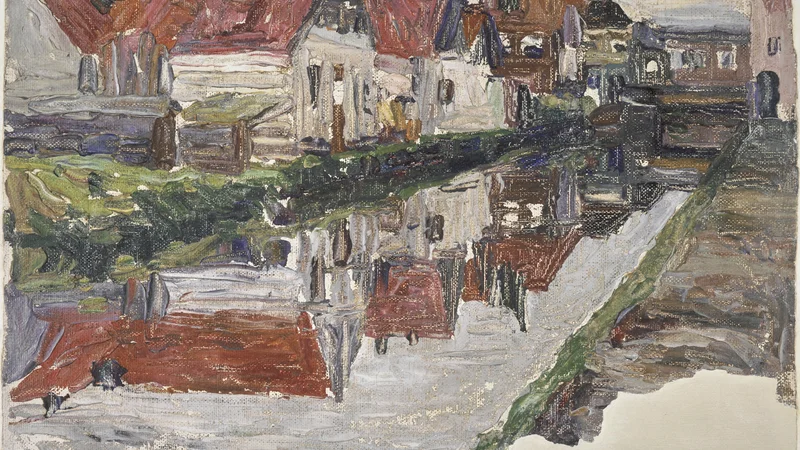
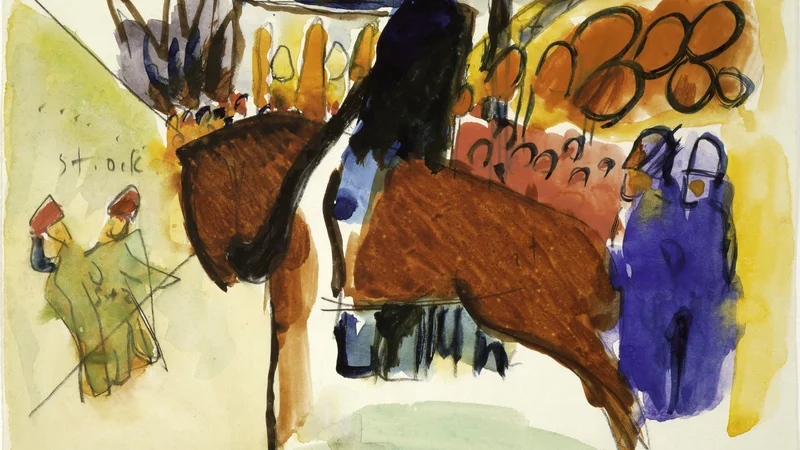
Wassily Kandinsky (1866–1944) was a Russian-born painter and art theorist whose contributions were foundational to the development of Expressionism and the birth of abstract art. After abandoning a career in law to study painting in Munich, Kandinsky emerged as a primary figure in the early 20th-century avant-garde. His practice evolved from representational landscapes, exemplified by works such as Holland - Beach chairs and Rapallo - Bay from 1901, toward a radical synthesis of form and color that sought to decouple visual expression from the constraints of mimetic representation.
Evolution of Abstraction
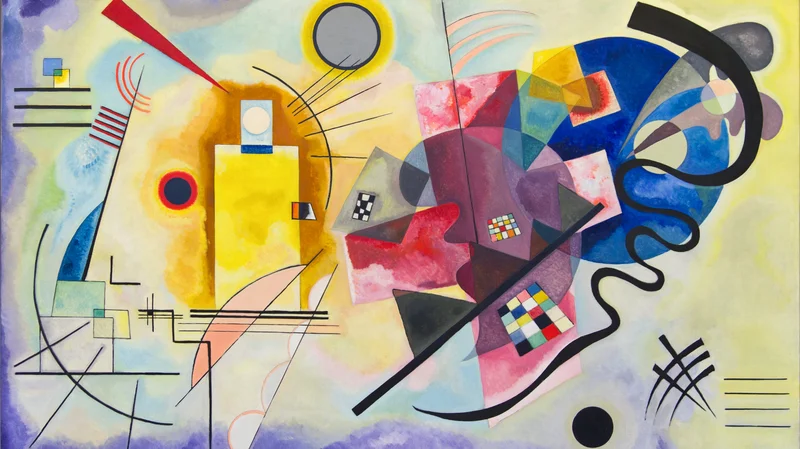
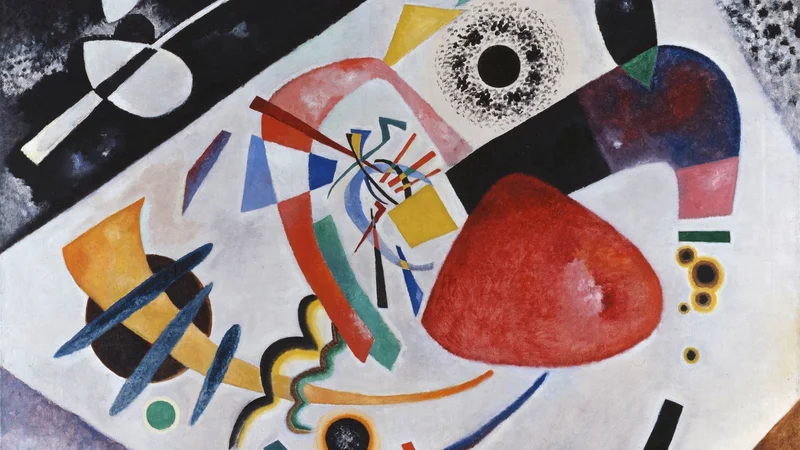
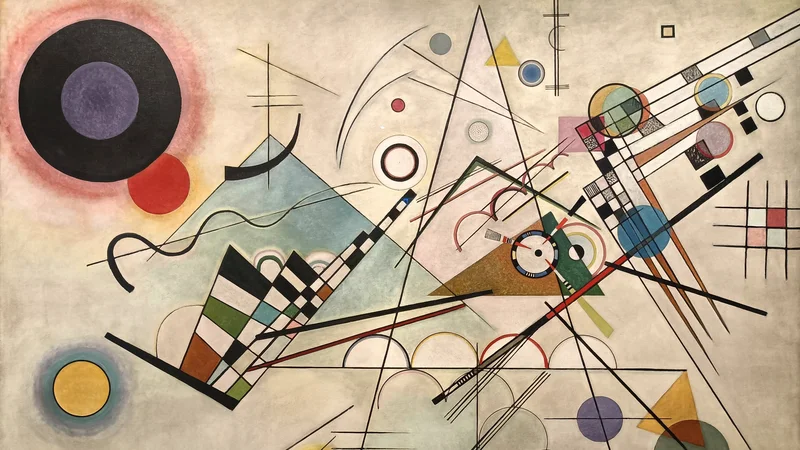
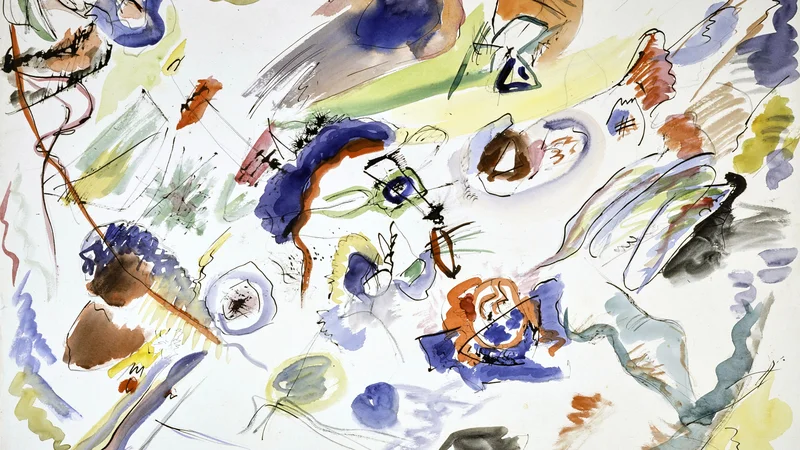
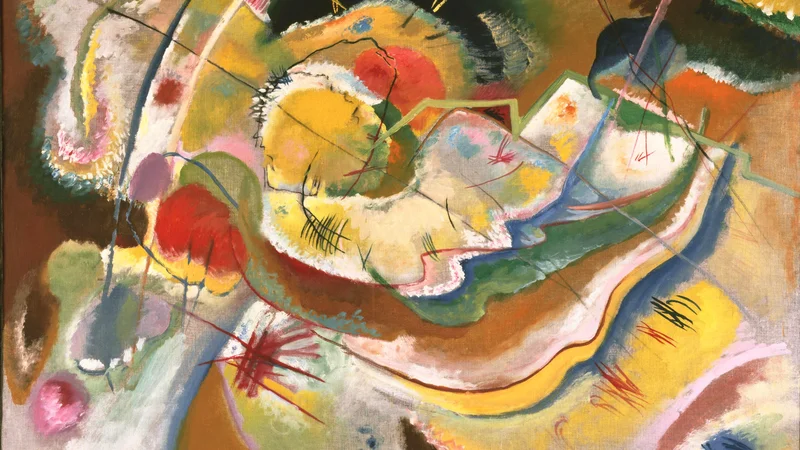
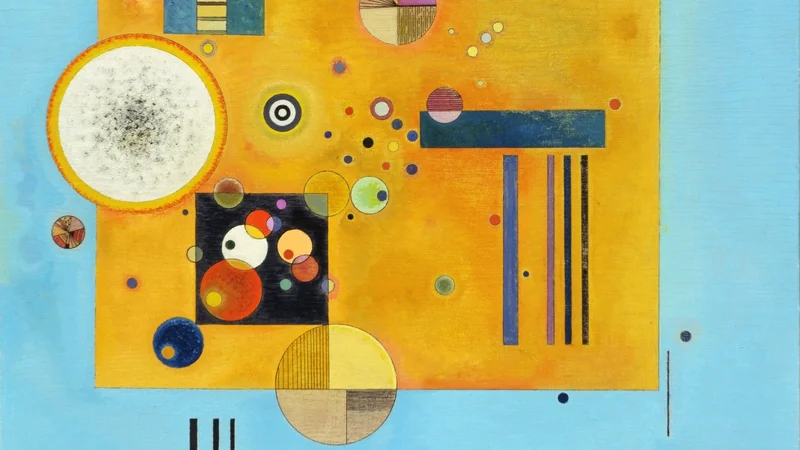
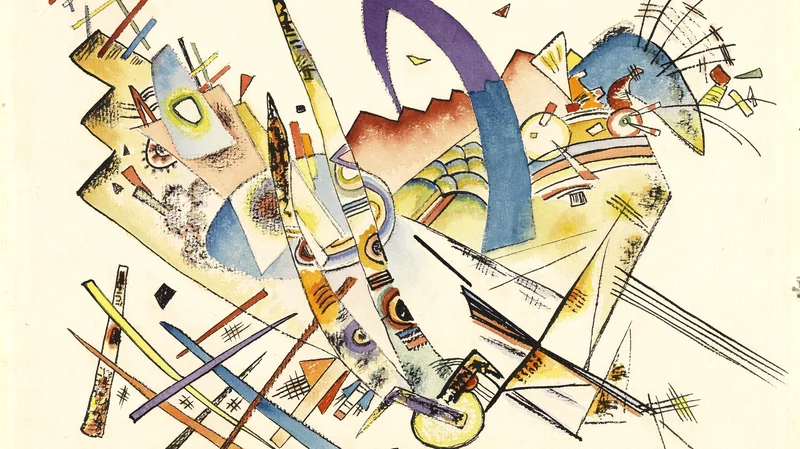
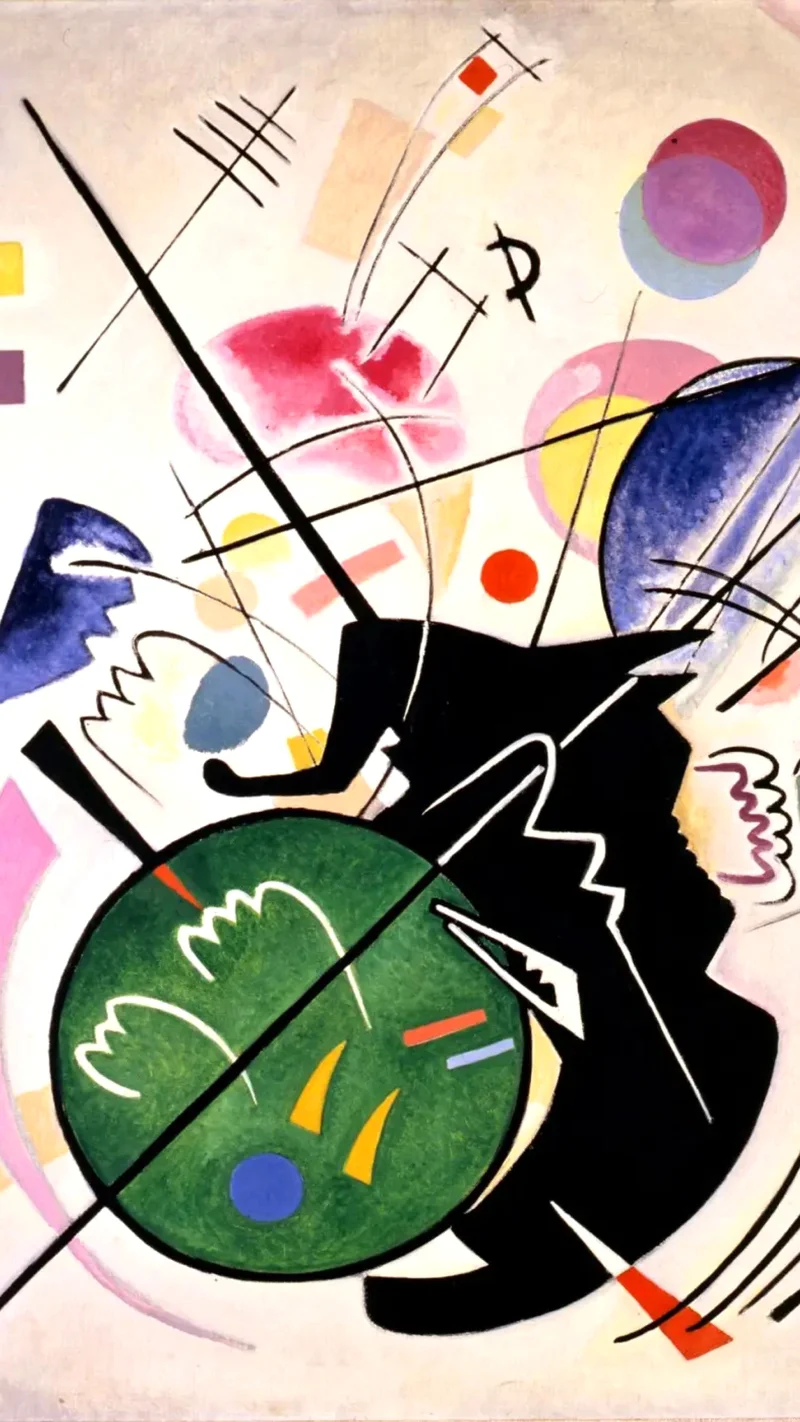
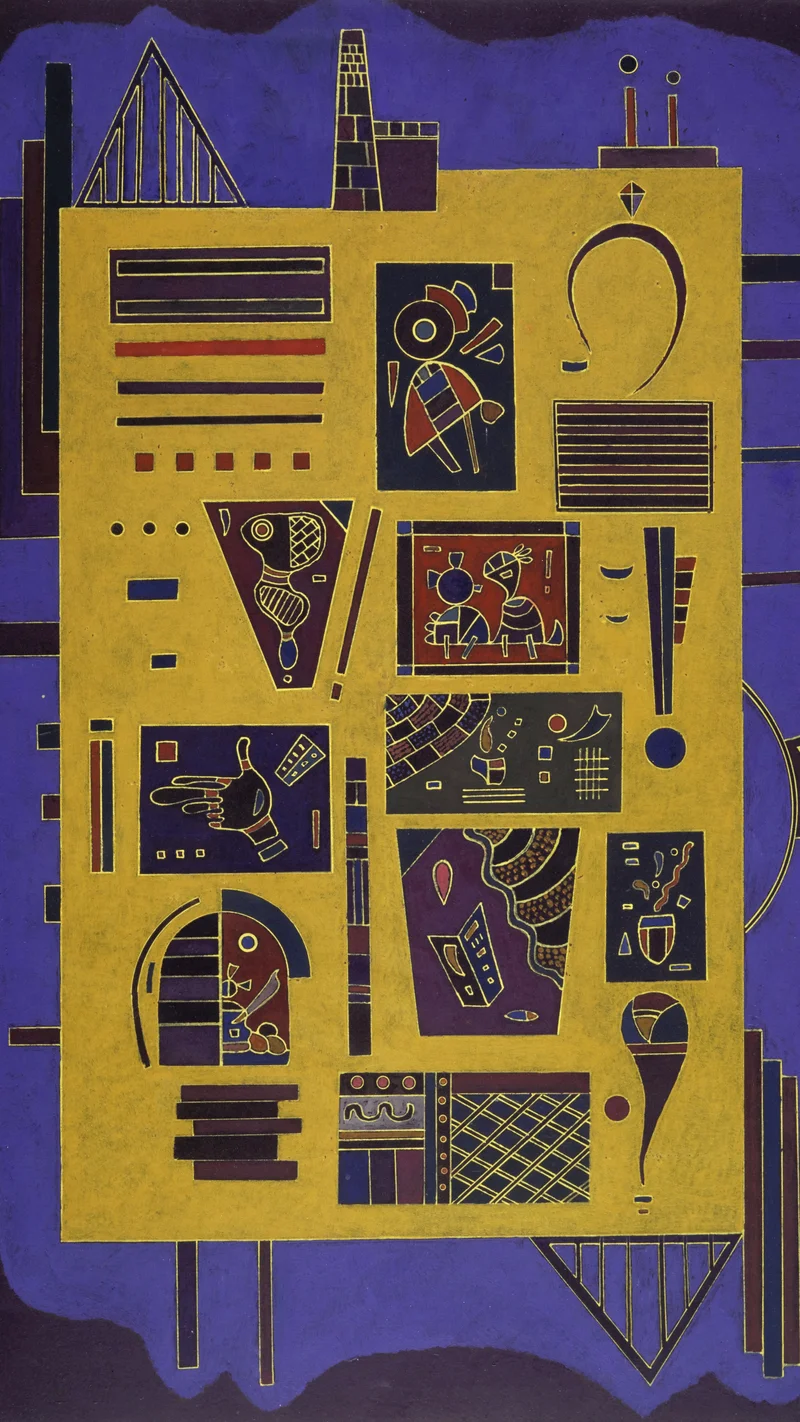
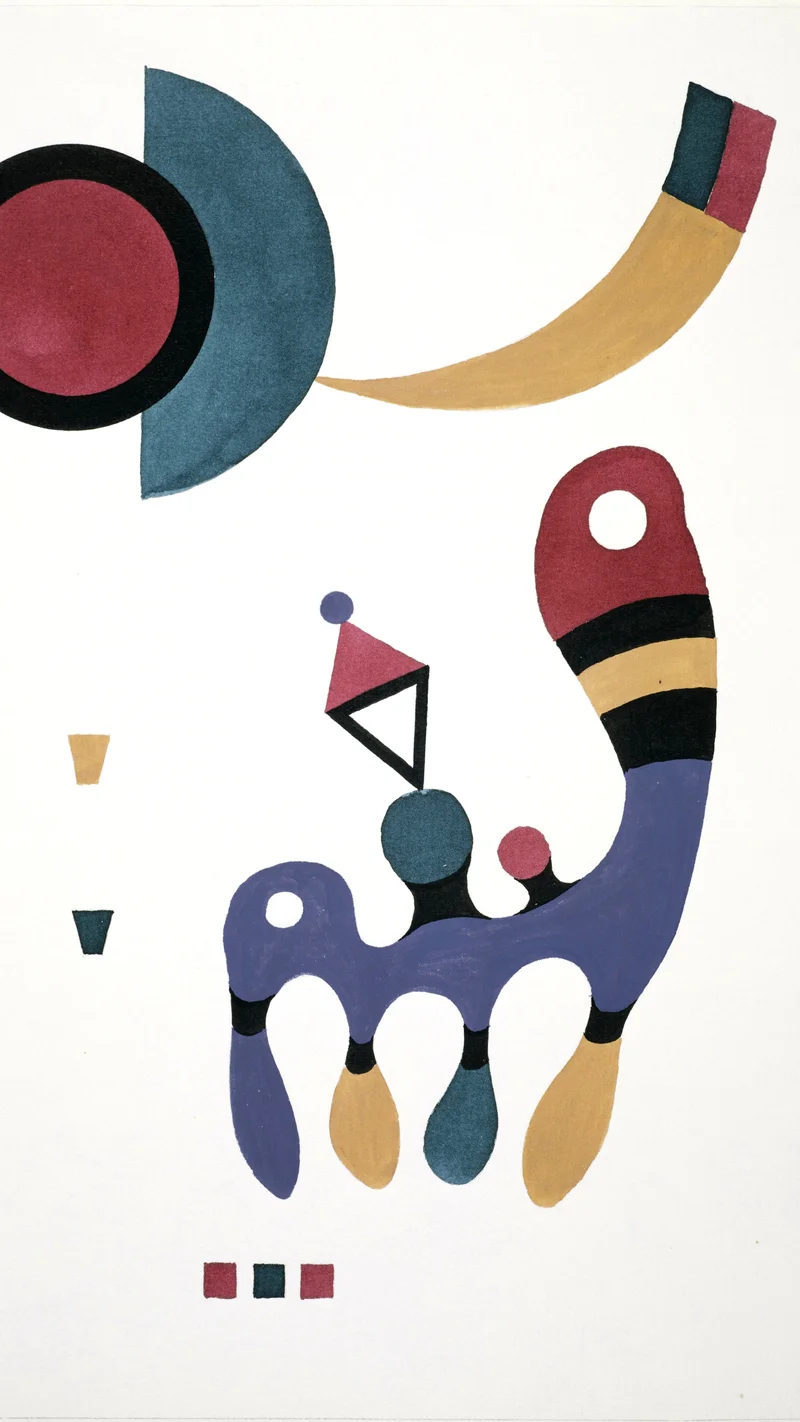
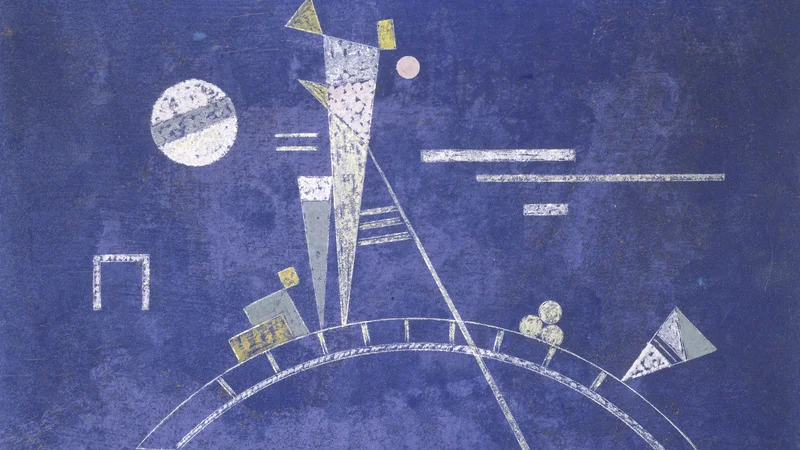
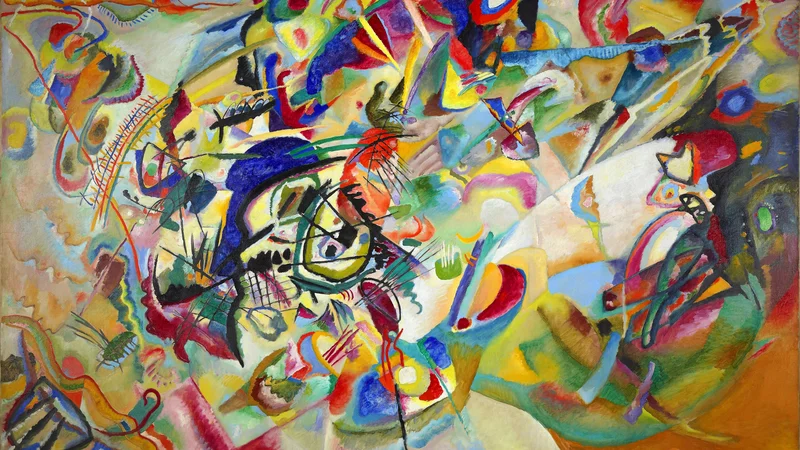
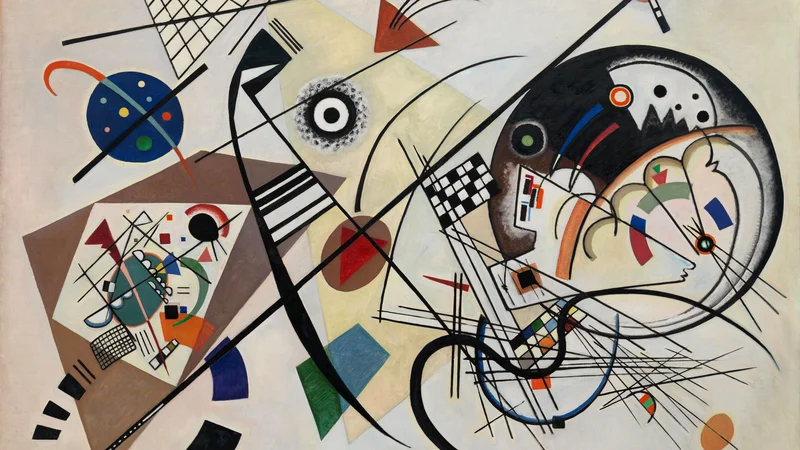
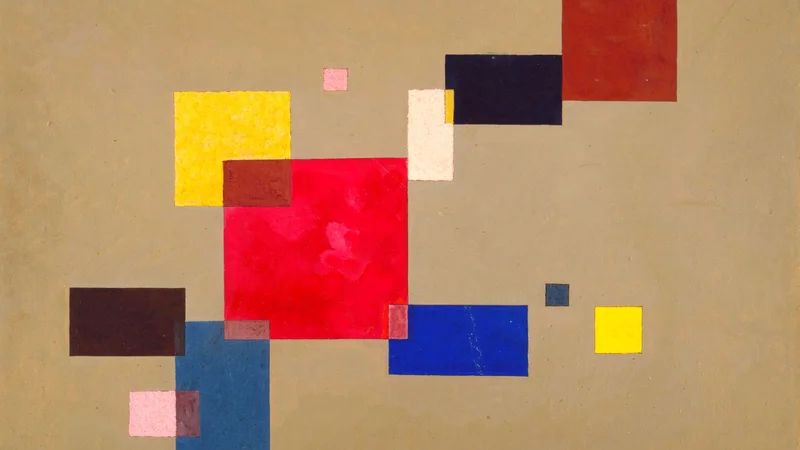
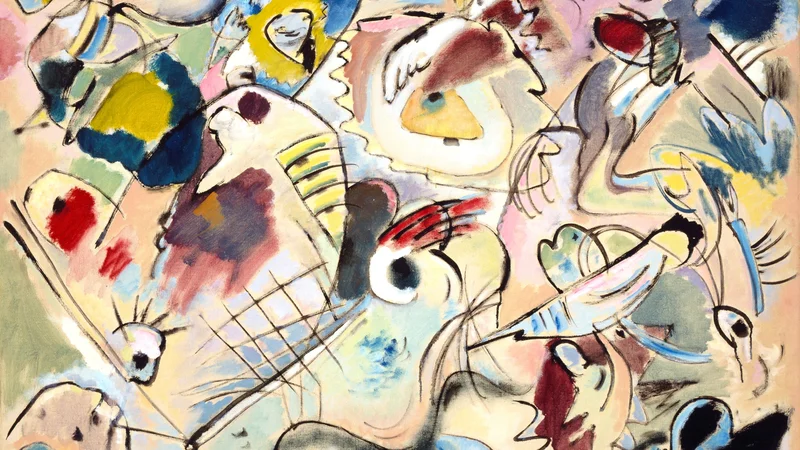
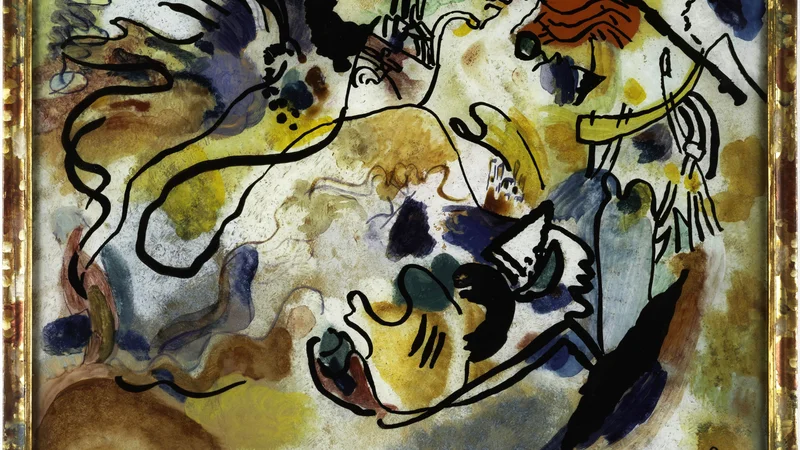
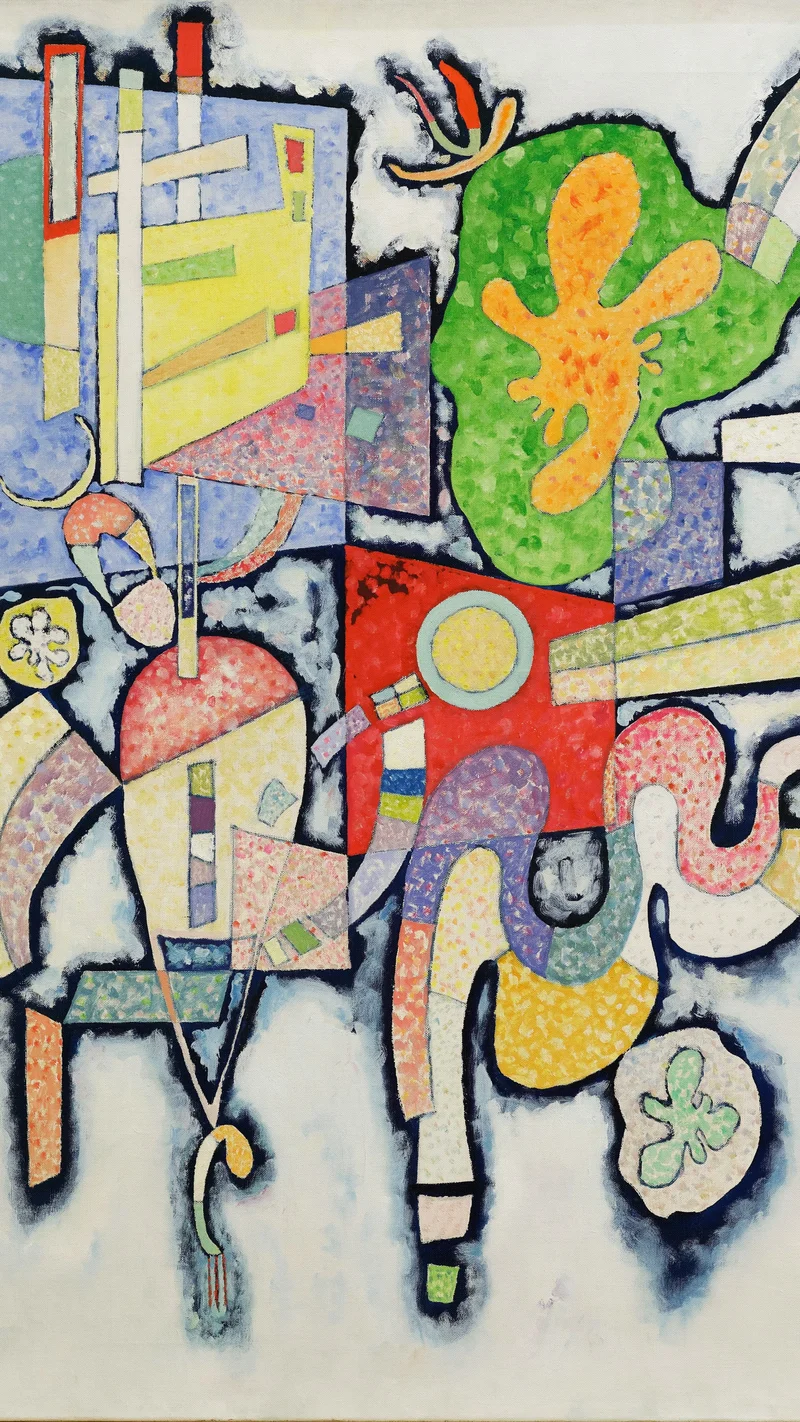
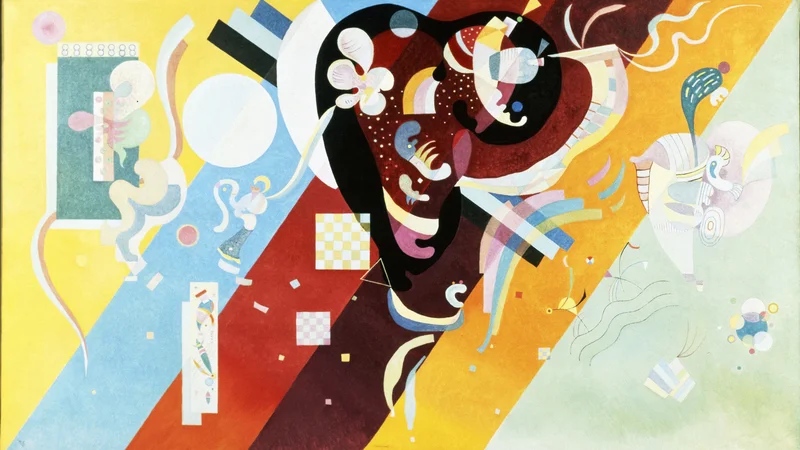
Kandinsky’s mature methodology relied on a systematic inquiry into the spiritual and psychological properties of geometry and pigment. During the critical period between 1910 and 1915, he transitioned into a fully non-objective lexicon, a development punctuated by the complex, polyphonic arrangements seen in Composition VII and the later, more rigid structural clarity of Composition 8 (1923). In works such as Yellow-Red-Blue and the minimalist Untitled, he utilized intersecting lines, chromatic intensity, and floating shapes to evoke a sensory experience independent of narrative subject matter. By stripping away external references, Kandinsky fundamentally altered the trajectory of modern art, establishing a vocabulary for pure abstraction that continues to inform critical discourse regarding the autonomy of the visual image.