Nicholas Chevalier
10 artworks
Nicholas Chevalier (1828–1902) was a Russian-born artist of Swiss-French descent who played a pivotal role in the development of colonial landscape painting during the nineteenth century. Active prominently throughout the 1880s and 1890s, his work is deeply rooted in the traditions of Romanticism, characterized by a profound reverence for the sublime power of the natural world. Trained in Europe before his extensive travels through Australia and New Zealand, Chevalier served as a crucial bridge between European artistic sensibilities and the vast, untamed vistas of the Southern Hemisphere, documenting frontier expansion with scholarly precision and dramatic flair.
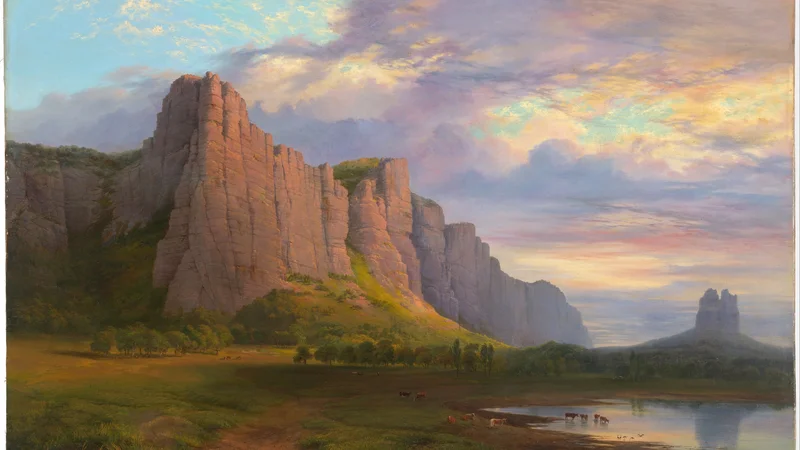
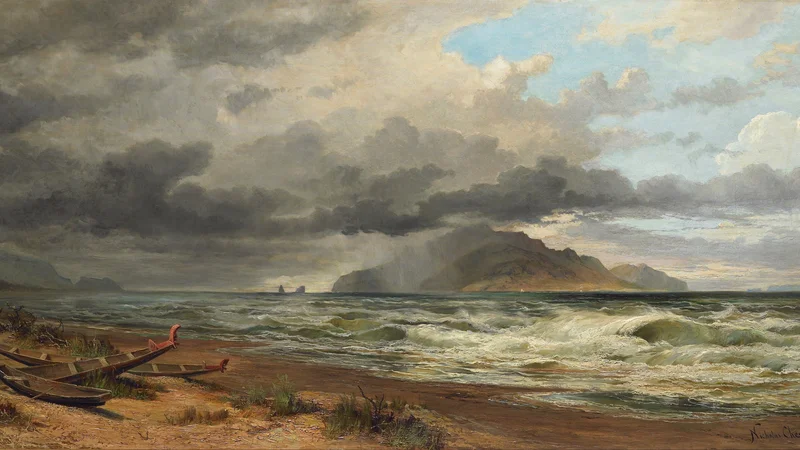
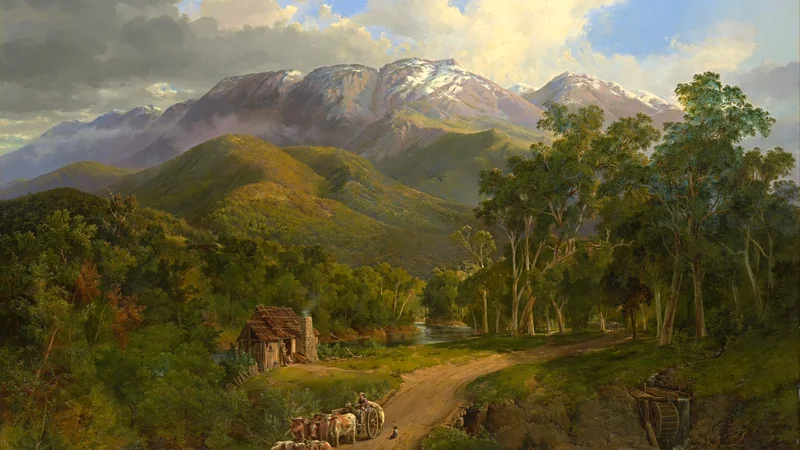
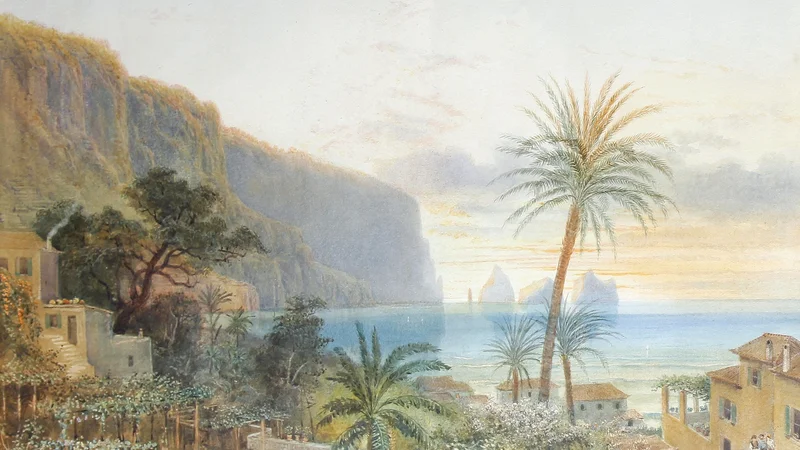
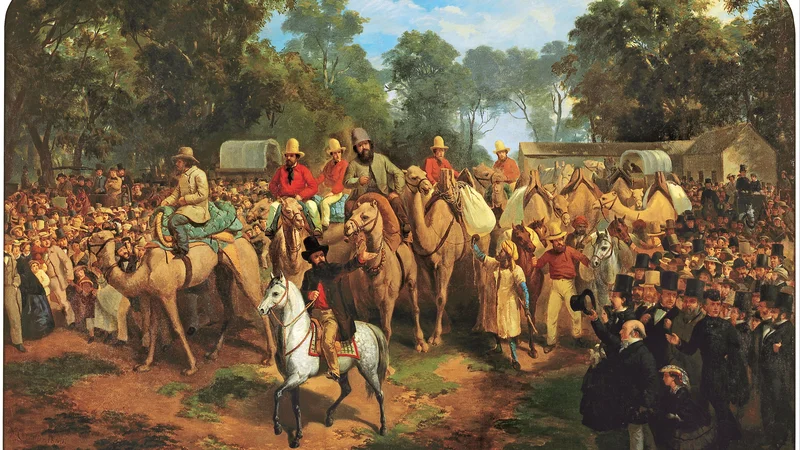
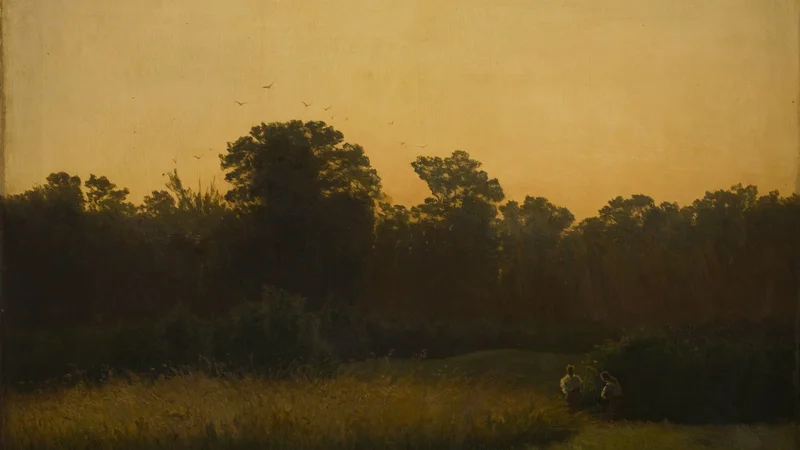
Chevalier’s technical prowess is particularly evident in his mastery of watercolour, a medium he utilized to capture the shifting atmospheric conditions of remote terrains. His portfolio includes significant compositions such as Mount Arapiles and the Mitre Rock, The Buffalo Ranges, and the evocative View of the Faraglioni, Capri, the latter of which reflects his later European output in 1892. In works like Memorandum of the Start of the Exploring Expedition, Cook Strait, New Zealand, and Harvest, he demonstrated a keen ability to synthesize topographical accuracy with a lyrical sensitivity to light and geological formation. These works remain essential to understanding the evolution of colonial landscapes, as they prioritize both the narrative of exploration and the aesthetic weight of the wilderness. His enduring contribution lies in his capacity to frame the colonial environment as a site of both scientific inquiry and profound emotional resonance, cementing his status as a key figure in the visual history of the nineteenth-century global landscape tradition.