Claude Monet
480 artworks
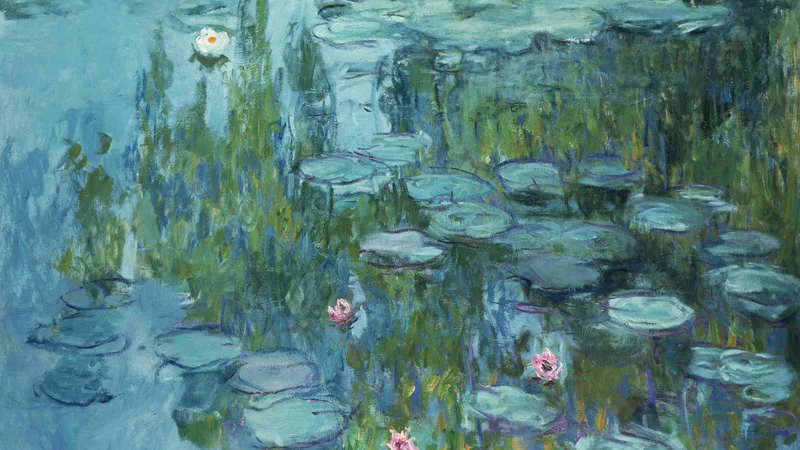
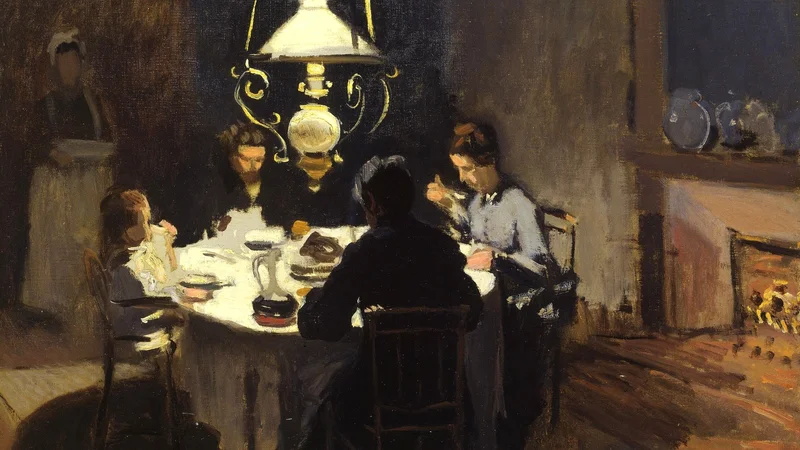
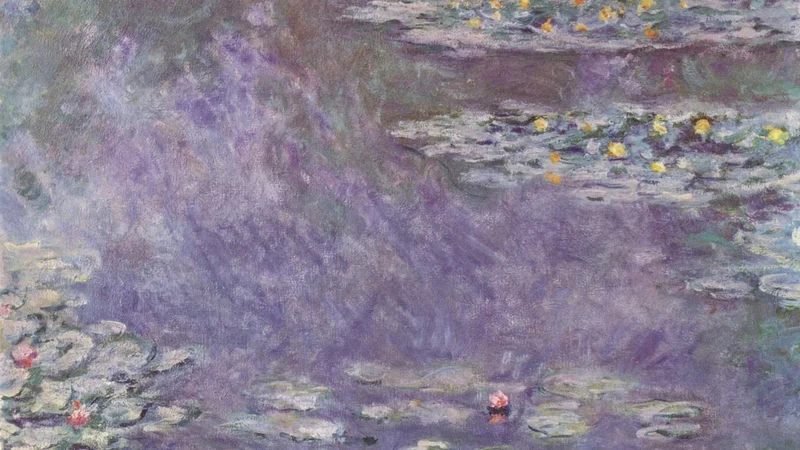
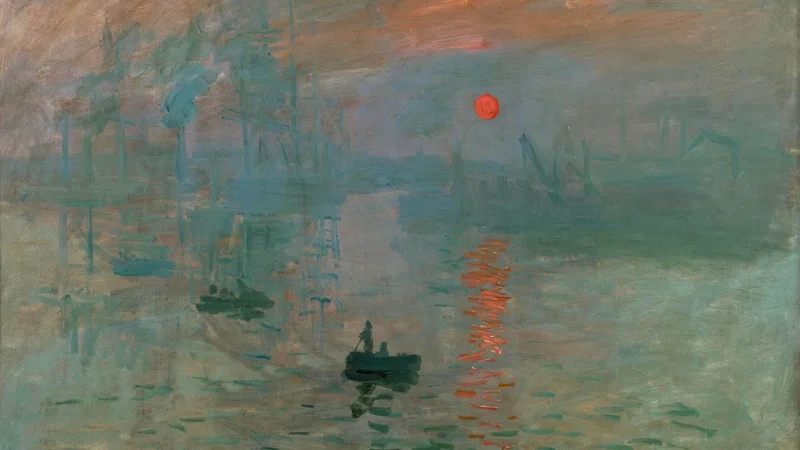
Claude Monet (1840–1926) was a foundational French painter and a central figure of Impressionism, a movement that fundamentally shifted the trajectory of modern art by prioritizing the subjective experience of light and color over academic precision. Eschewing the structured formalities of the Paris Salon, Monet developed a radical approach to painting en plein air, focusing on the transient qualities of nature. His work, which gained prominence through his participation in the seminal 1874 exhibition, redirected artistic inquiry toward the optical perception of the environment rather than traditional narrative subject matter.
The Evolution of Light and Atmosphere
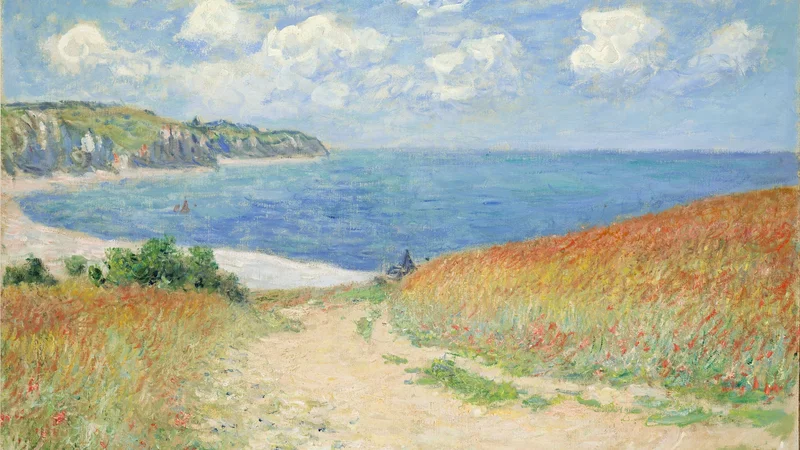
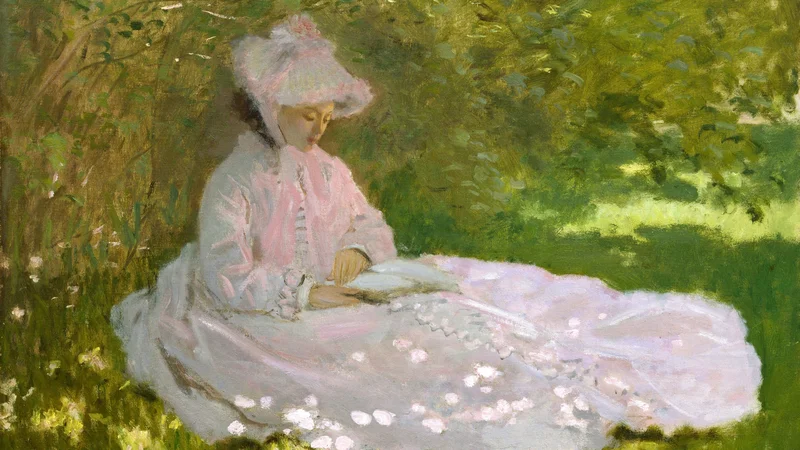
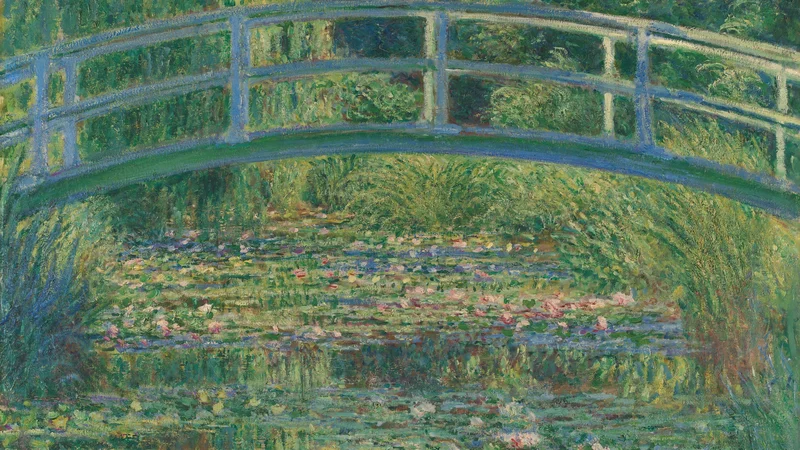
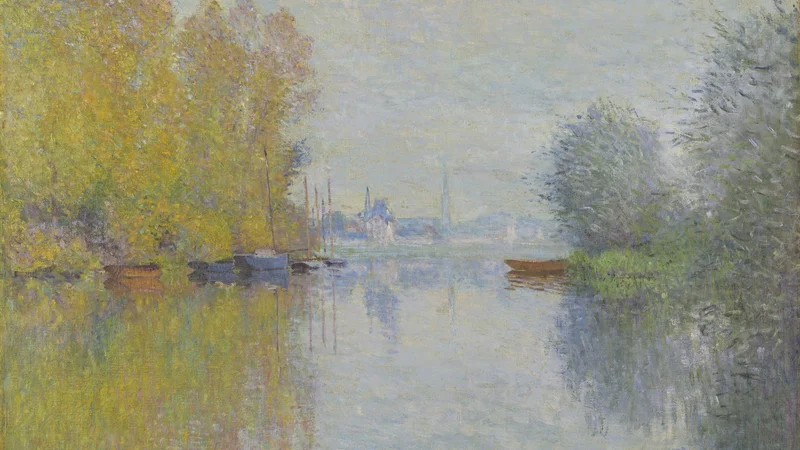
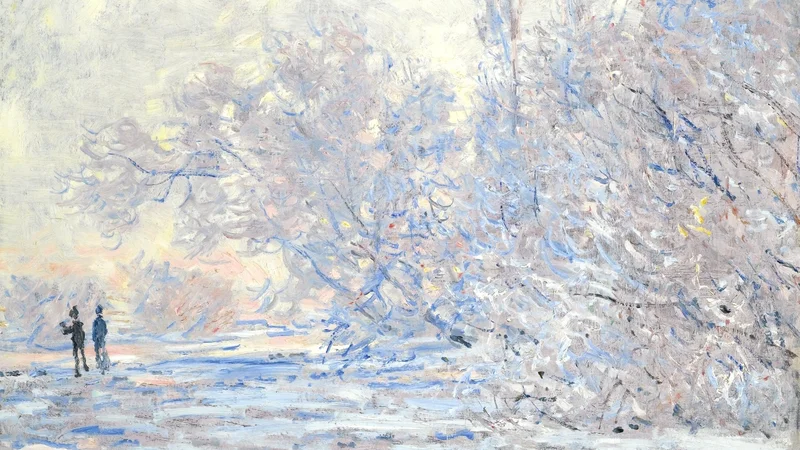
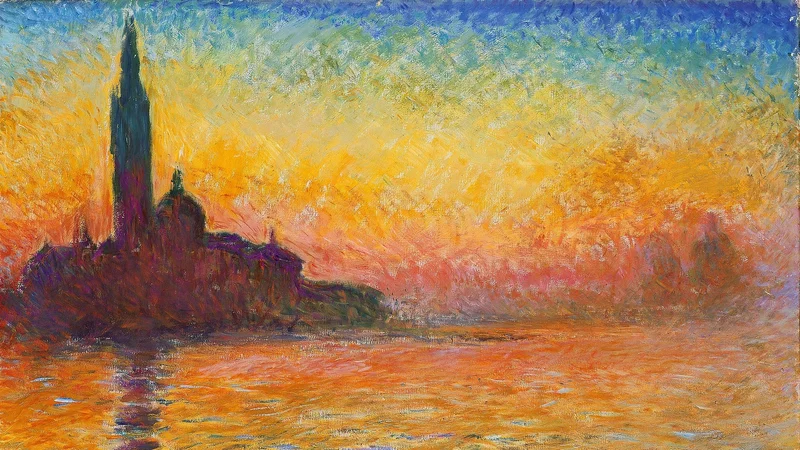
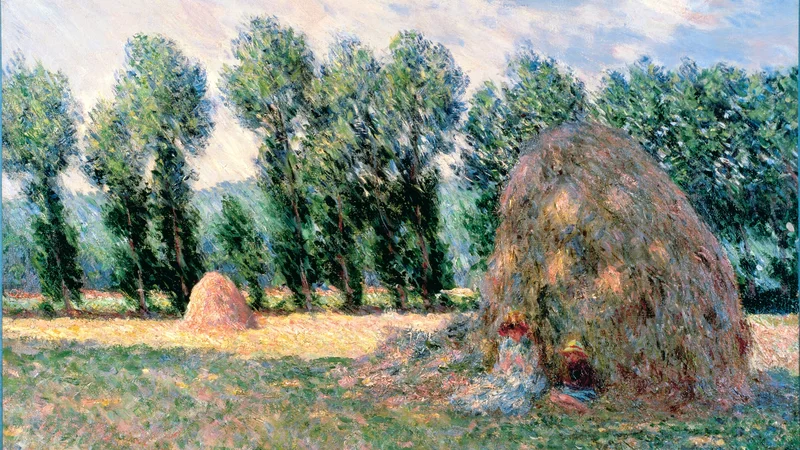
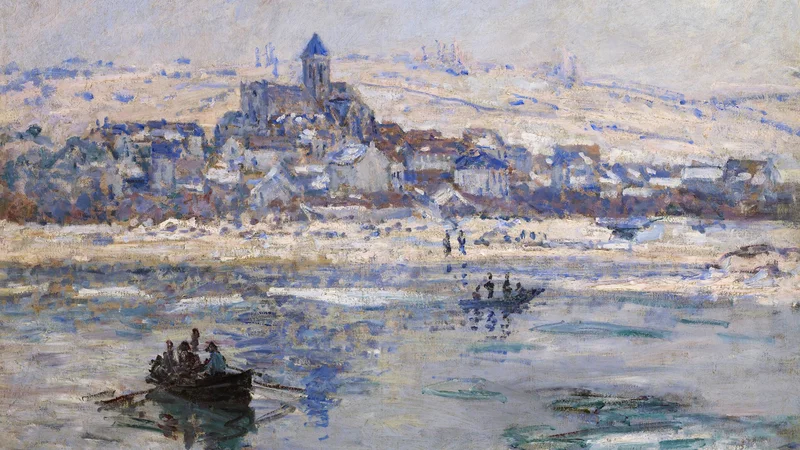
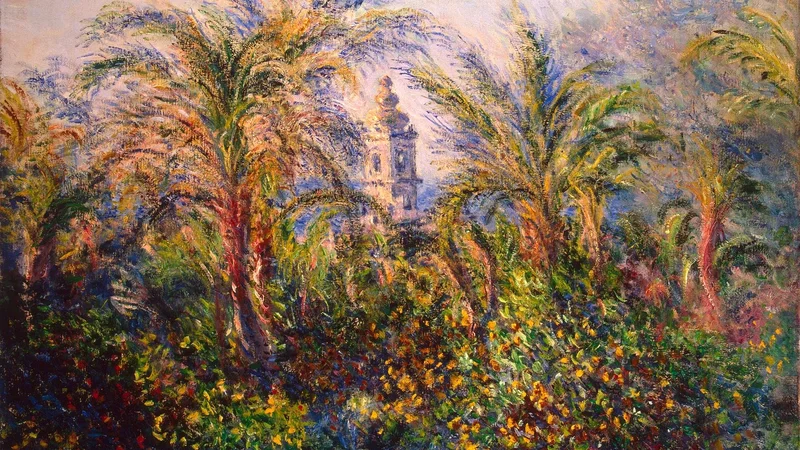
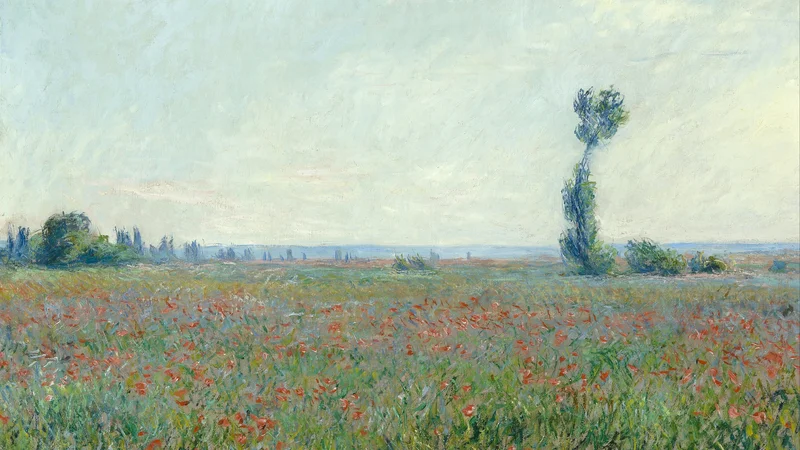
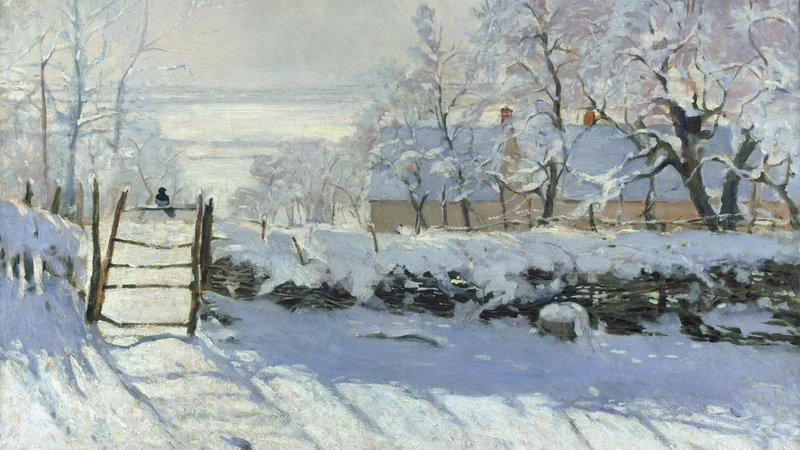
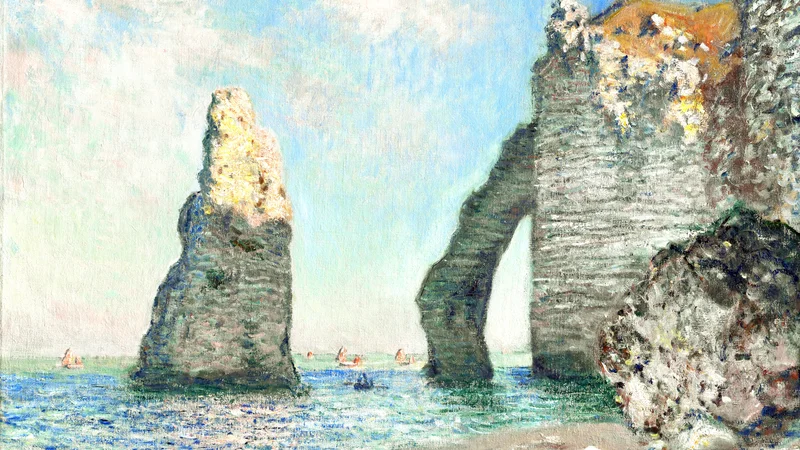
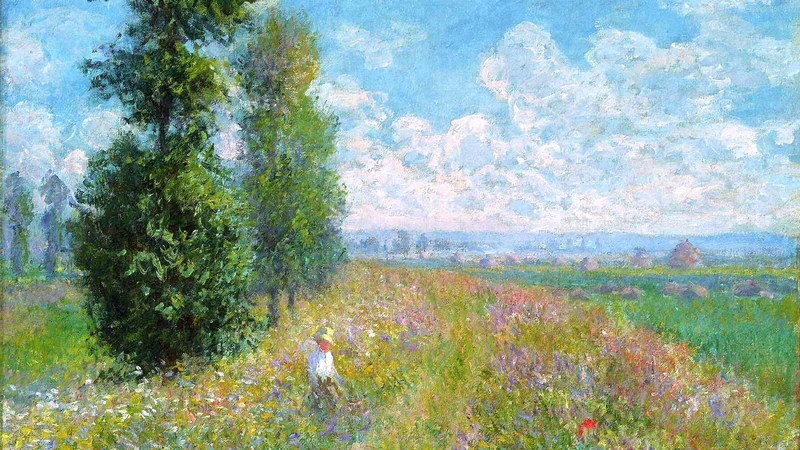
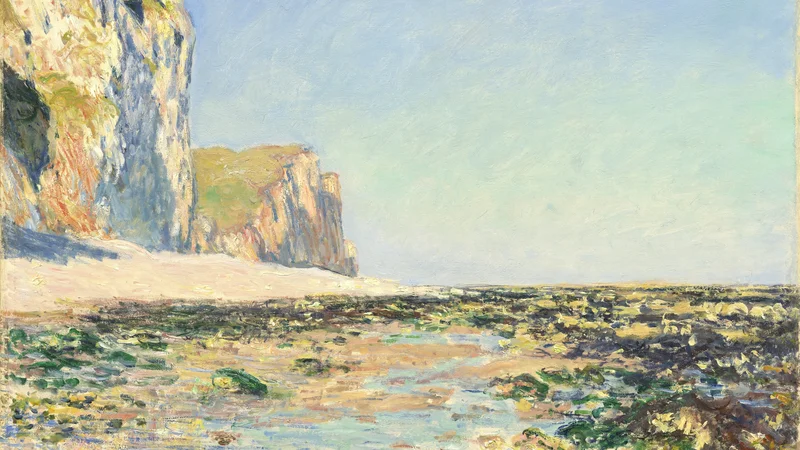
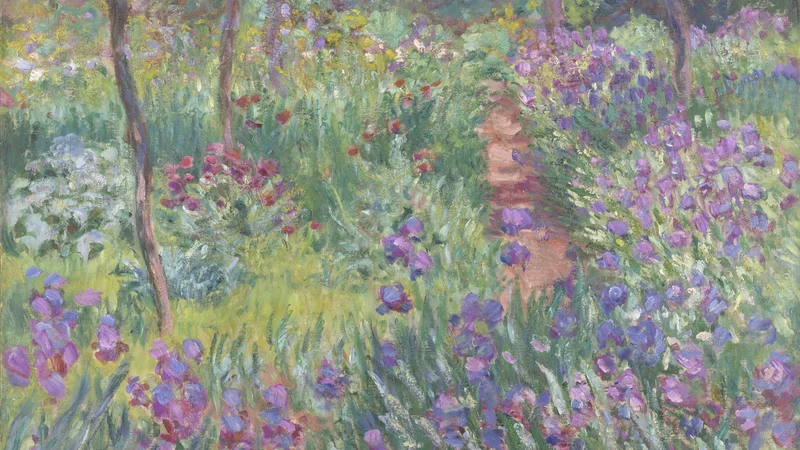
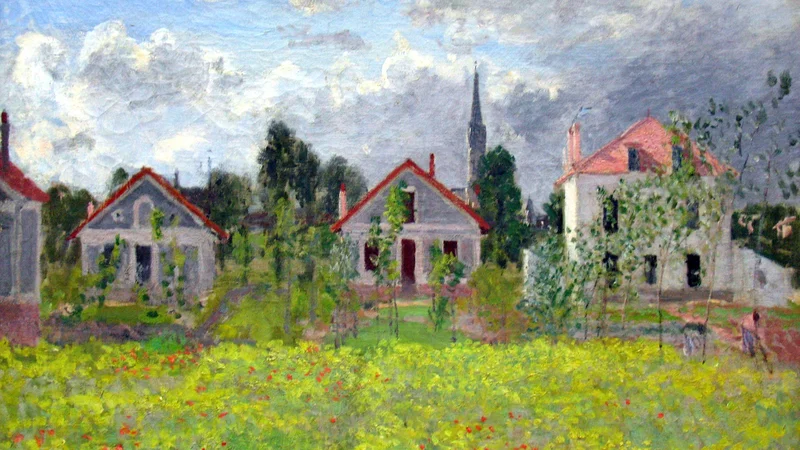
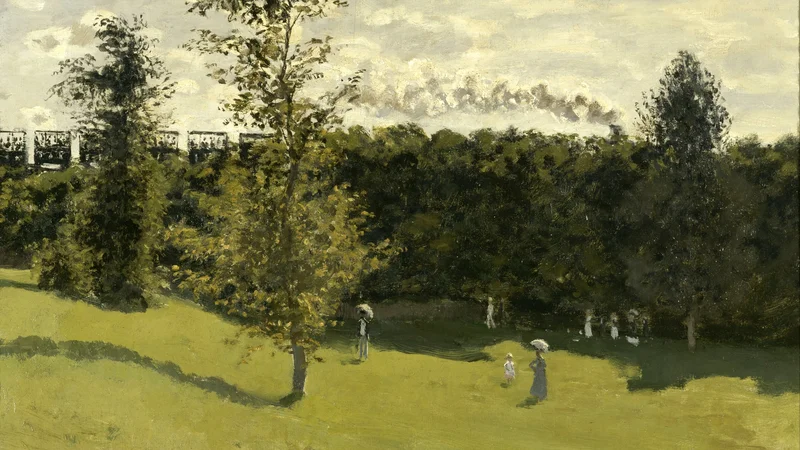
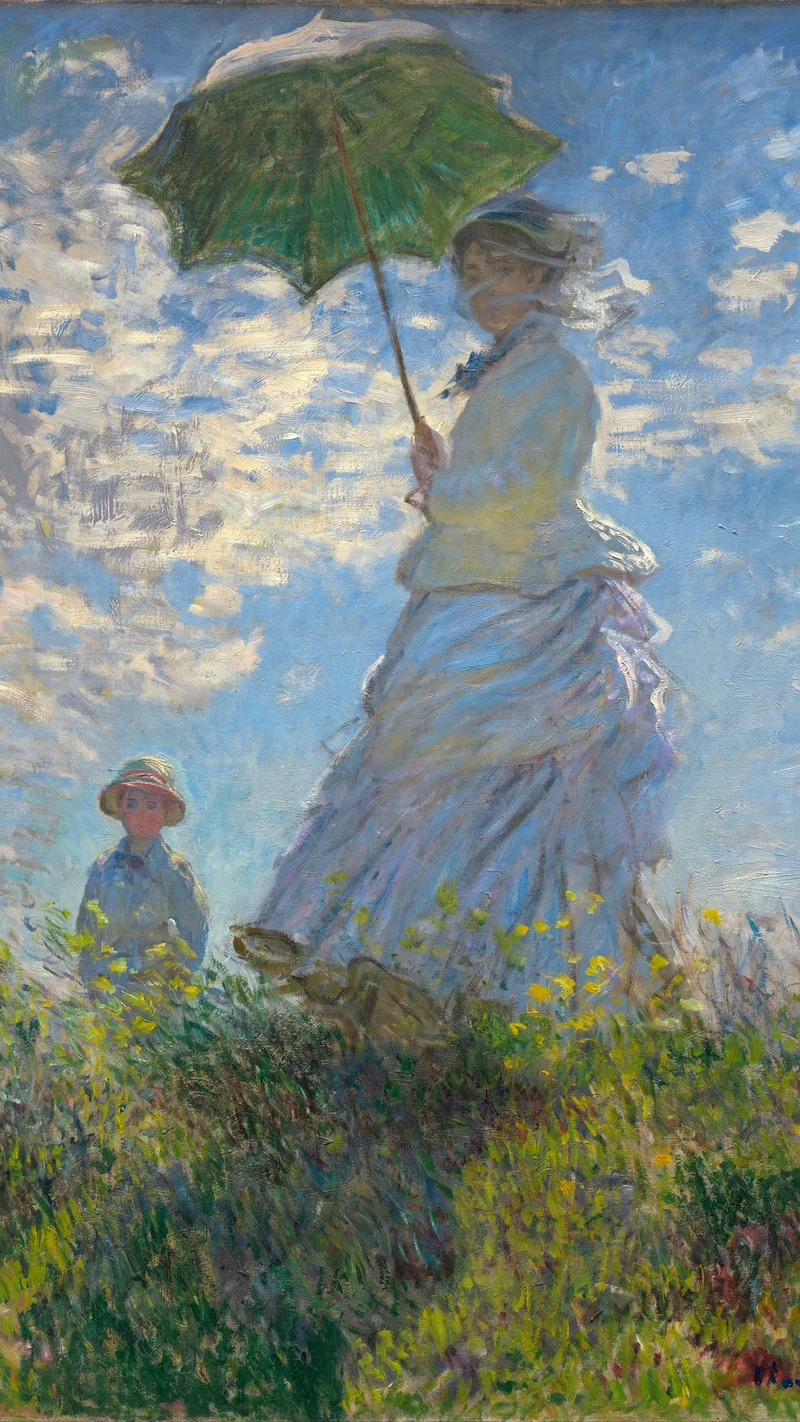
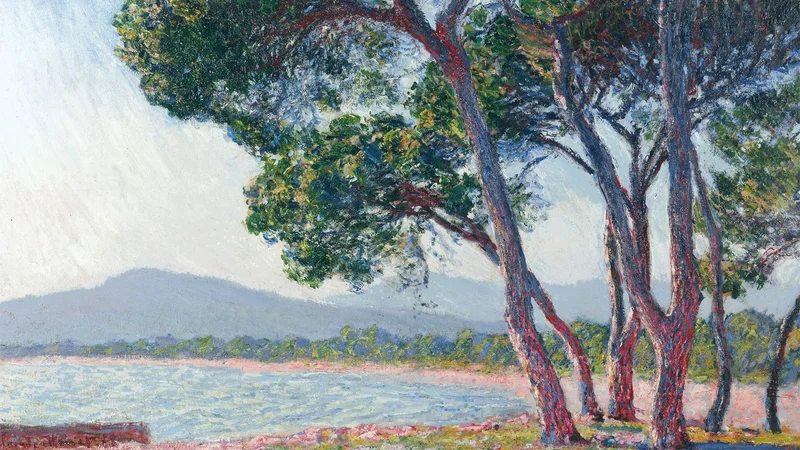
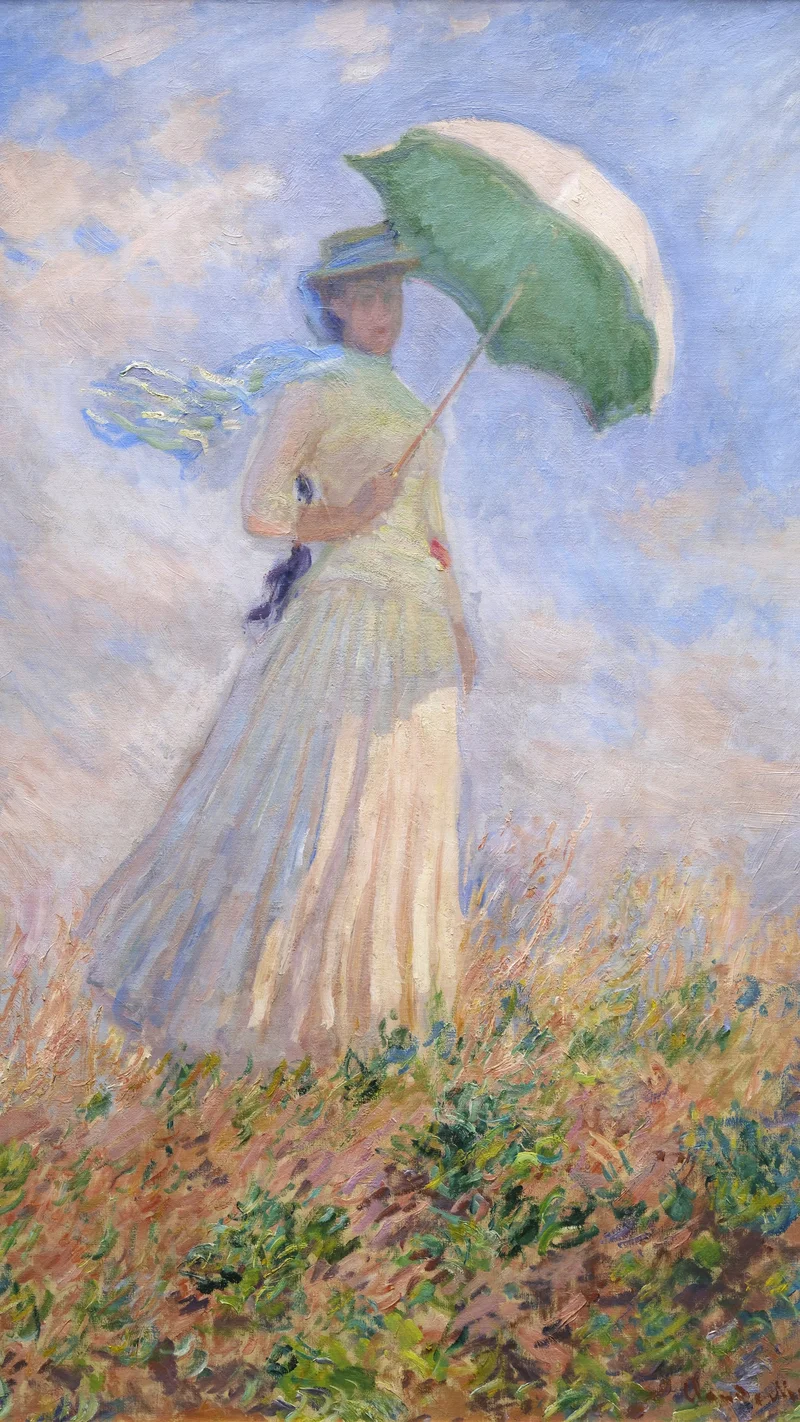
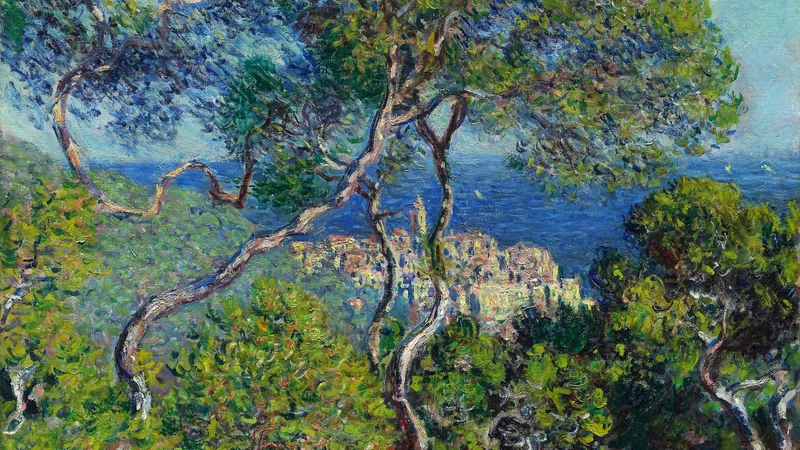
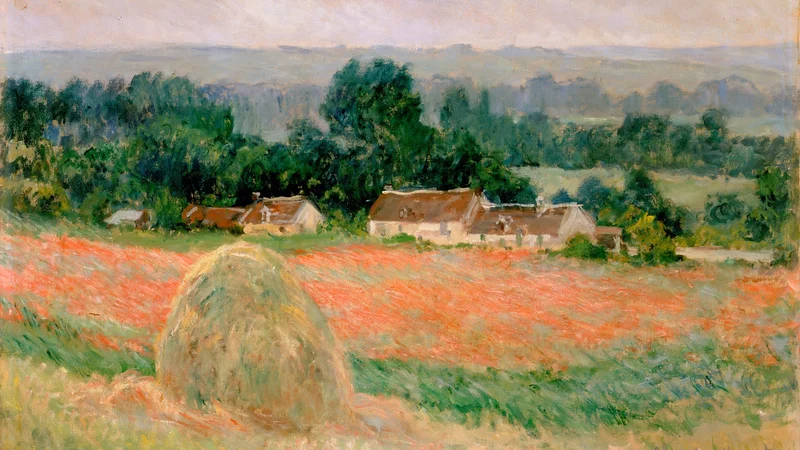
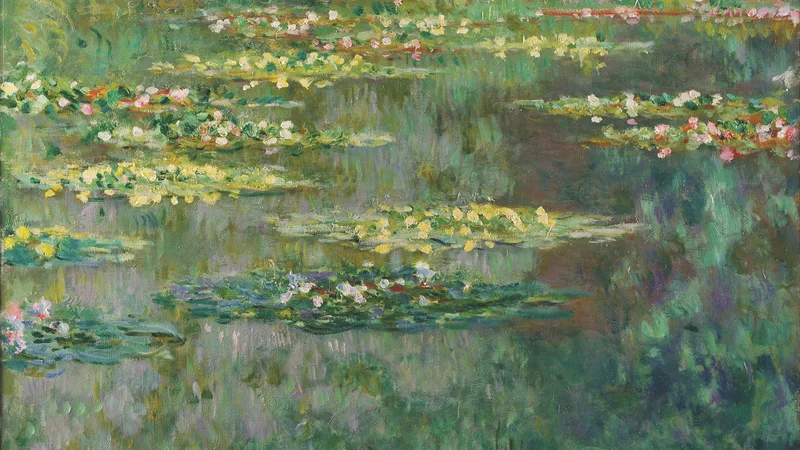
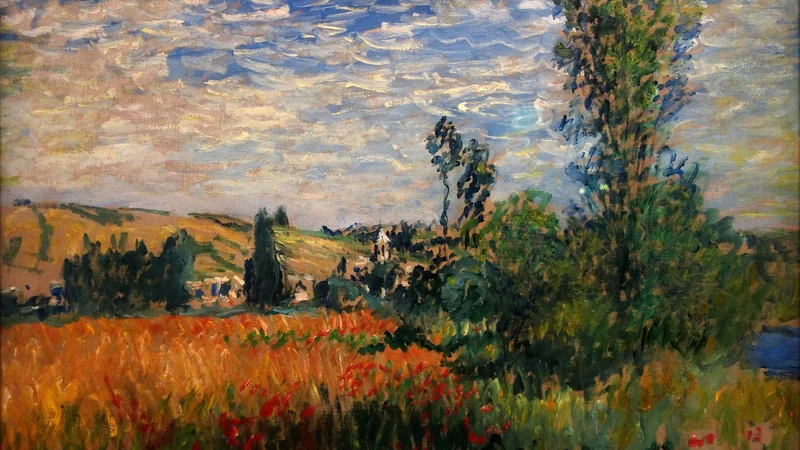
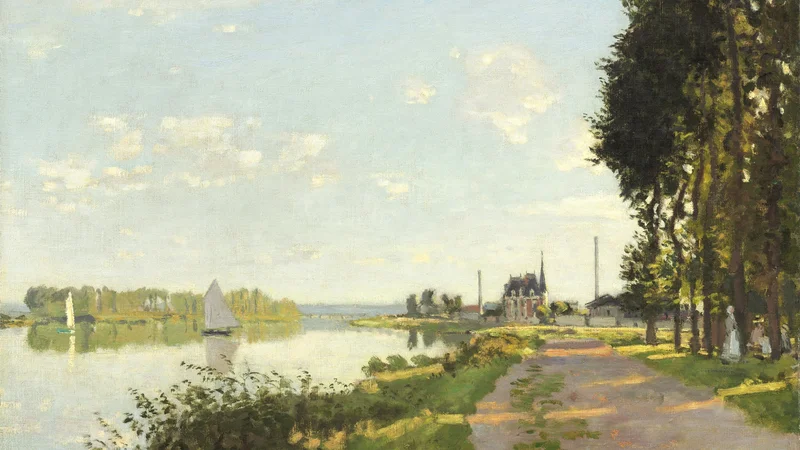
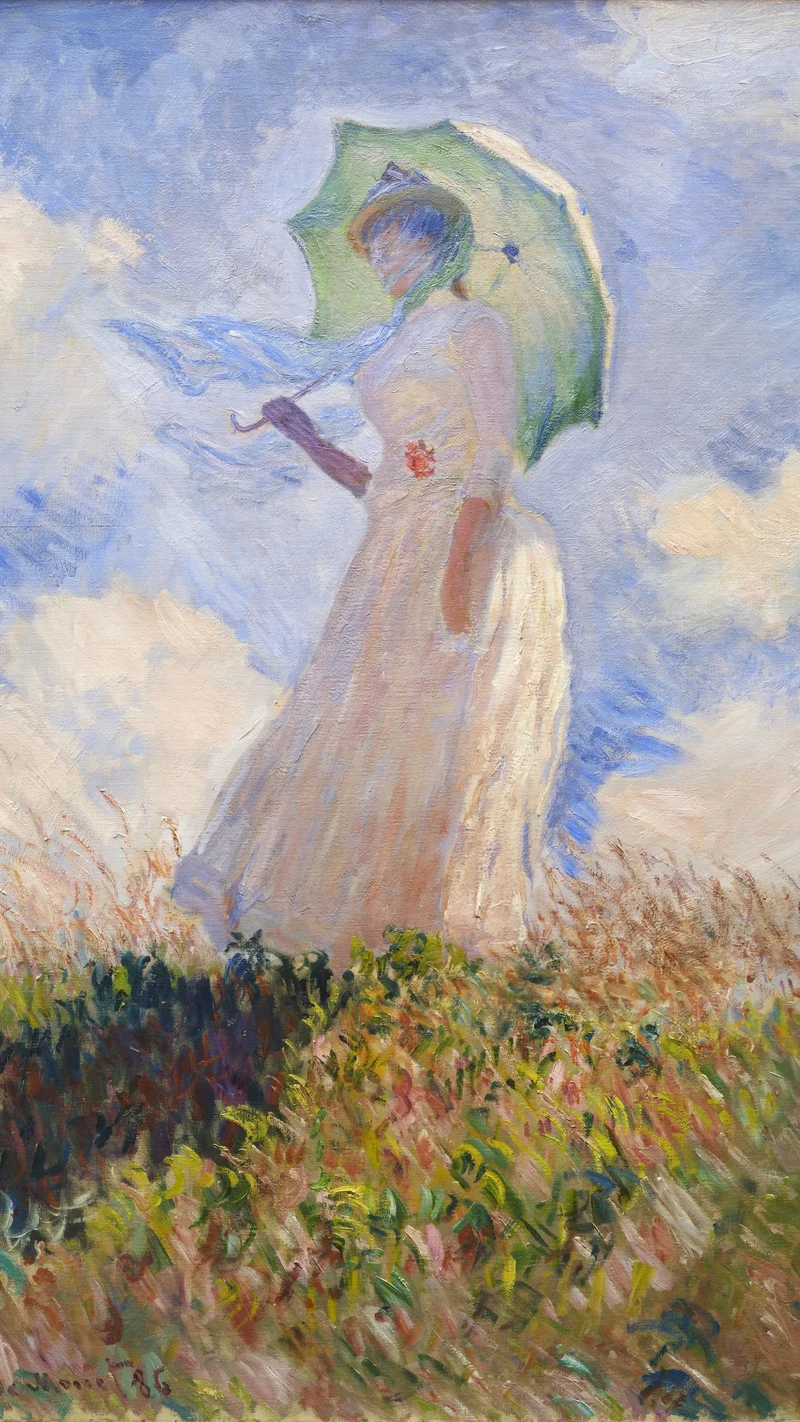
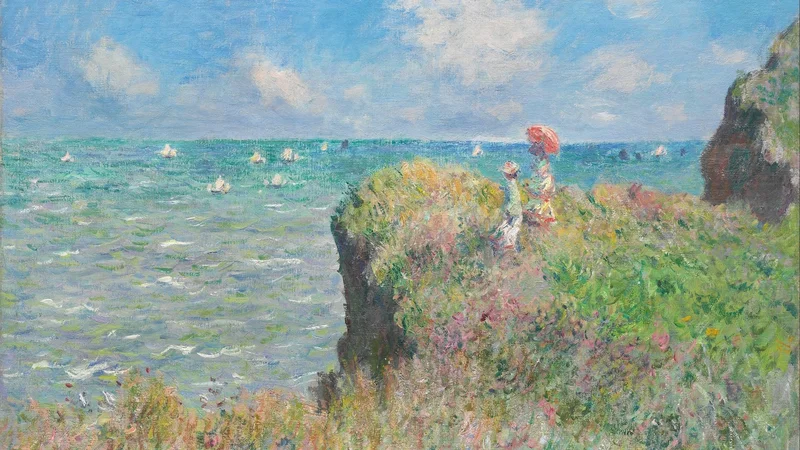
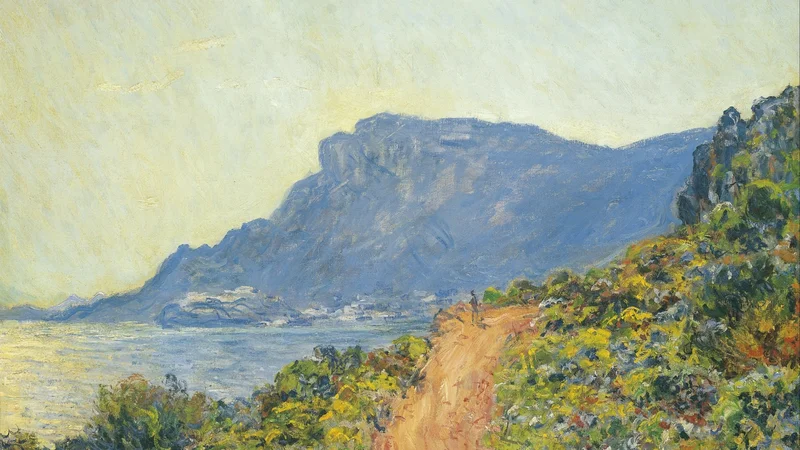
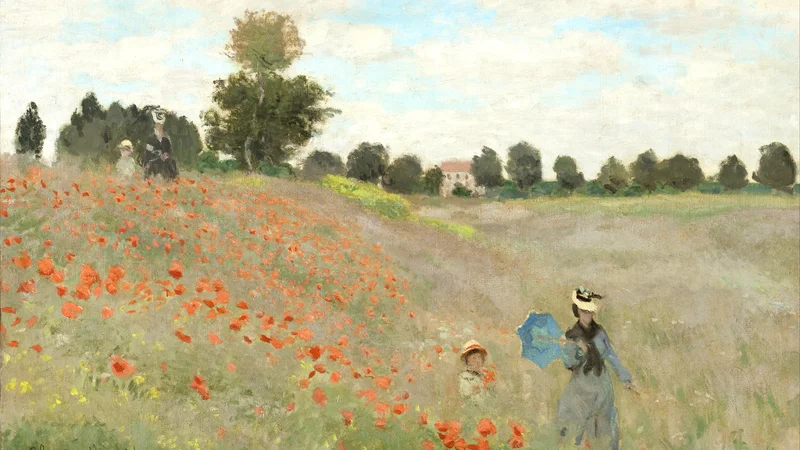
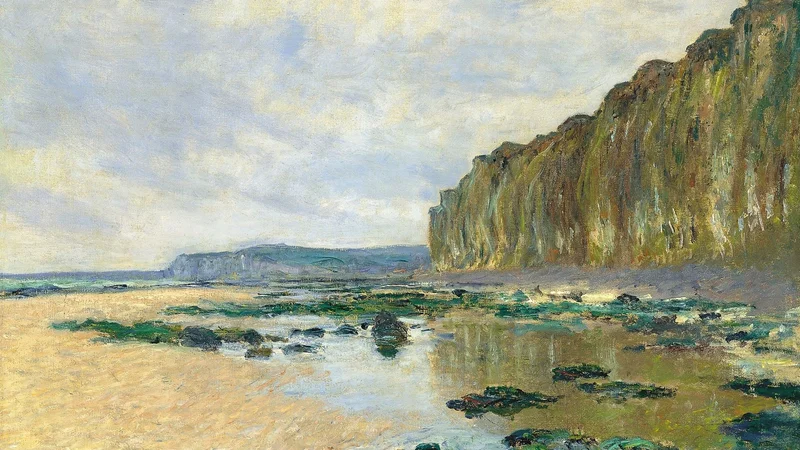
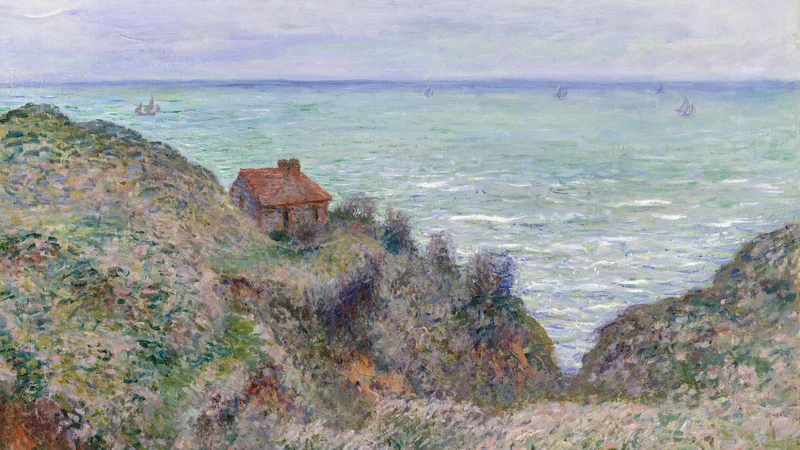
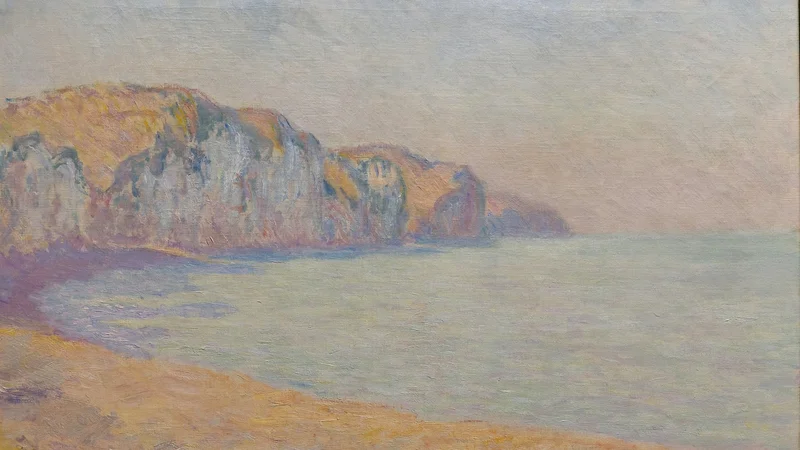
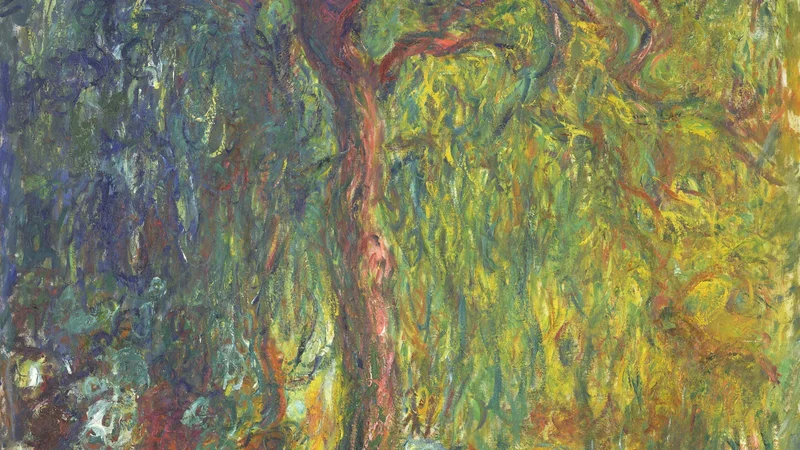
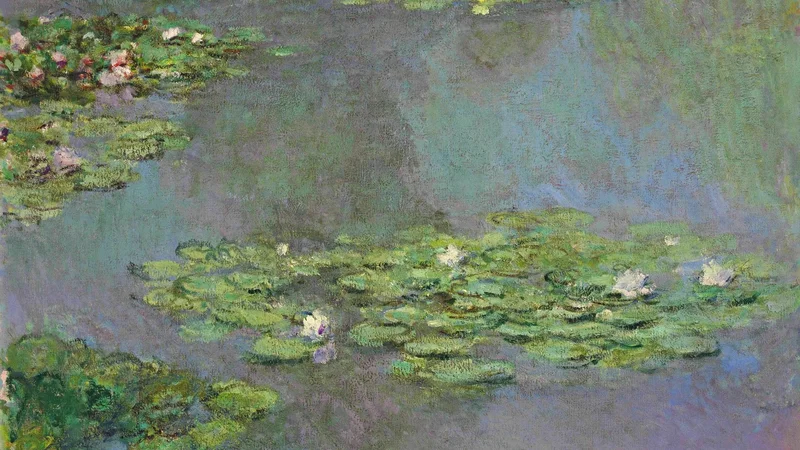
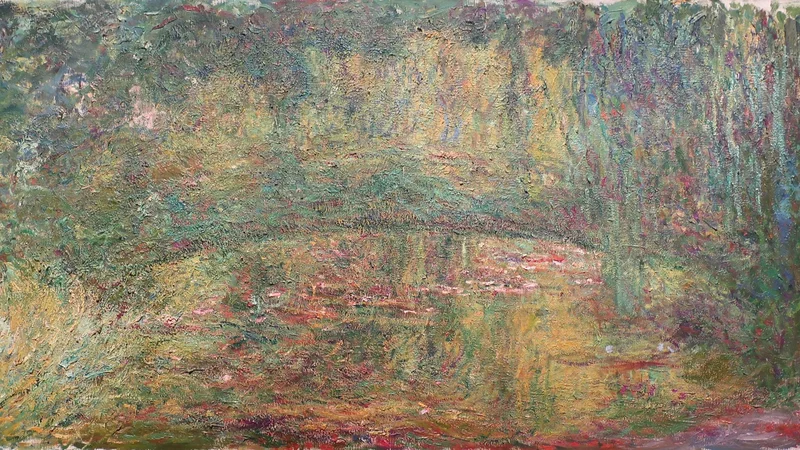
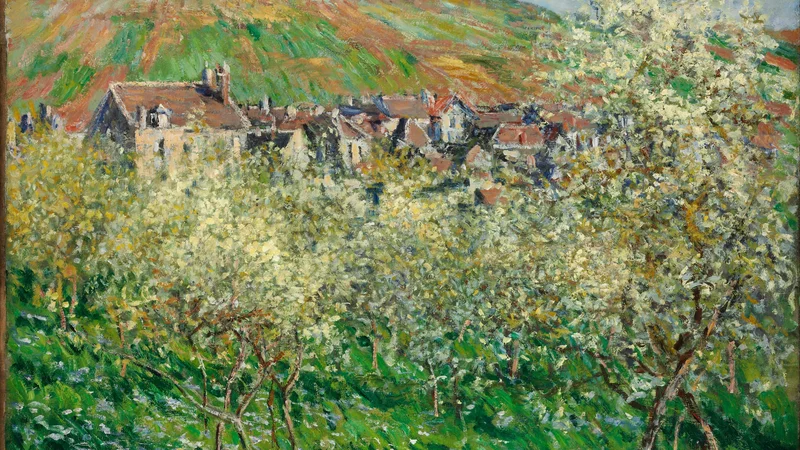
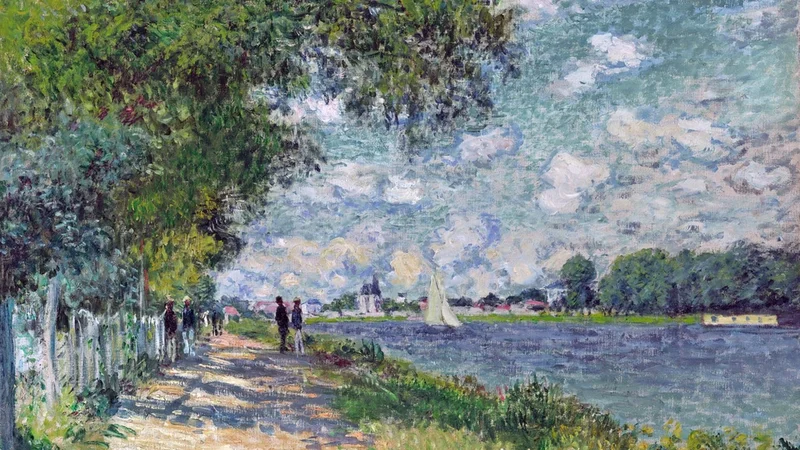
Monet’s technique relied upon rapid, broken brushstrokes and a vibrant palette designed to capture the fleeting effects of atmosphere. In works such as Champ de coquelicots and Springtime, he documented the interplay of light across shifting landscapes, while his later explorations of coastal topography, seen in Path in the Wheat at Pourville and The Cliff Walk at Pourville, reveal a deepening obsession with the structural density of the physical world. His depictions of light-saturated environments, exemplified by Bordighera, demonstrate his commitment to color theory, often utilizing complementary hues to achieve luminosity. Through his rigorous observation of seasonal changes, as evidenced in his winter scenes like The Magpie, Monet successfully transformed the canvas into a record of temporal transition, establishing a legacy that liberated painting from mimetic representation and paved the way for subsequent developments in abstraction.