Gustave Caillebotte
41 artworks
Gustave Caillebotte (1848–1894) was a French painter, collector, and patron whose work occupies a distinct position within the Impressionism movement. Trained at the École des Beaux-Arts, he emerged in the 1870s as a significant contributor to the independent exhibitions, often financing the group’s initiatives. While his contemporaries frequently explored the ephemeral effects of light, Caillebotte combined traditional academic rigor with a modern sensibility, producing works that remain notable for their structural precision and social observation. His active period, particularly between 1877 and 1893, allowed him to bridge the gap between classical composition and the avant-garde experimentation of his peers.
Technique and Artistic Contribution
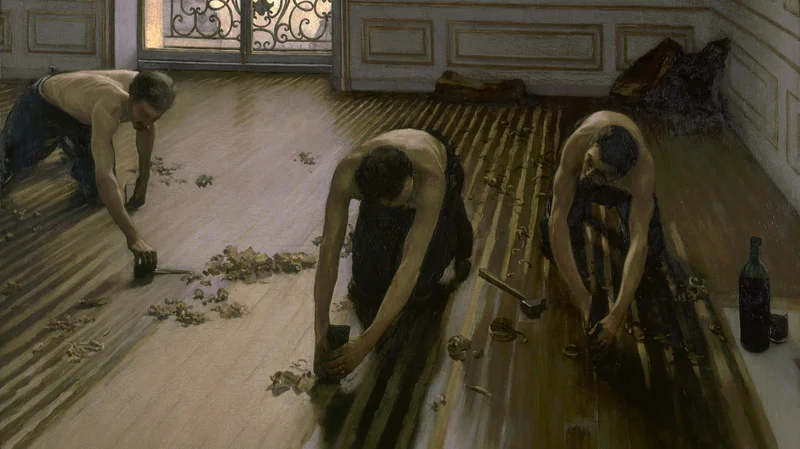
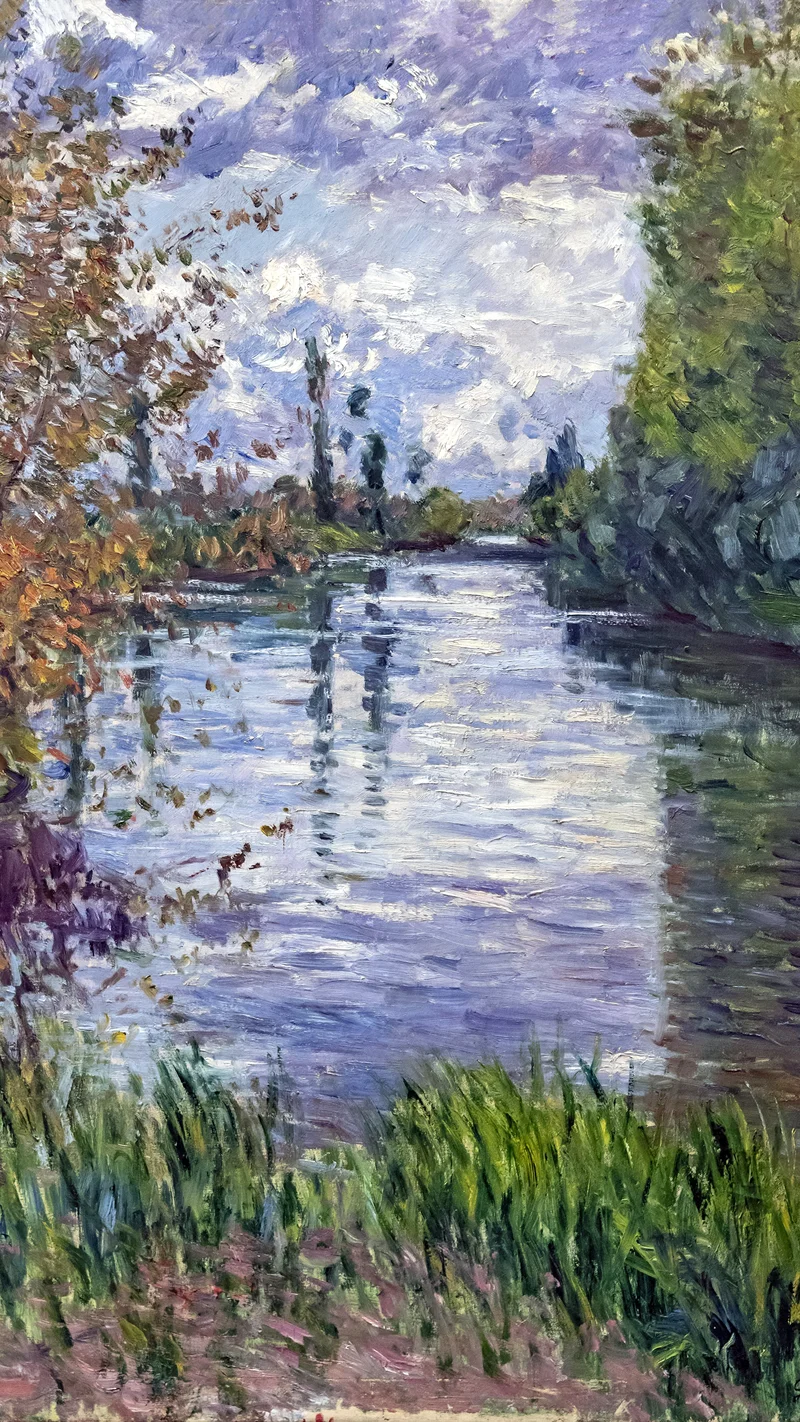
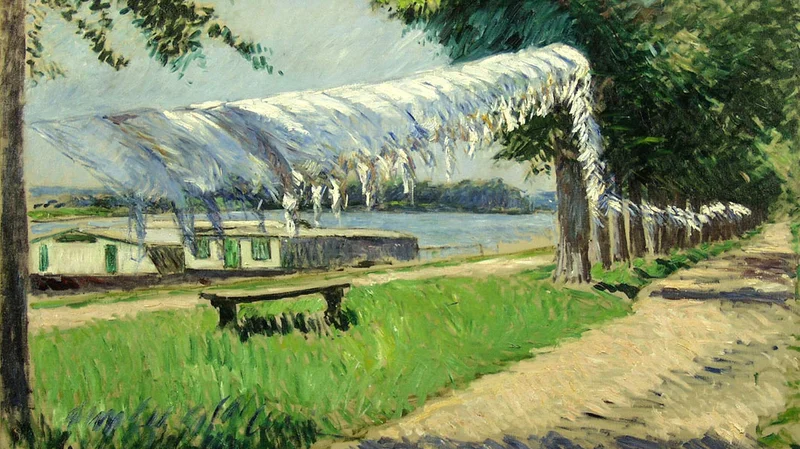
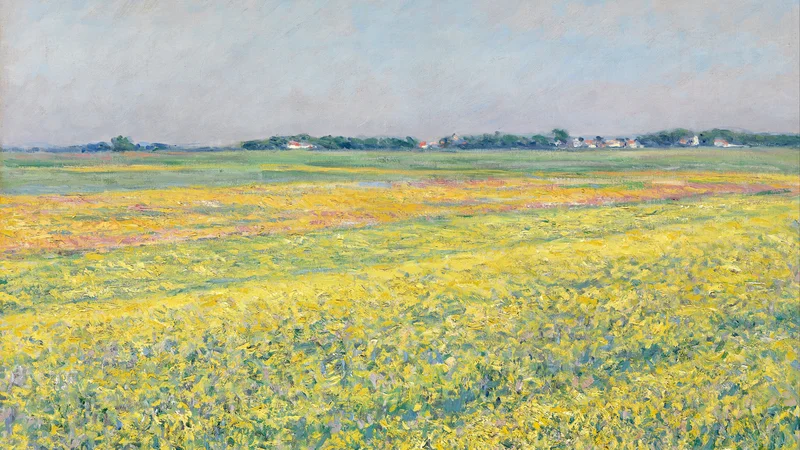
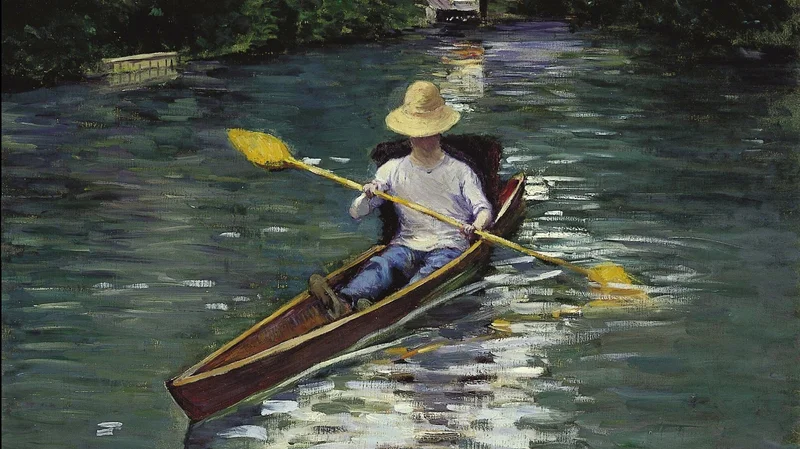
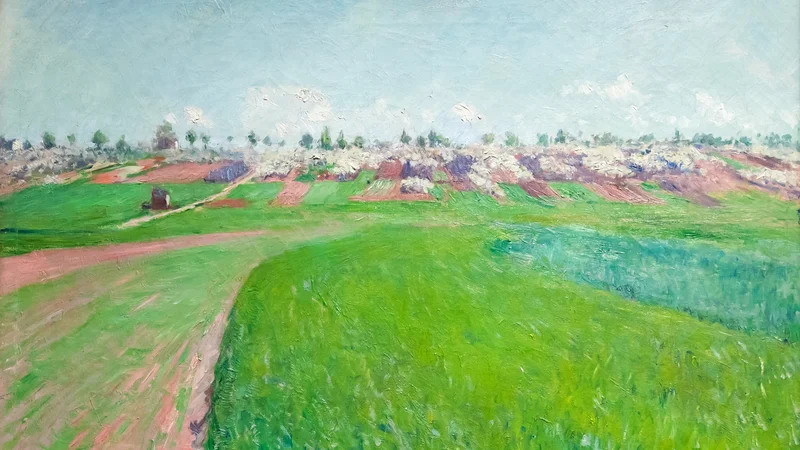
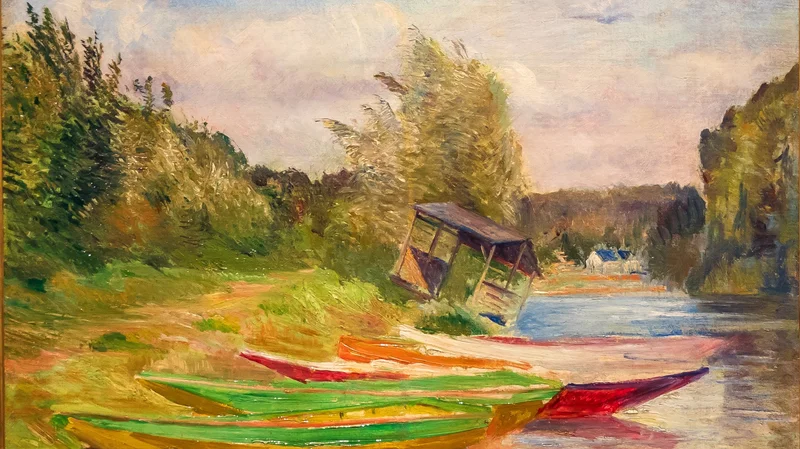
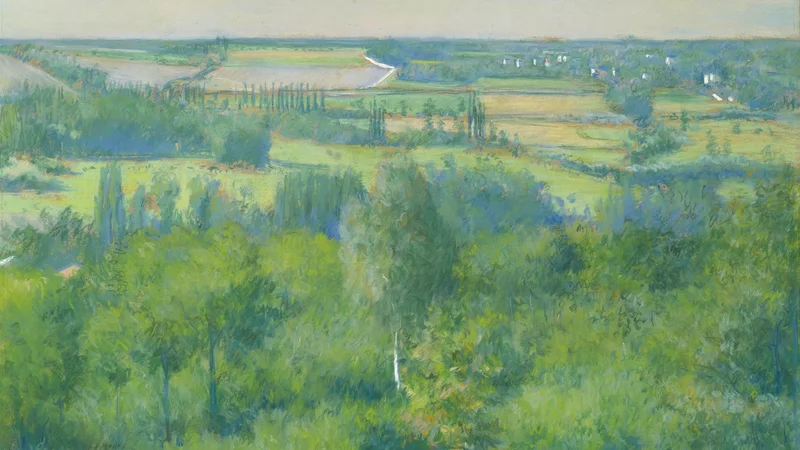
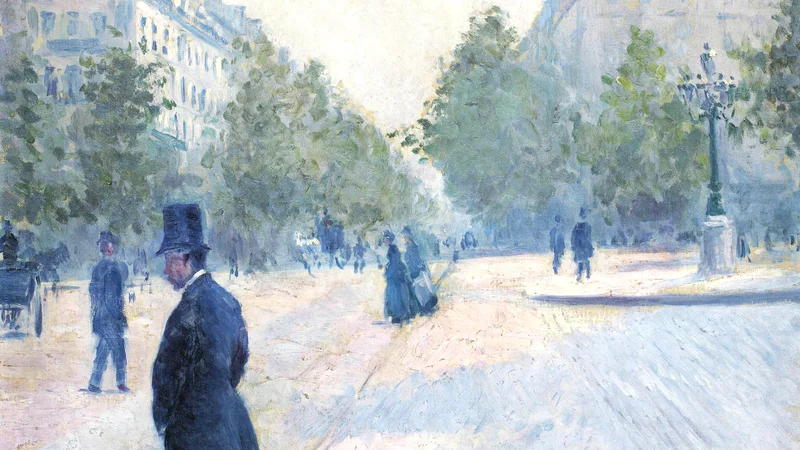
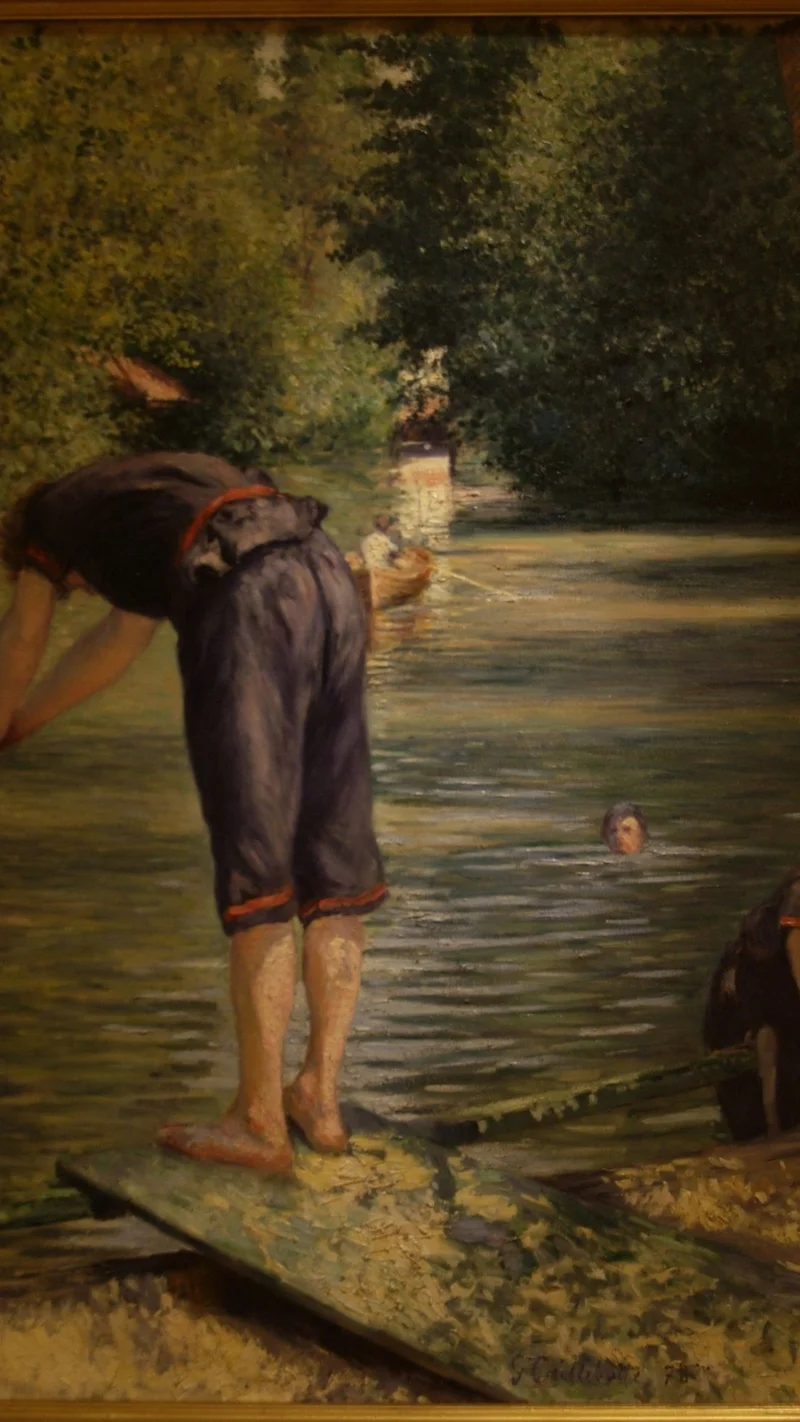
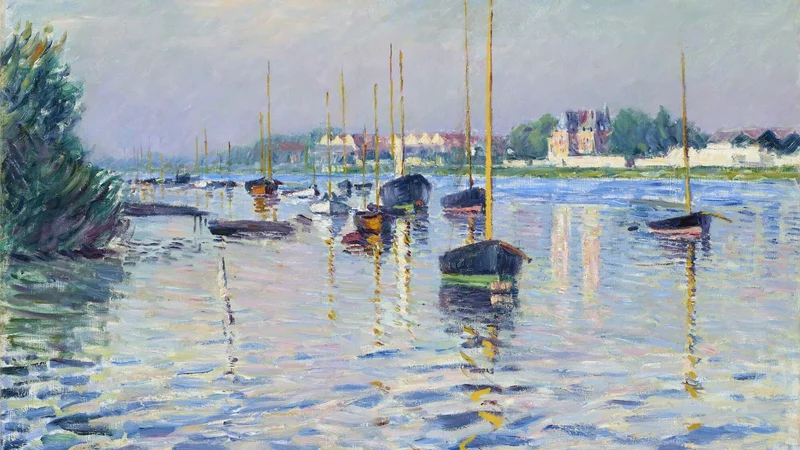
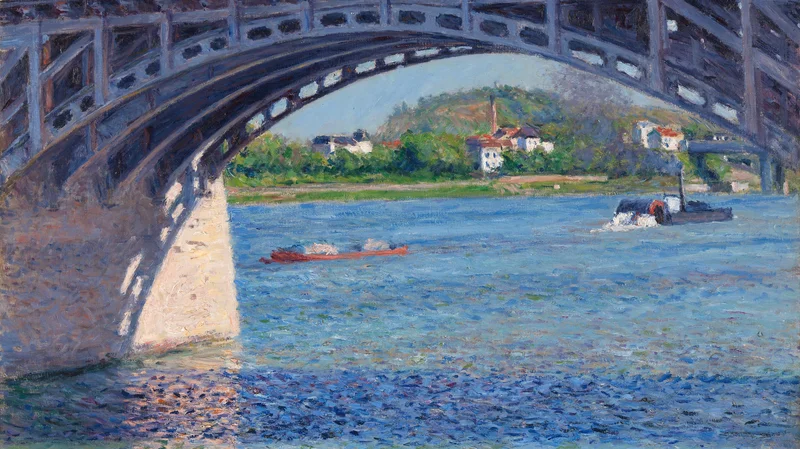
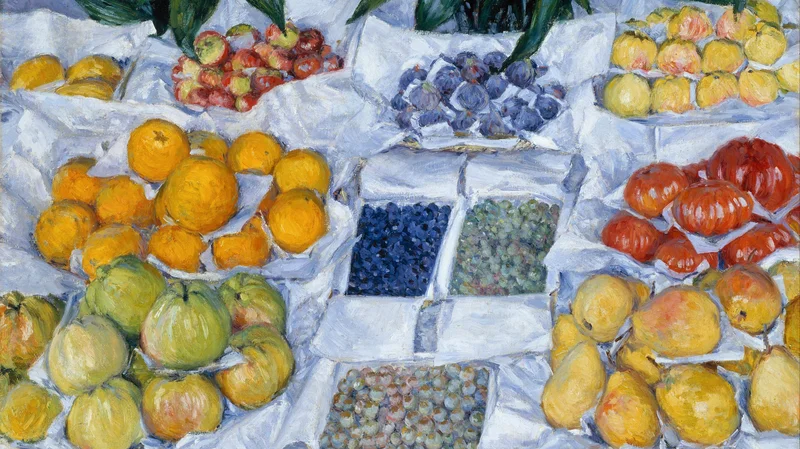
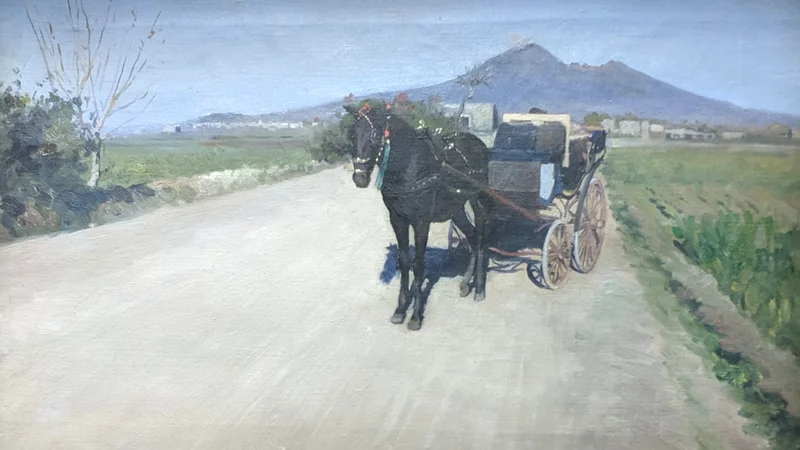
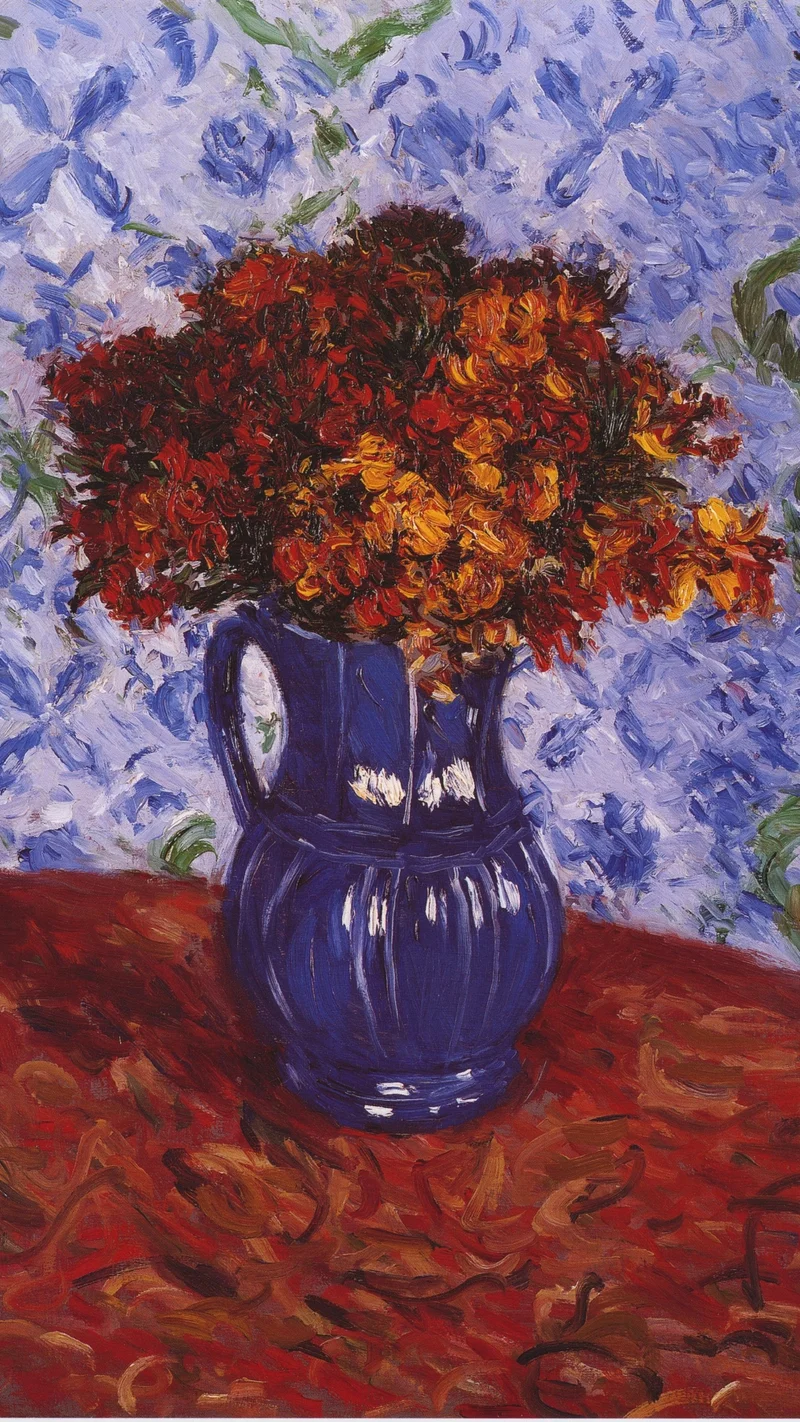
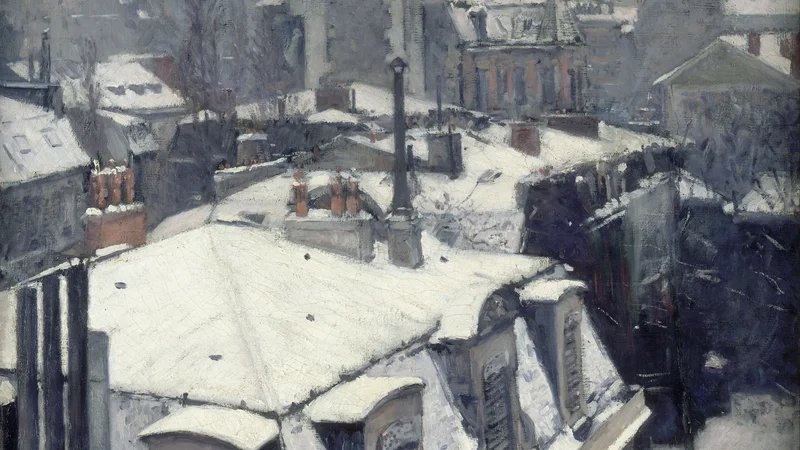
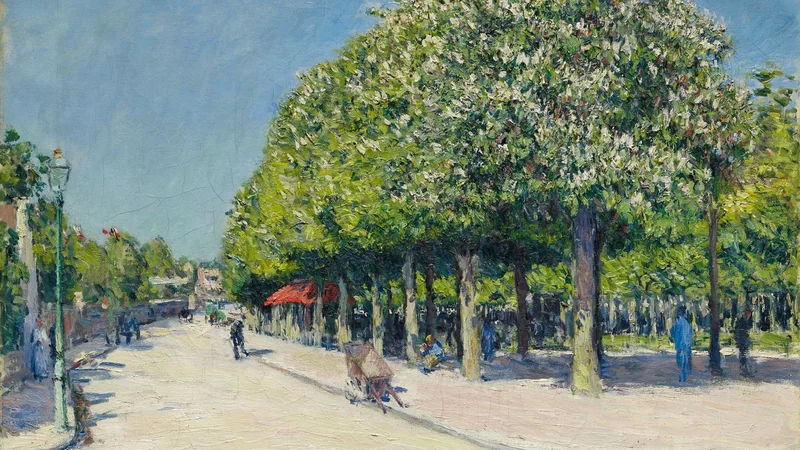
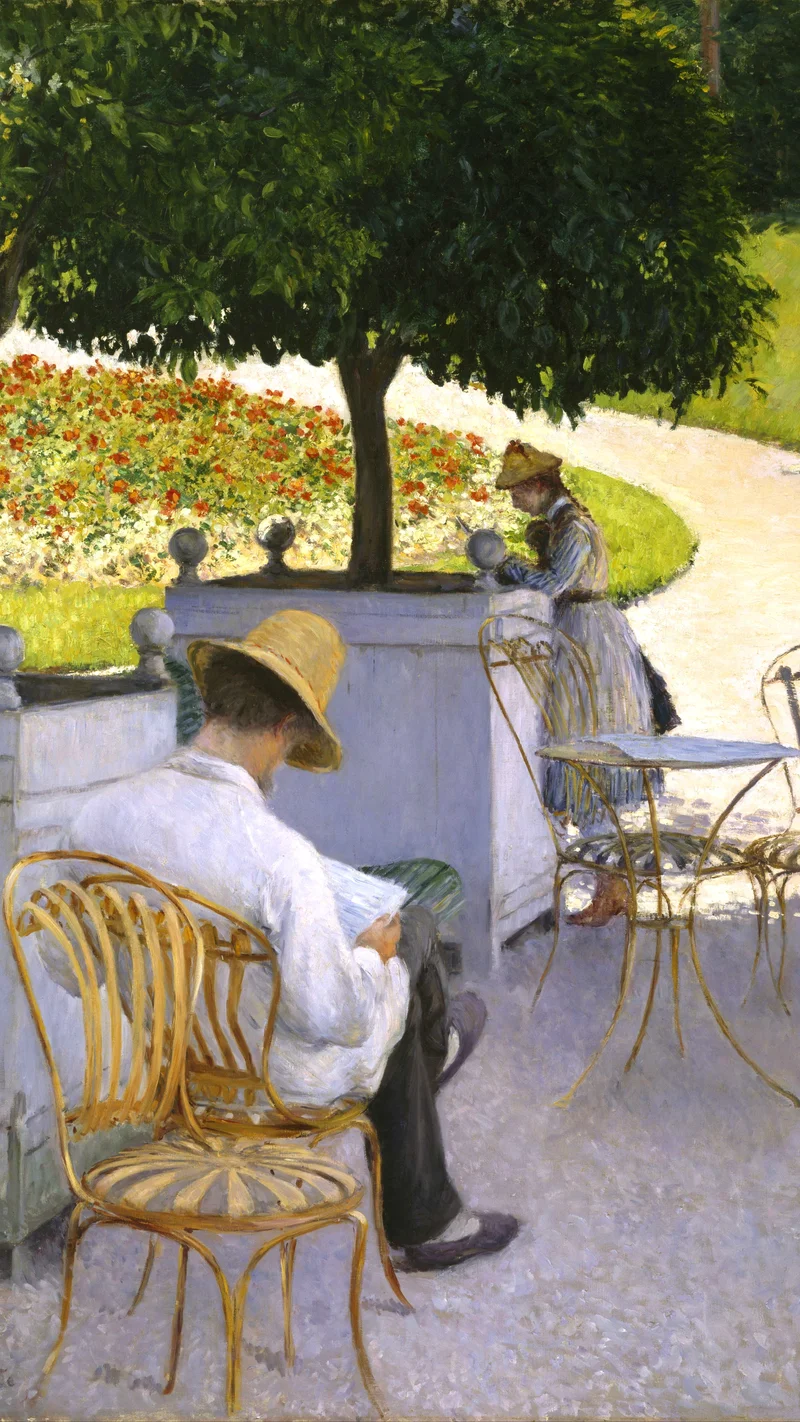
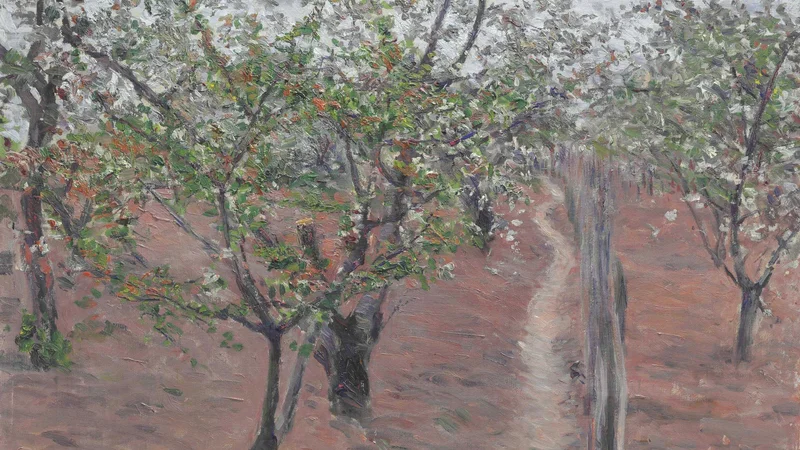
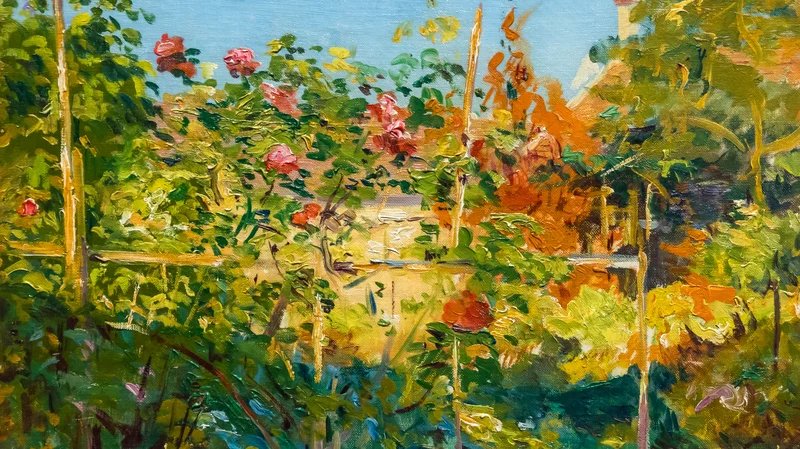
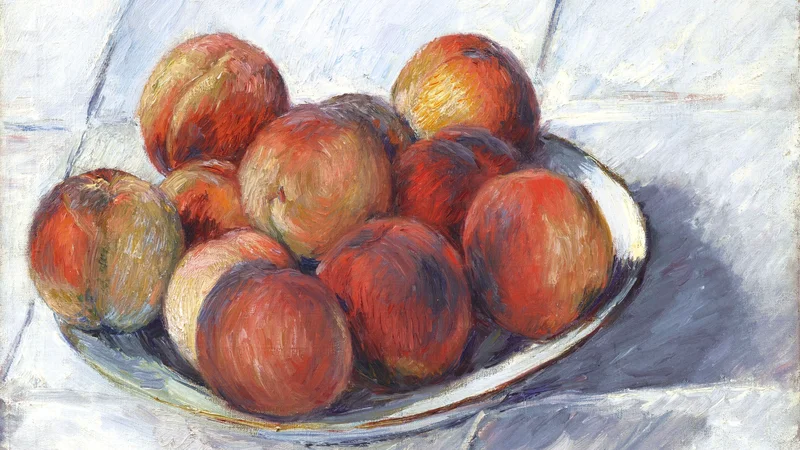
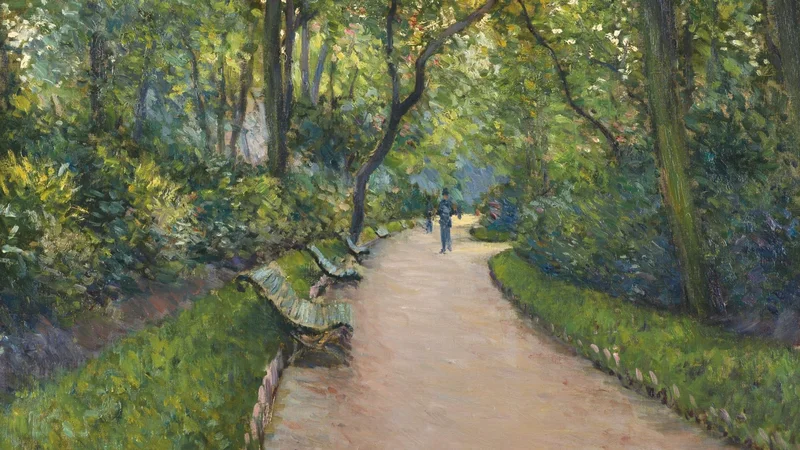
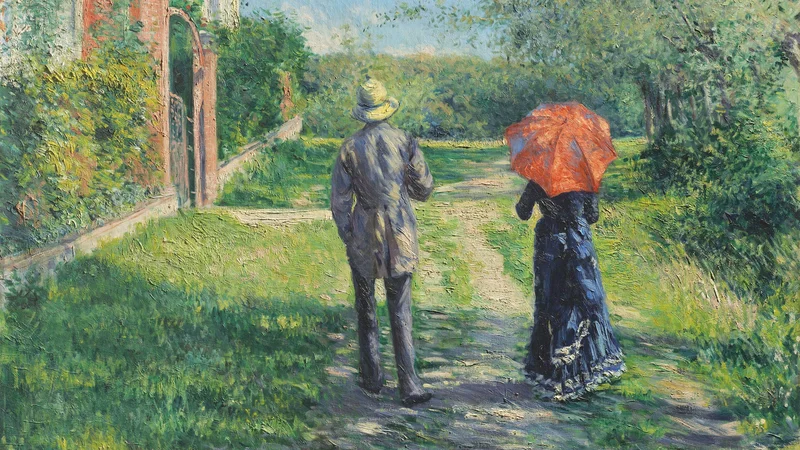
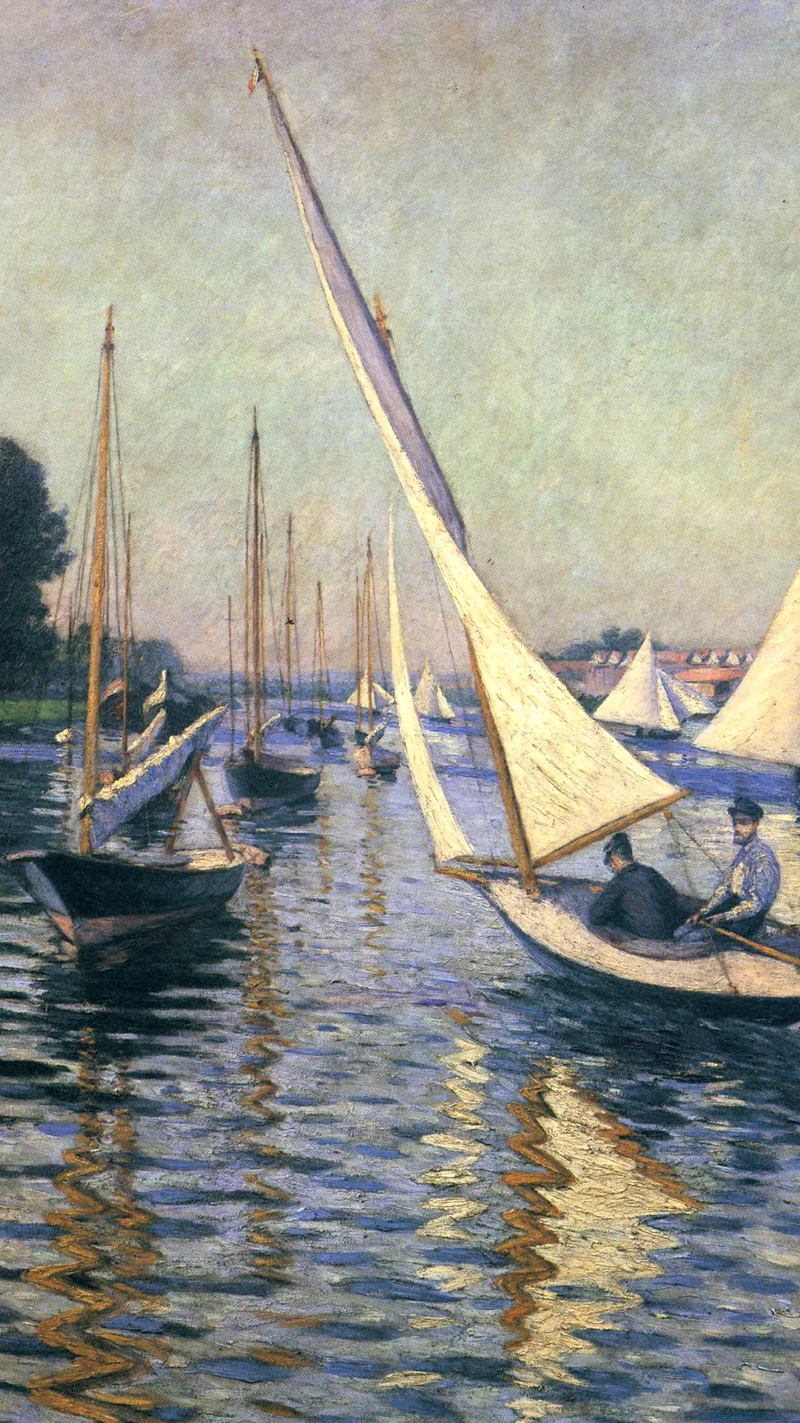
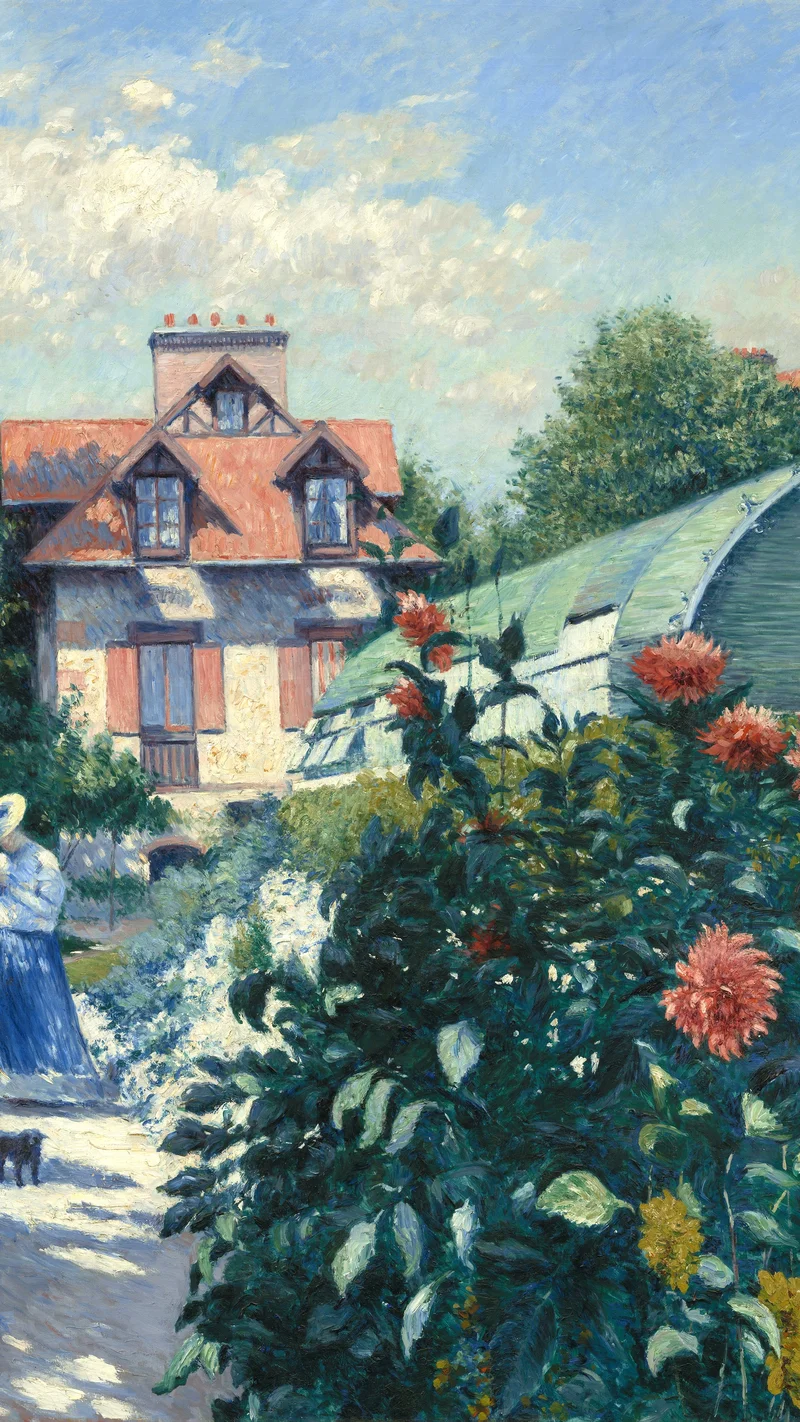
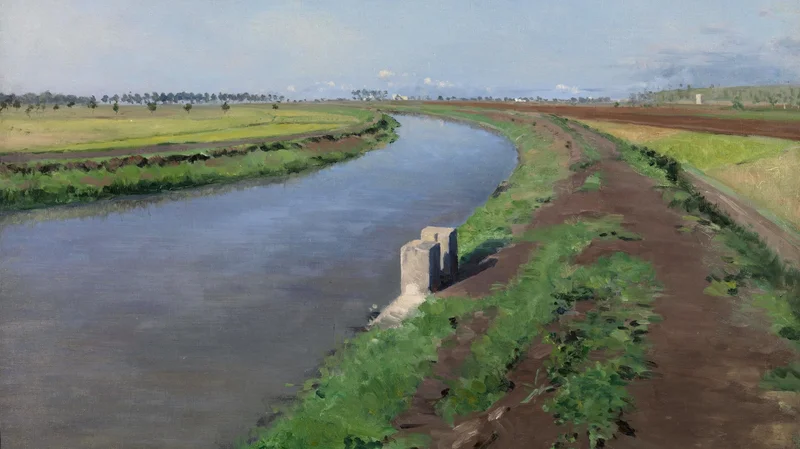
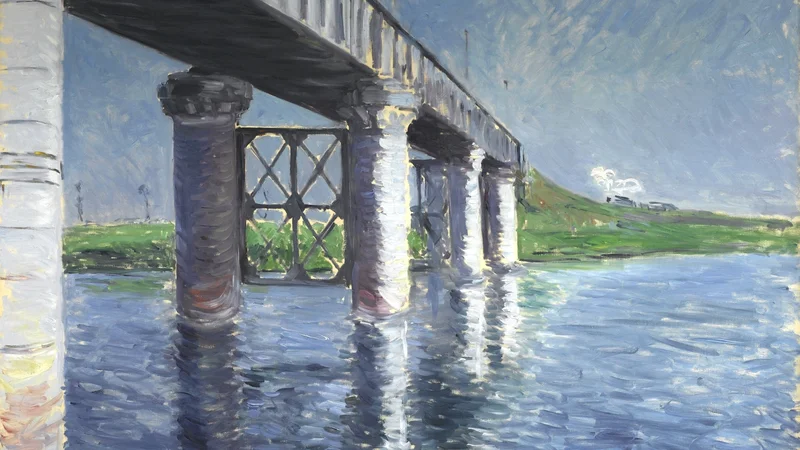
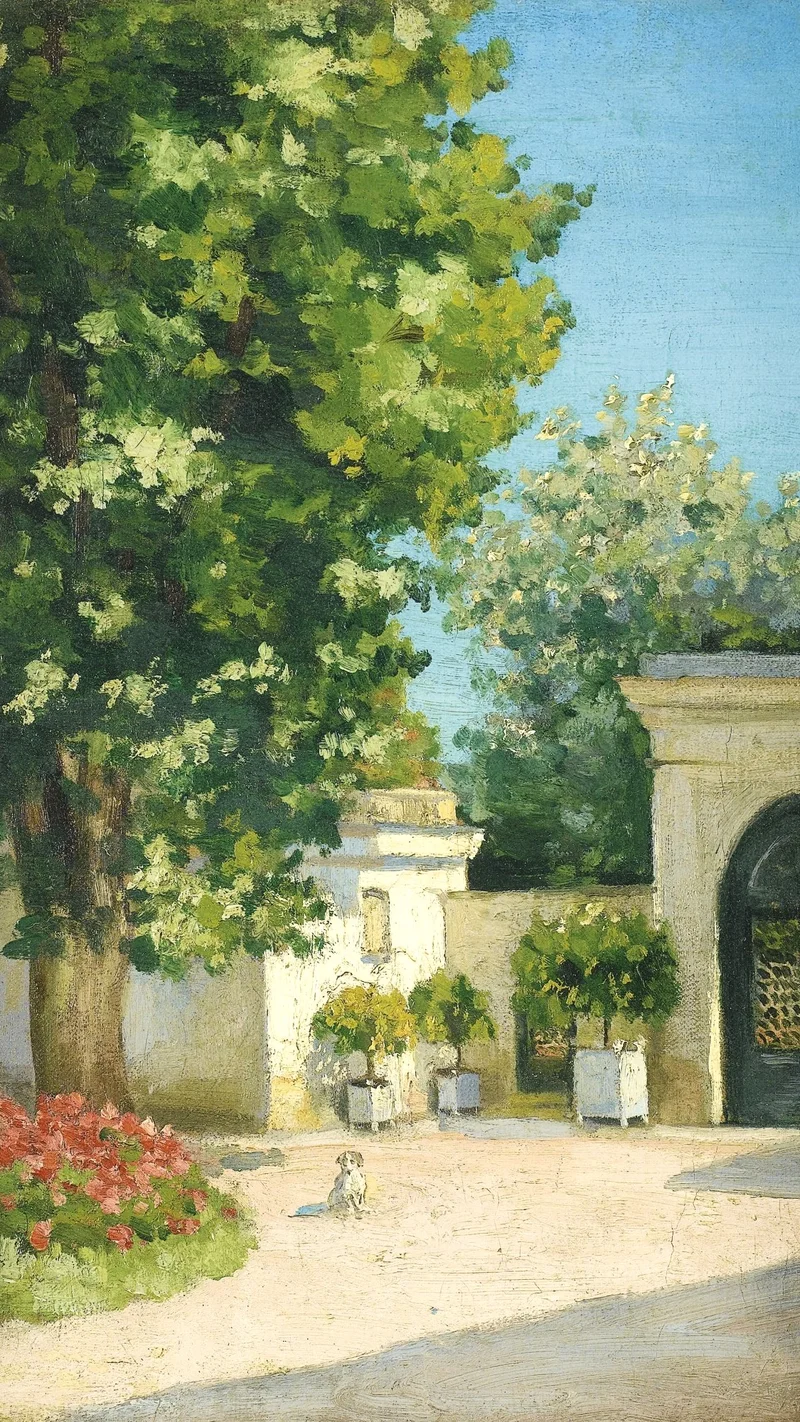
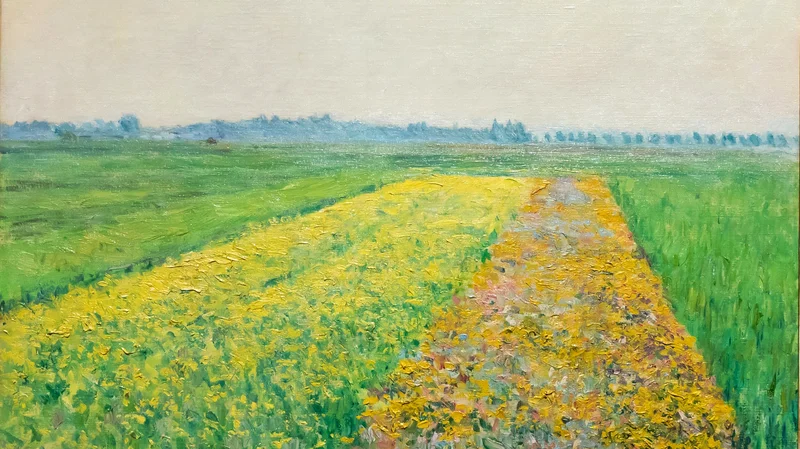
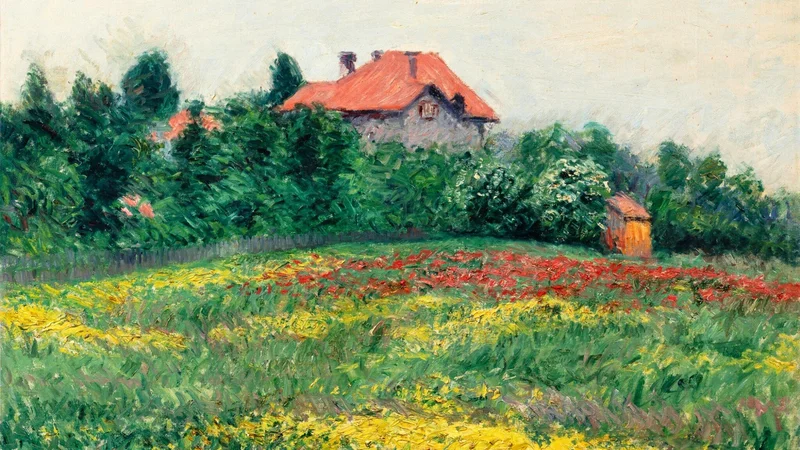
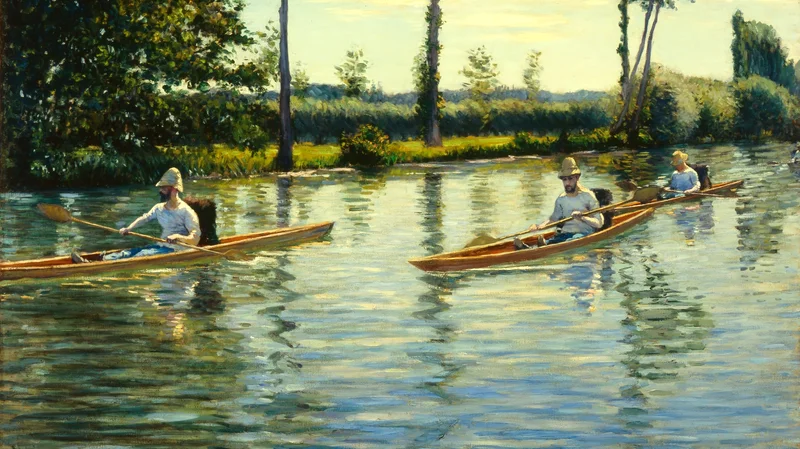
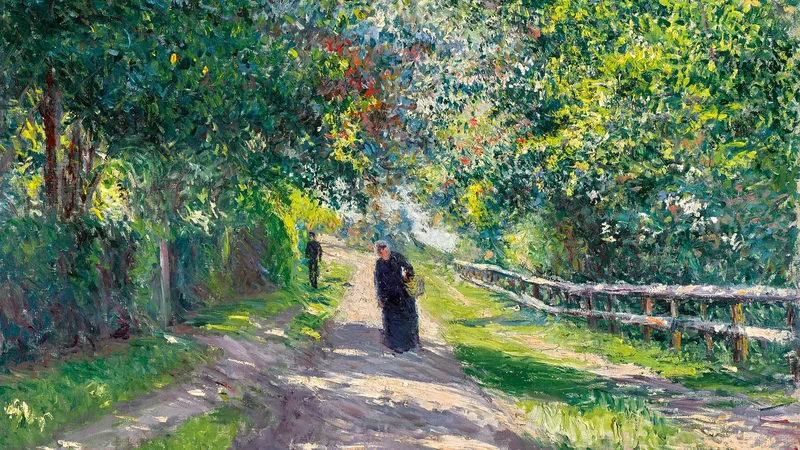
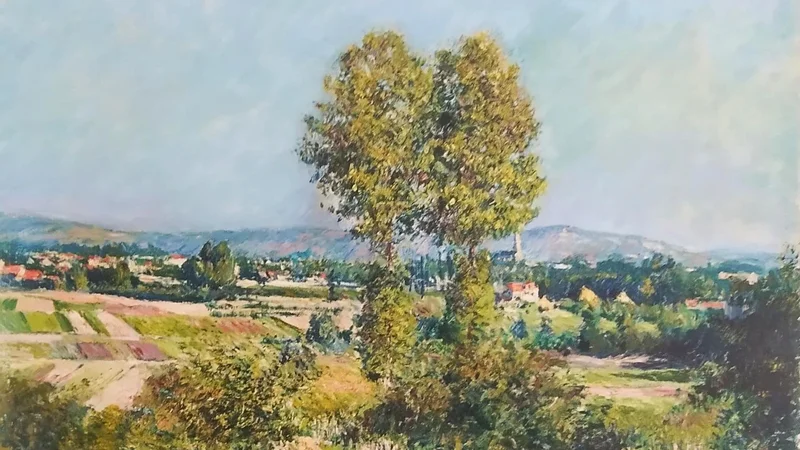
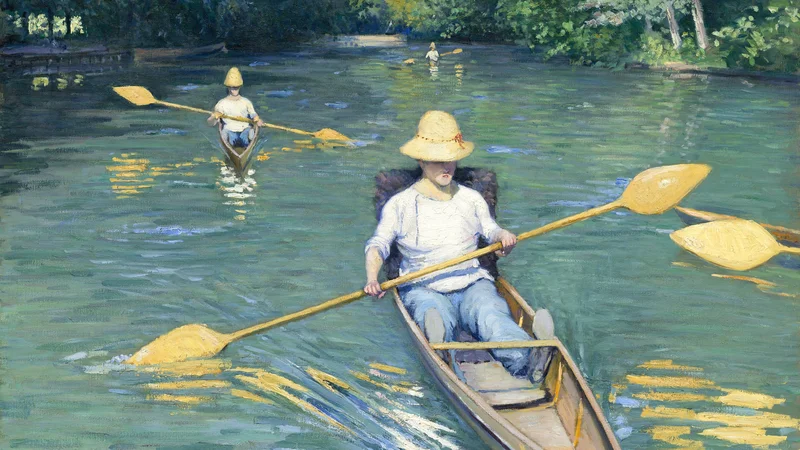
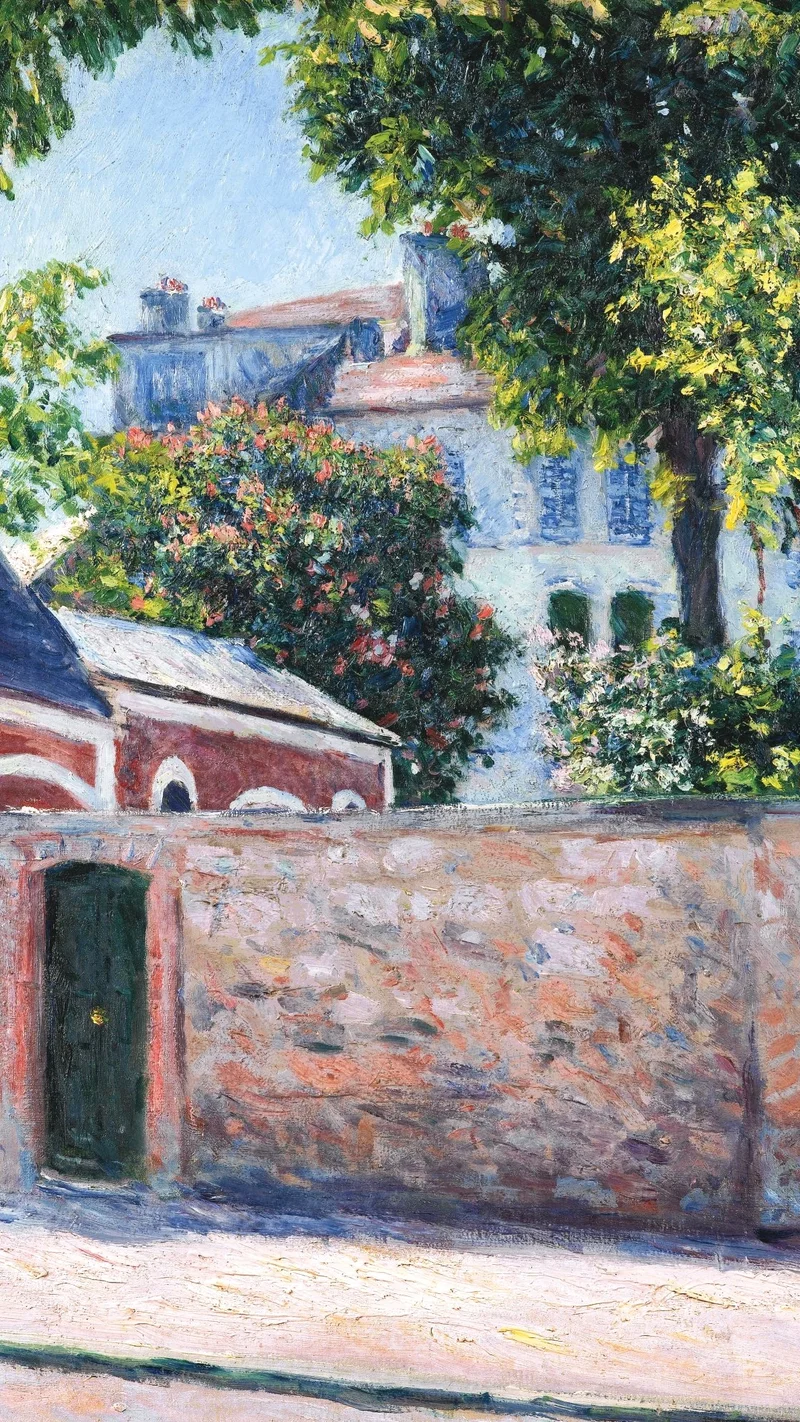
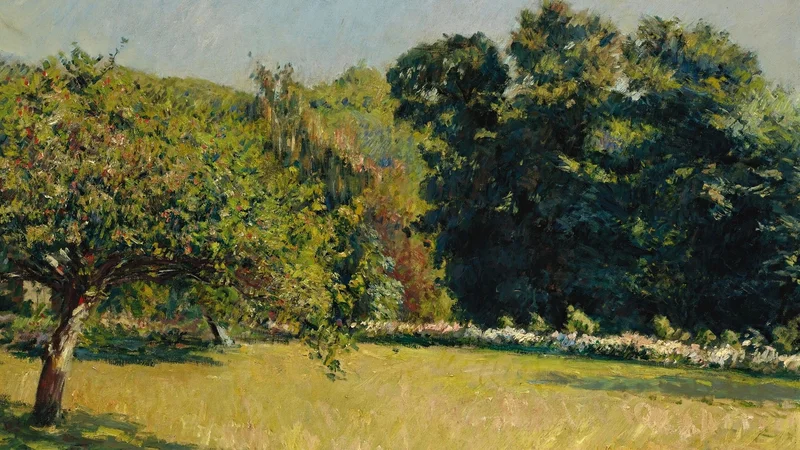
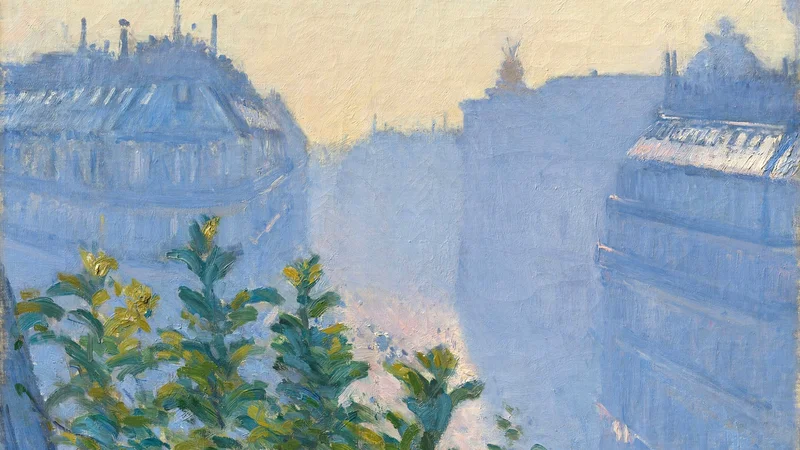
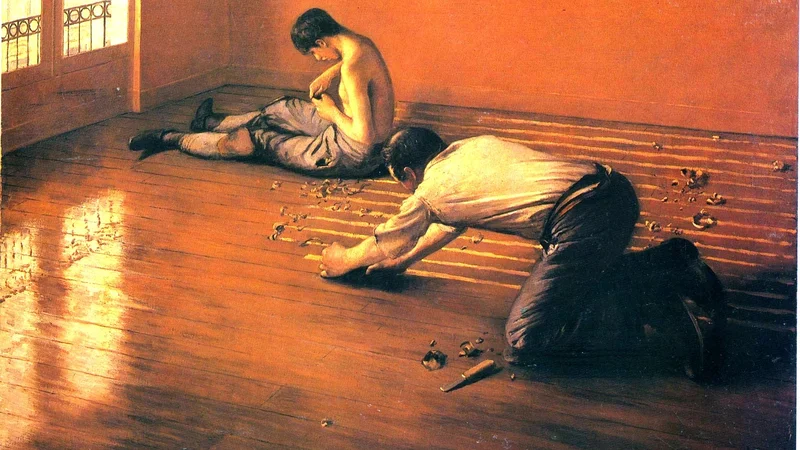
Caillebotte’s technique was characterized by a meticulous application of paint and a sophisticated grasp of perspective. In The Floor Scrapers, he applied a degree of realism to working-class subjects that challenged the aesthetic norms of the period, utilizing sharp diagonals to guide the viewer’s eye. His mastery of light and movement is further evidenced in his nautical studies, such as Boats moored on the Seine at Argenteuil, and his atmospheric landscapes like Le petit bras de la Seine en automne and Wild Garden at Le Petit Gennevilliers. His palette was often subdued yet precise, whether capturing the geometry of urban life in Le Parc Monceau or the intimate, tactile details of still life in The Plate of Peaches. By integrating these rigorous technical standards with the thematic interests of the Impressionists, Caillebotte secured a legacy as a key figure whose structural clarity provided an essential counterpoint to the movement’s more fluid tendencies.