John Singer Sargent
102 artworks
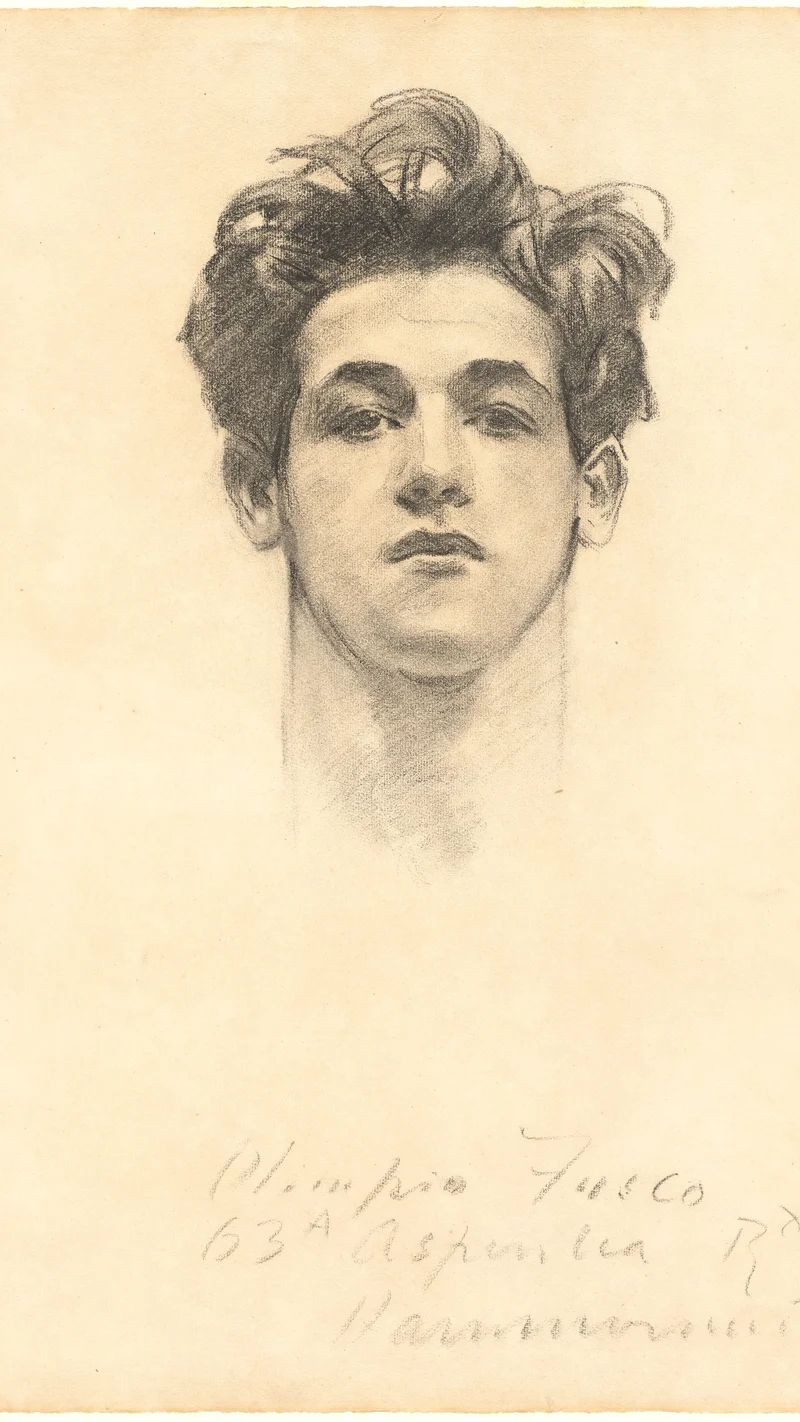
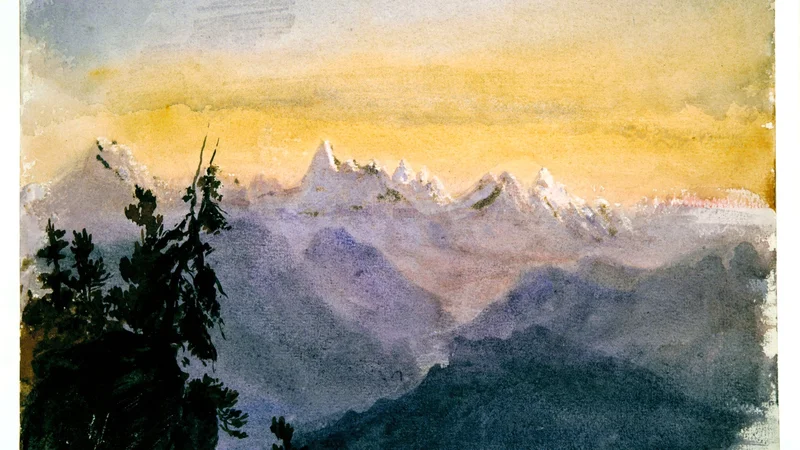
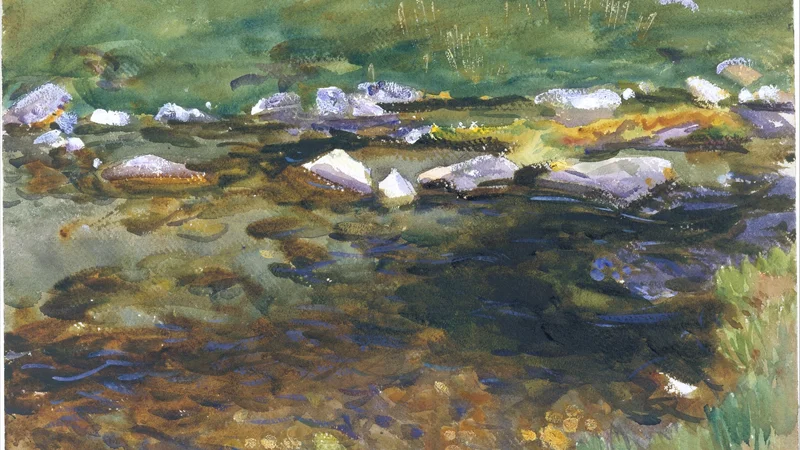
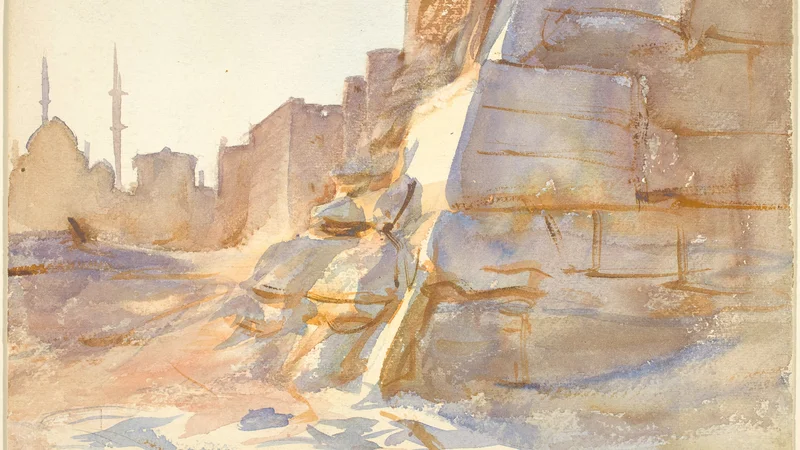
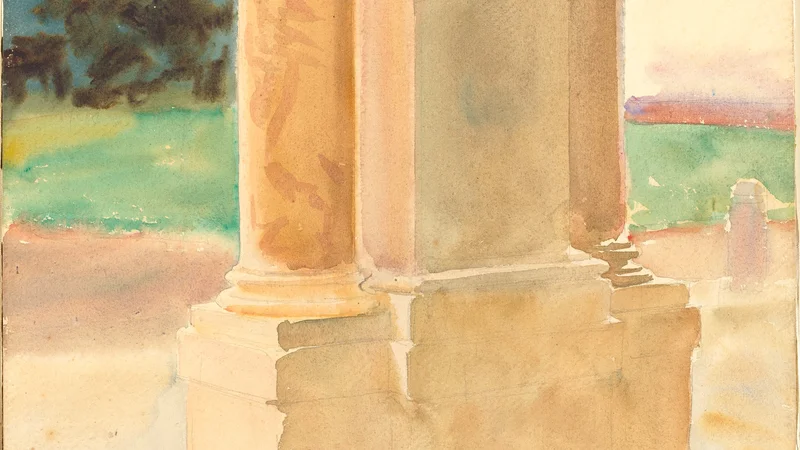
John Singer Sargent (1856–1925) was an American expatriate painter who remains a central figure in late 19th and early 20th-century art. Trained in Paris under the academic painter Carolus-Duran, Sargent developed a sophisticated command of the brush that bridged the gap between traditional portraiture and the fluid spontaneity of Impressionism. His career, spanning from the late 1880s through the 1920s, was defined by a restless exploration of light and form, moving seamlessly between formal commissions and intimate, observational studies.
Technique and Compositional Rhythm.
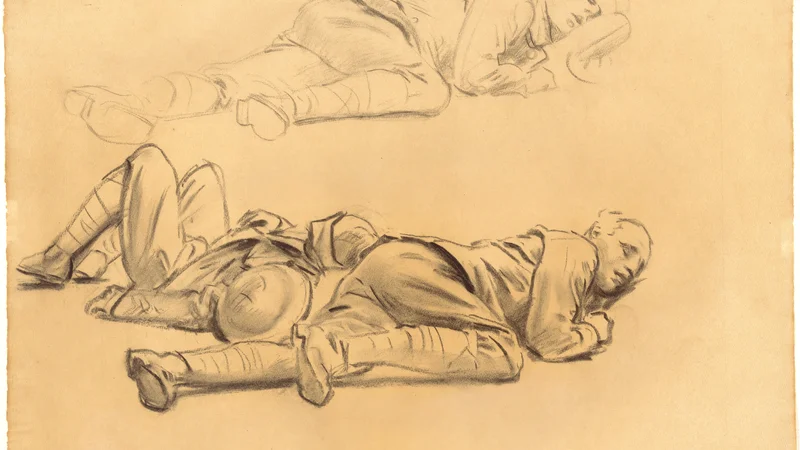
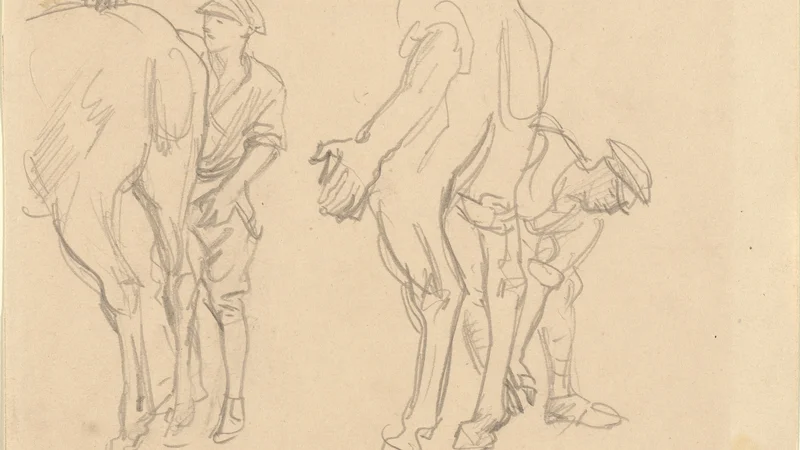
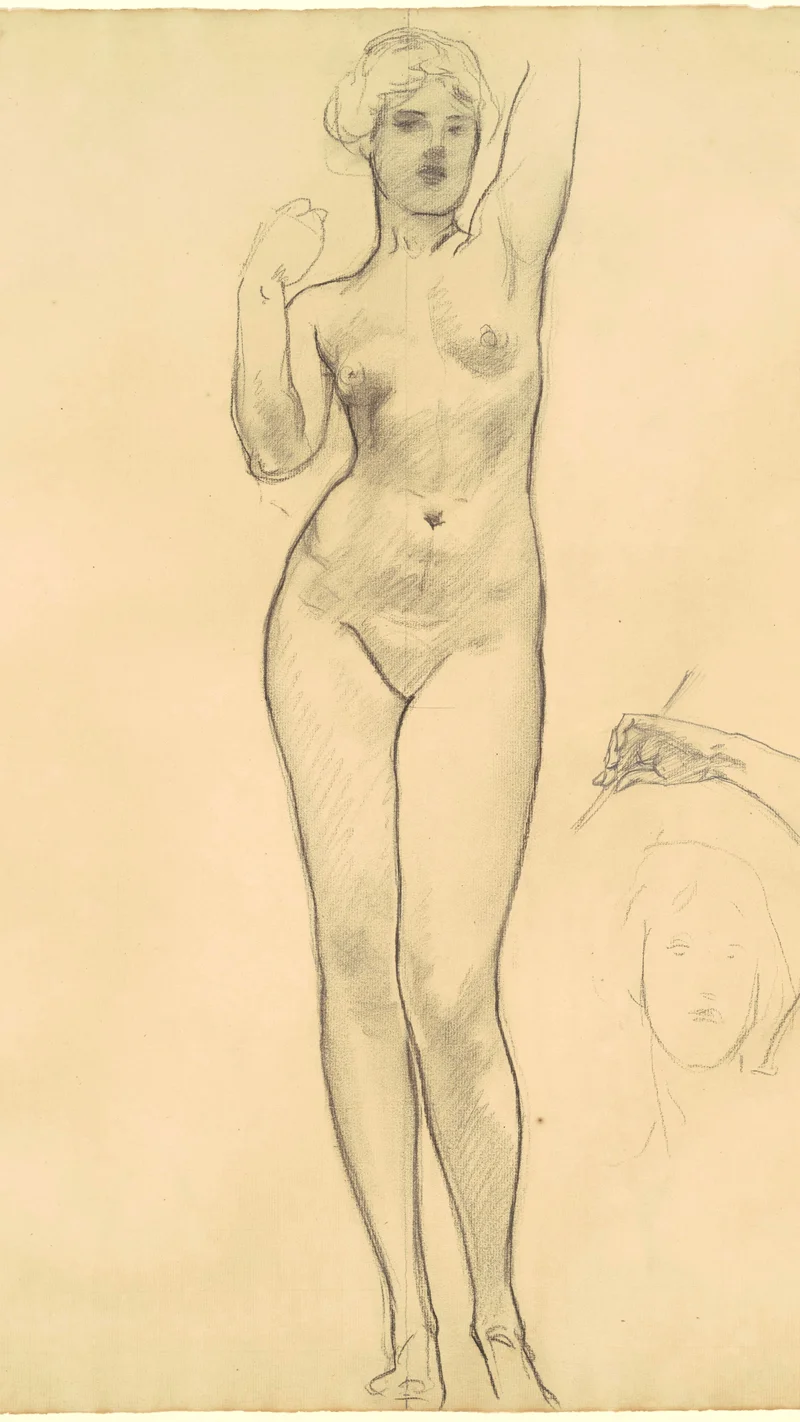
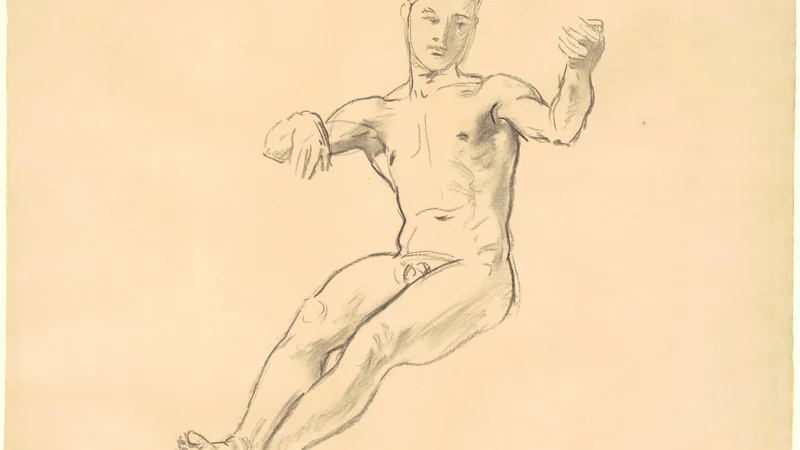
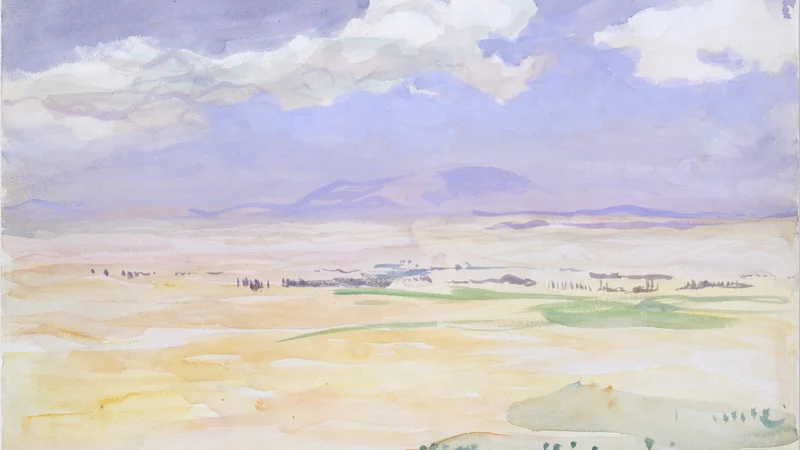
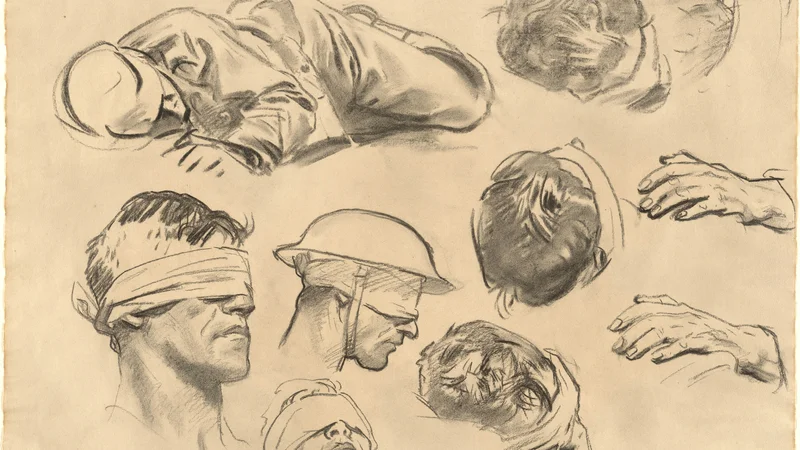
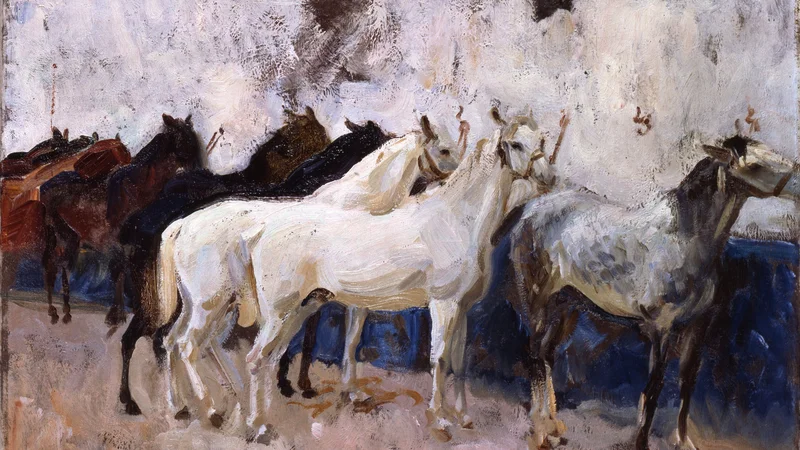
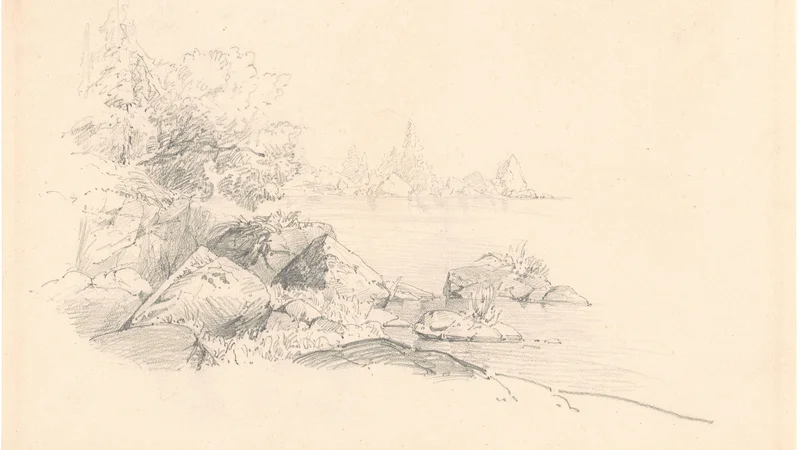
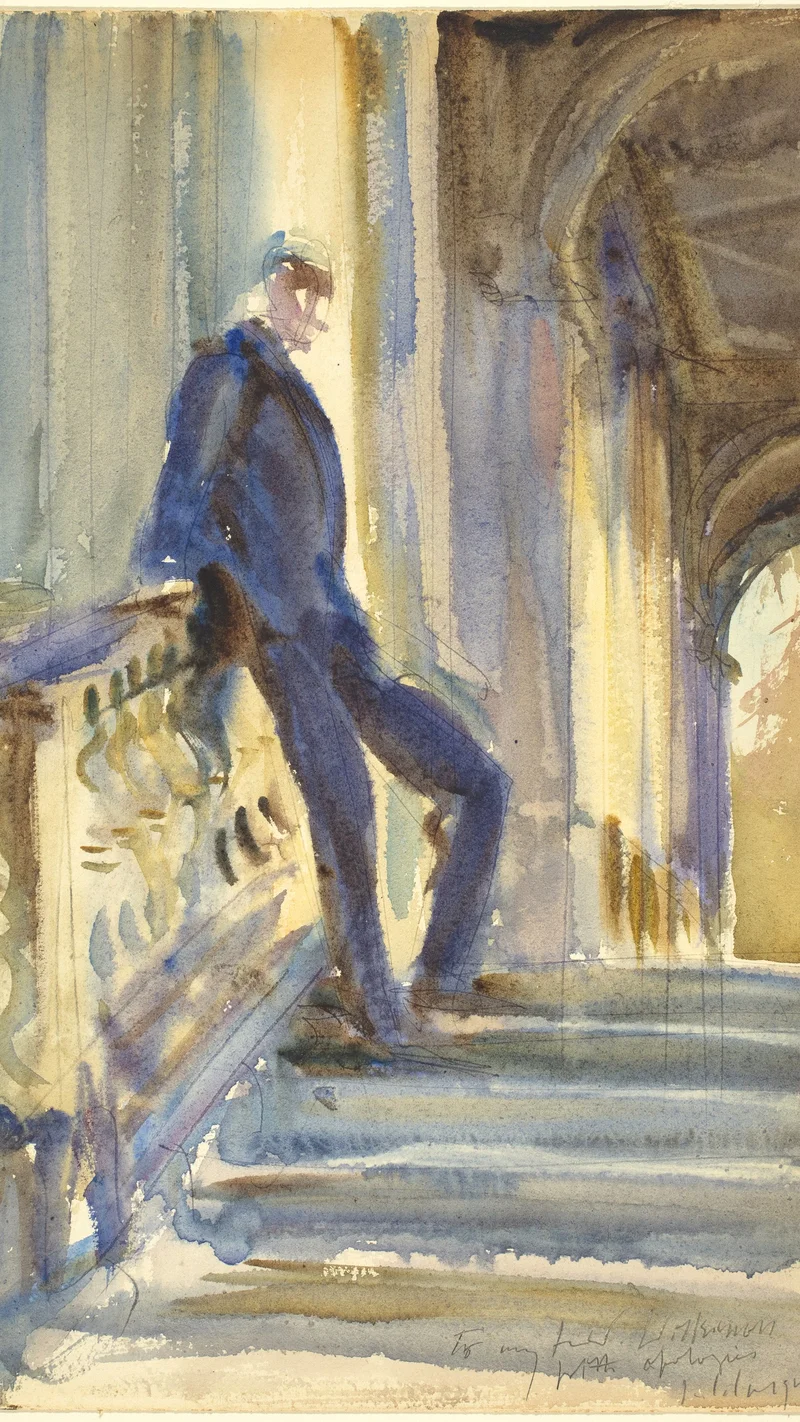
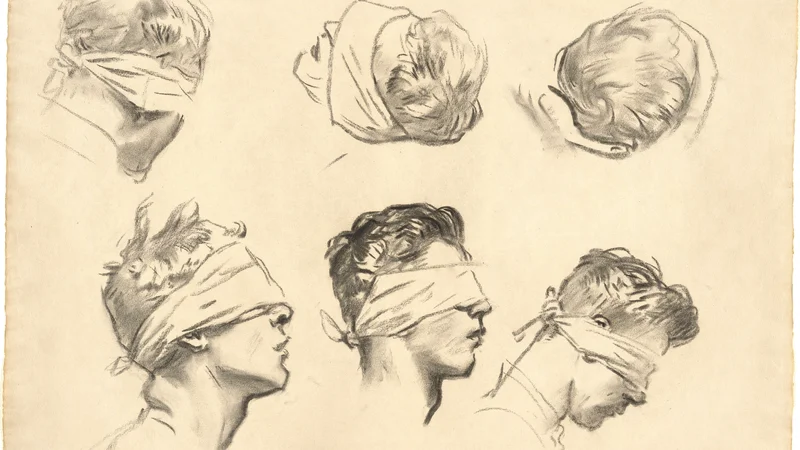
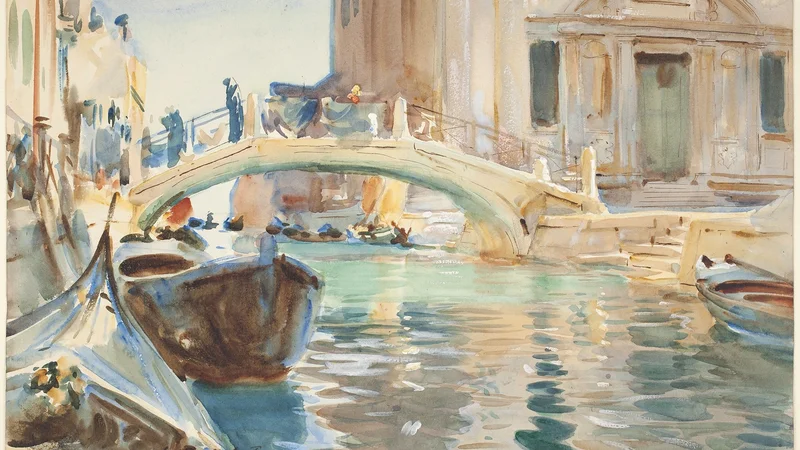
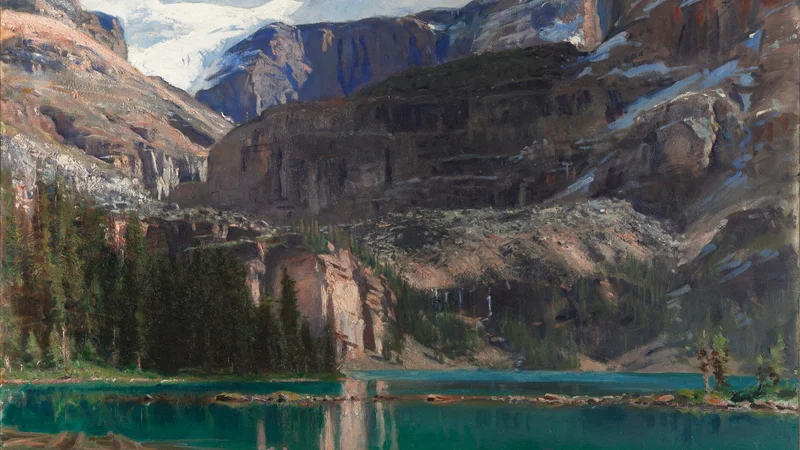
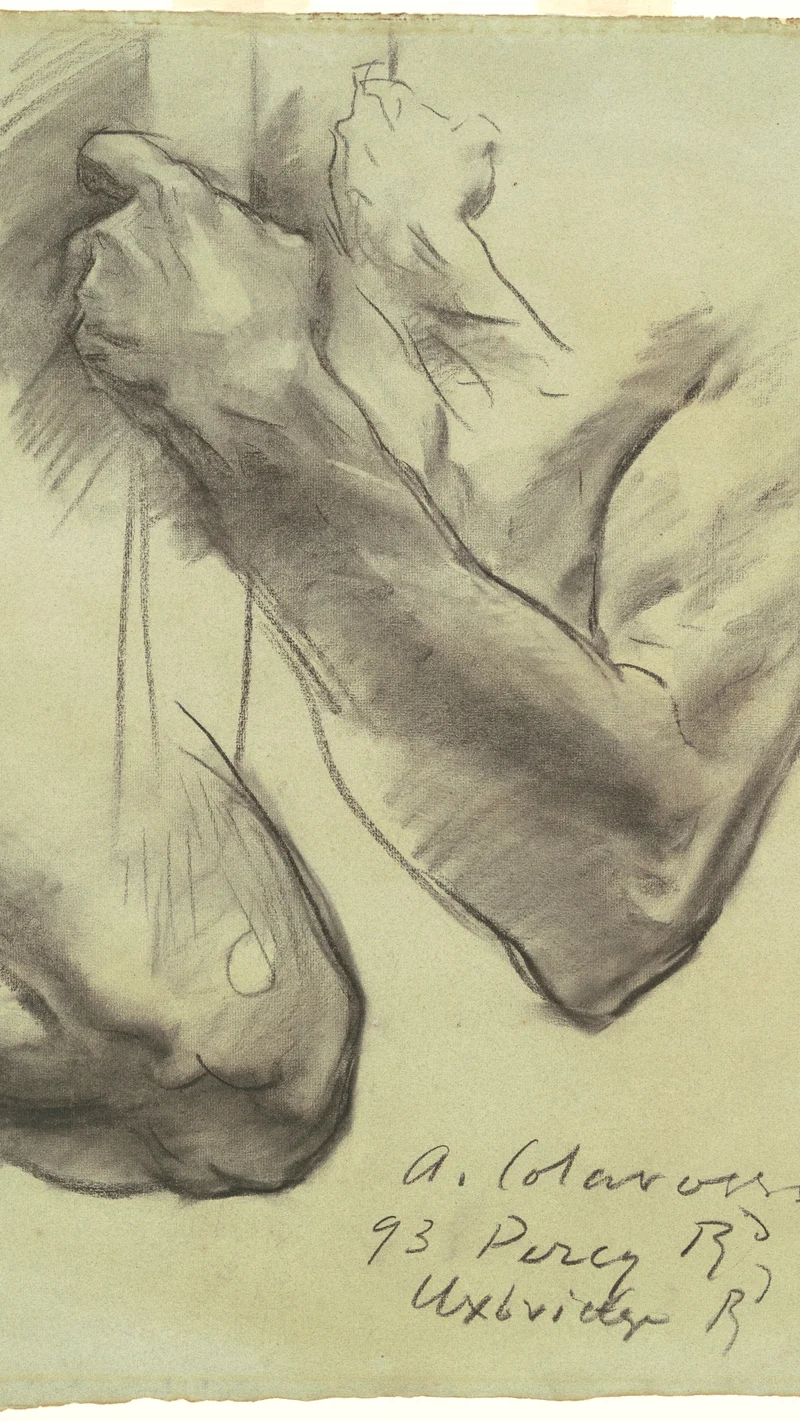
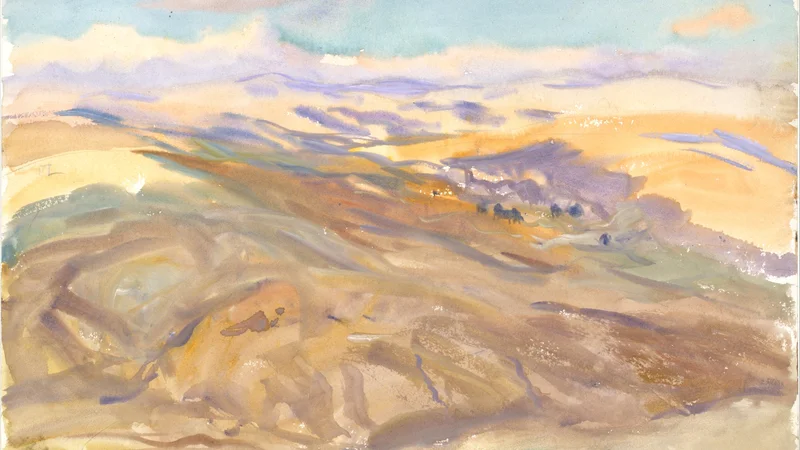
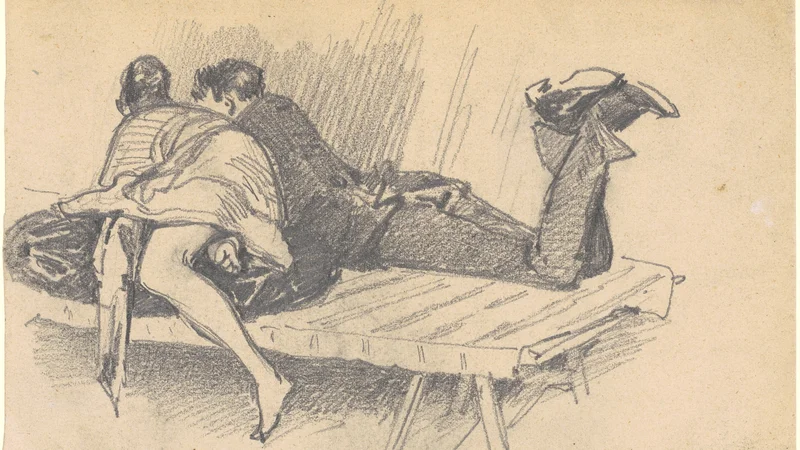
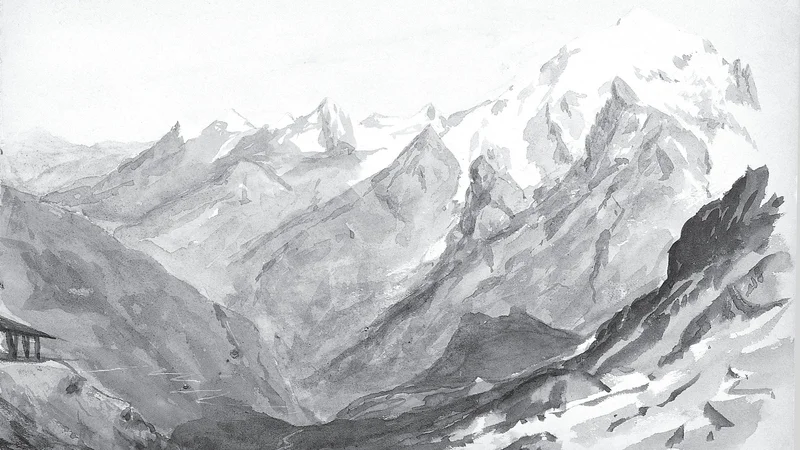
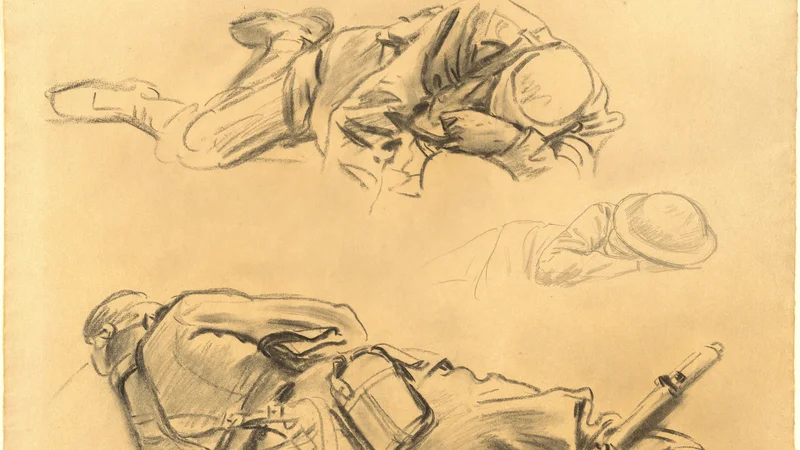
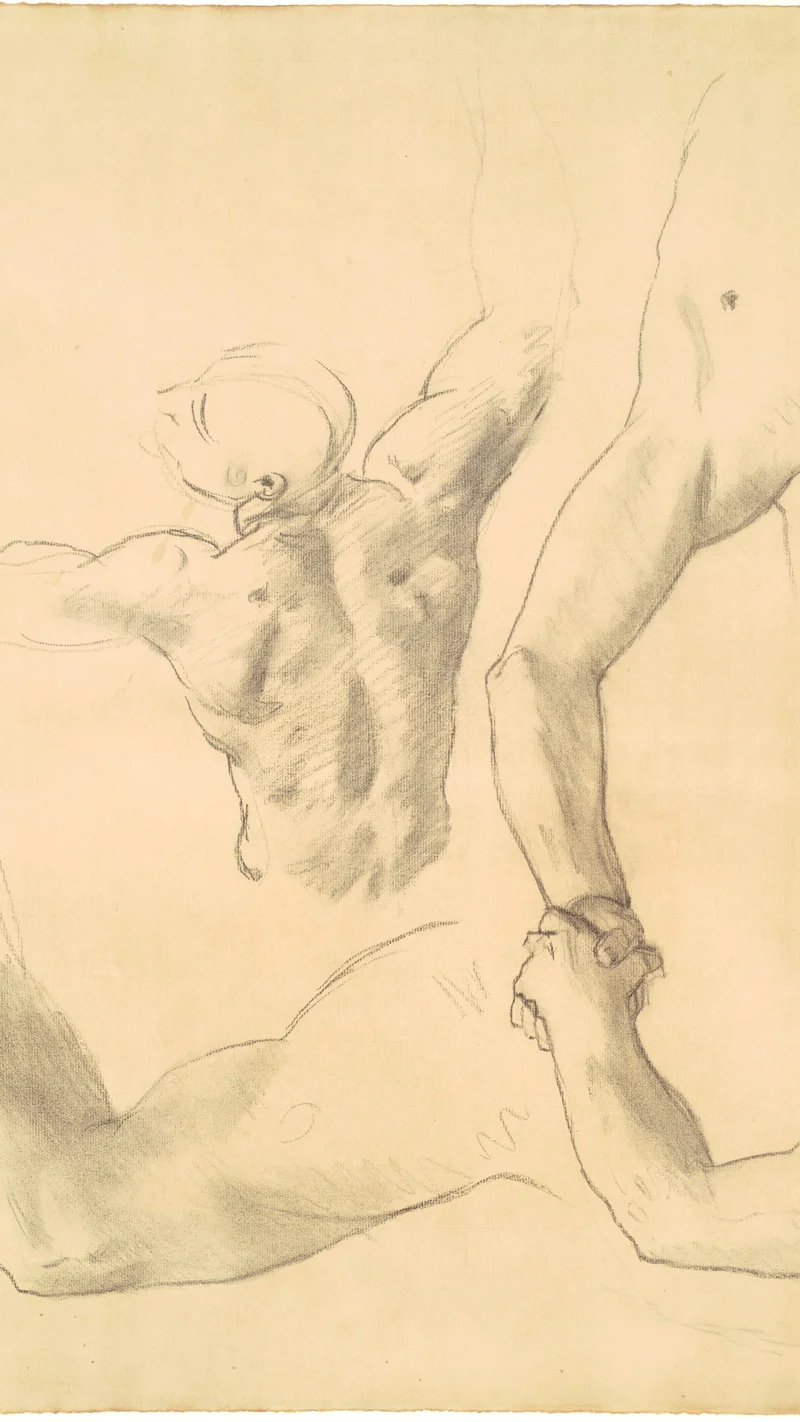
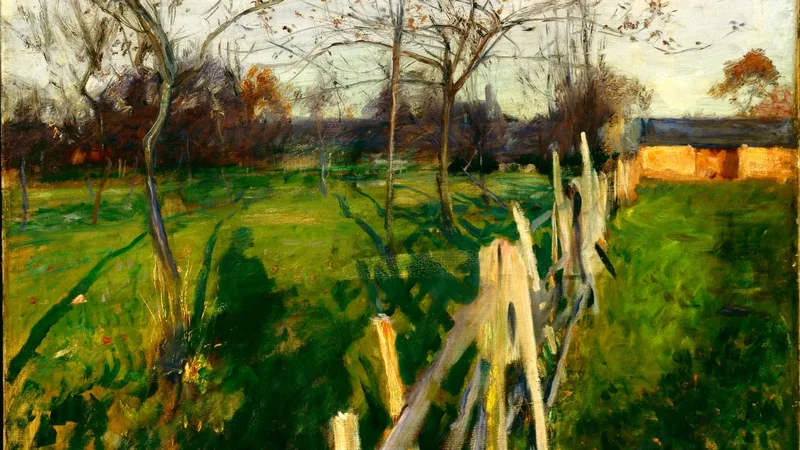
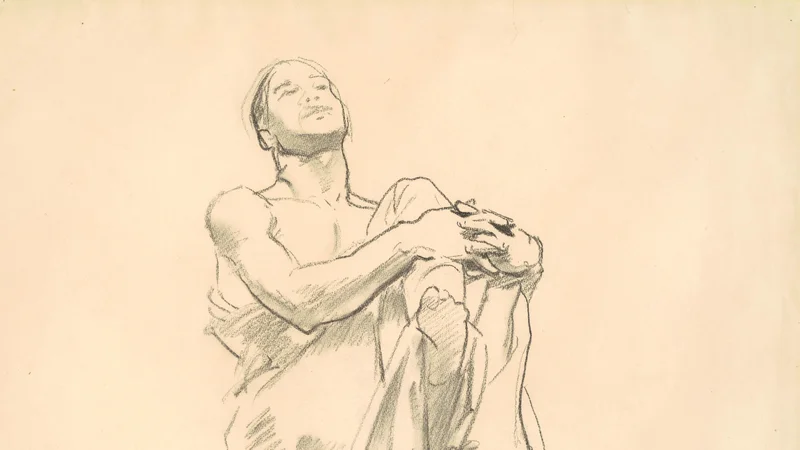
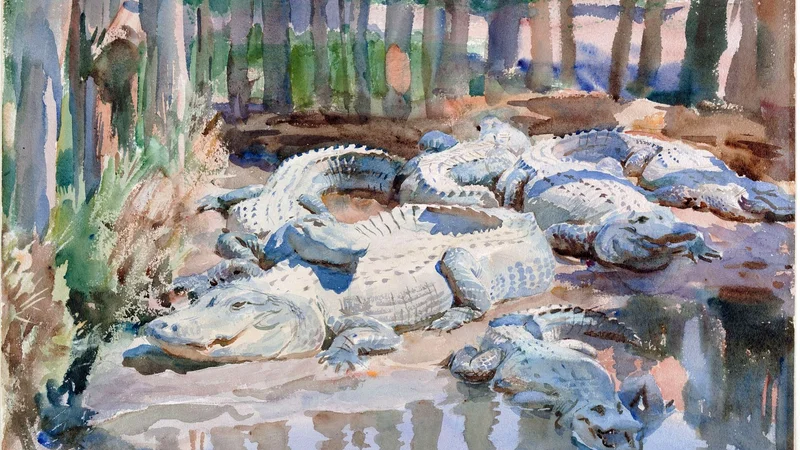
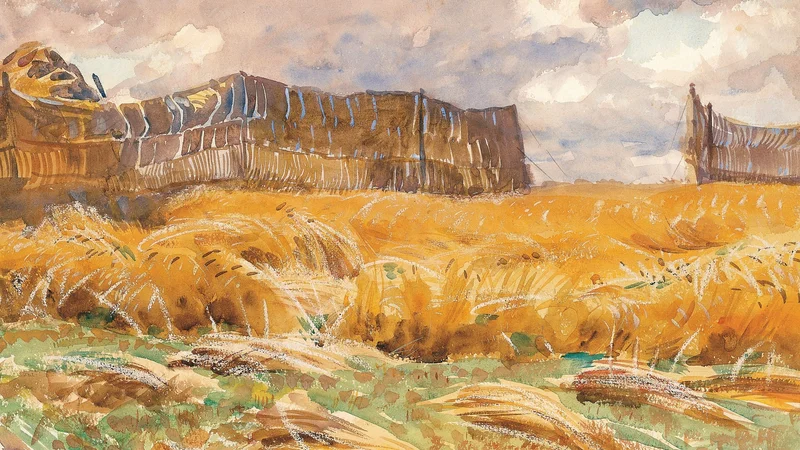
Sargent’s technique is characterized by a bravura display of light-handed brushwork and an acute sensitivity to compositional rhythm. In landscapes such as Lake O'Hara and Home Fields, he utilized rapid, confident strokes to capture the atmospheric essence of the terrain. His later engagement with the First World War demonstrated a shift toward somber reportage, as evidenced by his Studies for "Gassed". His ability to distill complex human dynamics is further visible in works like From Ávila, Couple on a Cot, and Study for Astronomy, where he employed rigorous structural discipline to balance shadow and luminosity. By the 1920s, his work reflected a mature synthesis of observation and abstraction, solidifying his role as a pivotal figure in the transition of Western painting toward modernism.
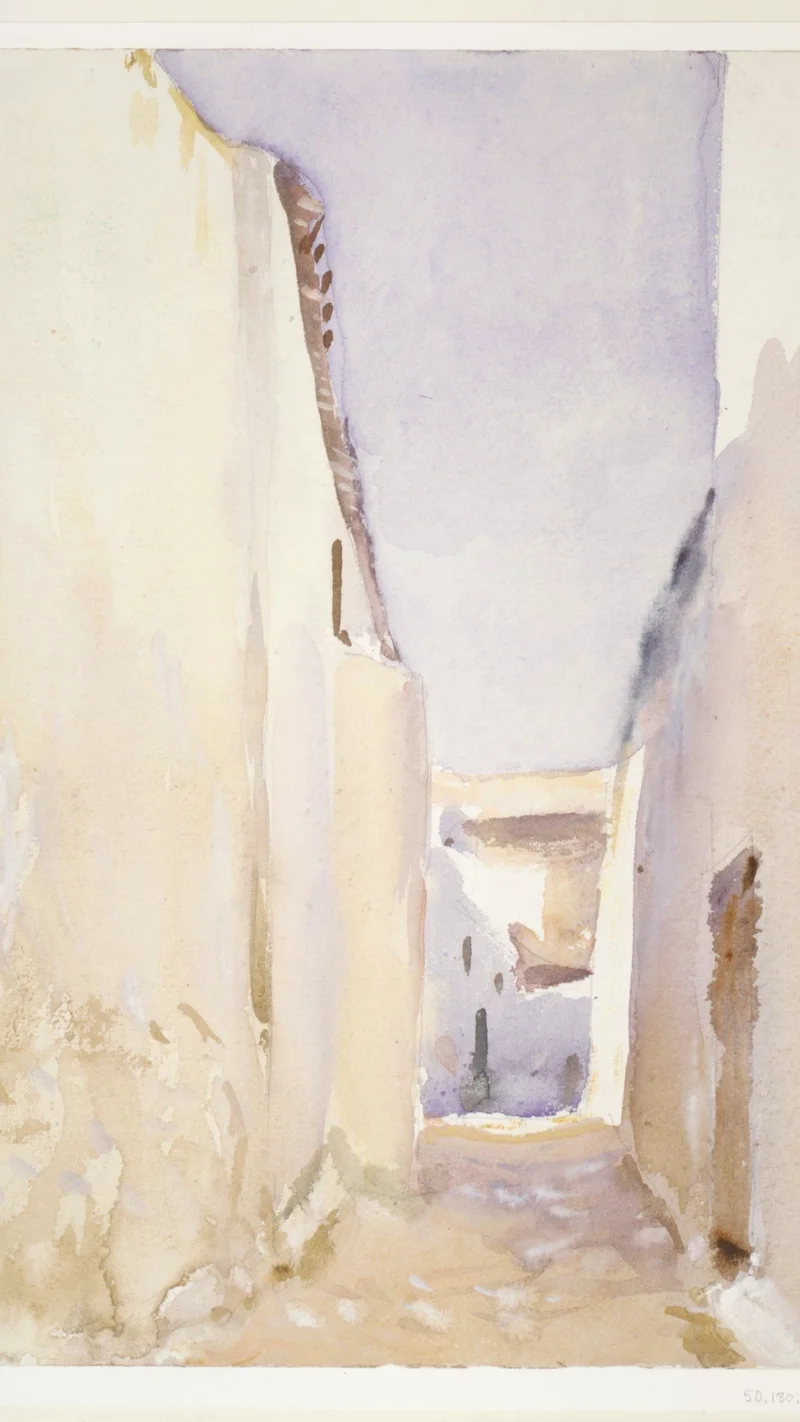
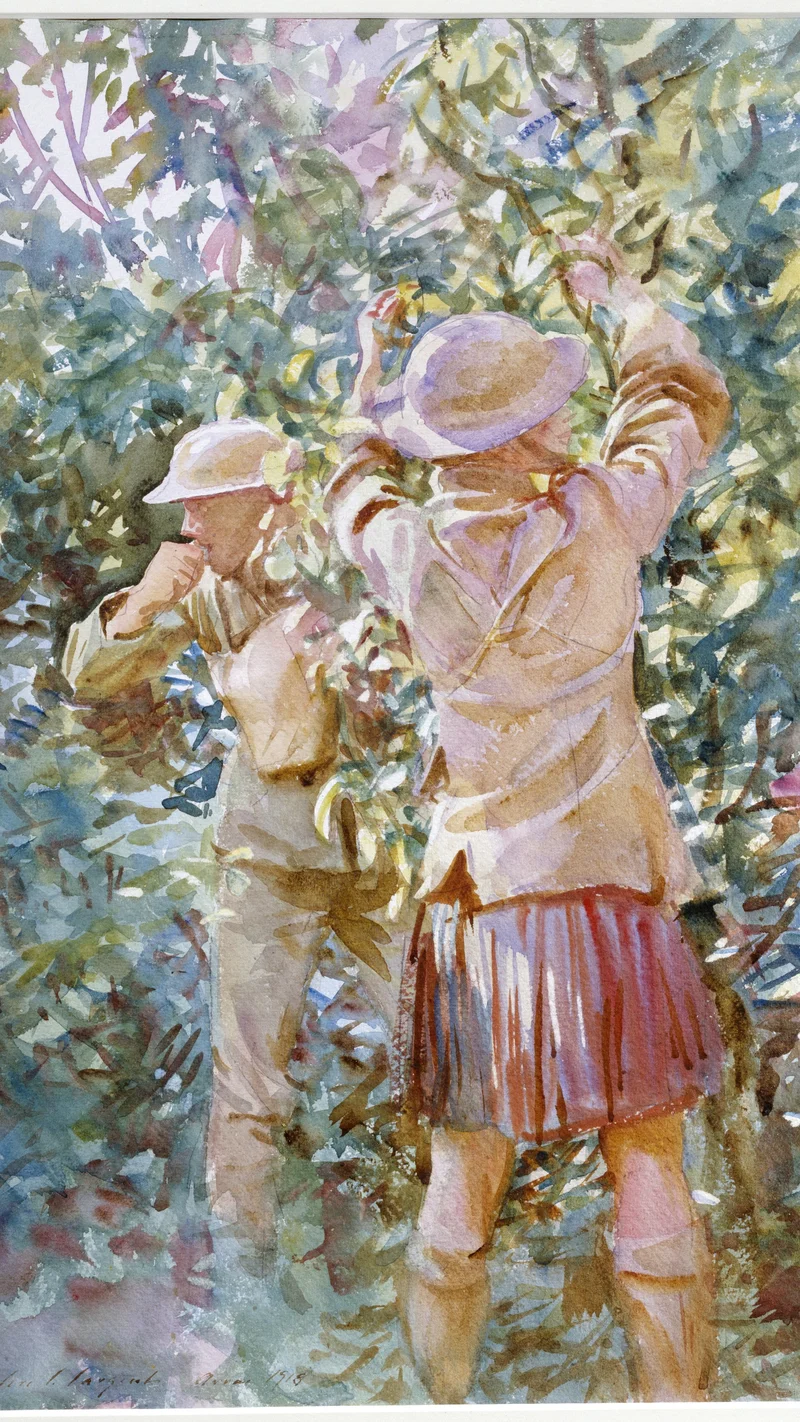
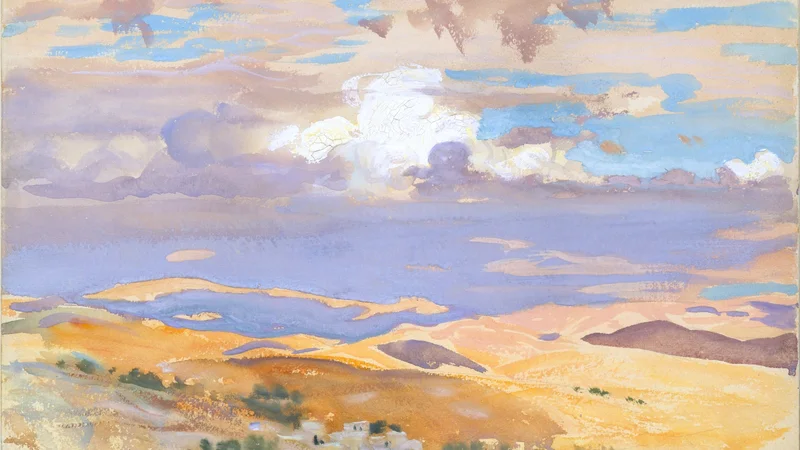
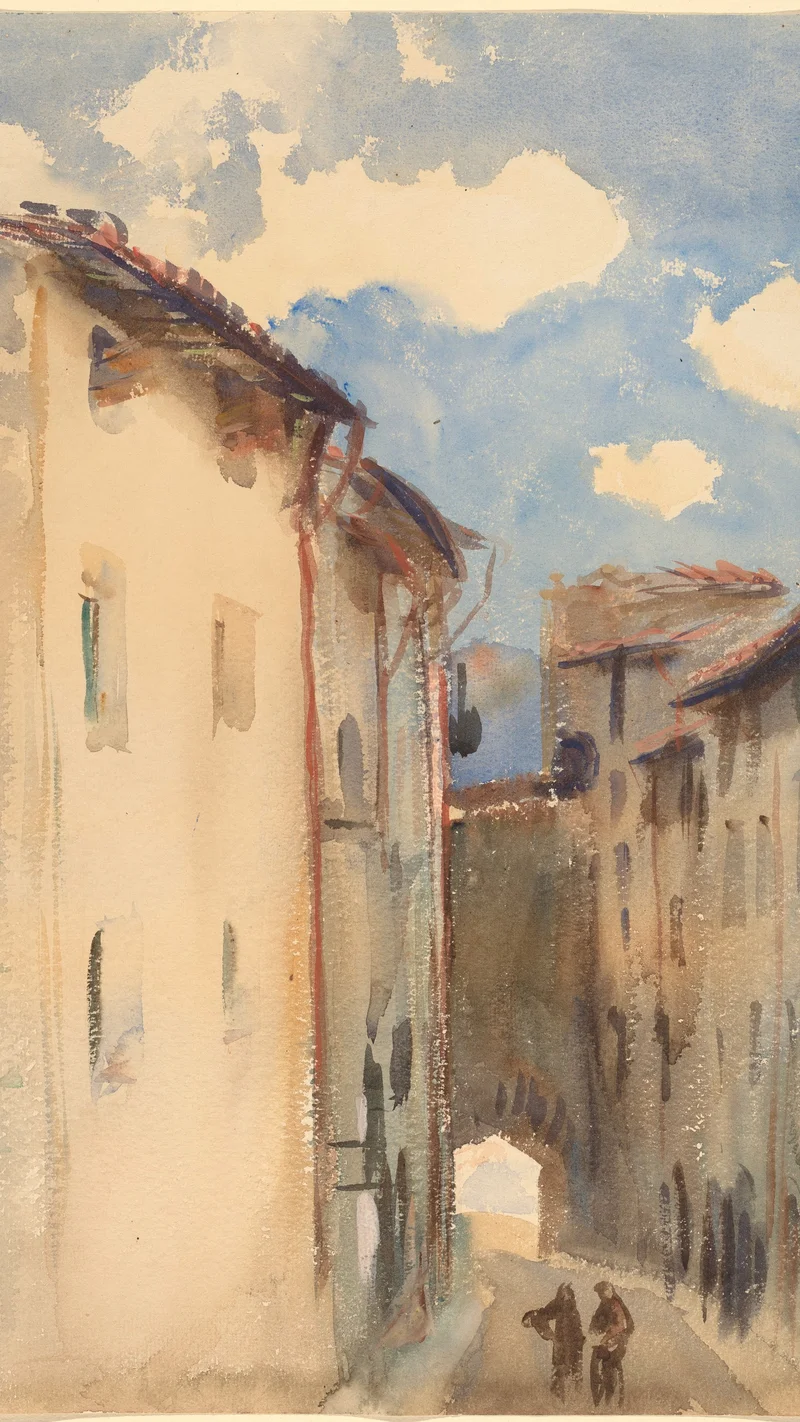

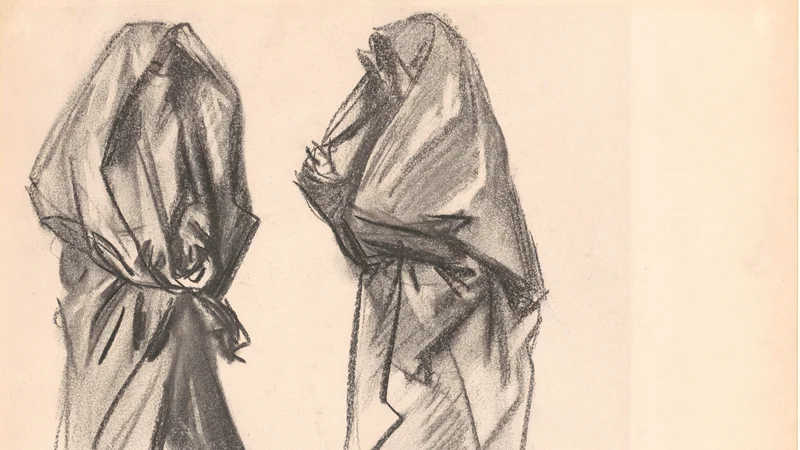
![John Singer Sargent — Studies of Peasants [verso]](https://cdn.wall-art-frame.com/thumbnails/800/46e4a580-5081-4cb3-a645-7c9ac1e71f13_800_13cba3dafa.webp)
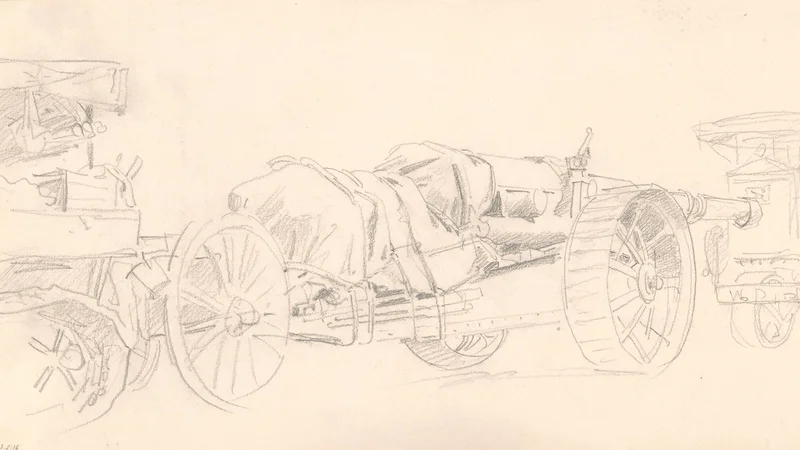

![John Singer Sargent — Studies of Peasants with Wheelbarrows [verso]](https://cdn.wall-art-frame.com/thumbnails/800/cbff68d1-4026-481f-9076-a2765d913247_800_ef96527034.webp)
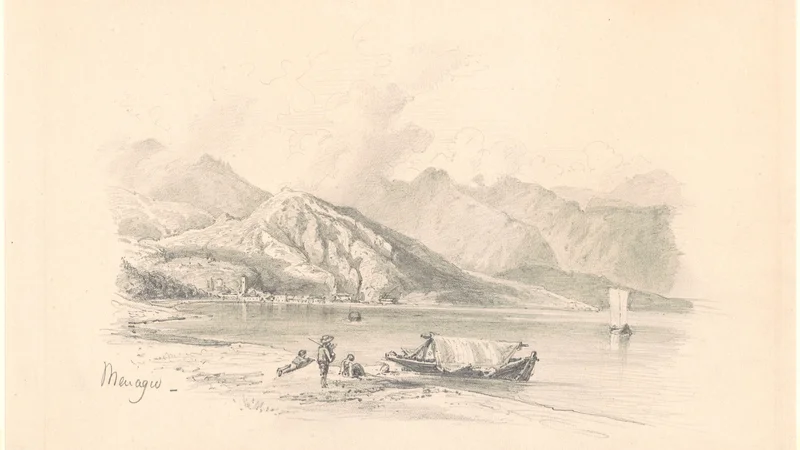
![John Singer Sargent — Monastery [recto]](https://cdn.wall-art-frame.com/thumbnails/800/827c0b37-f0d5-4fe3-b223-77a44c7f995d_800_21ca9550eb.webp)

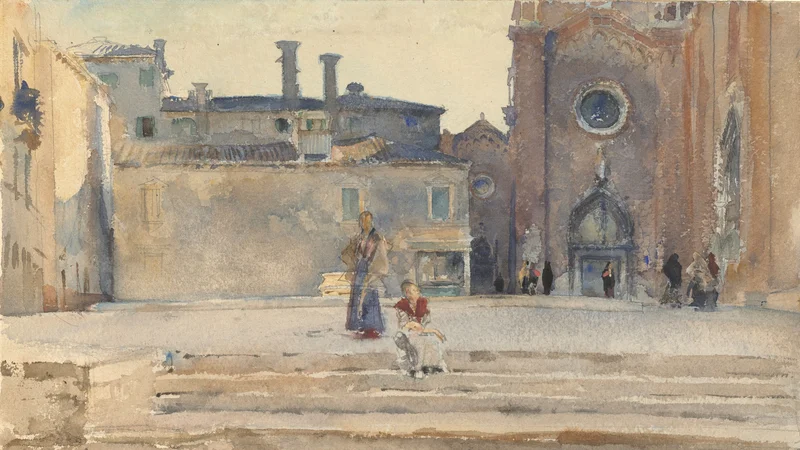
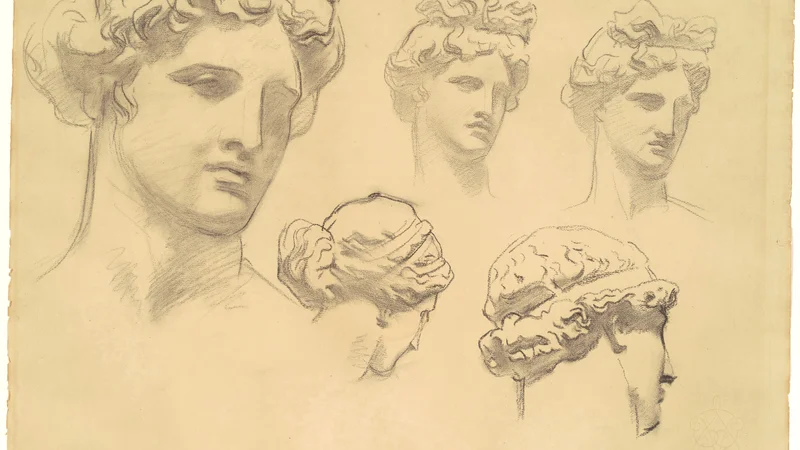
![John Singer Sargent — Italian Villa [recto]](https://cdn.wall-art-frame.com/thumbnails/800/d1d6e39b-0d3b-48ed-bf81-eb7b42d3d27d_800_c65117df8b.webp)