Francisco Goya
237 artworks
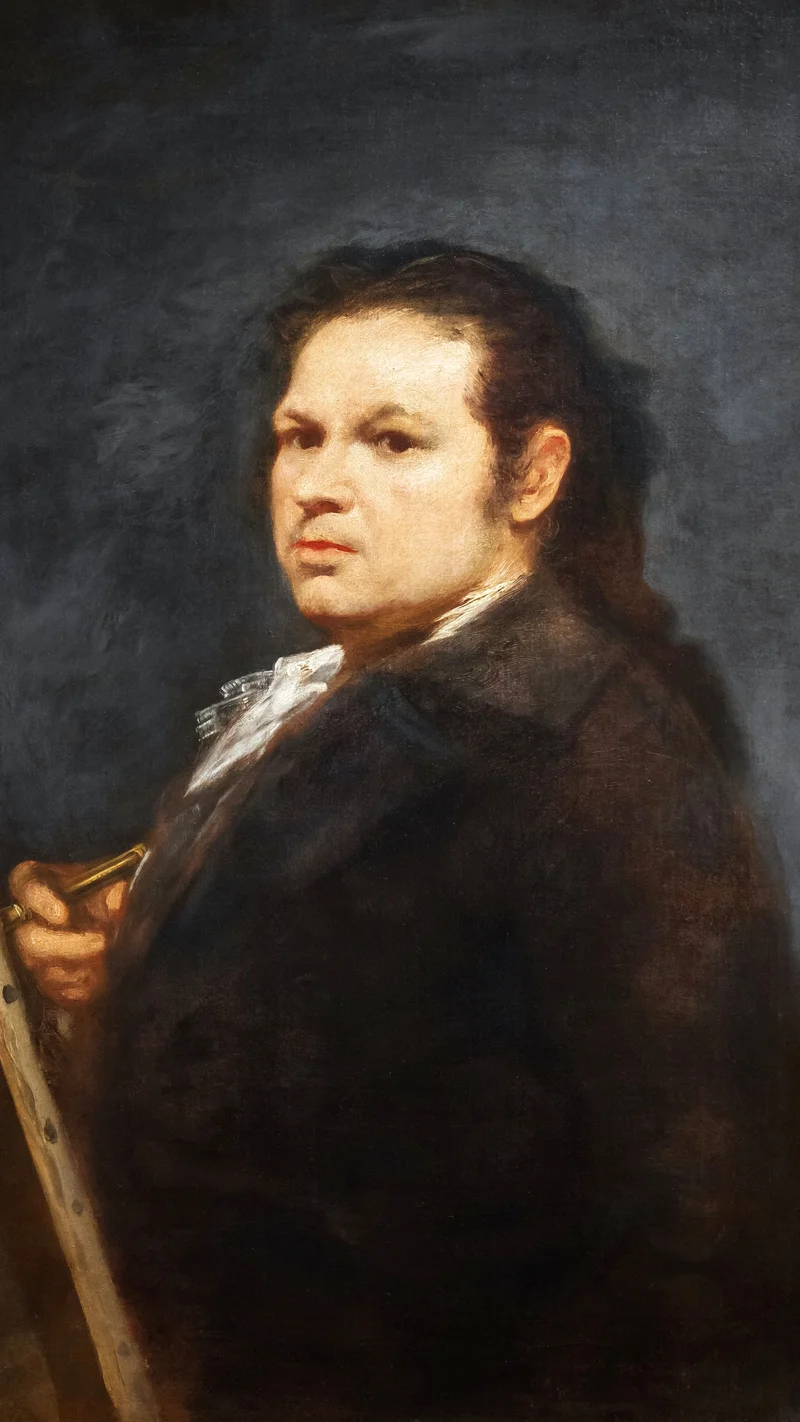
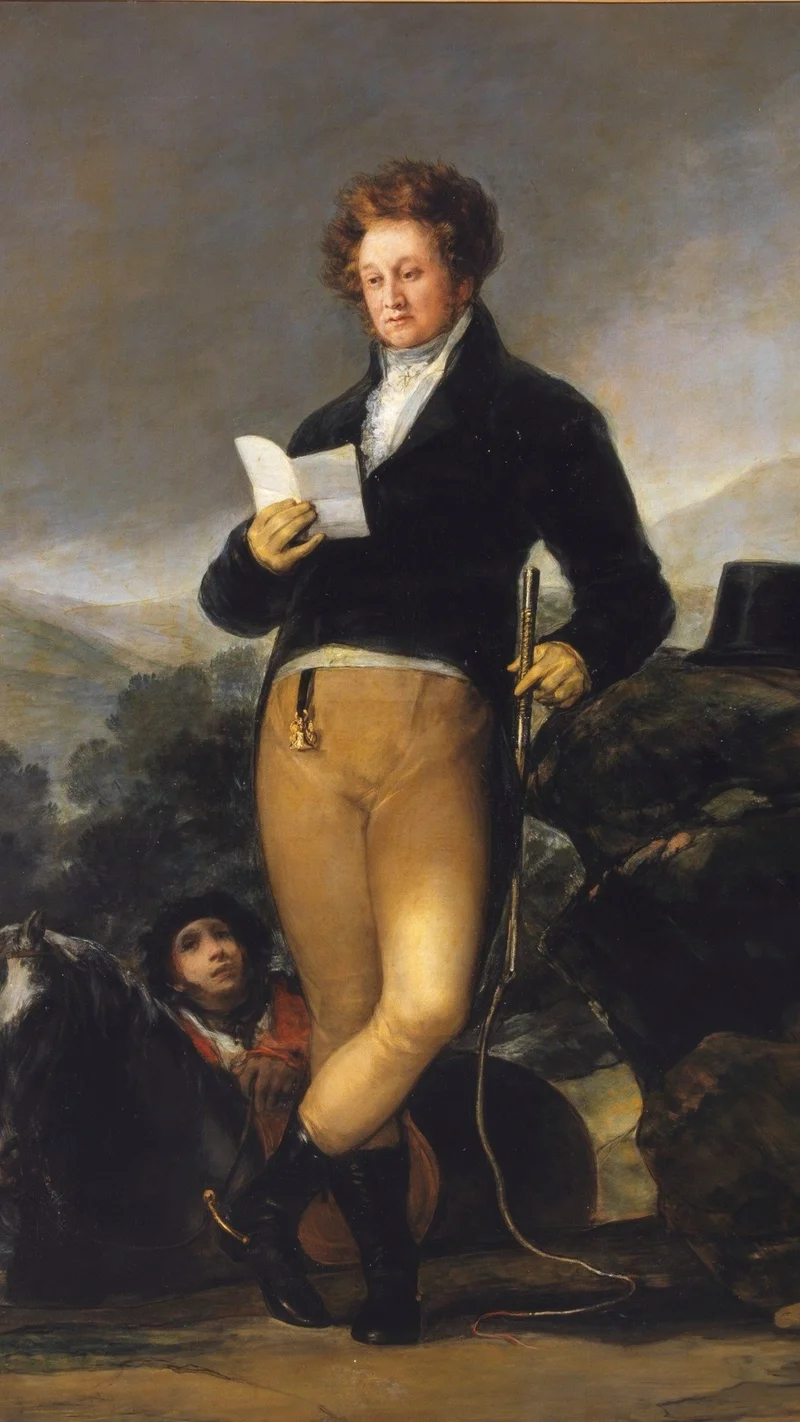
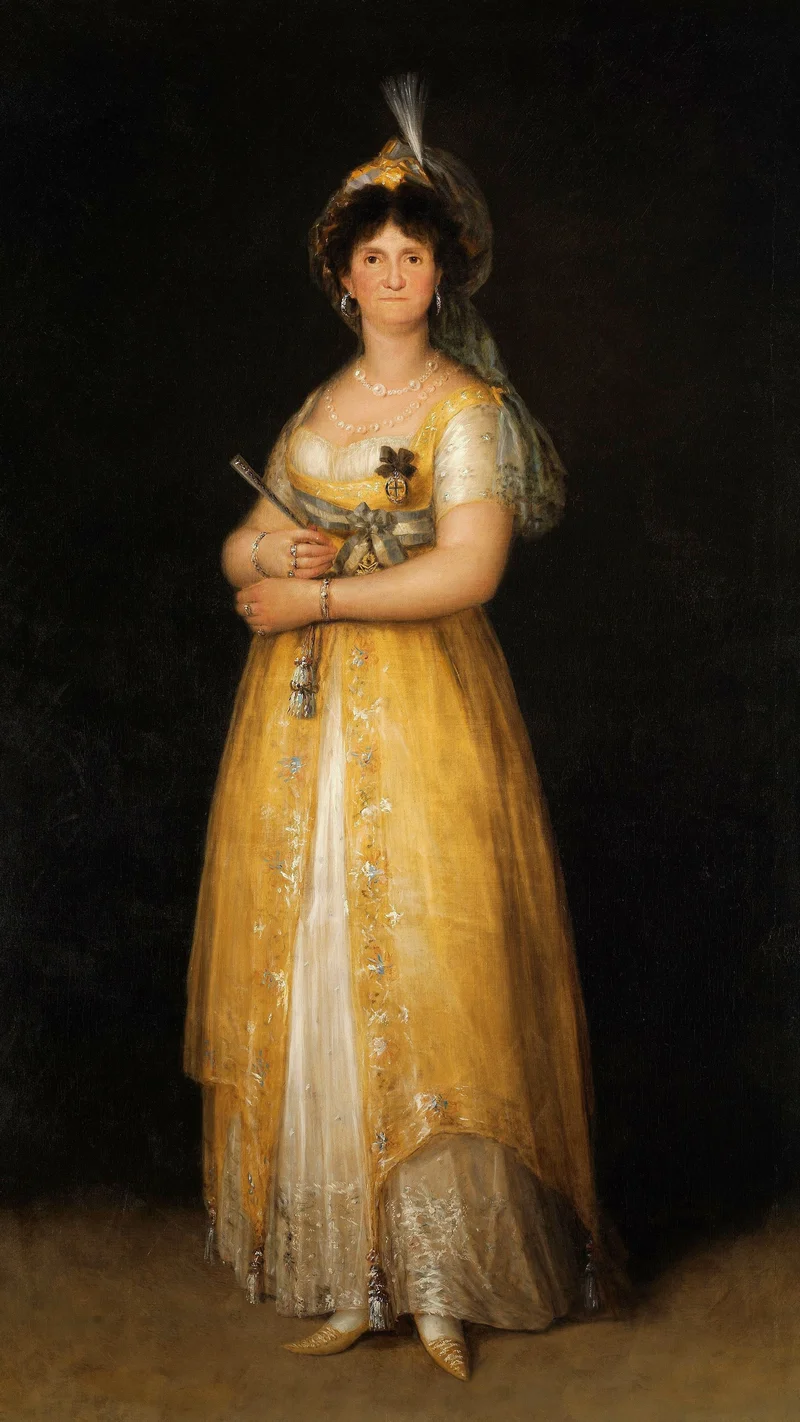
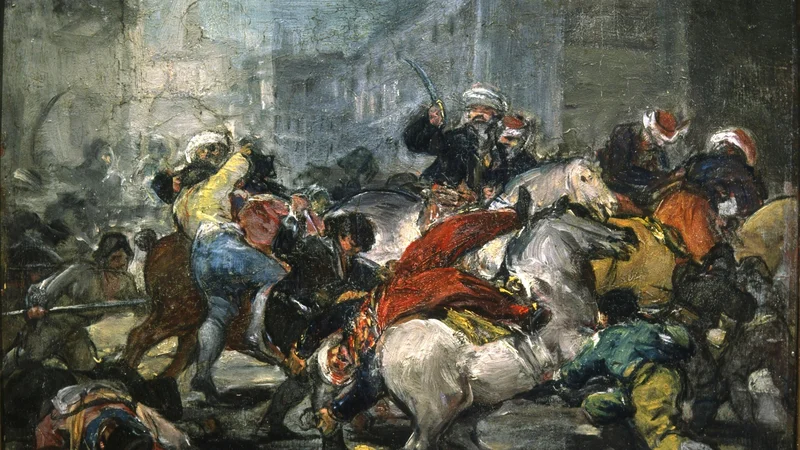
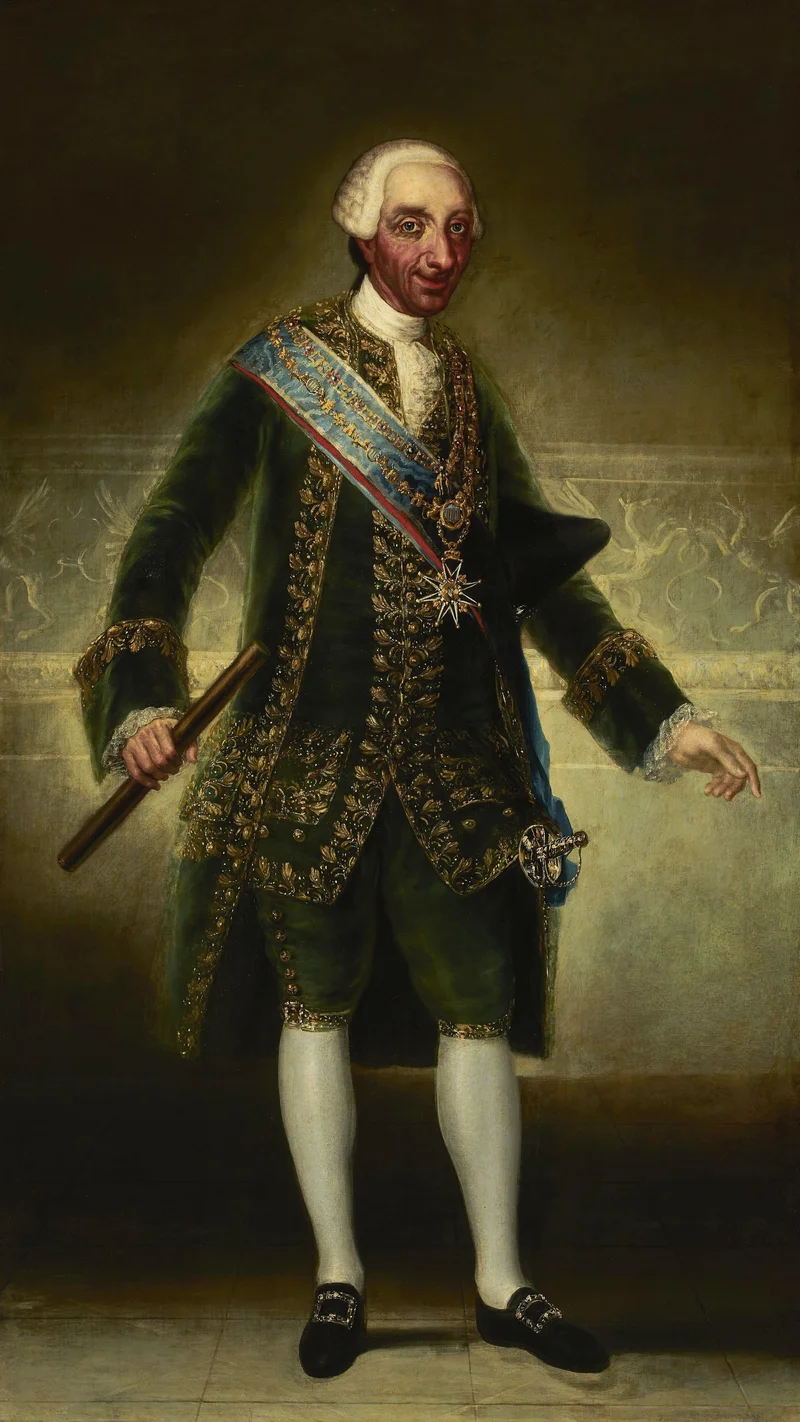
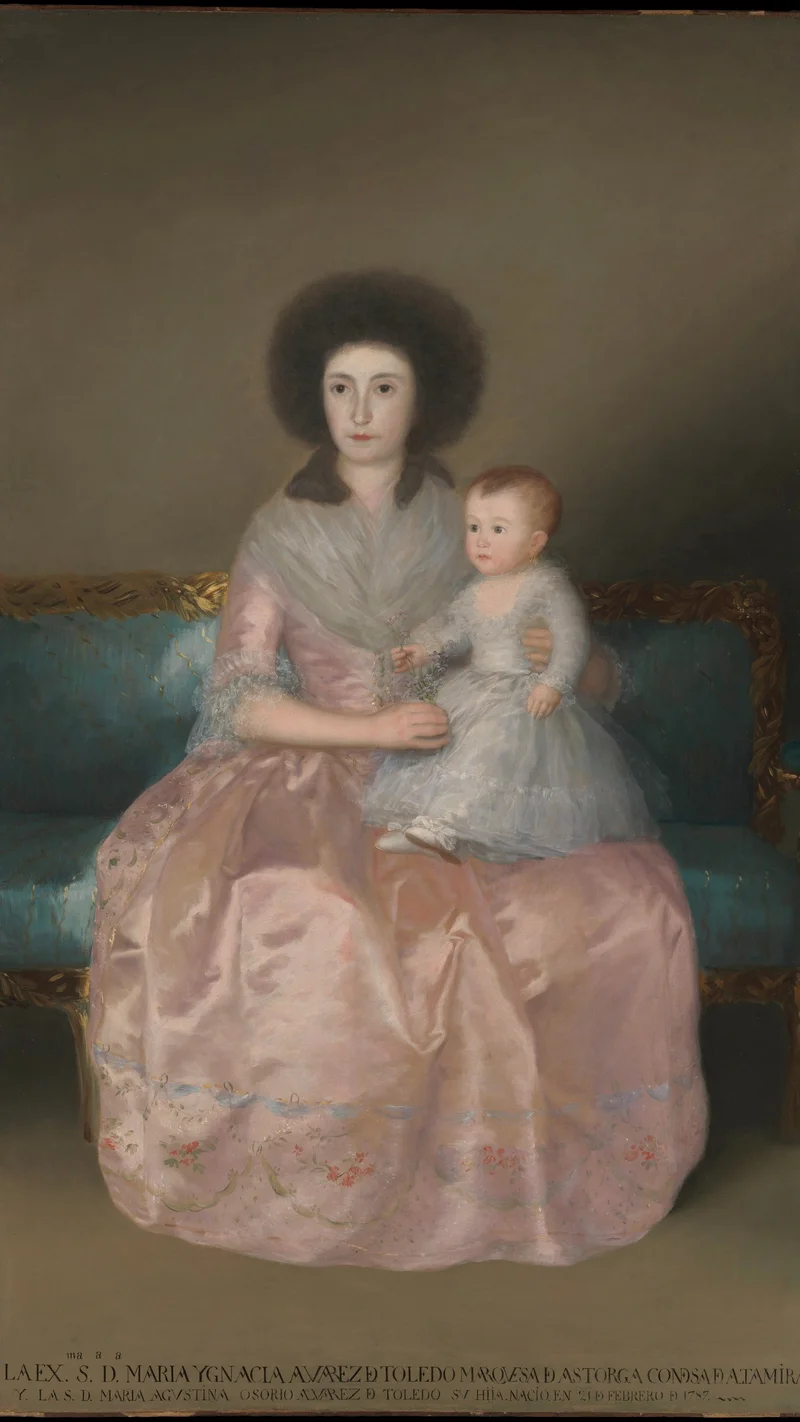
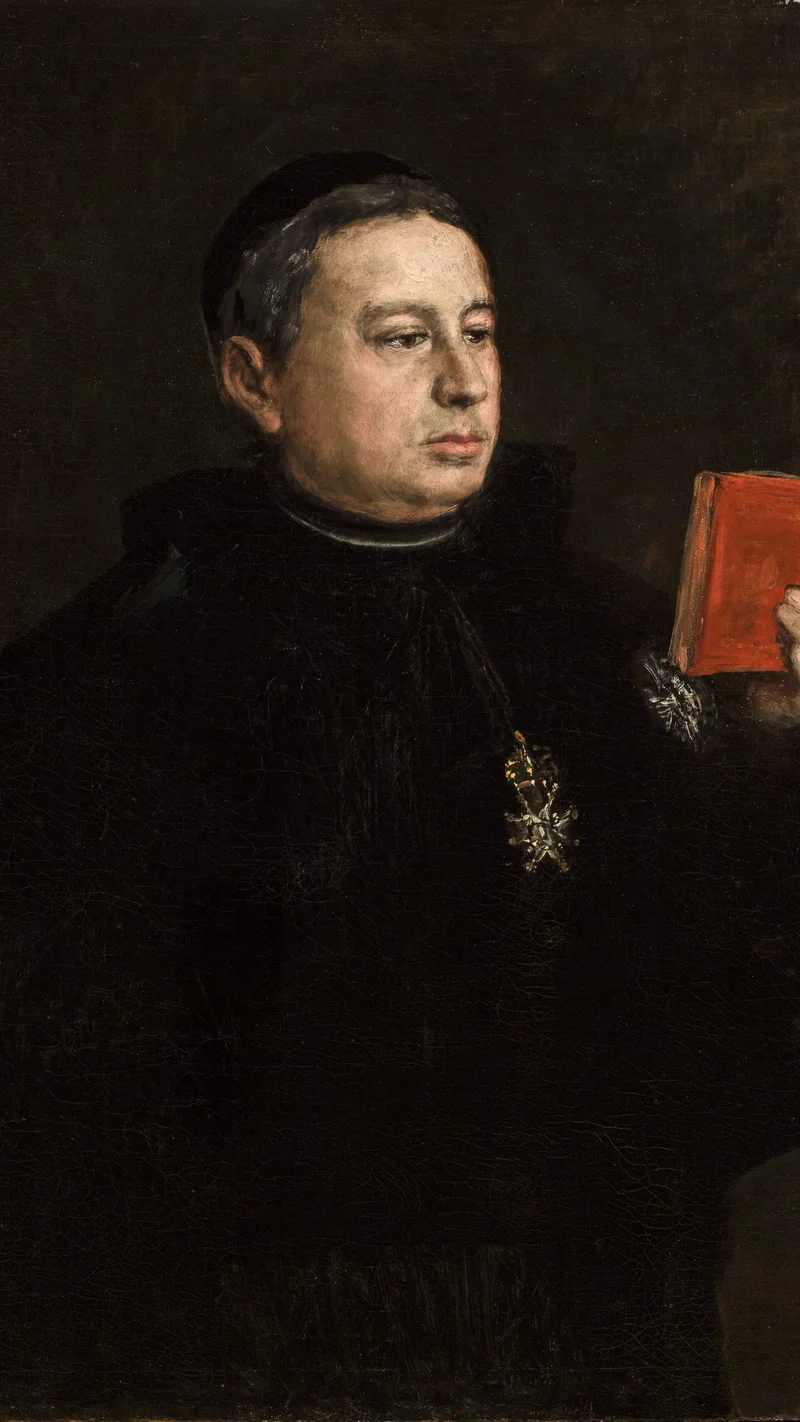
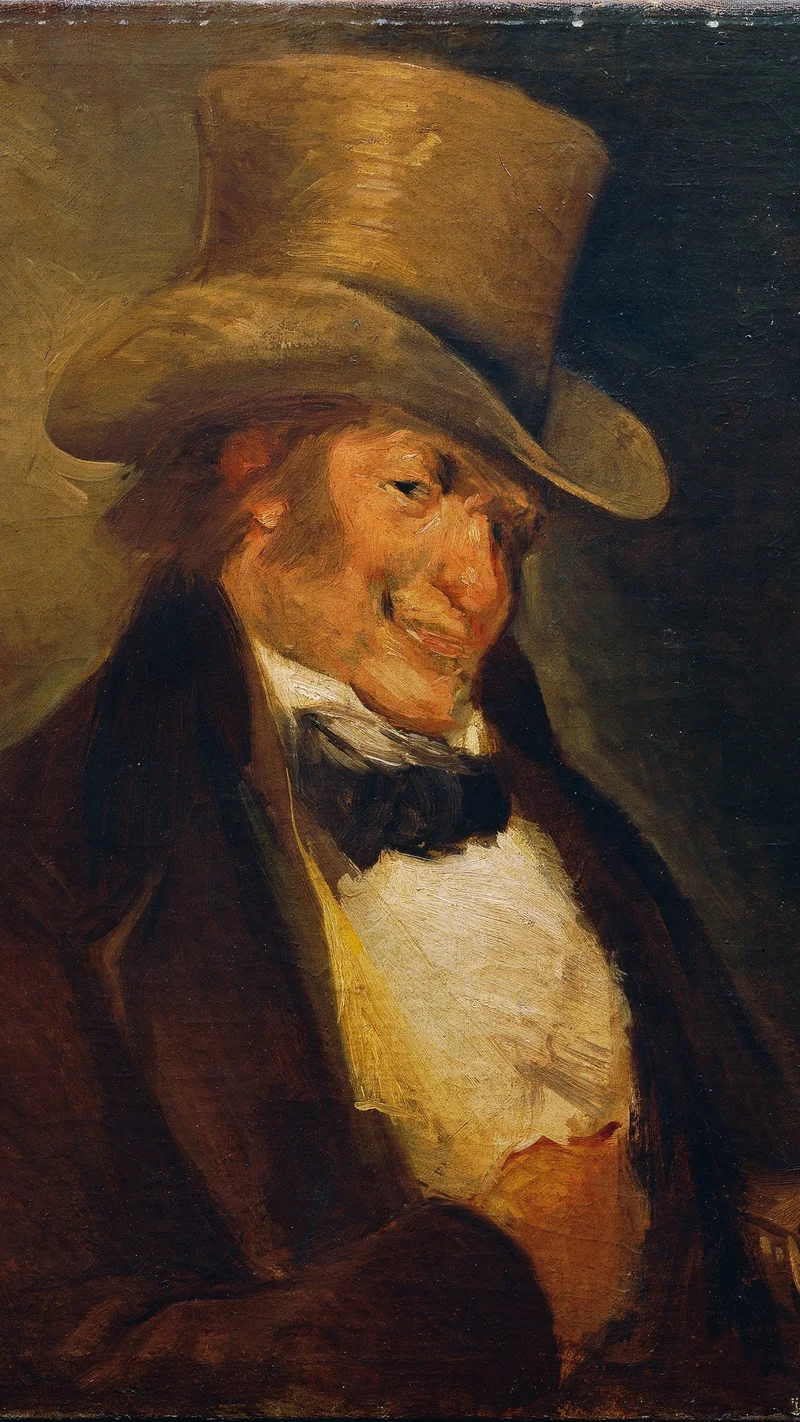
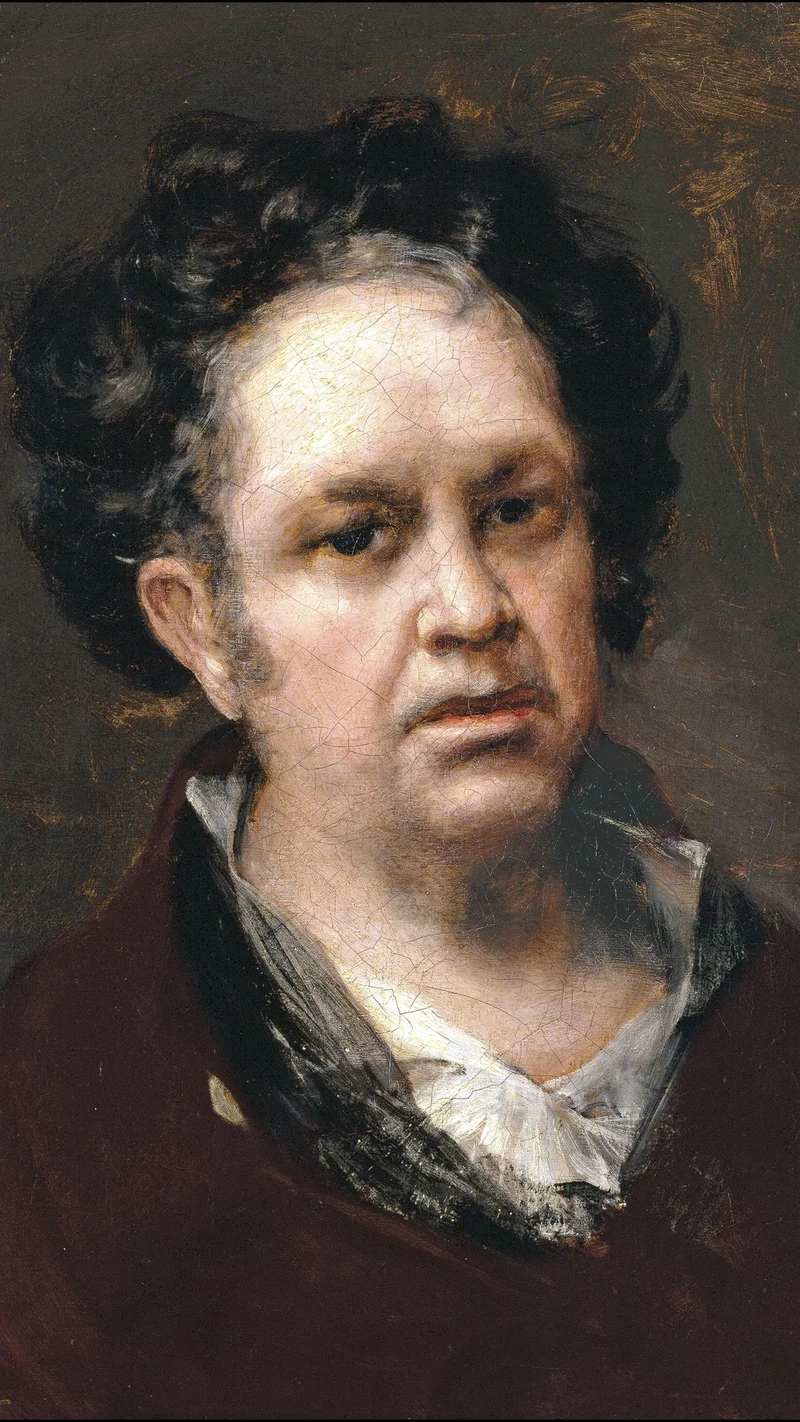
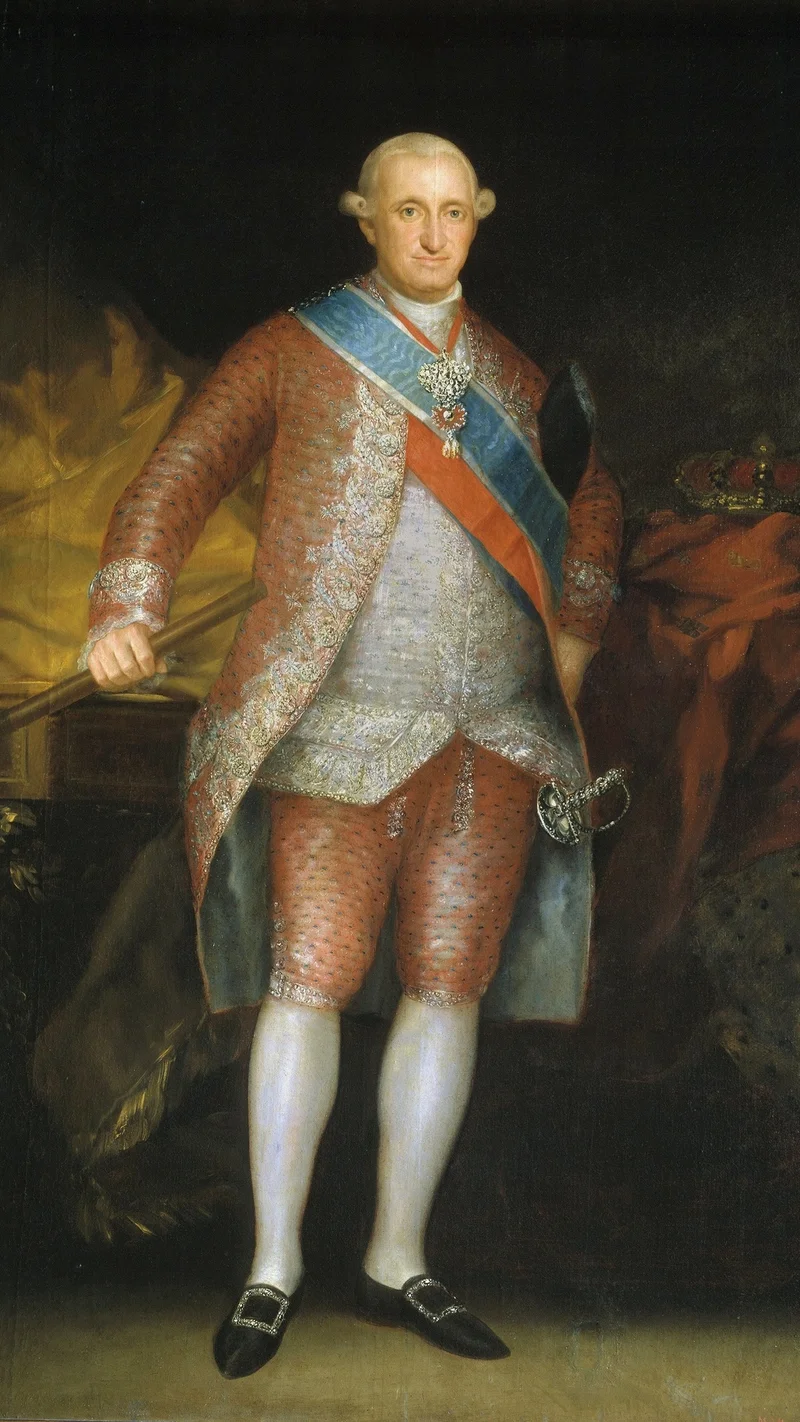
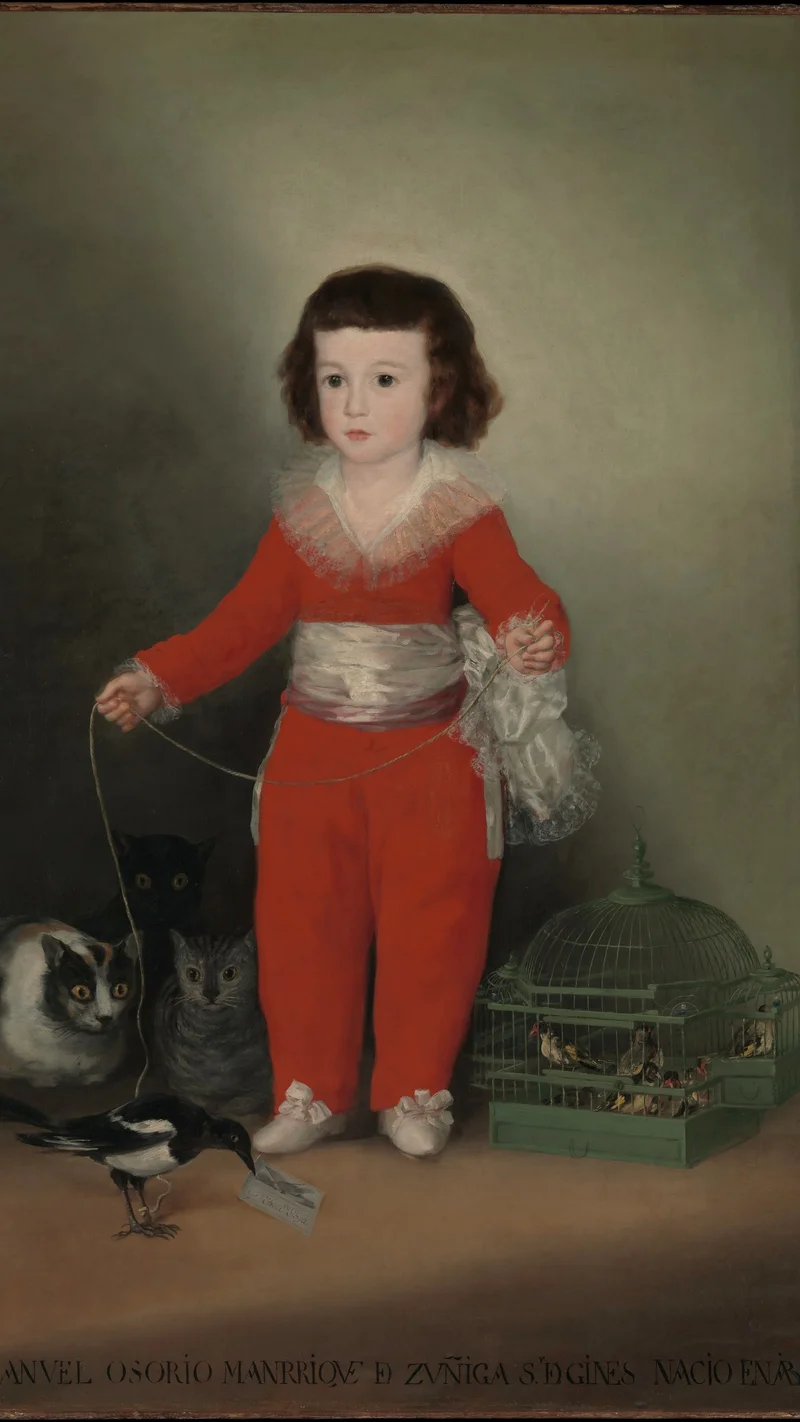
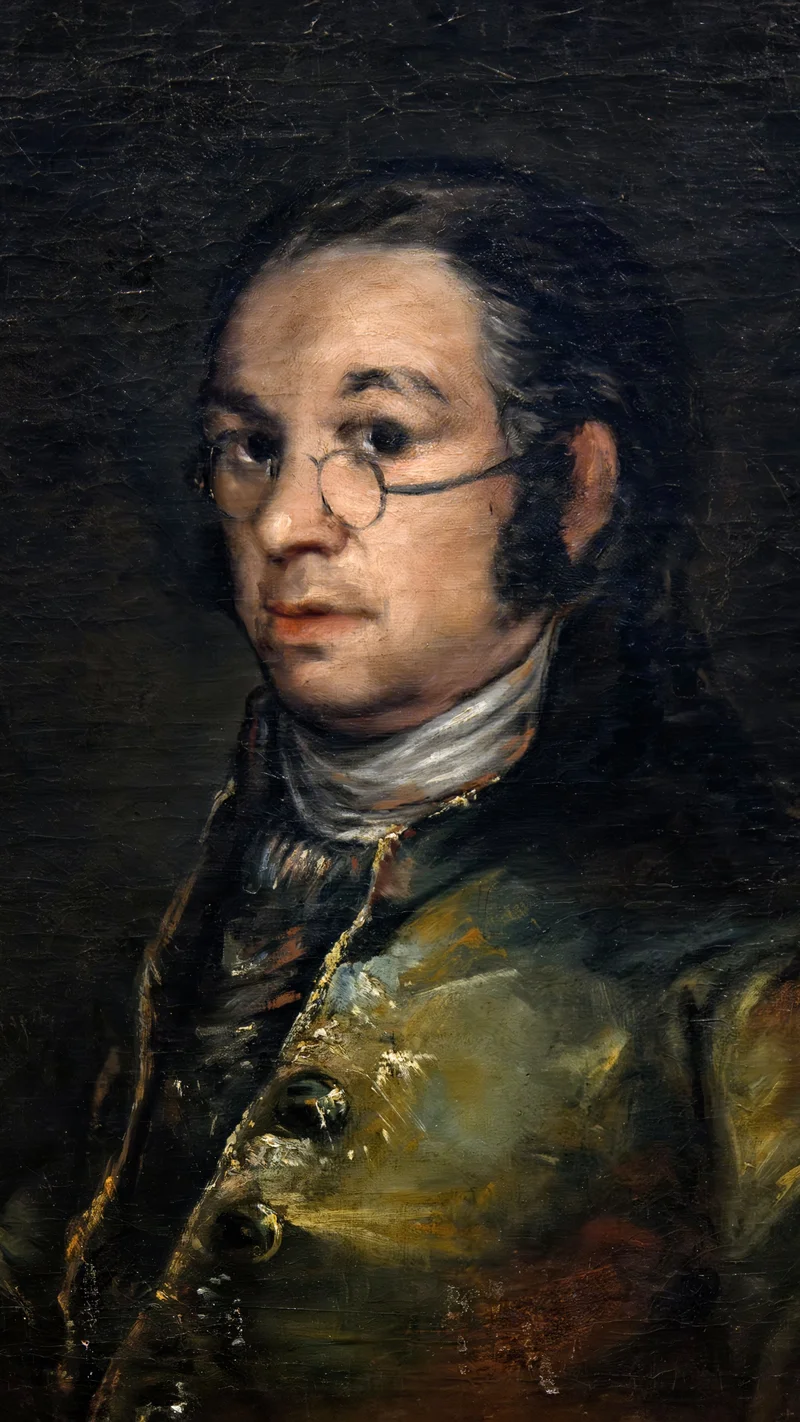
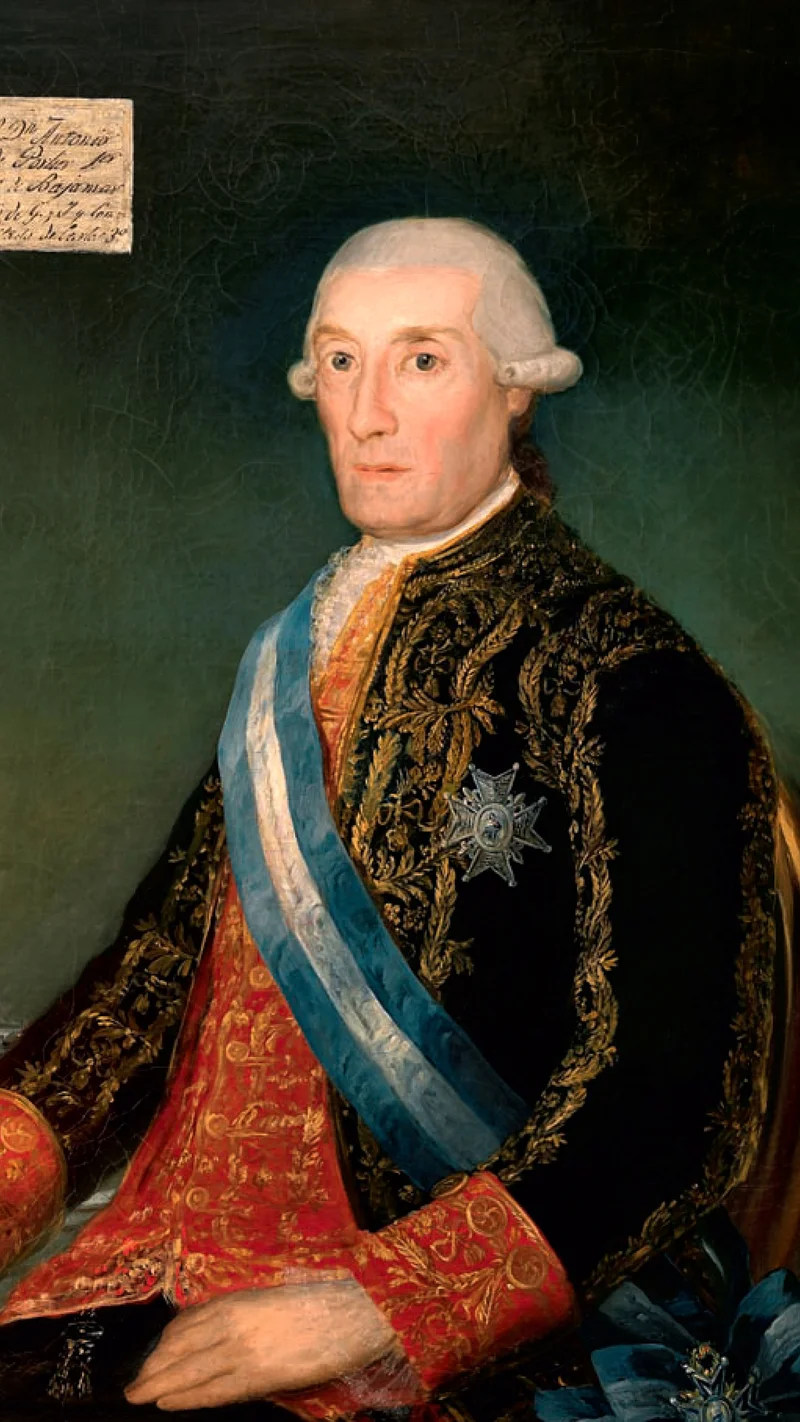
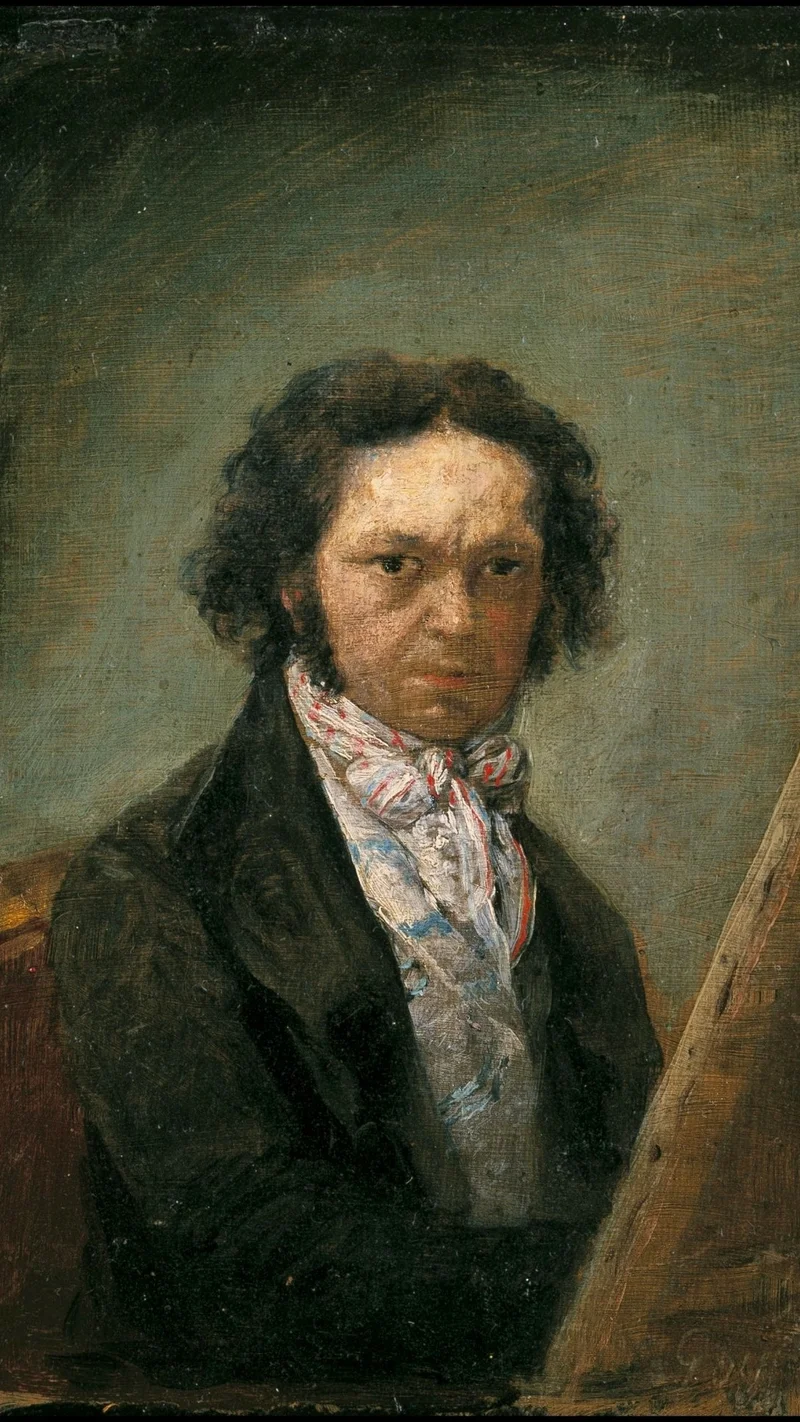
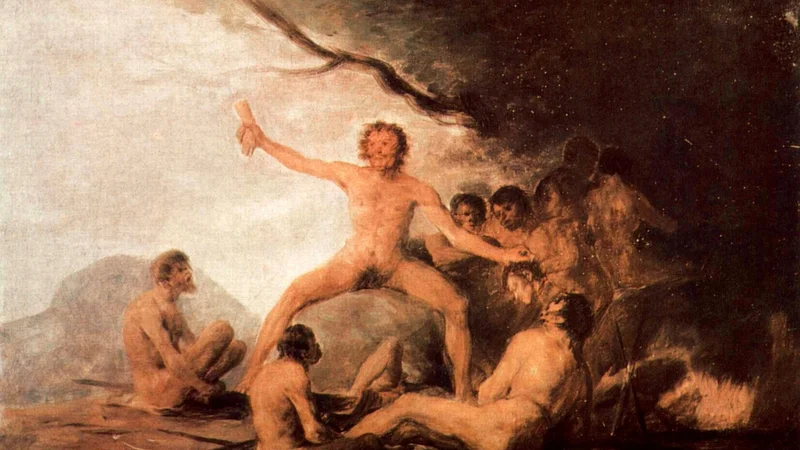
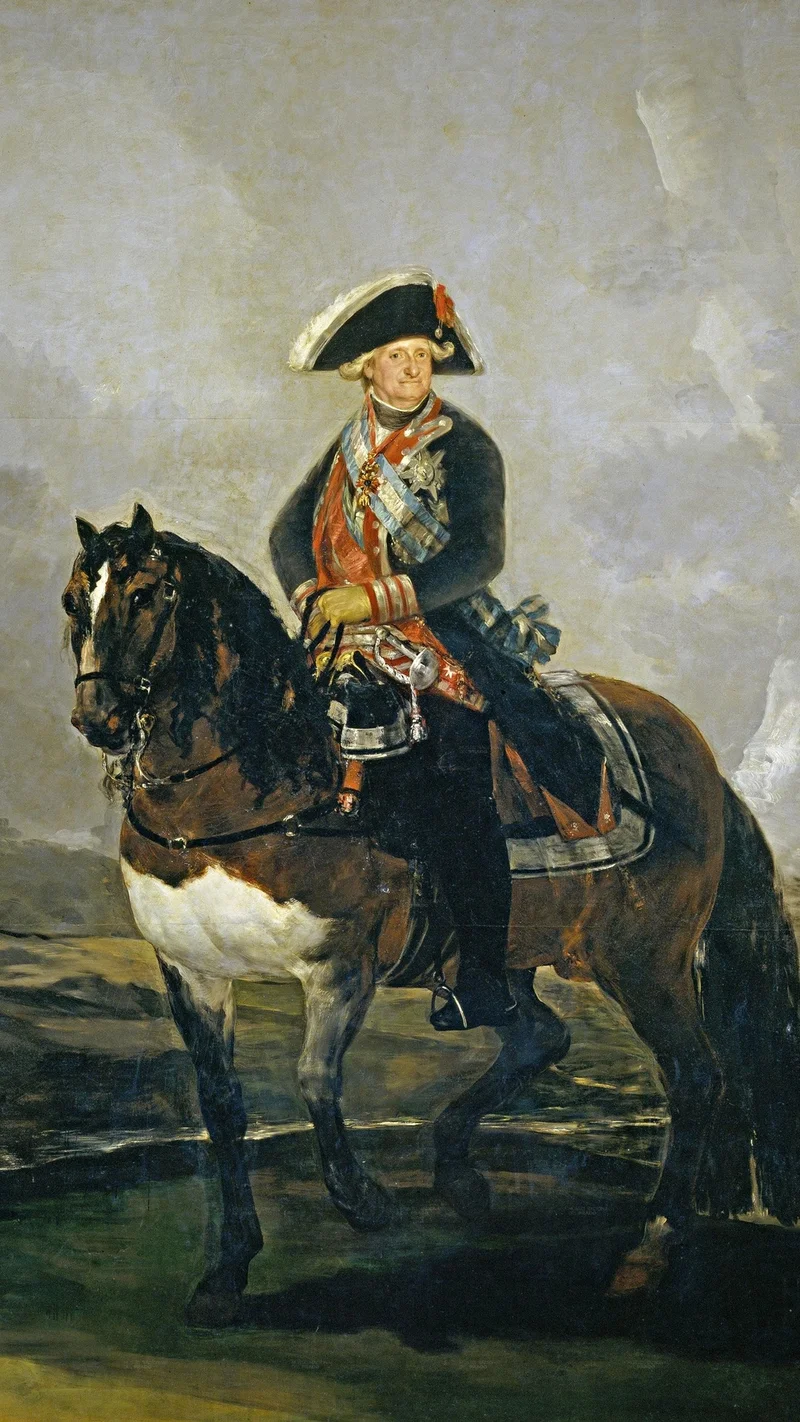
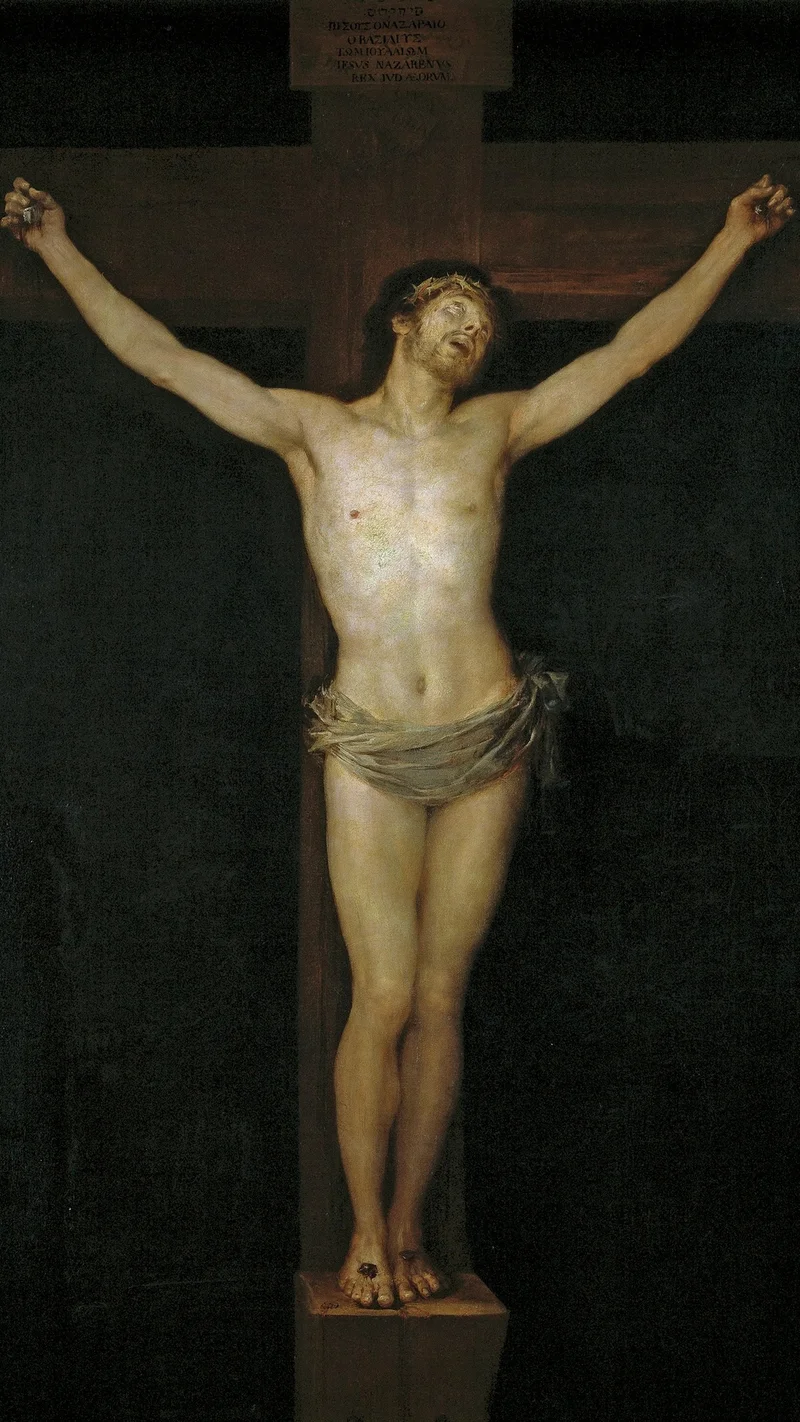
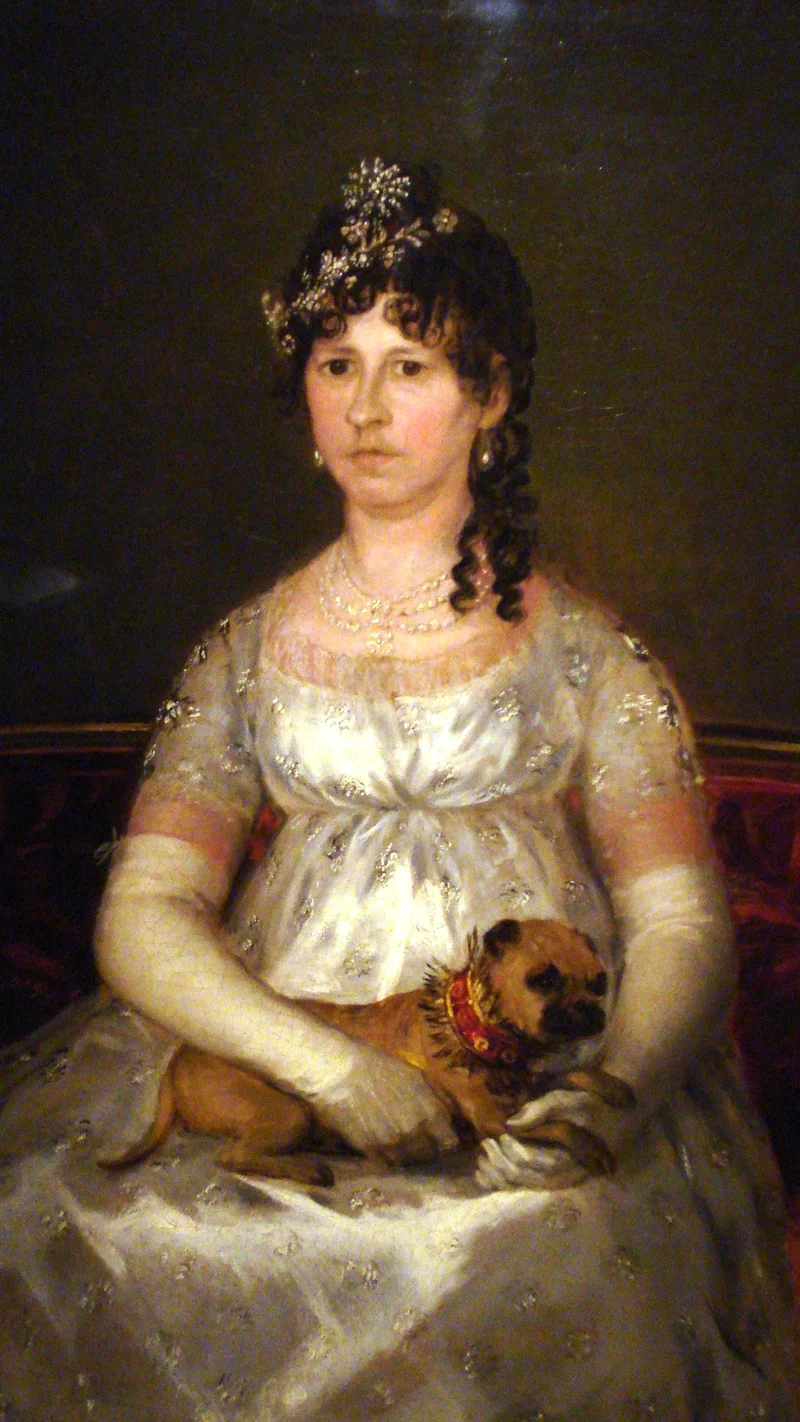
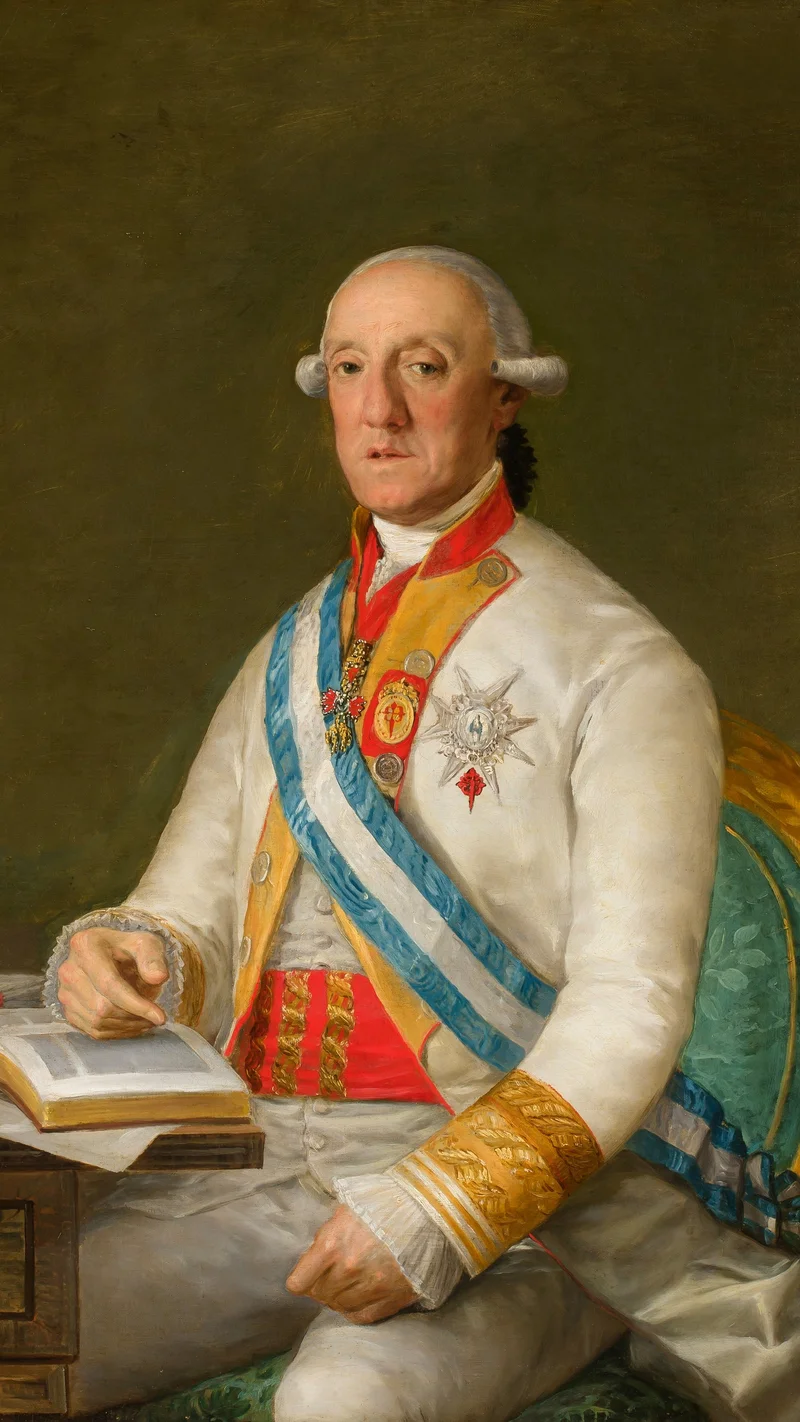
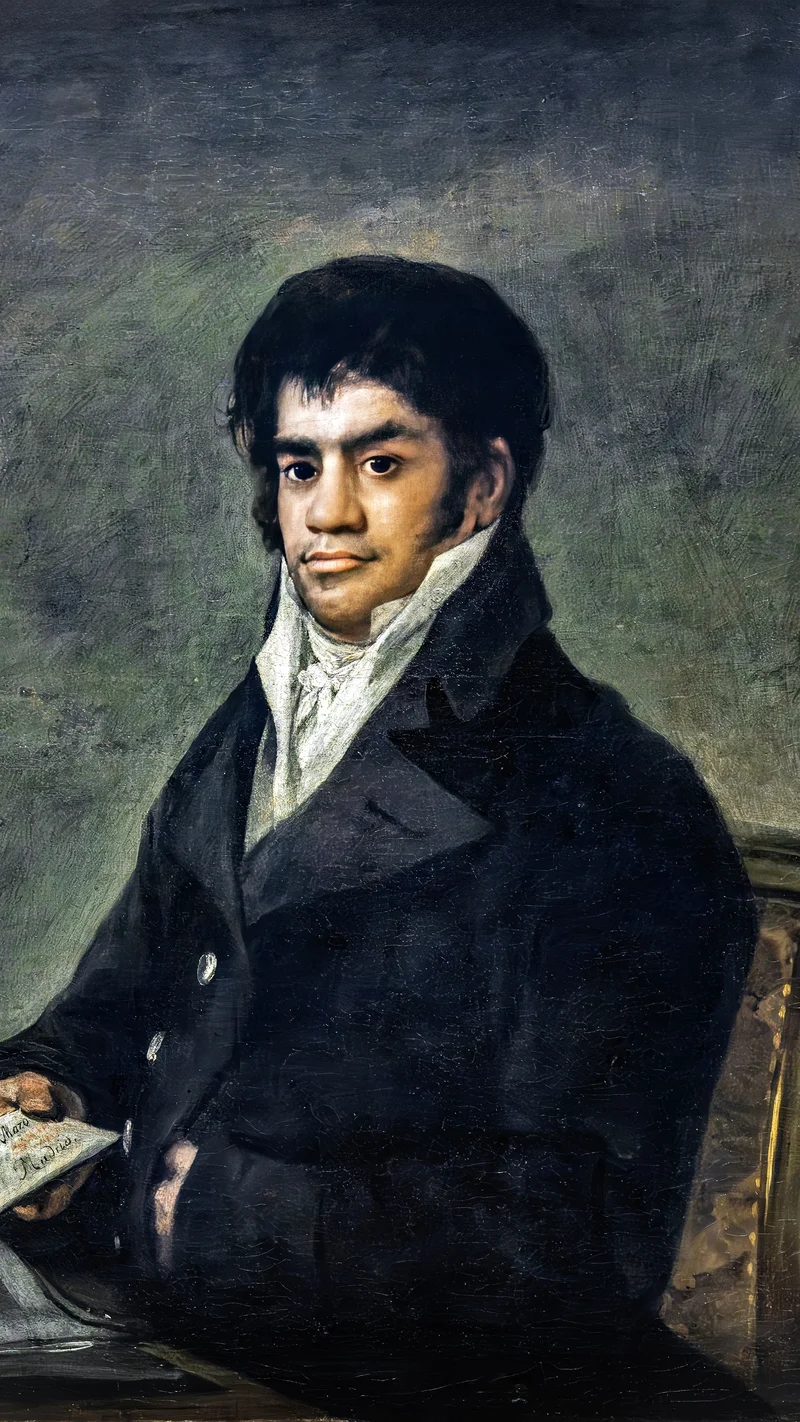
Francisco José de Goya y Lucientes (1746–1828) stands as the preeminent Spanish painter of the late eighteenth and early nineteenth centuries, serving as a pivotal figure who bridged the gap between the Old Masters and the dawn of modernism. Active throughout significant political shifts in 1783 and 1812, Goya functioned as a court painter to the Spanish Crown, yet his personal work evolved into a profound exploration of human frailty and social critique. He is widely considered the last of the Old Masters and the first of the pioneers of Romanticism, utilizing his position to document the psychological depth of his subjects rather than merely their social standing.
Stylistic Evolution and Technique
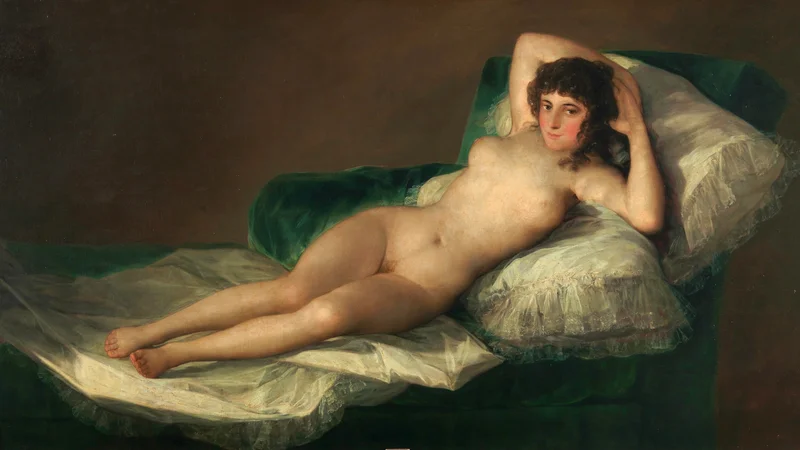
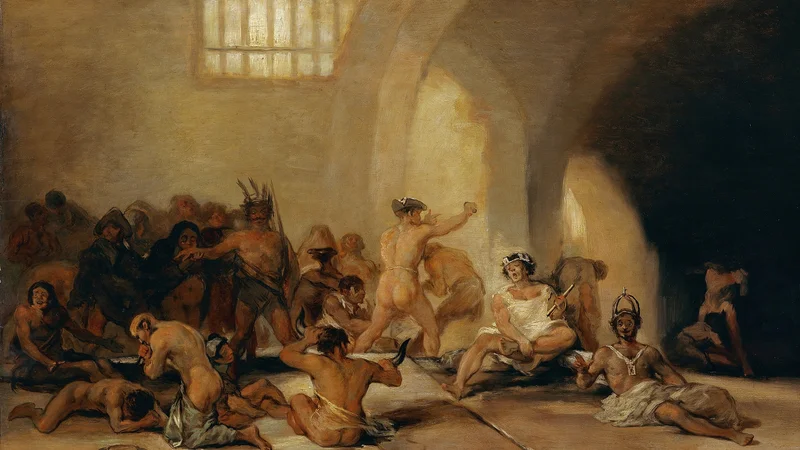
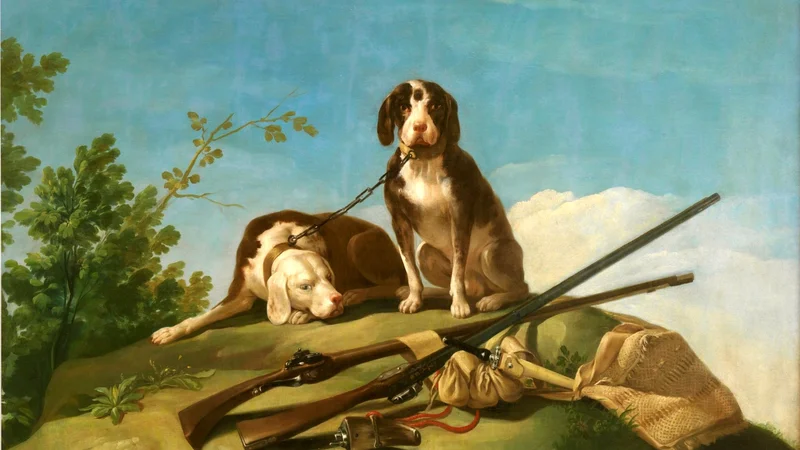
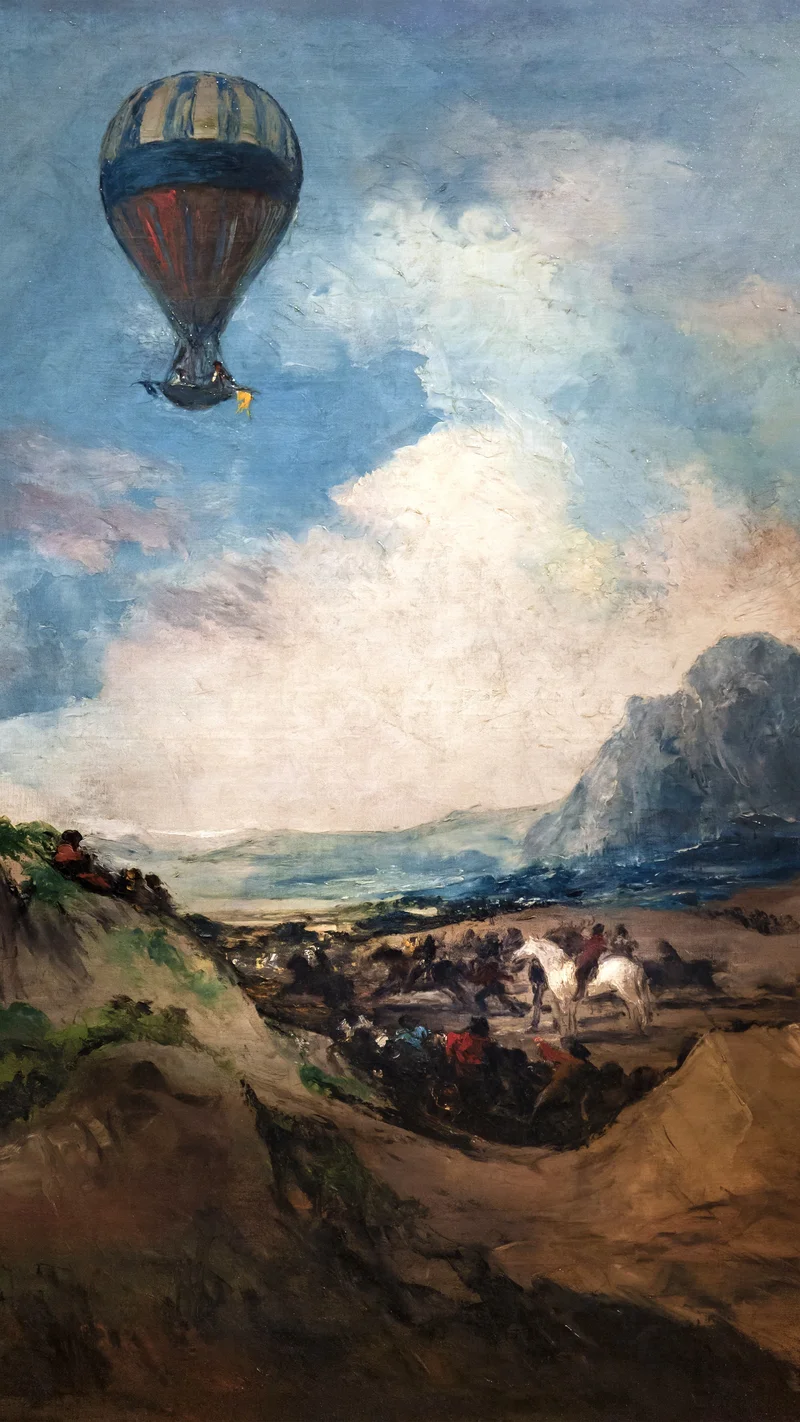
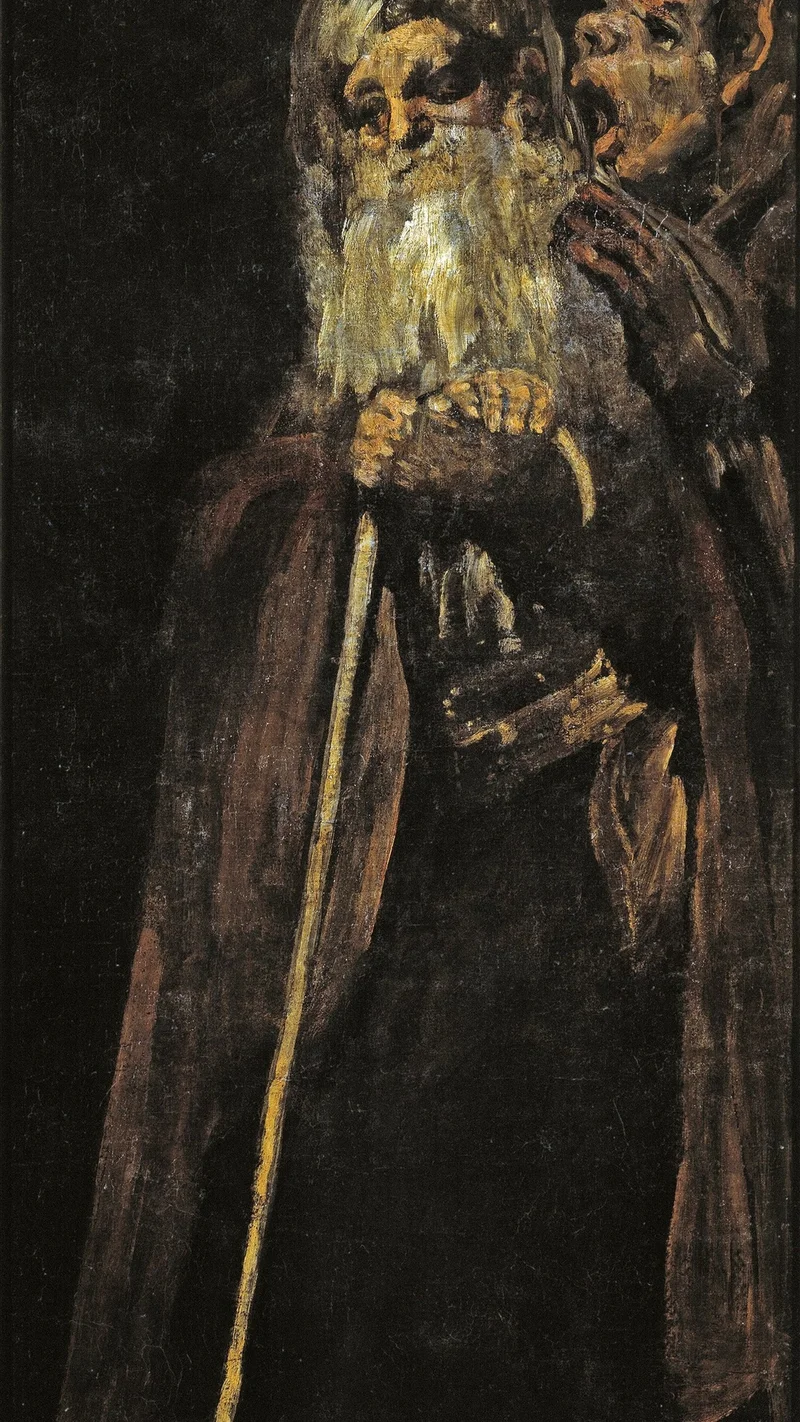
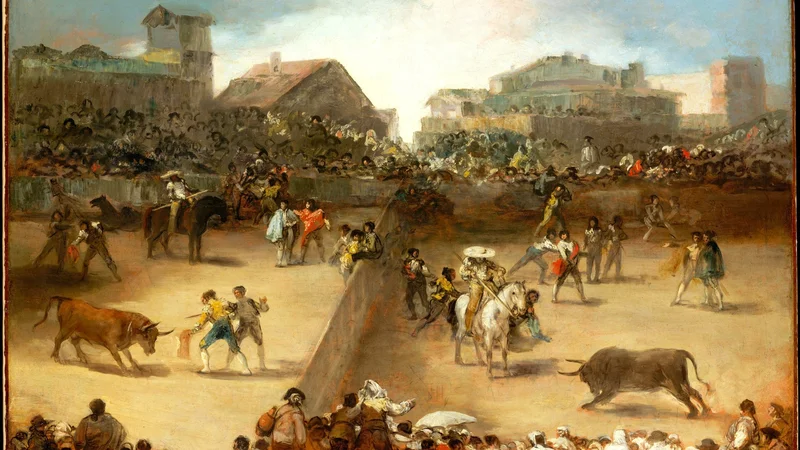
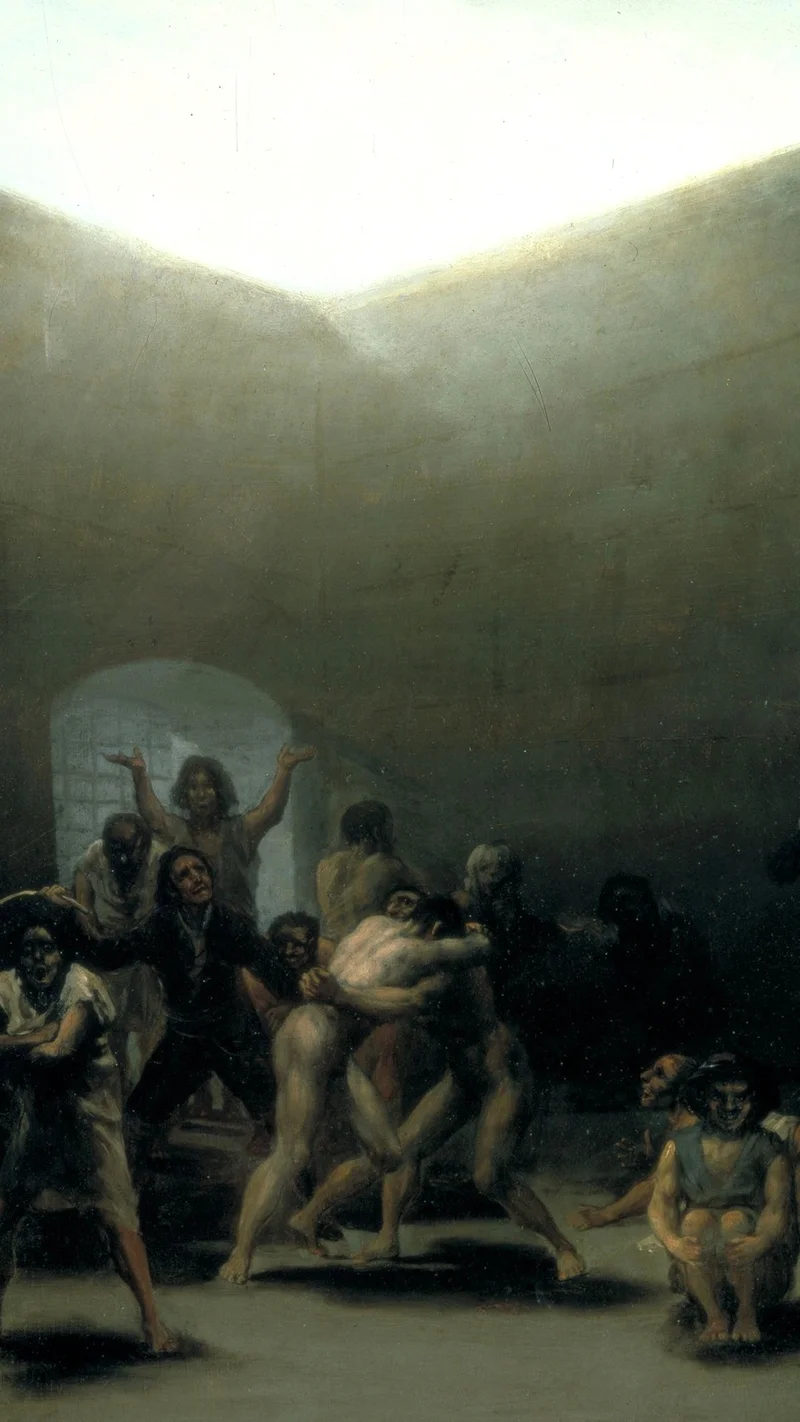
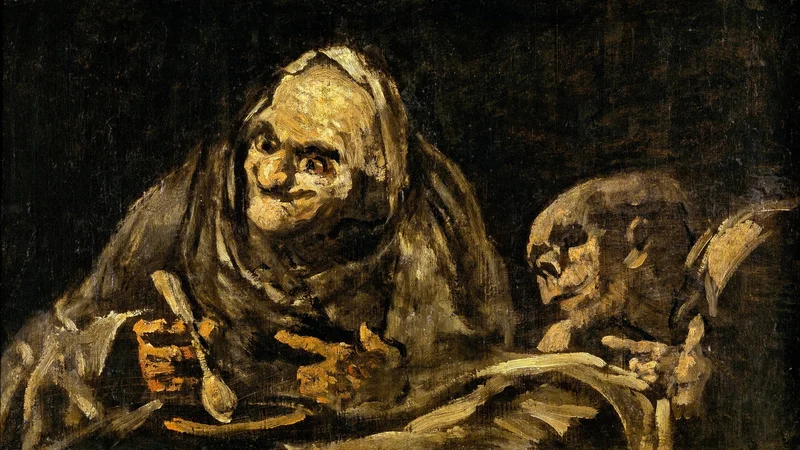
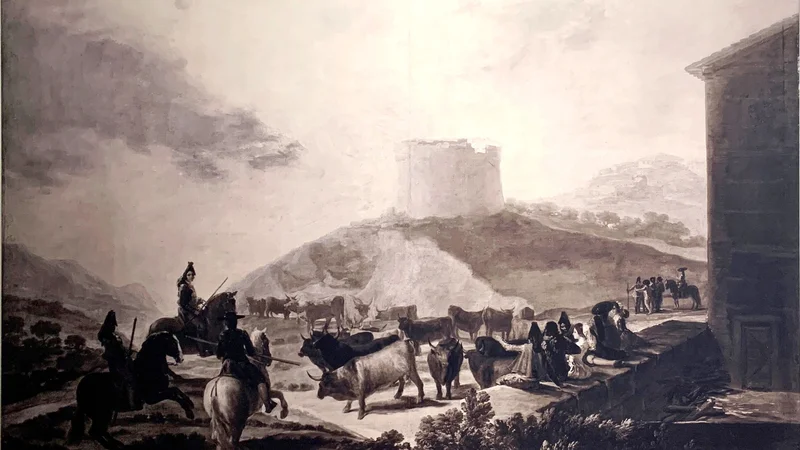
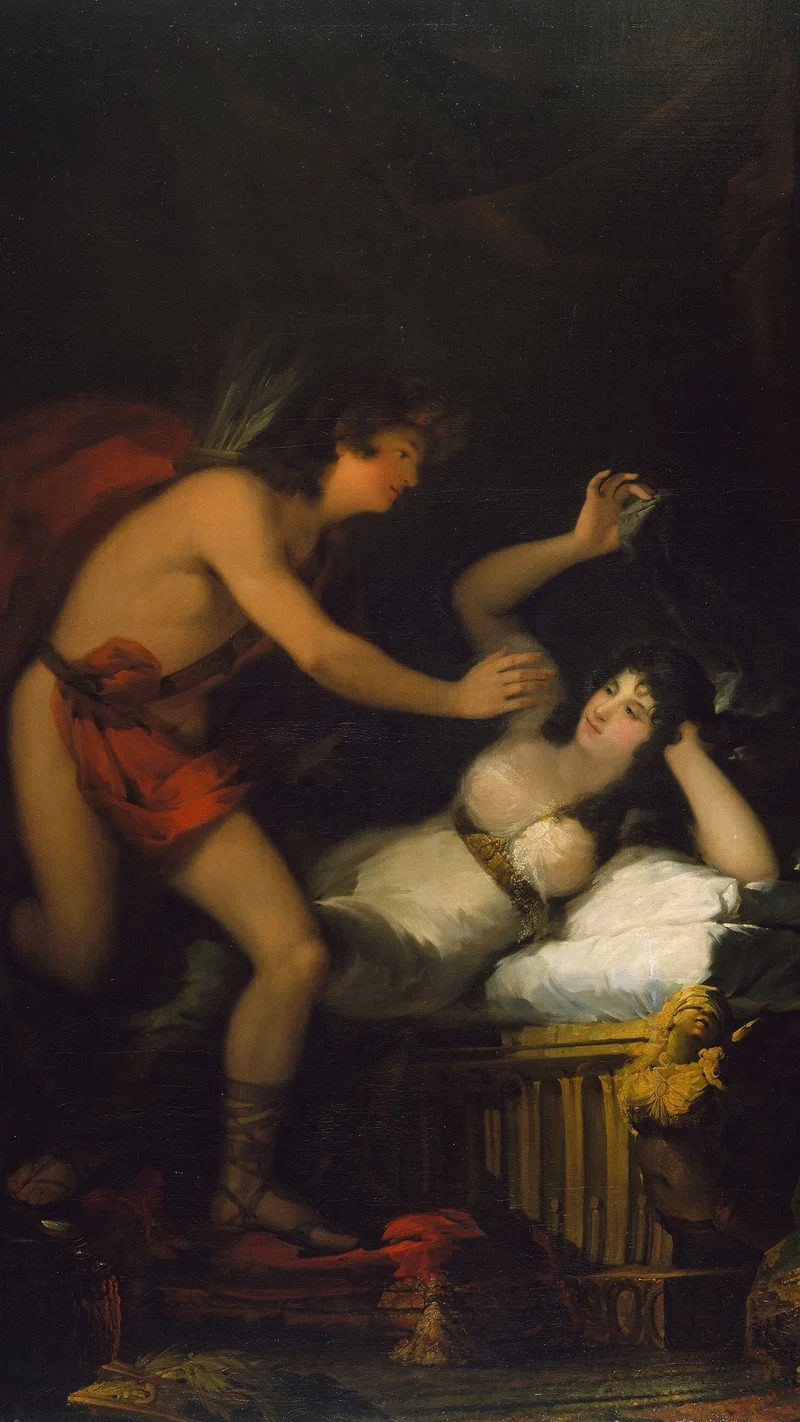
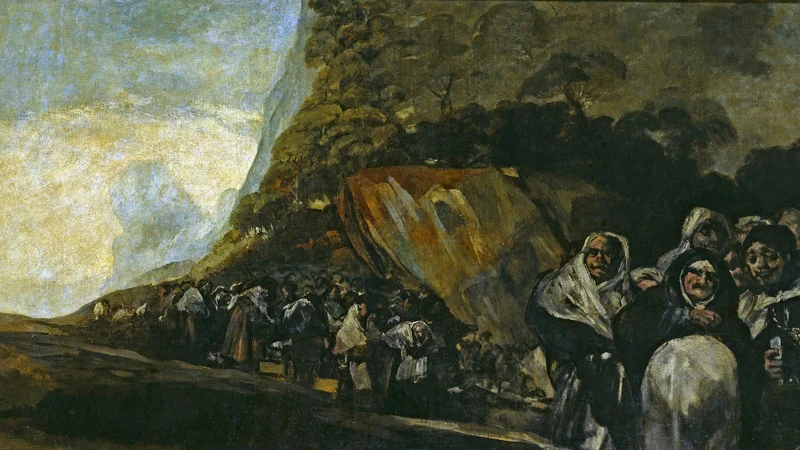
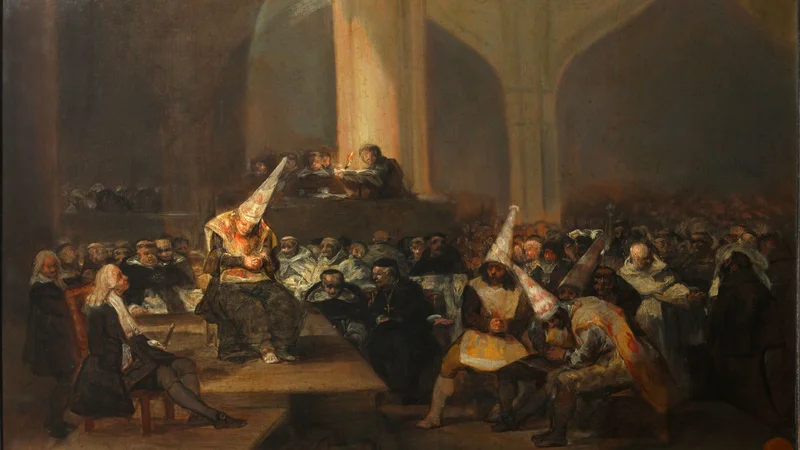
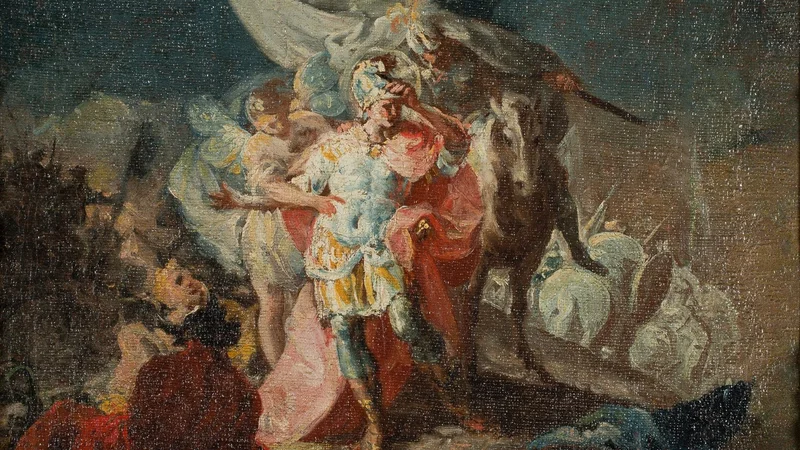
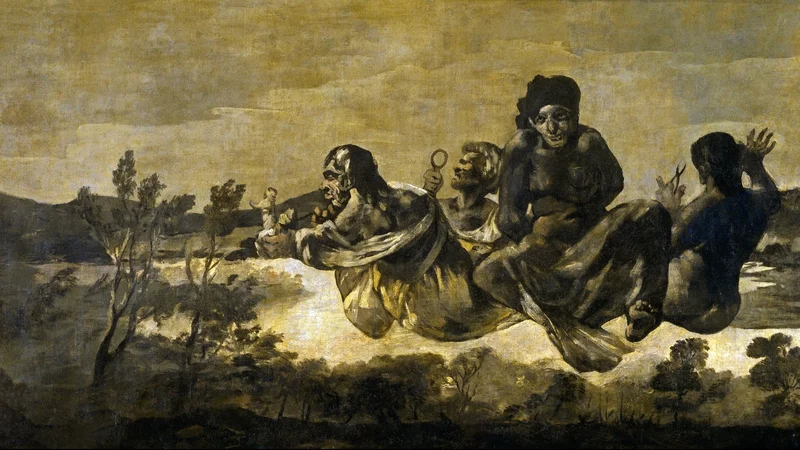
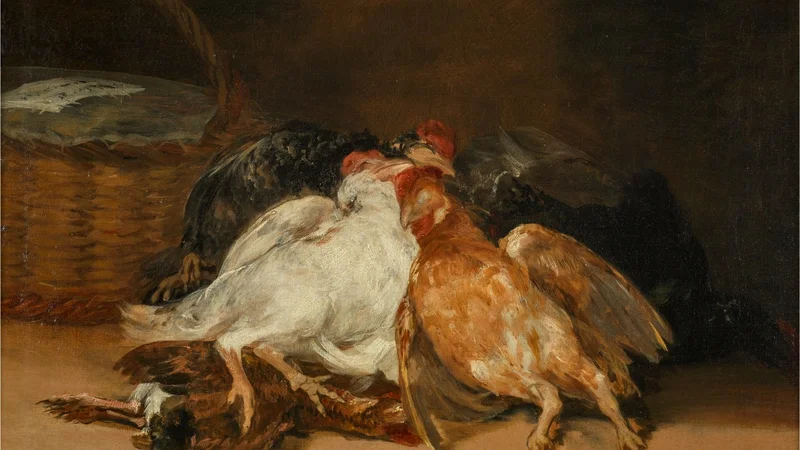
Goya’s technique evolved from the refined, rococo-inflected precision of early commissions to a bold, gestural brushwork that defined his late works. His mastery of visual rhythm is evident in the dynamic composition of Rounding up the bulls and the vibrant, festive atmosphere of The Maypole. In contrast, works such as The Nude Maja demonstrate his command of anatomical form and light, while the macabre intensity of Pilgrimage to the Fountain of San Isidro and the stark, existential isolation found in Two Old Men Eating Soup reveal his rejection of decorative artifice. His still-life compositions, such as Dogs and Hunting Gear, further highlight his ability to imbue mundane subjects with a somber, brooding gravity that remains a hallmark of his artistic legacy.