James Tissot
24 artworks
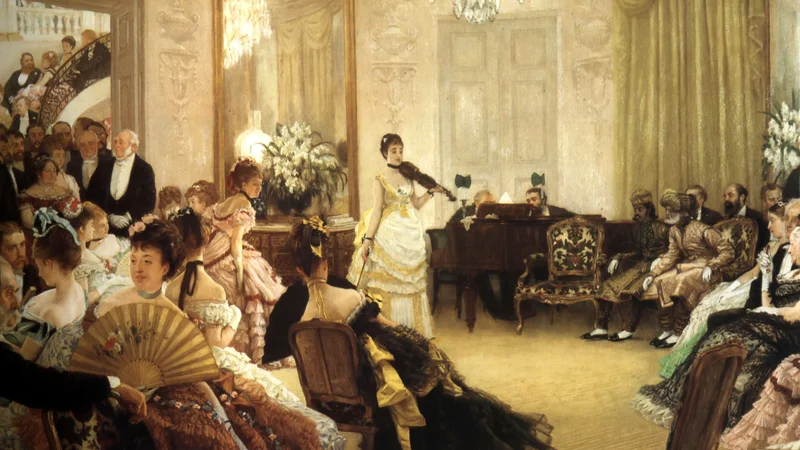
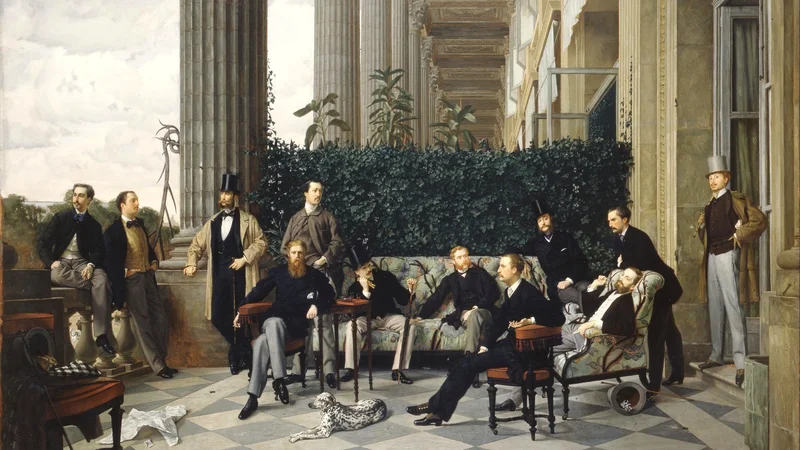
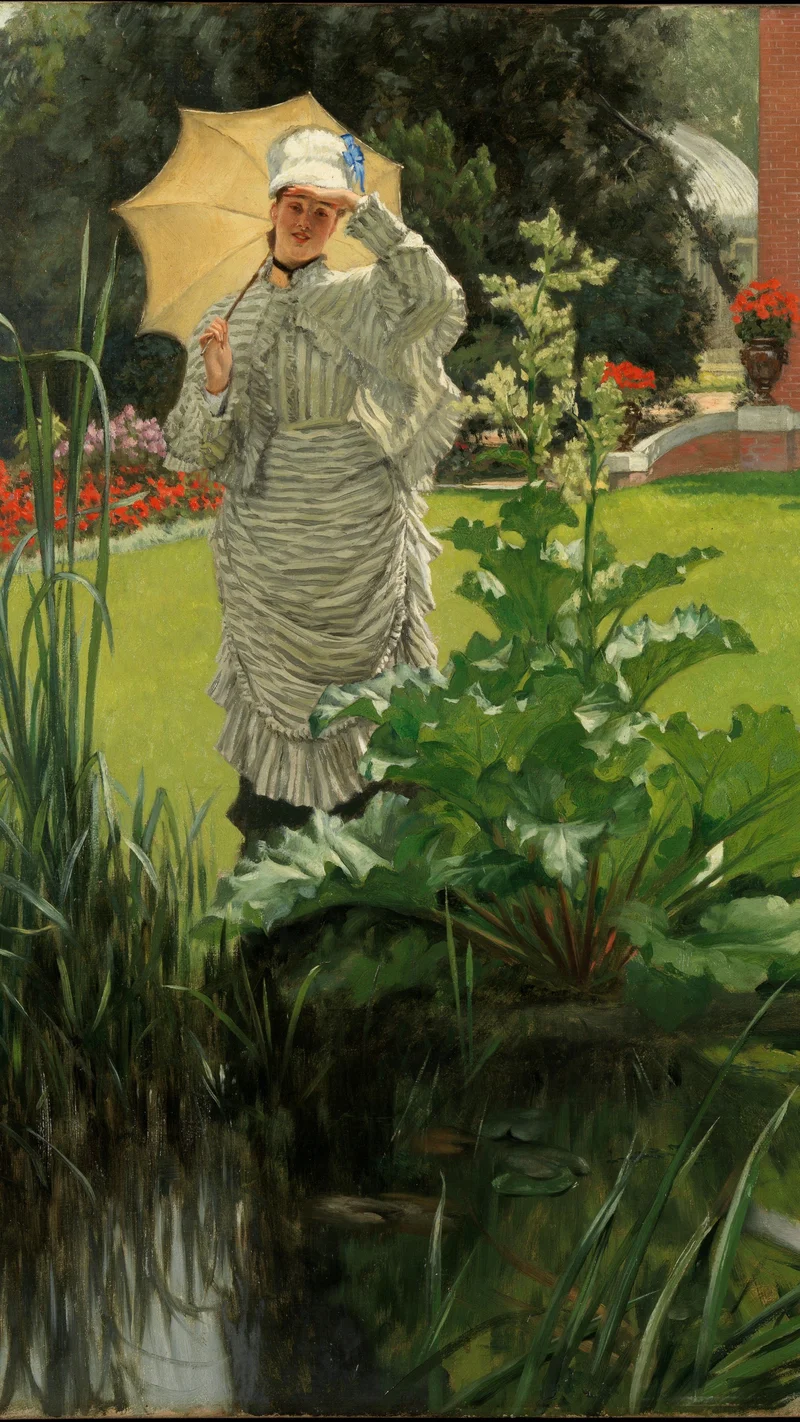
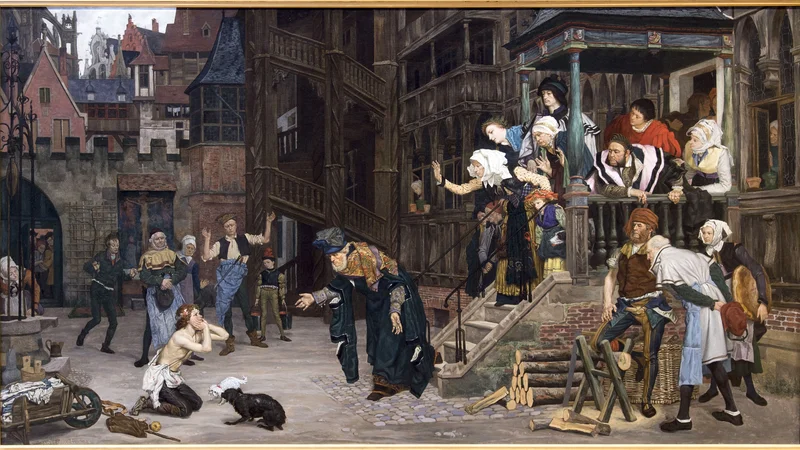
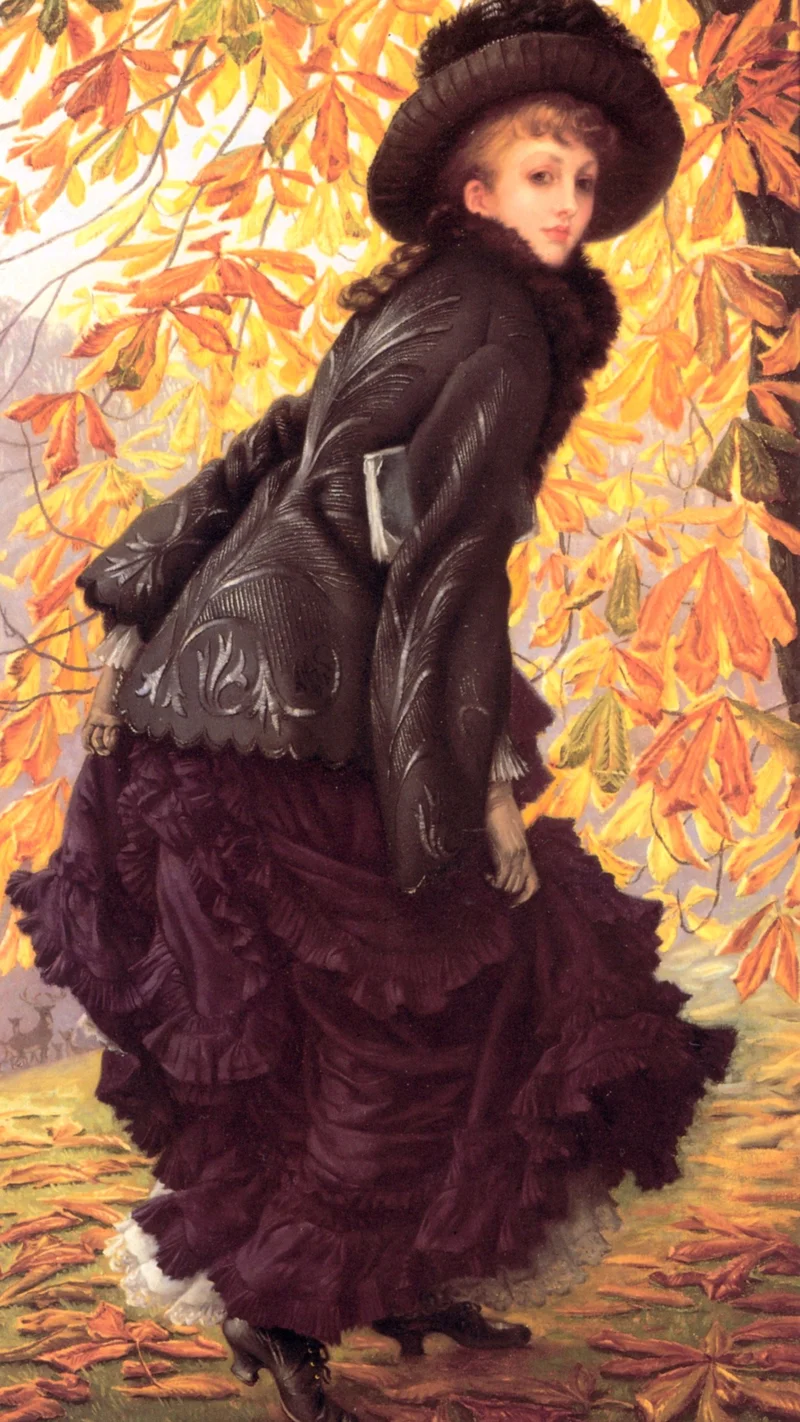
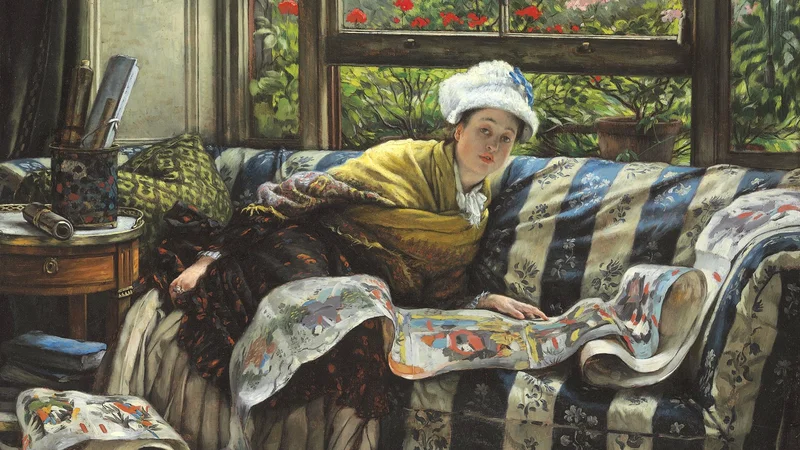
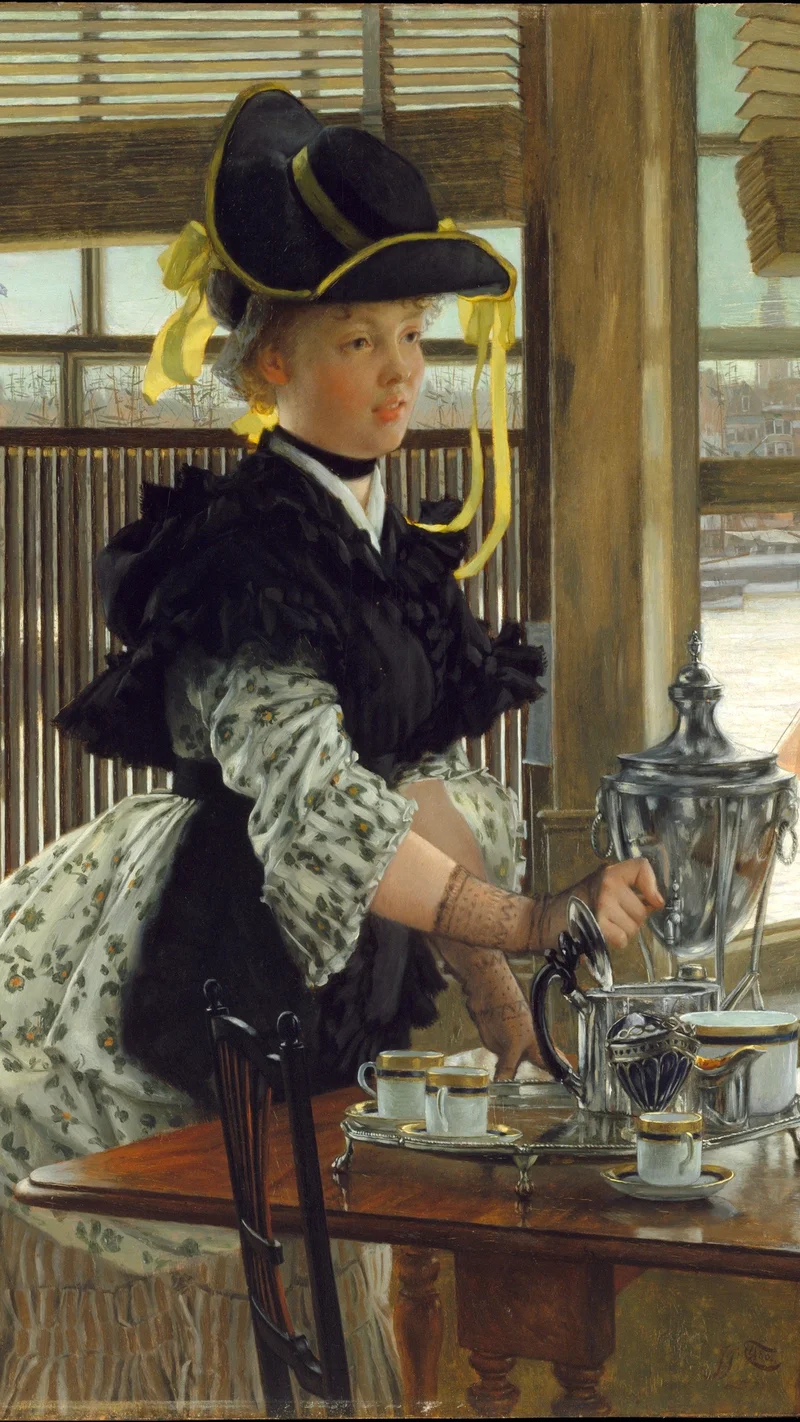
James Tissot (1836–1902) was a French painter and printmaker who gained prominence for his meticulous depictions of contemporary life in both Paris and London. Trained at the École des Beaux-Arts in Paris under the guidance of Ingres and Flandrin, Tissot refined a disciplined approach to composition that eventually led him to the vanguard of Realism. While he initially moved within the circles of the Impressionists, his style remained distinct, characterized by a precision of line and a sophisticated, almost theatrical command of Victorian social nuance.
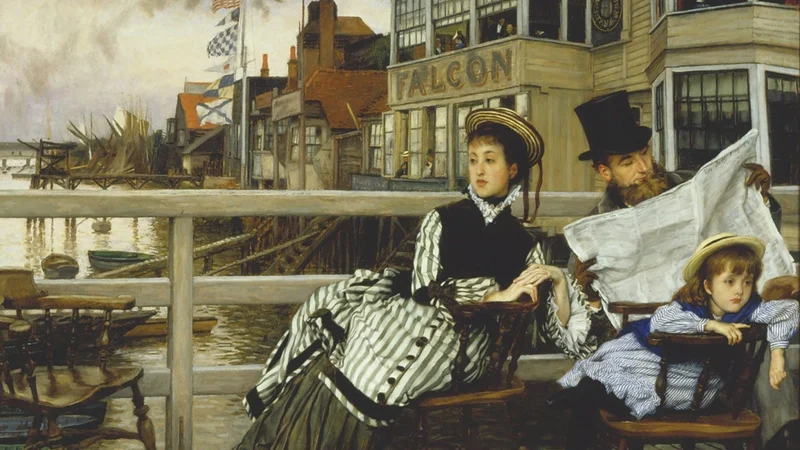
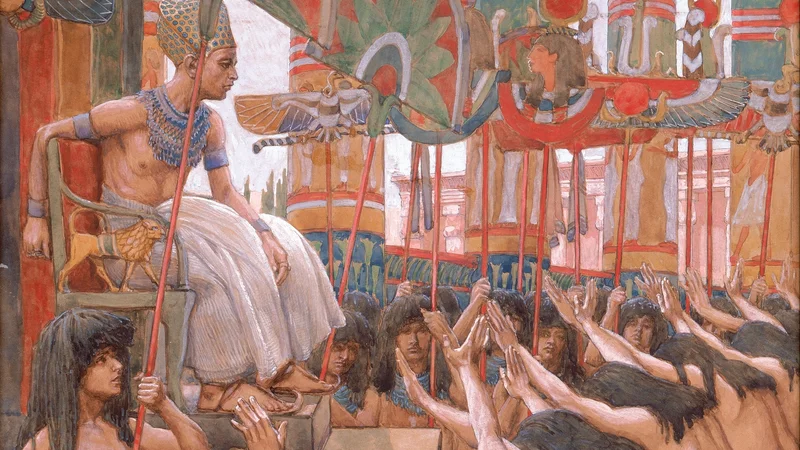
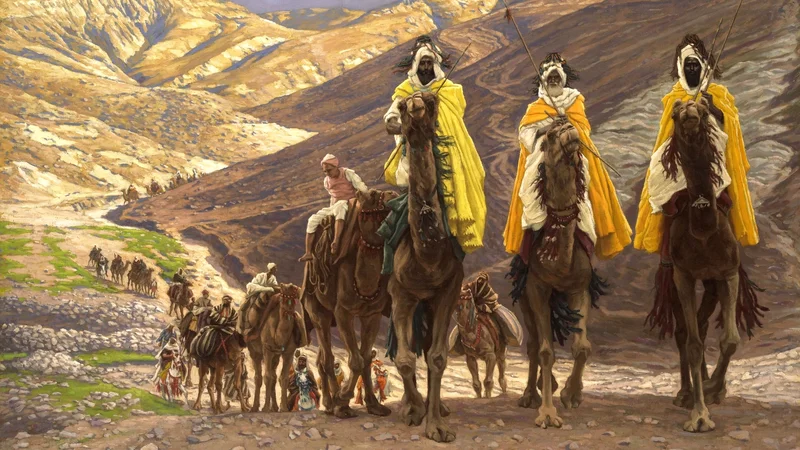
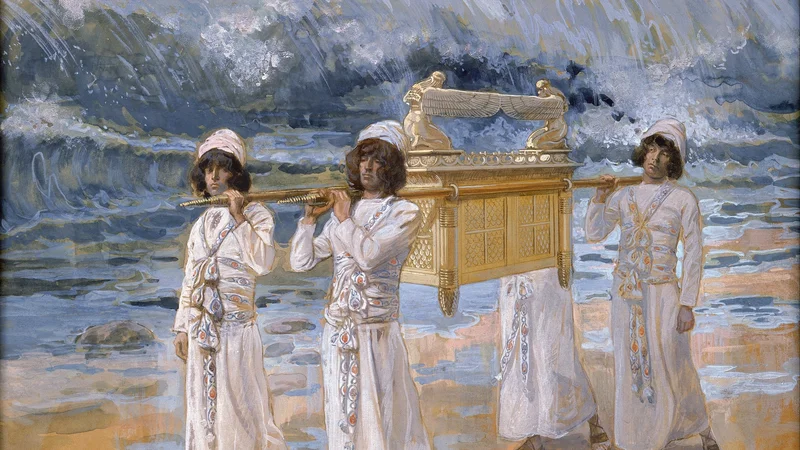
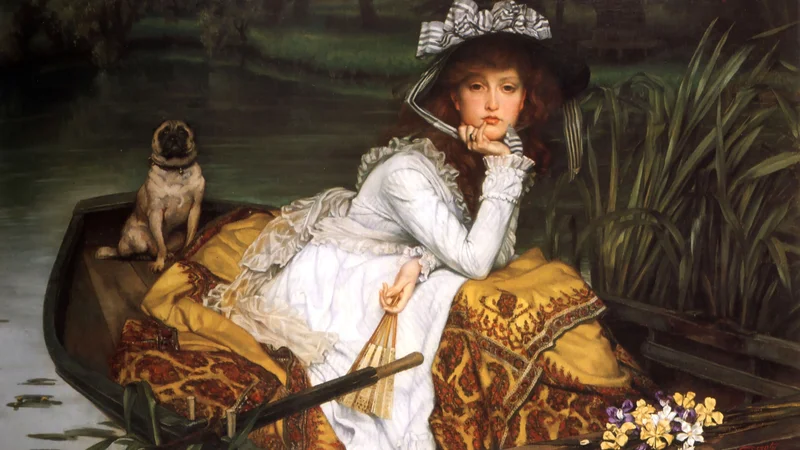
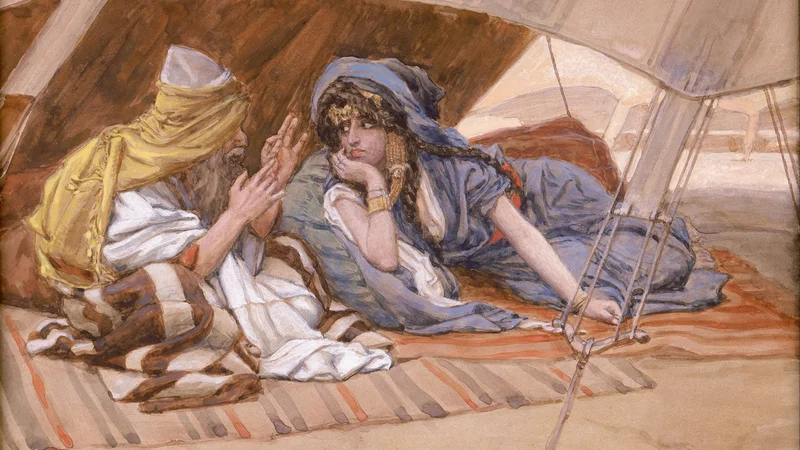
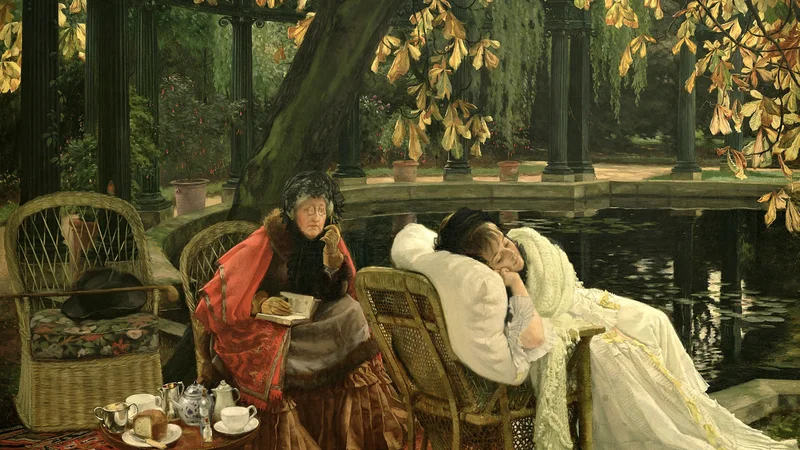
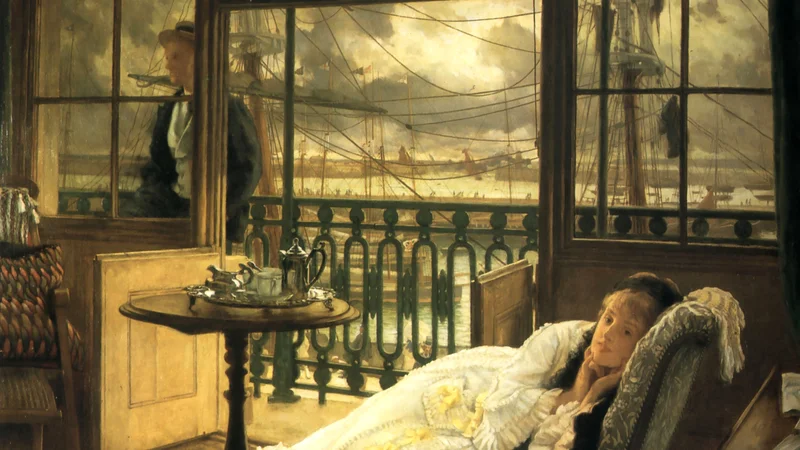
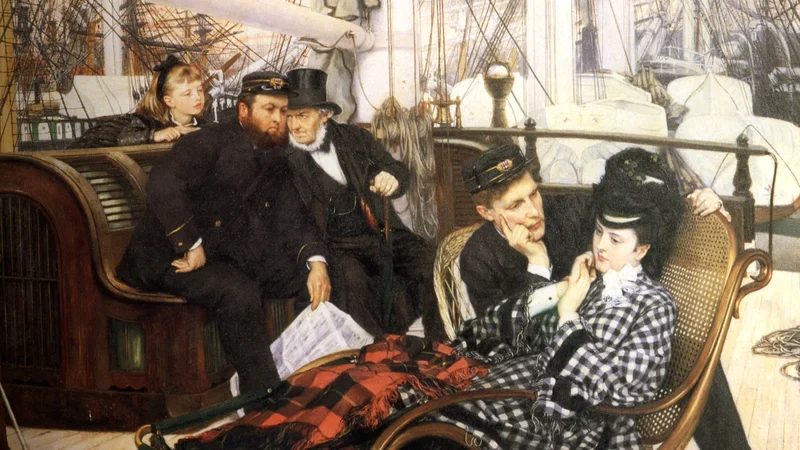
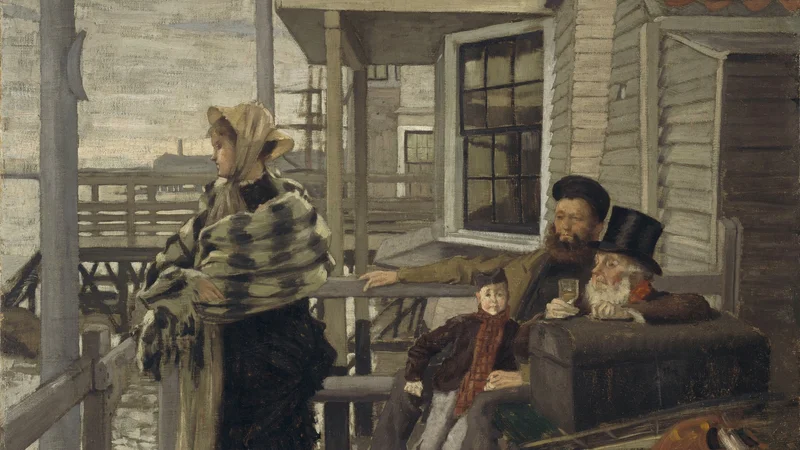
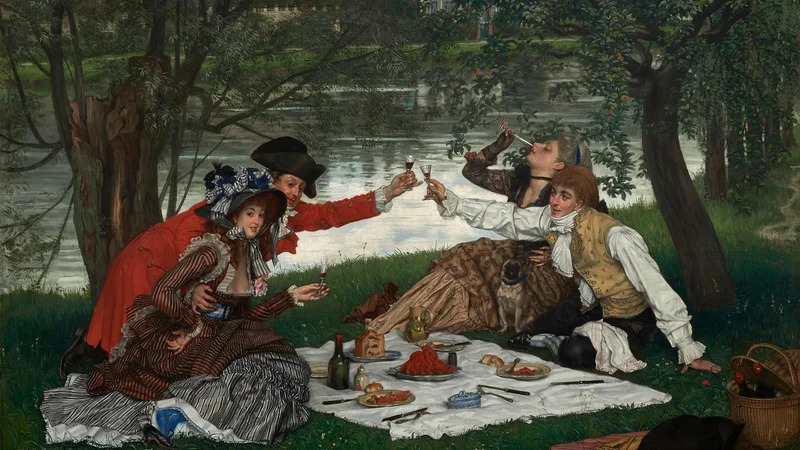
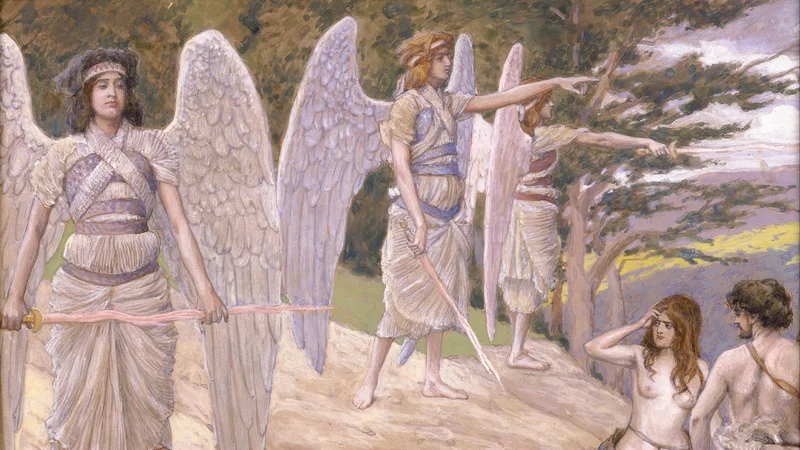
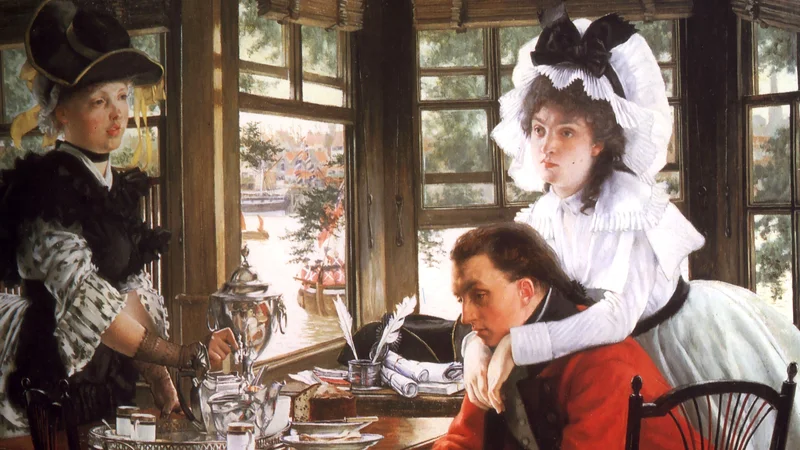
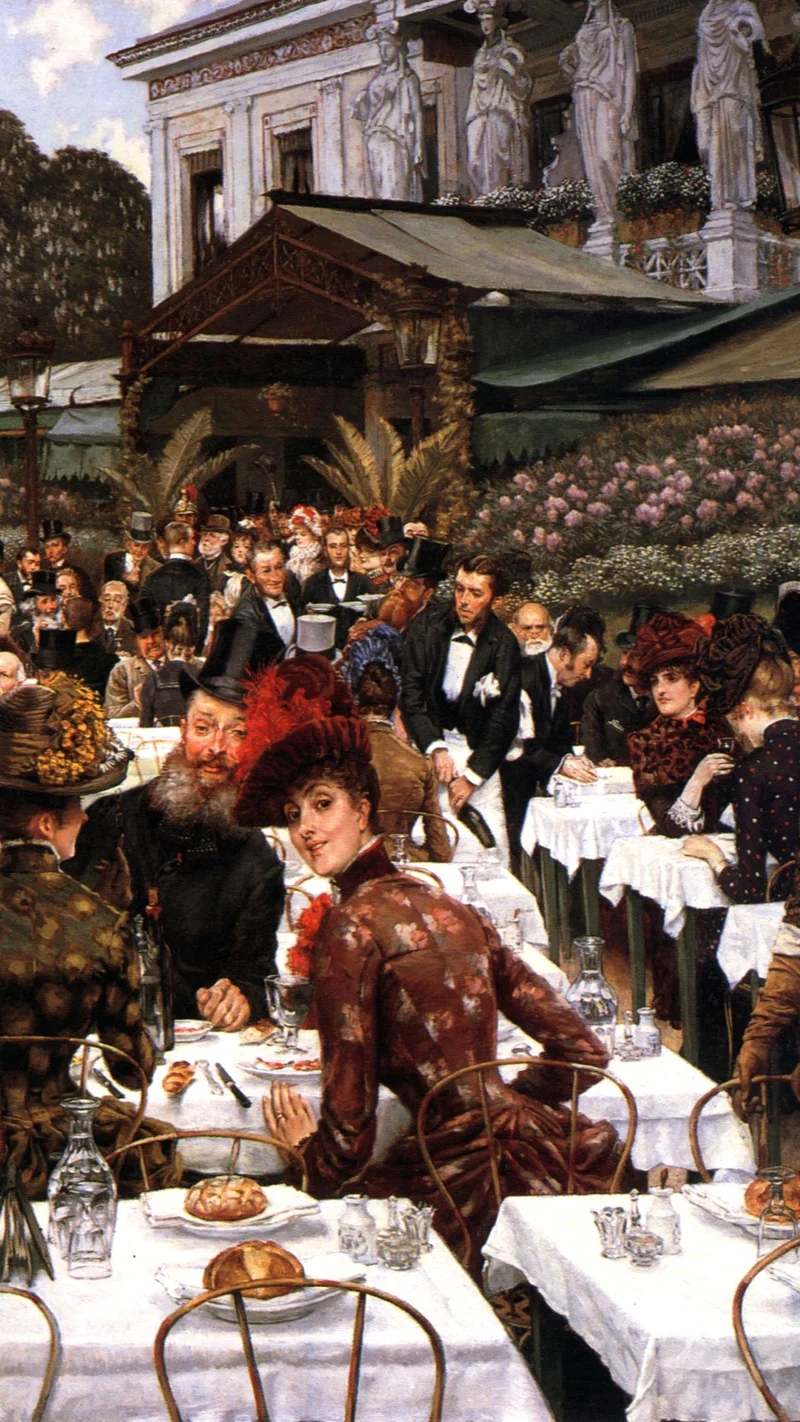
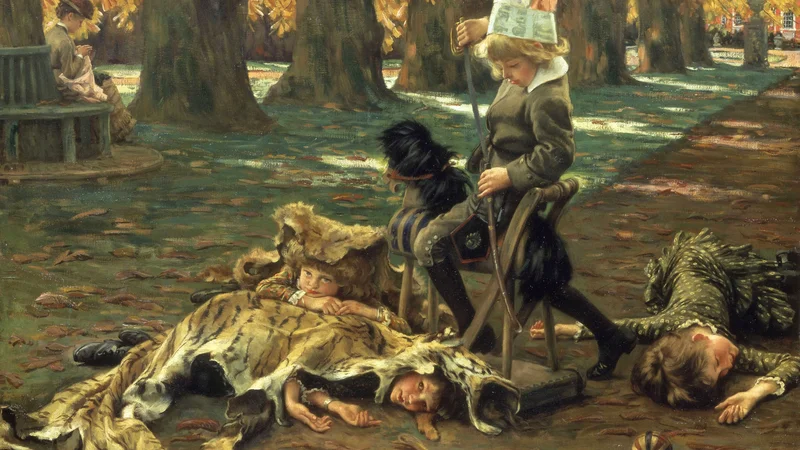
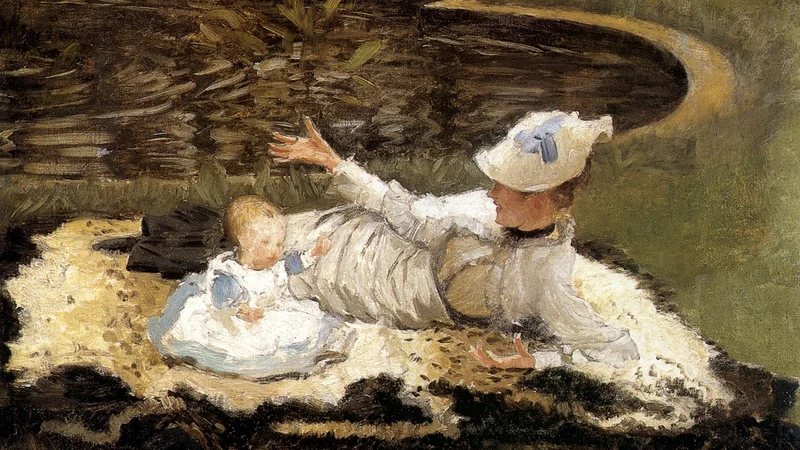
Tissot’s technical mastery is defined by his application of light and an expansive, refined color palette that captures the textures of modern dress and architectural detail. In works such as Partie Carrée, Hush!, and Waiting for the Ferry at the Falcon Tavern, he demonstrates a sharp eye for narrative ambiguity and psychological tension. His later transition toward religious themes, evidenced in The Ark Passes Over the Jordan and Abram's Counsel to Sarai, reflects a rigorous shift in focus, utilizing the same exacting observation applied to his earlier studies of social leisure like Young Lady in a Boat. His working methods, often involving preparatory photography and careful staging, allowed for a level of detail that remains a focal point of his artistic legacy.
Historically, Tissot occupies a unique position in the late nineteenth century, bridging the gap between academic tradition and the emerging modern gaze. His influence persists through his detailed documentation of shifting class dynamics and his ability to elevate everyday moments into subjects of profound cultural scrutiny. By synthesizing a precise, linear technique with an unflinching observation of the human condition, Tissot solidified his standing as a vital chronicler of the aesthetic and social currents of his era.