Henri Matisse
84 artworks
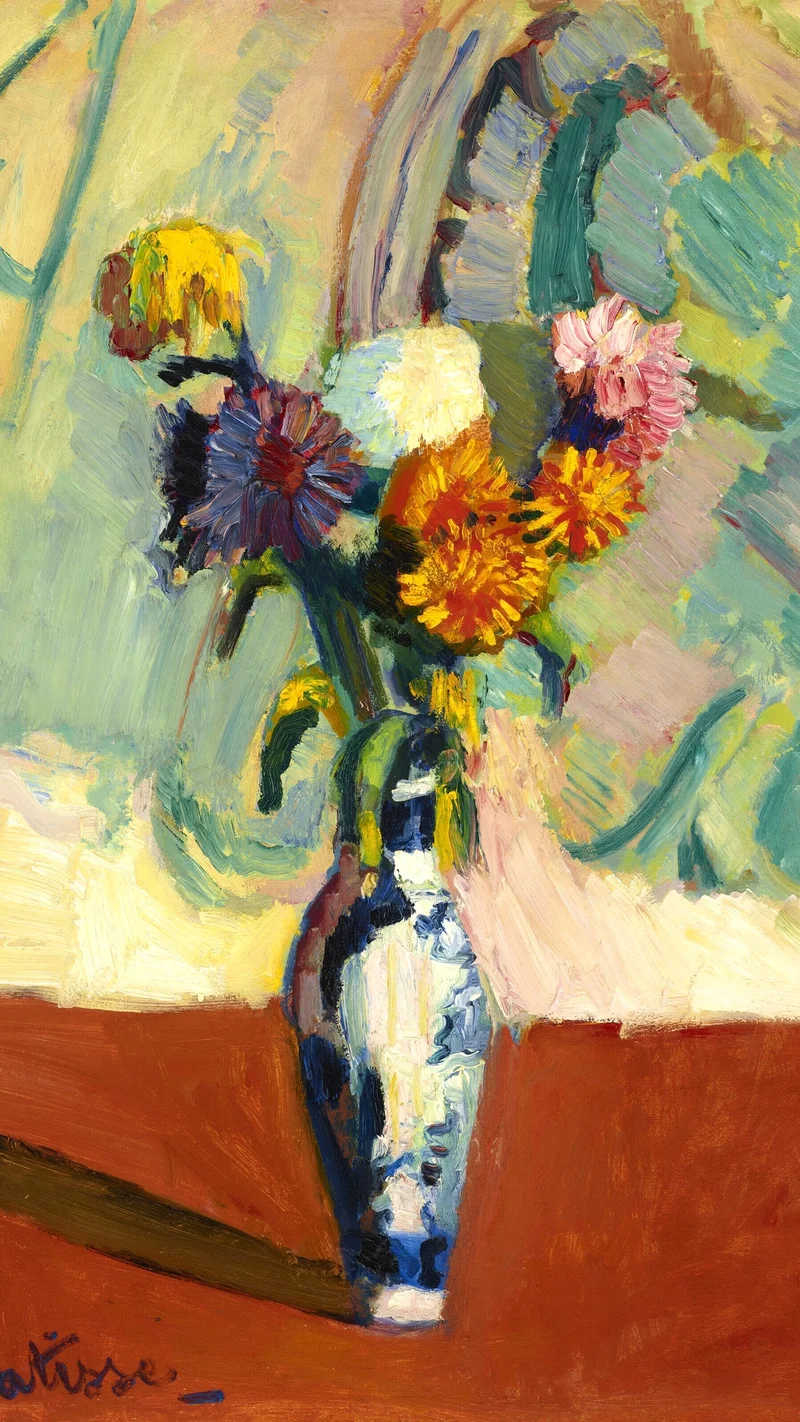
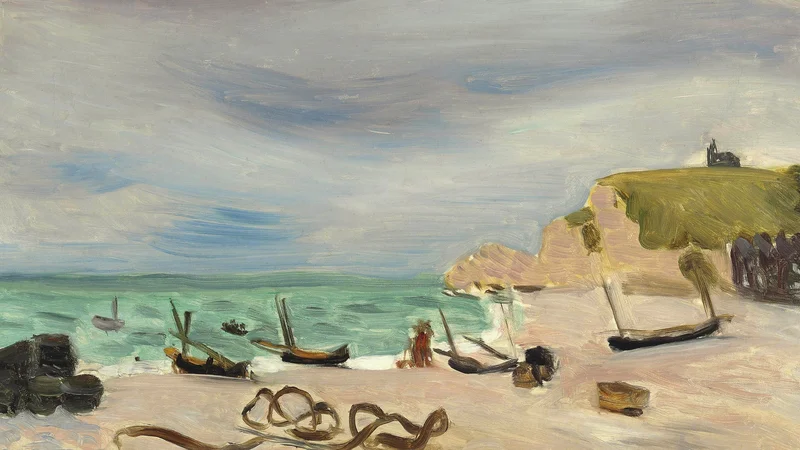
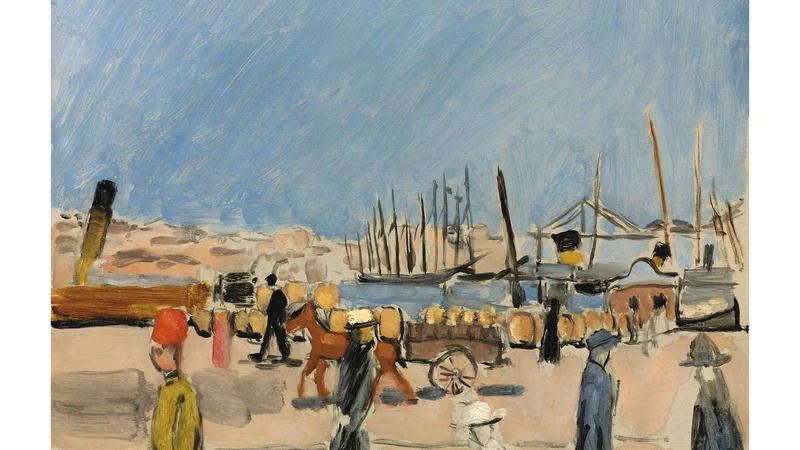
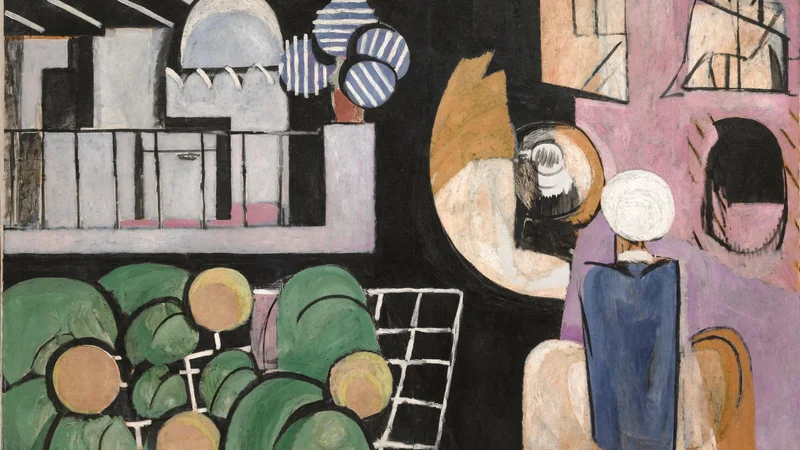
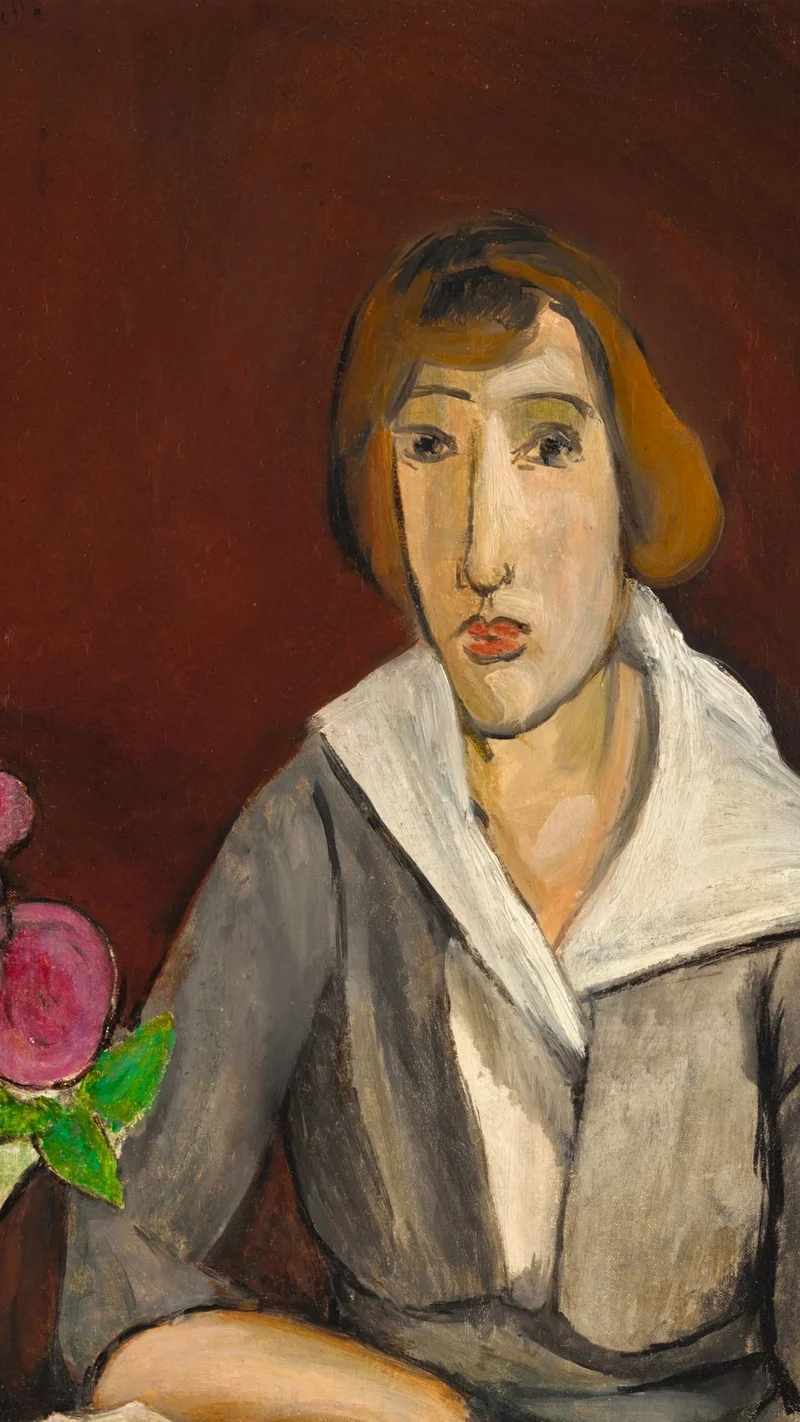
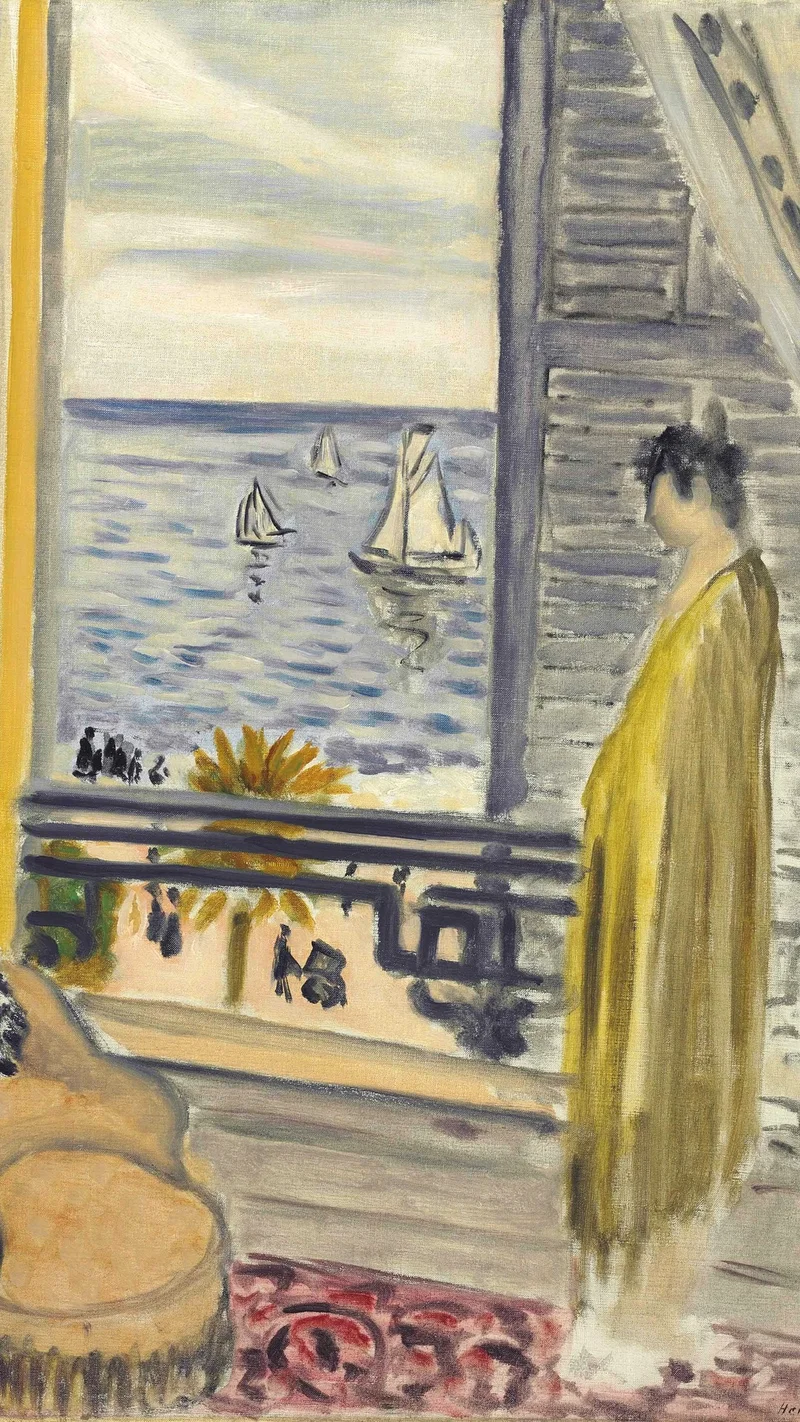
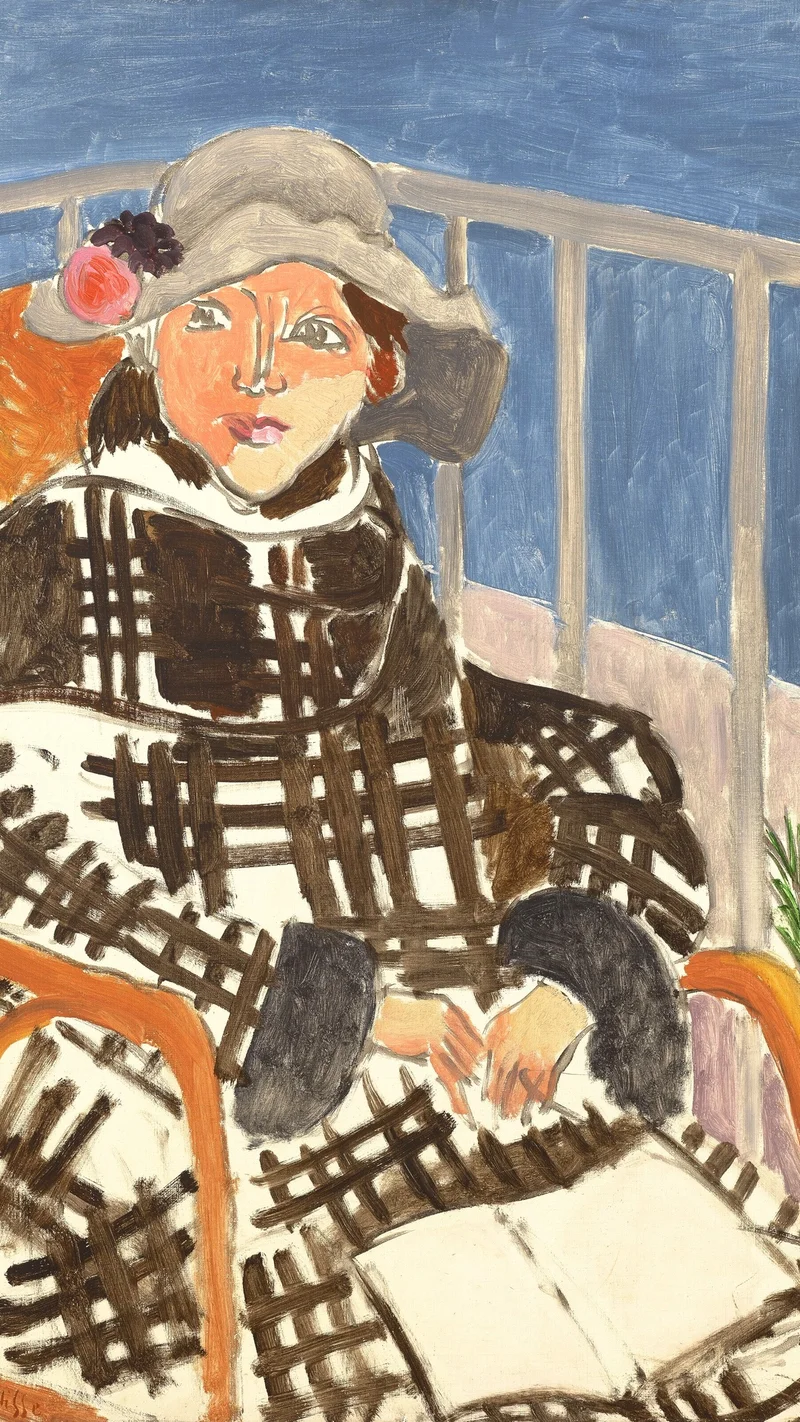
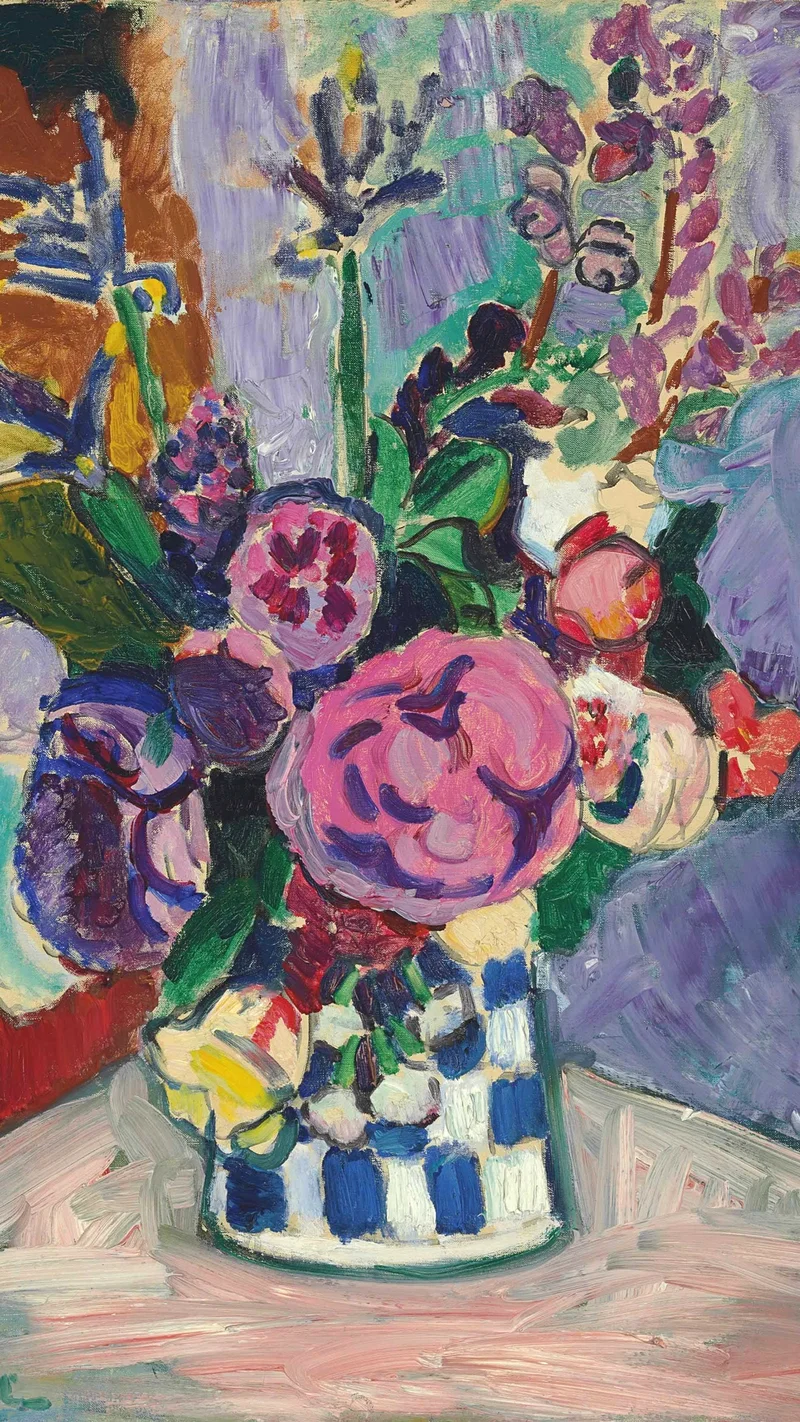
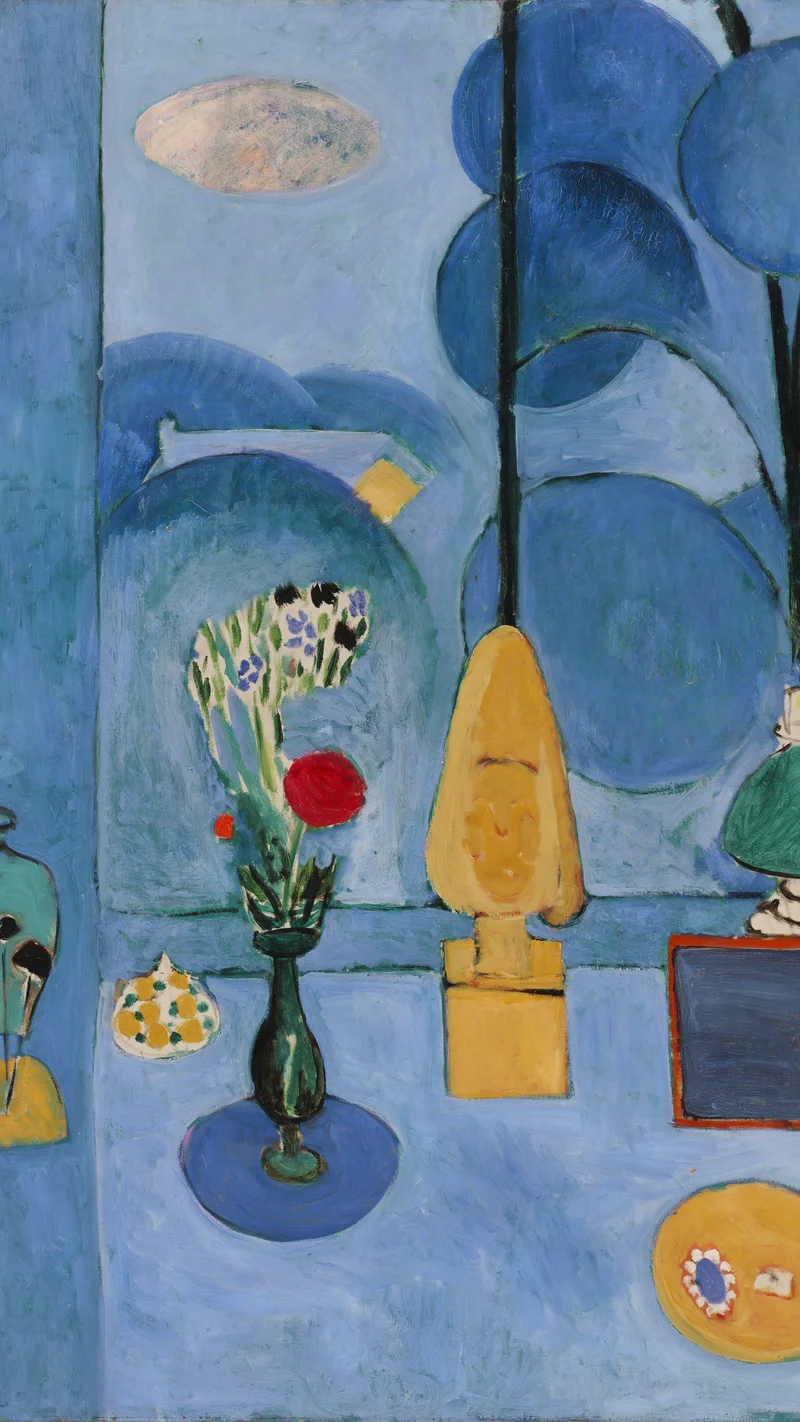
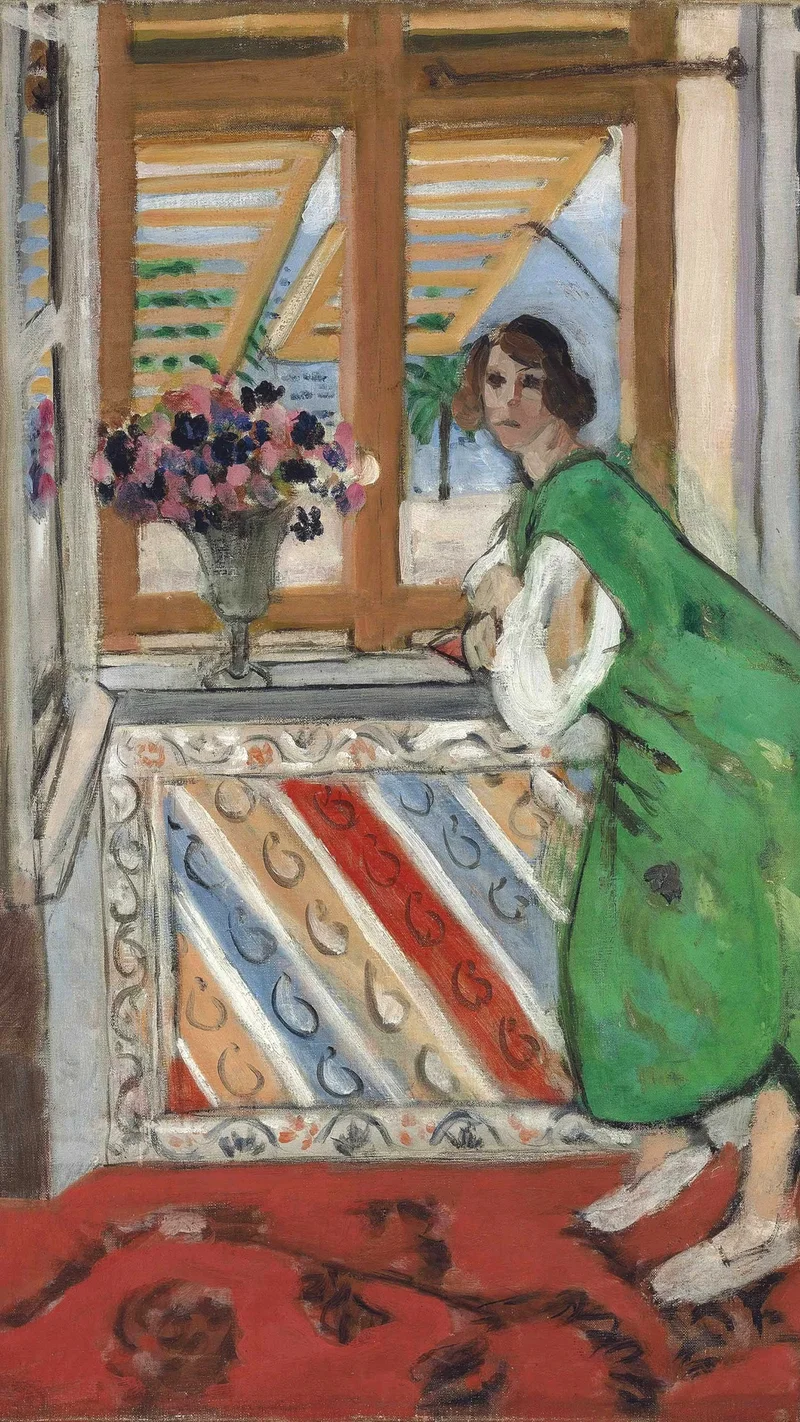
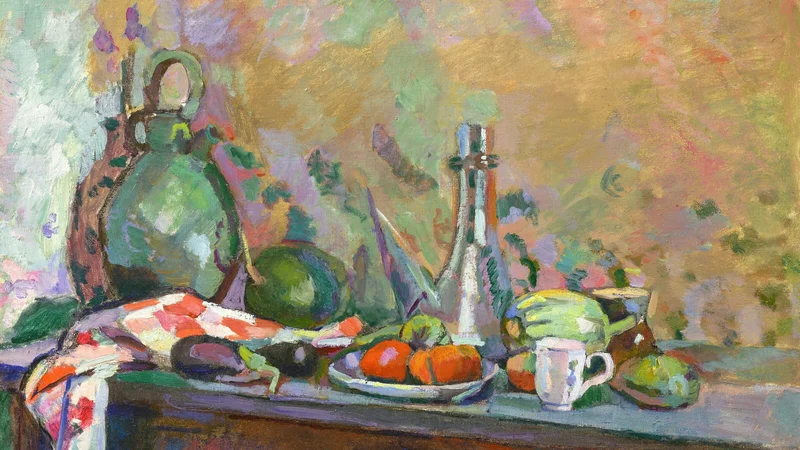
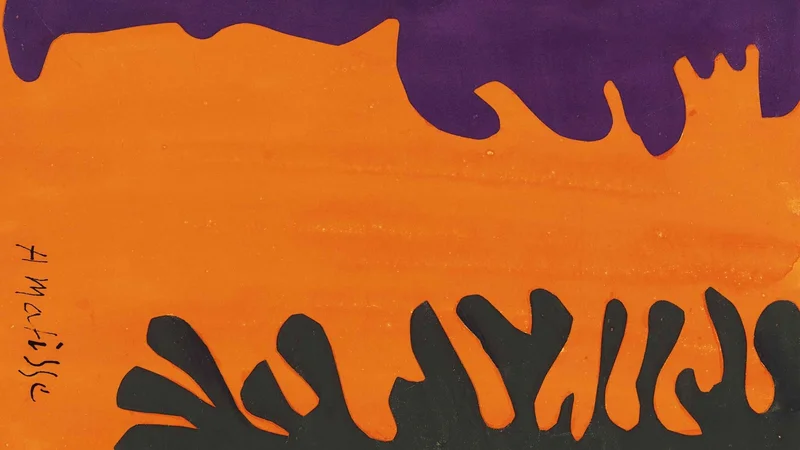
Henri Matisse (1869–1954) was a French artist who stands as one of the most influential figures of the twentieth century. Initially pursuing a career in law, he transitioned to painting in 1890, eventually studying under Gustave Moreau at the École des Beaux-Arts in Paris. Matisse emerged as the primary architect of Fauvism, a movement characterized by the expressive, non-naturalistic use of color and loose, gestural brushwork. His rejection of traditional representational color in favor of emotional resonance fundamentally altered the trajectory of modern art, distancing painting from the strictures of academic realism.
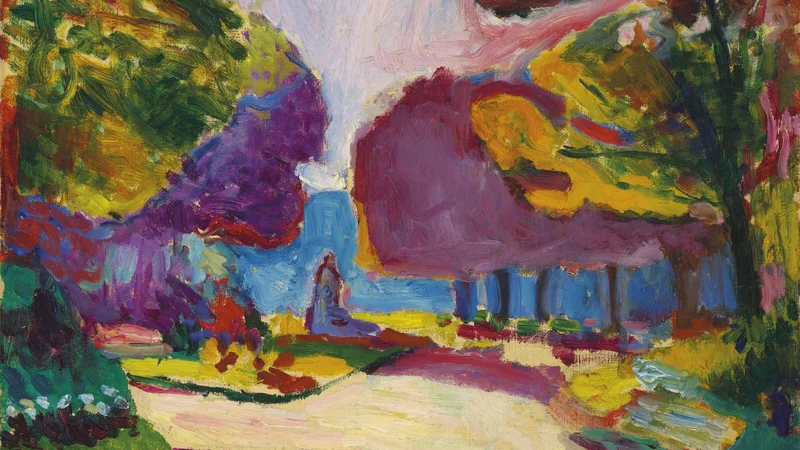
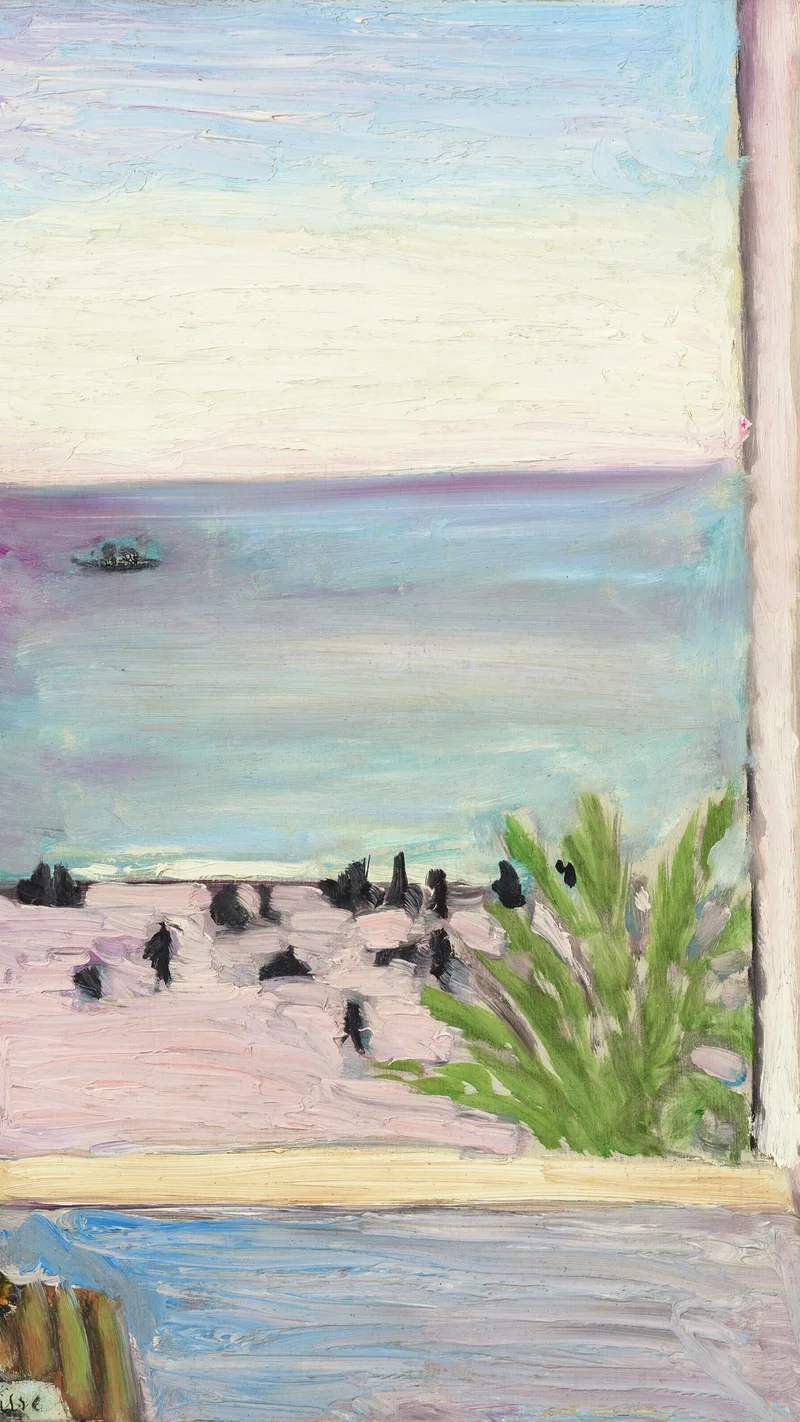
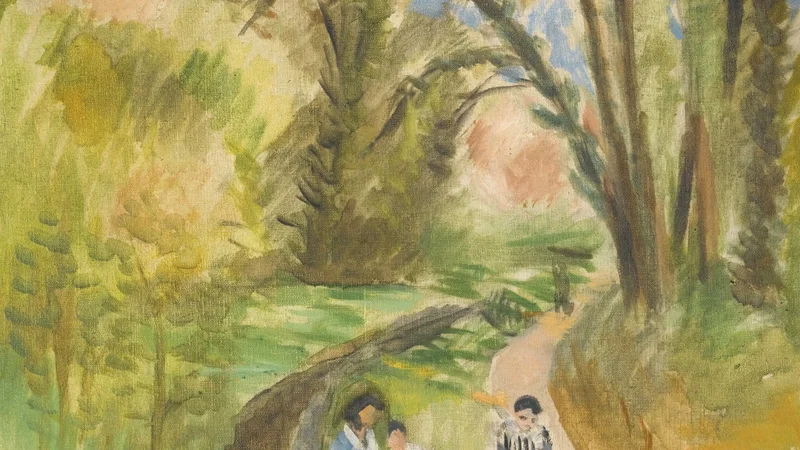
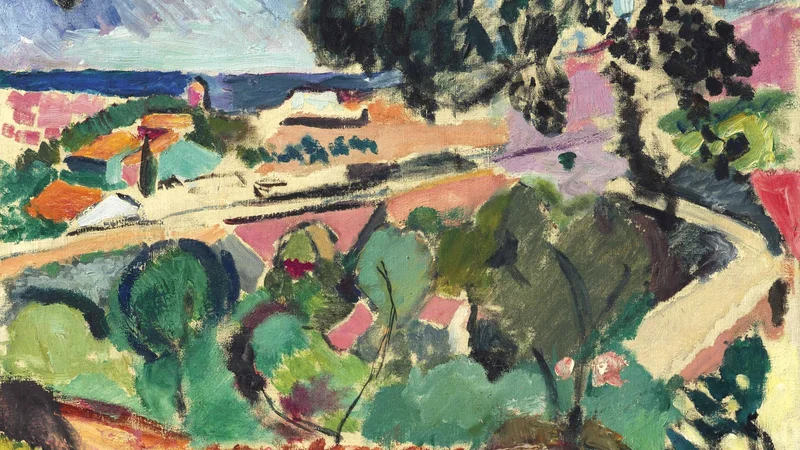
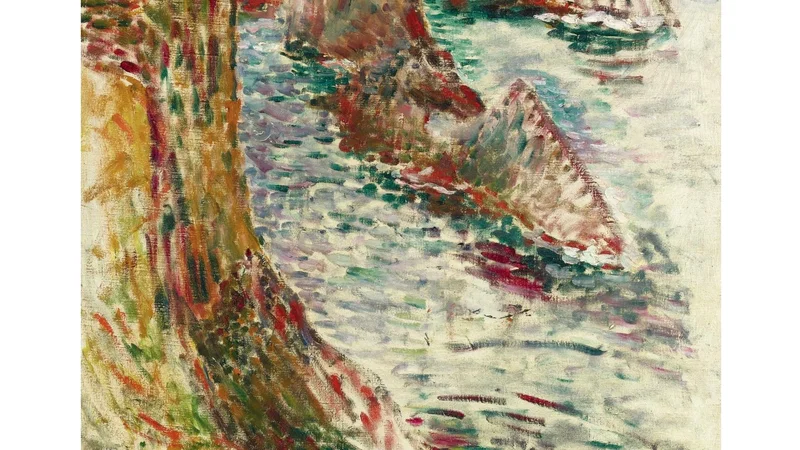
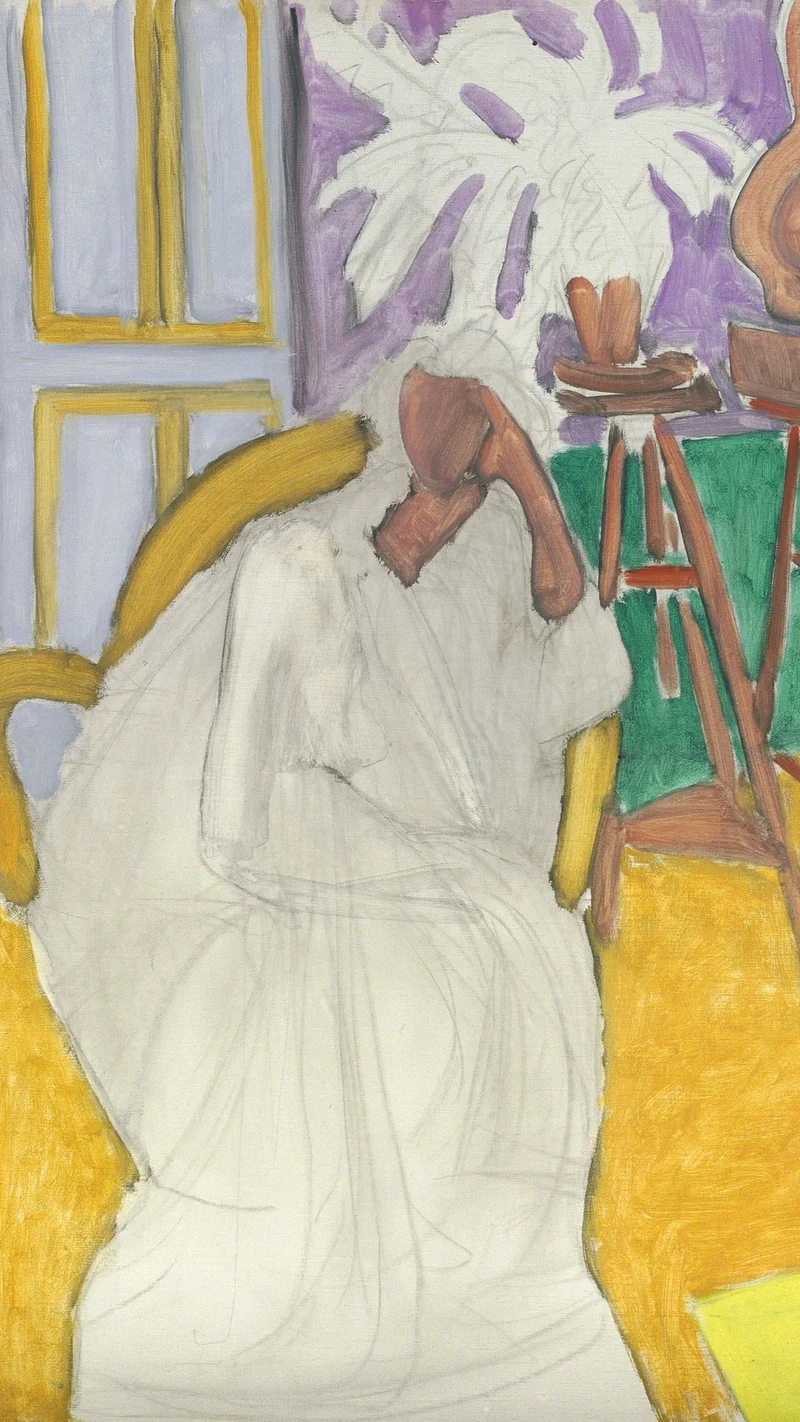
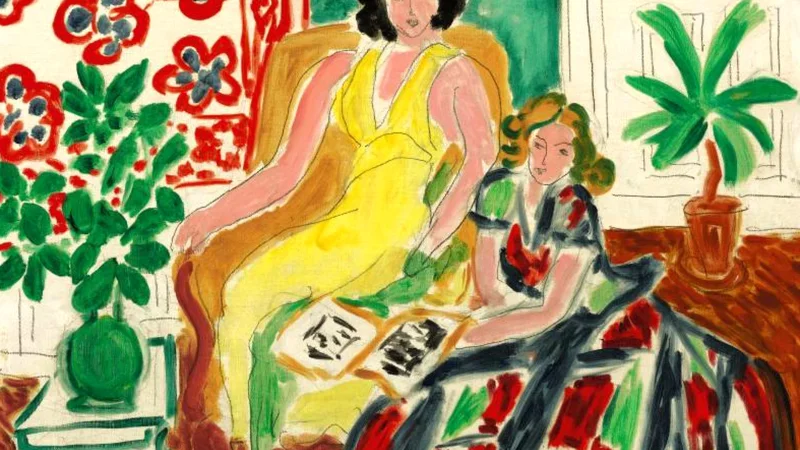
Stylistic Development and Technique
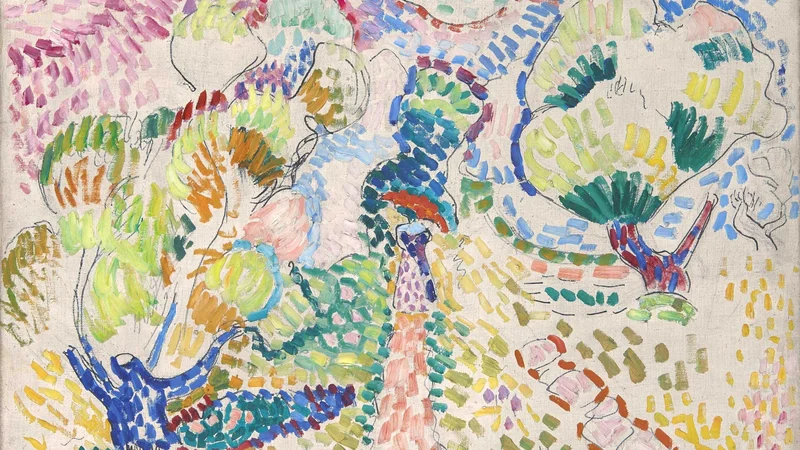
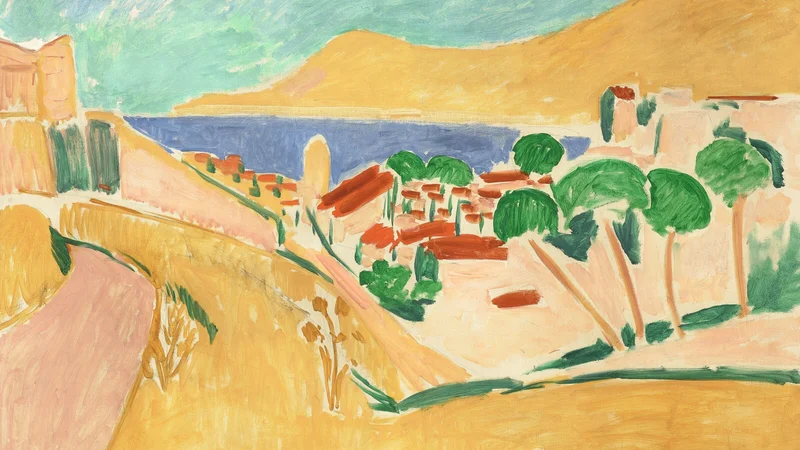
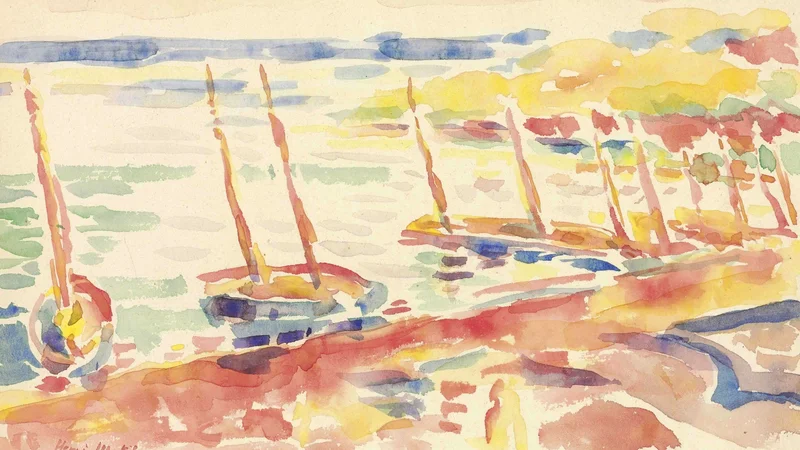
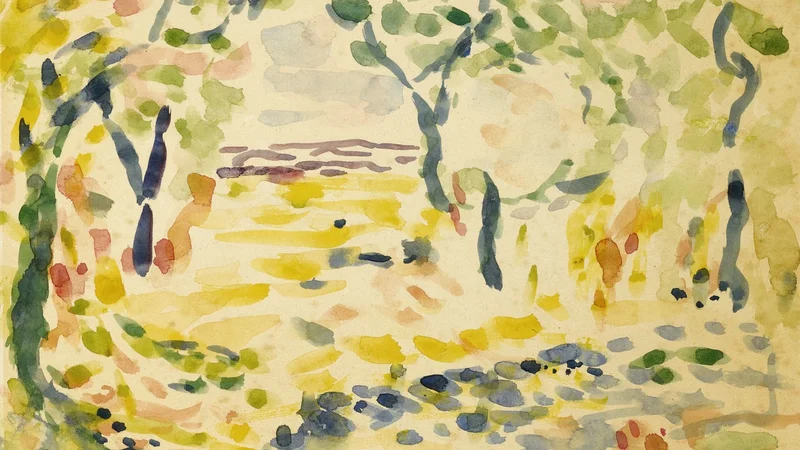
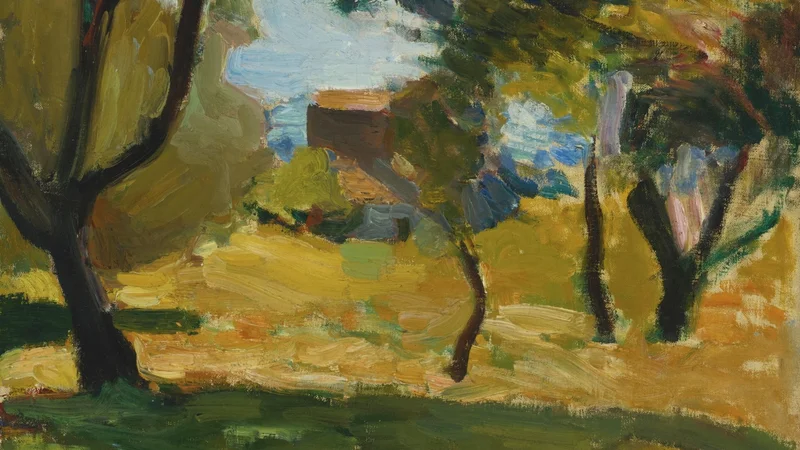
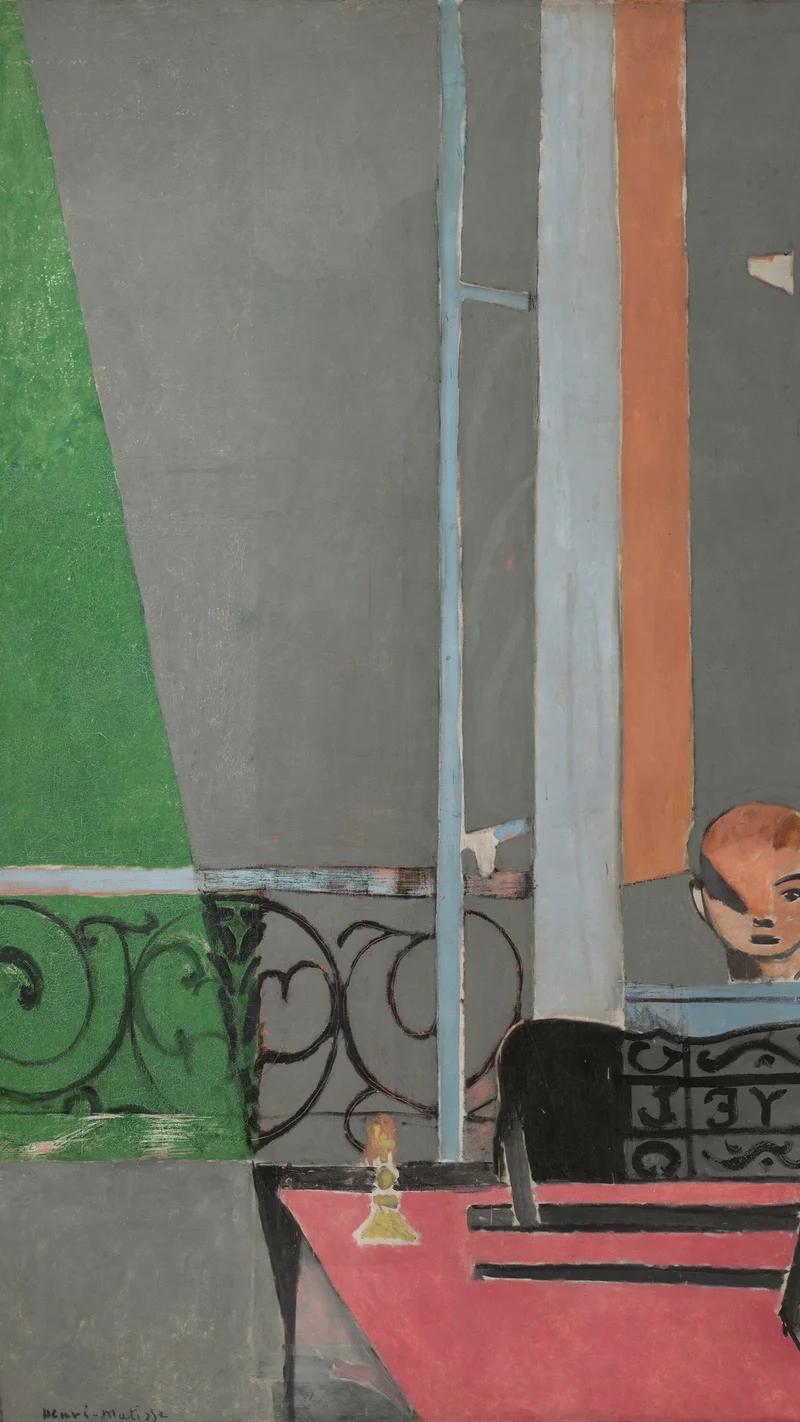
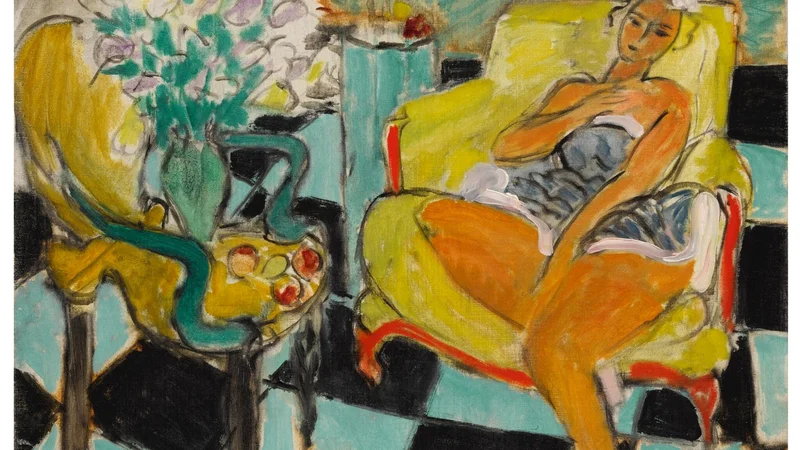
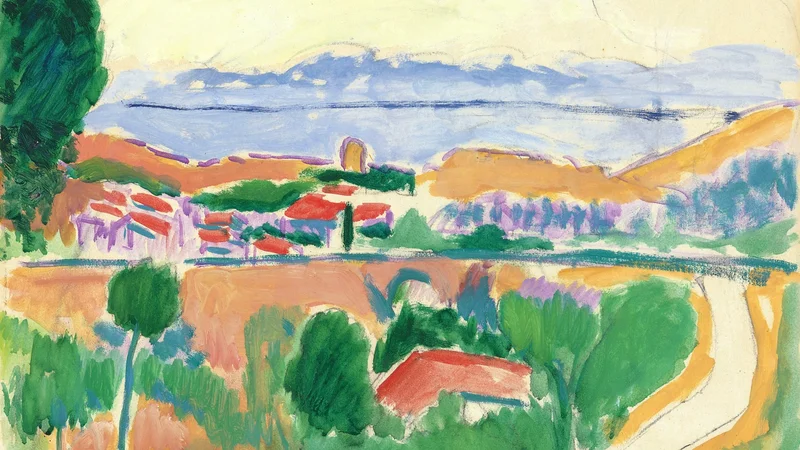
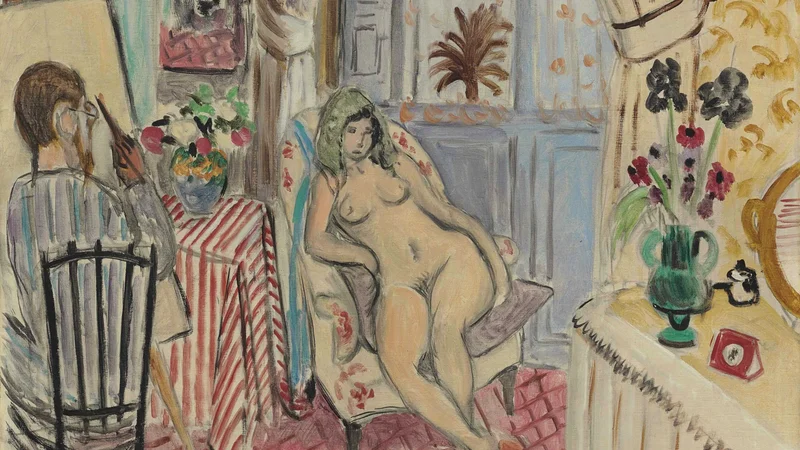
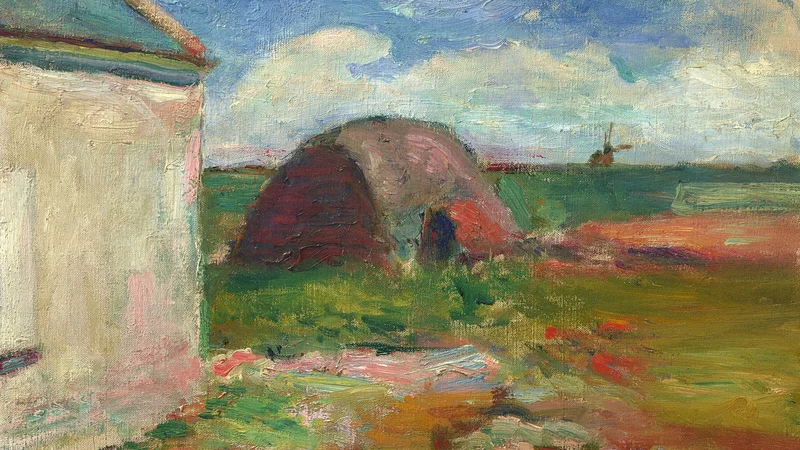
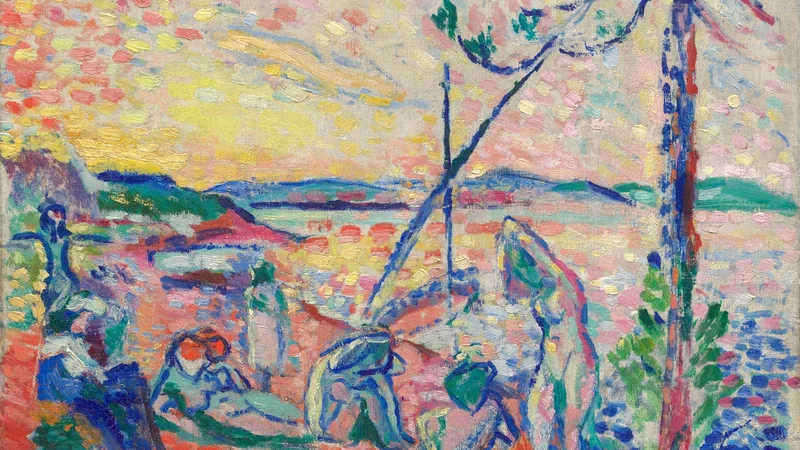
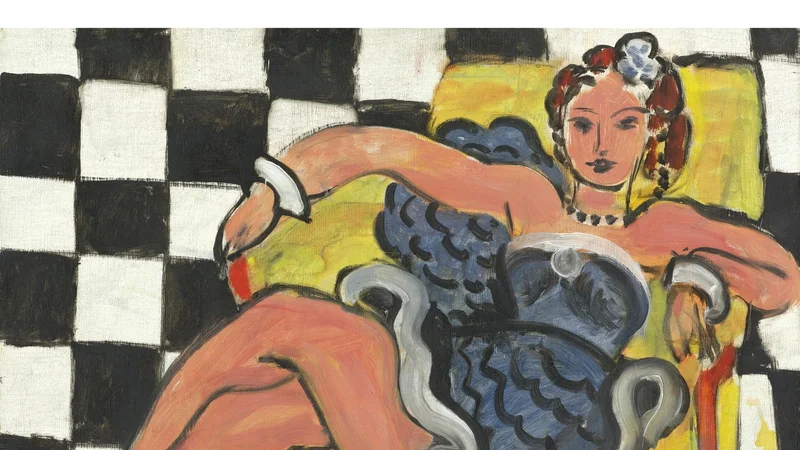
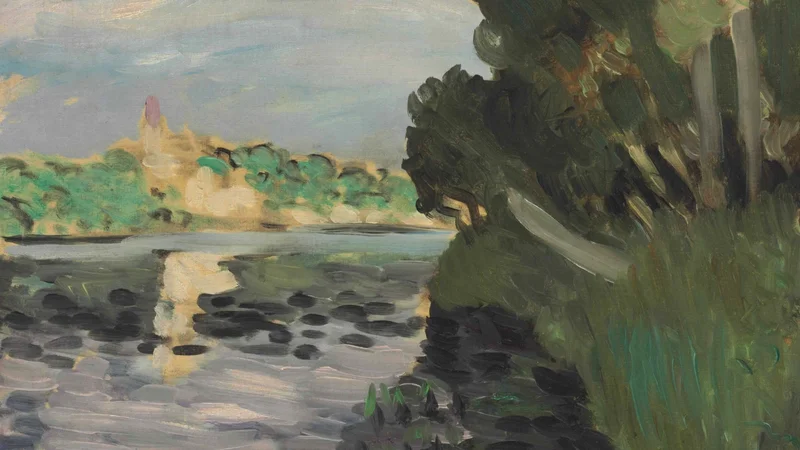
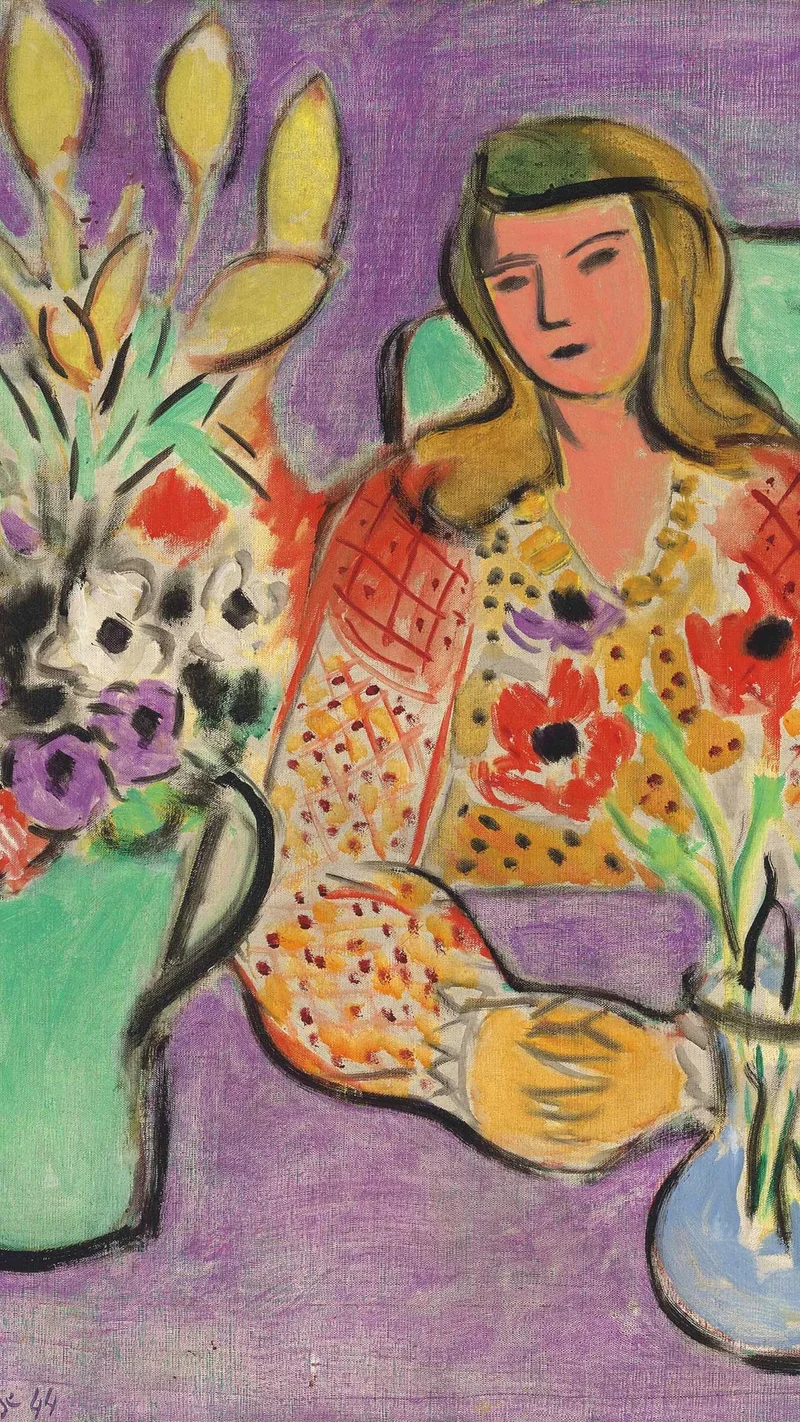
Matisse’s work evolved through rigorous experimentation with light and form, particularly during his transformative periods in the south of France. Works such as Olive Trees at Collioure, View of Collioure, Landscape at Collioure, and Collioure in August demonstrate his mastery of saturated color and the rhythmic simplification of the landscape. By 1909, his approach became increasingly structural, as seen in The Artist and the Nude Model and Circa 1909 compositions, where he balanced intricate decorative patterns with architectural composition. Later works from 1940, including Yellow Dress and Harlequin Dress, reflect his enduring preoccupation with the interplay between the human figure and his signature vibrant, chromatic environments. Through these contributions, Matisse provided the foundational language for modern abstraction and color theory.