James Alden
27 artworks
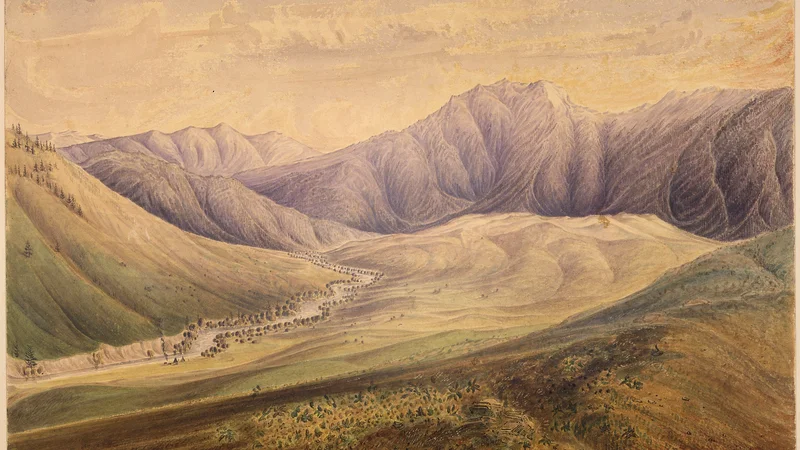
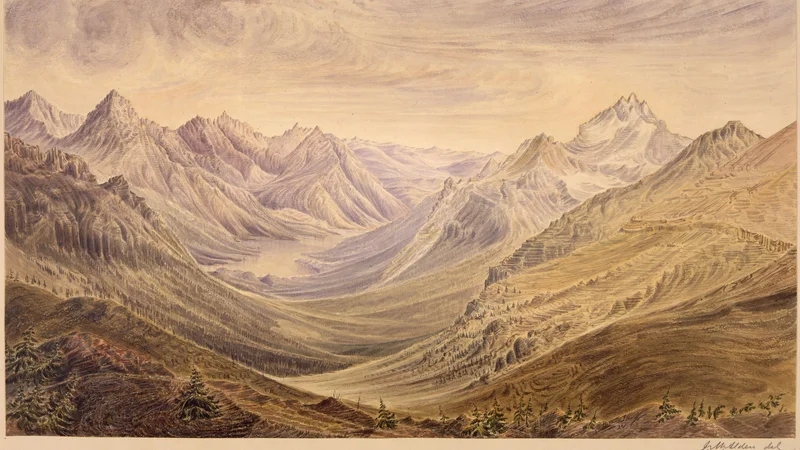
James Alden was an American artist whose topographical and landscape output, primarily produced between 1857 and 1862, aligns him with the later iterations of Romanticism. His work serves as a vital historical record of the American West, capturing the rugged, untamed frontiers during a period of significant geographical survey and exploration. Trained to synthesize technical precision with the atmospheric sensibilities characteristic of his era, Alden navigated the intersection of scientific documentation and the sublime aesthetic tradition.
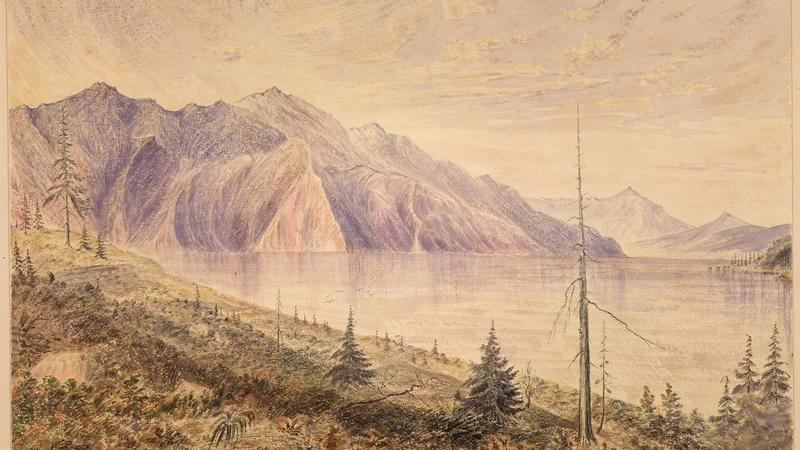
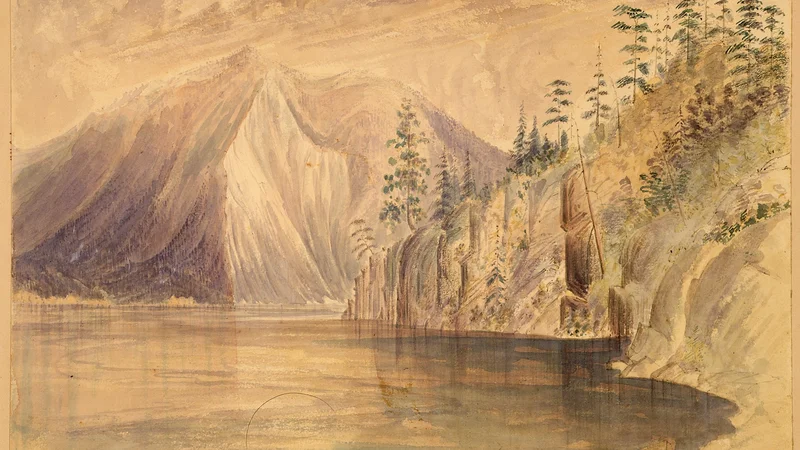
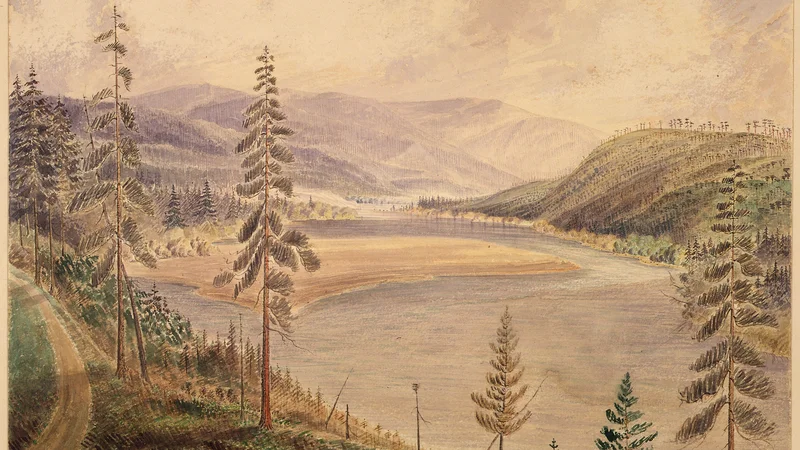
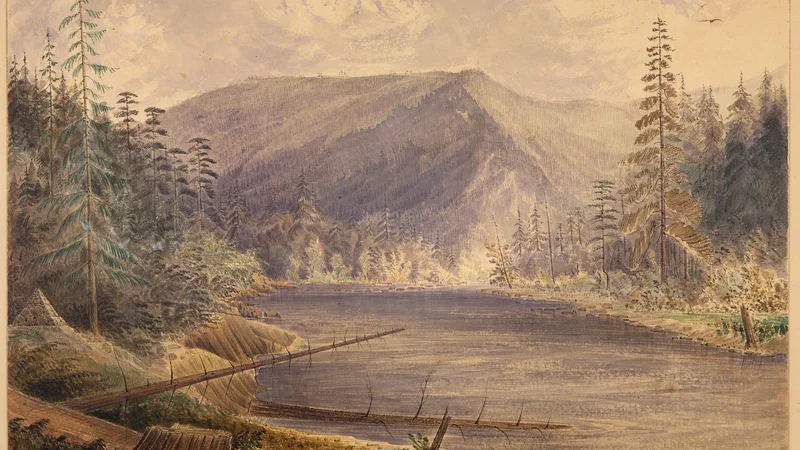
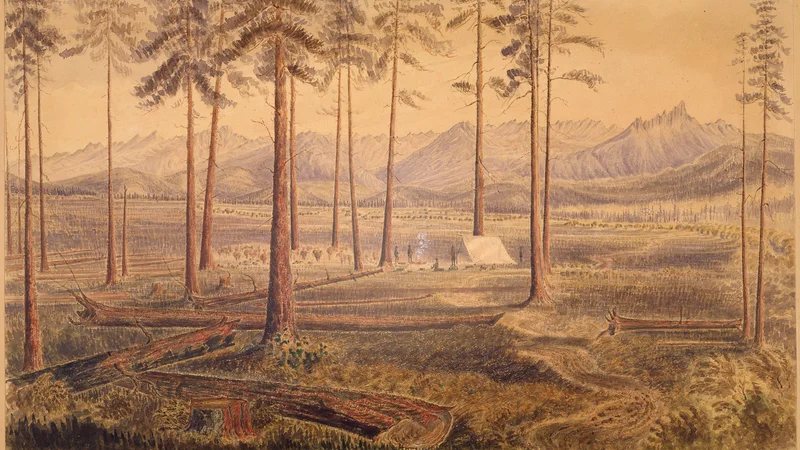
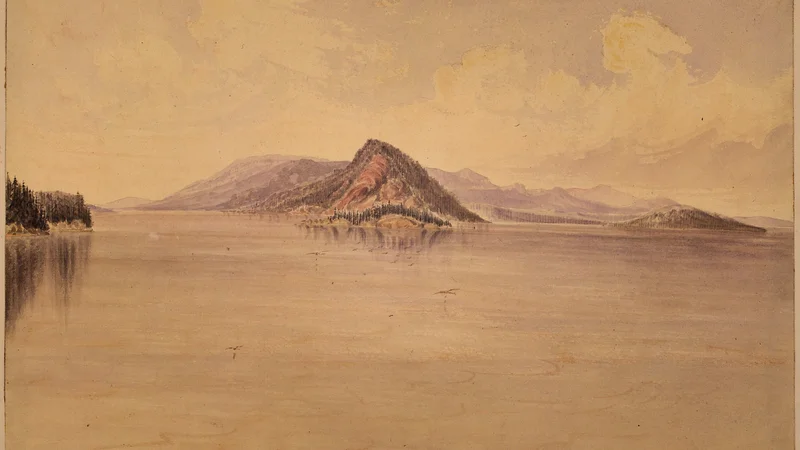
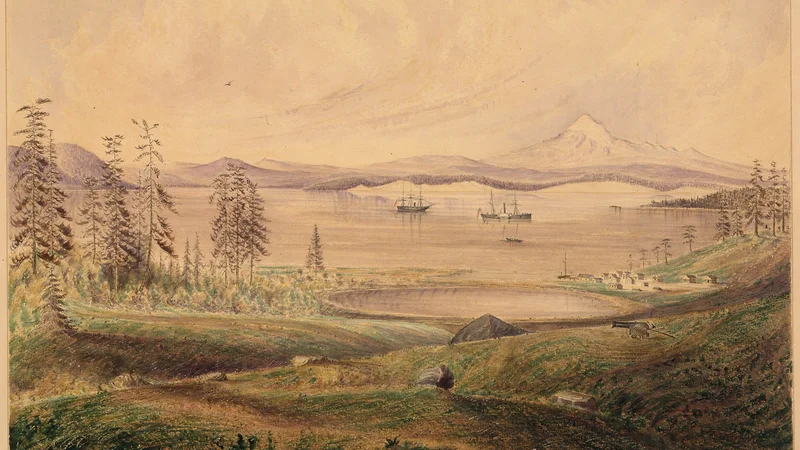
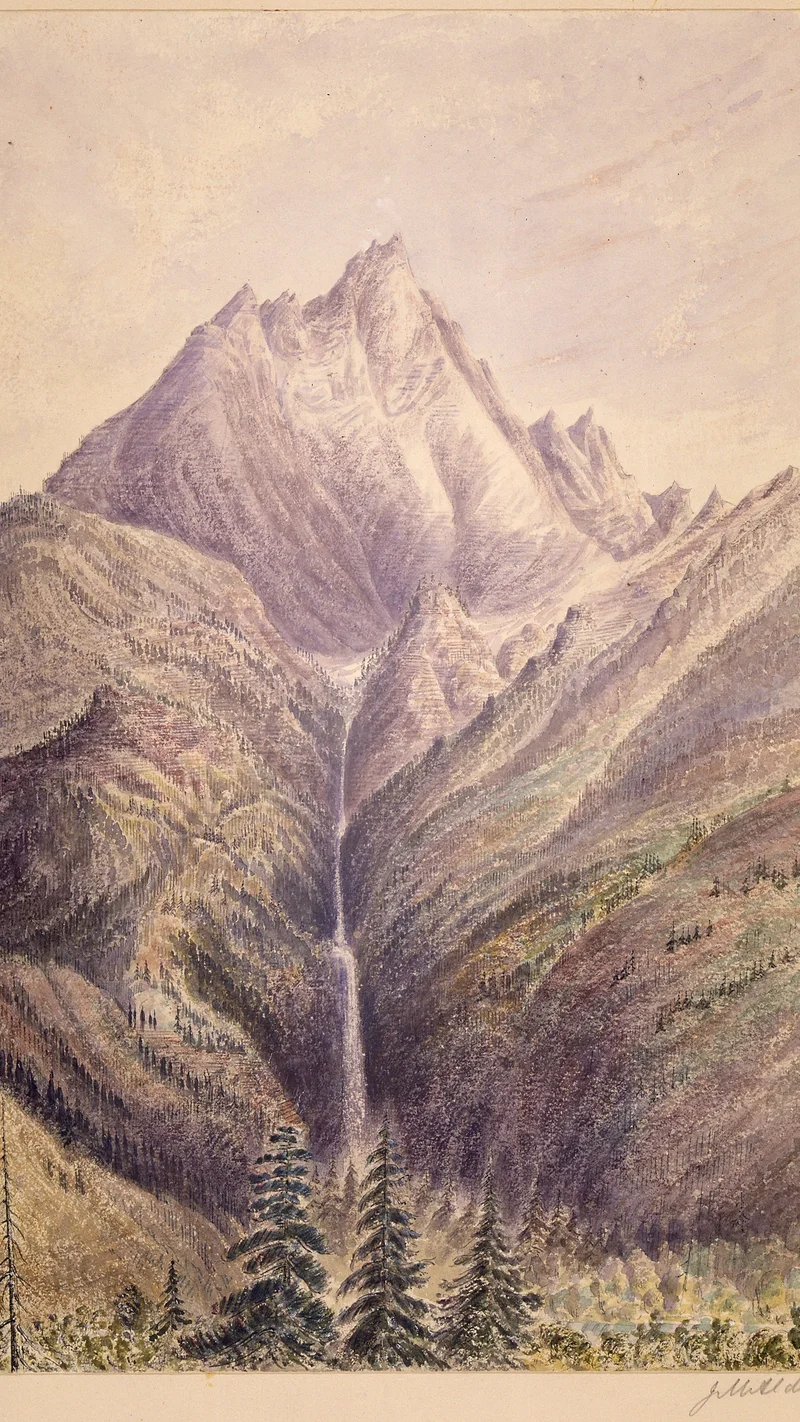
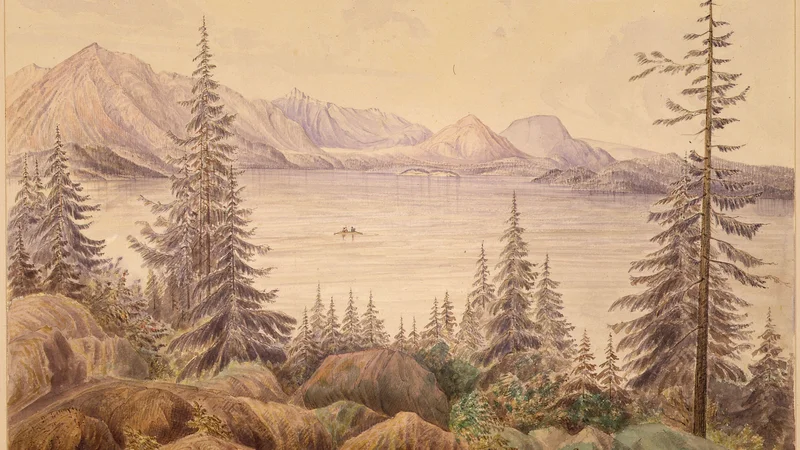
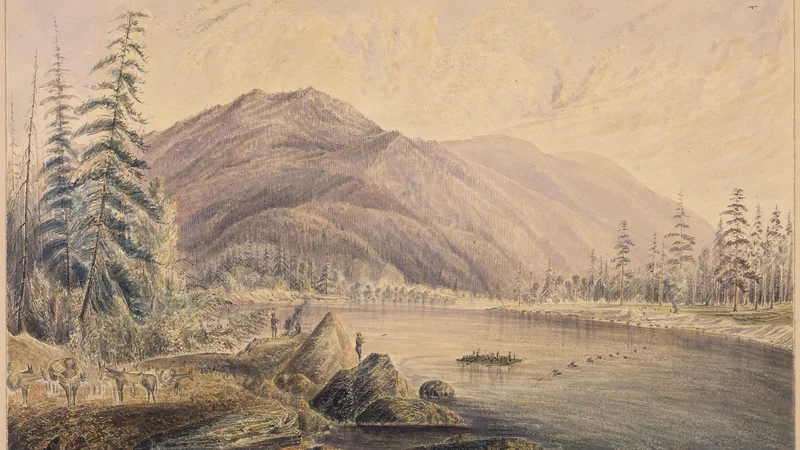
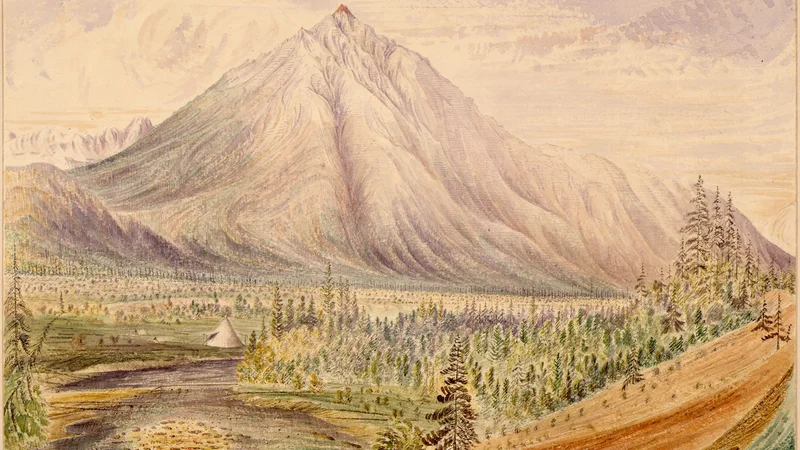
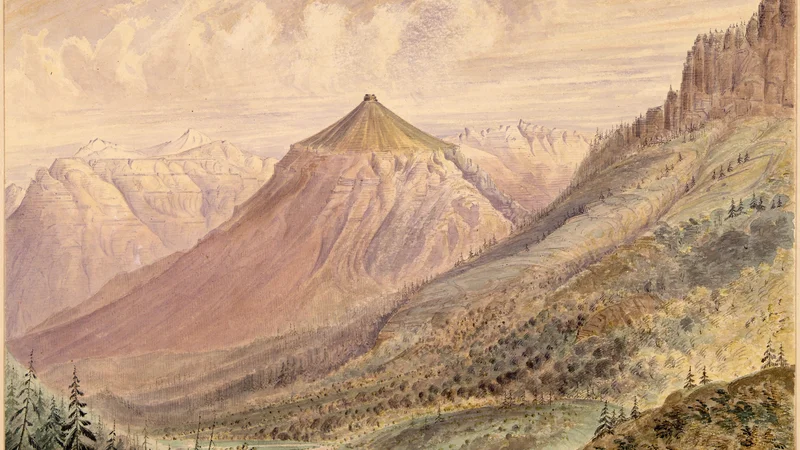
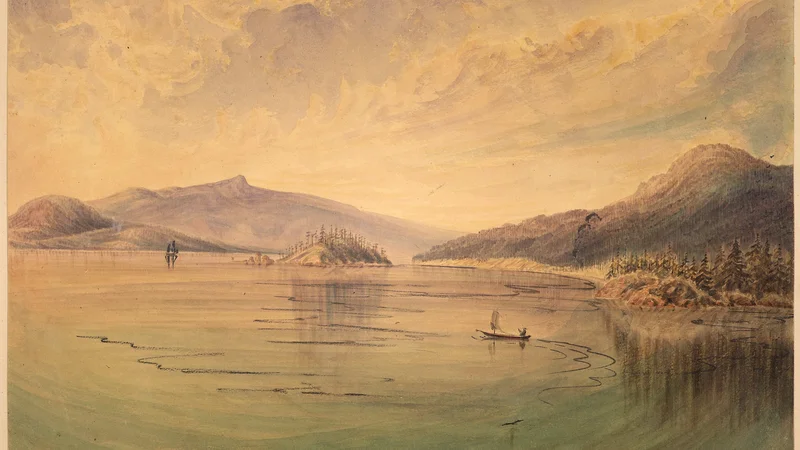
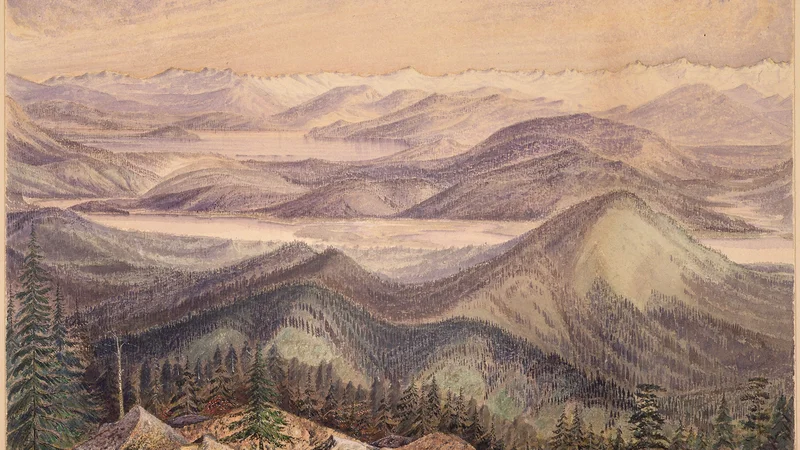
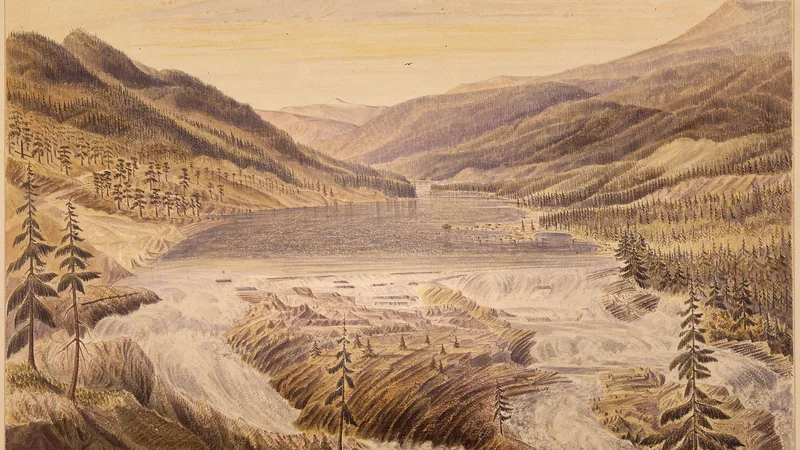
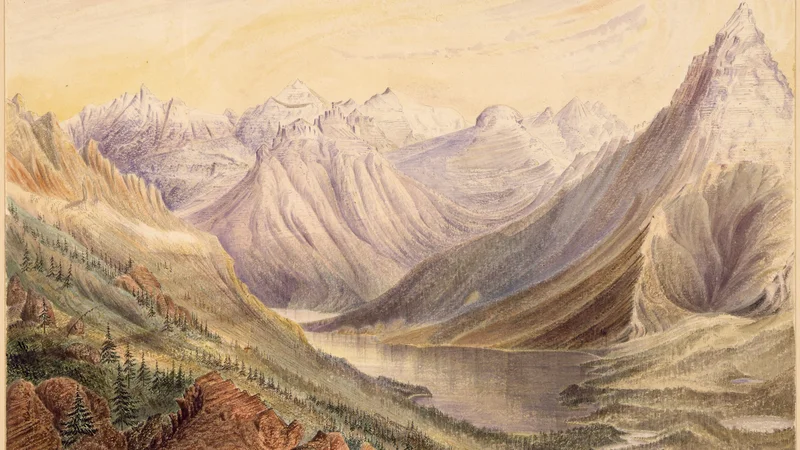
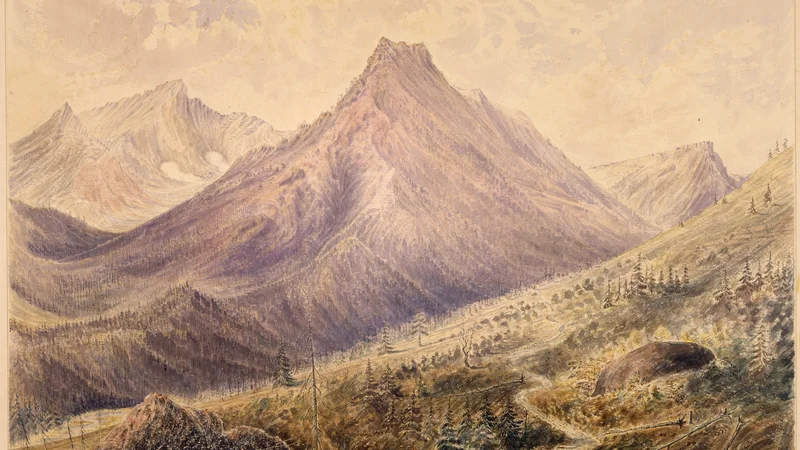
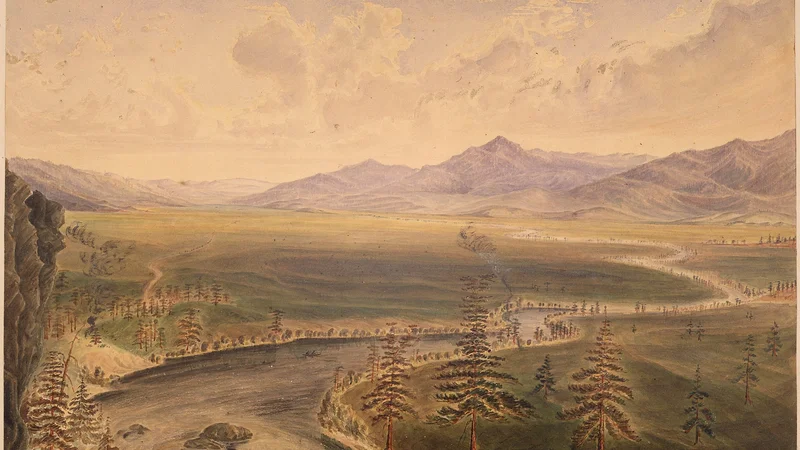
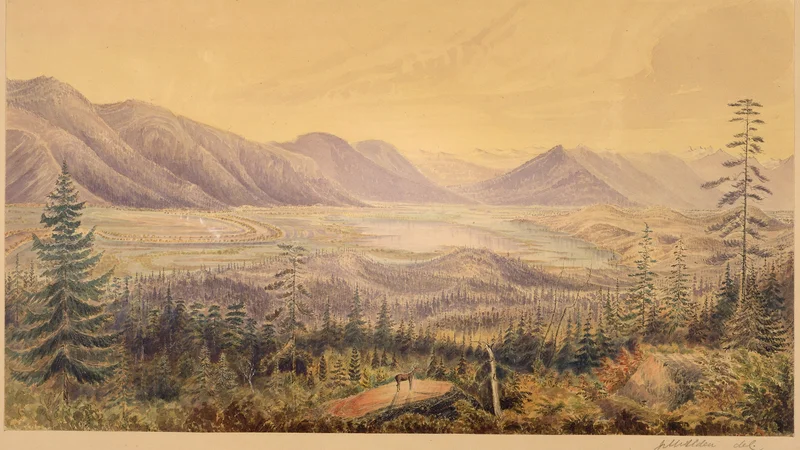
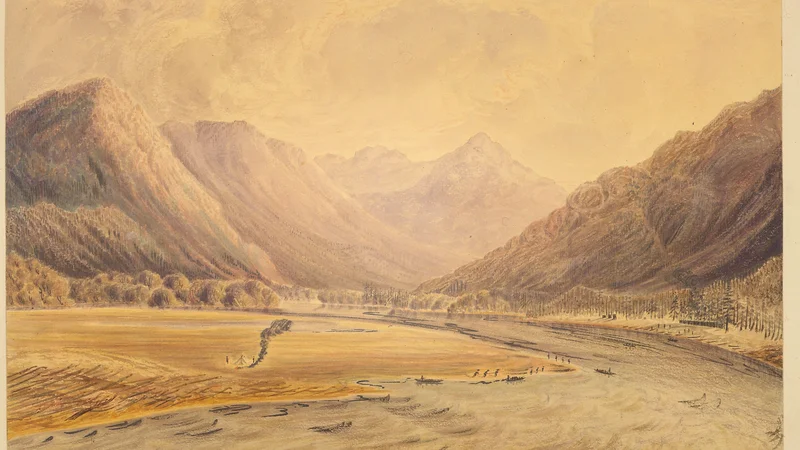
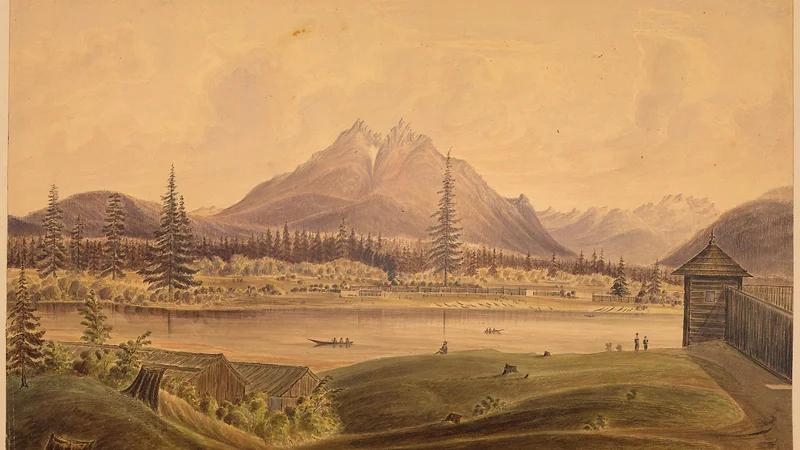
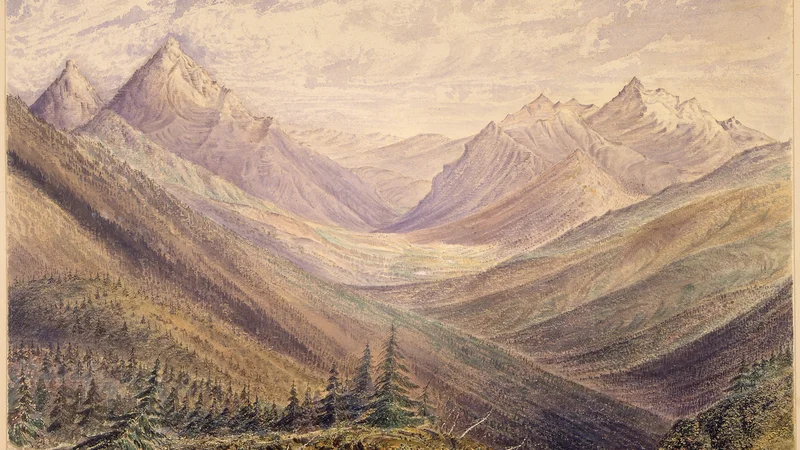
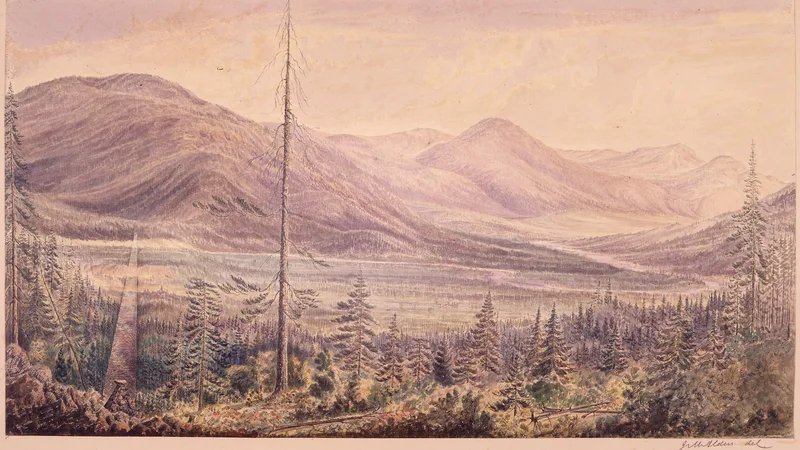
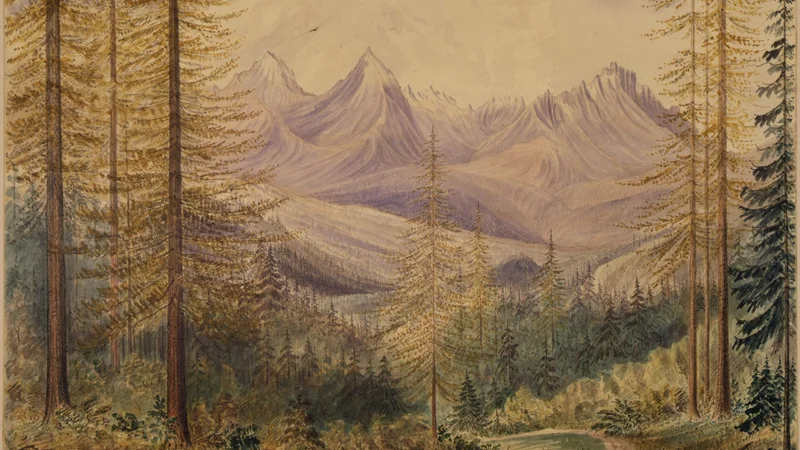
Alden’s technique relied heavily on a delicate balance of draftsmanship and watercolor washes, allowing for the meticulous rendering of geological formations and architectural structures. His mastery of light and shadow is evident in works such as Kellispelm Lake from Yellow Bluff Island, looking S.E. toward the S. extremity of the Lake and Cascade of Mount Kirby from Kishnehn Pass. He often employed a restrained color palette to emphasize the vast, crystalline clarity of the northwestern landscape, as seen in Falls of the Kootenay (ak. Kaph-Kleh) from near the trail and H. B. Co. Fort Langley, left bank of Fraser River. Langley Buttes in the distance. His compositions, including Head Kellispelm Lake--near head of lake looking South. (Sienitic Cliffs) and Kellispelm Lake or Pend'Oreille Lake, from View Point, demonstrate a keen eye for the interplay between geological mass and the expansive scale of the wilderness.
By documenting these remote territories, Alden contributed significantly to the visual inventory of the frontier, providing a bridge between the objective mandates of government surveying and the subjective gaze of the romantic landscape painter. His ability to render vast, complex environments with both ethnographic accuracy and artistic grace cements his role as a pivotal figure in the development of 19th-century American landscape documentation.