Andrea Mantegna
8 artworks
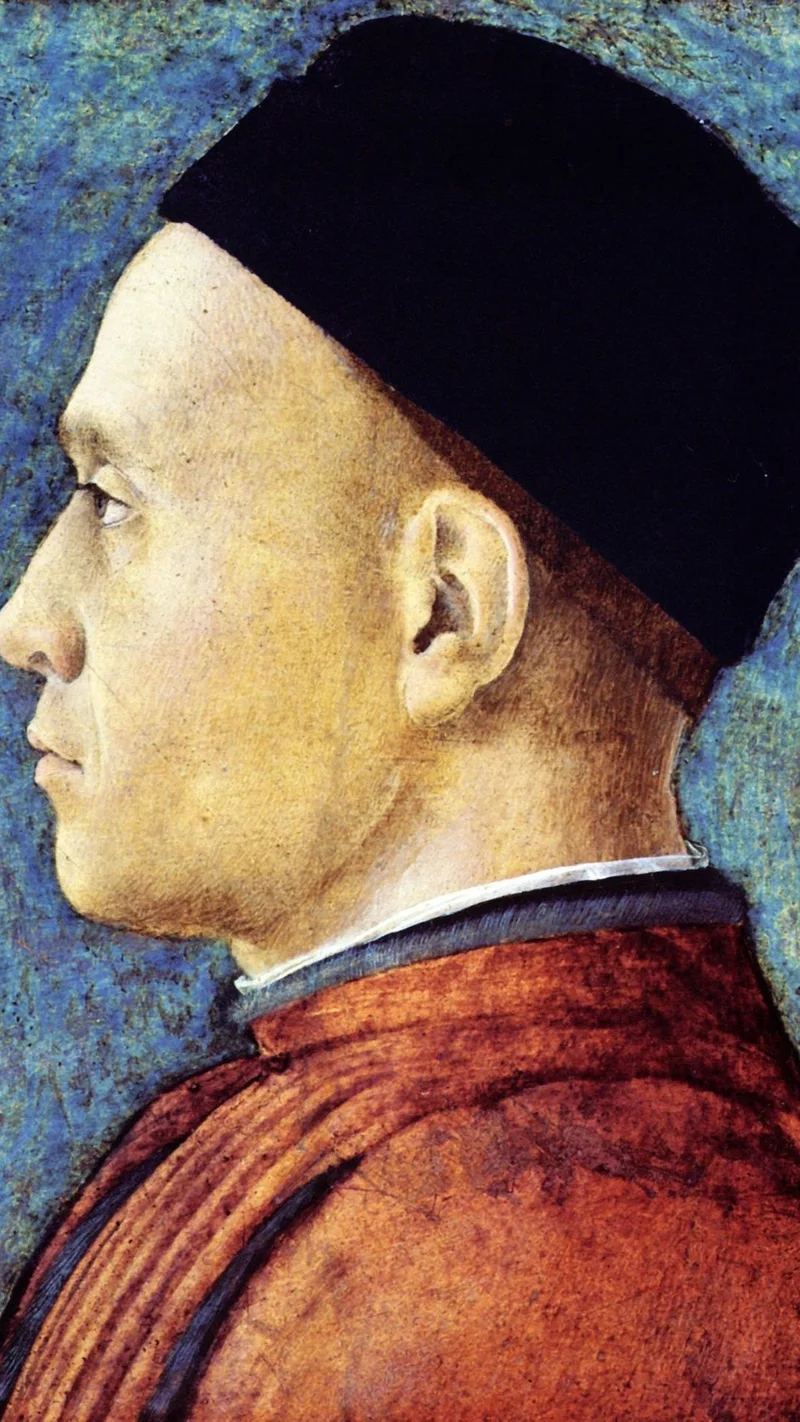
Andrea Mantegna (c. 1431–1506) was a seminal figure of the Early Renaissance, primarily active in Northern Italy. Trained in the workshop of Francesco Squarcione in Padua, he was deeply influenced by the burgeoning interest in classical antiquity and archaeology. His formative years were defined by a rigorous engagement with Roman epigraphy and sculpture, which informed his lifelong commitment to reconstructing the grandeur of the ancient world through a lens of intellectual precision and structural clarity.
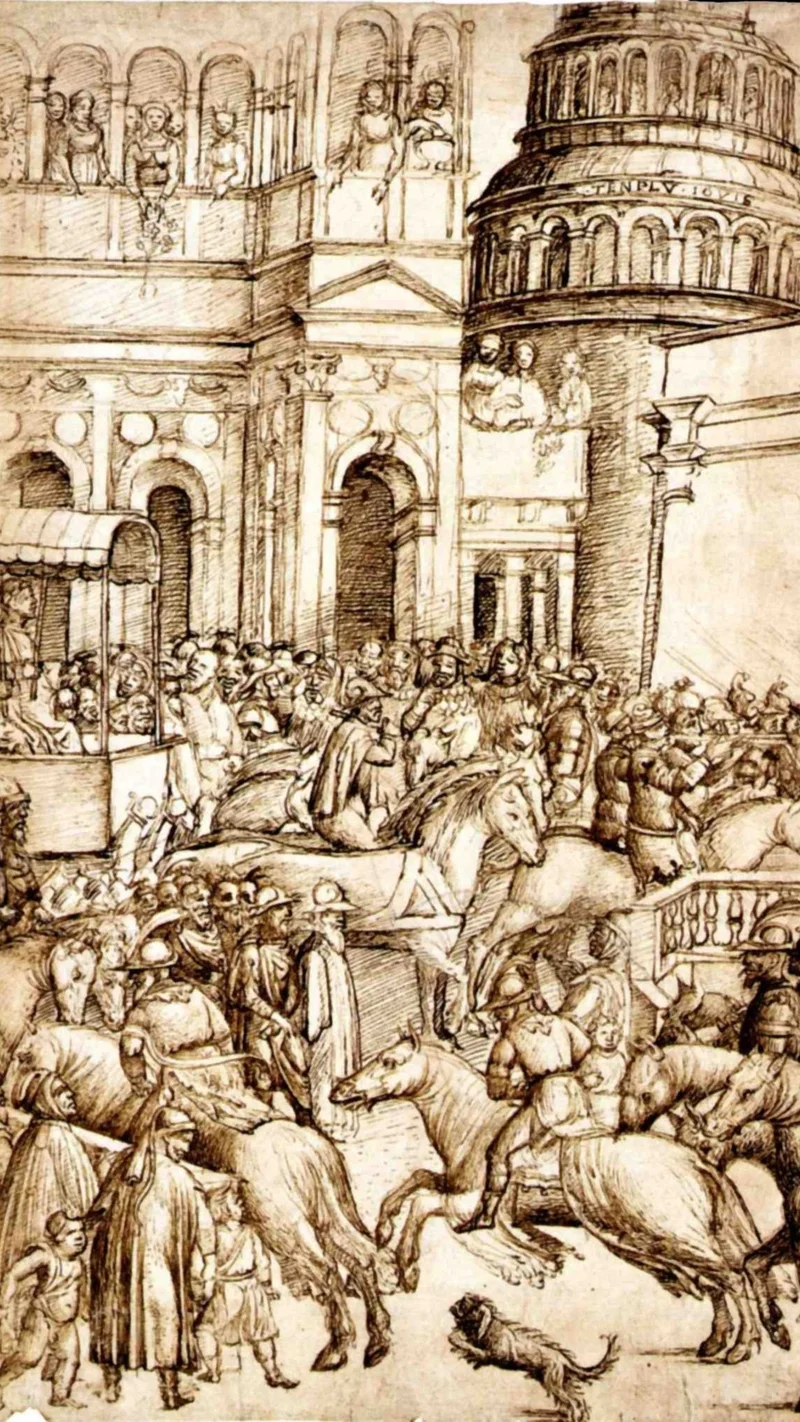
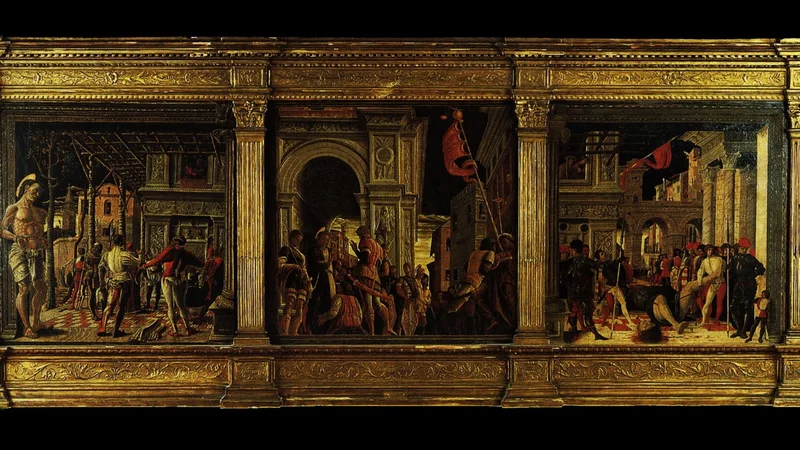
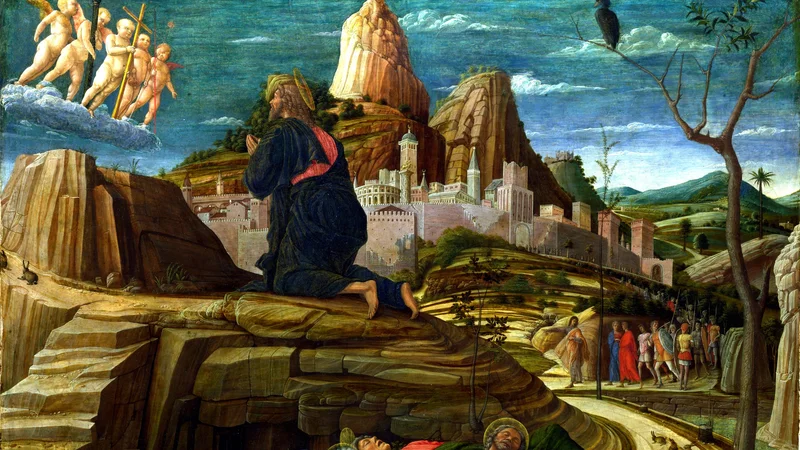
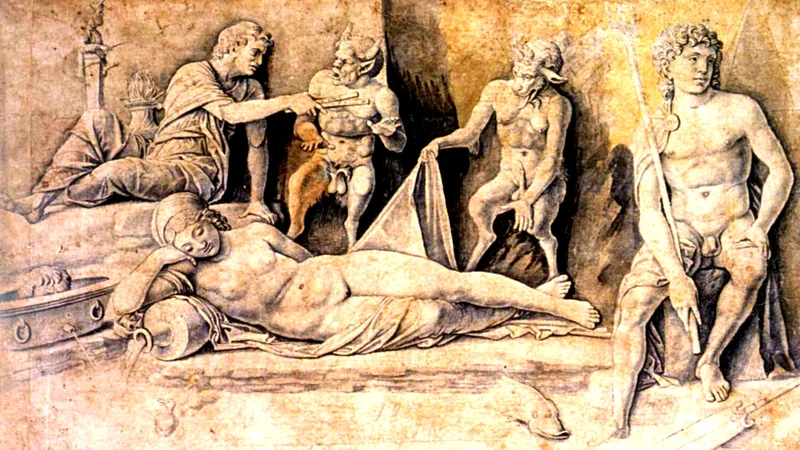
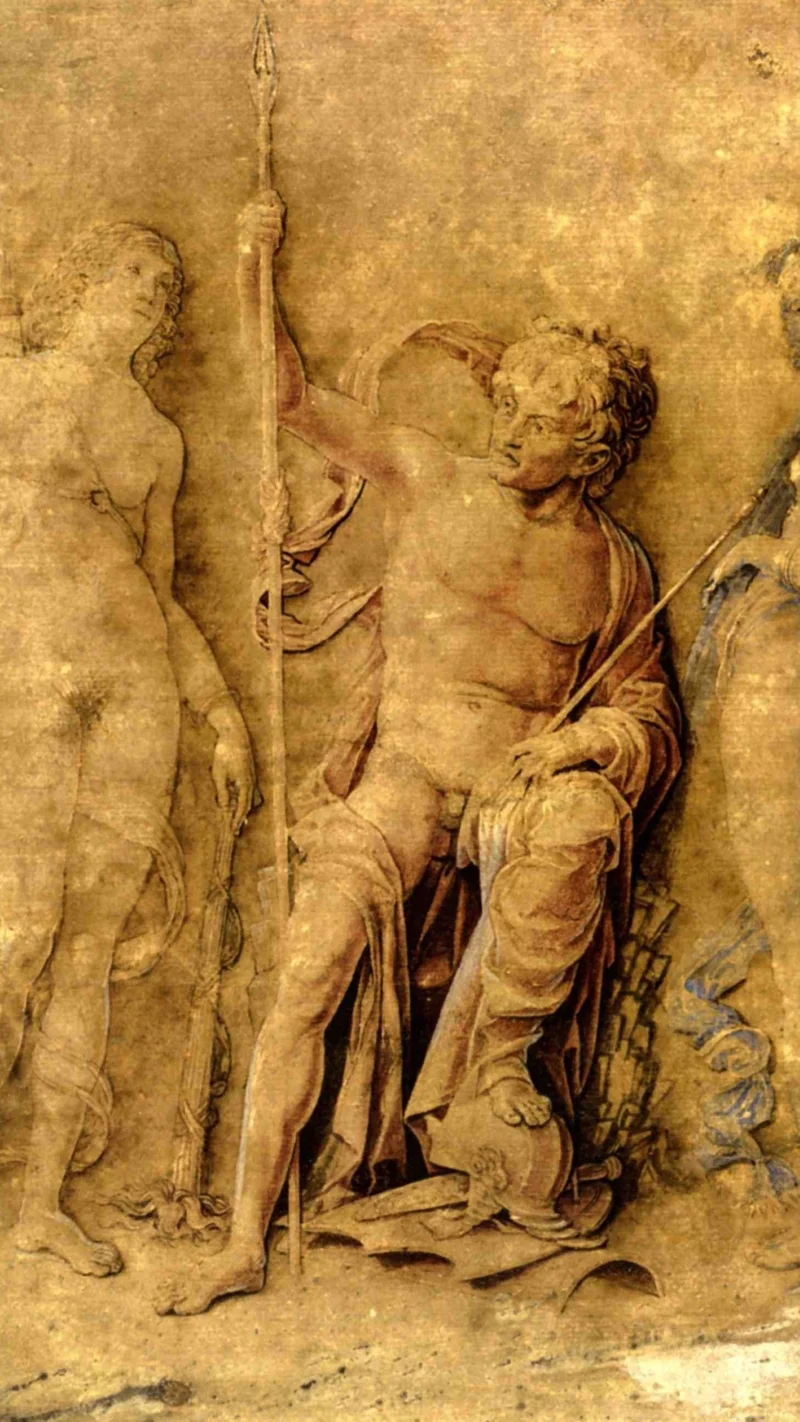
Mantegna’s technical prowess is distinguished by his masterful use of foreshortening and a sculptural approach to the human figure, often rendered with a razor-sharp linear quality. This distinctive style is evident in works such as The Agony in the Garden and The Martyrdom of Saint Christopher, where spatial depth is constructed with mathematical rigor. His later contributions, including The Triumph of Vespasian and Titus, The Victory of Virtue, Mythological Scene: Metamorphoses of Amymone, and Three Deities, demonstrate a sophisticated synthesis of humanist scholarship and technical innovation, characterized by complex compositions that anticipate the dramatic spatial explorations of later periods.
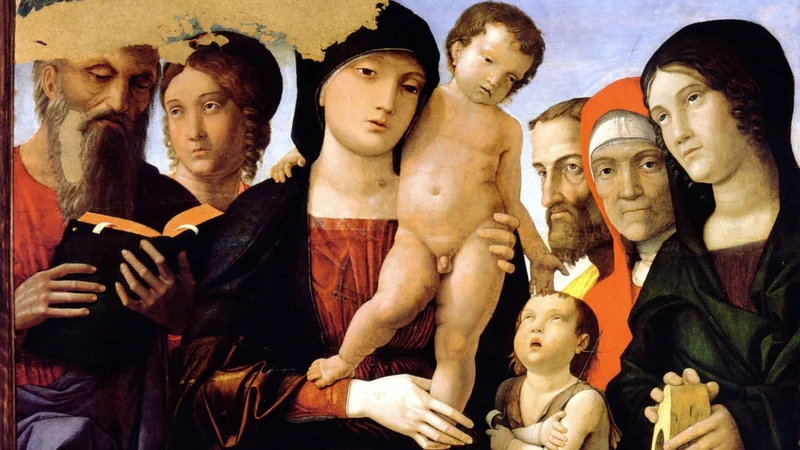
As a foundational artist of his era, Mantegna exerted a profound influence on the development of printmaking and the evolution of Renaissance perspective. His ability to fuse historical narrative with a disciplined, almost tectonic rendering of form solidified his reputation as one of the most intellectually rigorous painters of the Quattrocento. By bridging the gap between classical revival and modern pictorial organization, his work remains a critical touchstone for understanding the structural and thematic advancements of the Italian Renaissance.