Paul Klee
76 artworks
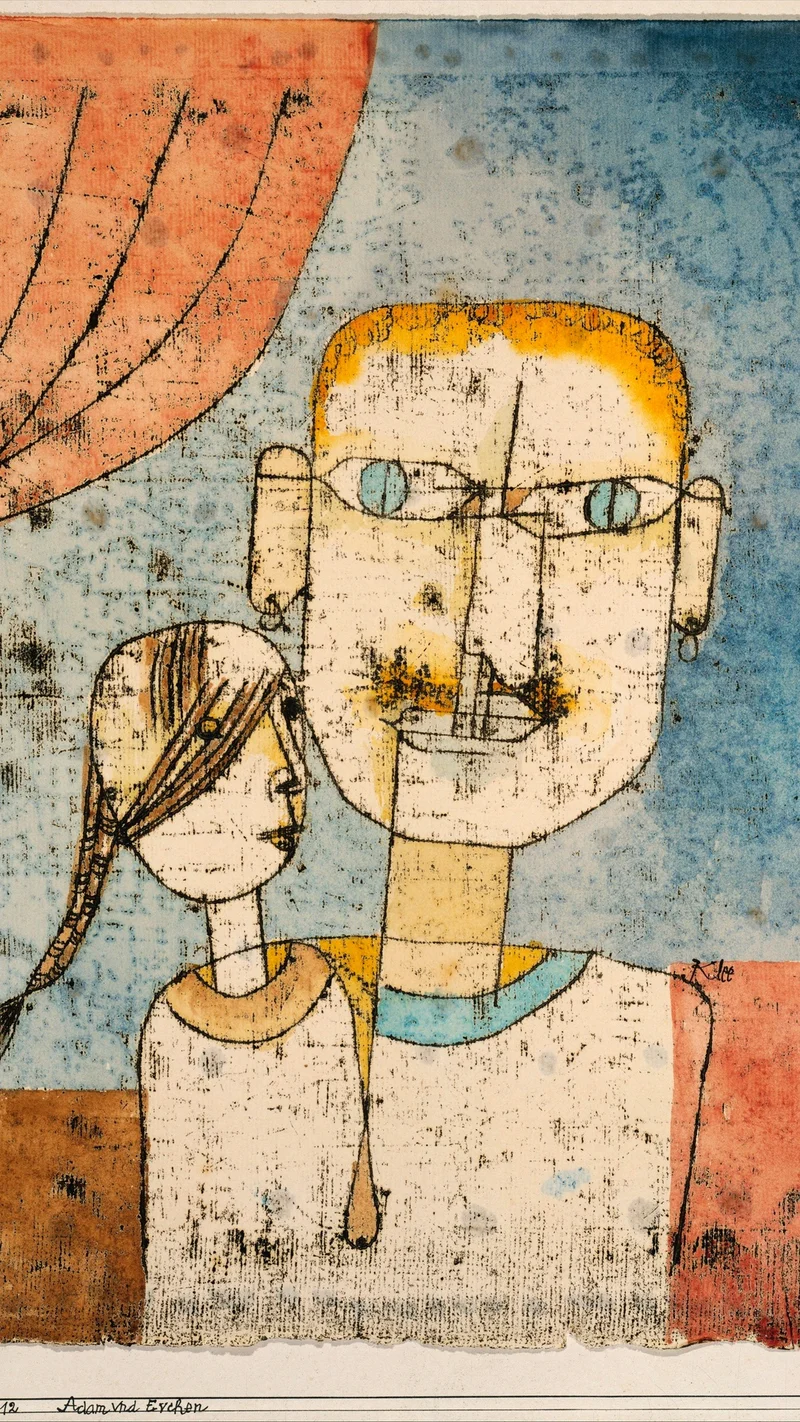
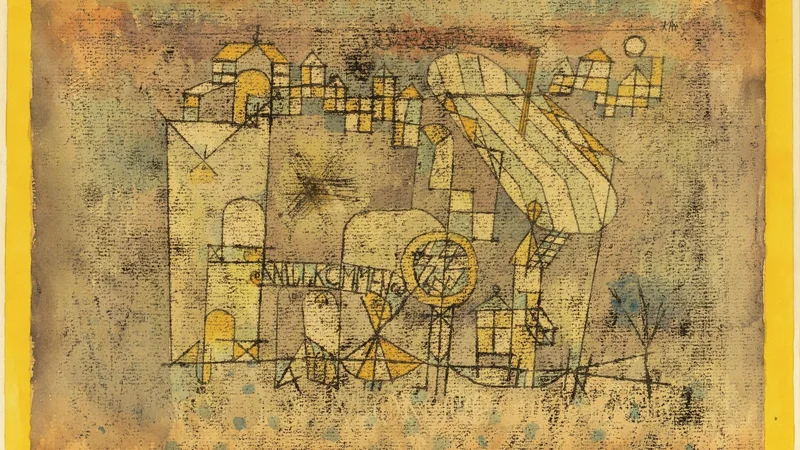
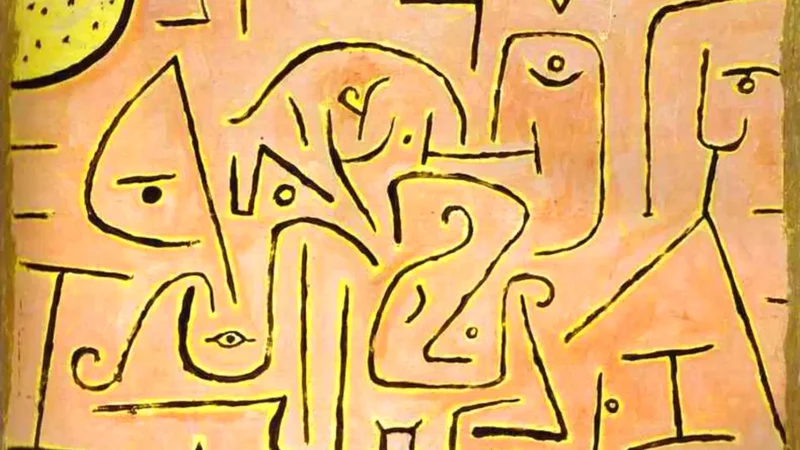
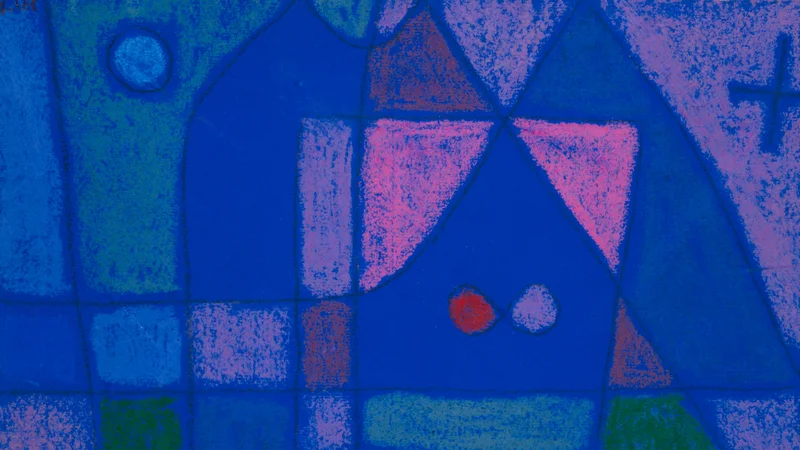
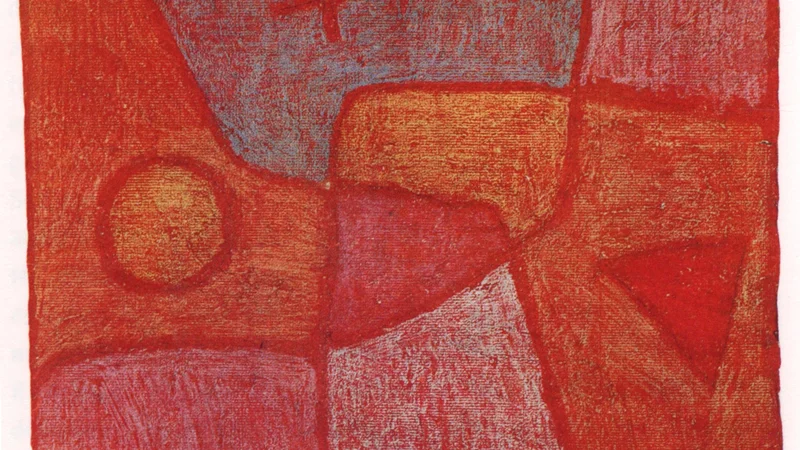
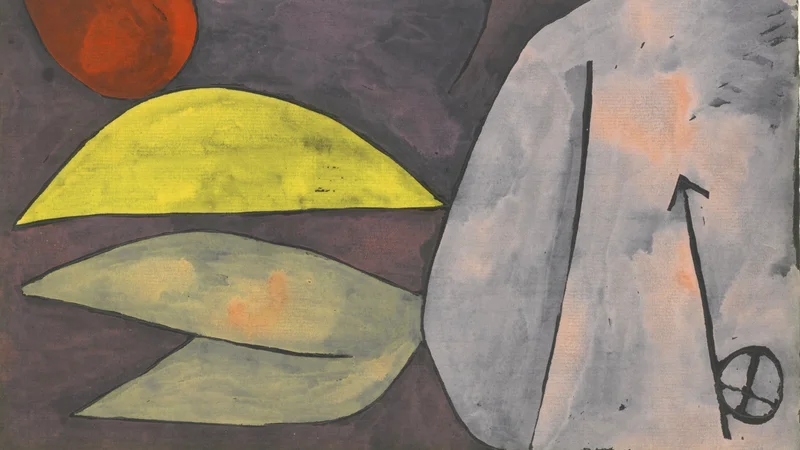
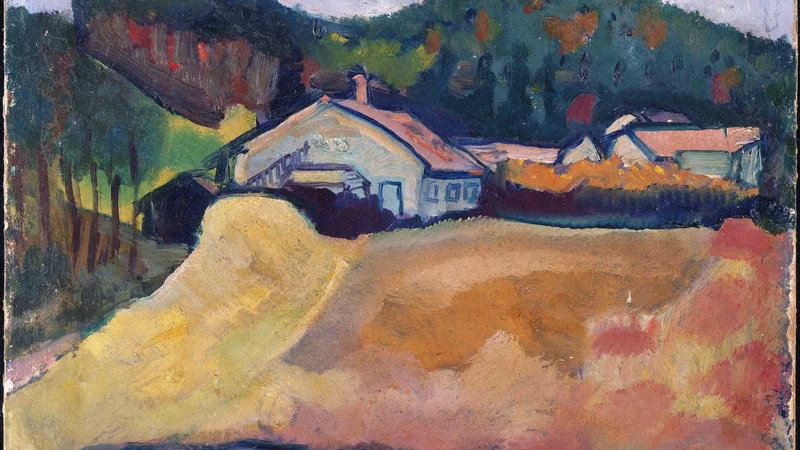
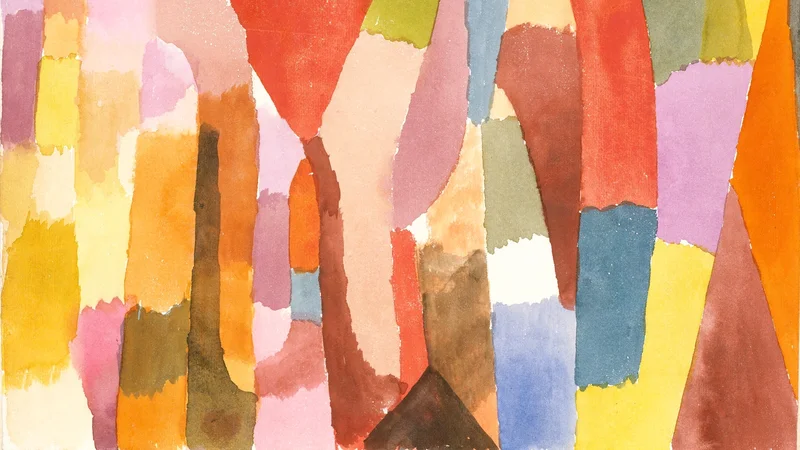
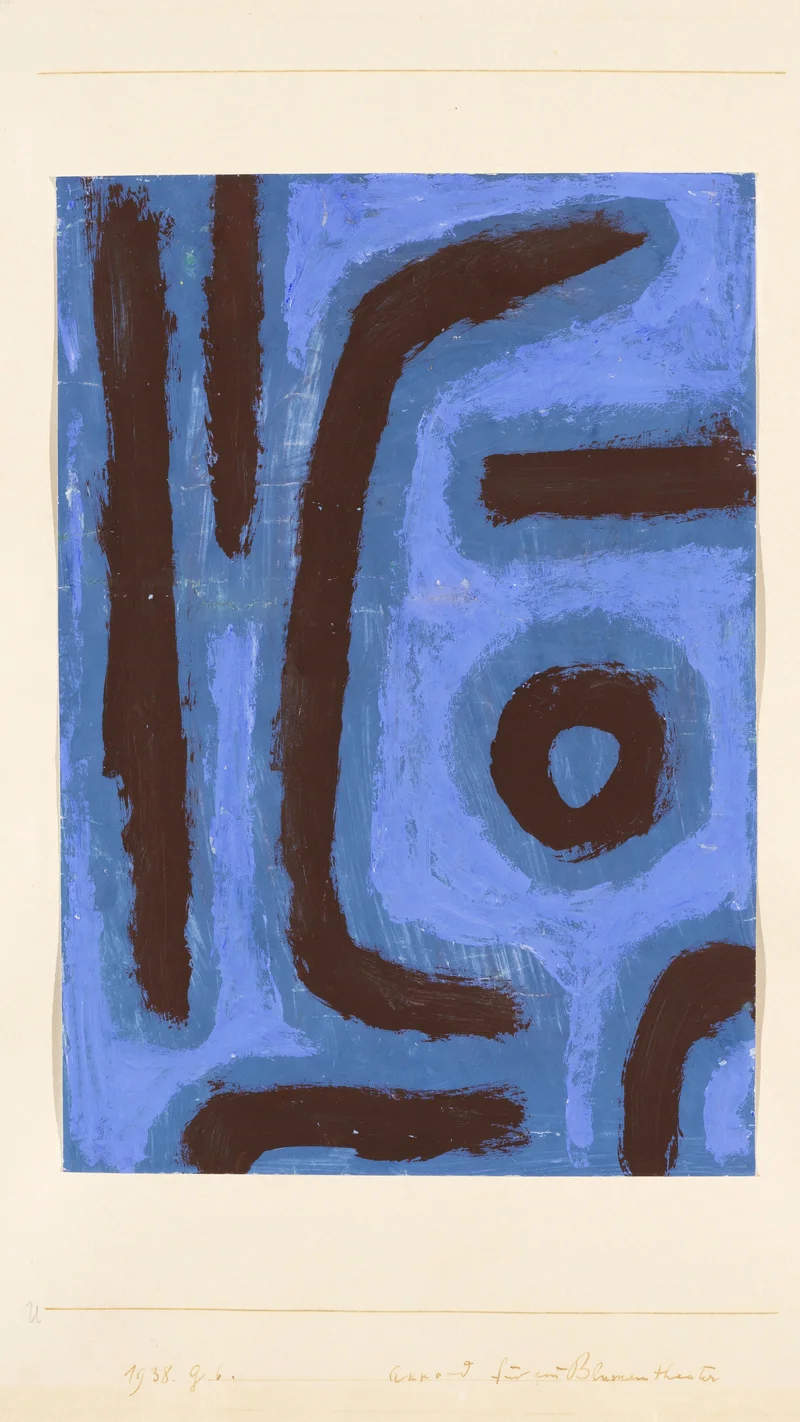
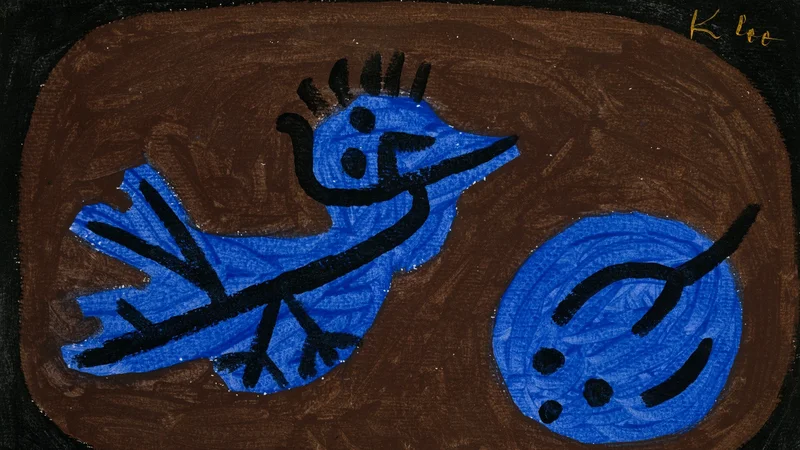
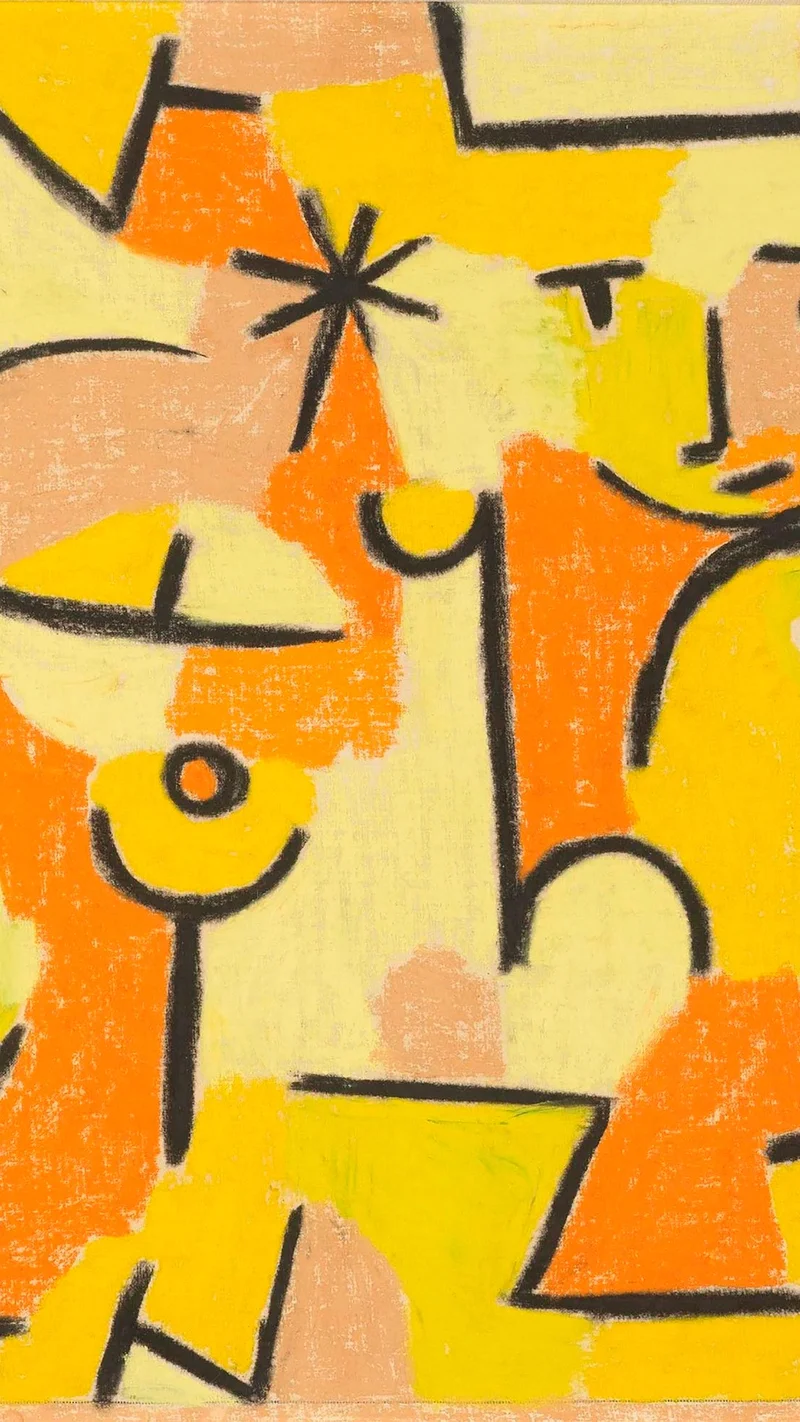
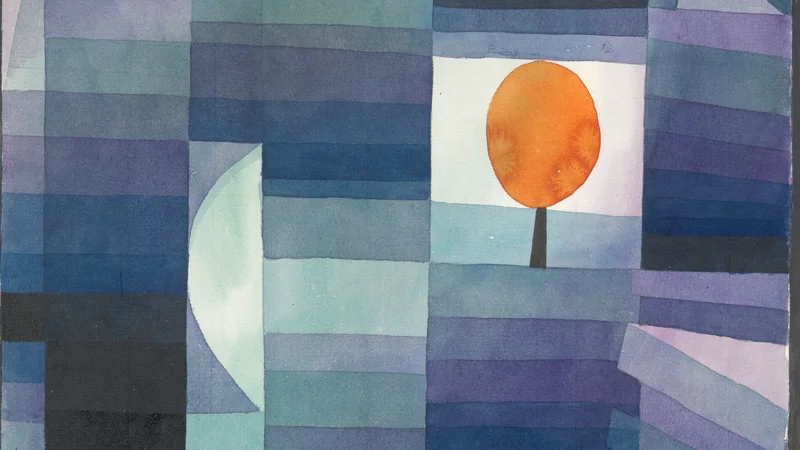
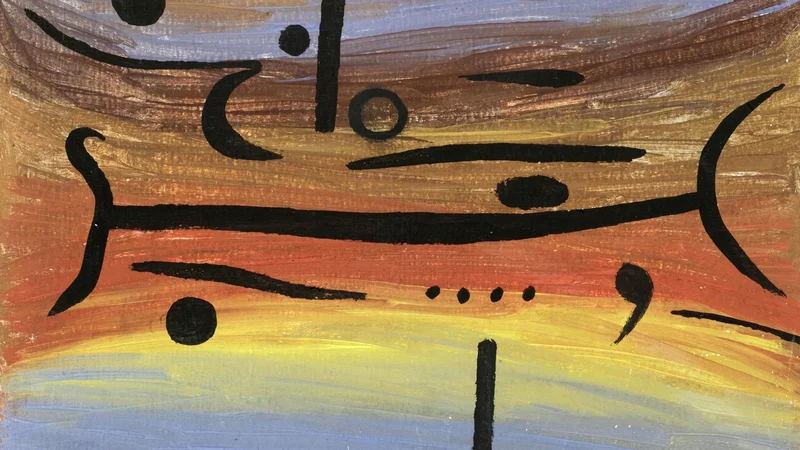
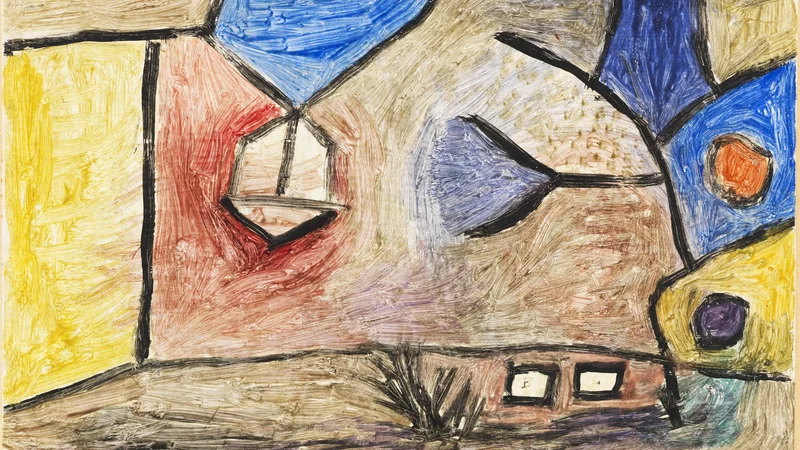
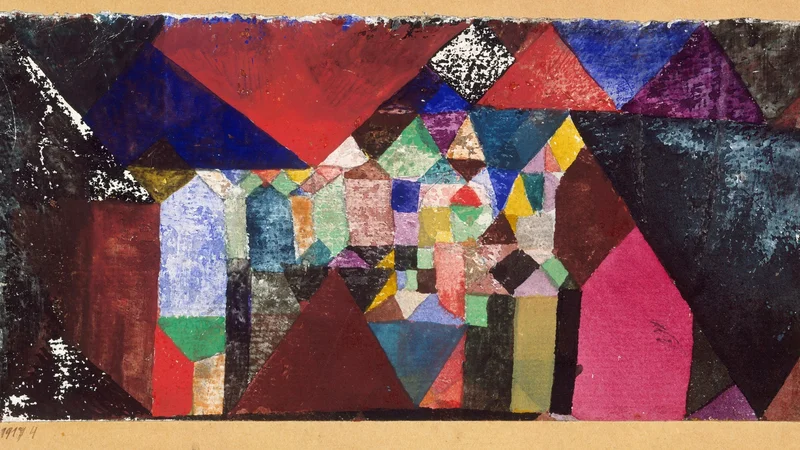
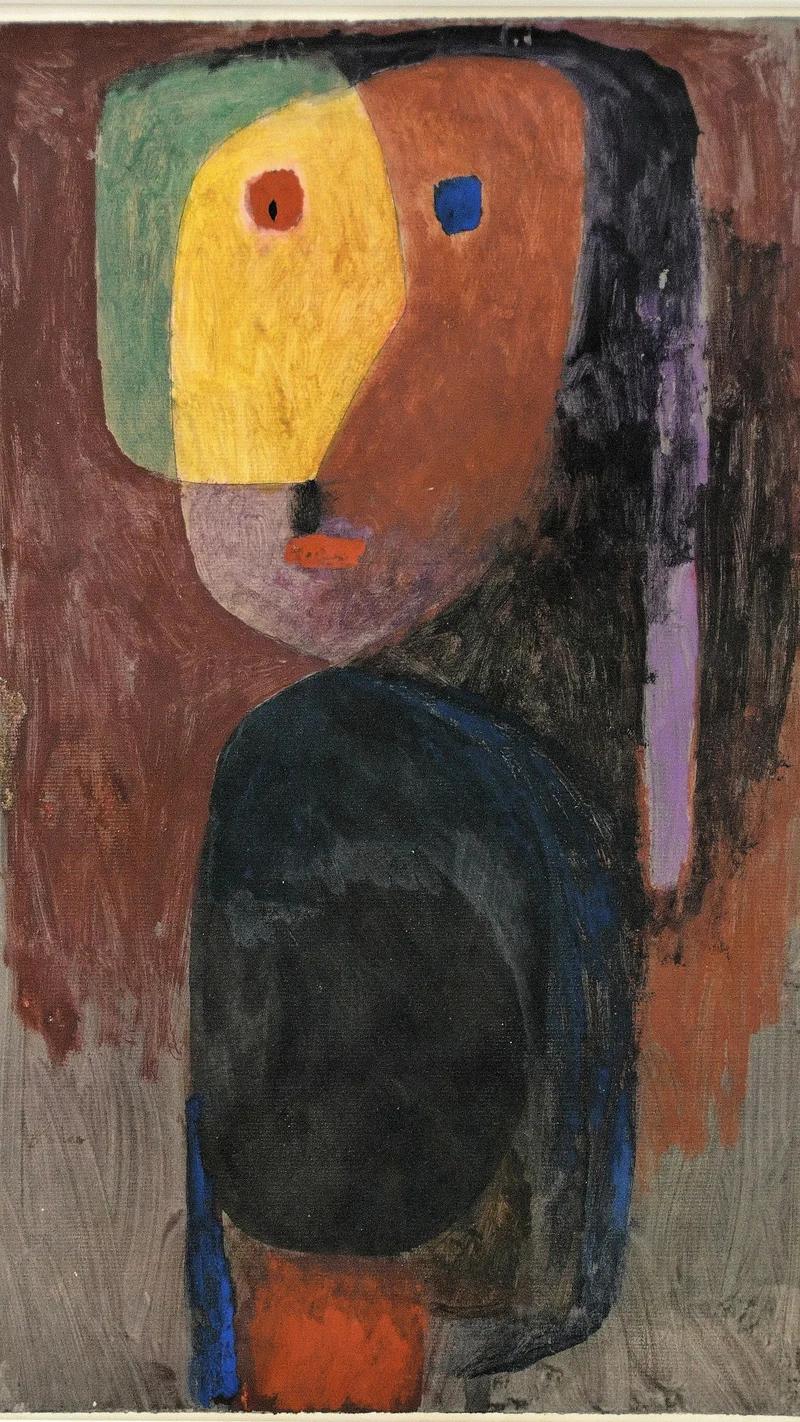
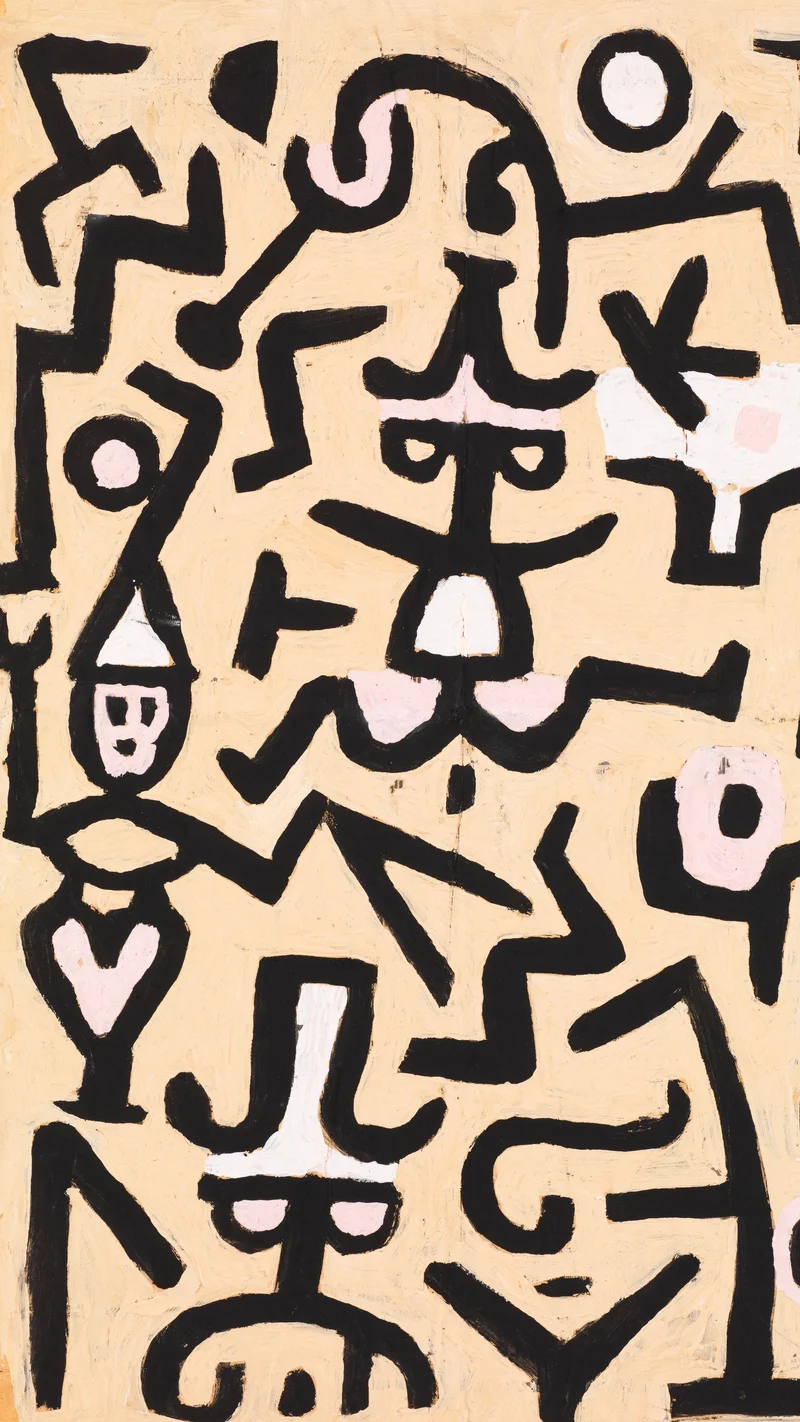
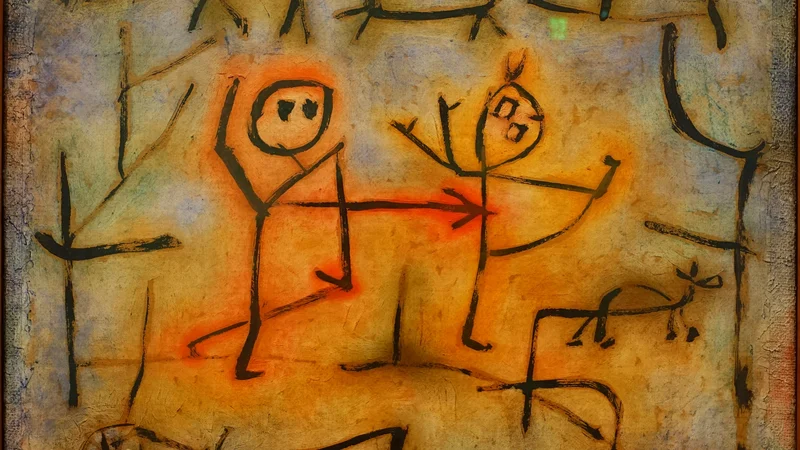
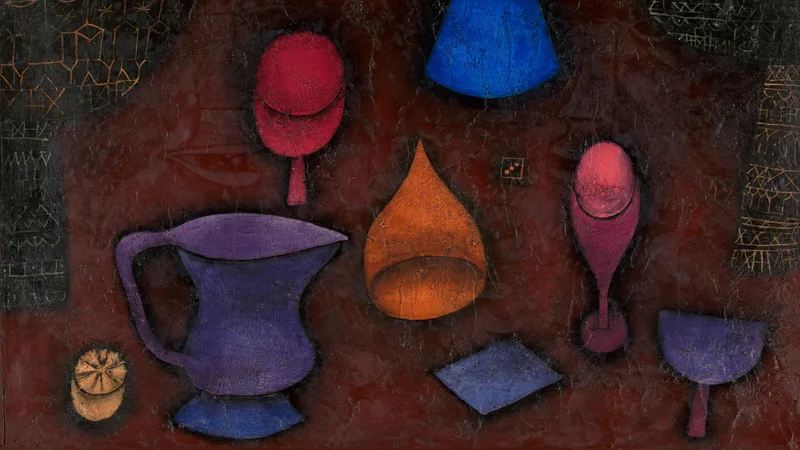
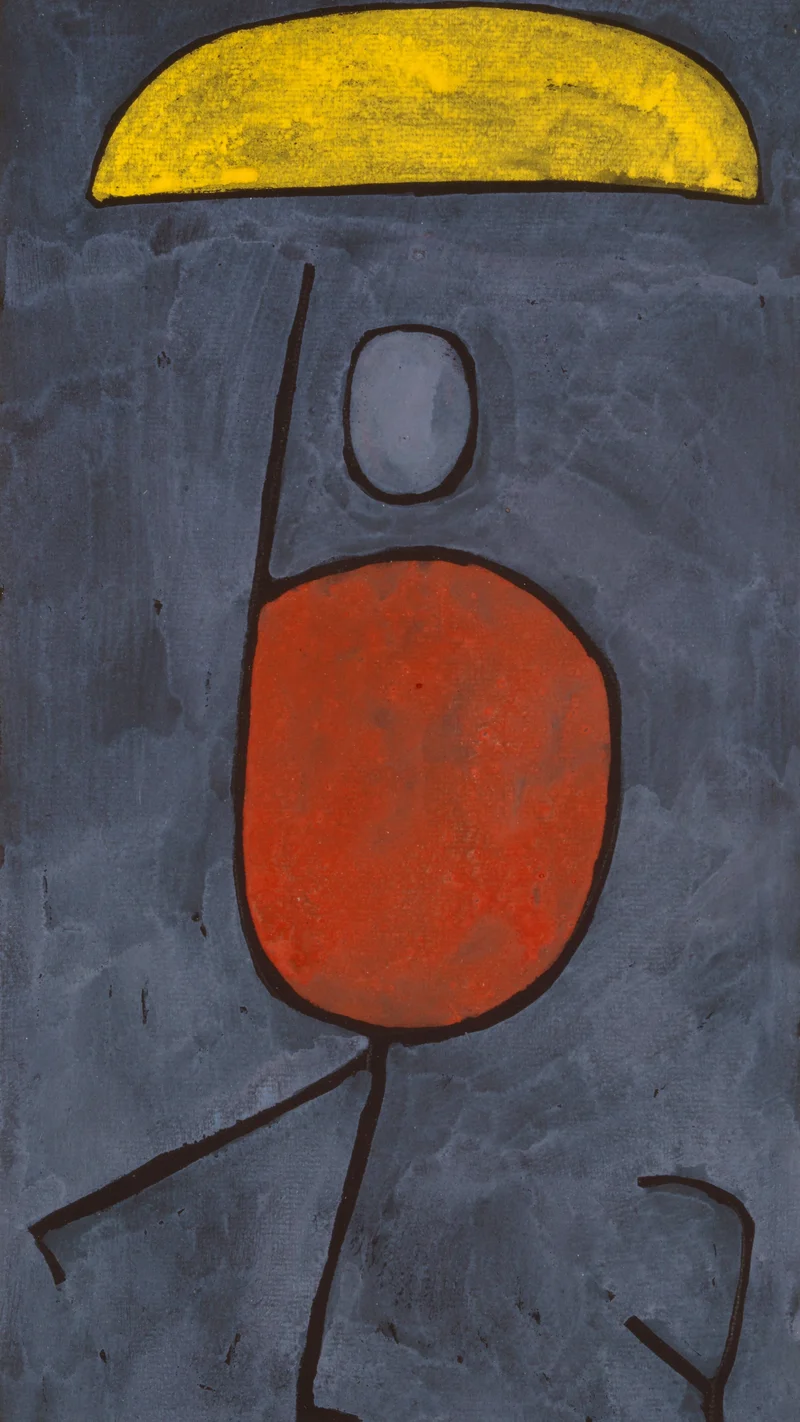
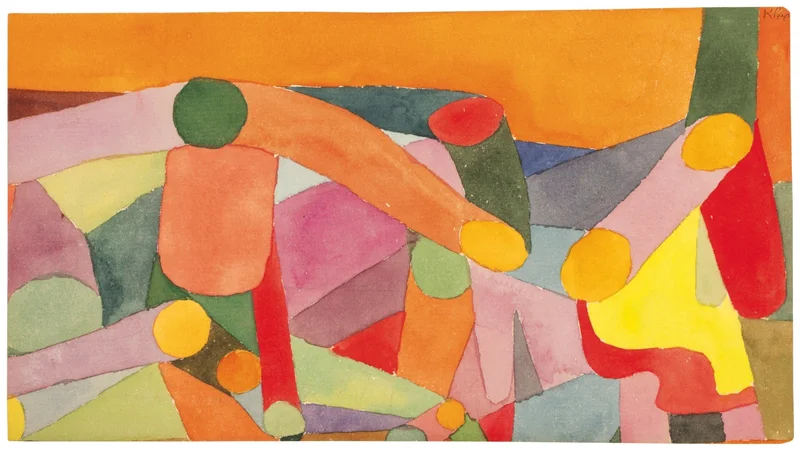
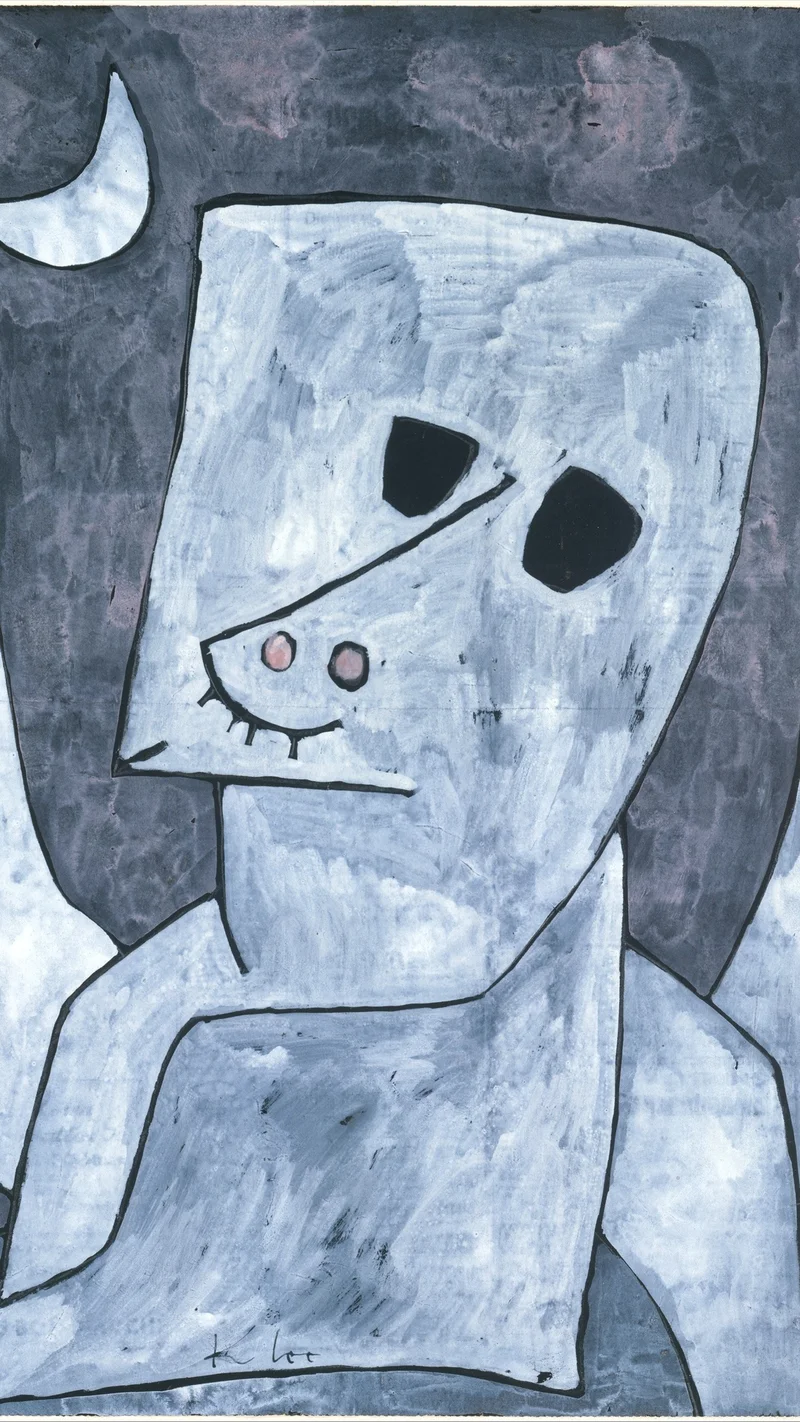
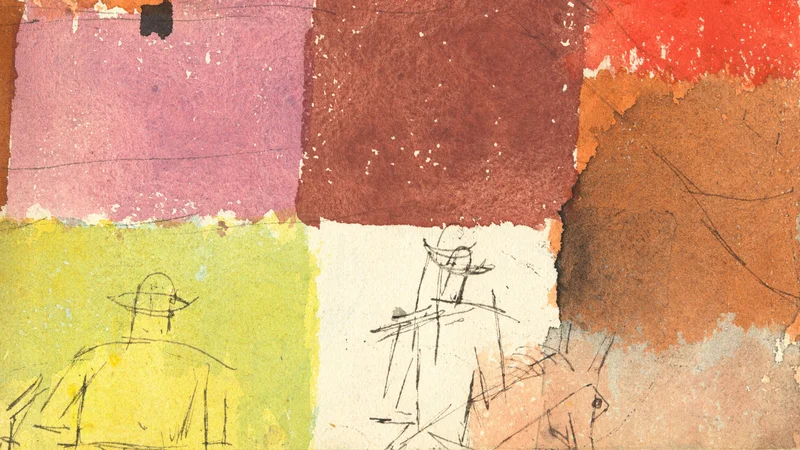
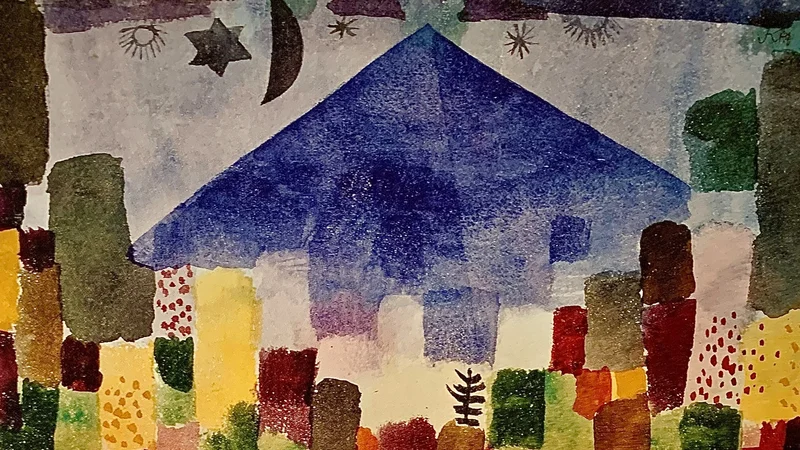
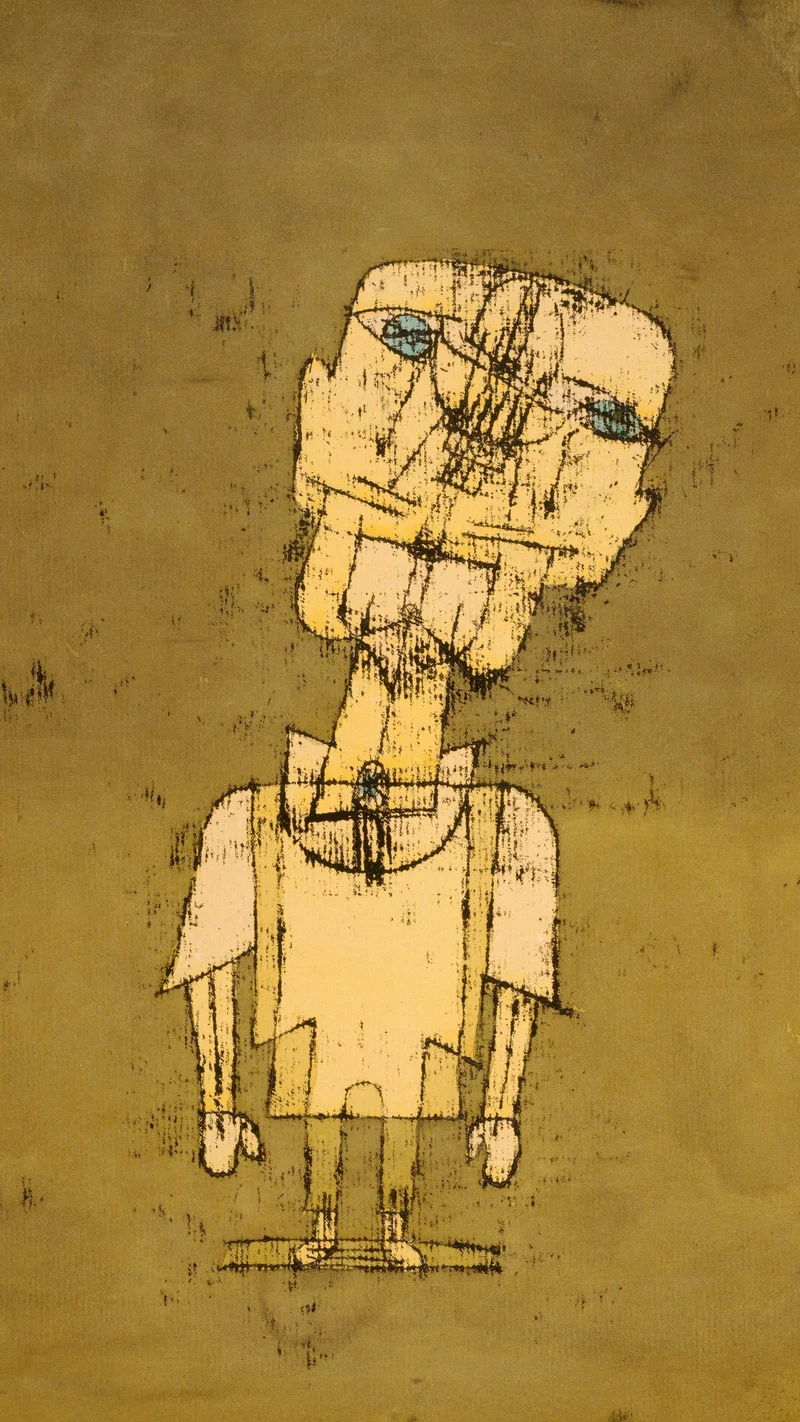
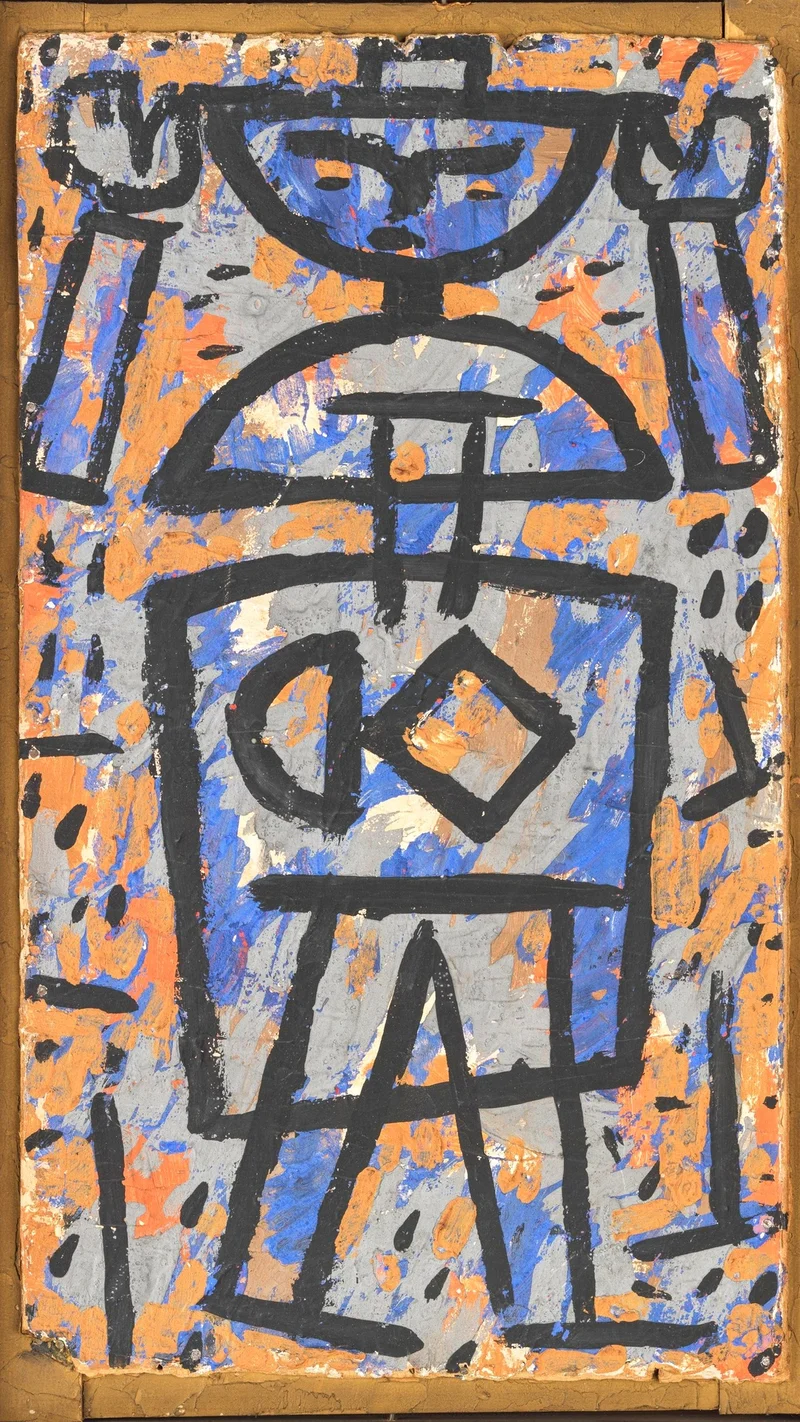
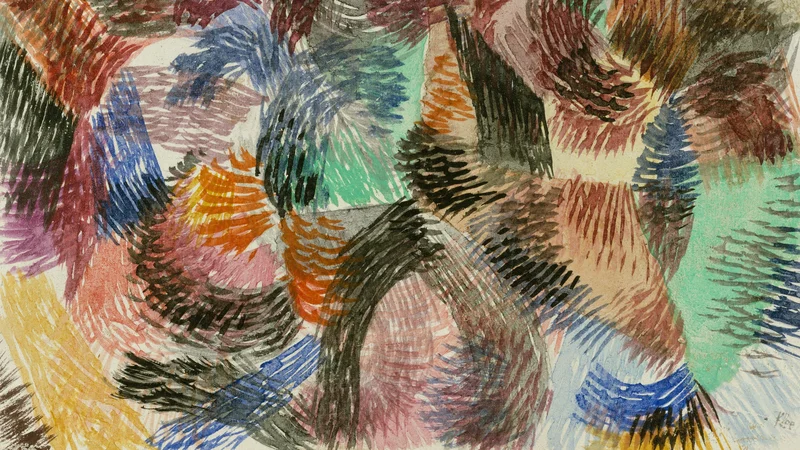
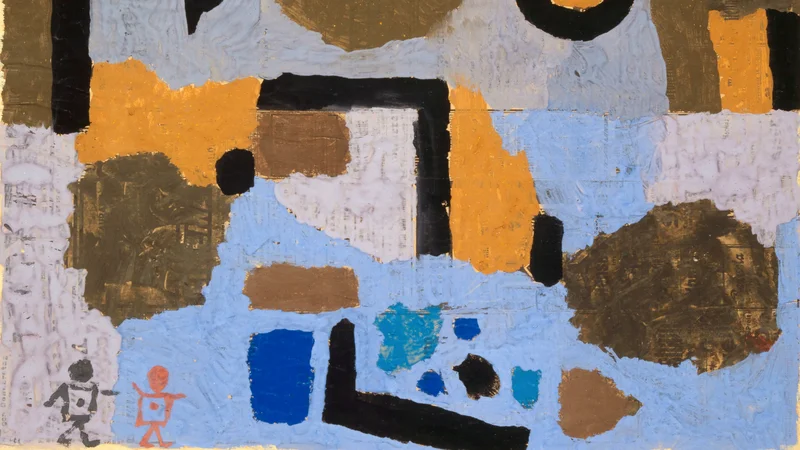
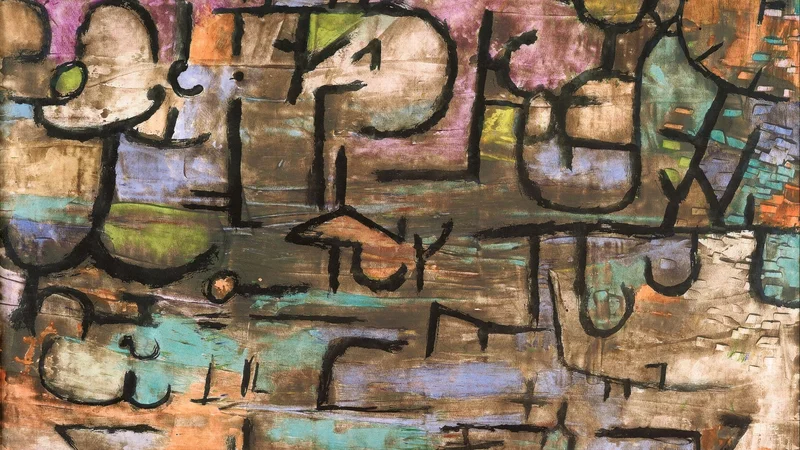
Paul Klee (1879–1940) was a Swiss-born artist whose multifaceted career exerted a profound influence on 20th-century European modernism. Educated at the Munich Academy under Franz von Stuck, Klee moved beyond traditional academic constraints to engage with the core tenets of Expressionism. His work across the 1920s and 1930s serves as a critical bridge between various avant-garde movements, including his significant tenure as a teacher at the Bauhaus. By synthesizing the influences of cubism, surrealism, and abstraction, Klee developed a unique visual vocabulary that emphasized the structural potential of line and color.
Stylistic Development and Key Works
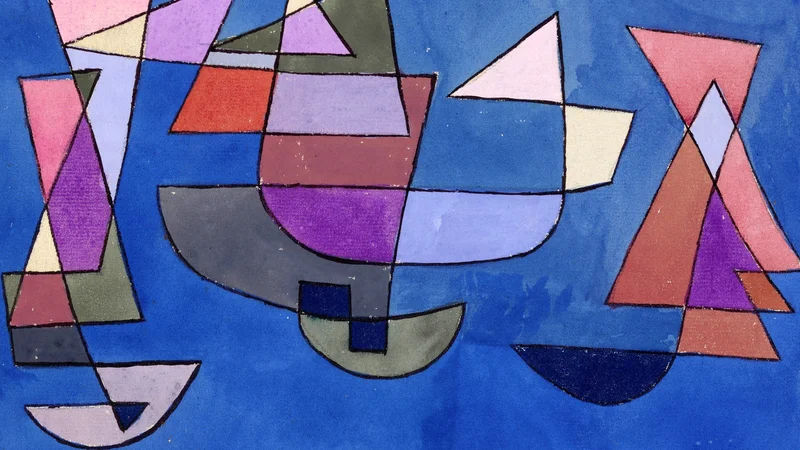
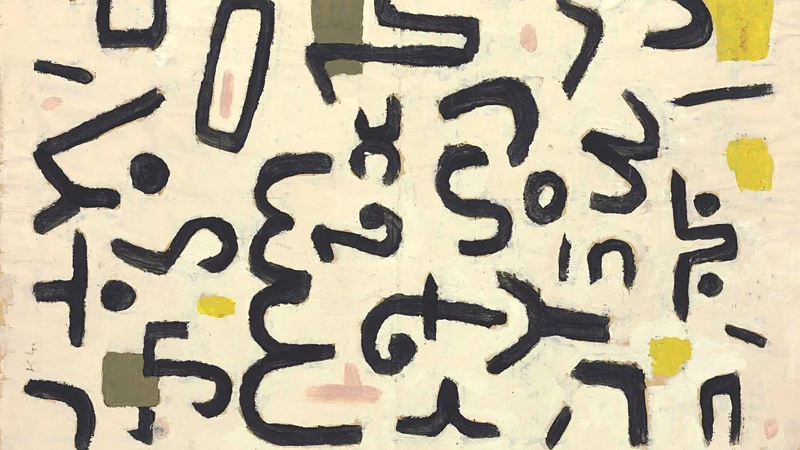
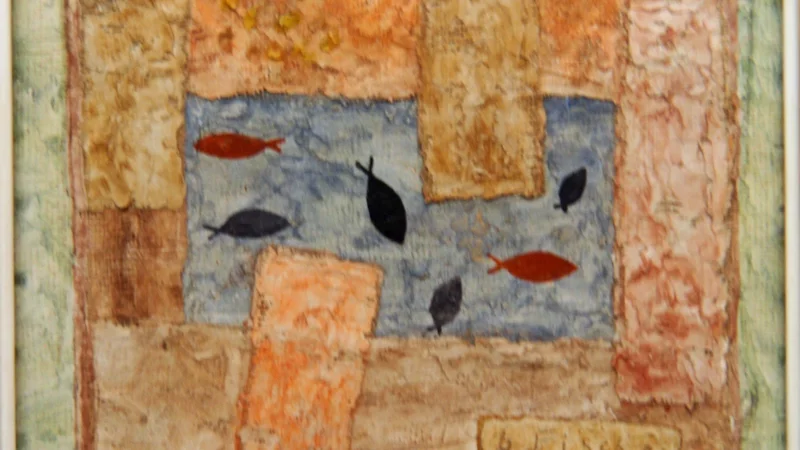
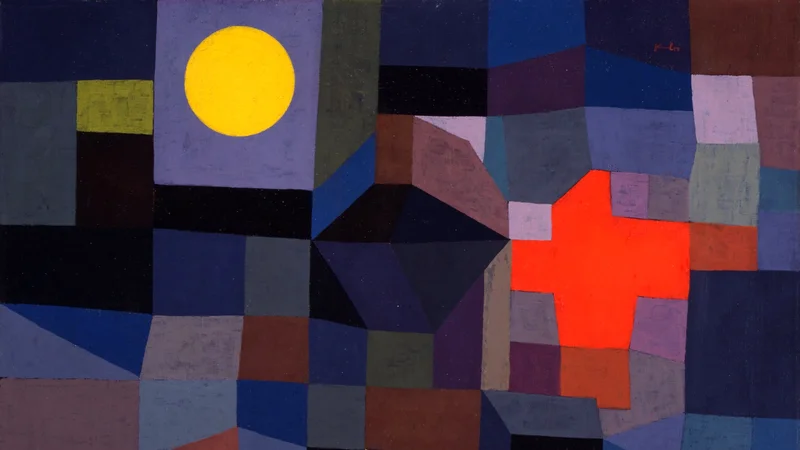
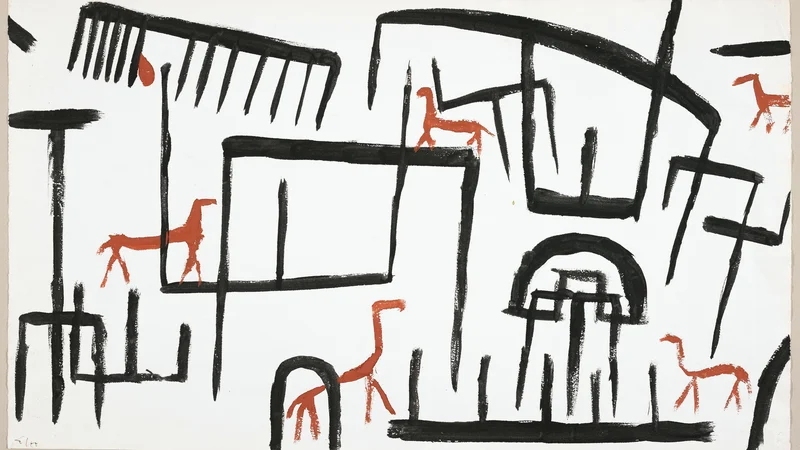
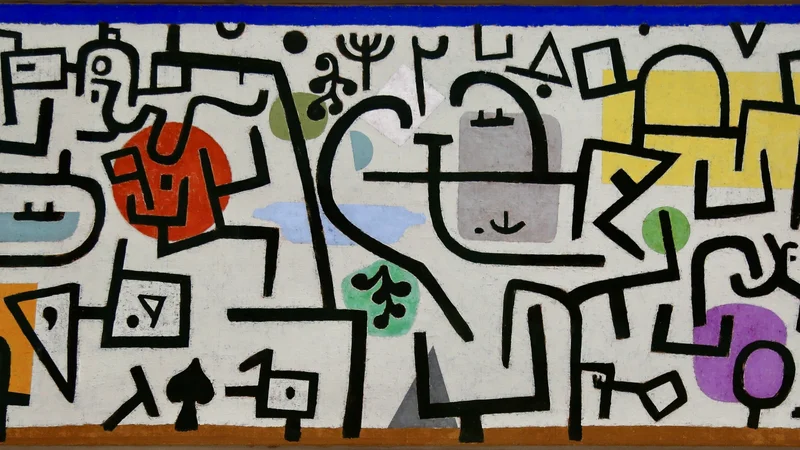
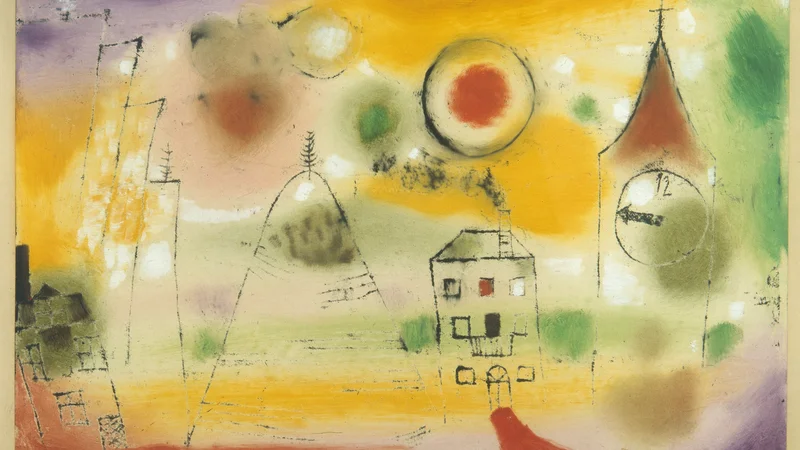
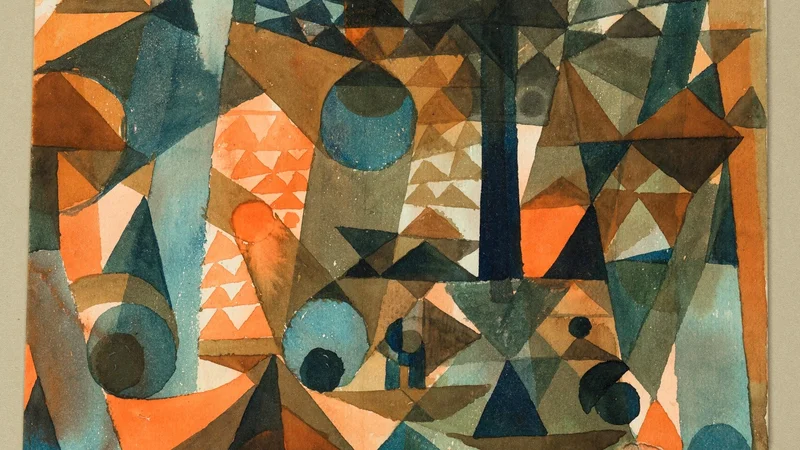
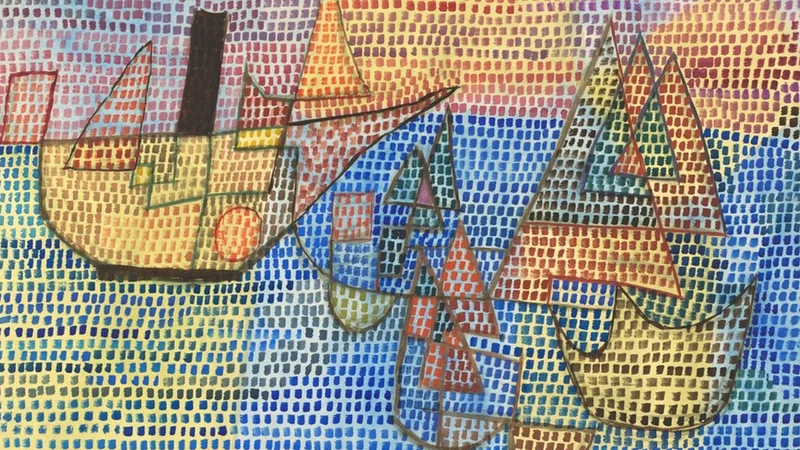
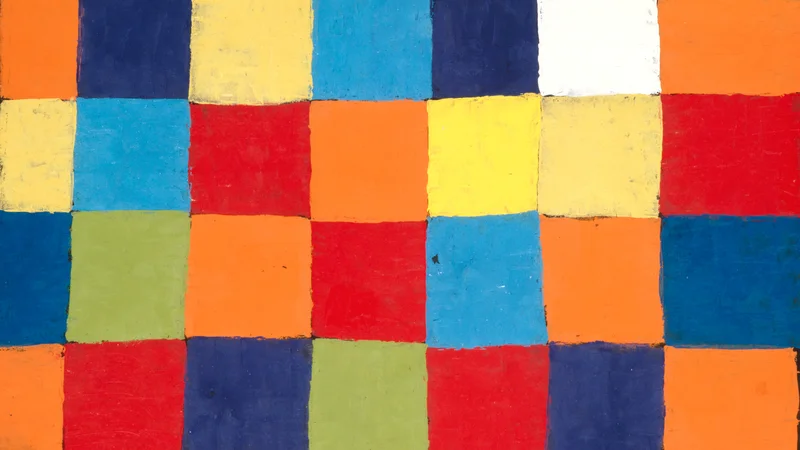
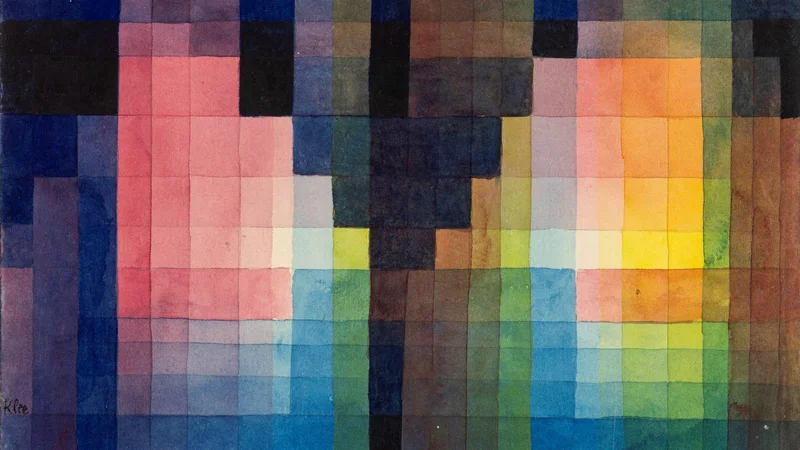
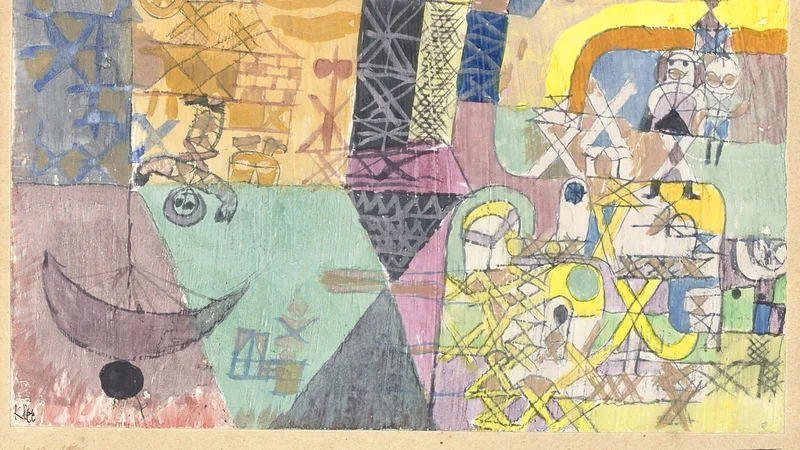
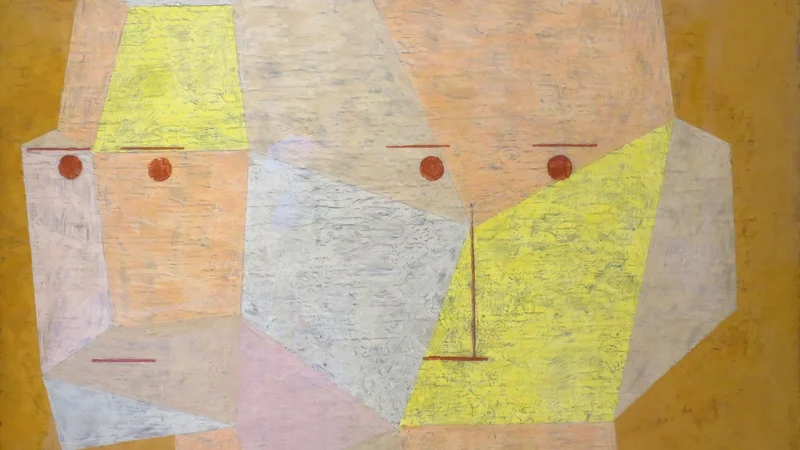
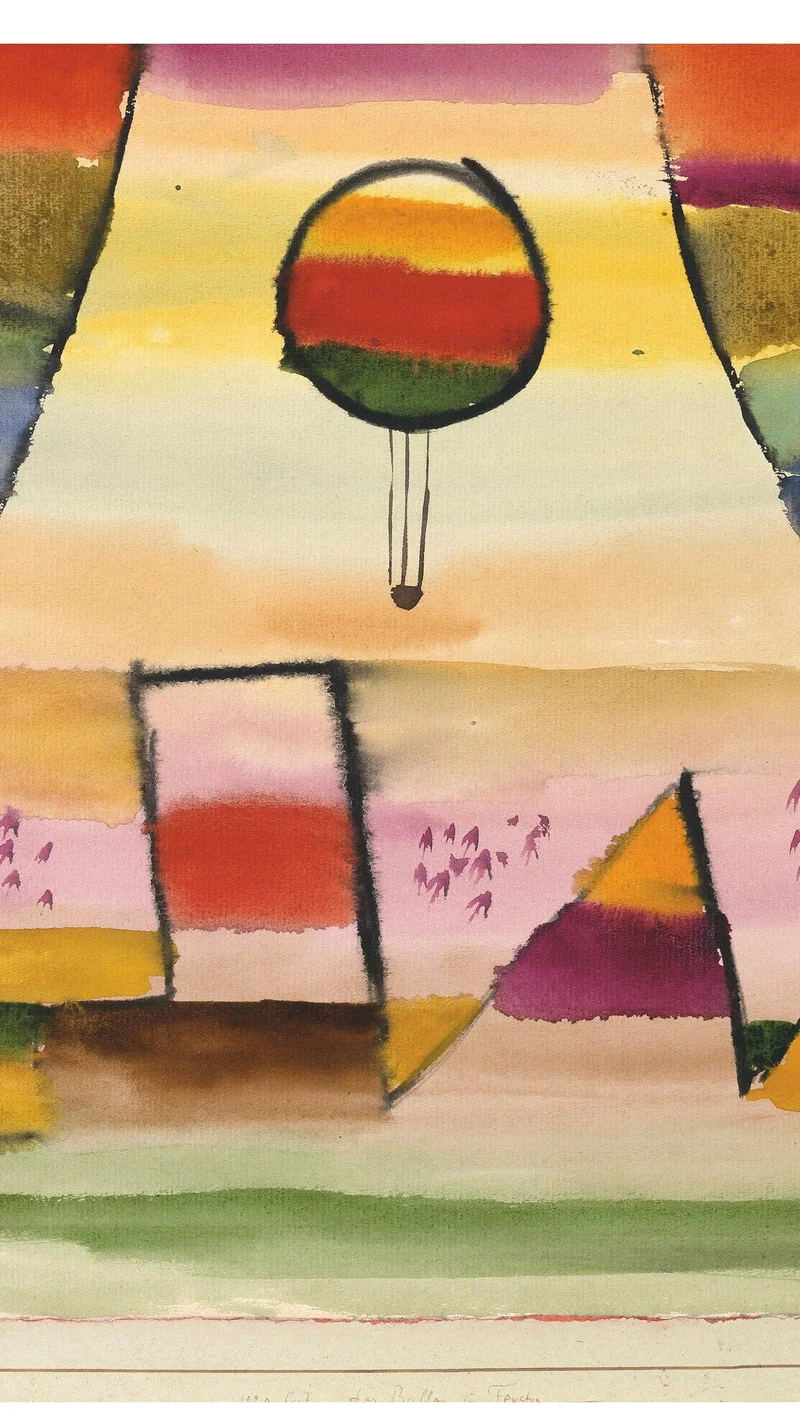
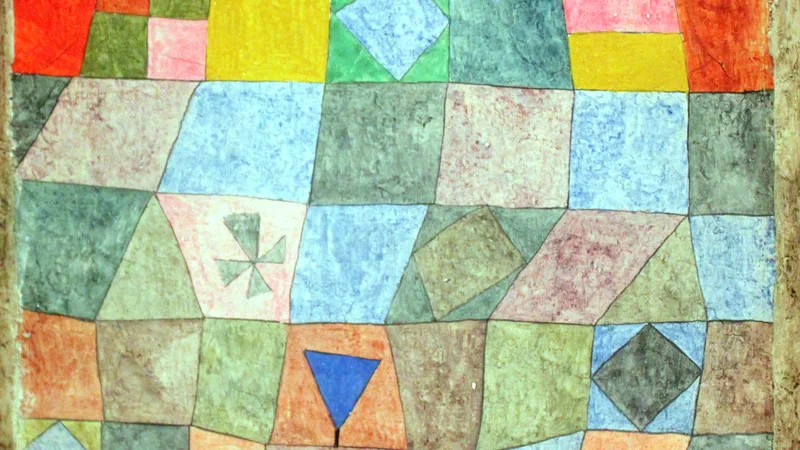
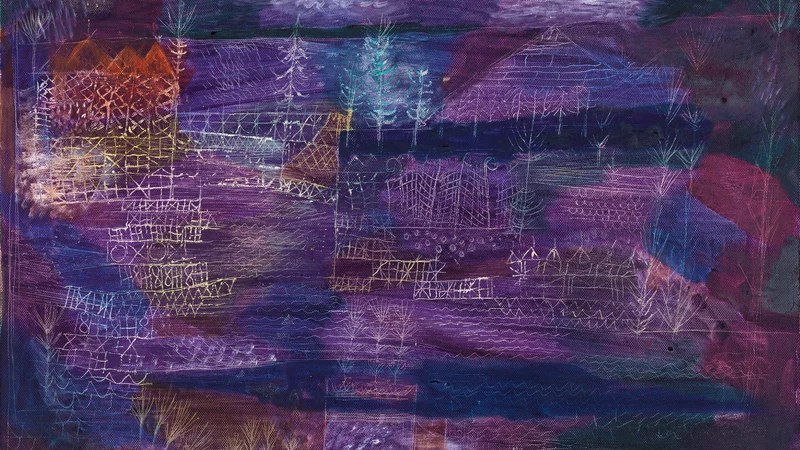
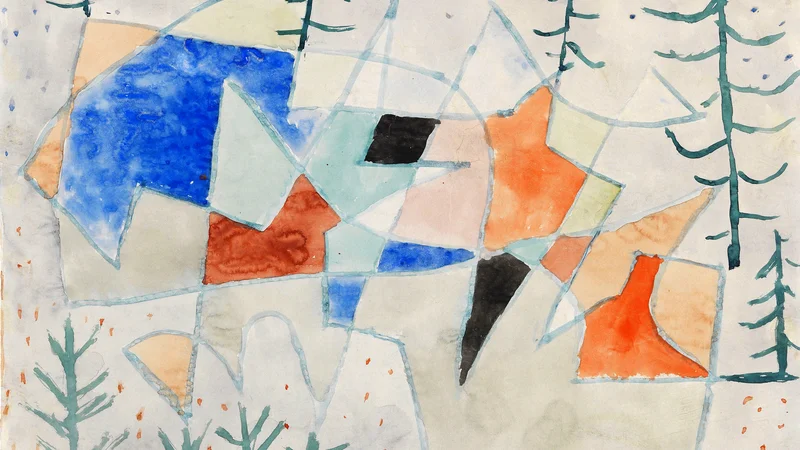
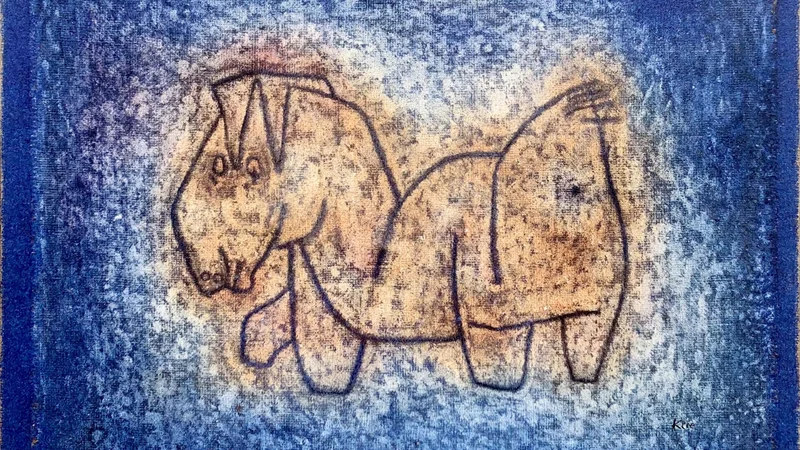
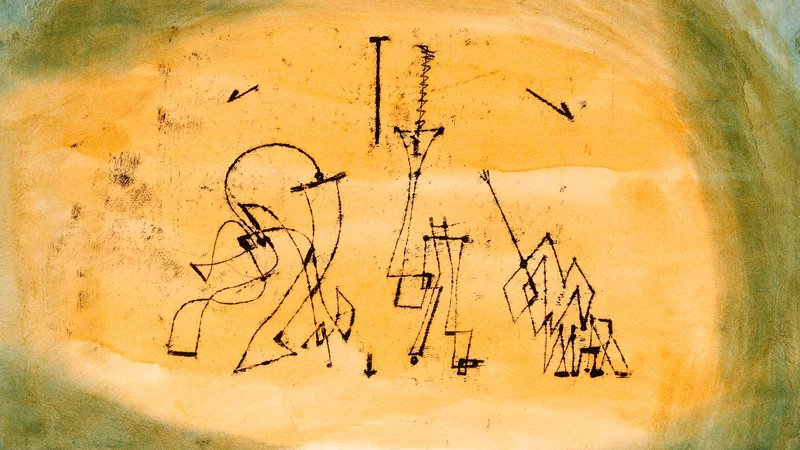
Klee’s technique was characterized by a meticulous, often meditative approach to surface and composition, as seen in his experiments with oil transfer and watercolor. His thematic range was vast, oscillating between the whimsical and the deeply analytical. Works such as Sailing Ships and Rich Harbor demonstrate his rhythmic approach to spatial organization, while Animals in an Enclosure and Six Fish reveal his ability to distill organic forms into essential, semiotic patterns. In compositions like Law and the systematic Colour Table "Qu 1", Klee explored the intersection of logic and intuition, reflecting his ongoing preoccupation with the underlying mechanics of visual perception. His legacy remains defined by this rigorous intellectual curiosity, which fundamentally reshaped the trajectory of abstract art.