Michelangelo da Caravaggio
53 artworks
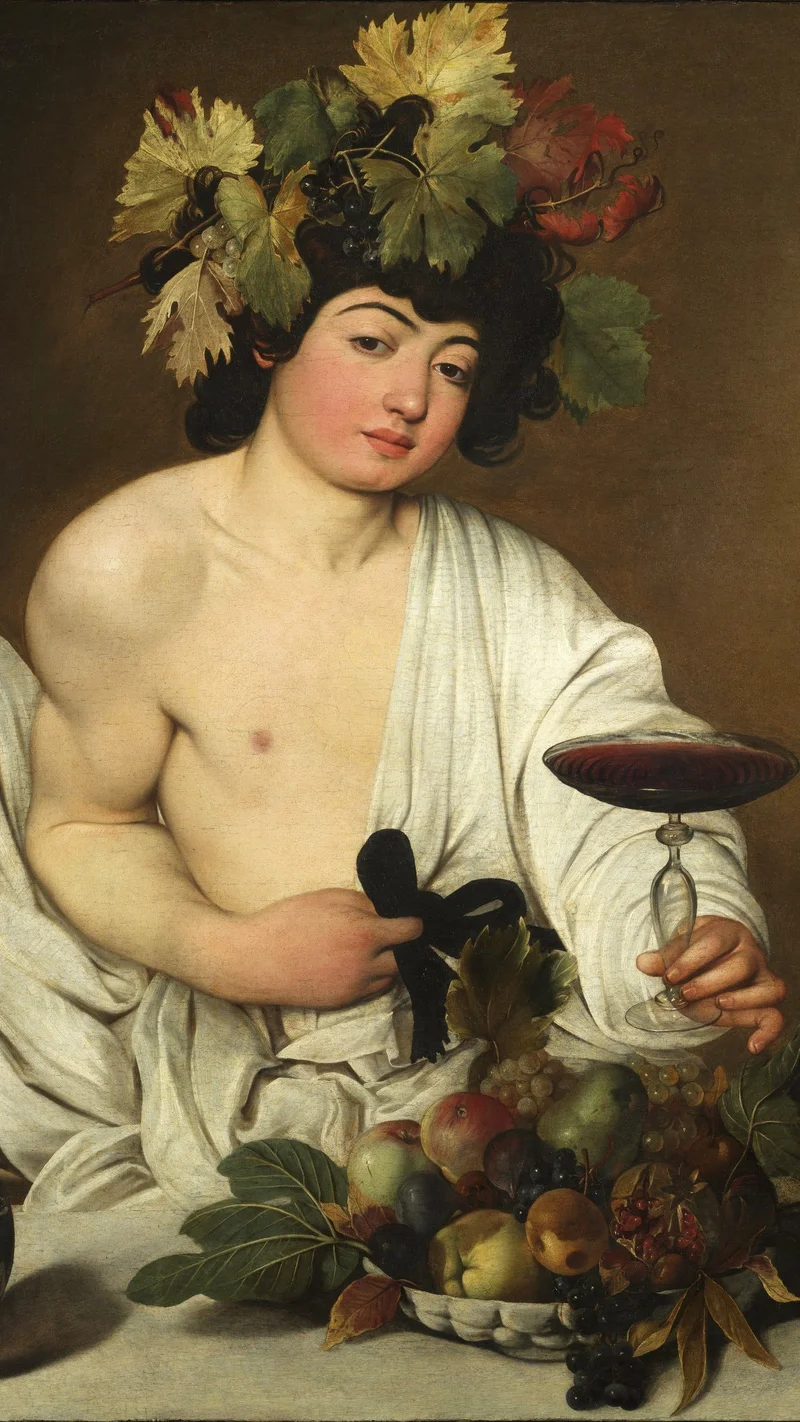
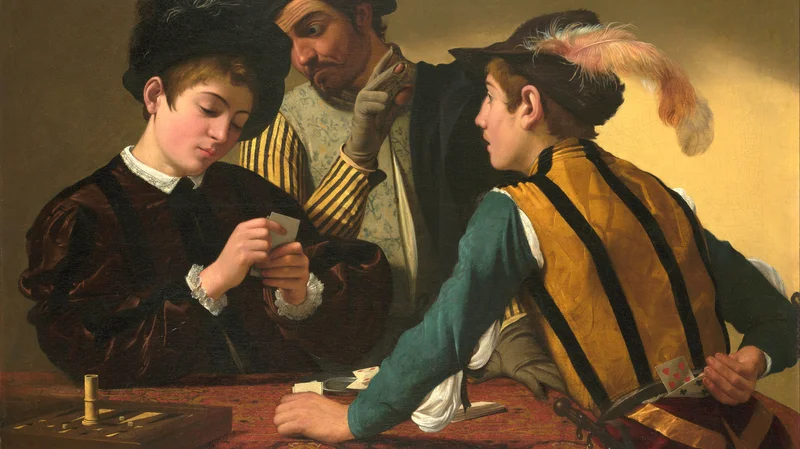
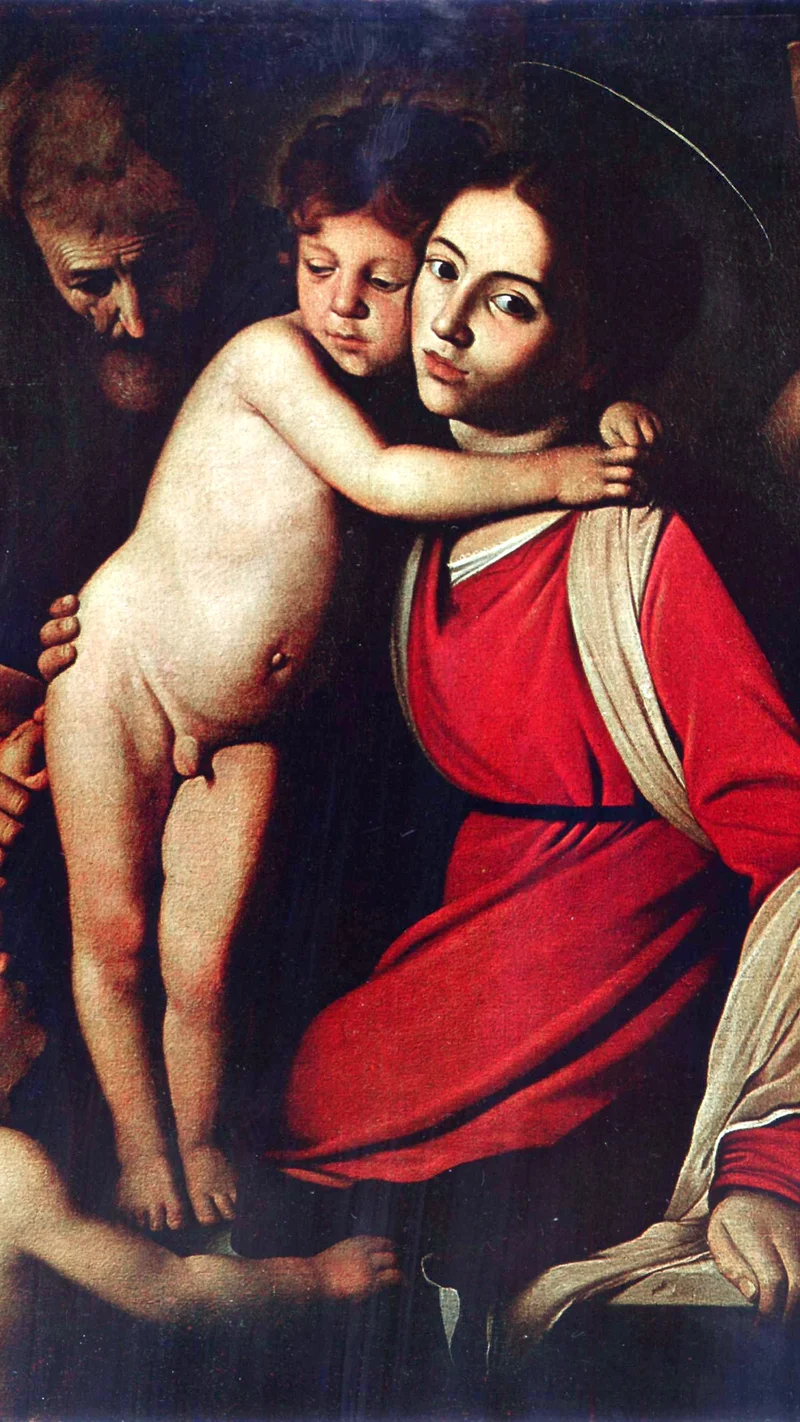
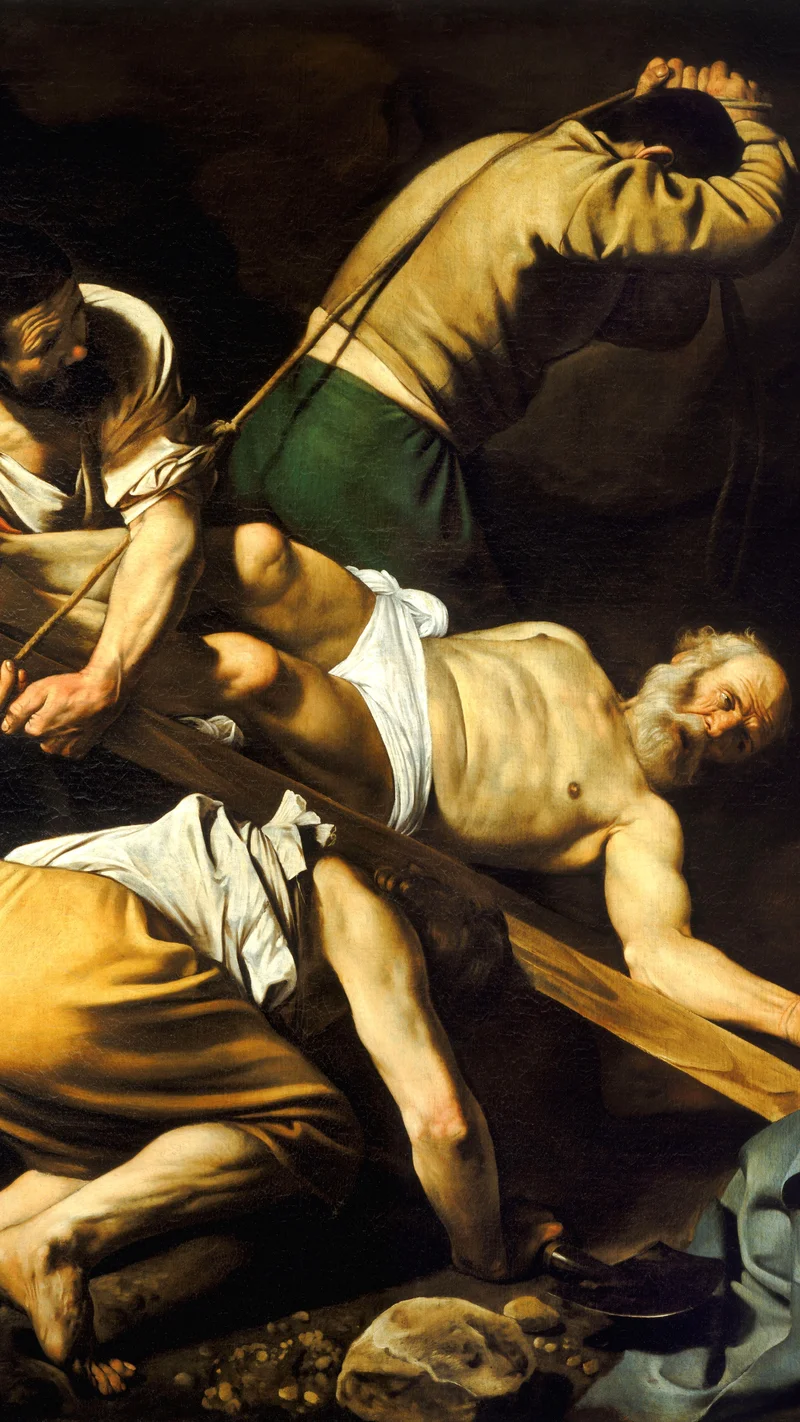
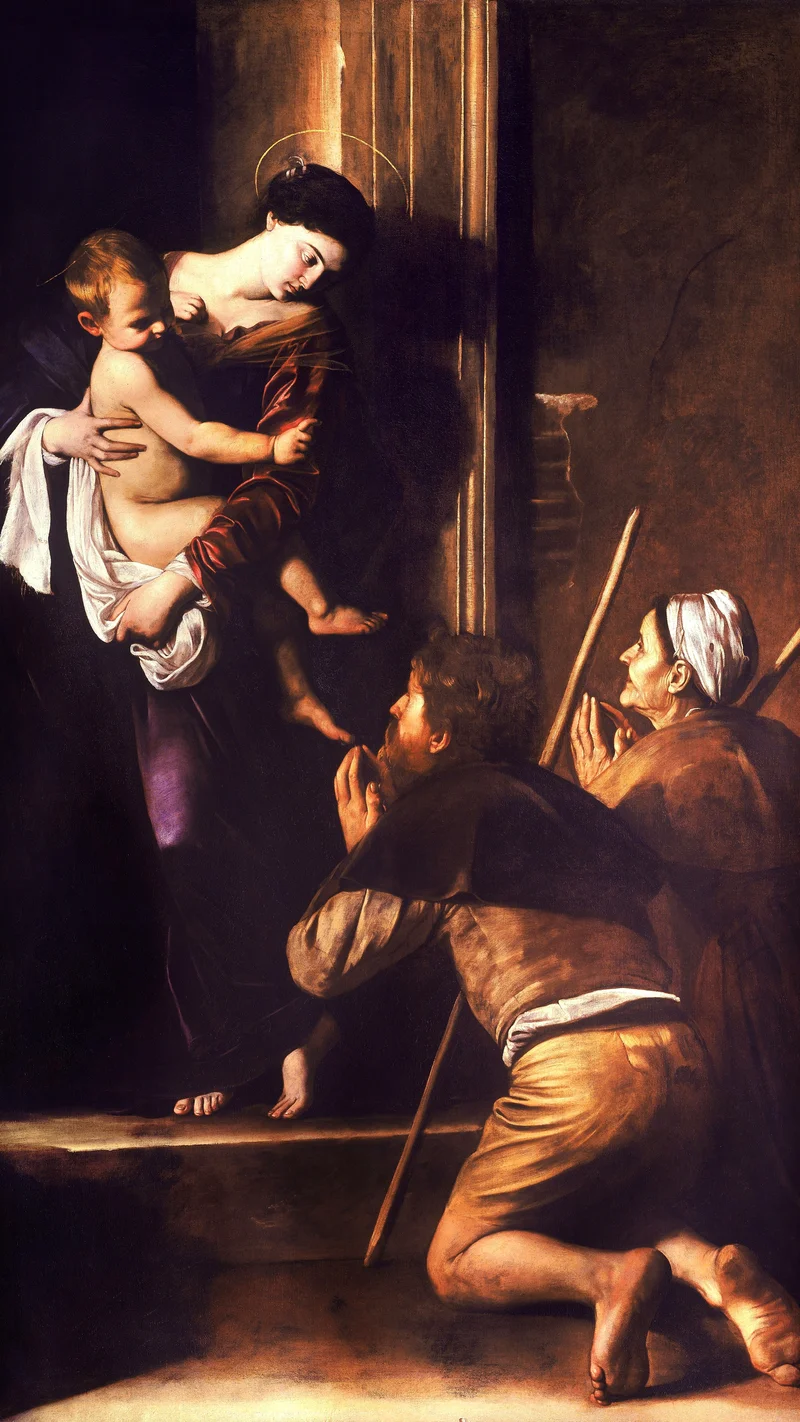
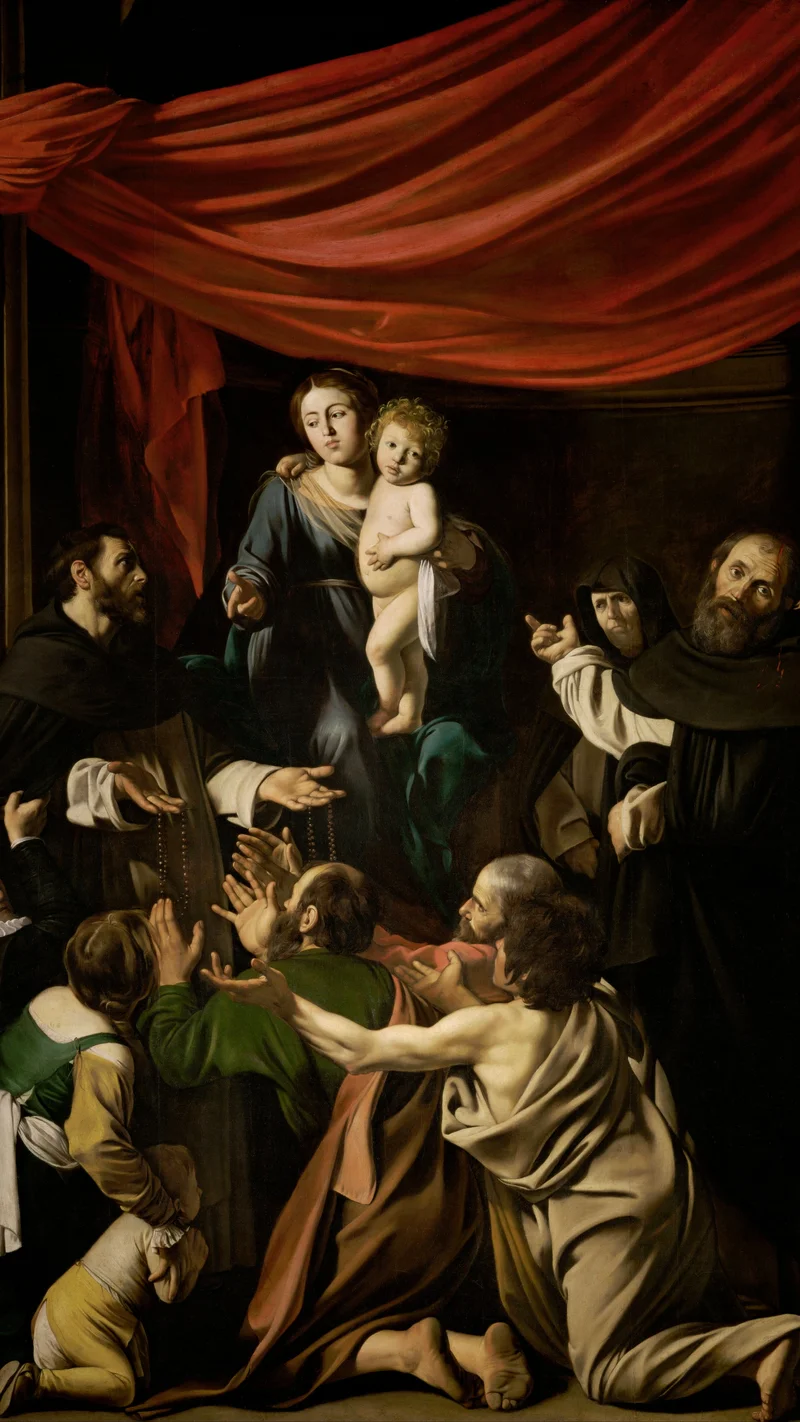
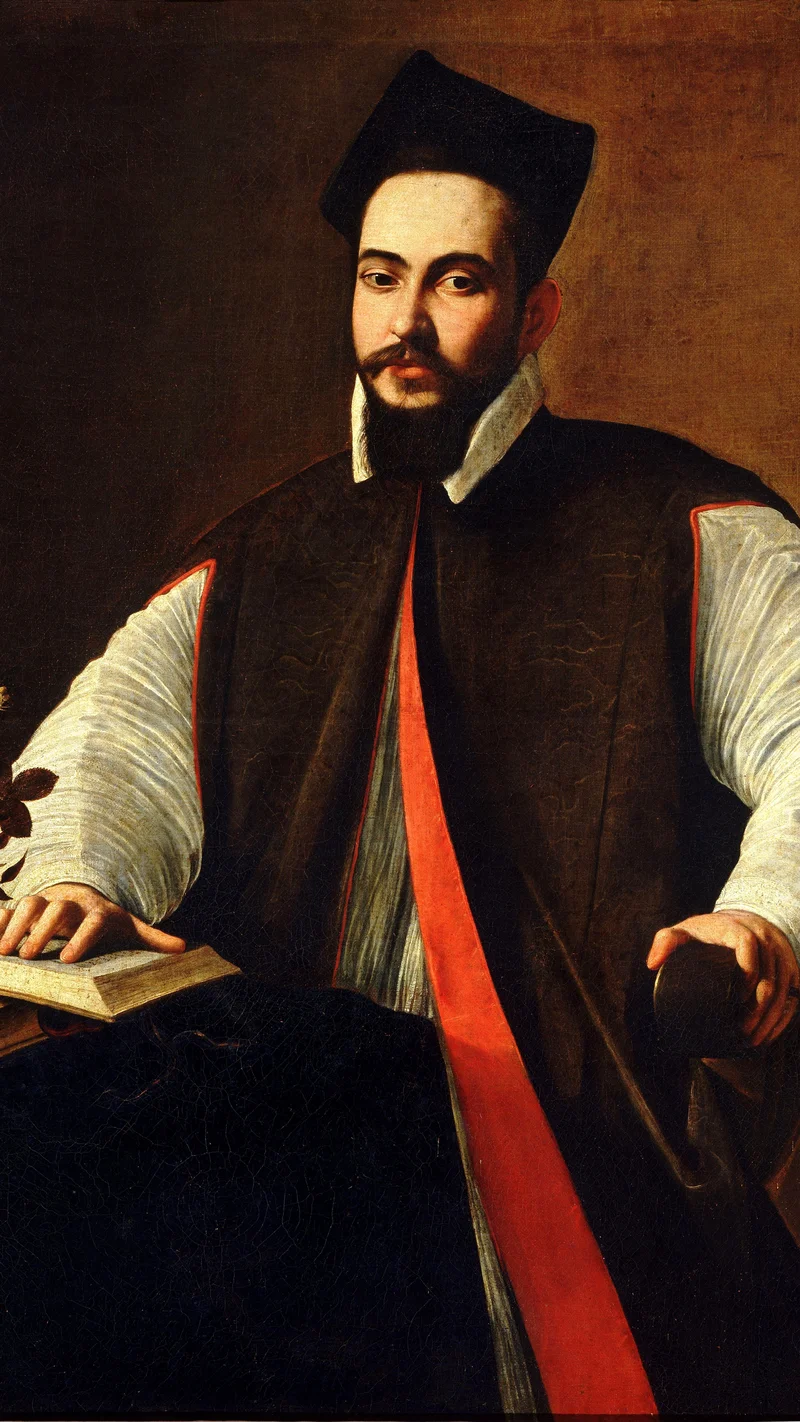
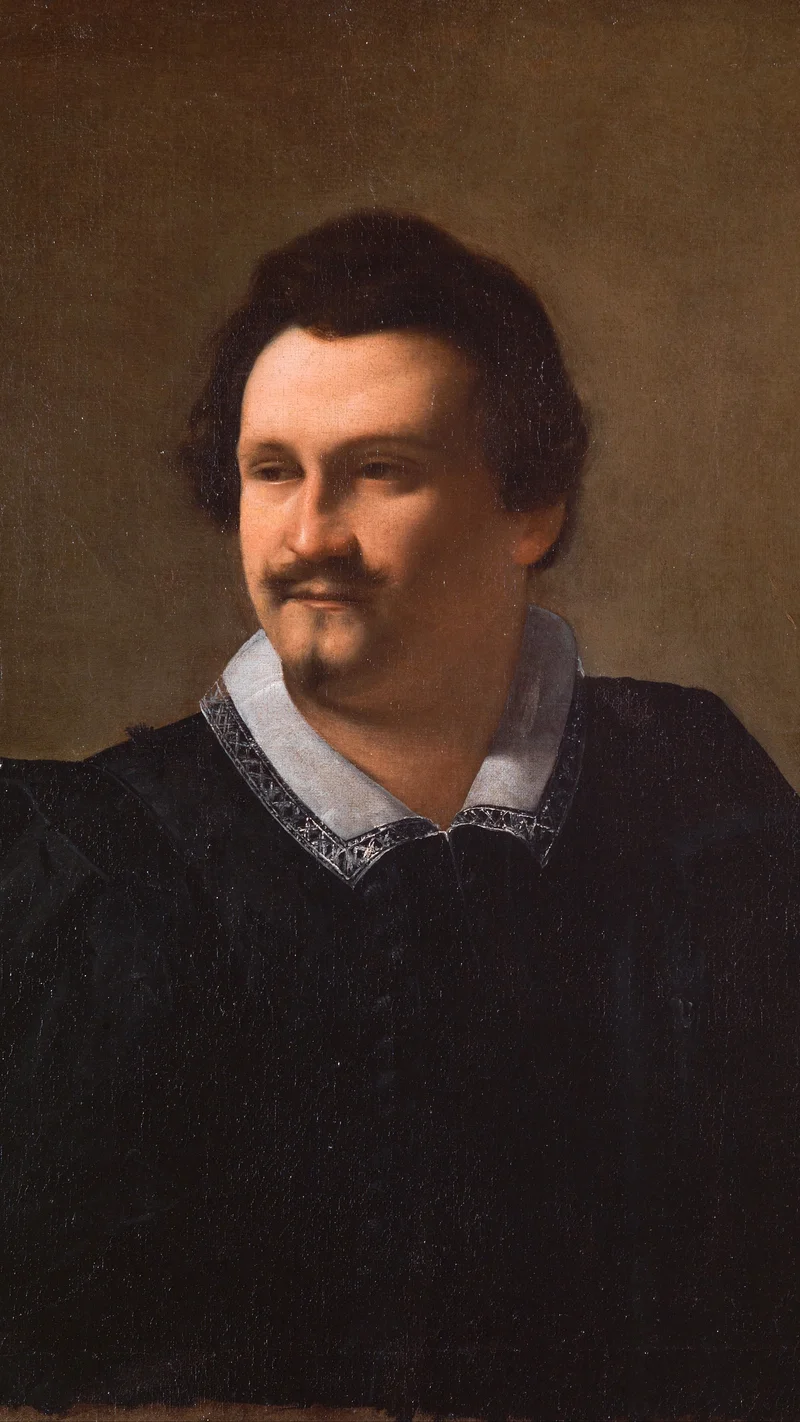
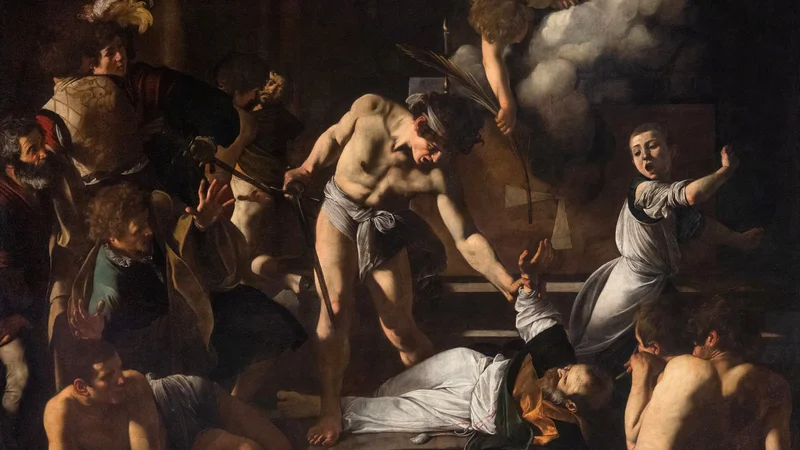
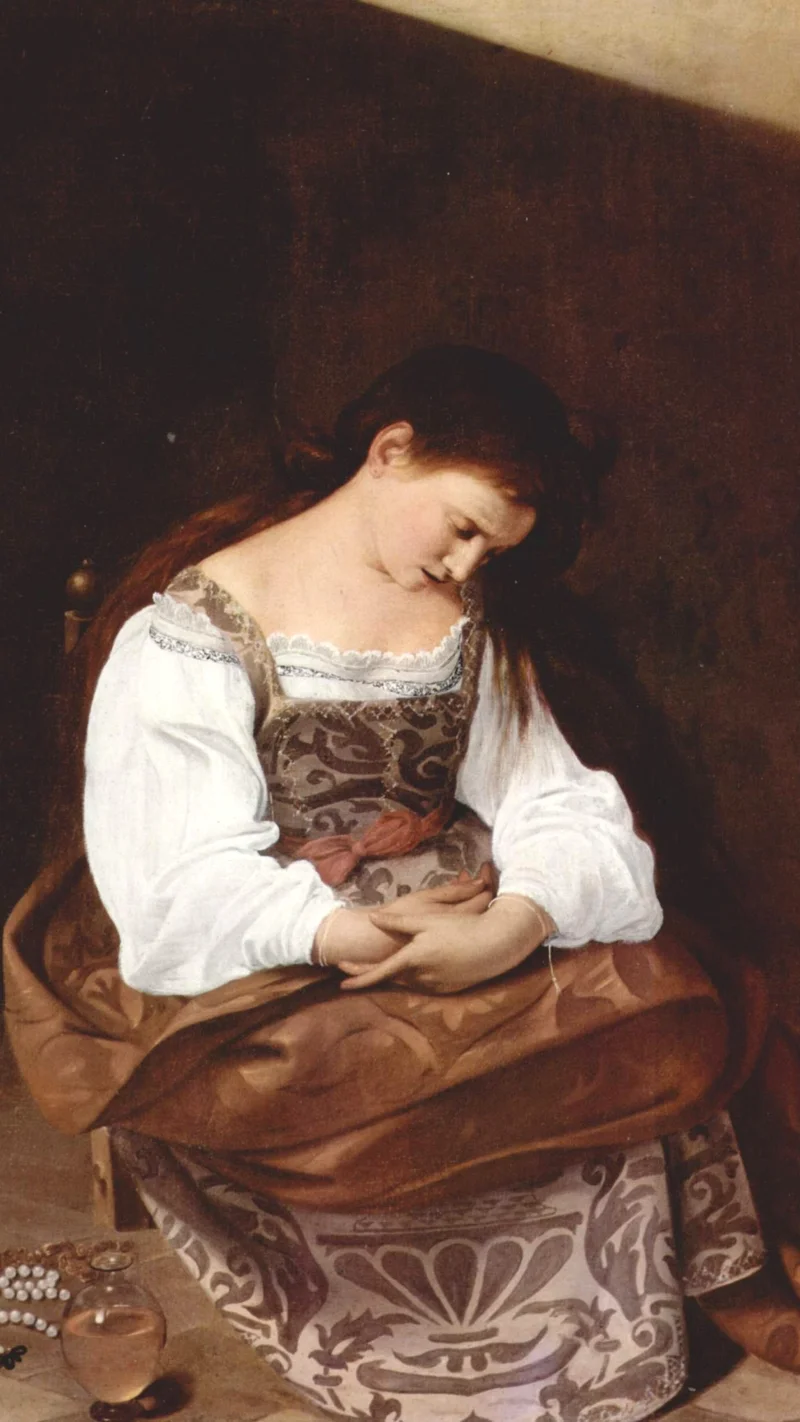
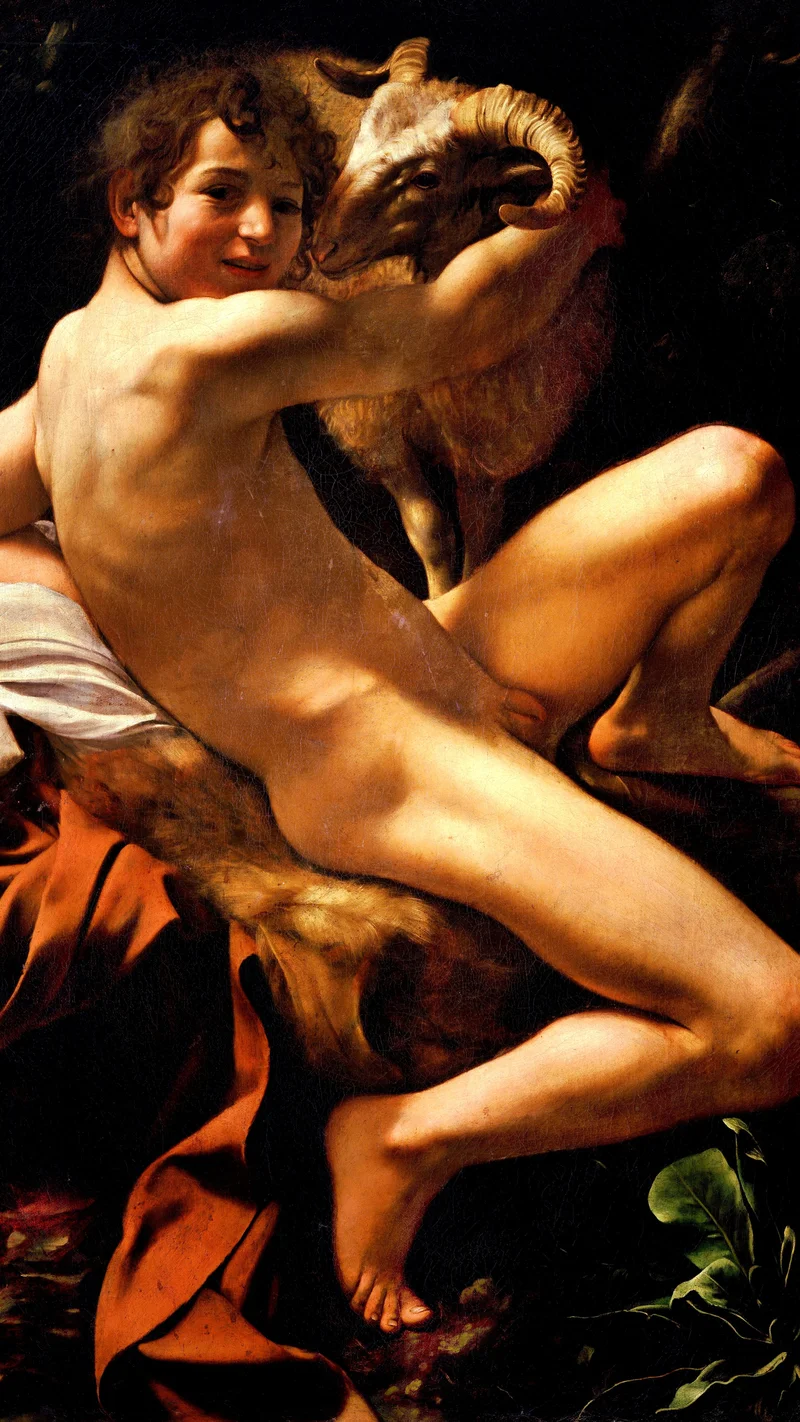
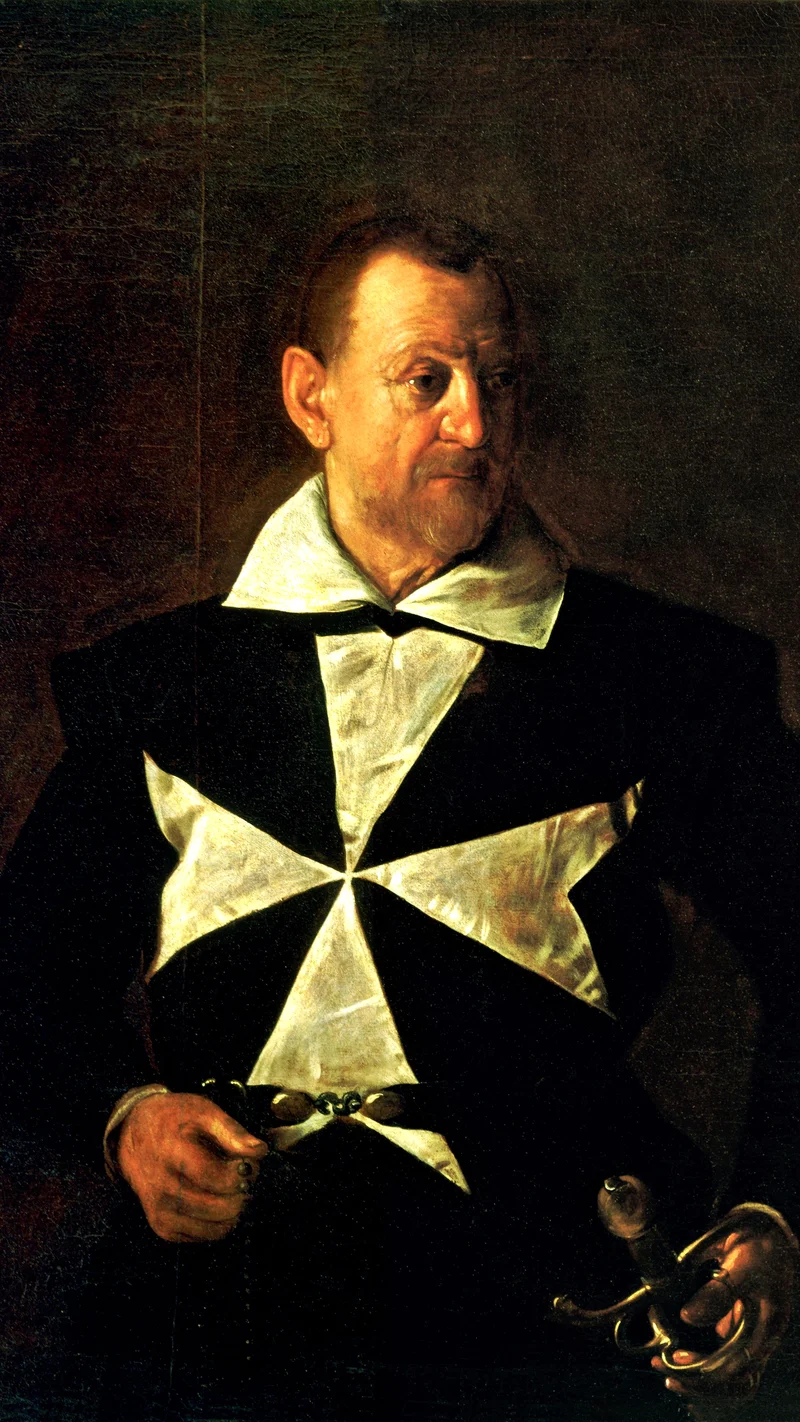
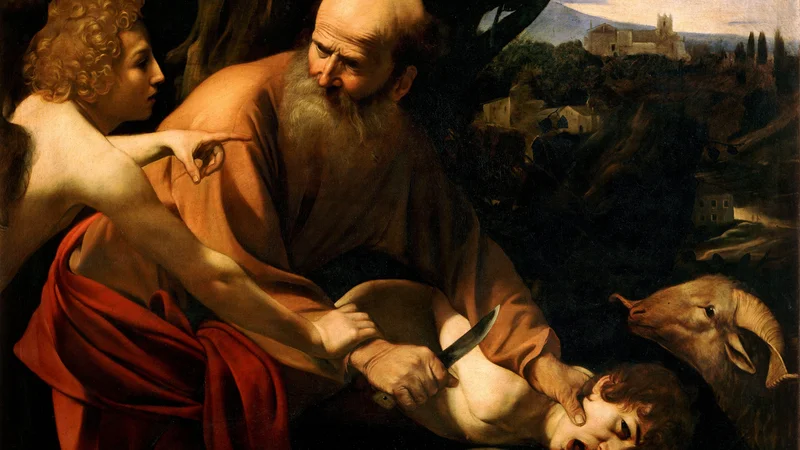
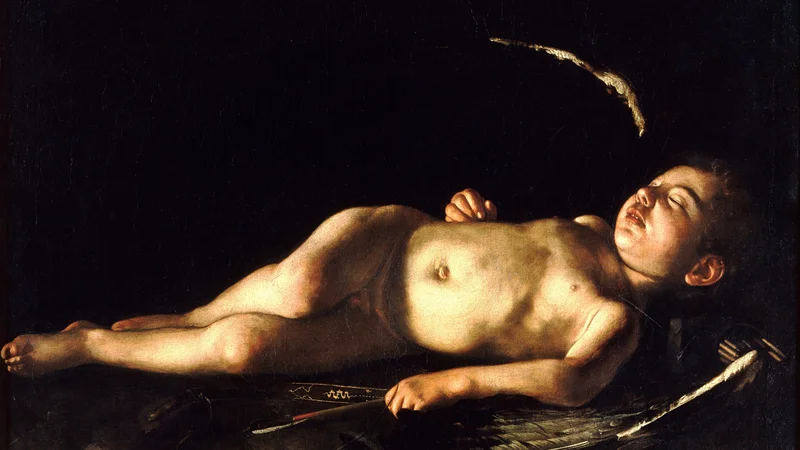
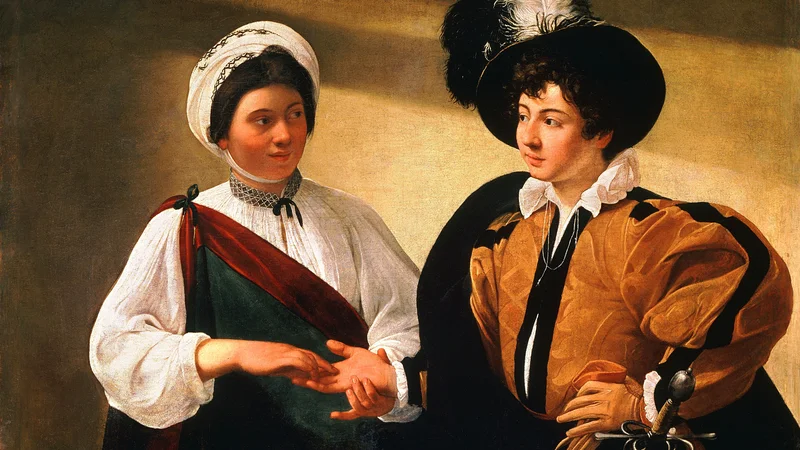
Michelangelo Merisi da Caravaggio (1571–1610) was an Italian painter whose work emerged in Rome during the final years of the sixteenth century, marking the transition from the Mannerist tradition toward the Baroque. Trained initially in Milan under Simone Peterzano, a pupil of Titian, Caravaggio moved to Rome around 1592, where he quickly gained patronage from influential figures such as Cardinal Francesco Maria del Borbone. His early career was defined by a rejection of the idealized forms prevalent in contemporary painting, opting instead for a gritty, uncompromising naturalism that brought an unprecedented sense of psychological immediacy to religious and secular subjects.
Stylistic Innovation and Key Works
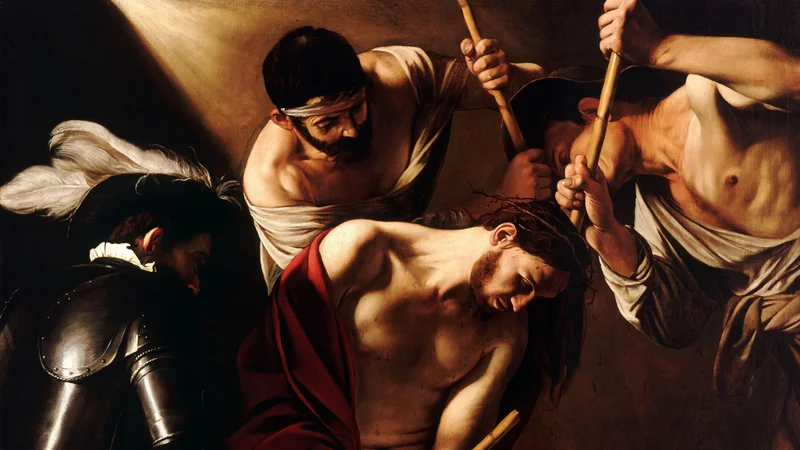
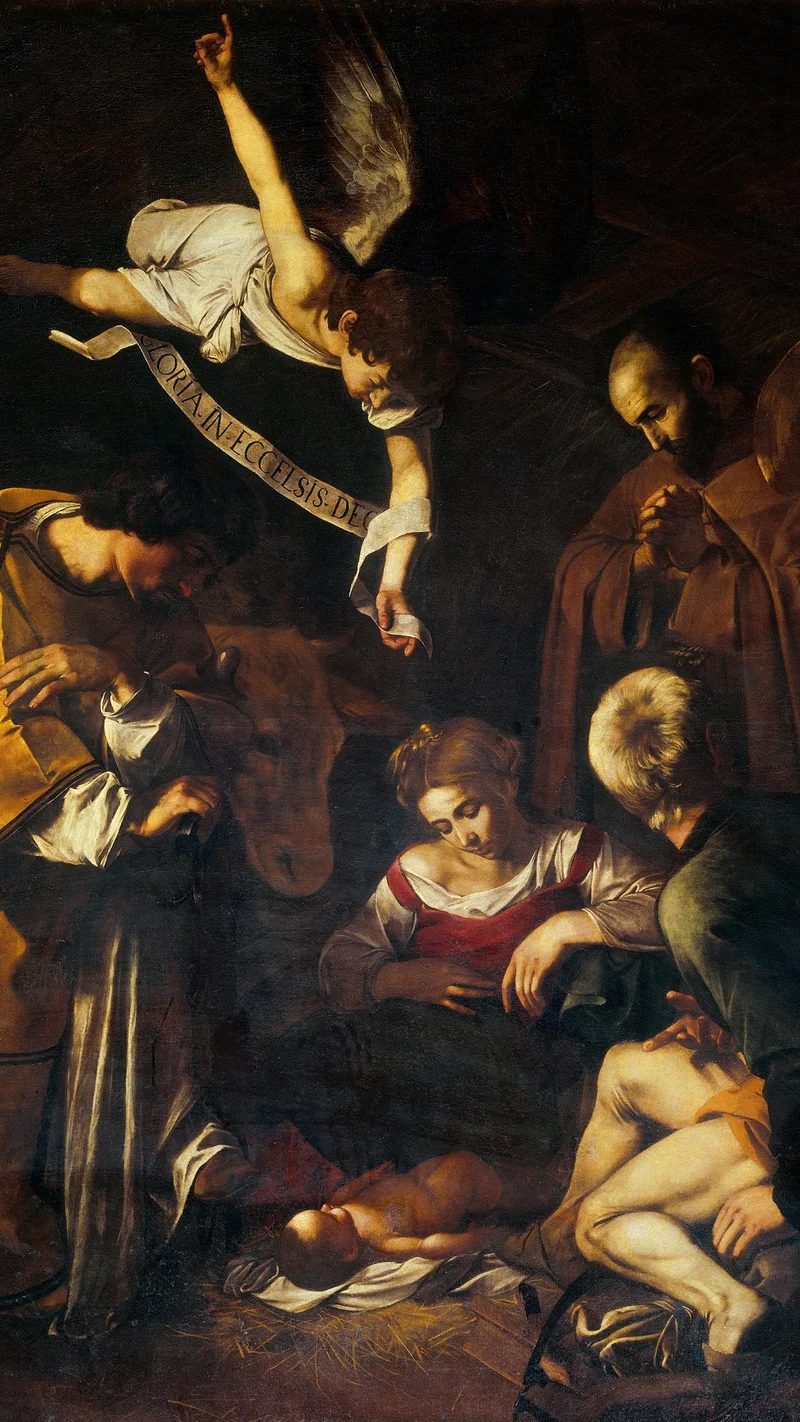
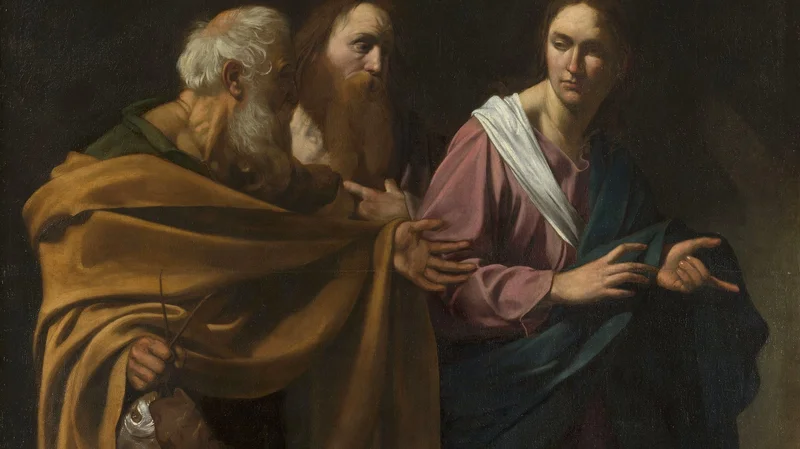
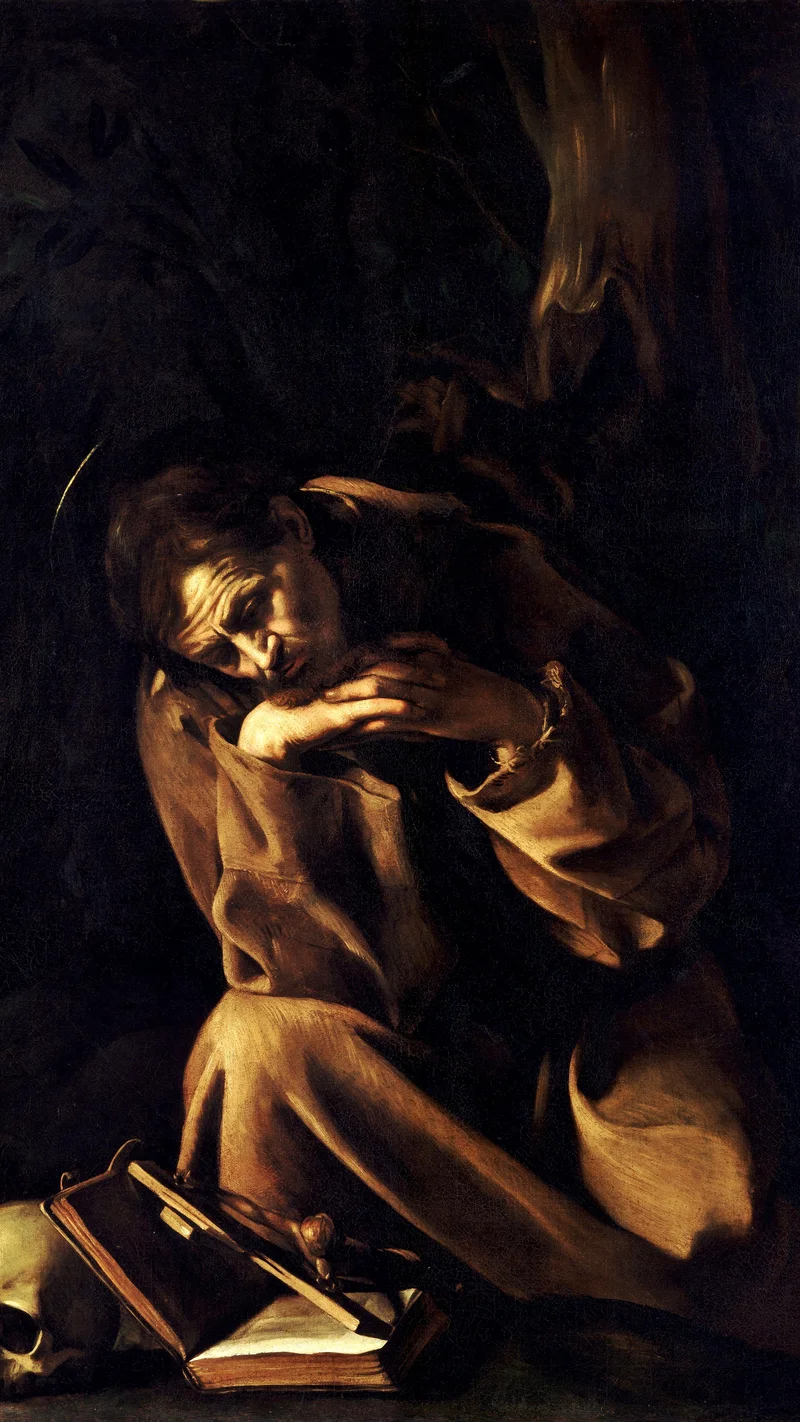
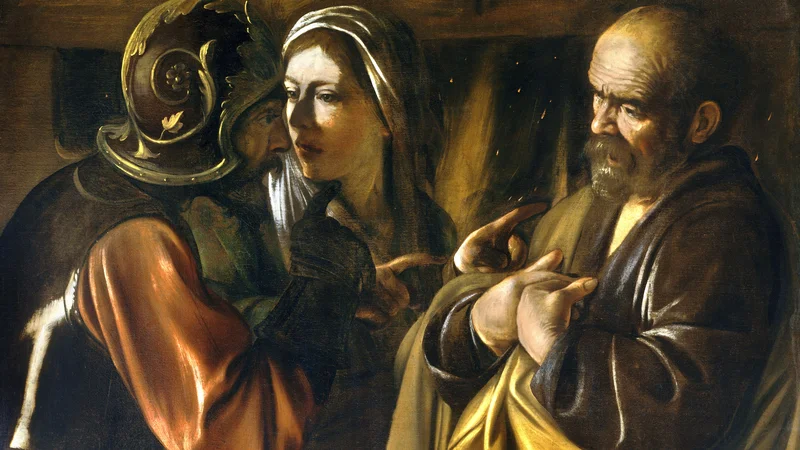
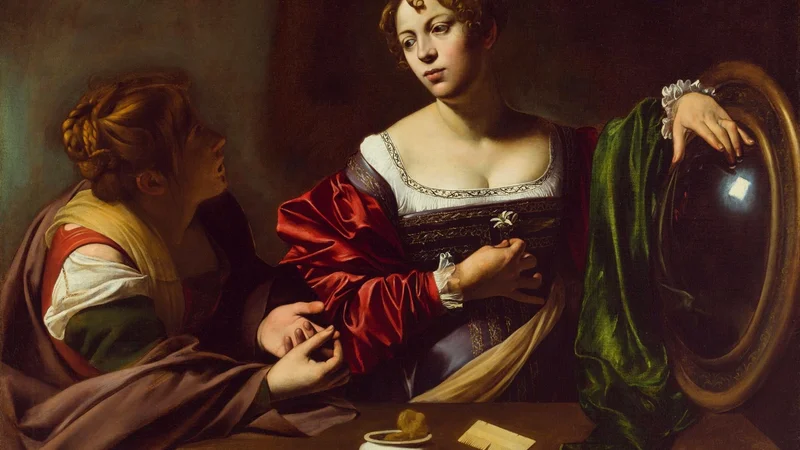
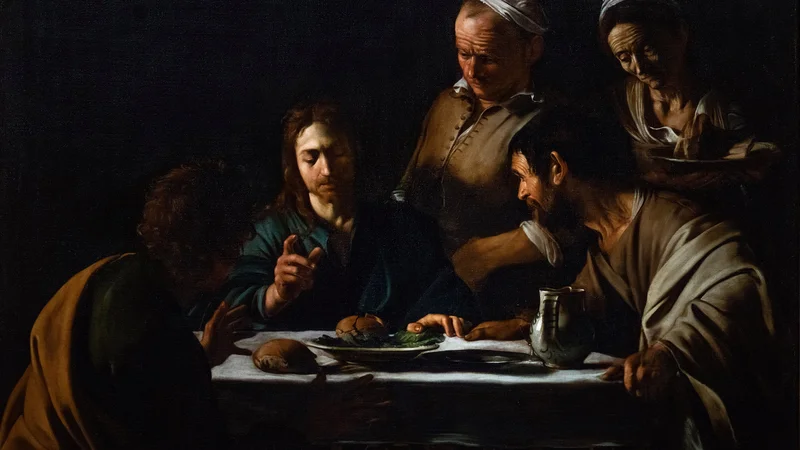
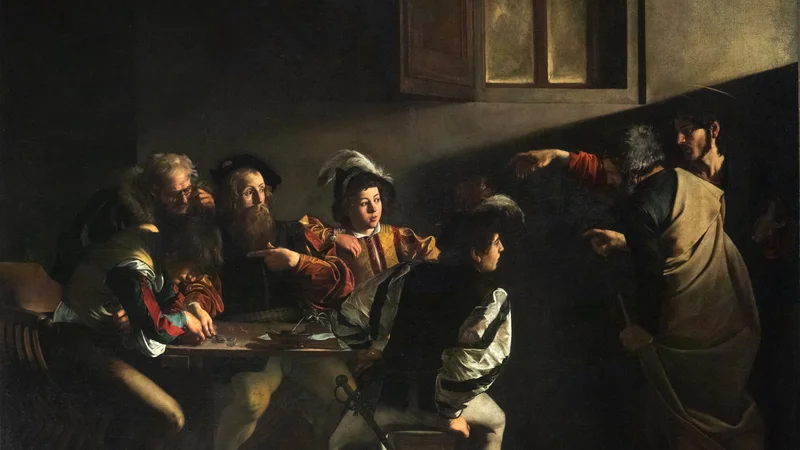
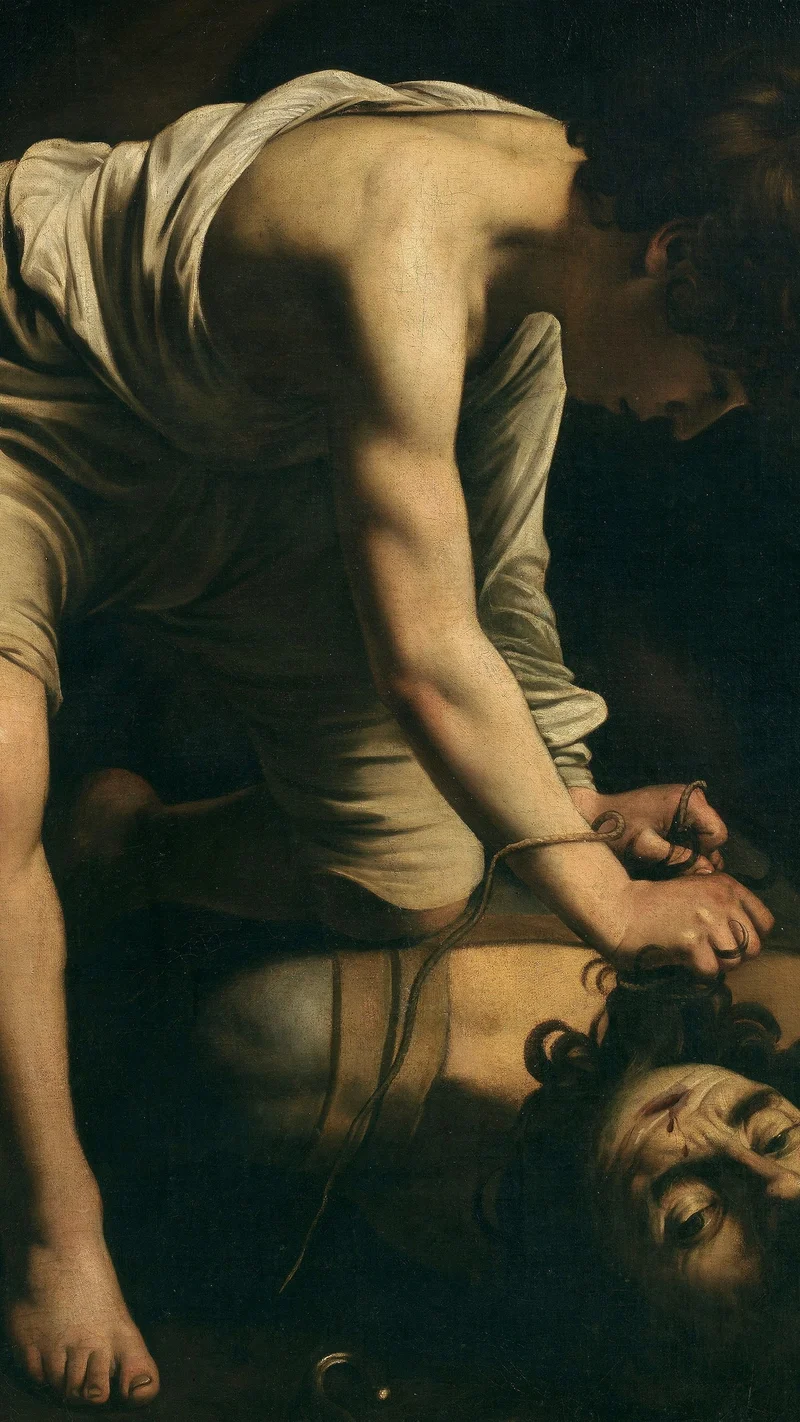
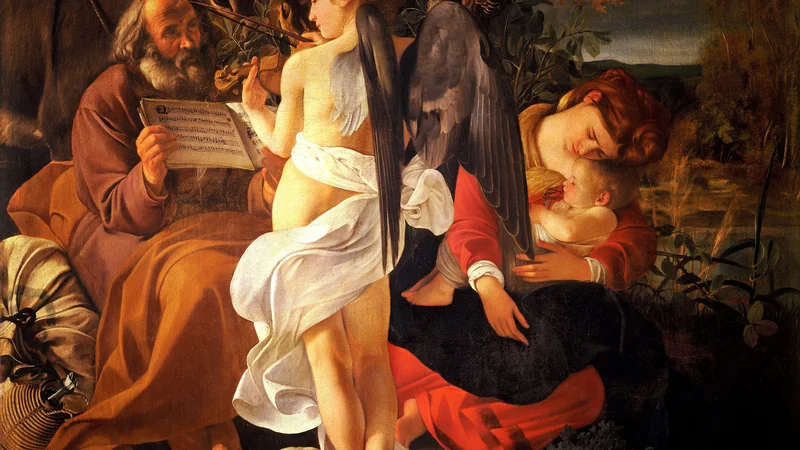
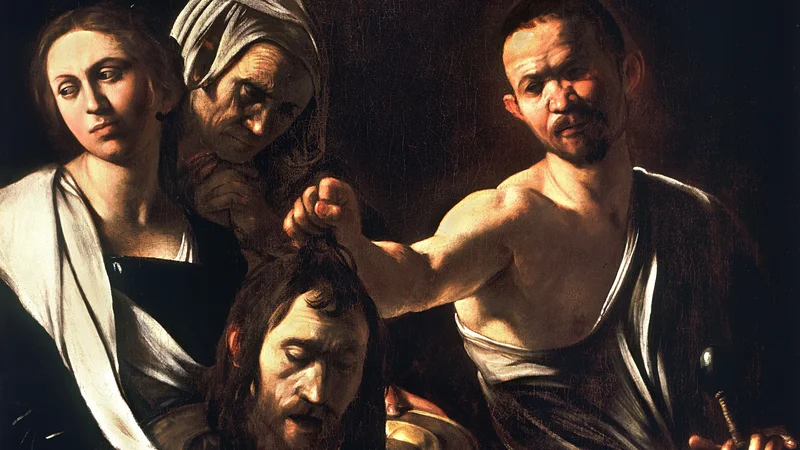
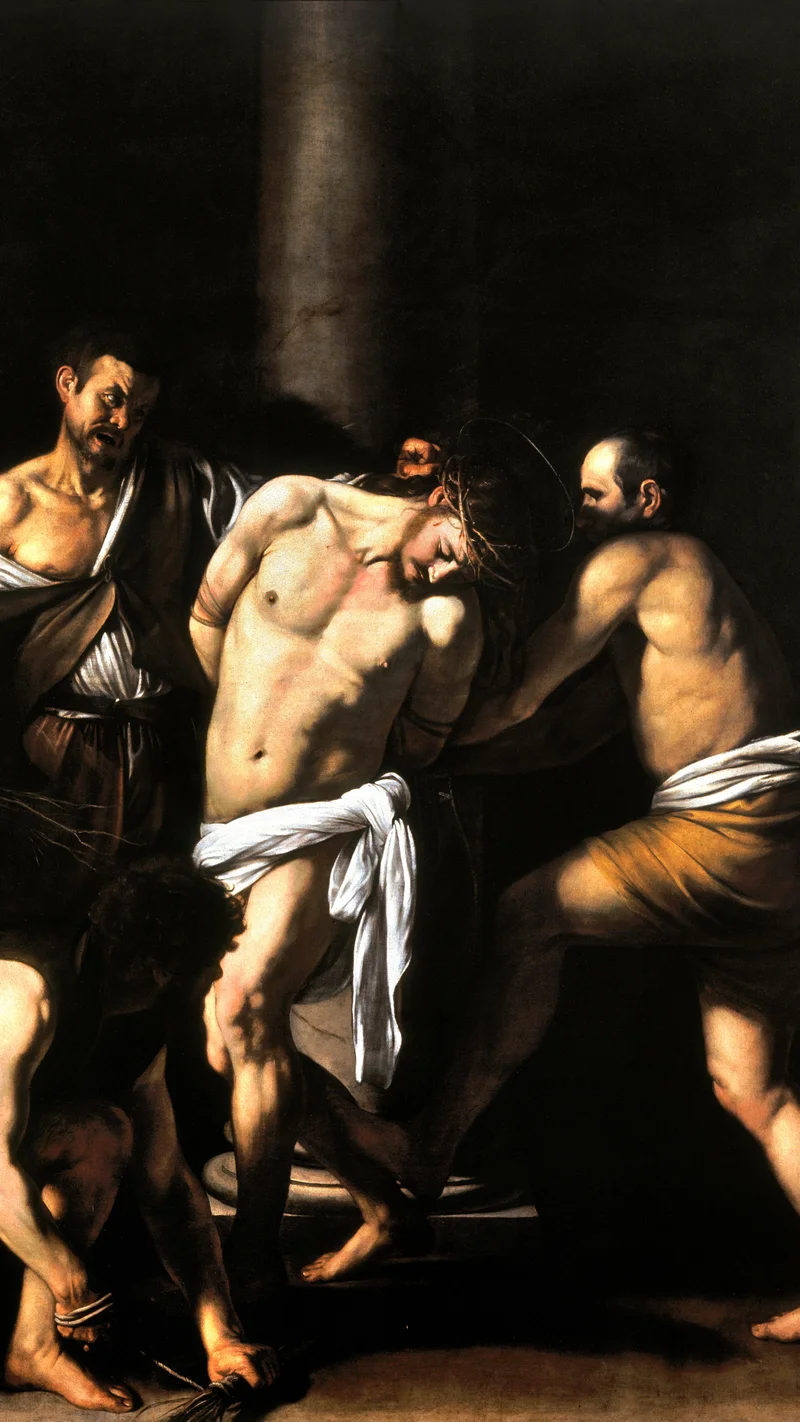
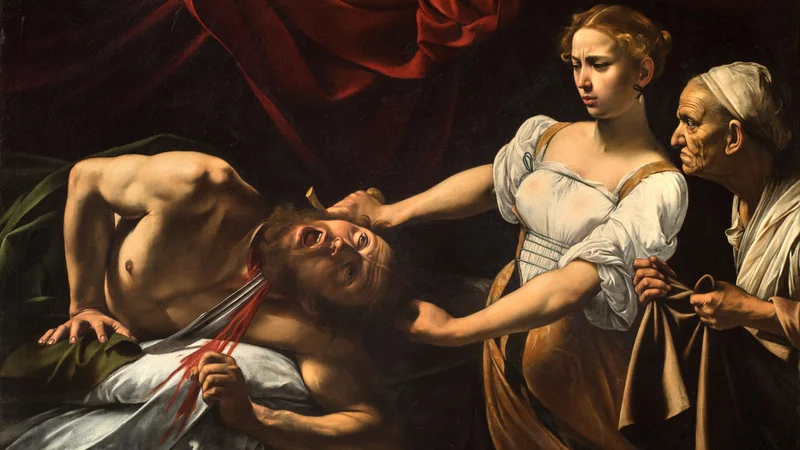
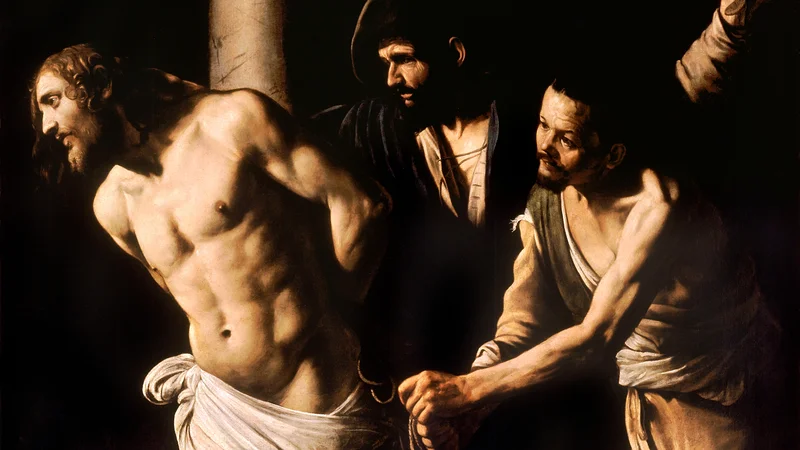
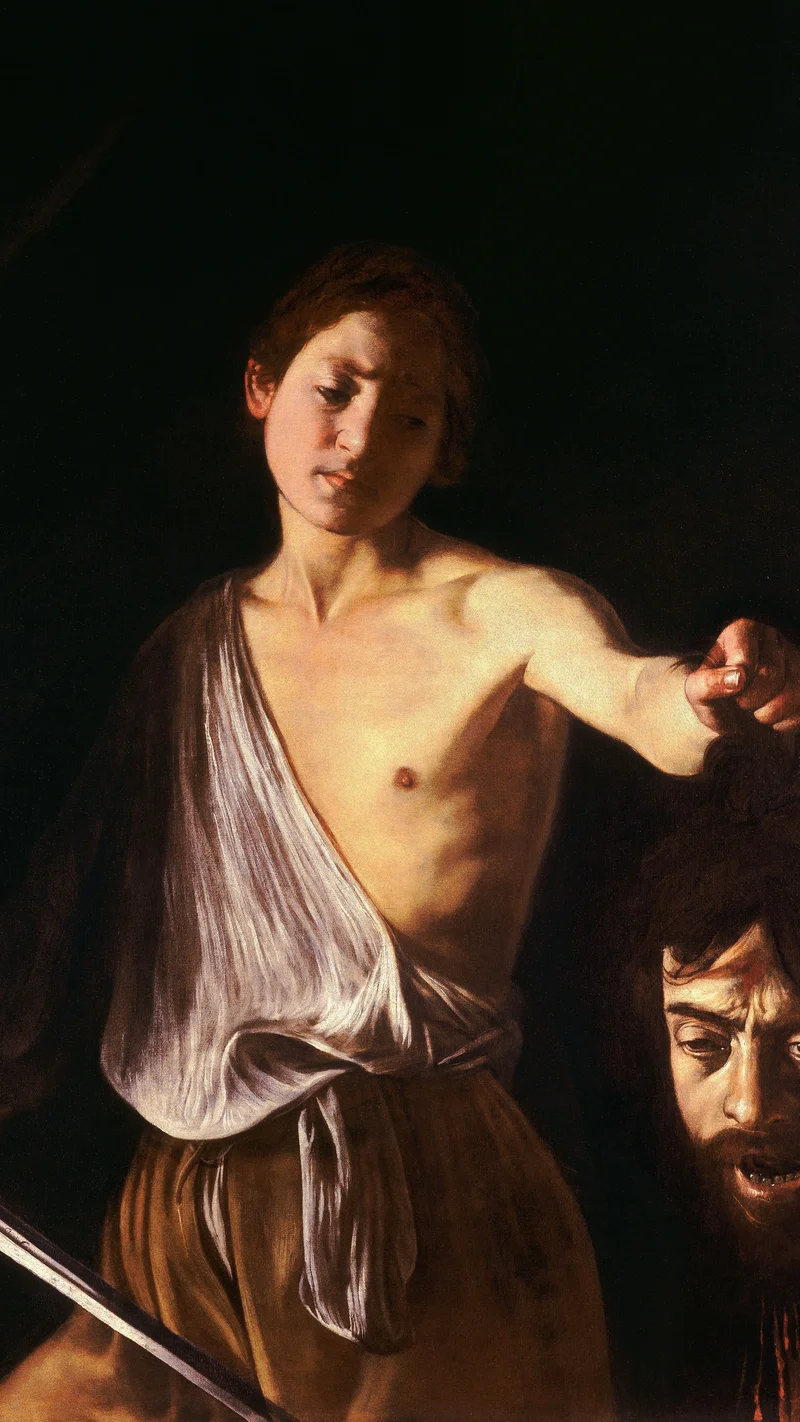
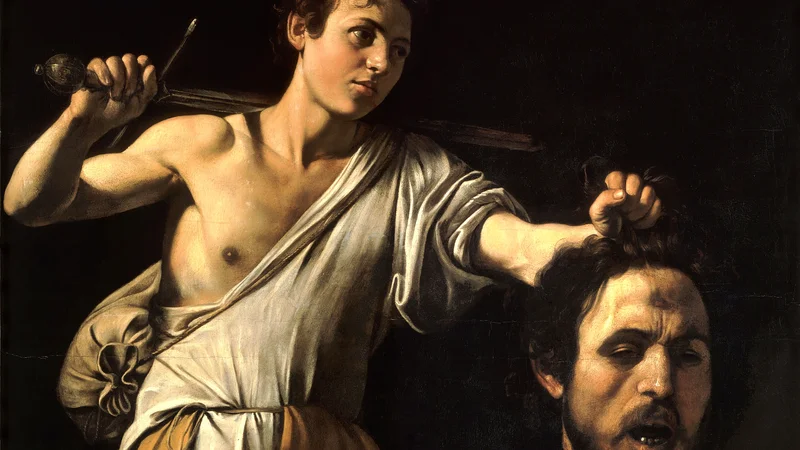
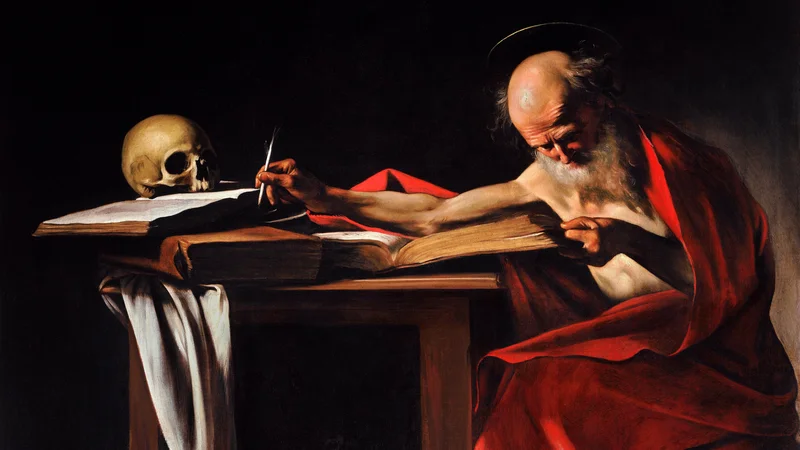
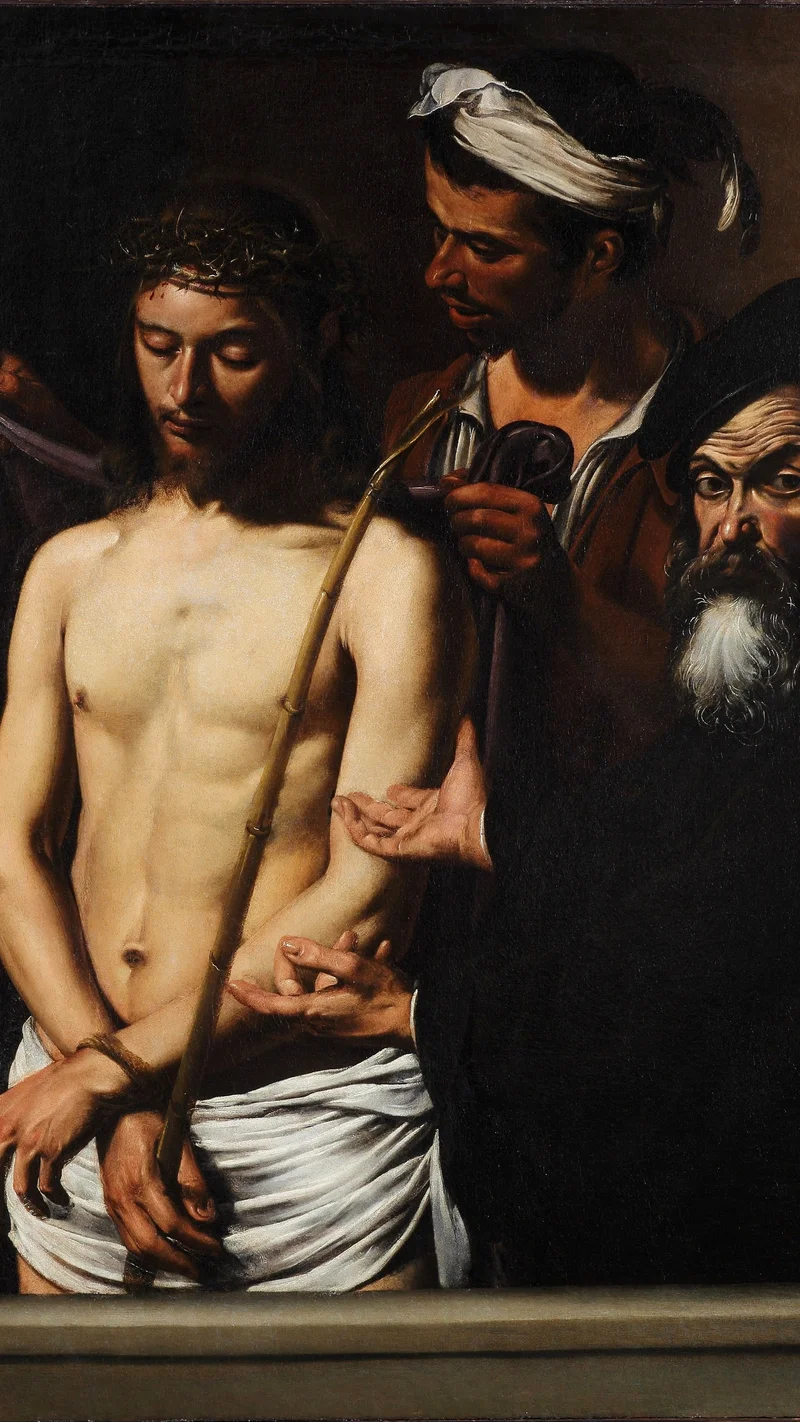
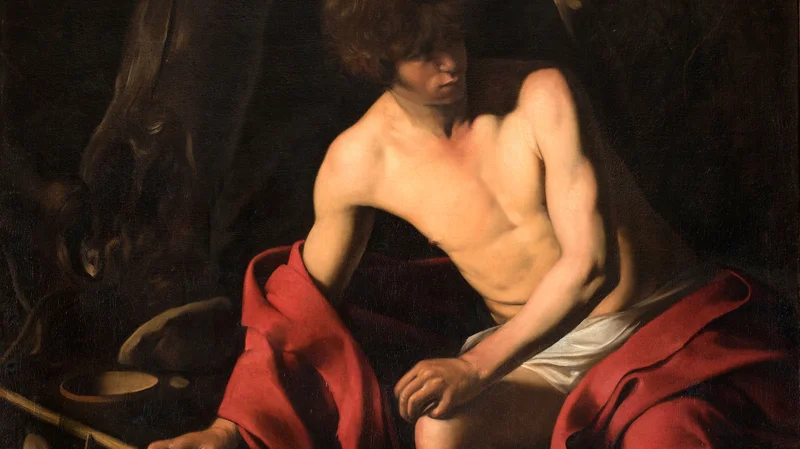
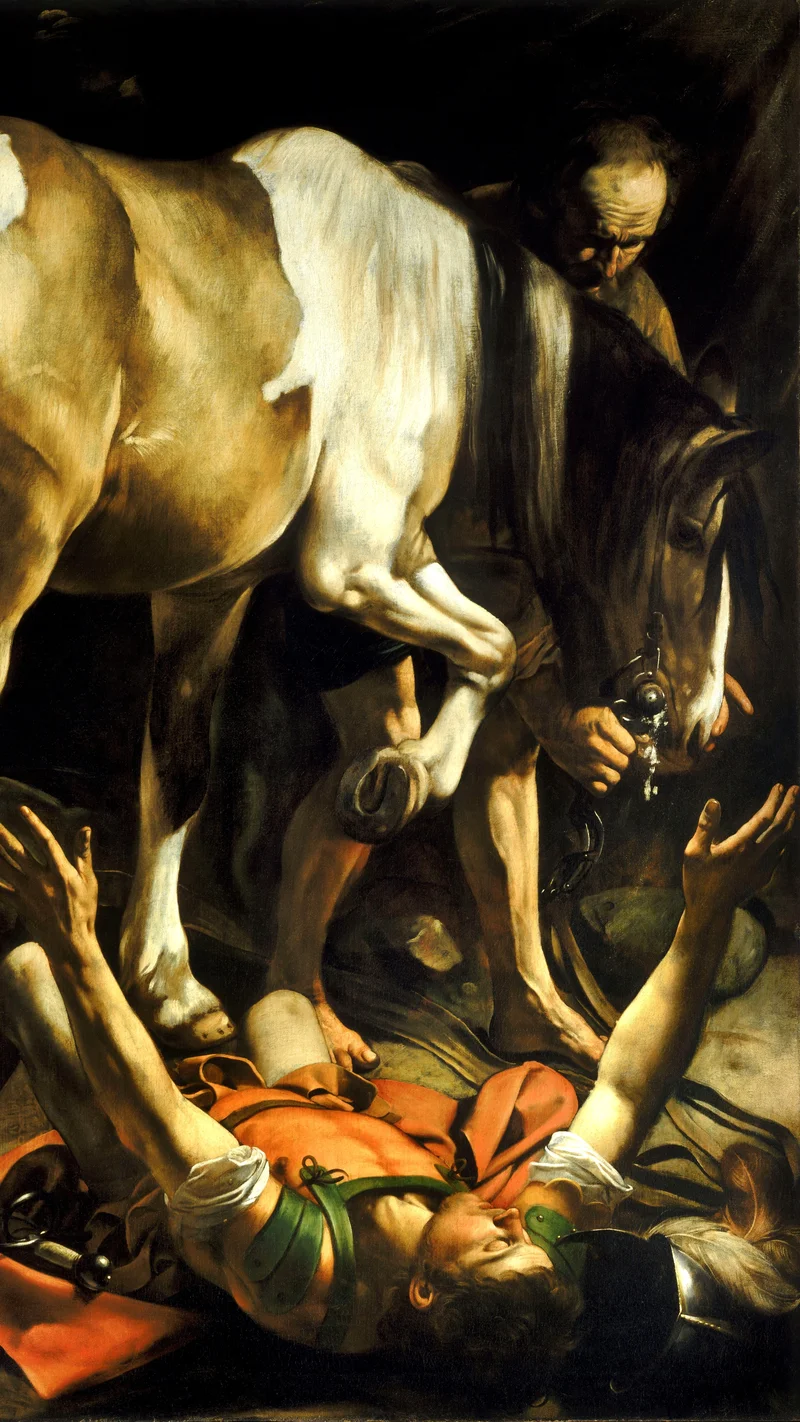
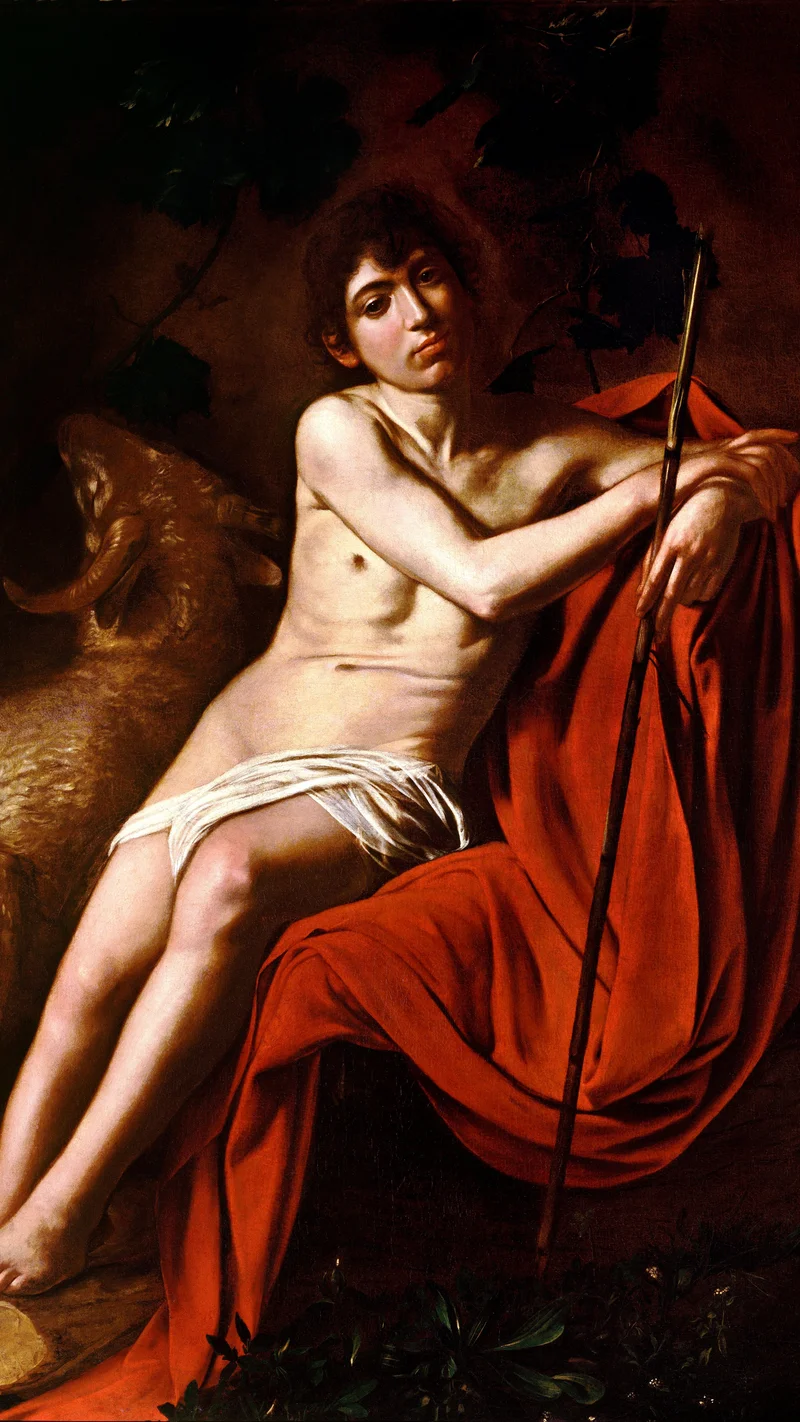
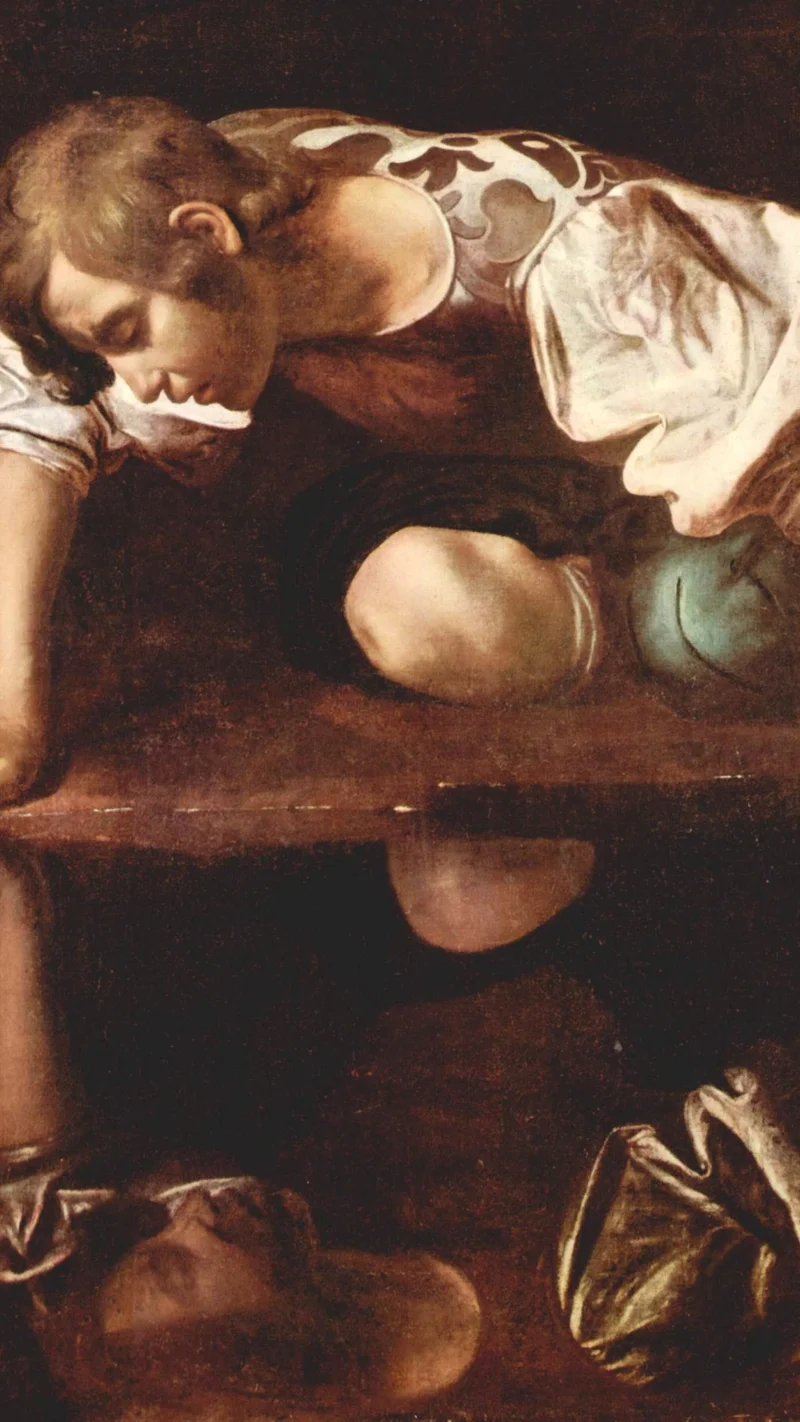
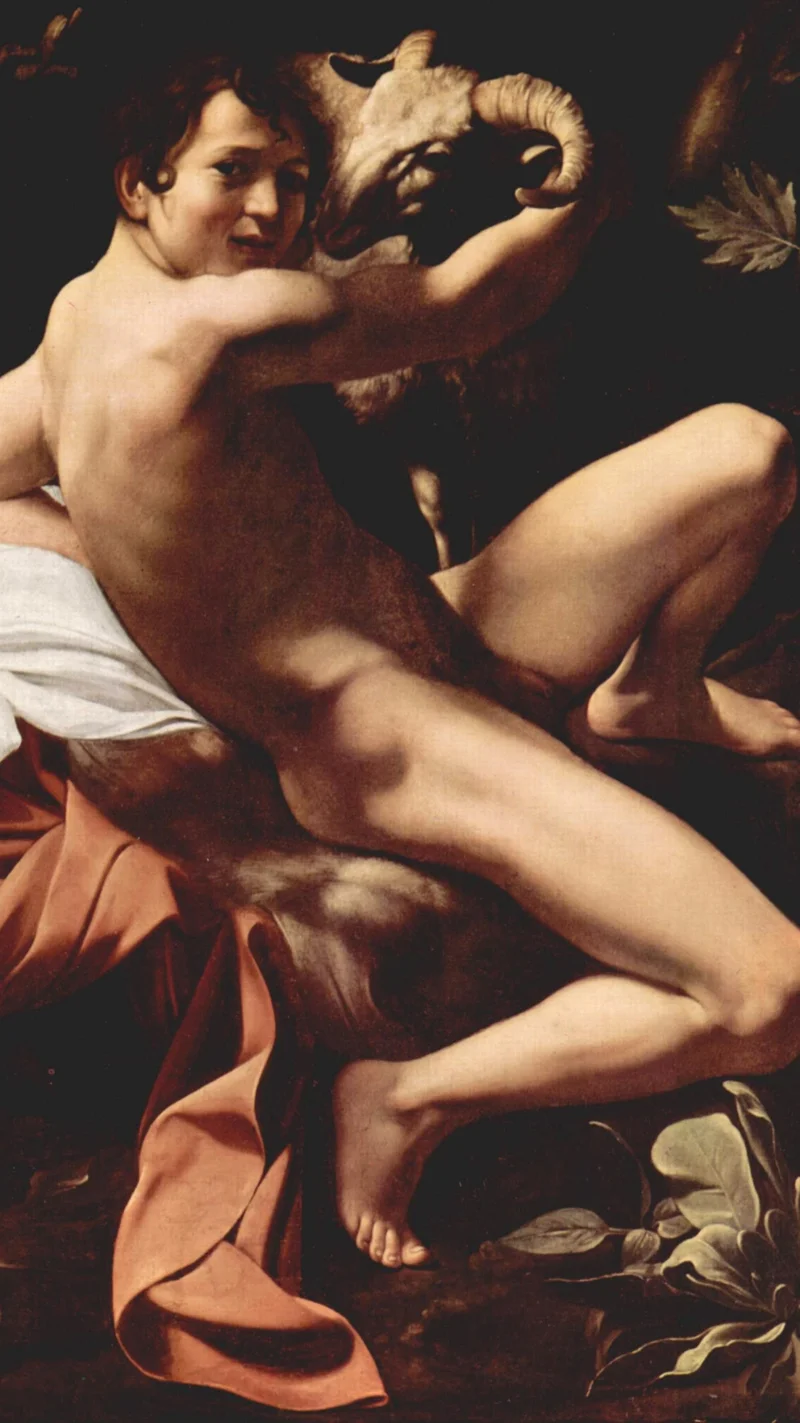
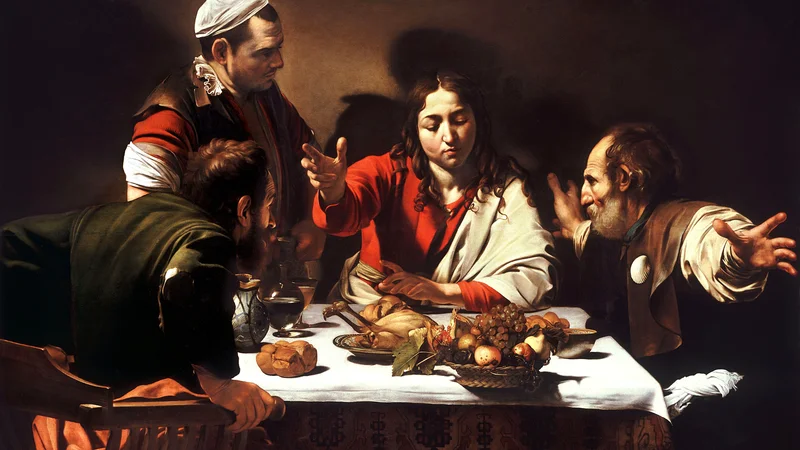
Caravaggio’s primary contribution to art history is the refinement of tenebrism—the extreme contrast between light and dark to create dramatic narrative tension. This technique is evident in early commissions such as Marta e Maria Maddalena and the initial version of Supper at Emmaus, where localized light sources isolate figures against impenetrable shadows. As his career progressed, his compositions grew increasingly spare and emotionally charged, as seen in the visceral intensity of Judith Beheading Holofernes and the late, somber reflection on mortality in David with the Head of Goliath. His ability to render the human condition with brutal honesty is further reflected in the complex compositions of The Crowning with Thorns and Nativity with Saint Francis and Saint Lawrence. By grounding sacred narratives in the physical reality of his subjects, Caravaggio fundamentally altered the trajectory of European painting, establishing a visual language that would define the early seventeenth century.