Henri-Edmond Cross
22 artworks
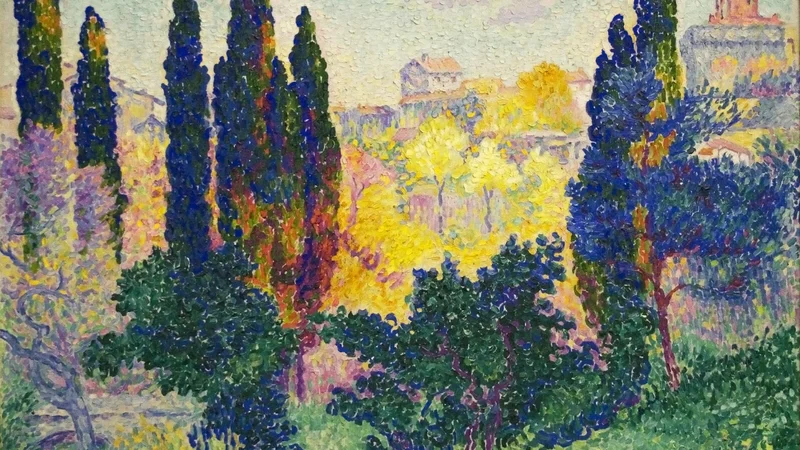
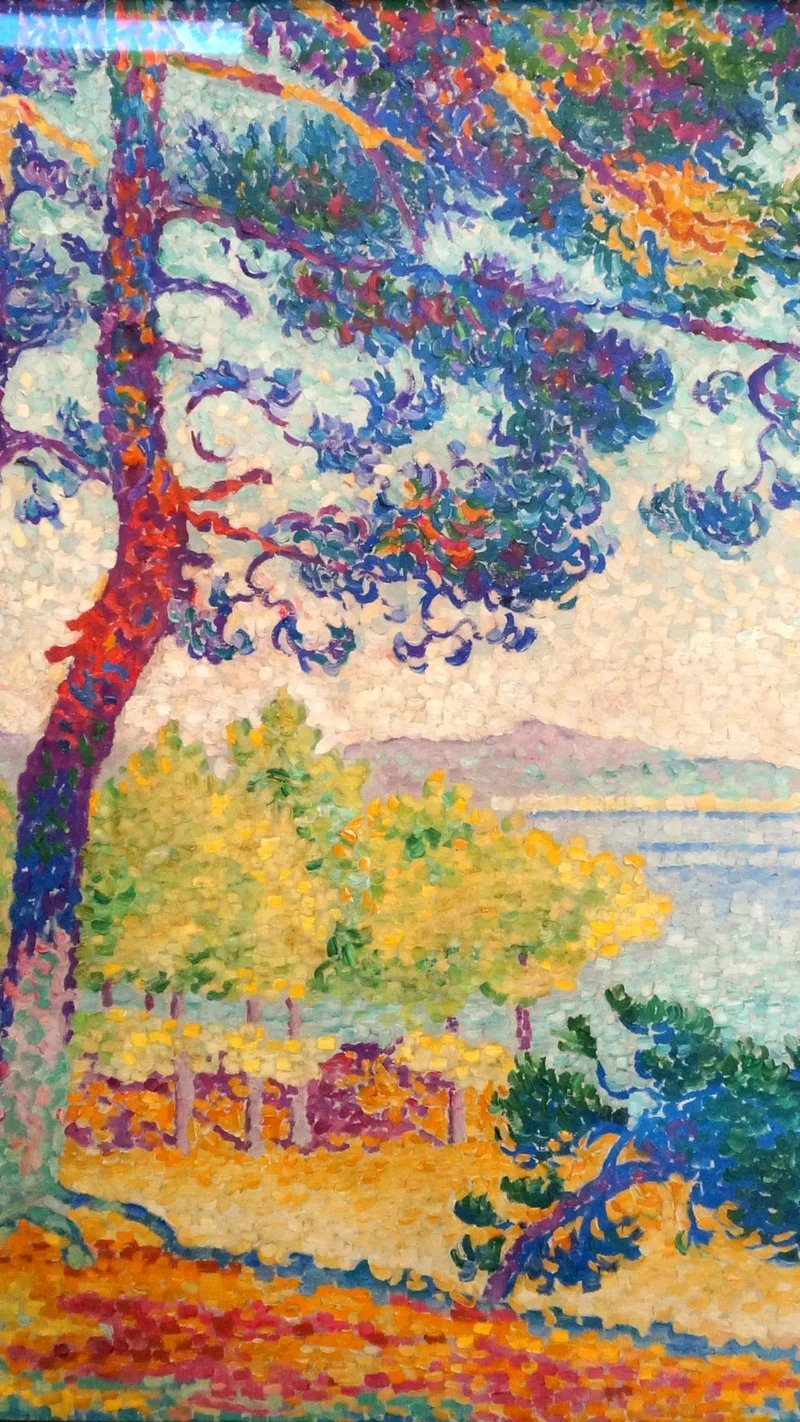
Henri-Edmond Cross, born Henri-Edmond-Joseph Delacroix, was a prominent French painter who emerged as a foundational figure in the late 19th-century transition toward modernism. Active during the peak of the Neo-Impressionist movement, particularly around 1892, 1907, and 1908, he was deeply influenced by the scientific color theories of Georges Seurat. His relocation to the South of France served as a catalyst for his stylistic maturation, moving away from the rigid discipline of early Pointillism toward a more liberated and expressive application of color that would eventually help bridge the gap between Impressionism and Fauvism.
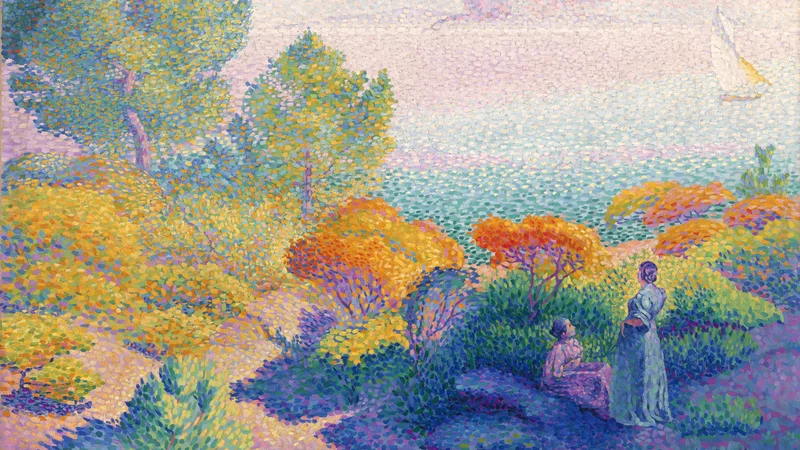
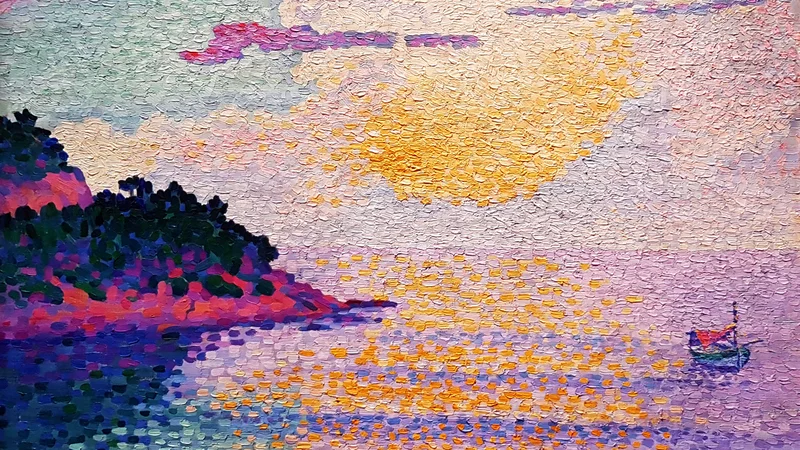
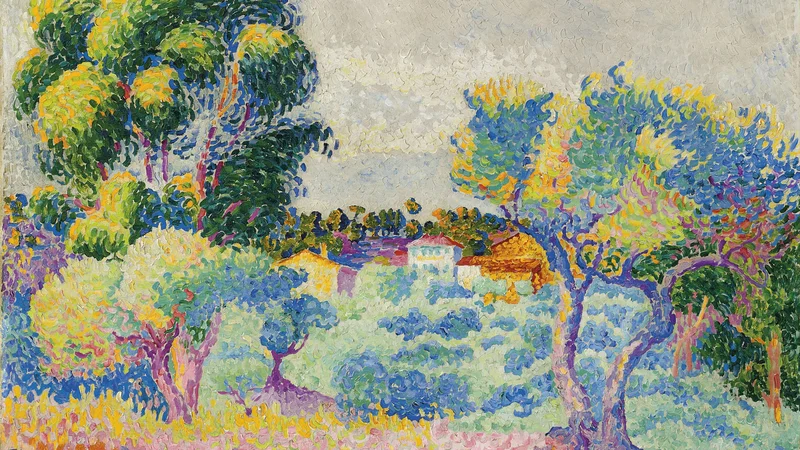
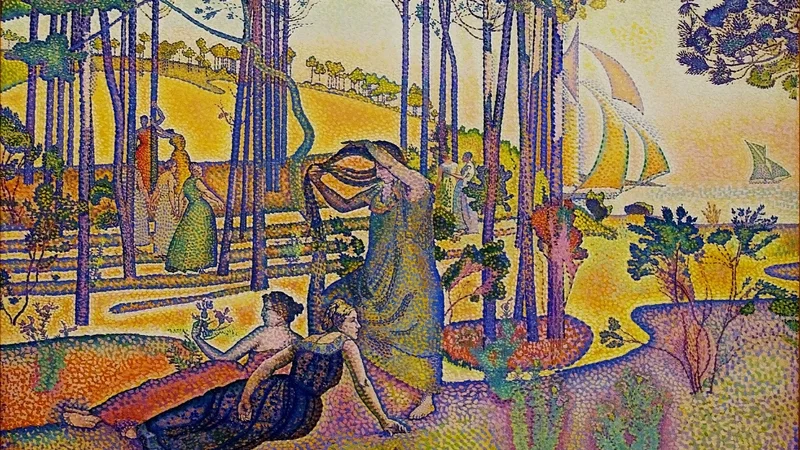
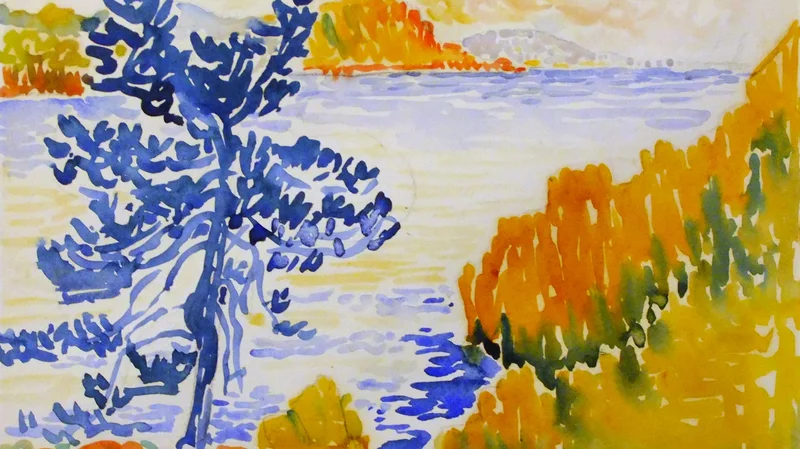
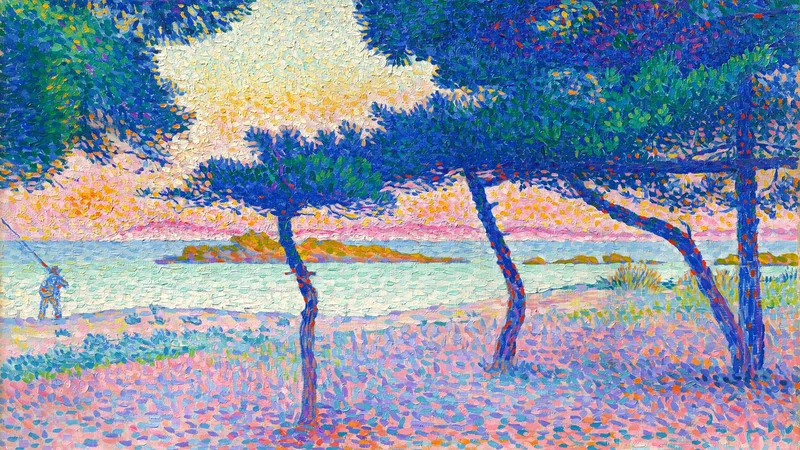
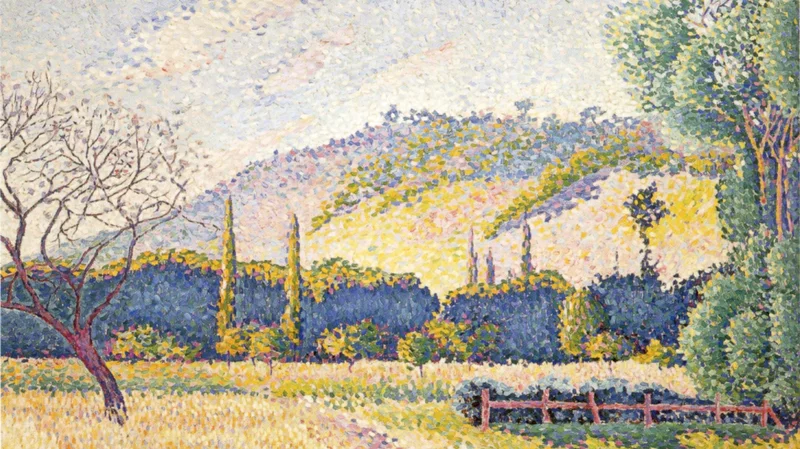
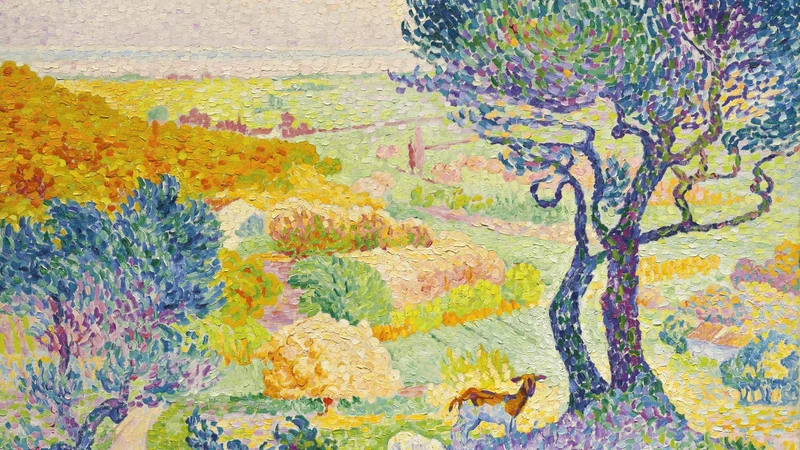
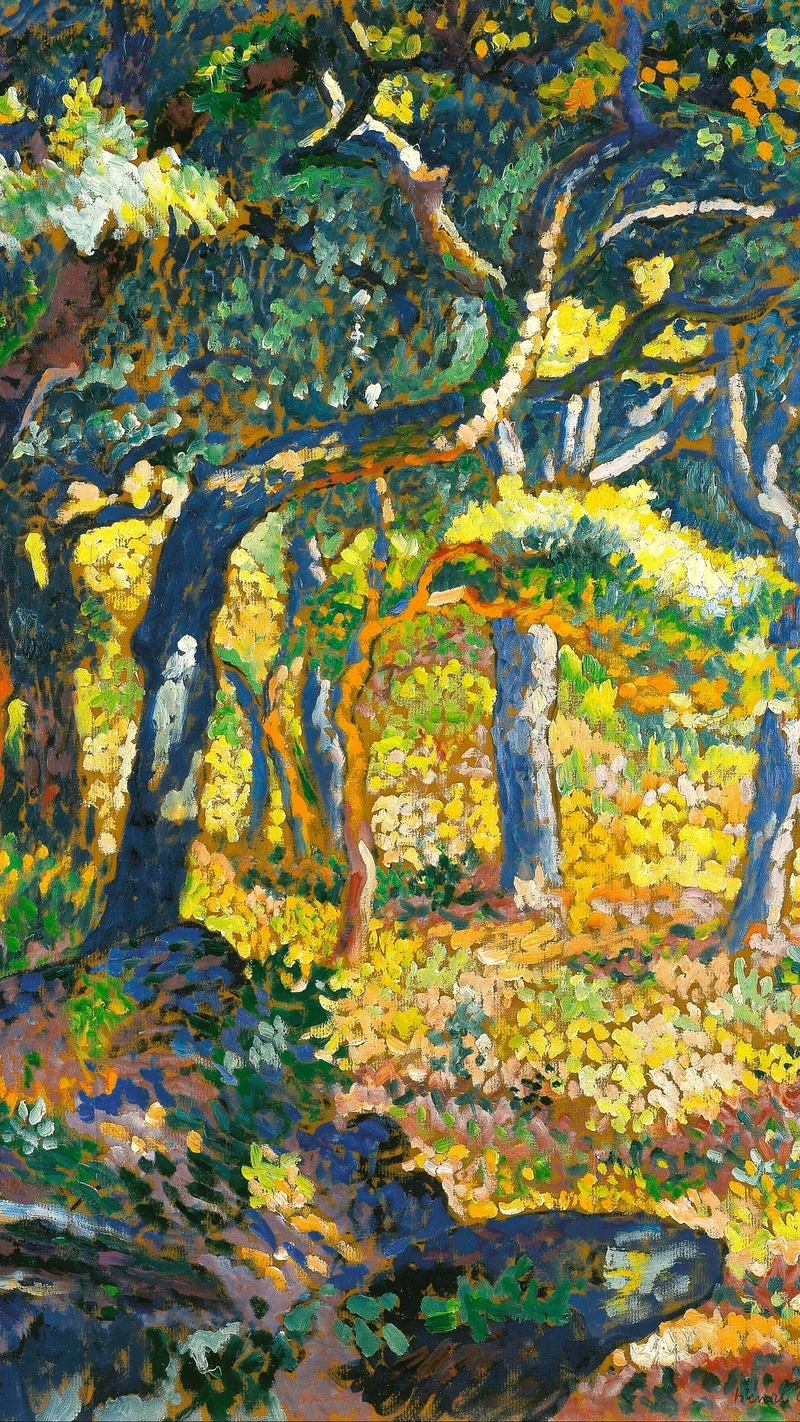
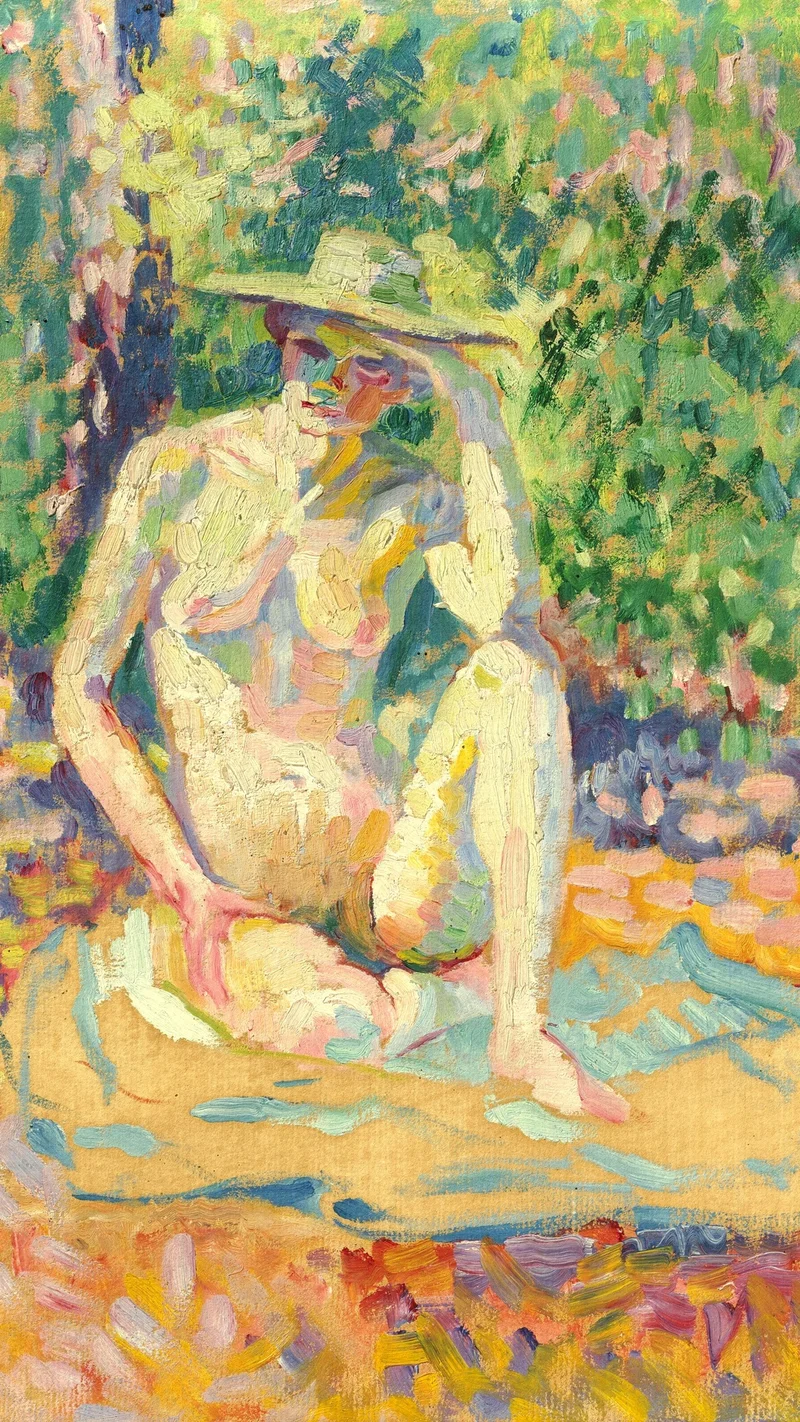
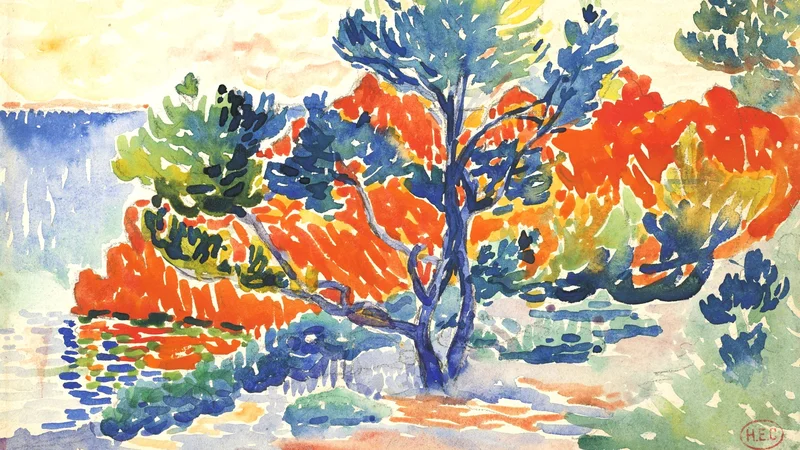
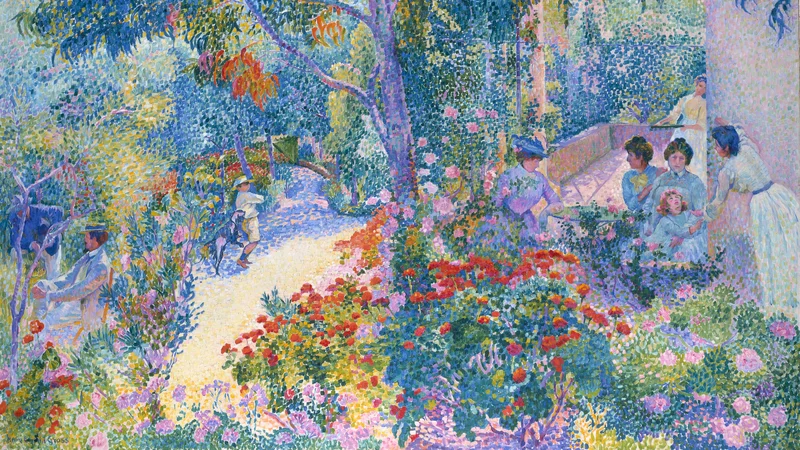
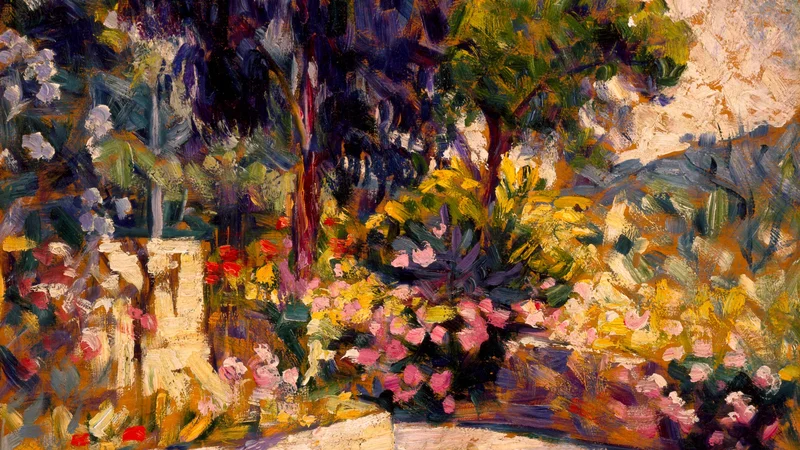
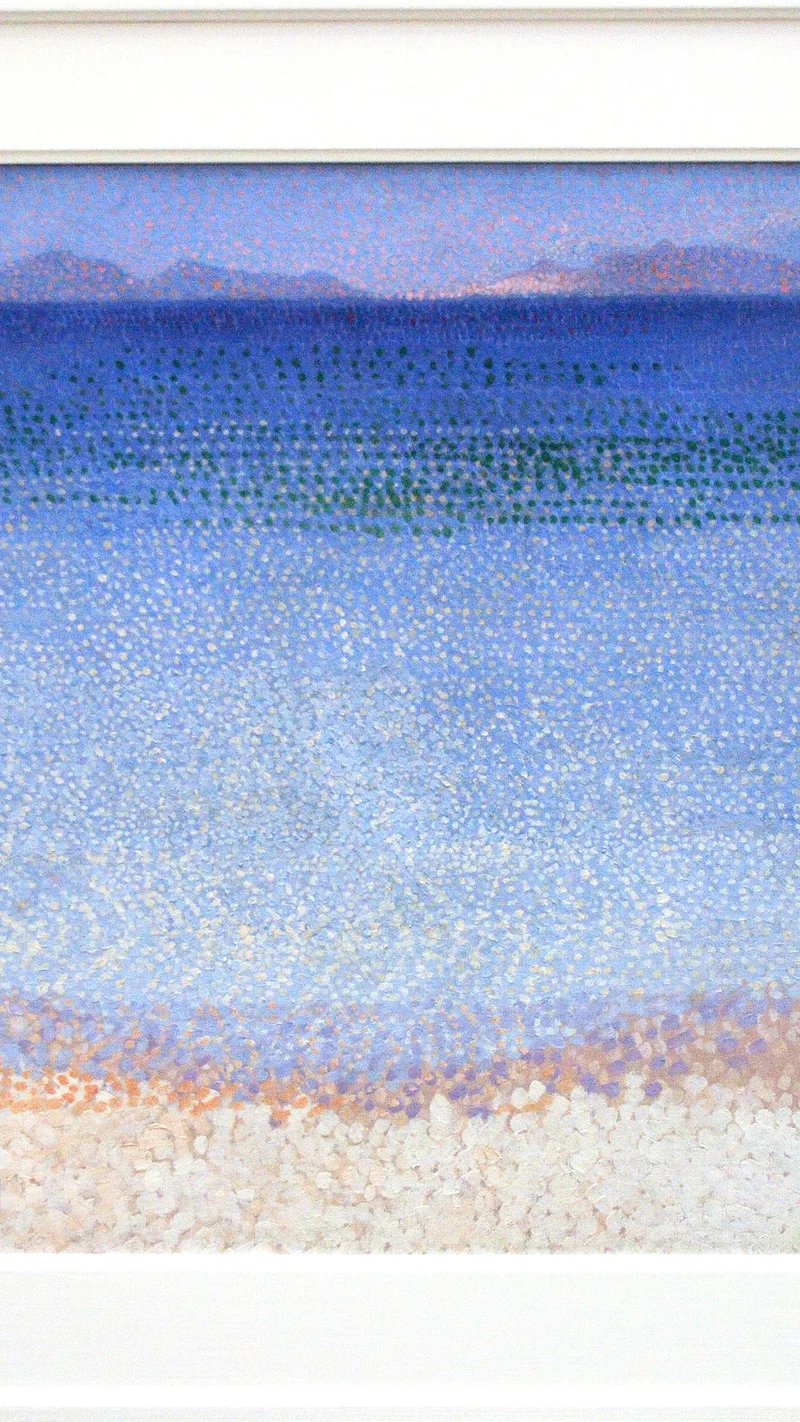
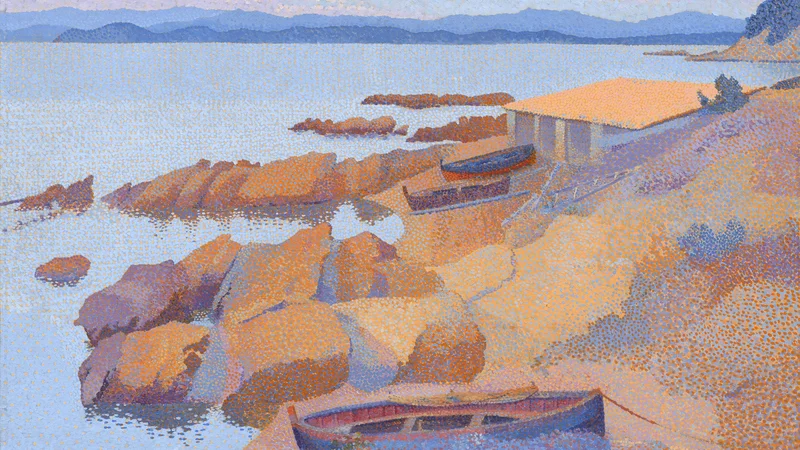
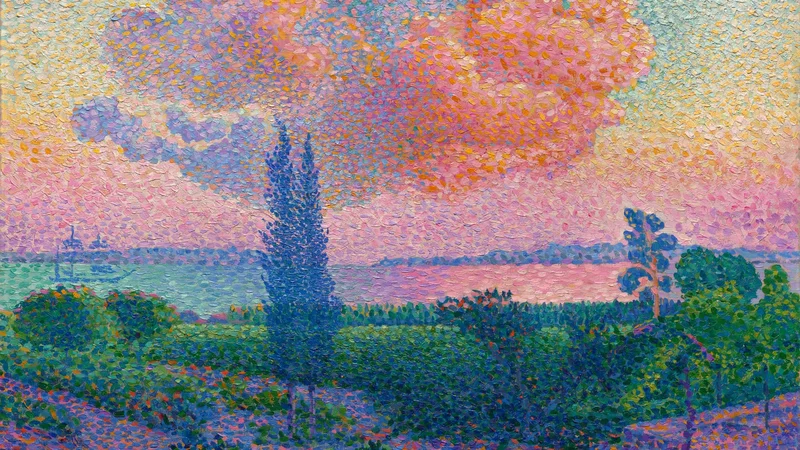
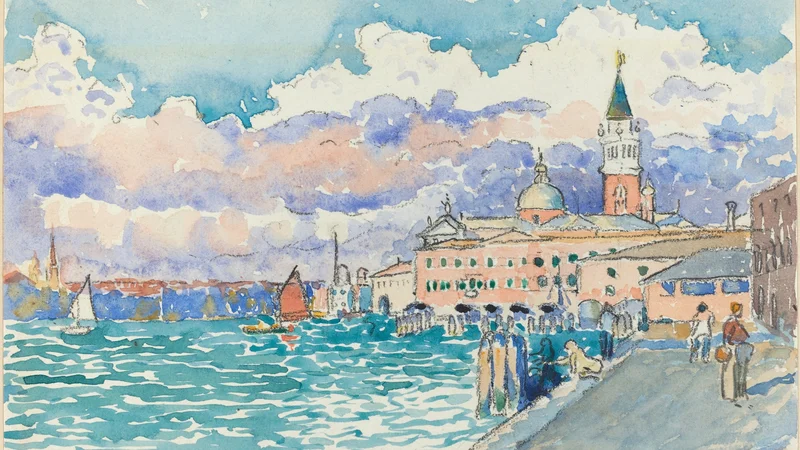
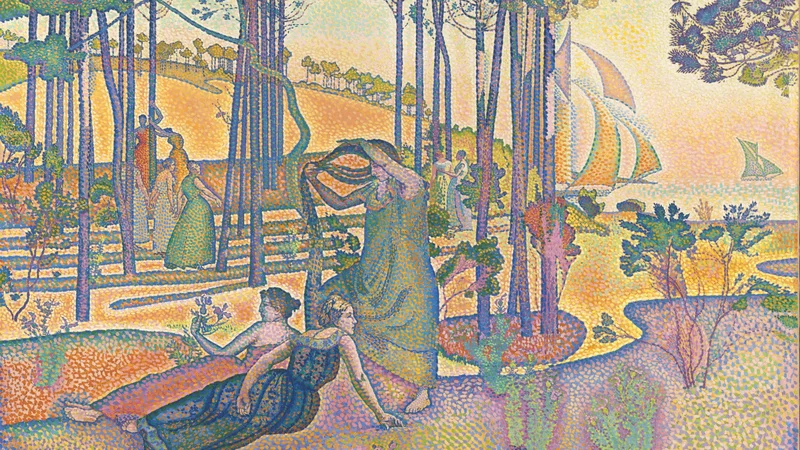
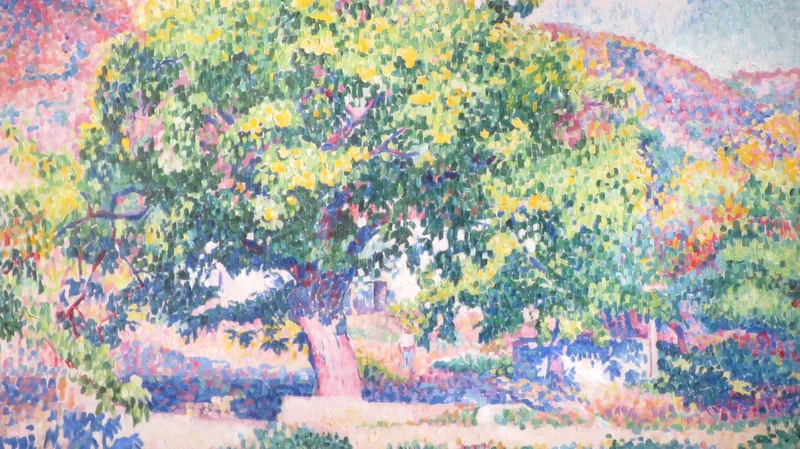
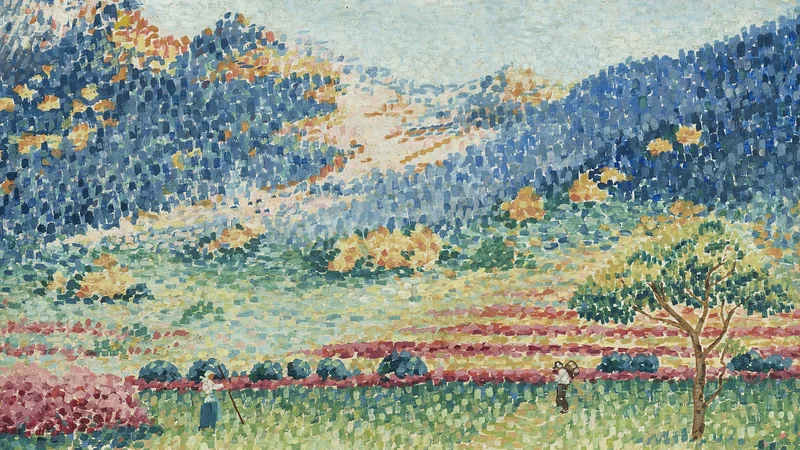
Cross’s technique is defined by a rigorous yet lyrical application of broken color, which he utilized to construct complex visual rhythms. In works such as Two Women by the Shore and Mediterranean, he explored the interplay of light and shadow, demonstrating an exquisite sensitivity to the coastal topography of the Midi. His landscapes, including La Plaine de Bormes, The Pink Cloud, and Les Roches rouges à Agay, reveal a structural clarity balanced by an increasingly vibrant, subjective palette. This approach is further exemplified in Afternoon in the Garden and Landscape, where the systematic arrangement of pigment transcends simple representation, creating a sense of harmonious, atmospheric stillness.
His historical significance lies in his role as a bridge between the clinical precision of Seurat and the expressive freedom of the 20th-century avant-garde. By expanding the boundaries of Pointillism through broader, more fluid brushstrokes and a heightened chromatic range, Cross provided a structural framework for later artists to explore color as an autonomous emotional force. His work remains essential for understanding the evolution of light-centered painting and the emergence of non-naturalistic color in modern art.