Alfred William Finch
9 artworks
Alfred William Finch (1854–1930) was a Belgian-born artist of British descent who emerged as a pivotal figure in the development of modern European painting. Trained at the Académie Royale des Beaux-Arts in Brussels, he became a founding member of Les Vingt, an influential group of avant-garde artists. His career, spanning from the late 1880s through the early 20th century, is marked by a profound synthesis of traditional discipline and radical stylistic evolution, reflecting his critical position at the heart of the European modernist transition.
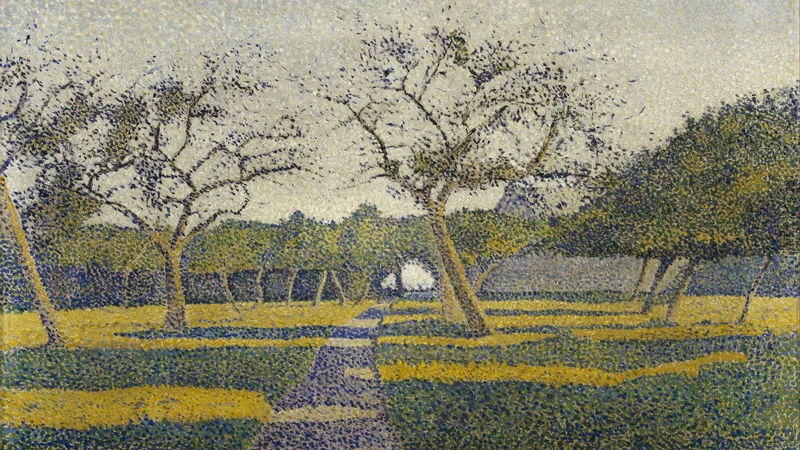
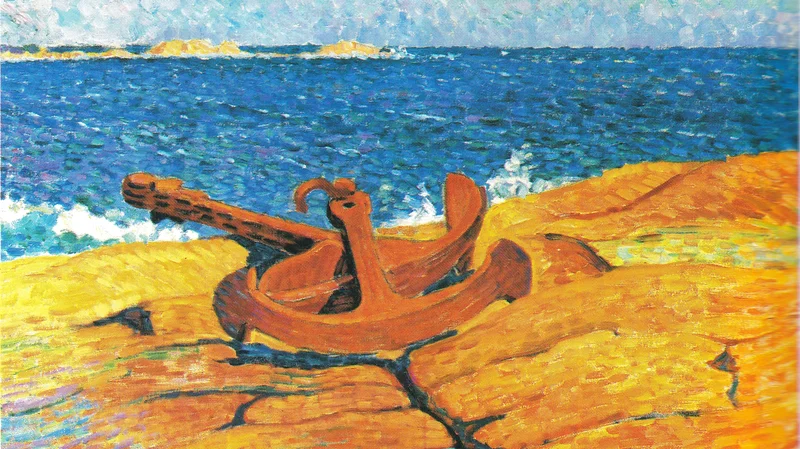
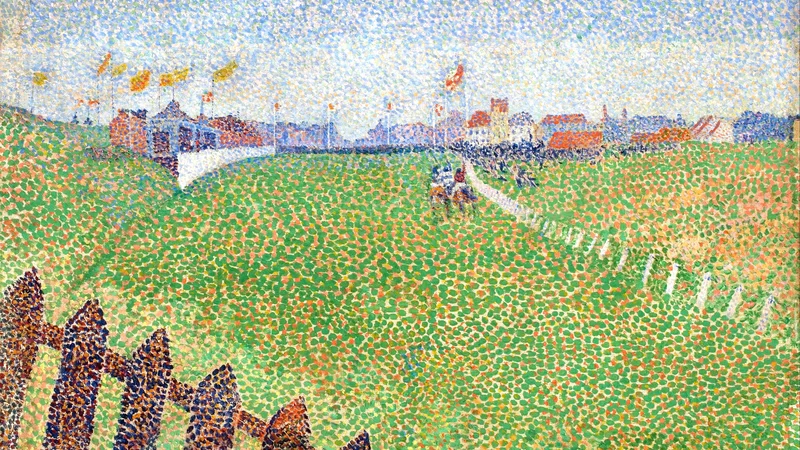
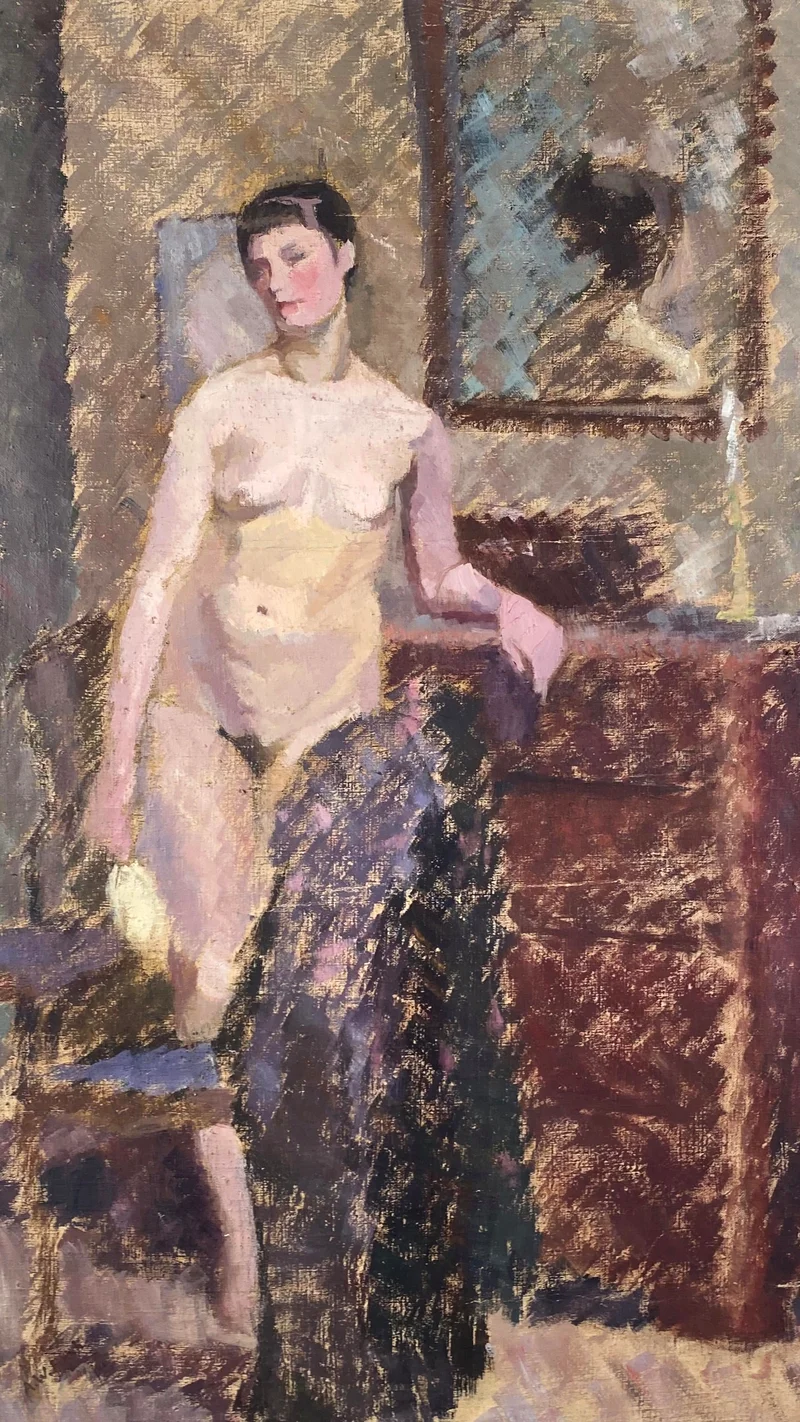
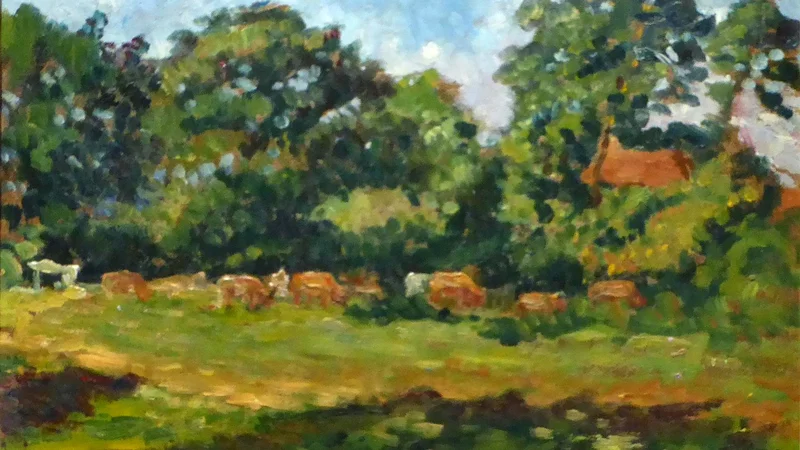
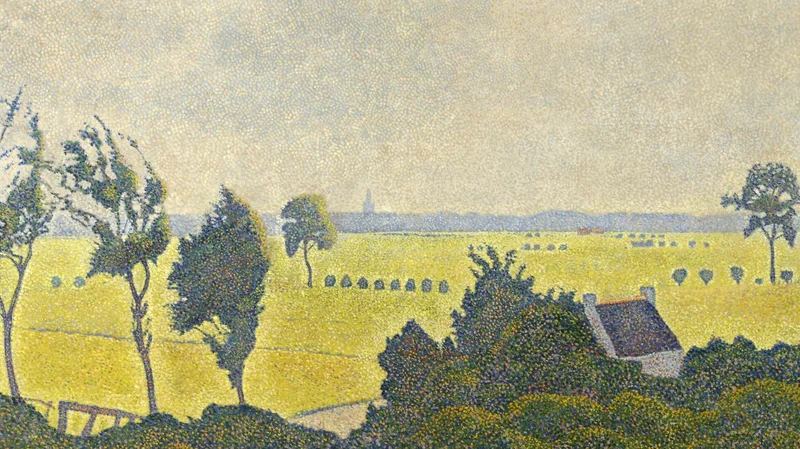
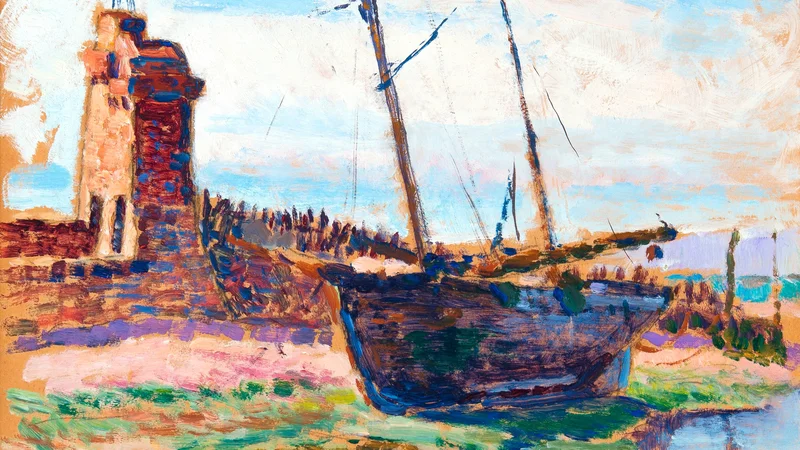
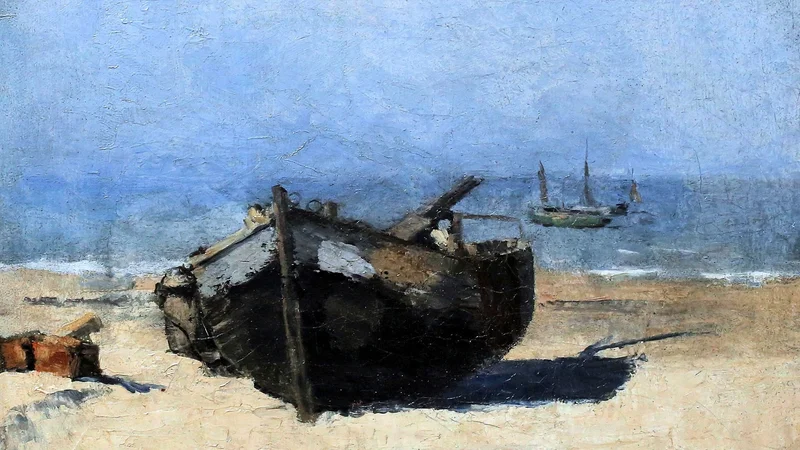
Finch is most recognized for his rigorous application of Pointillism, a technique characterized by the systematic placement of small, distinct dots of pure color to achieve maximum luminosity. In works such as Orchard at La Louvière and The Wellington Racecourse in Drizzle (Ostende), he demonstrated a masterful control over light and atmosphere, often favoring coastal vistas and pastoral scenes that highlight his meticulous optical theory. His versatility is further evidenced in the textured handling of An English Landscape and the careful anatomical observation present in Standing Female Nude, while Finch By the shore and Finch Suursaarelta encapsulate his ability to evoke the transient qualities of nature through a deliberate, chromatic structure.
Finch's historical significance lies in his role as a bridge between the neo-impressionist experiments of the late 19th century and the emerging decorative arts movements. By moving beyond mere optical representation to explore the structural potential of color, he exerted a lasting influence on the evolution of Finnish and Belgian modernism. His career serves as a rigorous study of medium mastery, reflecting a lifelong dedication to the intersection of intellectual observation and the tactile reality of paint.