Bavarian State Painting Collections
7 artworks
The Bavarian State Painting Collections, headquartered in Munich, stands as a cornerstone of European cultural stewardship. Established in 1799 as the Centralgemäldegaleriedirektion, the institution was founded during a period of profound political and intellectual transformation in Bavaria. Over the centuries, it has evolved into a comprehensive repository that oversees an expansive array of artistic media, including paintings, sculptures, and modern installation art. By distributing its vast holdings across various historic galleries and specialized museums throughout the state, the institution ensures that these treasures remain integrated into the public consciousness, maintaining a legacy that bridges the Enlightenment origins of the collection with contemporary curatorial practice.
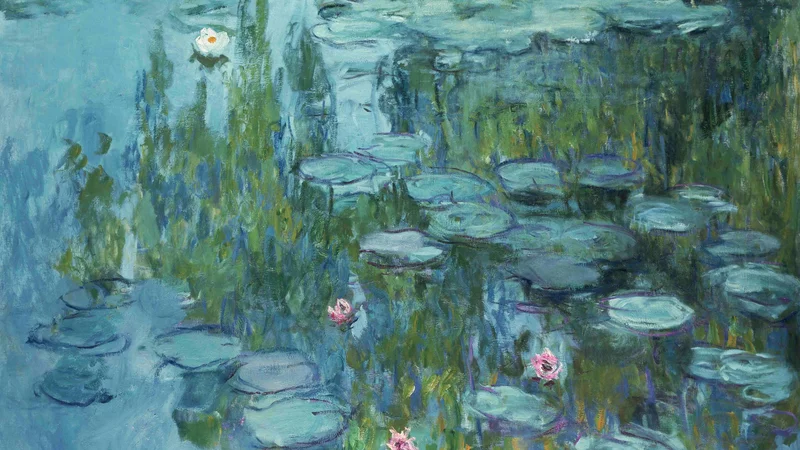
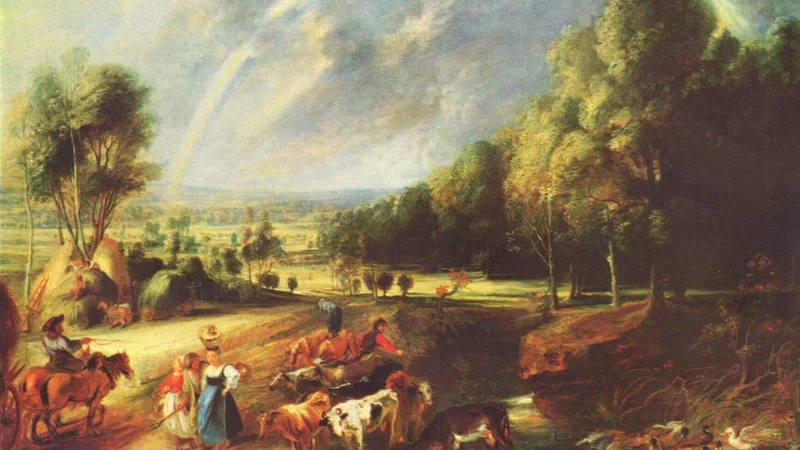
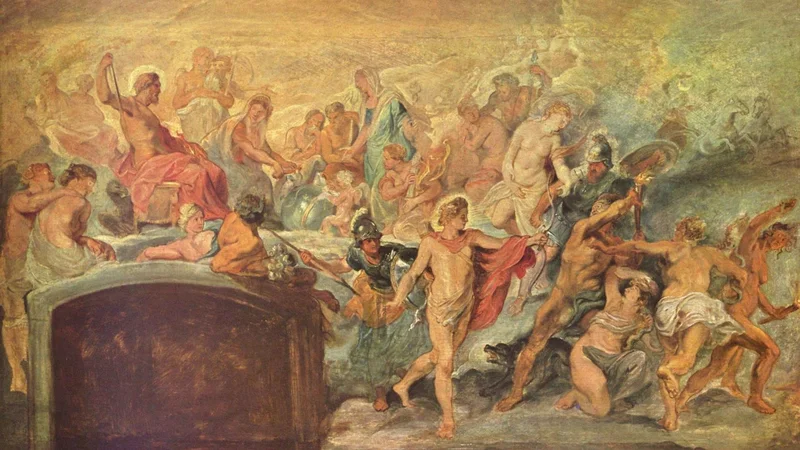
The breadth of the holdings is defined by a commitment to the evolution of Western art, with particular emphasis on the Baroque, Impressionism, and Post-Impressionism movements. Visitors encounter foundational works such as Peter Paul Rubens’s The Council of Gods, a masterful sketch for the Medici Cycle, alongside the luminous atmospheric depth of Claude Monet’s Water Lilies. The collection also offers profound insight into the shift toward modernism through the vibrant, expressive canvases of Vincent van Gogh’s Sunflowers and Paul Cezanne’s The Rainbow Landscape. Furthermore, the inclusion of Wassily Kandinsky’s Dreamy Improvisation and the evocative Dead Turkey underscores the institution's dedication to tracking the stylistic ruptures and aesthetic innovations that have defined the modern era.
As a world-class authority in art history, the Bavarian State Painting Collections fulfills its mission by preserving the tangible record of human creativity while fostering deep scholarly engagement. By balancing the display of historic masterworks with challenging new forms of media, the institution sustains a dynamic dialogue between past and present. Its enduring influence rests upon a rigorous commitment to provenance, conservation, and the democratization of art, securing its status as an indispensable pillar of the international museum community.
Background adapted from Wikipedia (CC BY-SA).