Cincinnati Art Museum
6 artworks
Situated within the verdant landscape of Eden Park, the Cincinnati Art Museum stands as a testament to the cultural ambitions of the American Midwest. Established in 1881, the institution holds the distinction of being the first purpose-built art museum west of the Alleghenies. Its architectural legacy reflects a pivotal moment in American museology, marking the region's commitment to the preservation and study of global artistic heritage since the late nineteenth century.
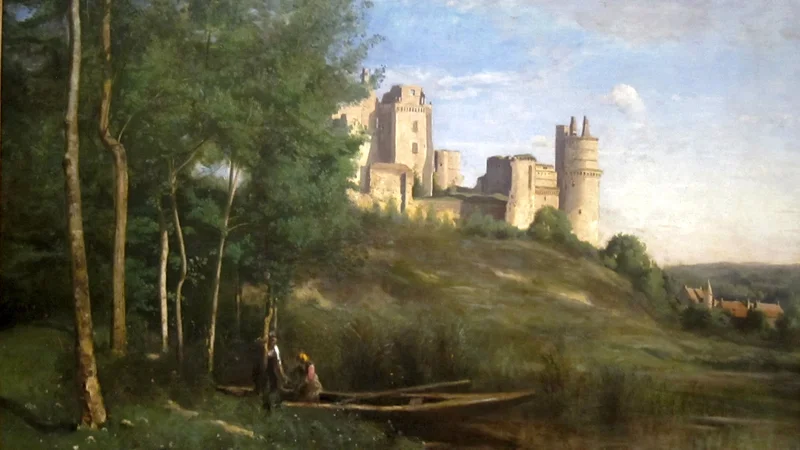
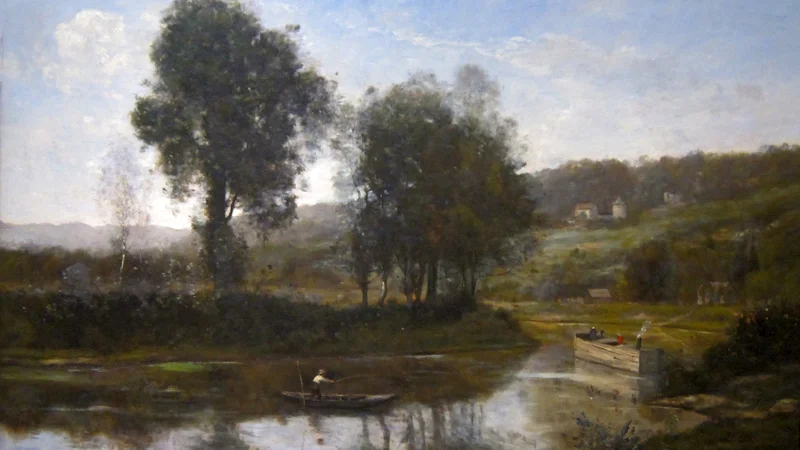
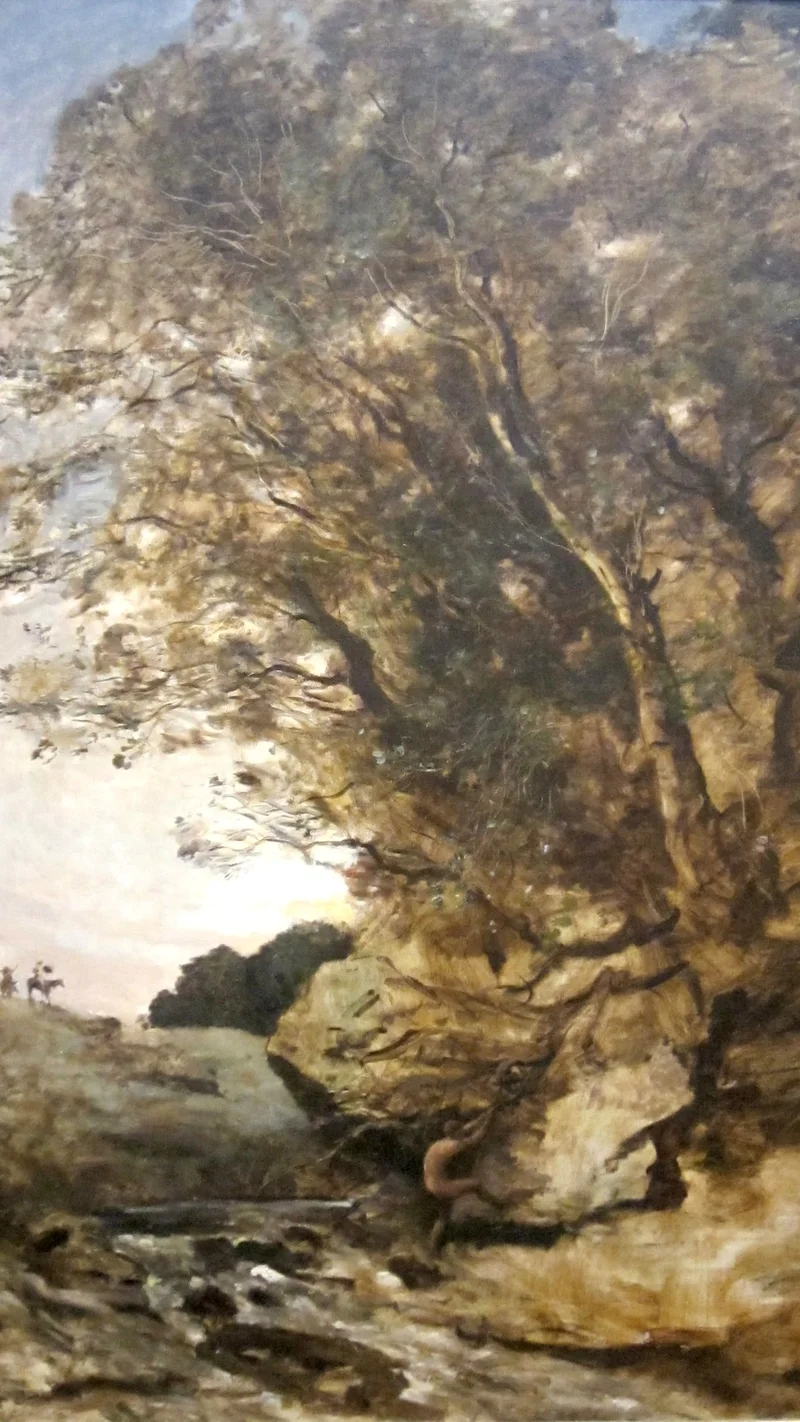
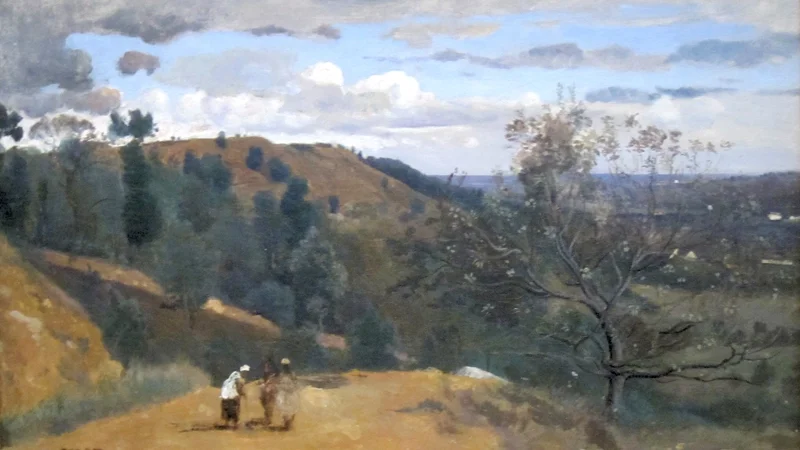
The museum’s holdings offer a profound survey of human creativity, particularly noted for its strength in European and American traditions. The collection features significant contributions from the Barbizon School, exemplified by the evocative Ruins of the Château de Pierrefonds and Outskirts of Igny by Jean-Baptiste Camille Corot, alongside the atmospheric The Bend in the Seine at Port-Marly. The institution further bridges the evolution of Realism and Impressionism through the works of masters such as Winslow Homer, whose Sunday Morning in Virginia serves as a cornerstone of American narrative painting, and the regional insights of Lewis Meakin in his Landscape (Cincinnati).
By bridging six millennia of history, the Cincinnati Art Museum serves as a vital repository of cultural memory. Through its stewardship of enduring masterpieces like Don Quixote, the museum provides an essential lens through which to examine the trajectory of artistic movements. It remains an authoritative center for scholarly inquiry, ensuring that these historical narratives continue to inform and inspire contemporary understanding of the visual arts.
Background adapted from Wikipedia (CC BY-SA).