Denver Art Museum
8 artworks
Situated within the vibrant Civic Center of Denver, Colorado, the Denver Art Museum stands as a preeminent cultural anchor between the West Coast and Chicago. The institution is defined architecturally by the iconic Martin Building, an extraordinary structure realized in 1971 by the celebrated Italian architect Gio Ponti. This building serves not merely as a repository for art, but as a modernist landmark that reflects the museum's long-standing commitment to architectural innovation and the preservation of global creative legacies.
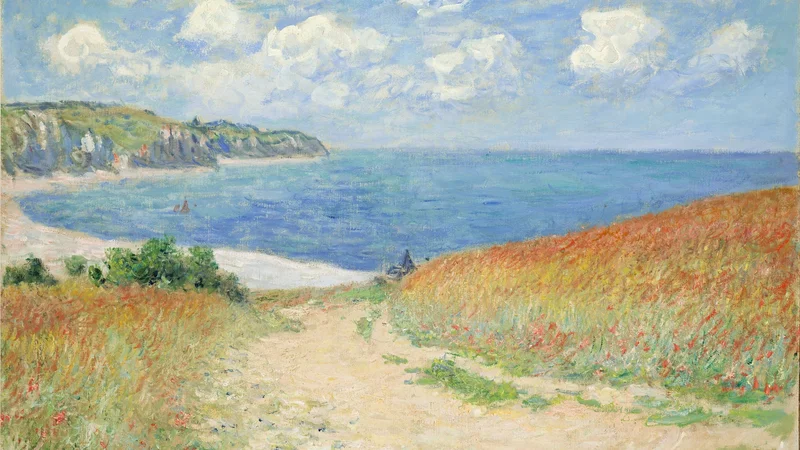
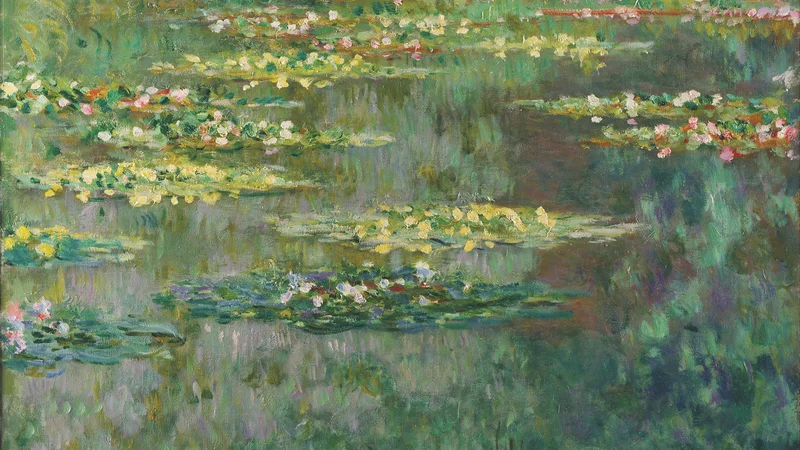
The museum houses a profound breadth of works, fostering a rigorous dialogue between diverse traditions and historical periods. Its holdings are particularly distinguished by an expansive collection of American Indian art and the specialized scholarship of The Petrie Institute of Western American Art. Within the galleries, visitors encounter the evolution of European modernism through the lens of Impressionism, Post-Impressionism, and Realism. Masterpieces such as Claude Monet's Le Bassin des Nympheas and Path in the Wheat at Pourville exemplify the institution's reach, while the evocative portraiture of John Singer Sargent, notably Rosina Ferrara, Head of a Capri Girl, and the narrative depth of Winslow Homer’s Indian Boy with Canoe underscore the museum's commitment to both international and regional artistic excellence.
As a vital center for scholarly inquiry, the Denver Art Museum continues to bridge the gap between historical mastery and contemporary understanding. By juxtaposing works such as Paul Cezanne's Un peintre au travail and the poignant Two Figures by the Sea, the museum facilitates an enduring conversation about the human condition. Through its encyclopedic perspective and dedication to historical precision, the institution remains a cornerstone of cultural heritage, ensuring that the trajectory of global art history is preserved and interpreted for future generations.
Background adapted from Wikipedia (CC BY-SA).