Foundation E.G. Bührle Collection
6 artworks
The Foundation E.G. Bührle Collection, situated in Zurich, Switzerland, stands as a testament to the private acquisitions of industrialist Emil Georg Bührle. Housed in a dedicated villa adjacent to the founder’s former residence, the institution was established by the Bührle family to provide public access to a profound assembly of European paintings and sculptures. While the collection’s provenance has faced rigorous historical scrutiny regarding the acquisition of works during the mid-twentieth century, the Foundation remains a significant entity within the Swiss cultural landscape. In recent years, its historical trajectory has been marked by a notable long-term collaboration with the Kunsthaus Zürich, where a substantial portion of the collection has been integrated into the museum's expanded galleries.
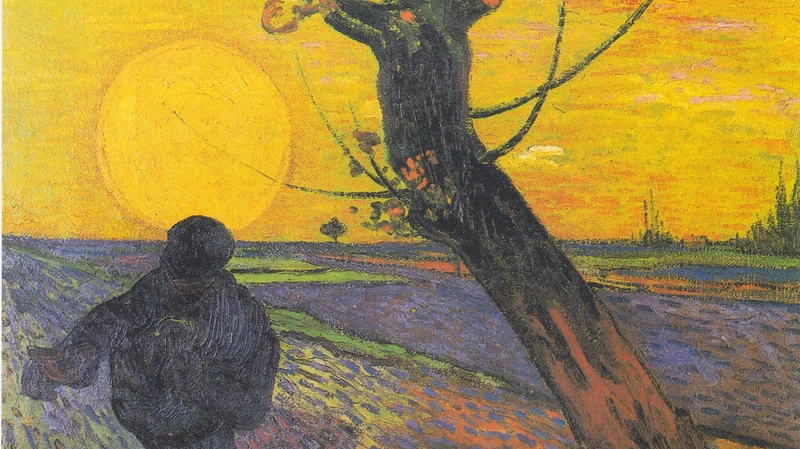
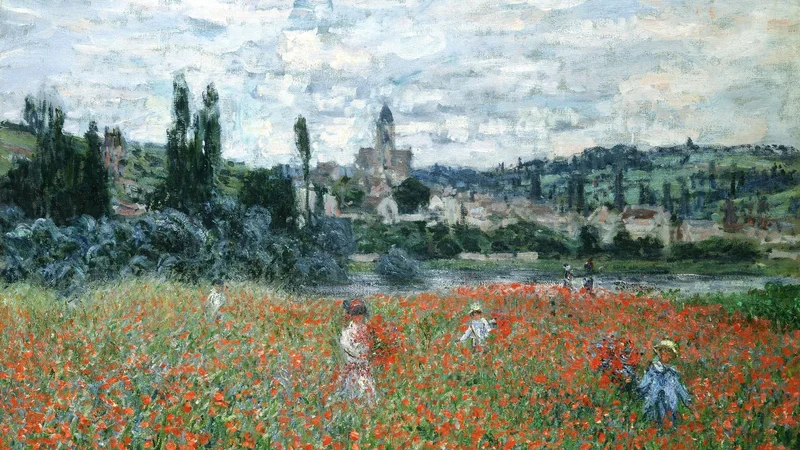
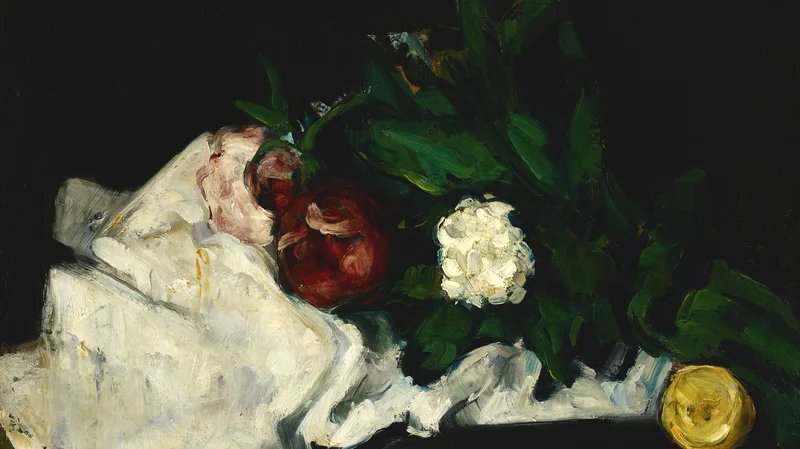
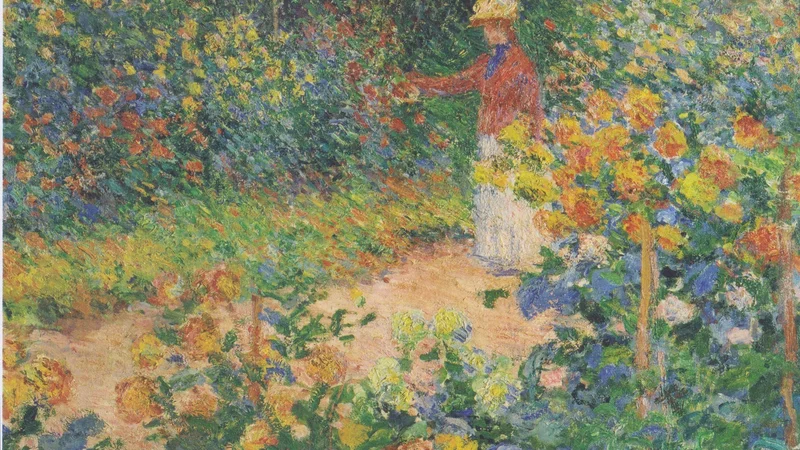
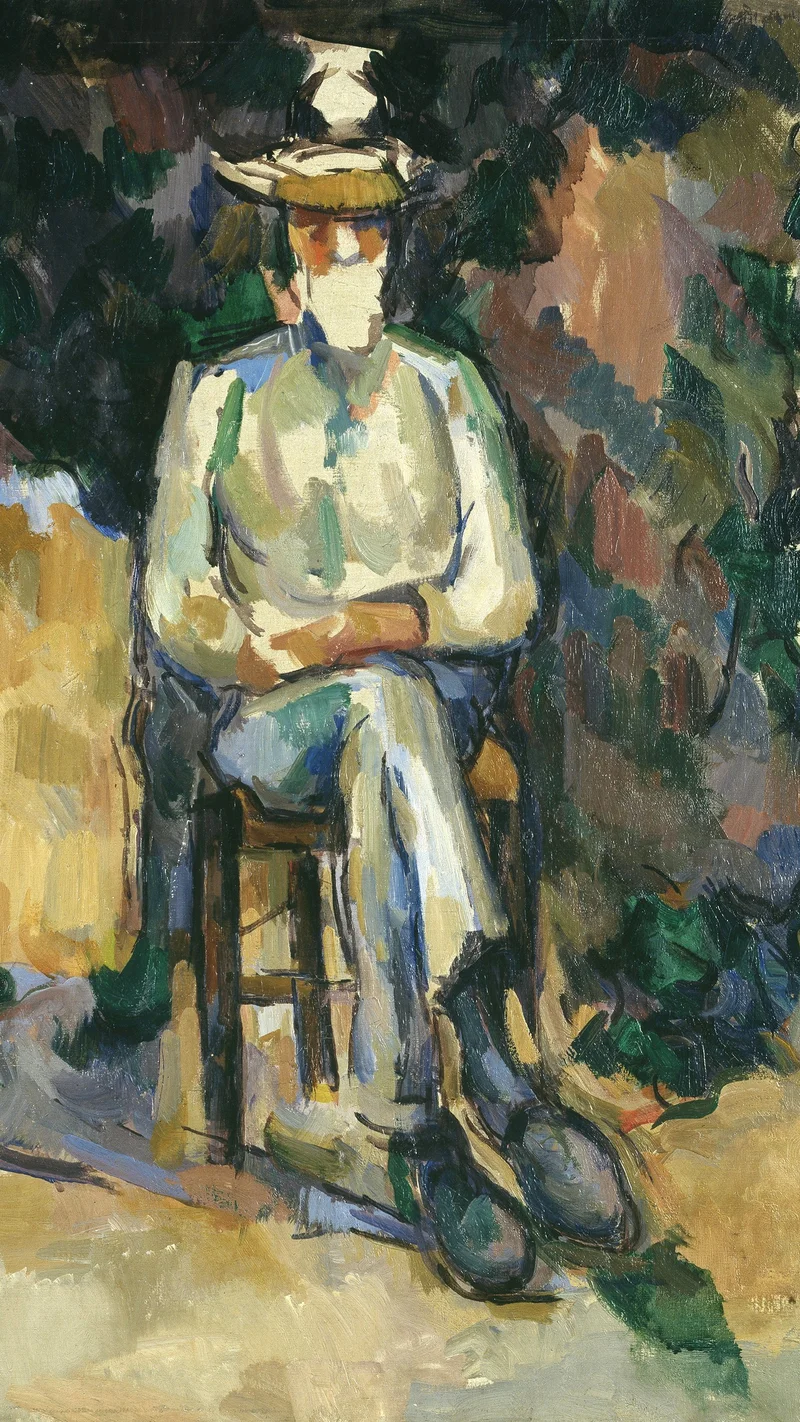
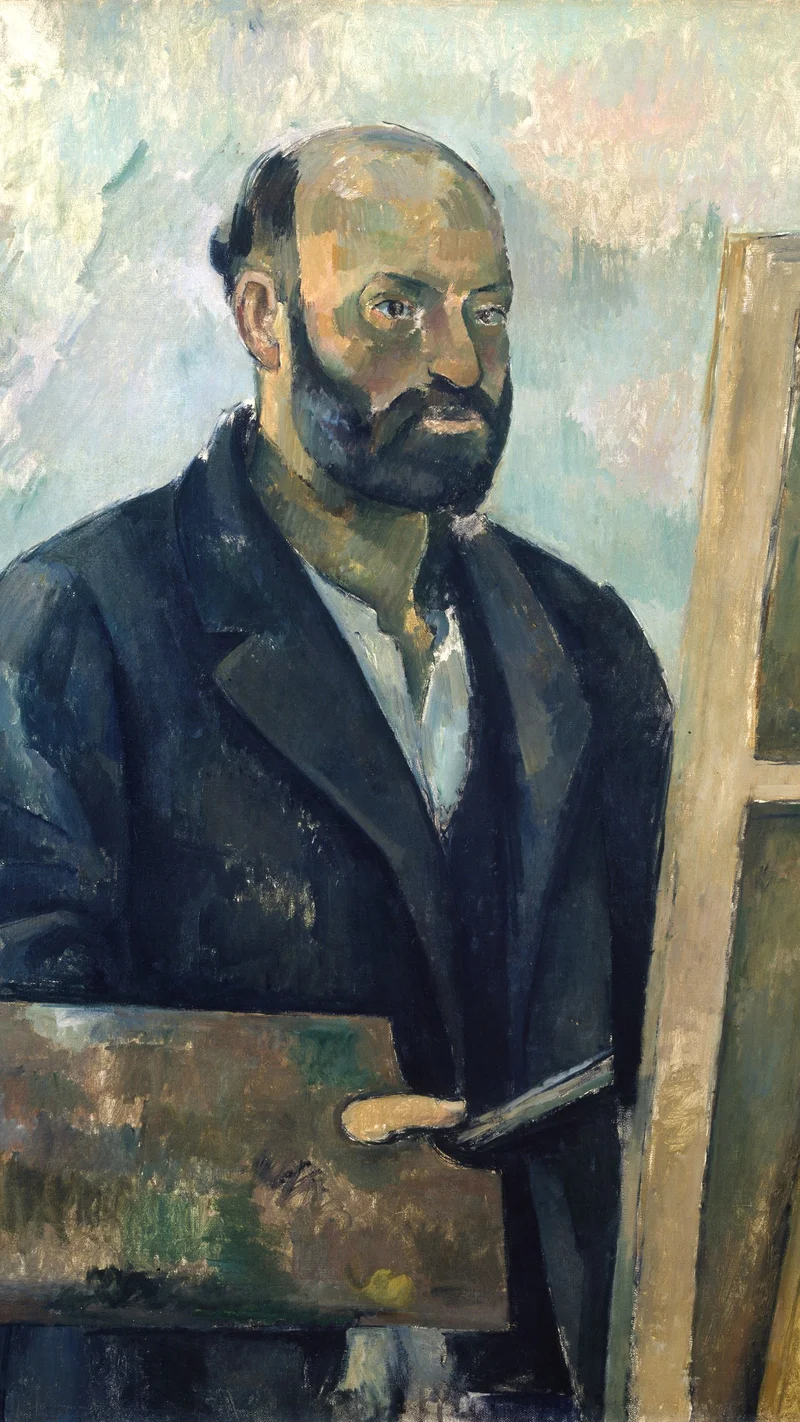
The core of the collection is defined by its exceptional holdings in Impressionism and Post-Impressionism, tracing the evolution of modern vision through the works of its most pivotal figures. Among the celebrated masterpieces are the luminous landscapes of Claude Monet, including Poppy Field near Vétheuil and Monet's Garden at Giverny. The collection also features the rigorous structural compositions of Paul Cézanne, notably The Old Gardener, alongside the emotive, textured brushwork of Vincent van Gogh, exemplified by The Sower III and Self-Portrait with Palette. These works, complemented by vibrant still lifes such as Flowers and Fruits, offer an intimate perspective on the aesthetic shifts that defined the turn of the century.
As a repository of art-historical significance, the Foundation continues to provoke discourse on the intersection of private collecting, institutional responsibility, and the preservation of cultural heritage. By maintaining these seminal works, the institution facilitates an ongoing engagement with the stylistic innovations of the modern era. The Bührle collection remains a critical point of reference for scholars and enthusiasts alike, reflecting a complex history that is as much about the provenance of the objects as it is about the transformative power of the movements they represent.
Background adapted from Wikipedia (CC BY-SA).