Gemäldegalerie Berlin
6 artworks
The Gemäldegalerie in Berlin serves as the preeminent repository for the historic painting collections of the Berlin State Museums. Originally established in 1830, the institution has undergone a profound evolution, culminating in its current site within the Kulturforum district, situated west of the historic Potsdamer Platz. The contemporary facility, completed in 1998, provides a contemplative environment designed specifically to house one of the world's most significant assemblages of European masterworks, bridging the gap between the Prussian royal collections and modern curatorial standards.
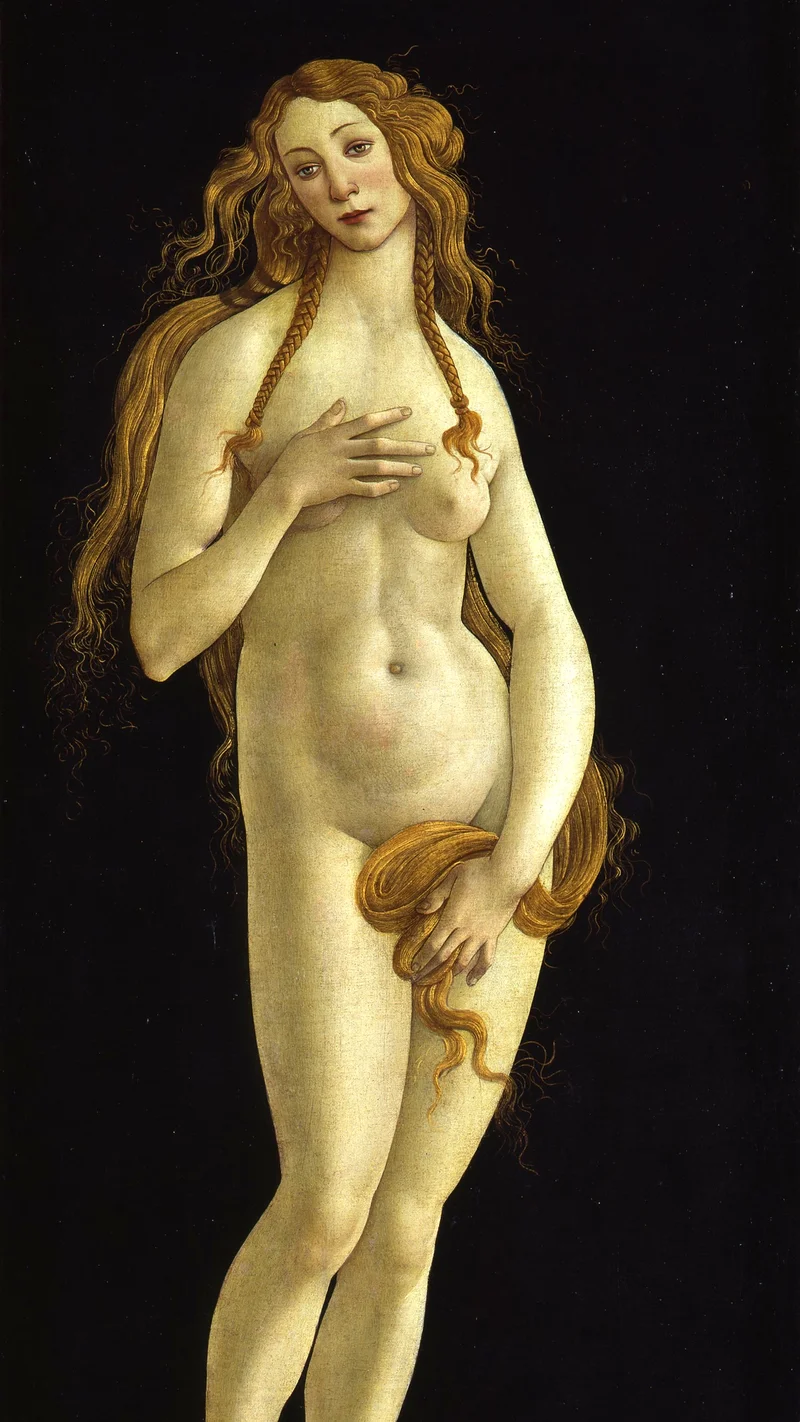
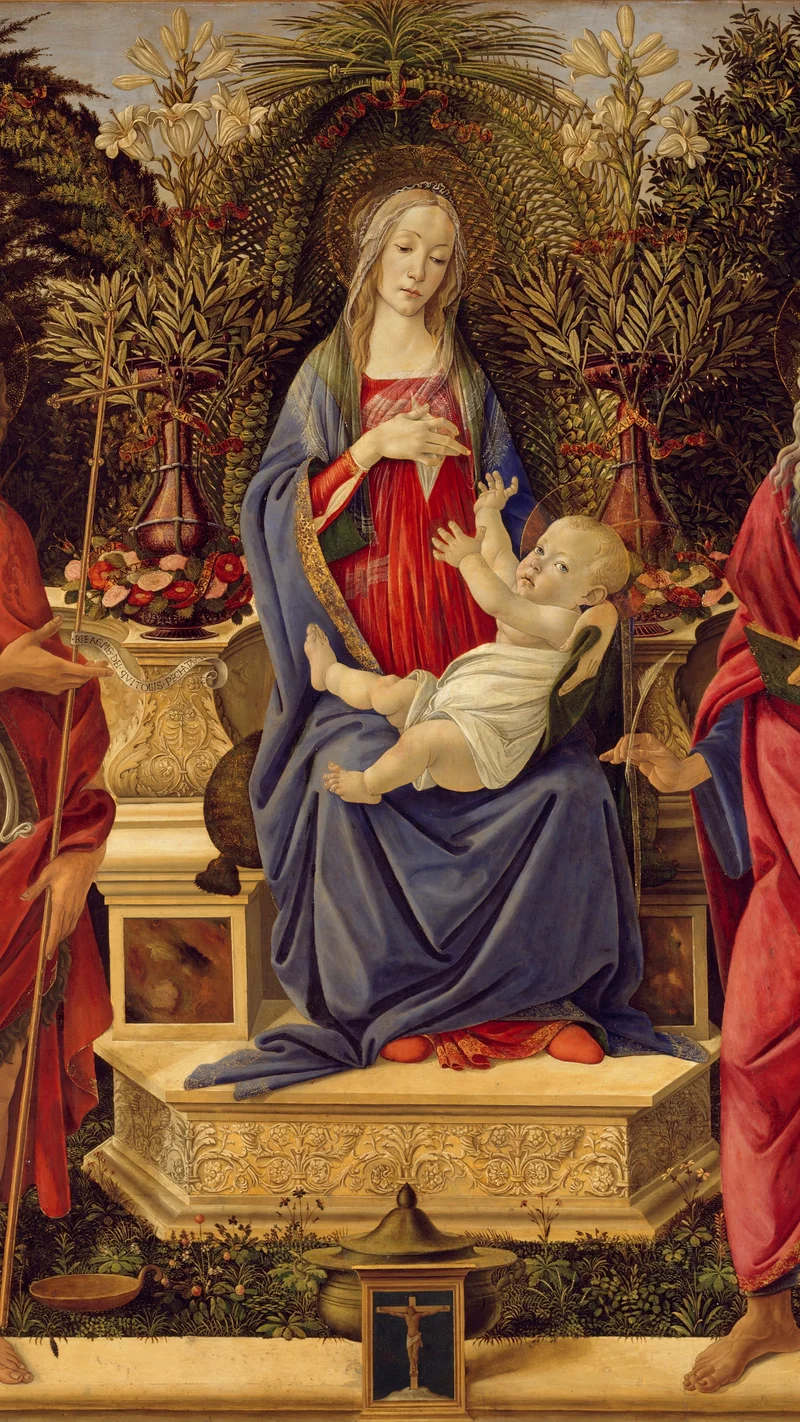
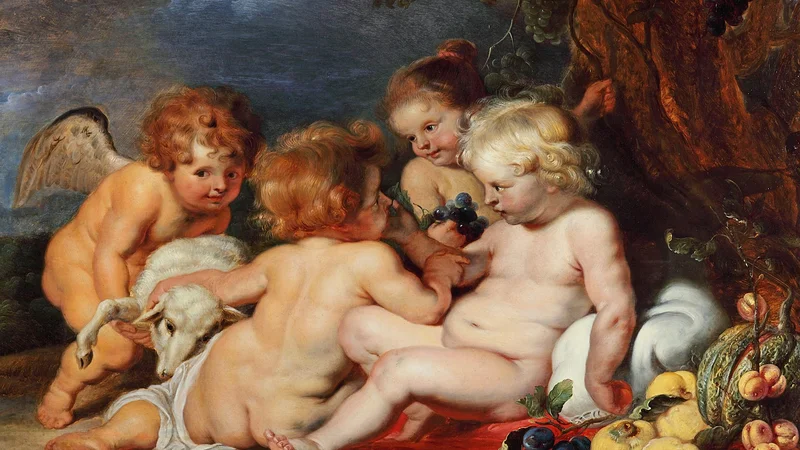
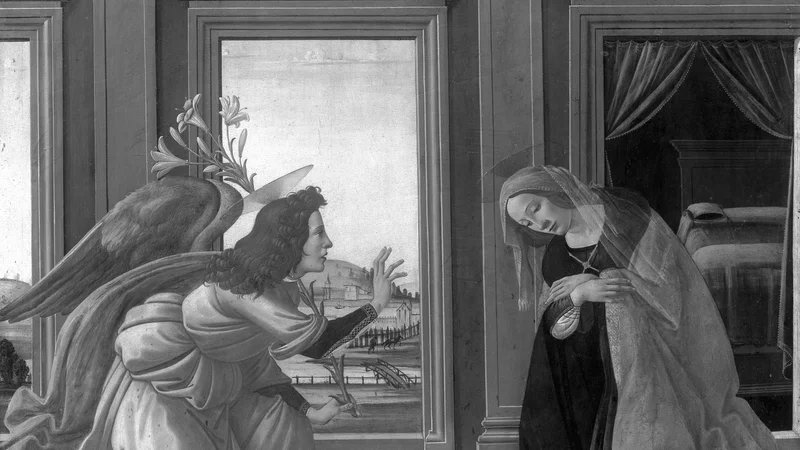
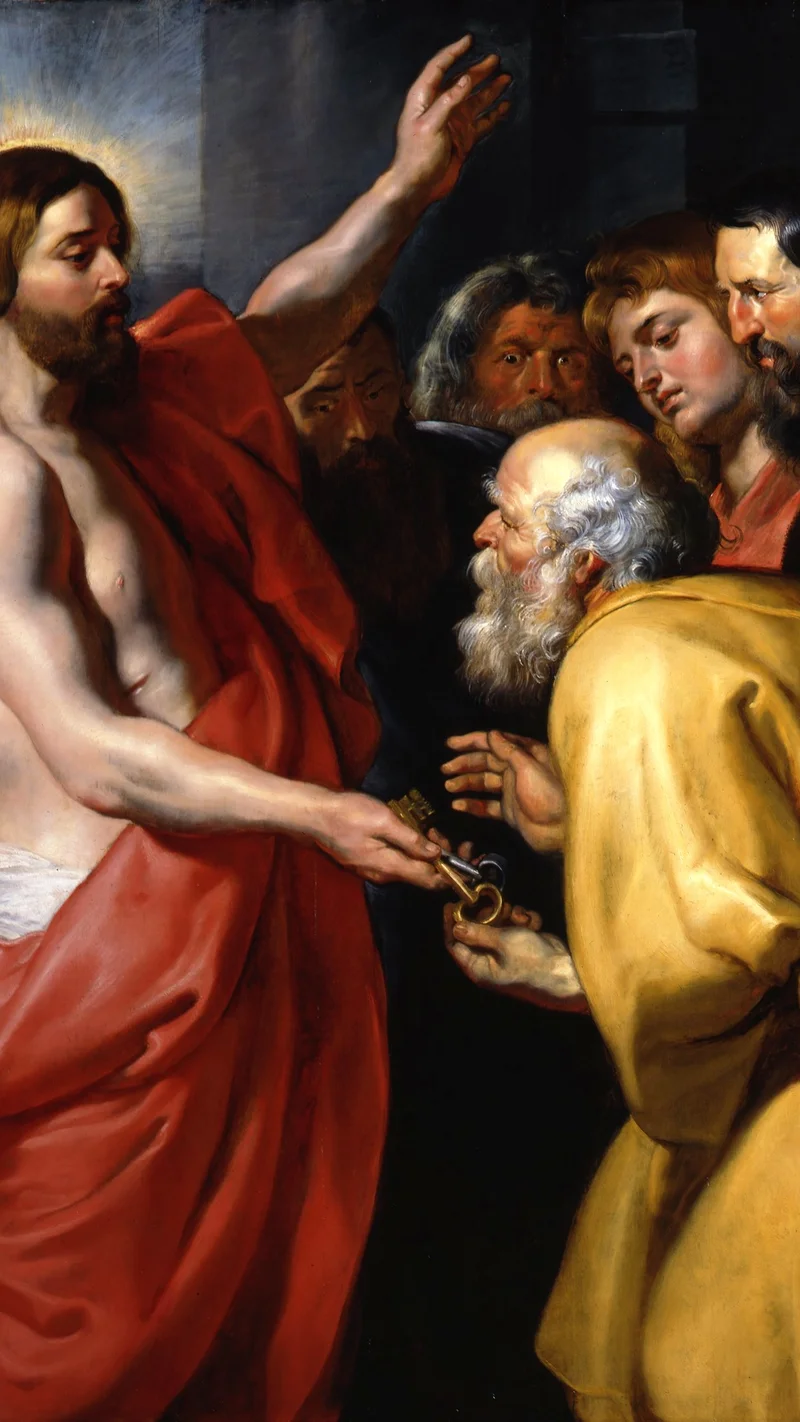
The collection spans centuries of artistic achievement, with particular emphasis on the Early Renaissance and the dramatic intensity of the Baroque period. Visitors encounter profound dialogues between masters such as Sandro Botticelli, whose Madonna Bardi and Venus exemplify the delicate precision of the Italian Quattrocento, and the opulent, tactile canvases of Peter Paul Rubens and Frans Snyders. The museum’s breadth further extends into the emotive depth of Romanticism and the sharp psychological insight found in the works of Francisco Goya. Iconic pieces such as the Annunciation to Mary, Christ Giving the Keys to St. Peter, and the poignant Portrait of a Monk anchor the experience, offering deep insights into the theological and humanistic inquiries of their respective eras.
As a cornerstone of European art history, the Gemäldegalerie remains essential for the study of Western visual culture. By preserving these masterworks, the institution facilitates a continuous discourse on the development of technique, iconography, and aesthetic theory. Its enduring legacy is defined by a commitment to scholarly rigor, ensuring that the evolution of painting from the medieval era through the nineteenth century remains accessible as a vital, cohesive narrative of human creativity.
Background adapted from Wikipedia (CC BY-SA).