Honolulu Museum of Art
5 artworks
Founded in 1922 by the visionary Anna Rice Cooke, the Honolulu Museum of Art serves as a cornerstone of cultural life in Hawaiʻi. Officially opening its doors on April 8, 1927, the institution occupies a landmark architectural setting that reflects the synthesis of regional aesthetic traditions and classical museum design. Conceived as a repository for global culture, the museum was established to foster an appreciation for artistic history within the unique geographic and social context of the Pacific, effectively bridging Eastern and Western traditions through its foundational mission.
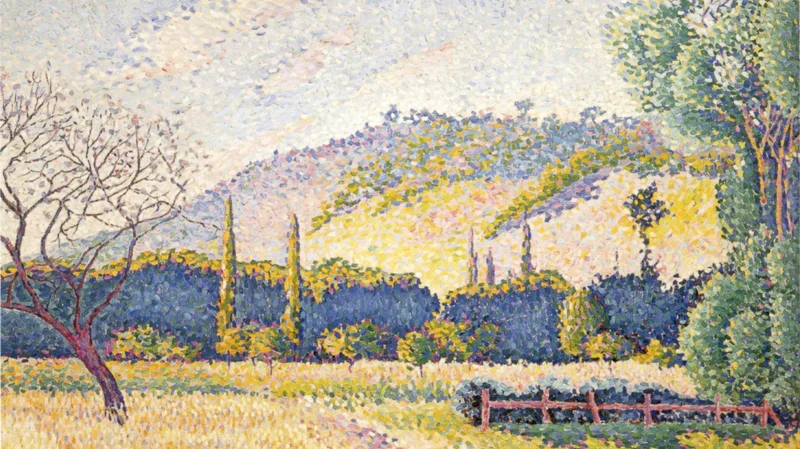
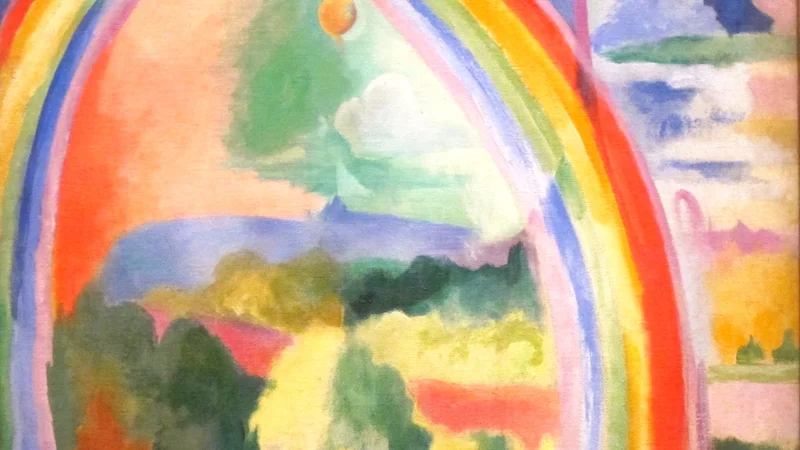
The museum’s holdings are distinguished by an expansive reach, particularly in its curation of Asian and Pan-Pacific masterworks. The collection offers a profound examination of European modernism, featuring seminal works that trace the evolution of Impressionism, Post-Impressionism, and Orphism. Visitors encounter the evocative light of Claude Monet’s Waterlilies, the vibrant chromatic experimentation of Robert Delaunay’s The Rainbow, and the emotive intensity of Vincent van Gogh’s Wheat Field with Sheaves. These are complemented by the delicate precision of Henri-Edmond Cross’s Landscape and the pastoral serenity found in William Hart’s Grazing by the River, providing a comprehensive survey of the aesthetic movements that shaped the twentieth century.
As a premier cultural institution, the Honolulu Museum of Art maintains a commitment to the stewardship of art history, ensuring that its vast array of objects remains accessible for scholarly inquiry and public education. By preserving these diverse artistic legacies, the museum upholds its reputation as a vital nexus for intellectual exchange, anchoring its status as an indispensable presence in the international art landscape.
Background adapted from Wikipedia (CC BY-SA).