Israel Museum
8 artworks
Established in 1965, the Israel Museum stands as the preeminent cultural institution of the nation, situated atop a prominent hill in the Givat Ram neighborhood of Jerusalem. Its strategic location, adjacent to the Knesset and the Hebrew University of Jerusalem, underscores its role as a cornerstone of intellectual and historical discourse. Since its founding, the museum has functioned as an encyclopedic repository, meticulously gathering artifacts and artworks that bridge the chasm between ancient archaeology and modern creative expression, effectively grounding the institution within the broader narrative of human civilization.
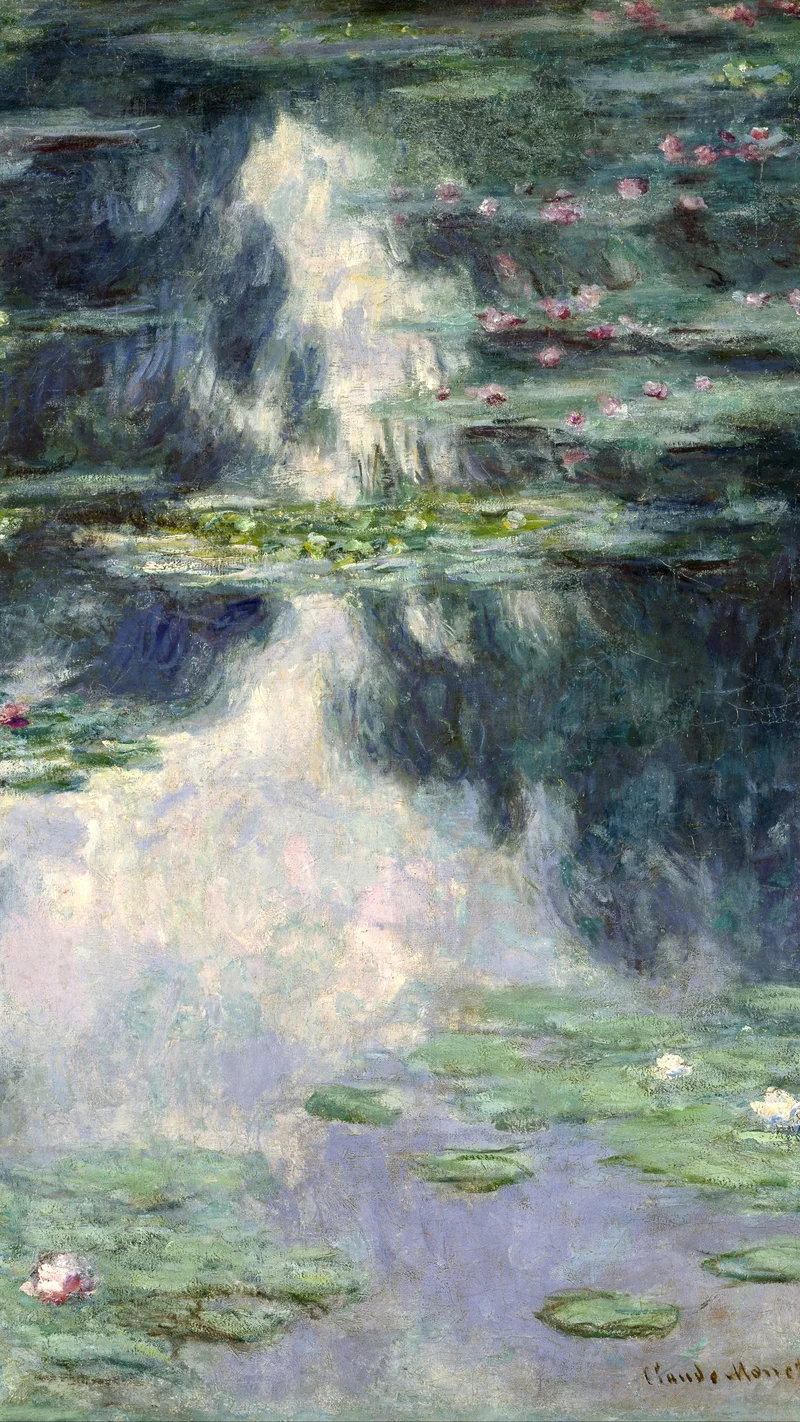
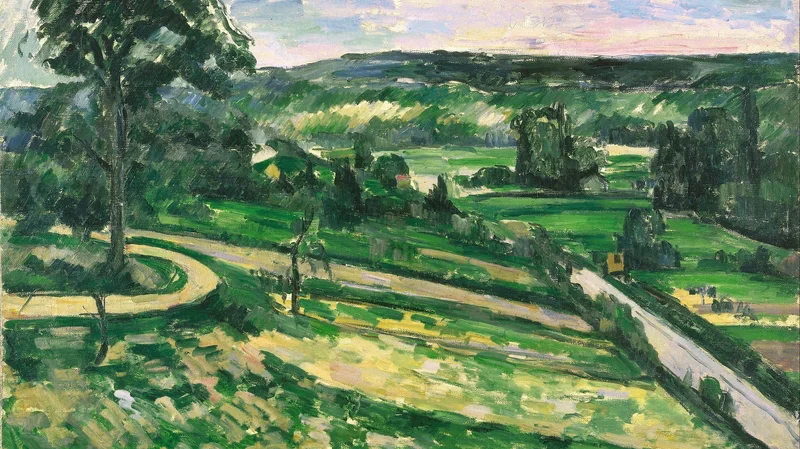
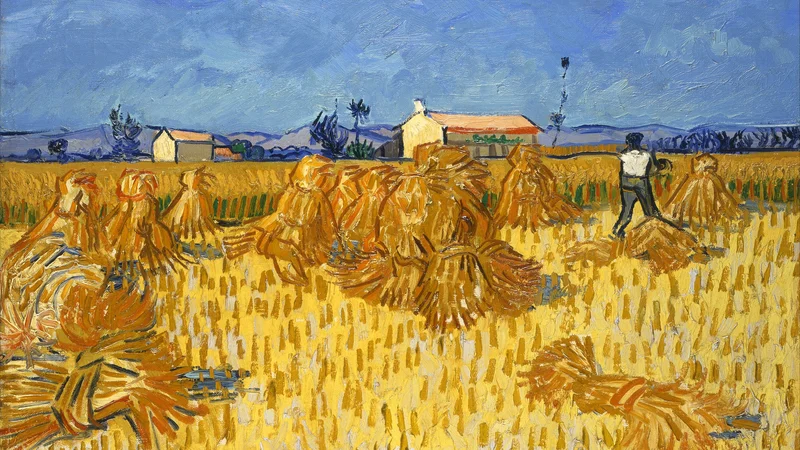
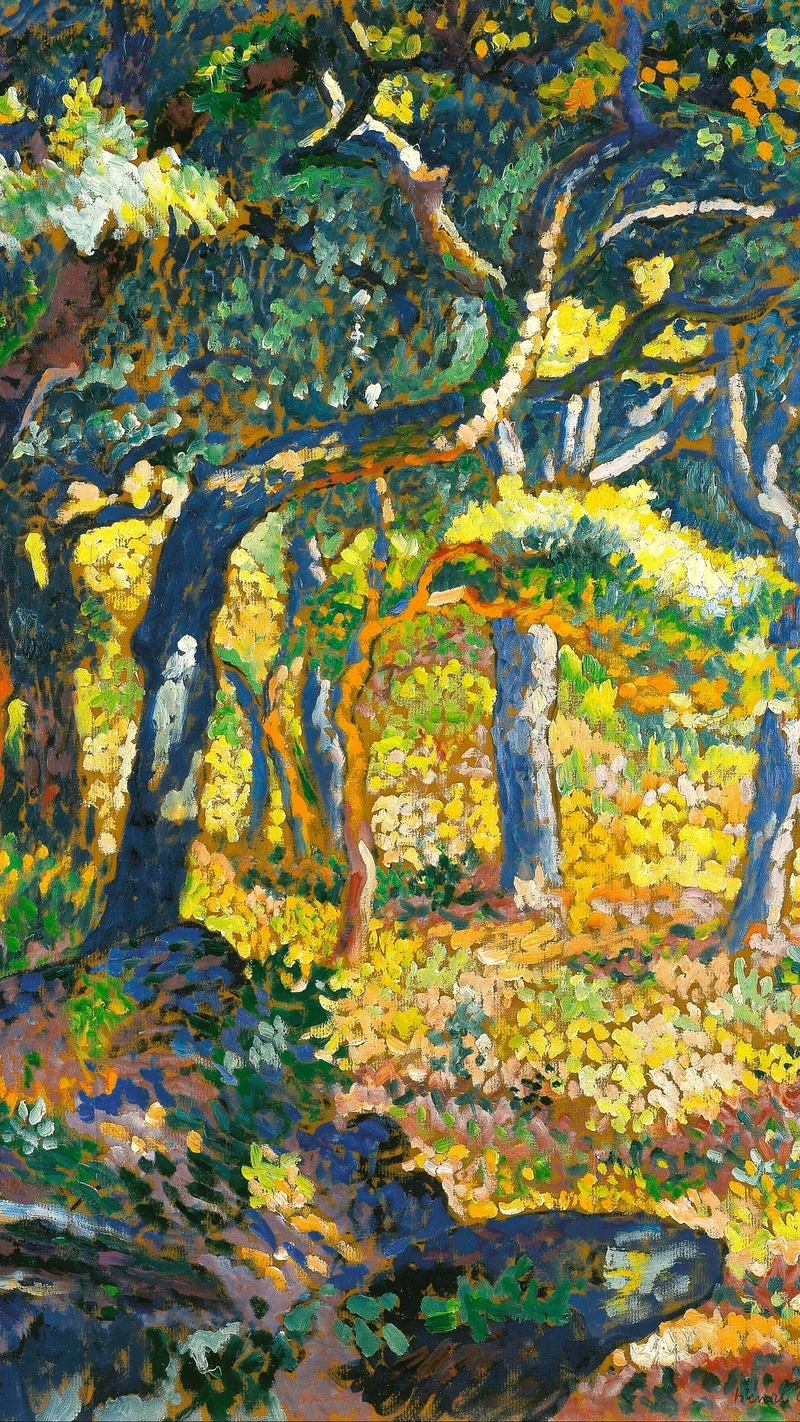
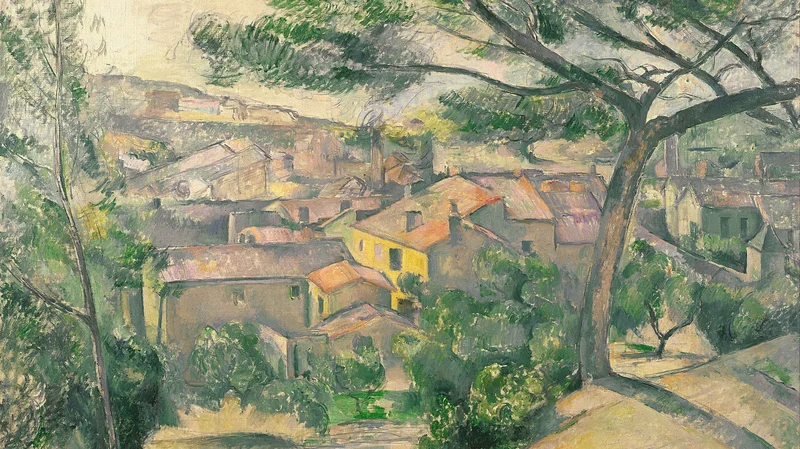
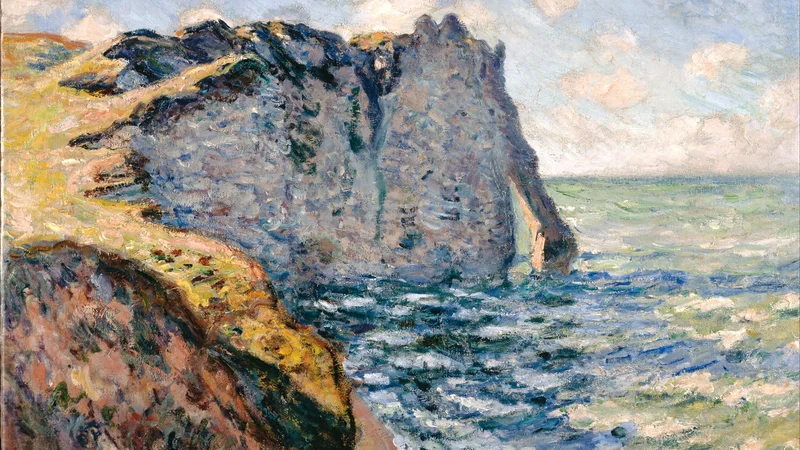
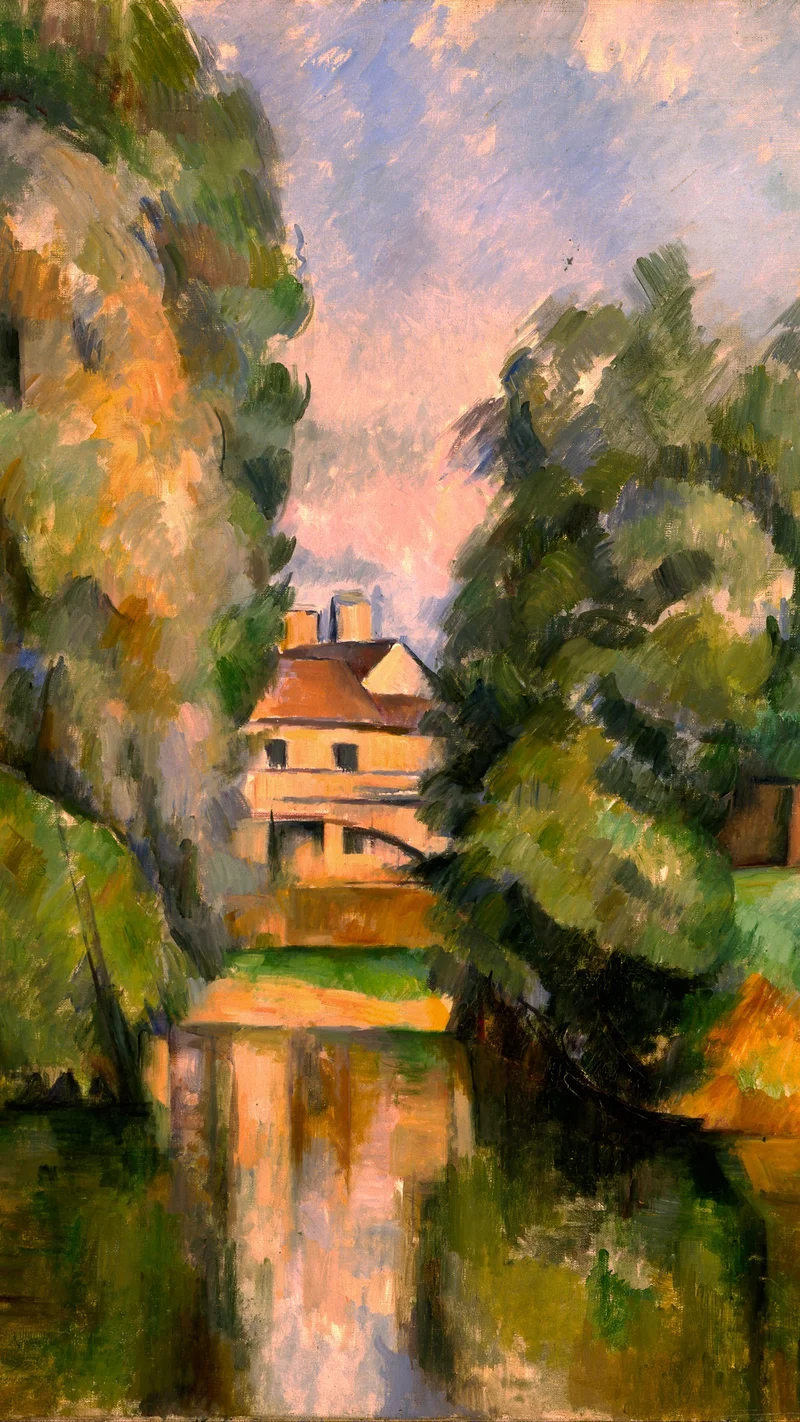
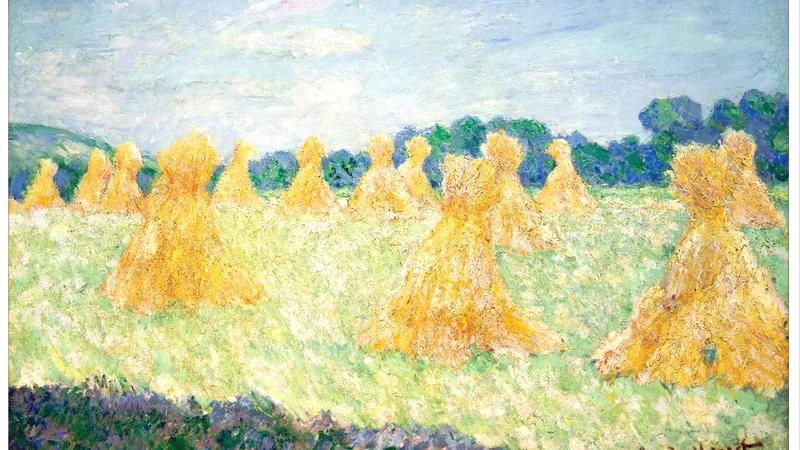
The museum’s permanent collection offers a profound survey of European modernism, with particular depth in Impressionism, Pointillism, and Post-Impressionism. Visitors are invited to examine the evolving light and structural rigor found in works such as Claude Monet’s Pond with Water Lilies and Paul Cezanne’s Harvest in Provence and Morning View of L'Estaque Against the Sunlight. The collection further highlights the chromatic innovations of Henri-Edmond Cross, exemplified in Une clairière en Provence (Étude), alongside the evocative textures of Vincent van Gogh’s The Tree by the Bend and the tranquil atmosphere of Country House by a River. These masterpieces serve as critical touchstones for understanding the shift toward subjective perception in late 19th-century art.
As a world-class institution, the Israel Museum serves as a vital custodian of cultural heritage, fostering a scholarly environment that encourages rigorous engagement with art history. By maintaining a balance between archaeological significance and the aesthetic achievements of the modern era, the museum secures its legacy as a global center for research and preservation. Its ongoing commitment to curatorial excellence ensures that these iconic works remain accessible, inviting sustained inquiry into the transformative movements that defined the trajectory of Western art.
Background adapted from Wikipedia (CC BY-SA).