Kröller-Müller Museum
37 artworks
Nestled within the verdant expanse of the Hoge Veluwe National Park in the Netherlands, the Kröller-Müller Museum stands as a testament to the visionary ambition of Helene Kröller-Müller. Established in 1938, the institution emerged from the private collection of Helene and her husband, Anton, who sought to integrate high art within the serene, natural landscape of their former estate. The museum’s architectural profile, characterized by its harmonious dialogue with the surrounding forest, serves as a sanctuary for the preservation of modern masterpieces, reflecting a foundational mission to bridge the divide between the aesthetic rigors of the studio and the organic fluidity of the natural world.
A Legacy of Modernism
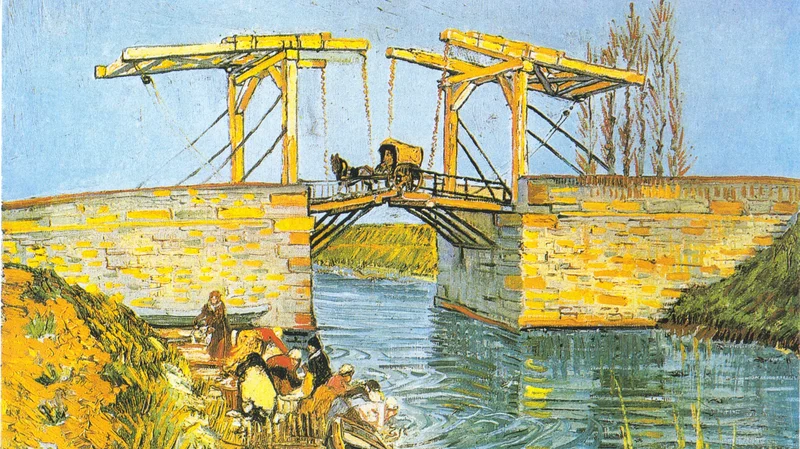
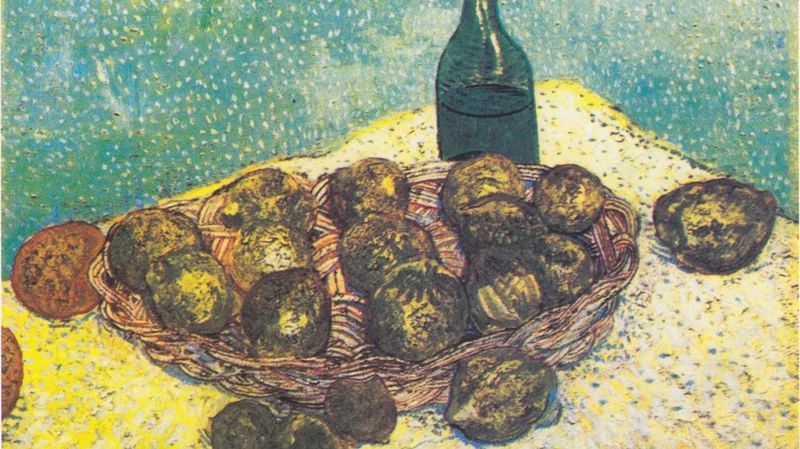
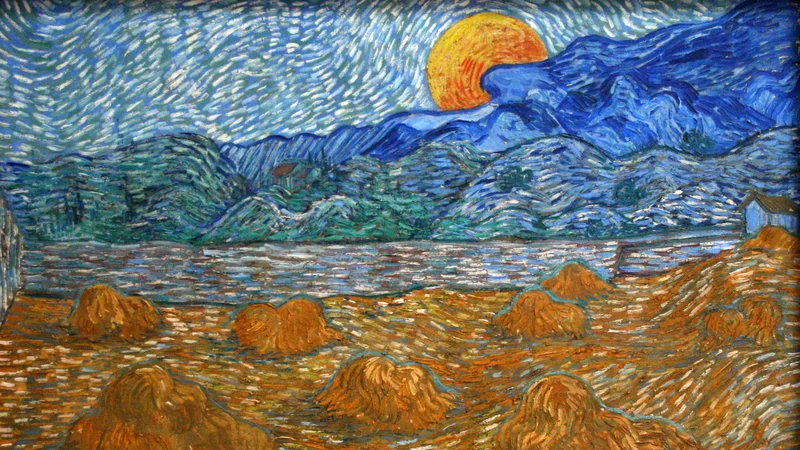
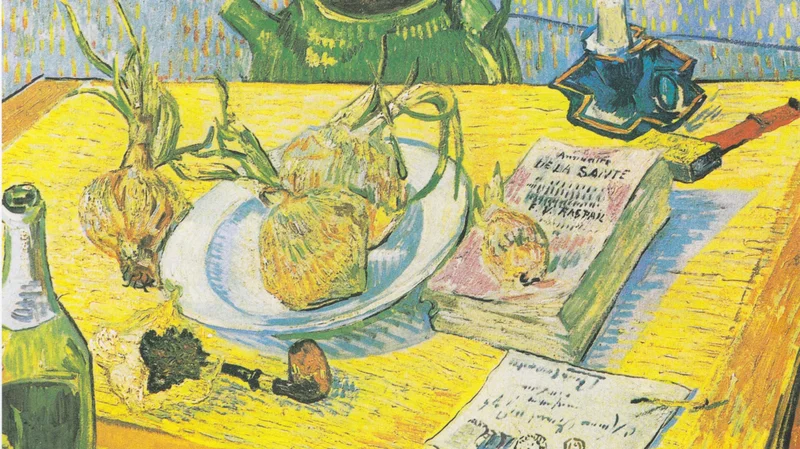
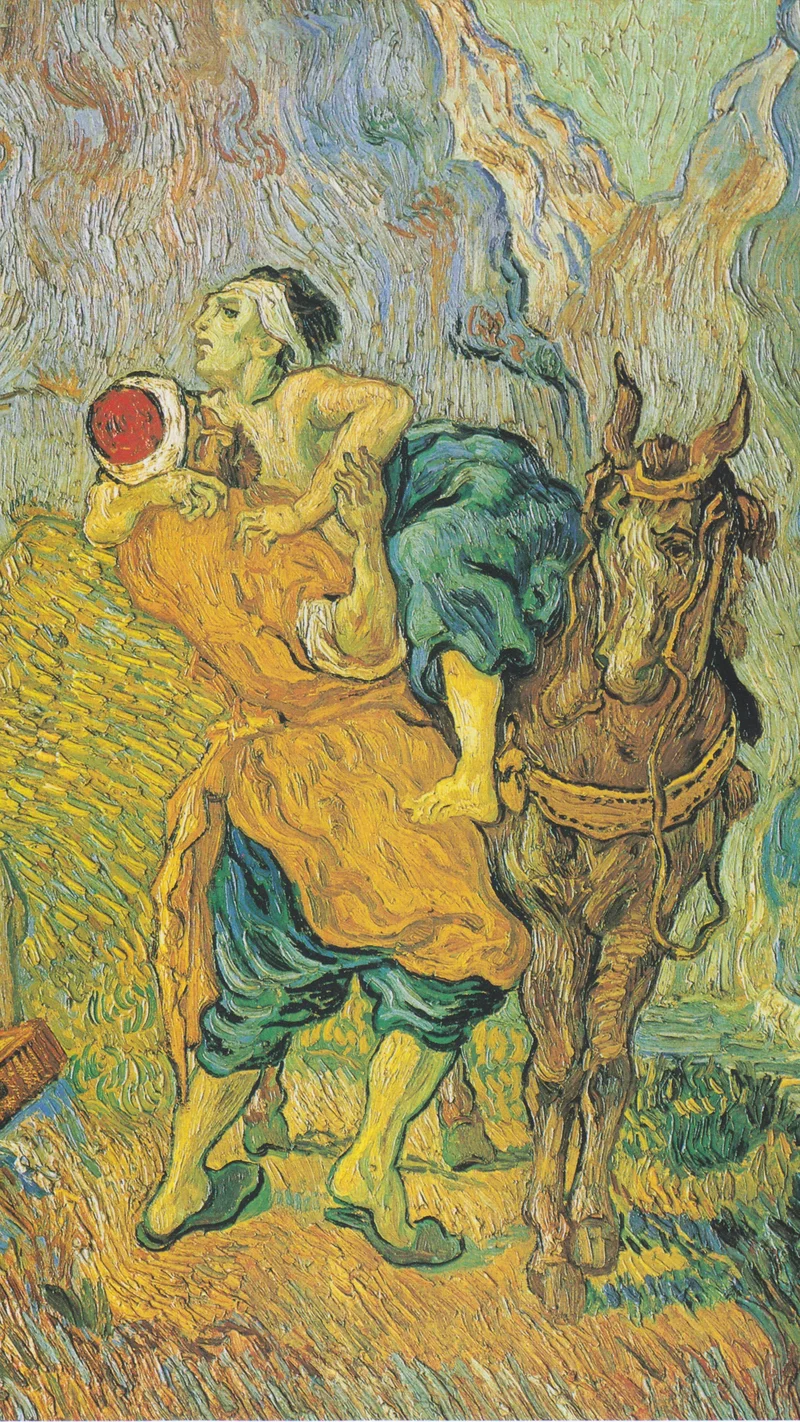
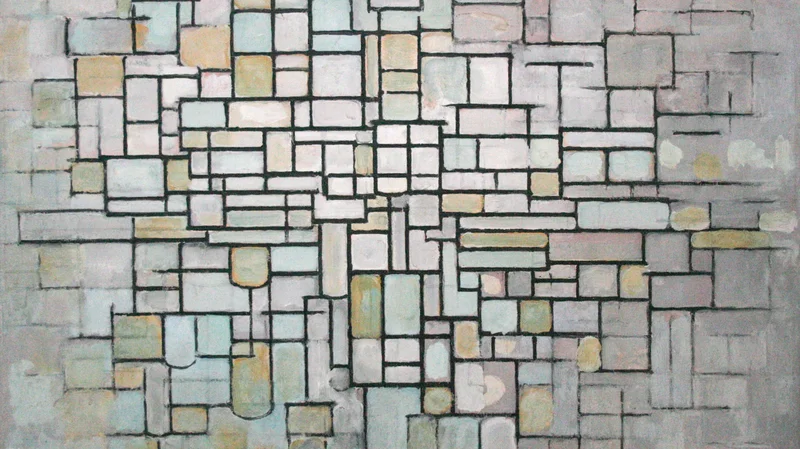
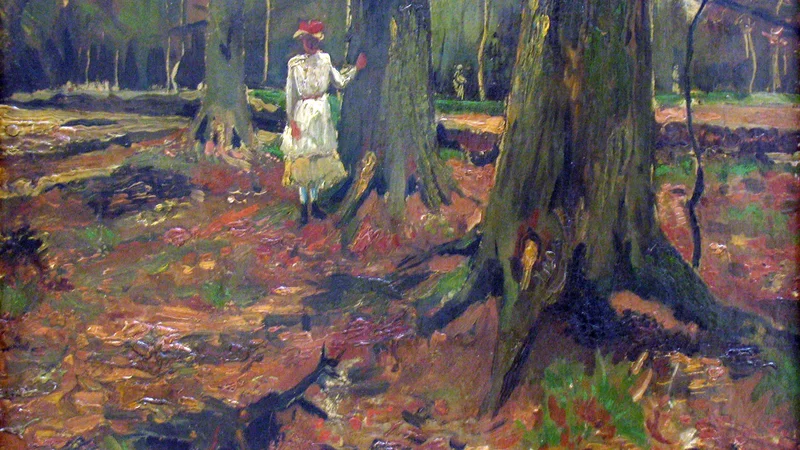
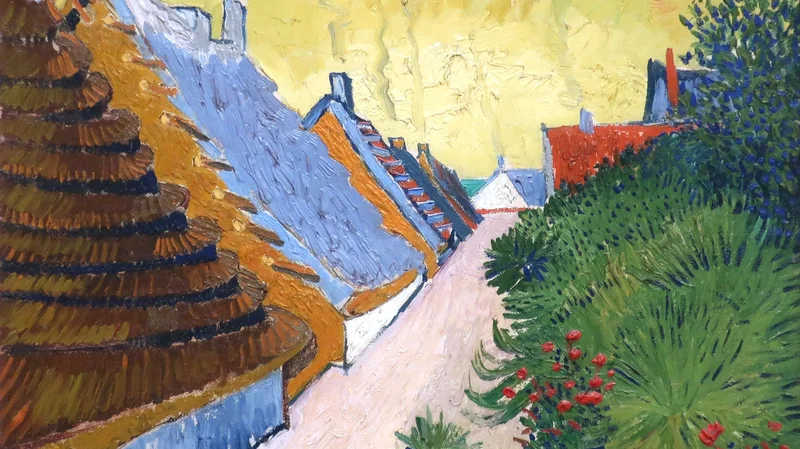
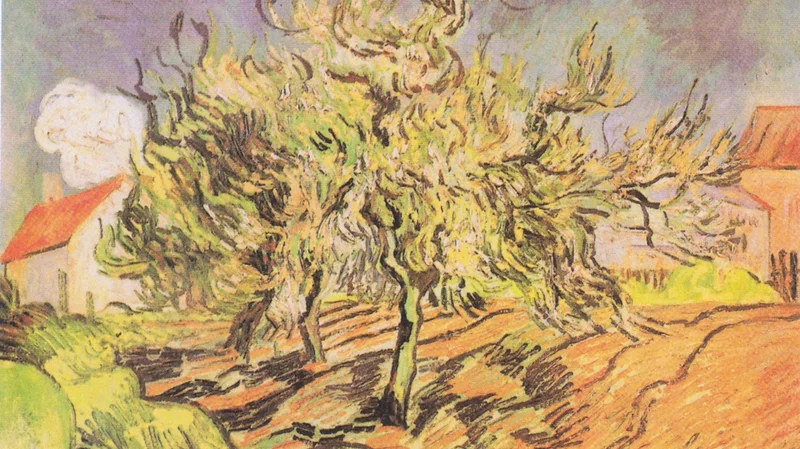
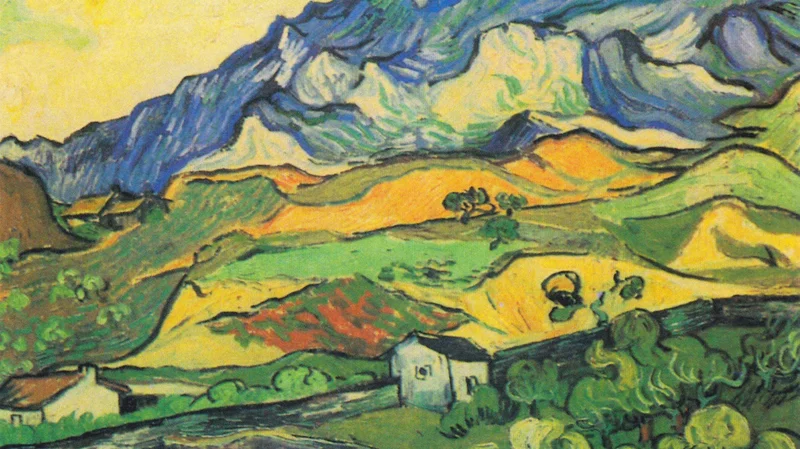
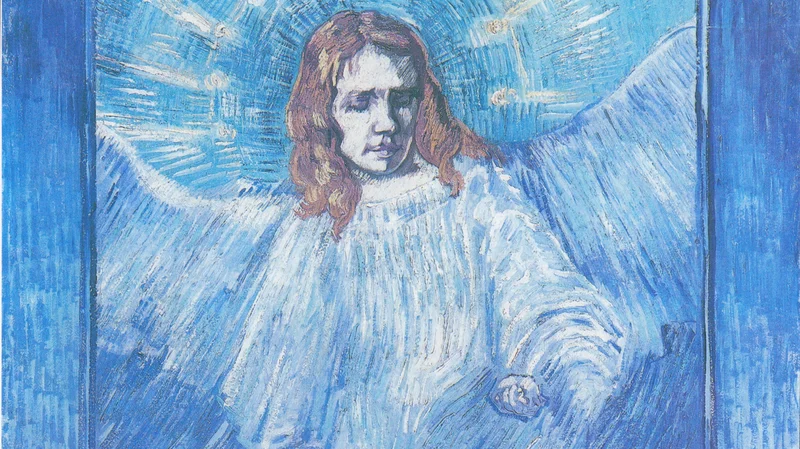
The collection is profoundly defined by its extensive holdings in Post-Impressionism, most notably its significant repository of works by Vincent van Gogh, which ranks as the second-largest in the world. Visitors encounter seminal pieces such as The Langlois Bridge at Arles with Women Washing and Landscape with wheat sheaves and rising moon, which provide an intimate look into the artist’s evolving vision. Beyond the Dutch master, the museum serves as a critical site for the study of Pointillism, featuring the methodical color theories of Paul Signac and Jan Toorop, as well as the structural innovations of Paul Cezanne. The institution also chronicles the evolution of geometric abstraction through the lens of De Stijl, exemplified by Piet Mondrian’s Composition No. 11. Through these works, including the tactile stillness of Still Life: Bottle, Lemons and Oranges, the Kröller-Müller Museum maintains a rigorous commitment to the historical narrative of the twentieth century, cementing its status as a vital pillar of international art scholarship.
Background adapted from Wikipedia (CC BY-SA).