Kunstmuseum Basel
6 artworks
The Kunstmuseum Basel occupies a singular position in the history of institutional collecting, housing the oldest public art collection in the world. Its origins are deeply rooted in the humanist traditions of the Renaissance, evolving from the private cabinet of the Amerbach family, which was acquired by the city and university in 1661. Situated in the heart of Basel, the institution serves as a cornerstone of Swiss cultural identity. Its historic building, a testament to the city’s long-standing dedication to the preservation of intellectual and aesthetic heritage, functions as a sanctuary for works that span centuries, solidifying its status as a Swiss heritage site of national significance.
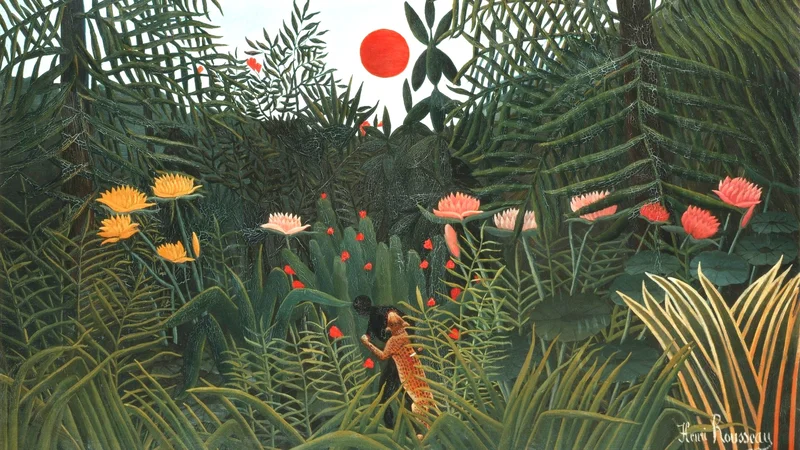
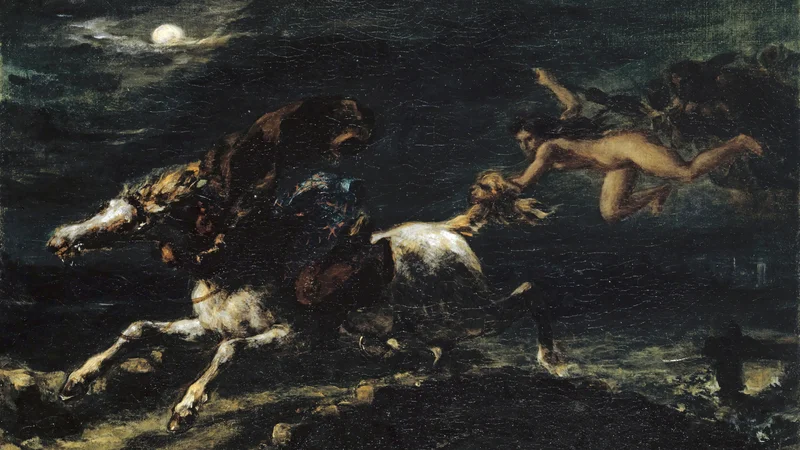
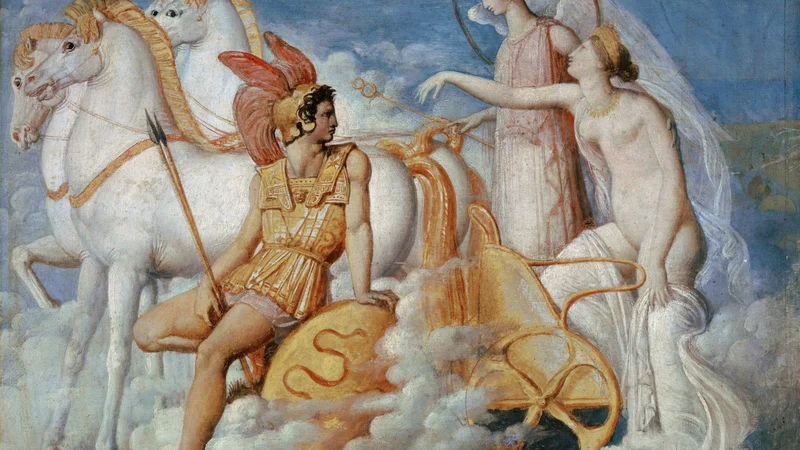
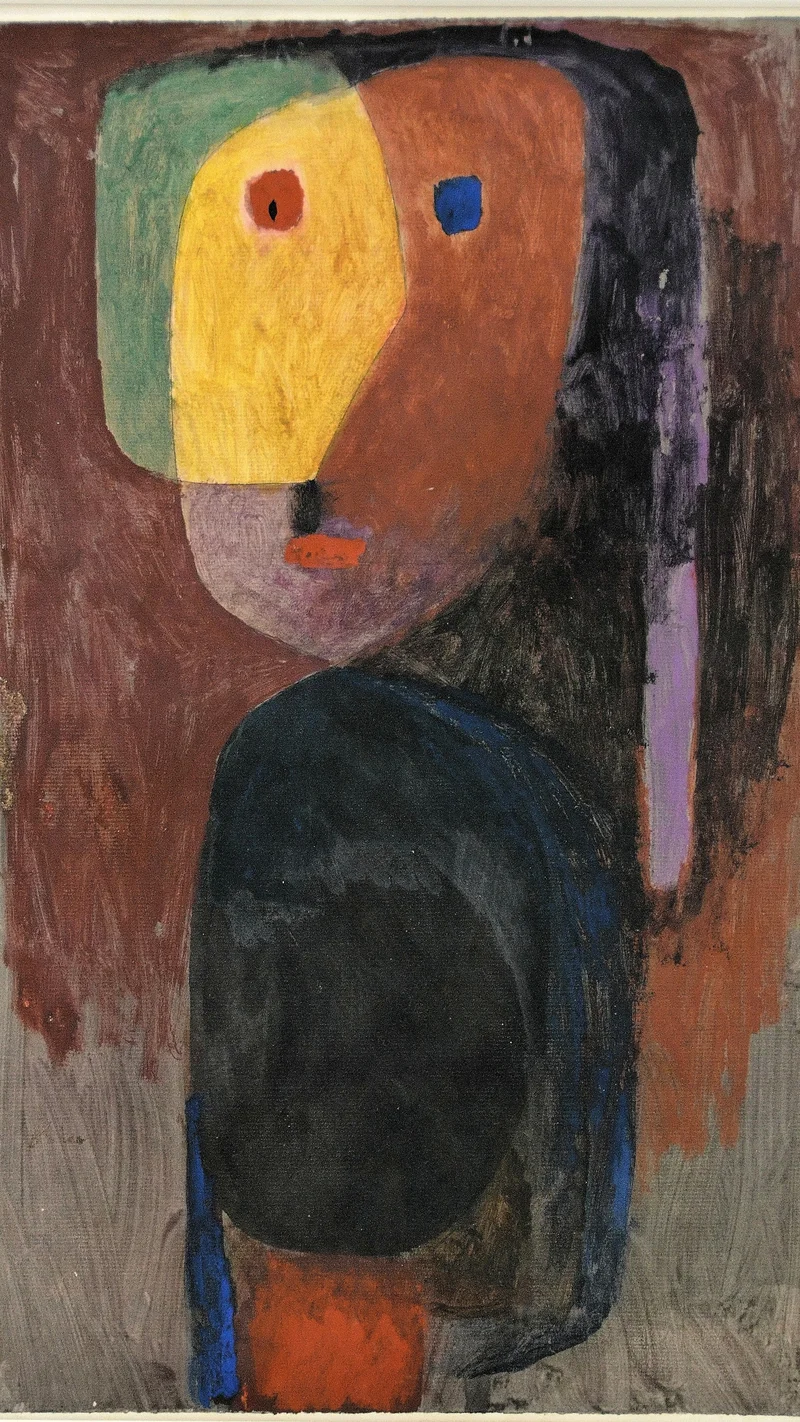
Within its walls, the museum offers a sophisticated survey of European art, bridging the gap between the structured precision of Neo-classicism and the emotive power of Romanticism and Post-Impressionism. Visitors encounter the austere grace of Jean-Auguste-Dominique Ingres’s Venus, Injured by Diomedes, Returns to Olympus alongside the visceral energy of Eugène Delacroix’s Tam O'Shanter pursued by Witches. The collection further traces the evolution of modern perception through the landscapes of Vincent van Gogh, such as View of Paris from Montmartre, and the rigorous geometric inquiries of Piet Mondrian’s Composition no. I. Works like Henri Rousseau’s Virgin Forest with Sunset and the lyrical abstractions of Paul Klee, including Evening Figure, underscore the institution’s commitment to representative movements that defined the trajectory of Western aesthetics.
As the most important museum of art in Switzerland, the Kunstmuseum Basel remains a vital center for scholarly inquiry and public education. Its enduring mission is to foster a profound engagement with history, providing a rigorous intellectual framework through which the development of artistic vision can be understood. By maintaining a collection of such immense historical gravity, the museum continues to serve as an indispensable repository for global art history, ensuring that these masterpieces remain accessible for critical study and cross-generational appreciation.
Background adapted from Wikipedia (CC BY-SA).