Louvre Museum
26 artworks
Situated on the Right Bank of the Seine in the heart of Paris, the Louvre Museum serves as the preeminent repository of Western artistic heritage. Originally established as a defensive fortress in the late 12th century under Philip II, the structure preserves its medieval foundations within the lower levels of the current complex. By 1546, King Francis I initiated the transformation of this site from a military stronghold into a grand royal residence, setting the stage for its eventual evolution into a public sanctuary for the arts.
Artistic Legacies and Masterpieces
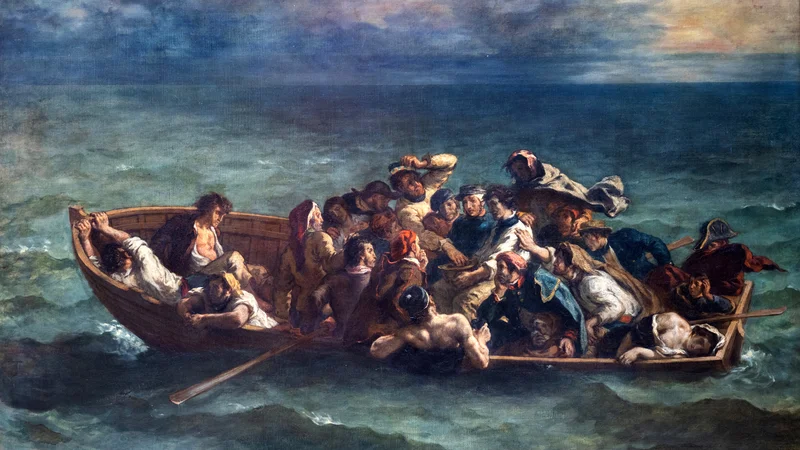
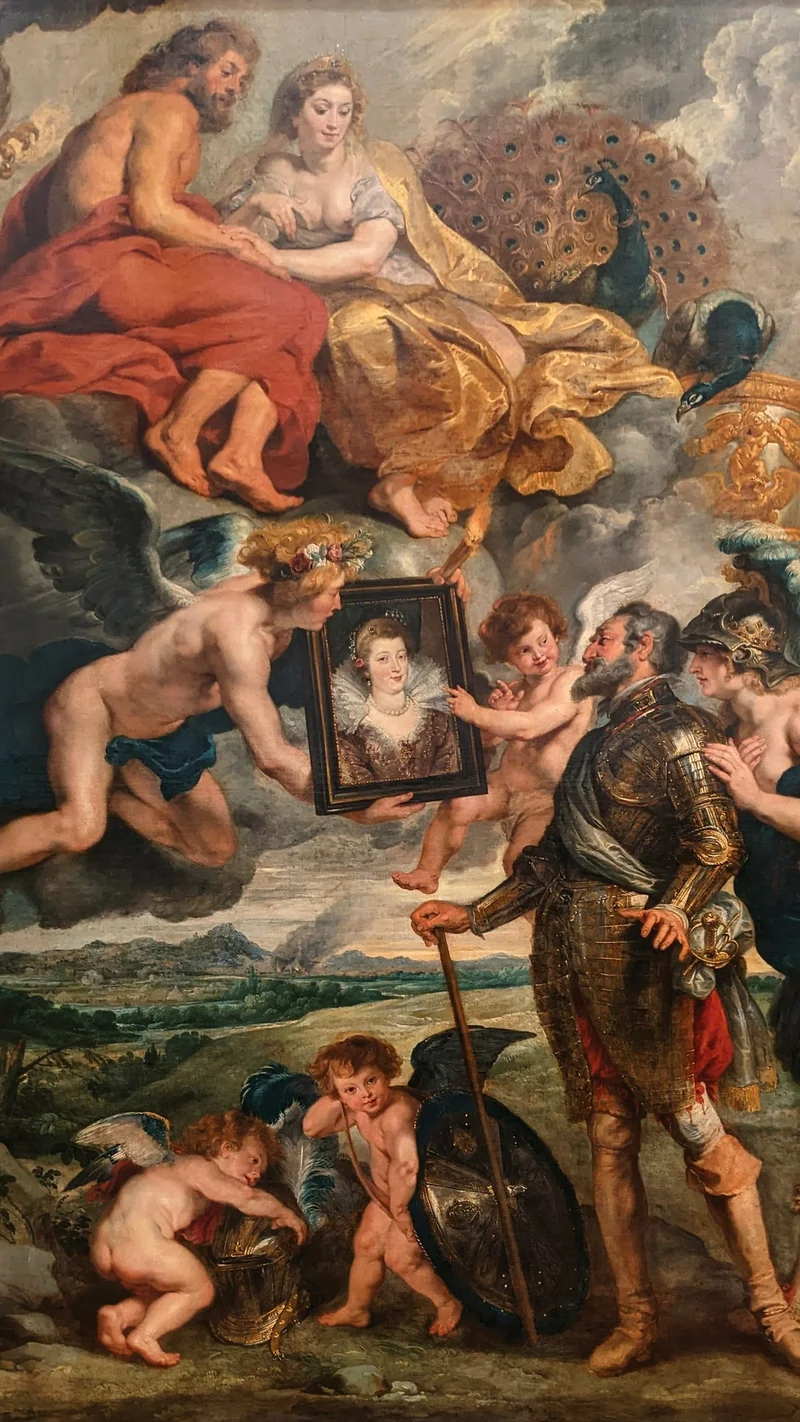
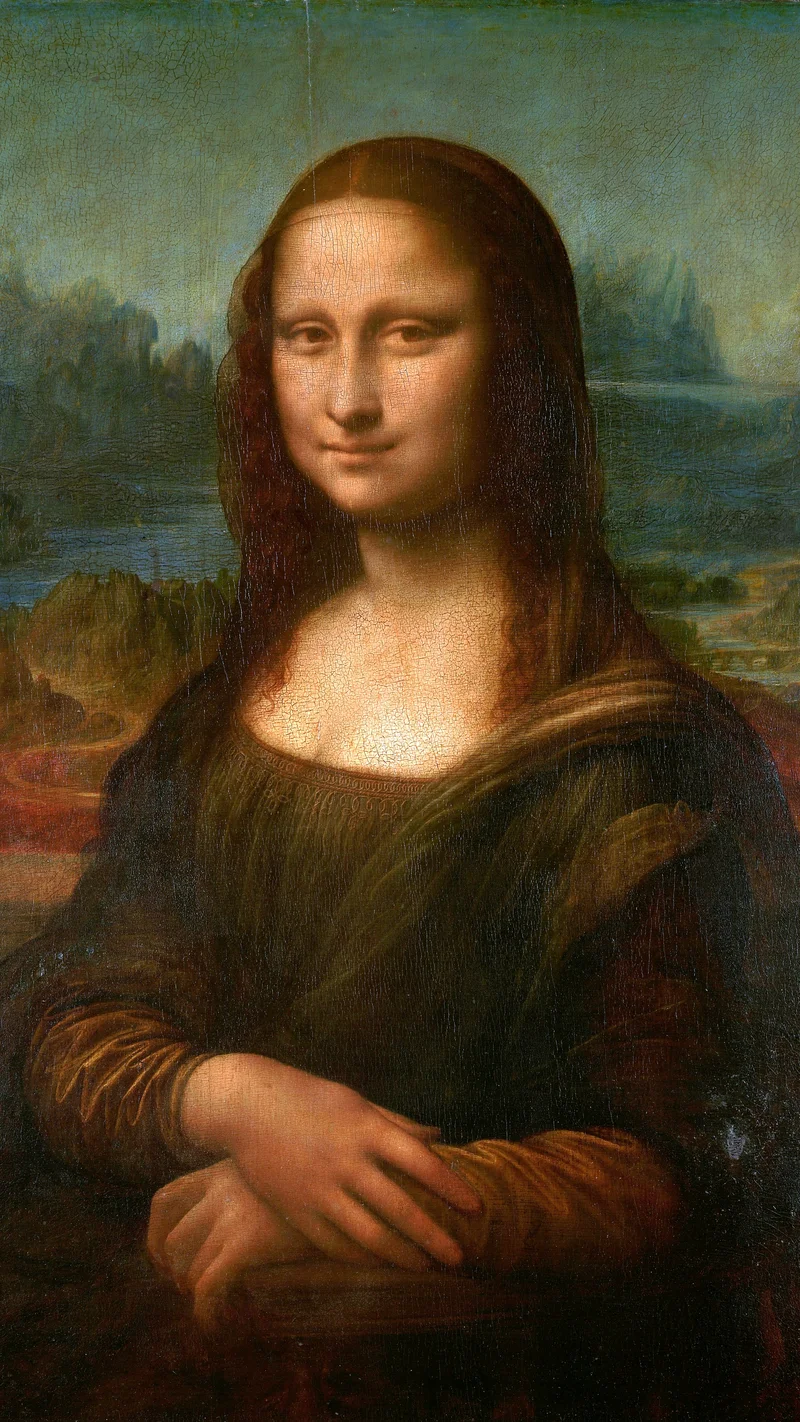
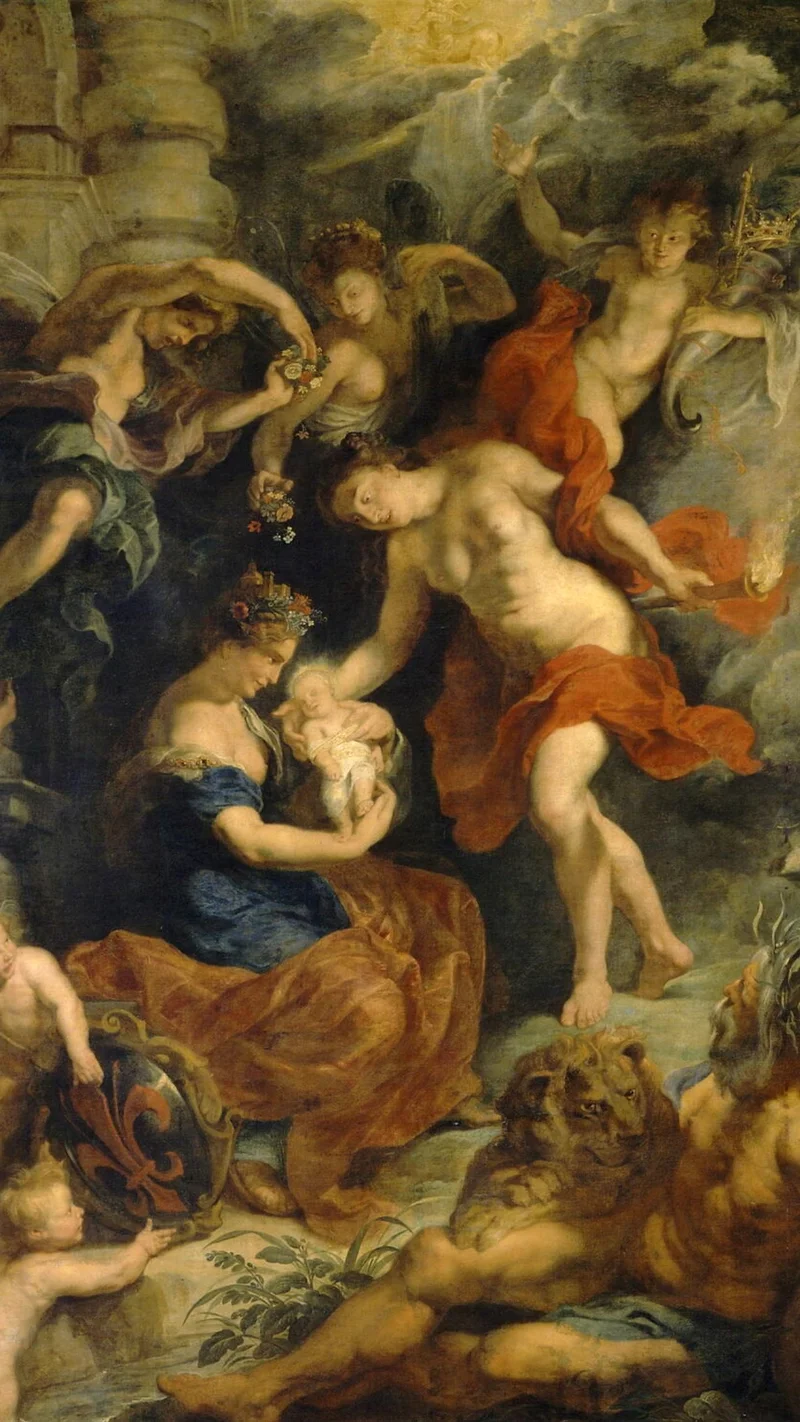
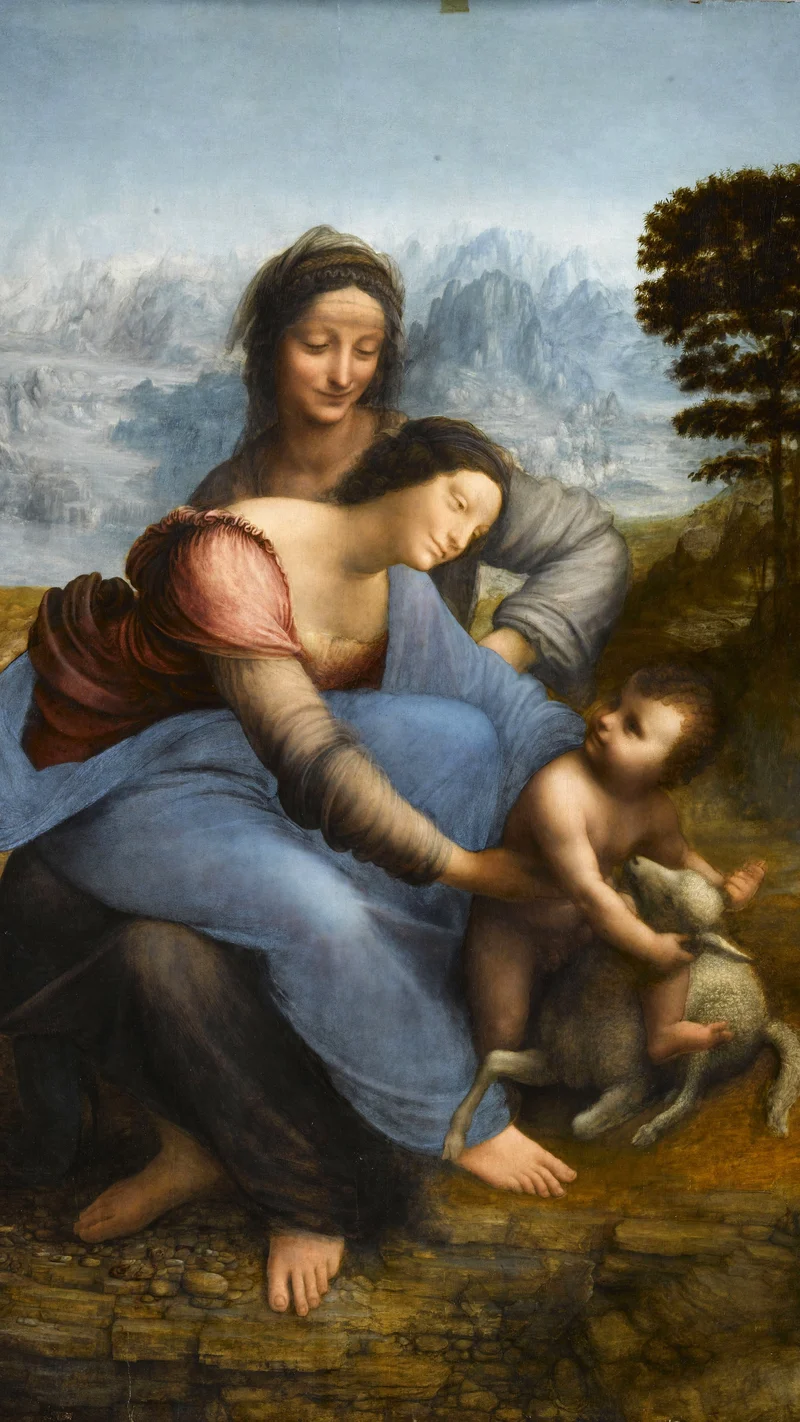
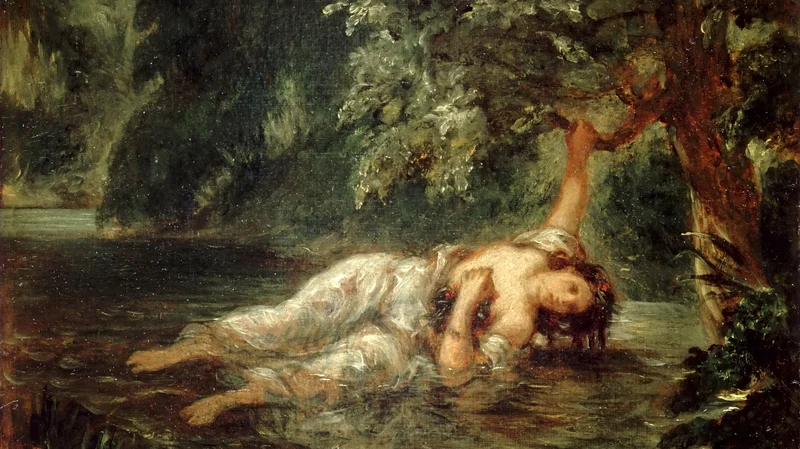
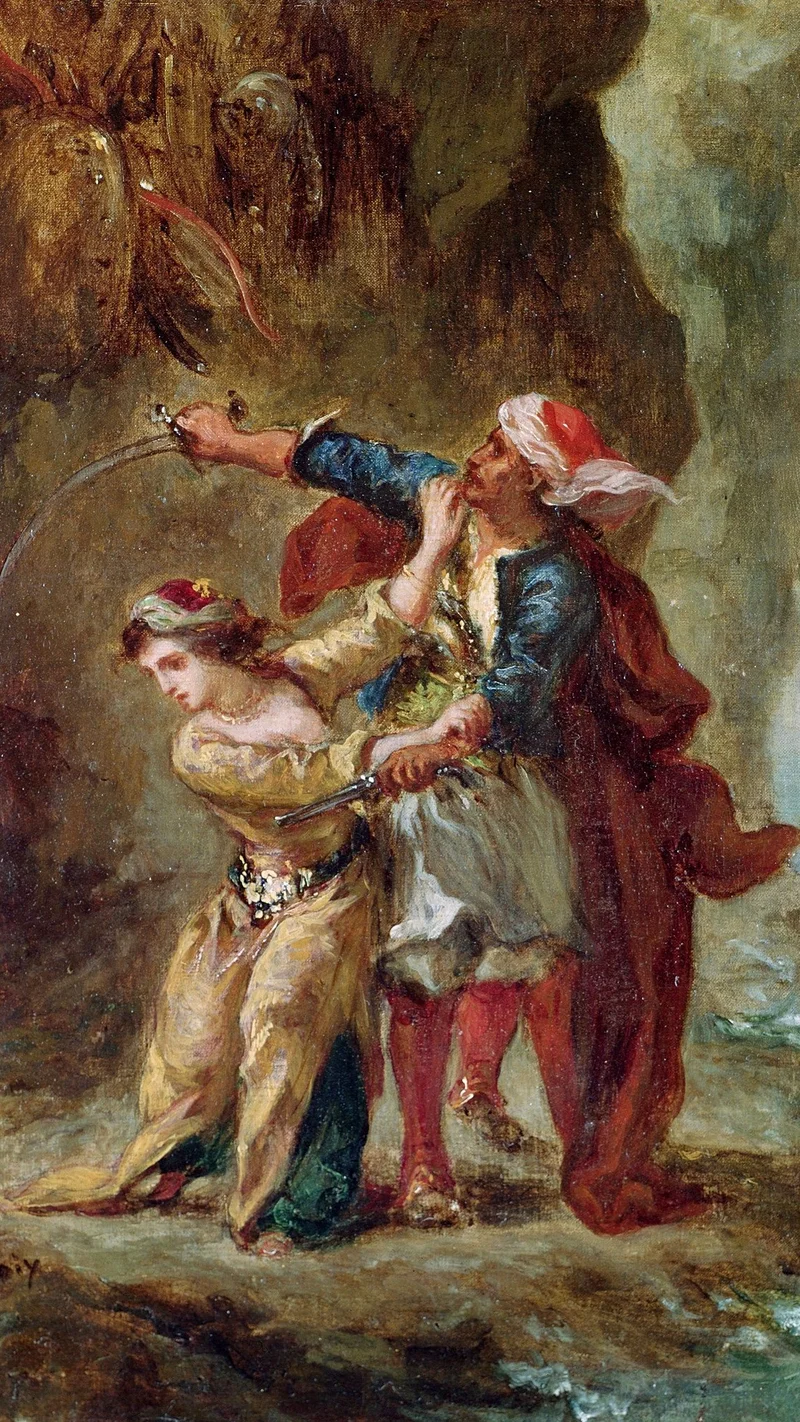
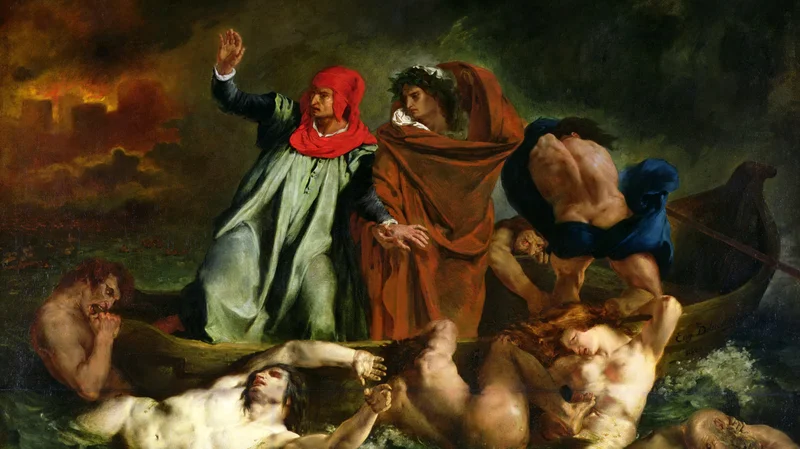
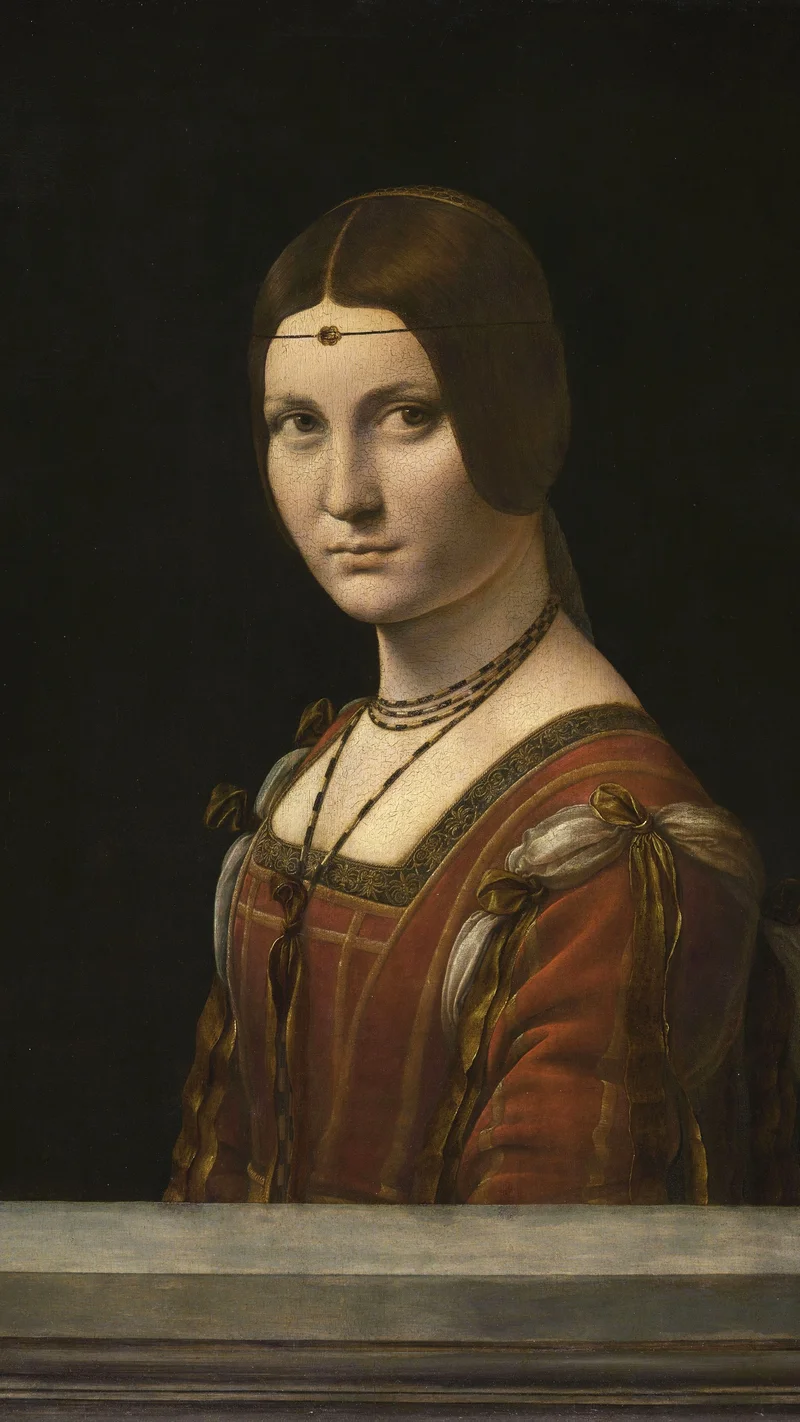
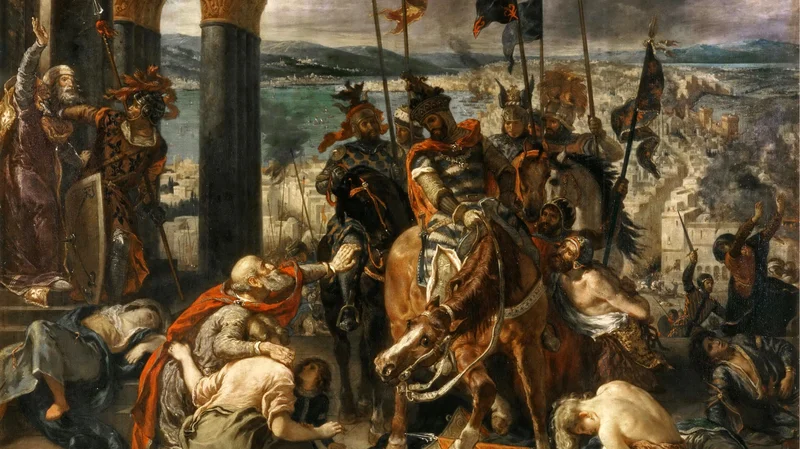
The collection offers an expansive dialogue across centuries, bridging the intellectual rigor of the High Renaissance with the dramatic emotional intensity of Baroque and Romanticism. Visitors encounter the enigmatic mastery of Leonardo da Vinci alongside the vibrant, movement-filled canvases of Peter Paul Rubens and Jacob Jordaens. The galleries house seminal works such as the Mona Lisa, the Venus de Milo, and the Winged Victory of Samothrace, which stand as pillars of the canon. Furthermore, the institution preserves the emotive power of Romanticism through the works of Eugène Delacroix, including The Barque of Dante and The Death of Ophelia, while the decorative sophistication of Francois Boucher is exemplified in his refined compositions. From the political grandeur of The Presentation of the Portrait of Marie de' Medici to Henry IV to the evocative narratives found in The Shipwreck of Don Juan, the Louvre remains an essential institution for understanding the continuity and evolution of the European aesthetic tradition.
Background adapted from Wikipedia (CC BY-SA).