Musée de l'Orangerie
6 artworks
Strategically situated in the western corner of the Tuileries Garden, adjacent to the Place de la Concorde, the Musée de l'Orangerie stands as a testament to the architectural and cultural evolution of Paris. Originally constructed to shelter the orange trees of the Tuileries Palace, the building was repurposed in the early 20th century to serve as a sanctuary for art, reflecting a profound commitment to the preservation of French aesthetic heritage. Its institutional mission has long been defined by the harmonious integration of monumental painting and architectural space, most notably manifested in the immersive display of Claude Monet’s expansive Water Lilies murals.
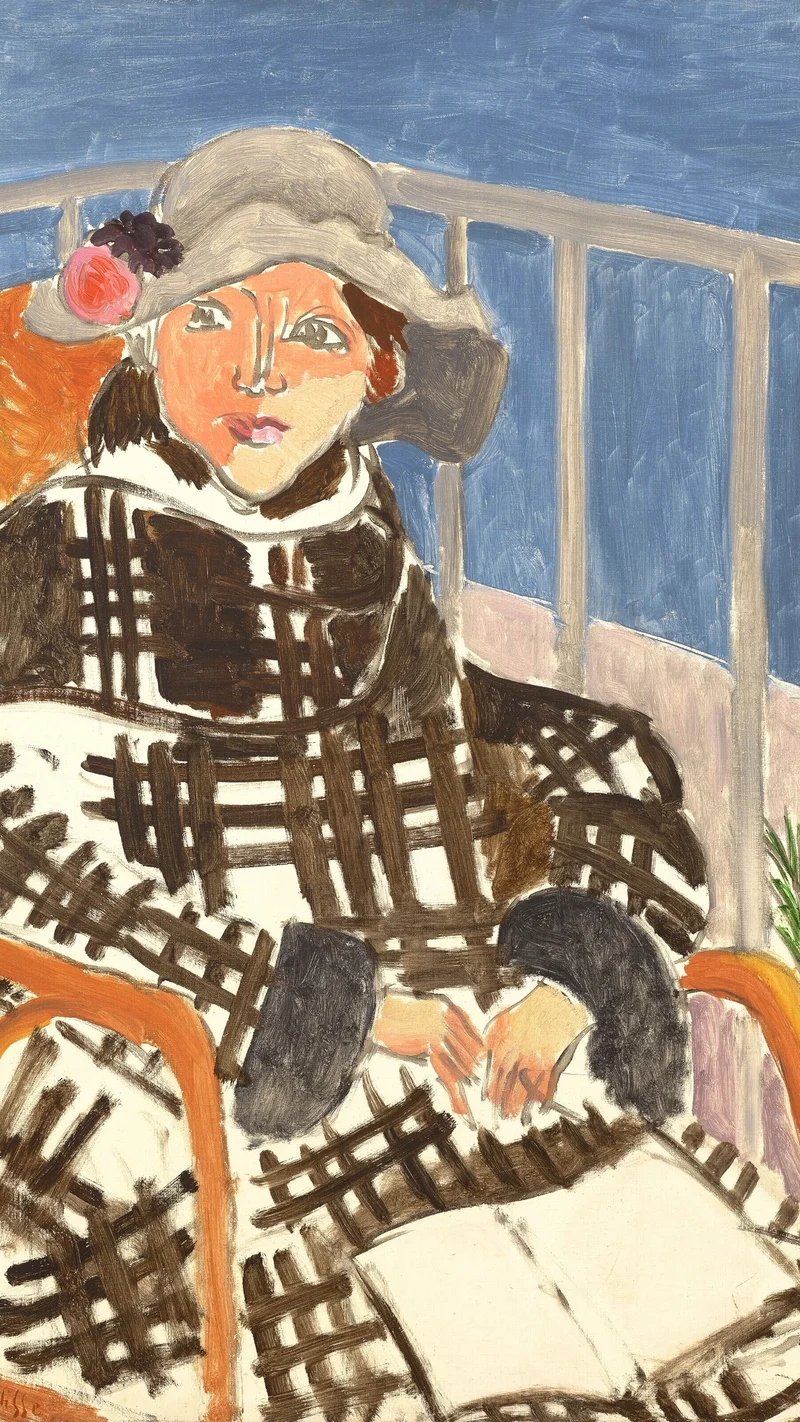
Beyond these iconic installations, the museum serves as a critical repository for the evolution of modernism, housing a distinguished selection of works that bridge the transition from Impressionism to the avant-garde. The collection offers a scholarly survey of movements including Fauvism, Expressionism, and Naïve Art, represented through the works of masters such as Henri Matisse, Henri Rousseau, and Chaïm Soutine. Visitors encounter profound stylistic diversity, ranging from the intimate portraiture of Mademoiselle Matisse in a Plaid Coat and The Child with the Doll to the distinct, emotive textures of Still Life with Pheasant and Choirboy. These pieces, alongside the contributions of artists such as Paul Cézanne and Pablo Picasso, provide a rigorous lens through which to examine the shifting artistic paradigms of the early 20th century.
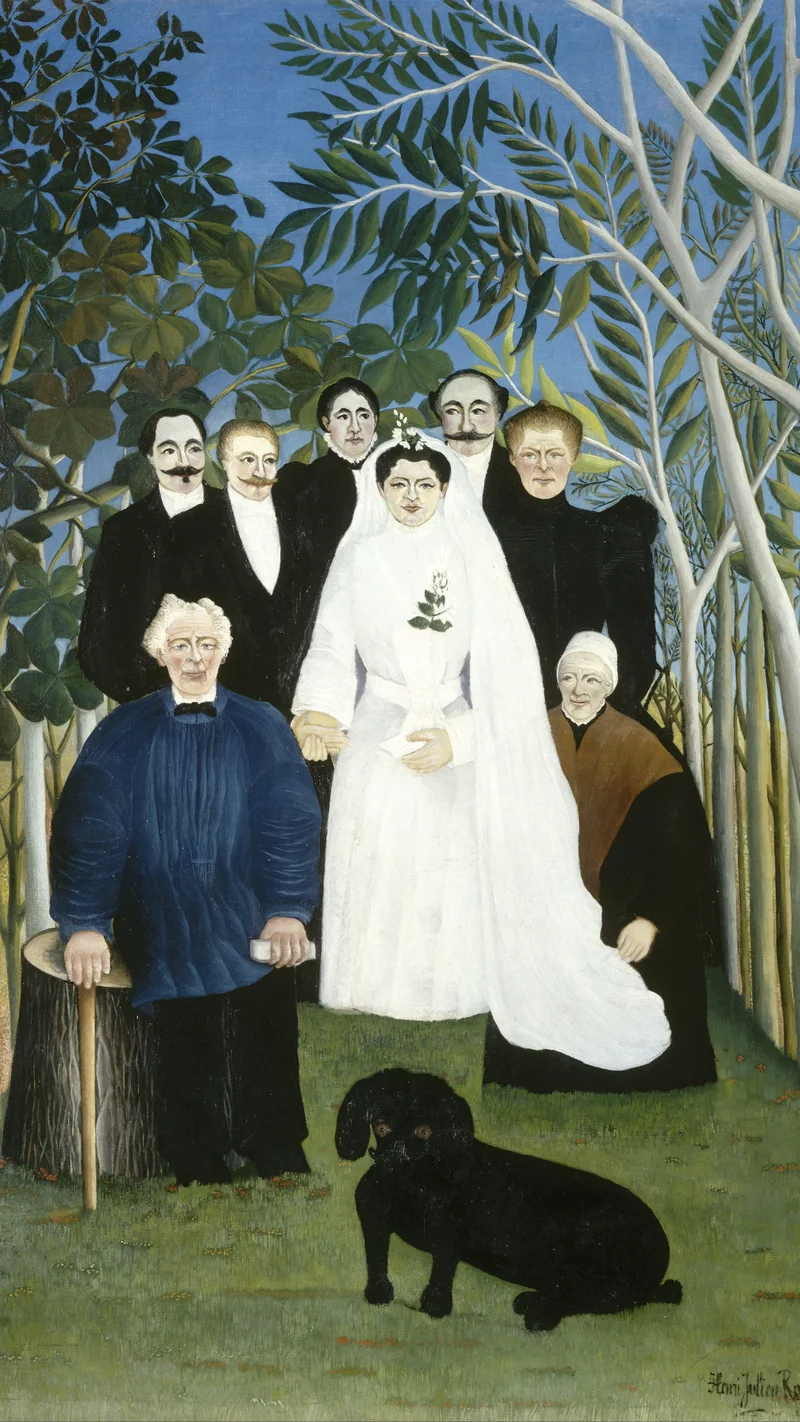
As a premier cultural institution, the Musée de l'Orangerie maintains an enduring significance in the global art historical discourse. By fostering a dialogue between the tranquility of its architectural environment and the visceral intensity of its permanent holdings—such as Rousseau’s The Wedding Party—the museum continues to provide an essential framework for understanding the trajectory of modern painting. Its dedication to scholarly curation ensures that the institution remains an authoritative site for the study and appreciation of those movements that fundamentally reshaped the visual landscape of the modern era.
Background adapted from Wikipedia (CC BY-SA).