Musée des Beaux-Arts de la ville de Paris
9 artworks
The Musée des Beaux-Arts de la ville de Paris stands as a distinguished repository of artistic heritage, housed within a setting that reflects the architectural elegance synonymous with the Parisian cultural landscape. Since its inception, the institution has dedicated itself to the preservation and scholarly interpretation of works that define the trajectory of European art, serving as a vital bridge between the historical grandeur of the past and the analytical rigor of contemporary curatorial practice.
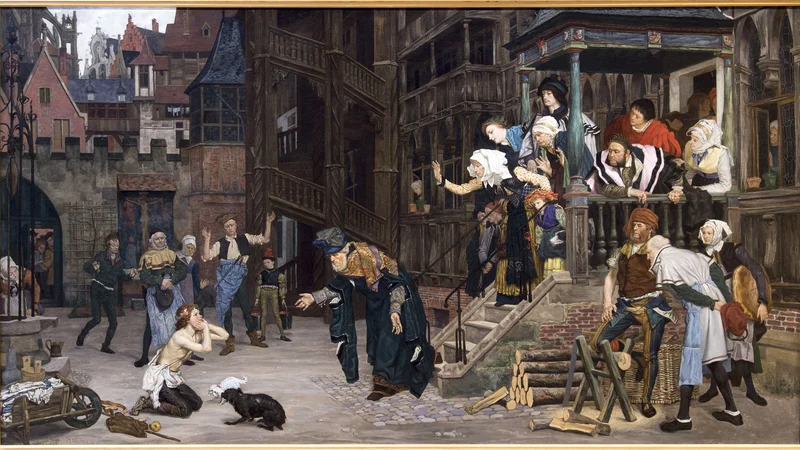
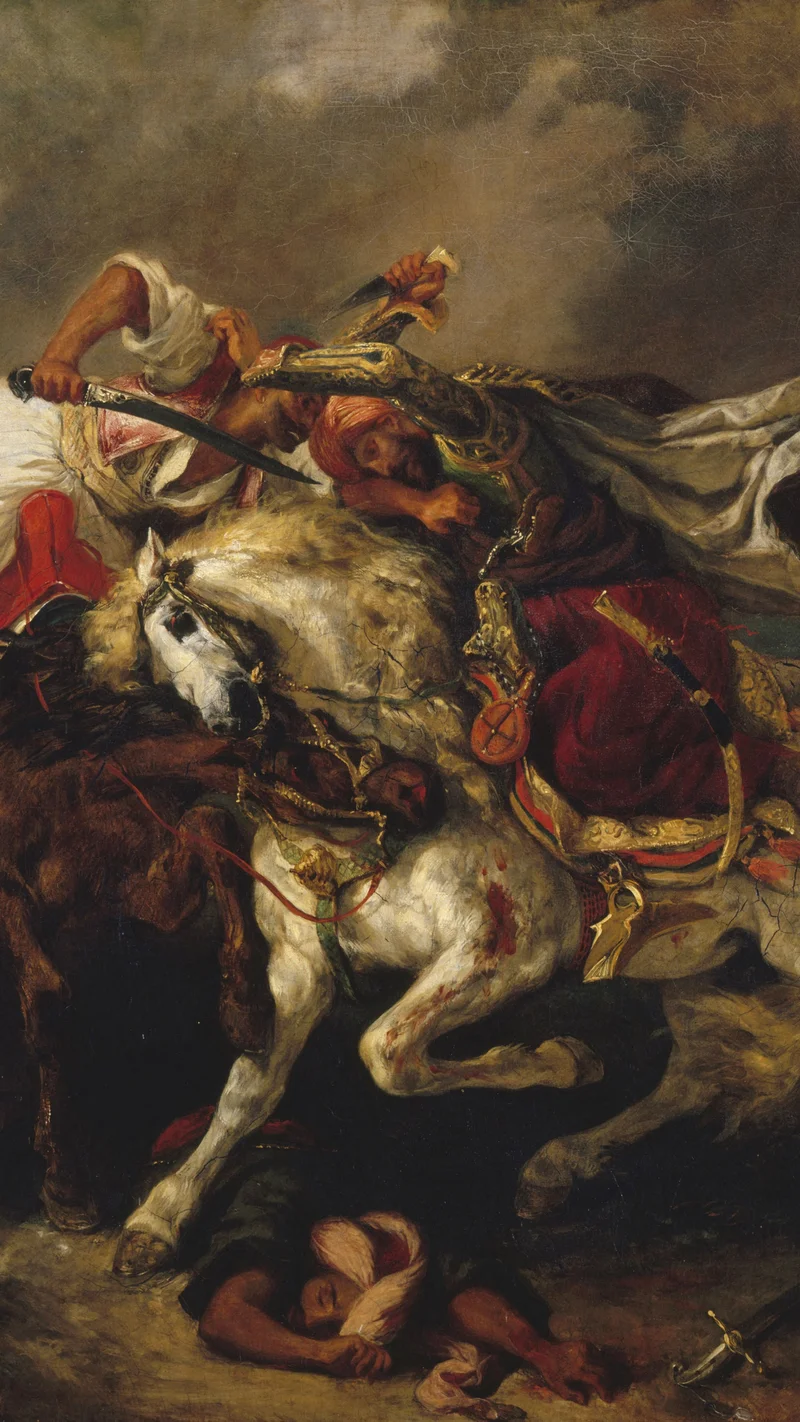
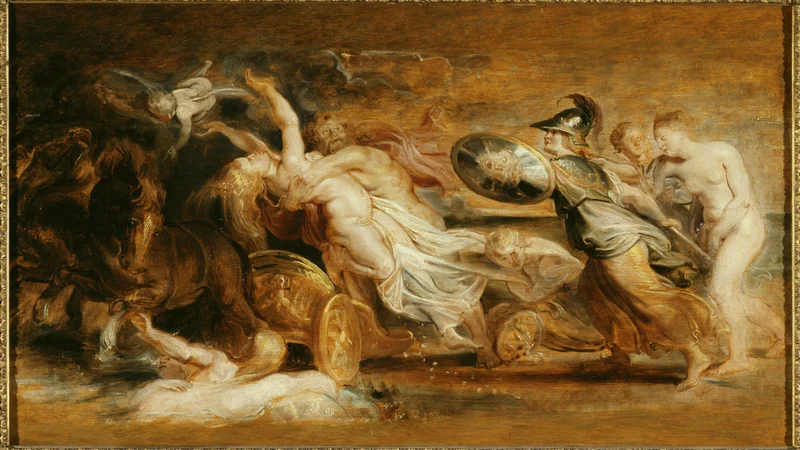
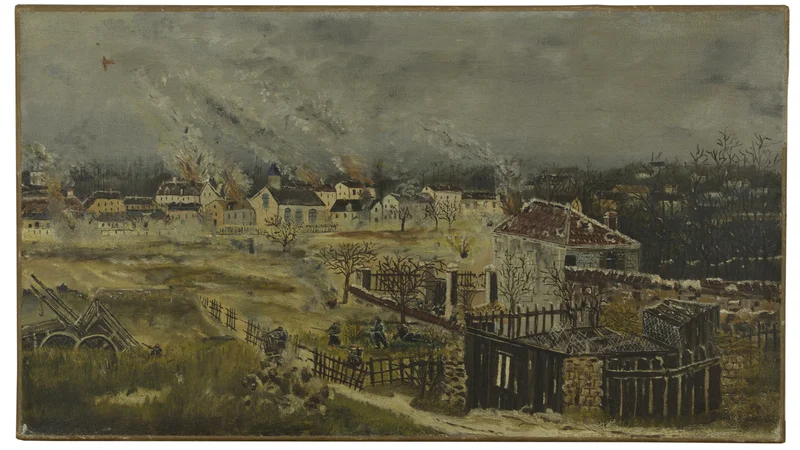
The museum’s permanent collection offers a profound survey of stylistic evolution, ranging from the disciplined precision of Romanticism to the evocative experiments of Post-Impressionism and the candid charm of Naive Art. Visitors encounter masterworks that command deep historical scrutiny, such as the dramatic tension found in The Abduction of Proserpina and the complex narrative depth of Henry IV Receiving the Spanish Ambassador. The collection is further enriched by the presence of seminal figures; the works of Jean-Auguste-Dominique Ingres and Peter Paul Rubens provide a foundational dialogue with the modernist departures of Maurice Denis and Henri Rousseau. Notable pieces such as The Death of Leonardo da Vinci, The Return of the Prodigal Son, and Baigneuses, plage du Pouldu illustrate the breadth of the institution’s holdings, while the evocative Battle of Champigny - Episode of the War of 1870 offers a poignant reflection on the intersection of national identity and visual record.
As a pillar of the Parisian art world, the museum maintains its reputation through an unwavering commitment to intellectual depth and aesthetic preservation. By contextualizing its masterpieces within broader historical movements, the institution ensures that these works remain not merely objects of display, but active participants in the ongoing discourse of art history, fostering an environment of sustained academic inquiry for scholars and the public alike.