Museum Boijmans Van Beuningen
10 artworks
Located in the heart of Rotterdam at the Museumpark, the Museum Boijmans Van Beuningen stands as a cornerstone of Dutch cultural heritage. Its institutional identity is inextricably linked to the legacies of Frans Jacob Otto Boijmans and Daniël George van Beuningen, whose foundational contributions established the bedrock of the museum's extensive holdings. Situated within the vibrant Museumpark district, the museum serves as a critical nexus for art historical research and public engagement, maintaining a distinguished presence near established cultural neighbors like the Kunsthal and the Natural History Museum.
The Evolution of Aesthetic Inquiry
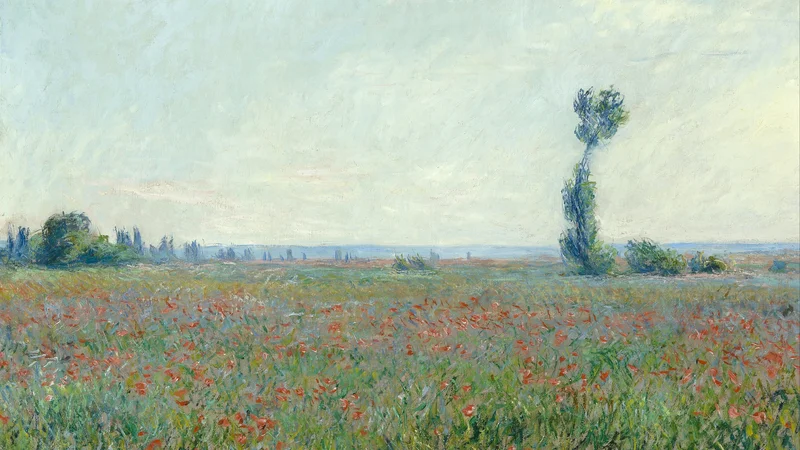
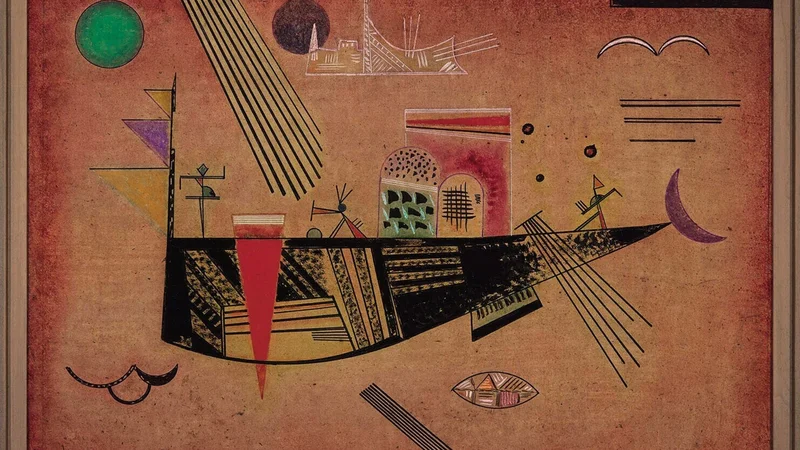
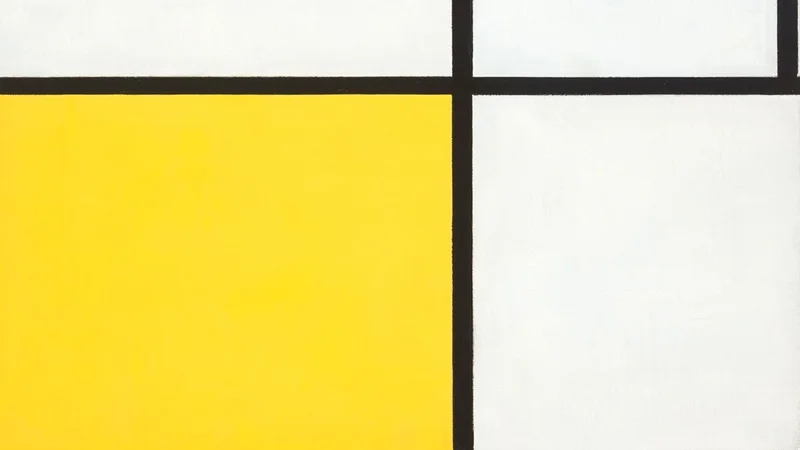
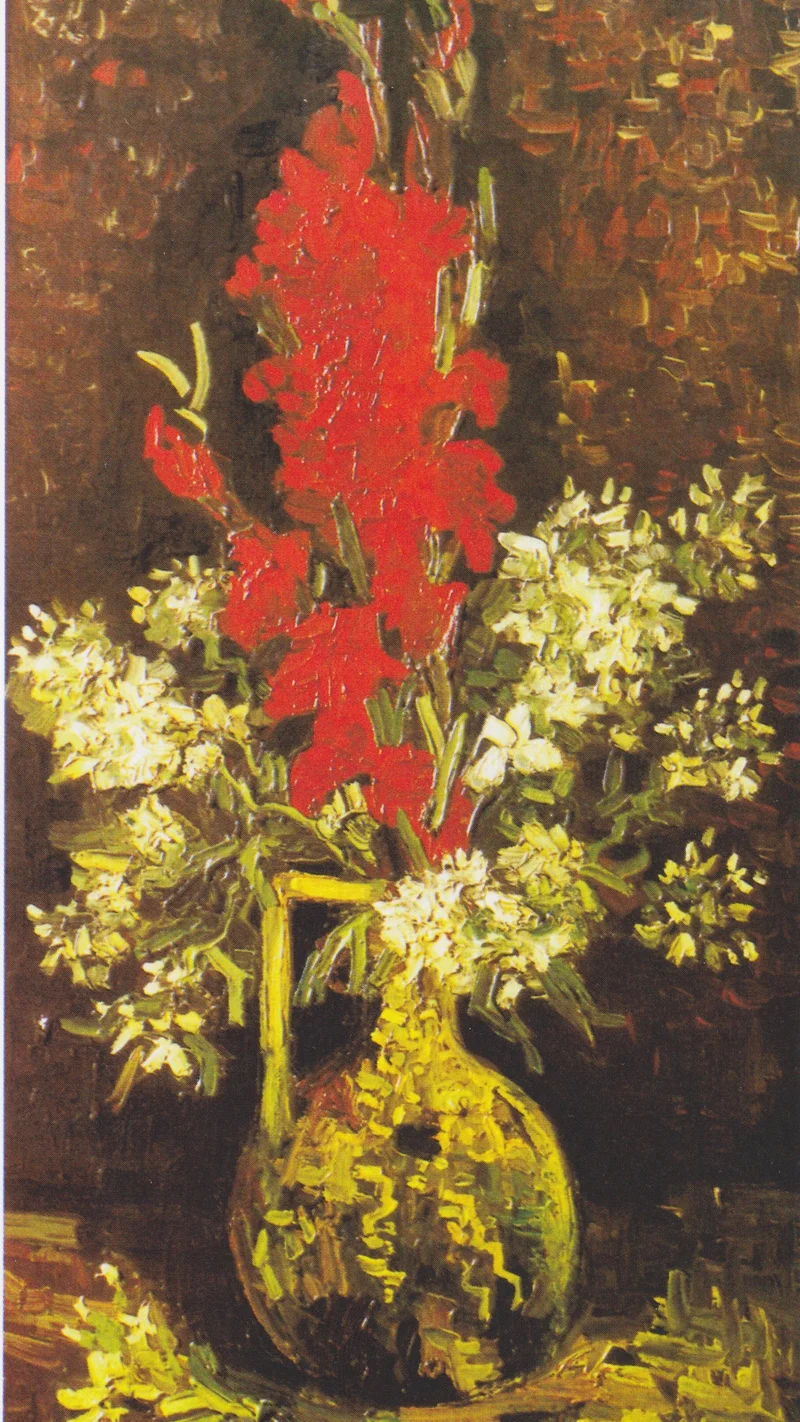
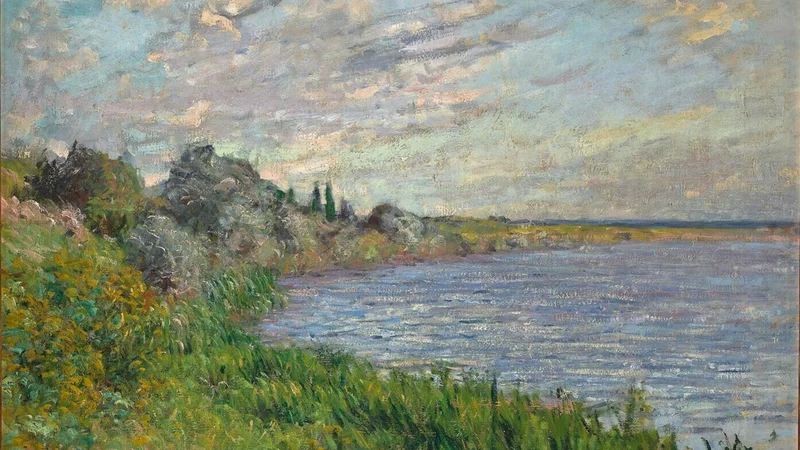
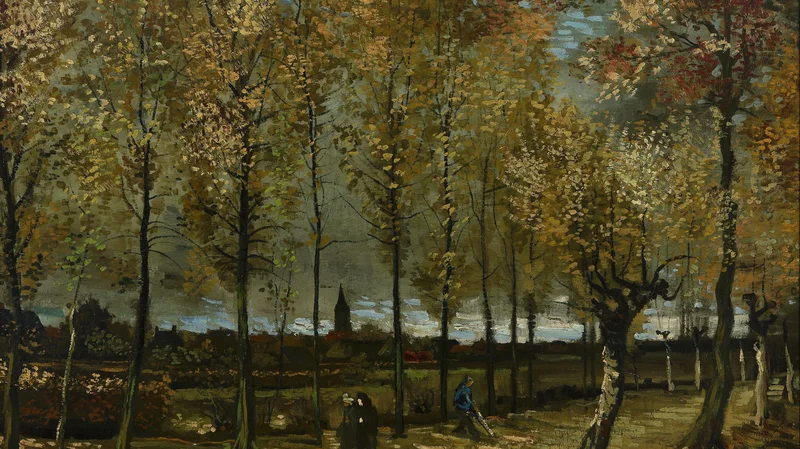
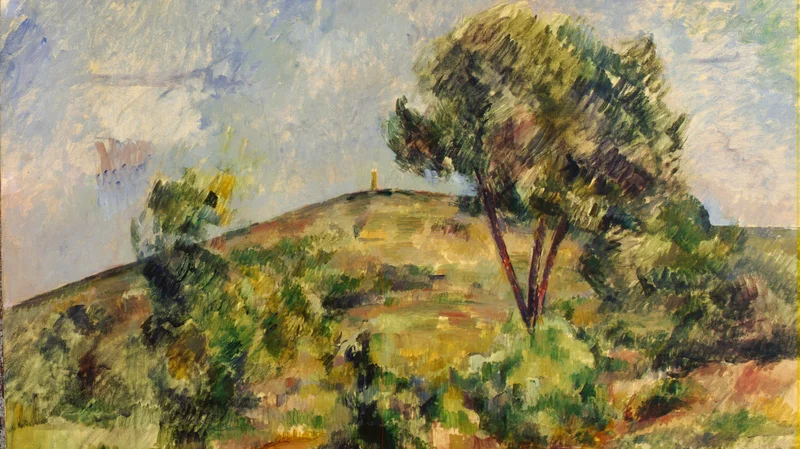
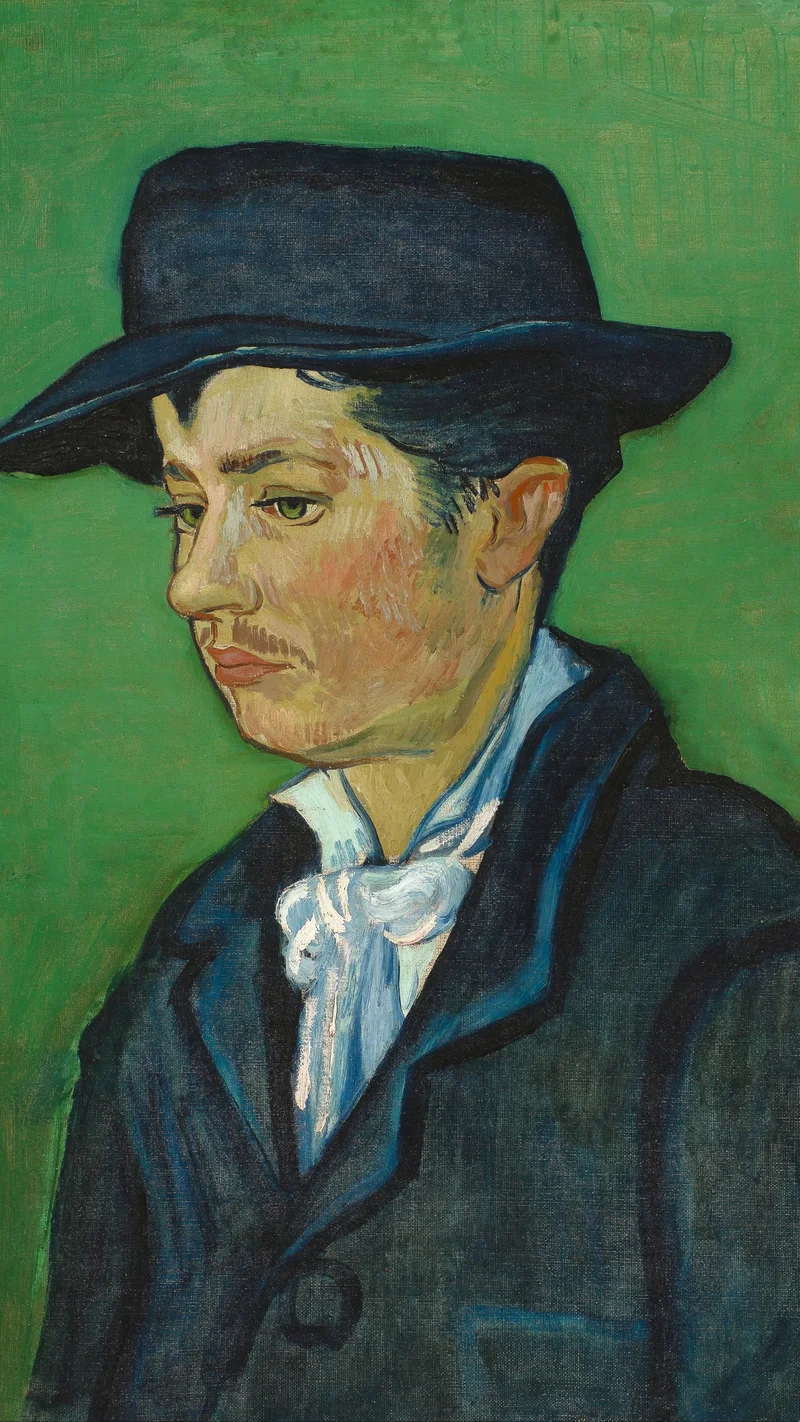
The permanent collection offers a rigorous survey of artistic development, characterized by a profound commitment to the evolution of modern visual language. The museum preserves significant expressions of Impressionism and Post-Impressionism, exemplified by the evocative brushwork of Claude Monet in Champ de coquelicots and the somber, structural depth of Vincent van Gogh’s Poplars near Nuenen. The institution’s narrative extends into the radical shifts of the early twentieth century, showcasing the development of Abstract art through Piet Mondrian’s precise Composition no II and the pioneering spiritual geometries of Wassily Kandinsky. Further historical breadth is provided by works such as Wijnand Nuijen’s Cityscape in Winter and Paul Cézanne’s Landscape near Aix with the Tour de César, which collectively underscore the museum's role in documenting the transition from classical representation to the avant-garde experiments that redefined global art history.
Background adapted from Wikipedia (CC BY-SA).