Museum of Fine Arts, Budapest
6 artworks
Strategically situated in the monumental Heroes' Square of Budapest, the Museum of Fine Arts stands as a definitive architectural and cultural landmark. Facing the Hall of Art, the institution occupies a grand structure that serves as a testament to the city's commitment to the preservation of European heritage. Since its inception, the museum has functioned as a primary custodian of artistic discourse, bridging the gap between historical epochs through its carefully curated aesthetic environment.
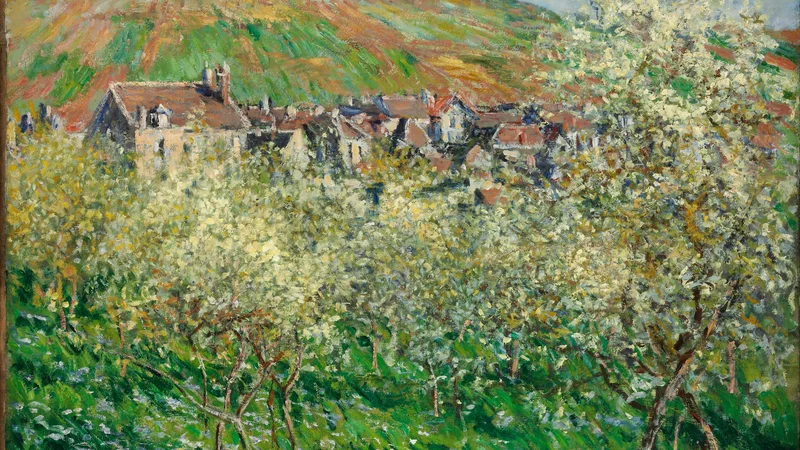
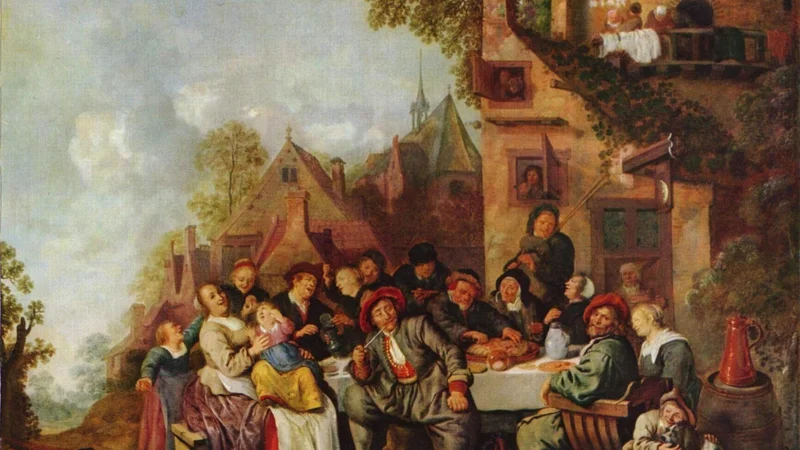
The institution’s holdings offer a profound exploration of European painting, showcasing the evolution of visual language from the domestic realism of genre art to the radical innovations of the late nineteenth century. Visitors encounter the nuanced observation of Jan Molenaer in Tavern of the Crescent Moon alongside the psychological depth of Francisco Goya’s Portrait of Señora Ceán Bermúdez. The collection further flourishes with the advent of Impressionism and Post-Impressionism, featuring the light-drenched seascapes of Claude Monet, such as Breakwater at Trouville, Low Tide, Flowering Plum Trees, and Three Fishing Boats. These are complemented by the structural rigor of Paul Cezanne, whose The Buffet exemplifies the transition toward modern abstraction.
As a pillar of international cultural scholarship, the Museum of Fine Arts maintains an enduring reputation for its rigorous commitment to art history. By fostering a dialogue between classical masters and the vanguard of the modern era, the museum secures its legacy as a vital nexus for intellectual inquiry and visual appreciation. Its ability to contextualize these masterpieces within a broader historical framework ensures that the institution remains an essential destination for those seeking to understand the trajectory of Western artistic development.
Background adapted from Wikipedia (CC BY-SA).