National Gallery of Ireland
8 artworks
The National Gallery of Ireland, situated in the heart of Dublin with entrances on Merrion Square and Clare Street, stands as a cornerstone of the nation’s cultural infrastructure. Established in 1854 and inaugurated a decade later, the institution serves as the primary repository for the national collection of Irish and European fine art. Its architectural presence, adjacent to Leinster House, reflects the gallery’s profound role in the intellectual and civic life of Ireland, providing a formal space for the preservation and study of artistic heritage under the current leadership of Director Caroline Campbell.
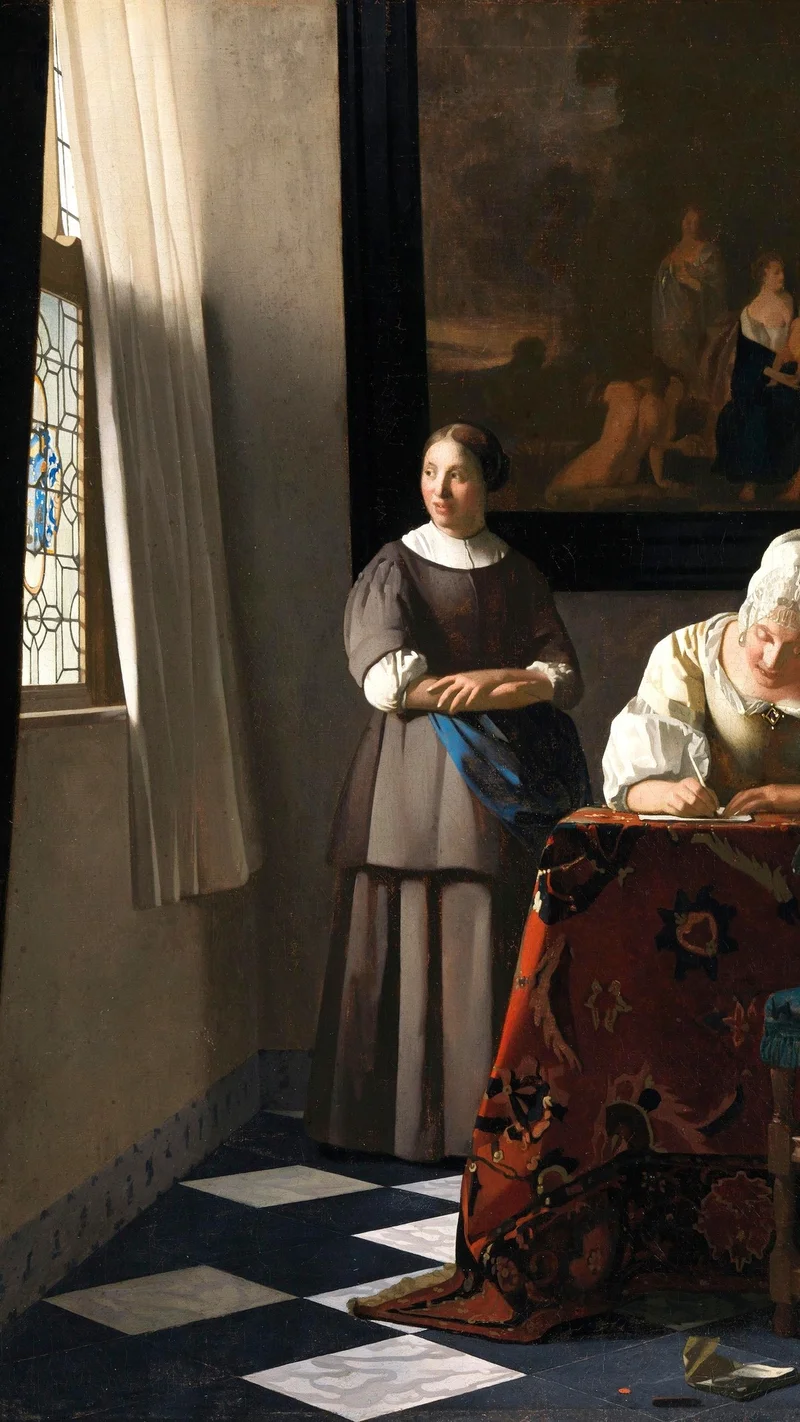
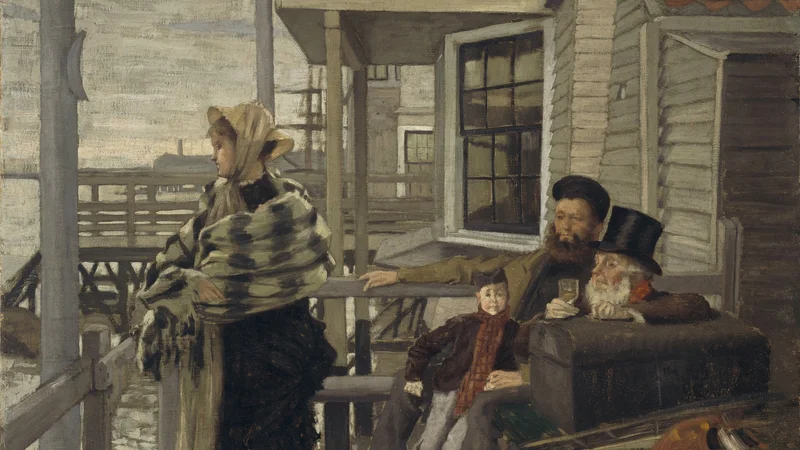
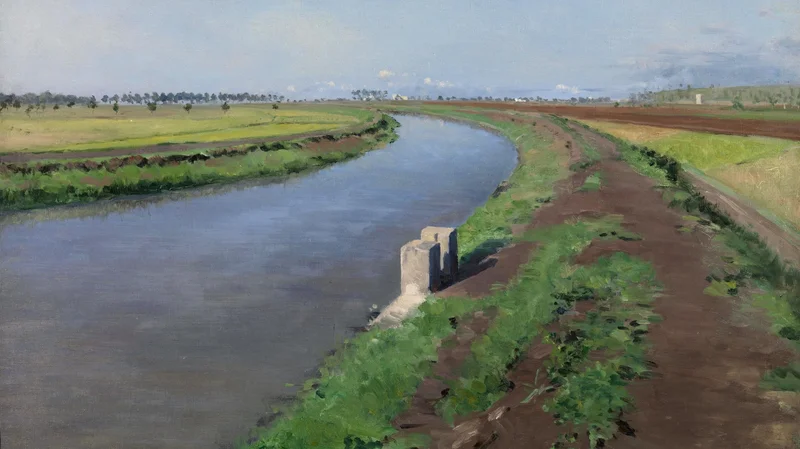
The gallery’s holdings are distinguished by their breadth and scholarly significance, particularly within the realms of Italian Baroque and Dutch masters. Visitors encounter a sophisticated narrative of Western art, ranging from the intimate domesticity of Johannes Vermeer’s Lady Writing a Letter with her Maid to the evocative intensity of Francisco Goya’s Portrait of Doña Antonia Zárate. The collection also offers a robust survey of Impressionism and Romanticism, featuring pivotal contributions from Gustave Caillebotte, Claude Monet, and James Tissot. Masterpieces such as Velázquez’s Christ in the House of Martha and Mary and Goya’s Portrait of a Lady in a Black Mantilla underscore the institution’s commitment to securing works of profound historical and aesthetic weight.
By bridging the gap between national identity and global artistic movements, the National Gallery of Ireland remains a vital center for historical inquiry. Its dedication to the curation of both Irish painters and international masters ensures that the institution continues to function as a world-class authority, fostering a deeper public appreciation for the evolution of visual culture across centuries.
Background adapted from Wikipedia (CC BY-SA).