National Gallery
28 artworks
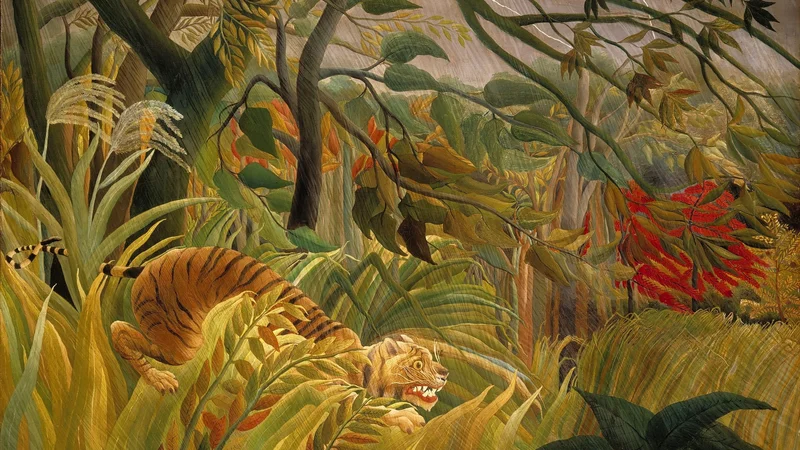
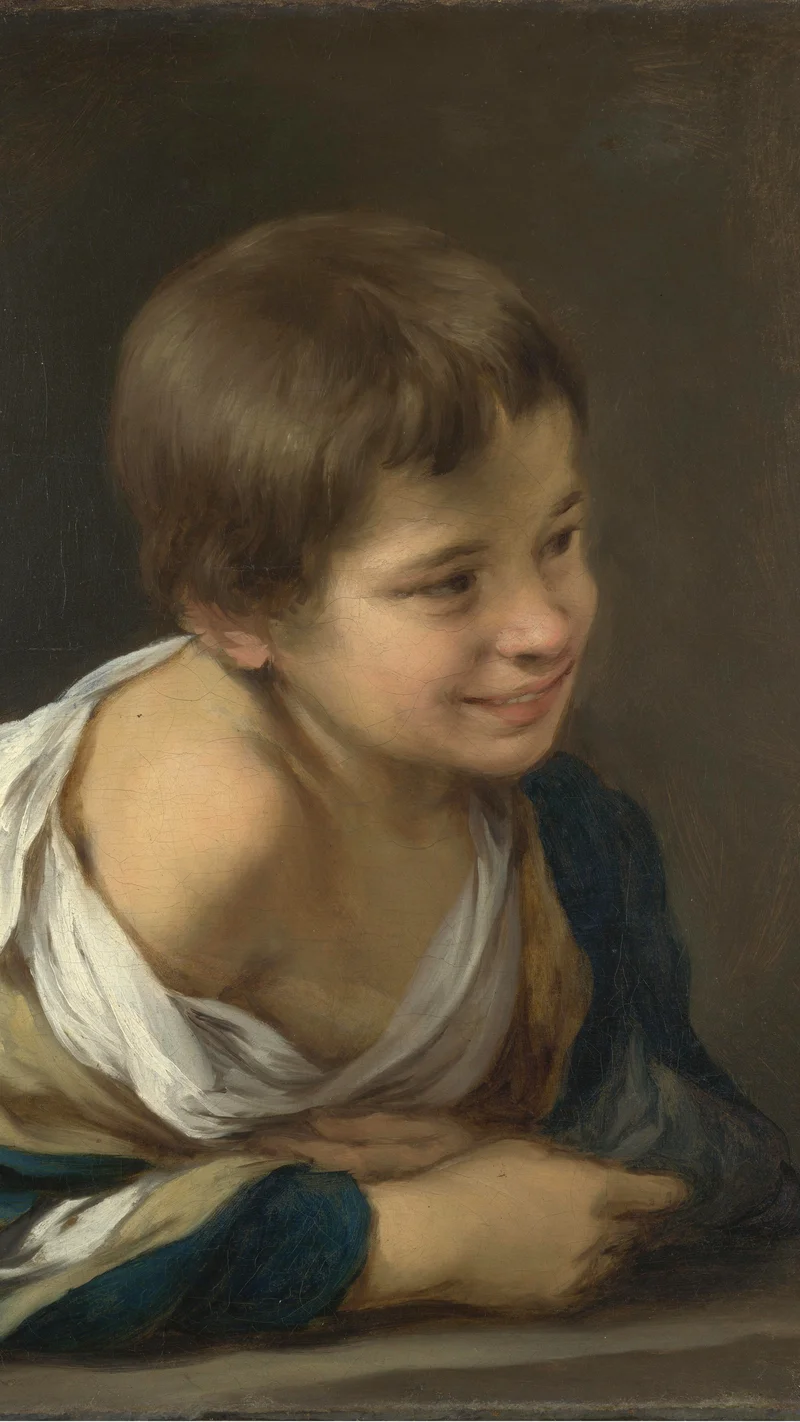
Established in 1824, the National Gallery serves as a cornerstone of Western art history, situated prominently in London’s Trafalgar Square. Since its inception, the institution has been dedicated to the public stewardship of European painting, housing a comprehensive selection of works that span from the mid-13th century through the dawn of the 20th century. Under the current directorship of Gabriele Finaldi, the museum remains a vital site for scholarly inquiry, preserving a vast historical trajectory within its neoclassical architectural framework.
The Evolution of European Painting
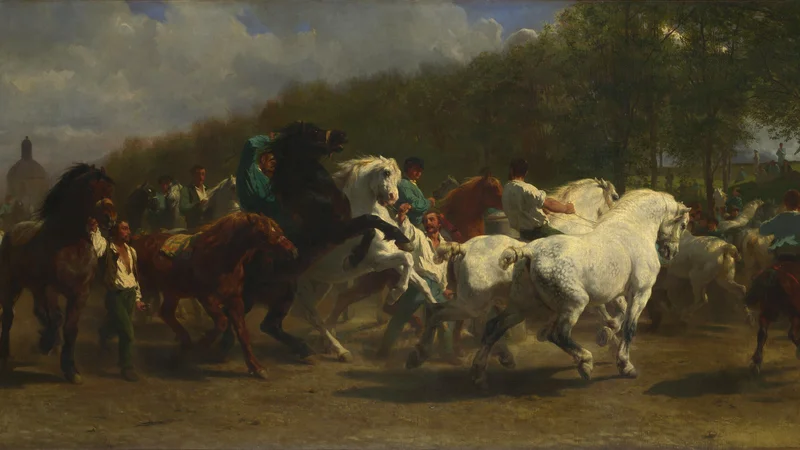
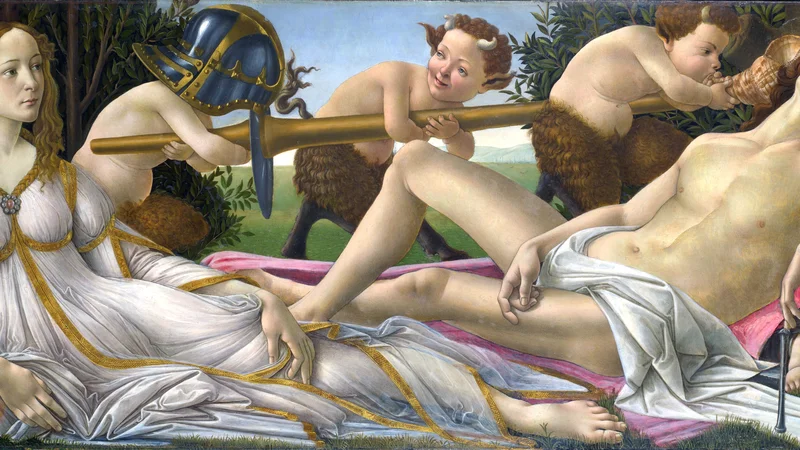
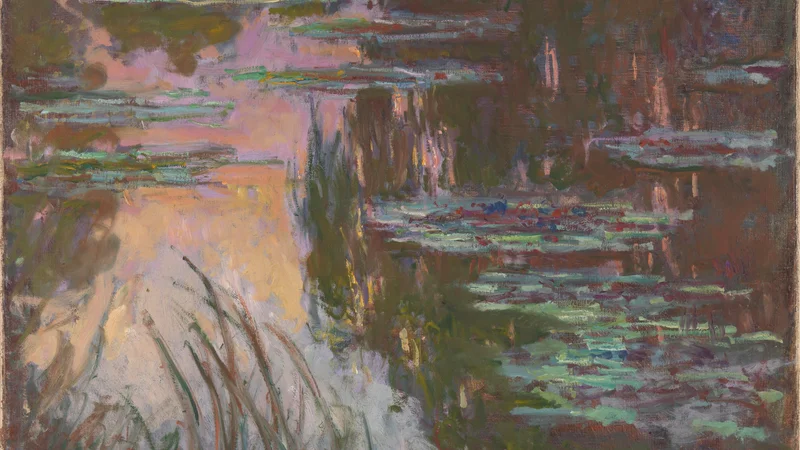
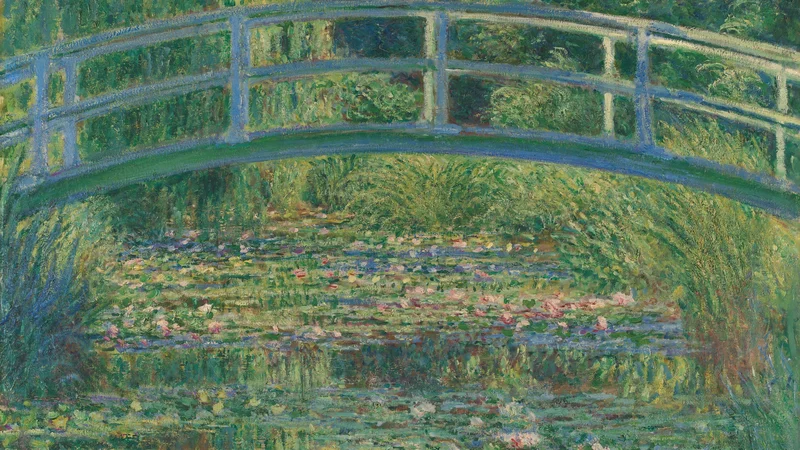
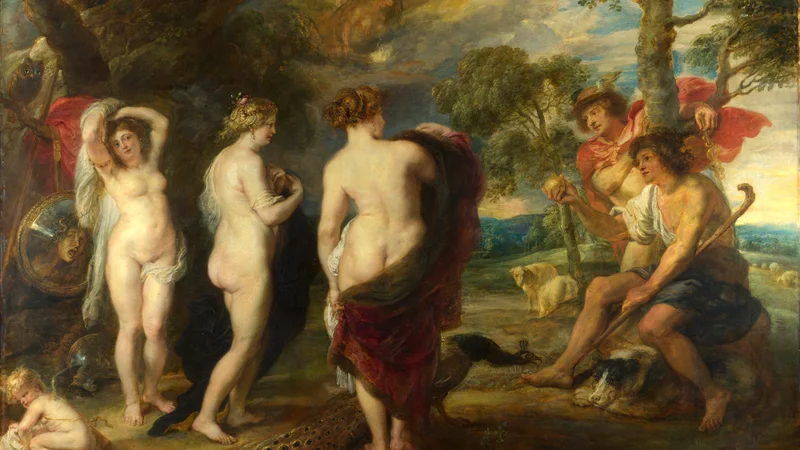
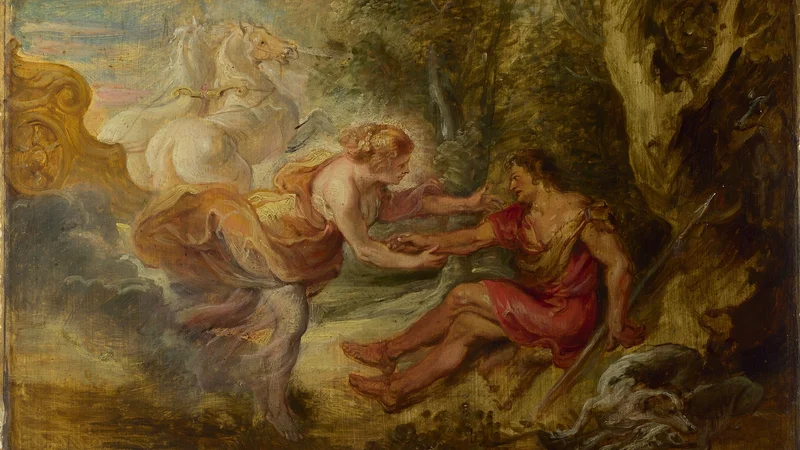
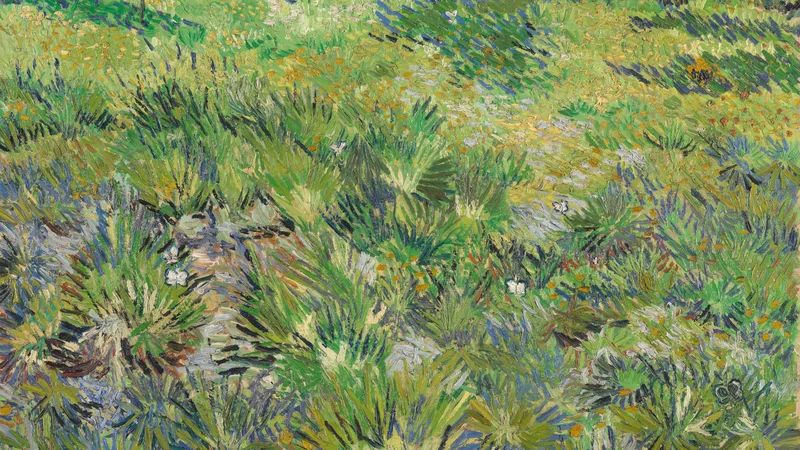
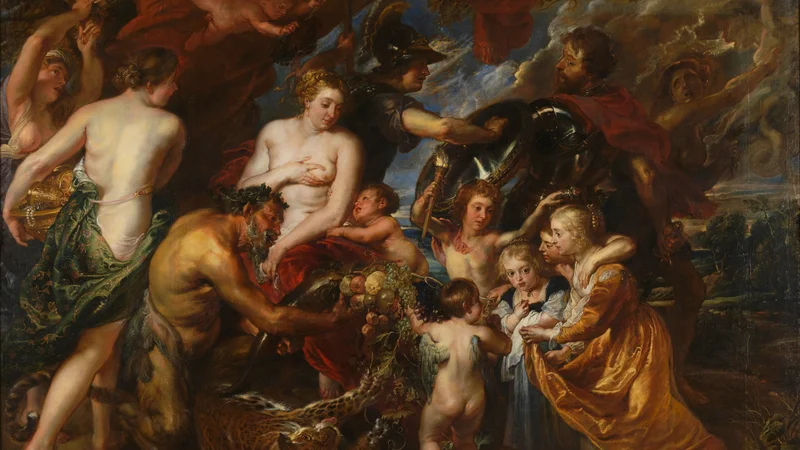
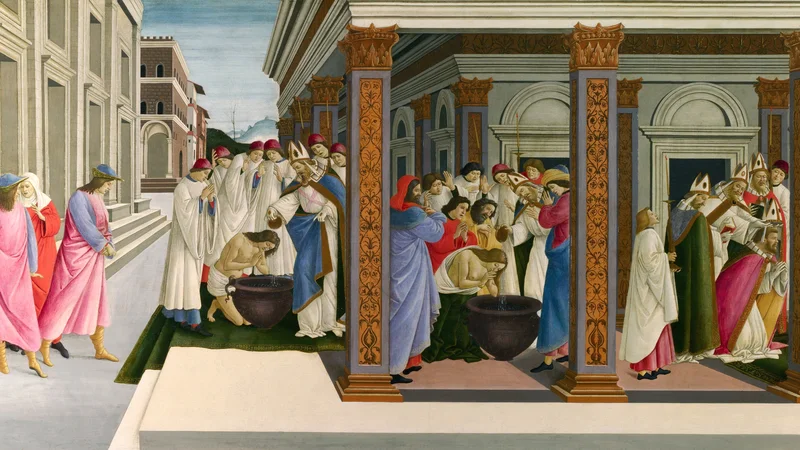
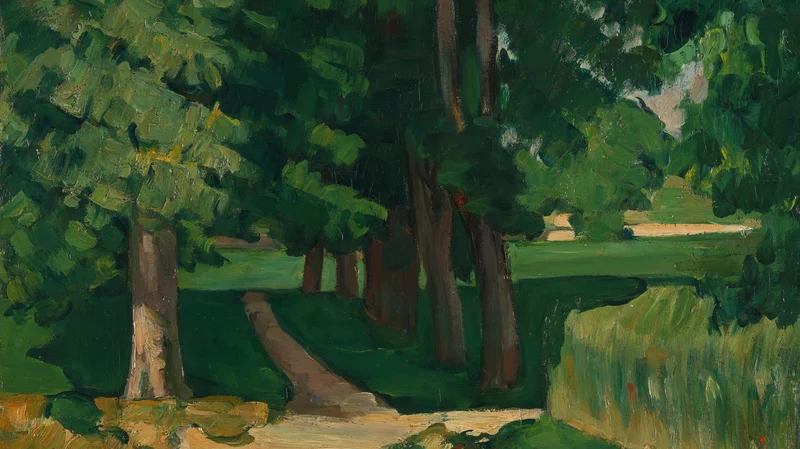
The gallery’s holdings offer a profound survey of stylistic progression, tracing the delicate precision of the Early Renaissance through the vibrant atmospheric shifts of Impressionism and Post-Impressionism. Visitors may encounter the allegorical complexity of Sandro Botticelli’s Venus and Mars alongside the narrative depth found in his Baptism of Saint Zenobius. The collection further encompasses the Baroque grandeur of Peter Paul Rubens’s The Judgment of Paris and the emotive landscape studies of Rosa Bonheur’s The Horse Fair. The transition into modernity is articulated through the masterworks of Claude Monet, exemplified by The Water-Lily Pond, and the textured, emotive intensity of Vincent van Gogh’s Long Grass with Butterflies. Through these seminal works by figures such as Paul Cezanne, the National Gallery continues to provide an authoritative narrative on the development of European visual culture.
Background adapted from Wikipedia (CC BY-SA).