National Museum of Western Art
11 artworks
Located within the verdant expanse of Ueno Park in Taitō, Tokyo, the National Museum of Western Art stands as the primary institution in Japan dedicated to the preservation and study of the Western artistic tradition. Since its establishment, the museum has functioned as a vital cultural bridge, providing a sophisticated venue for the appreciation of European art history. Its architectural presence and institutional mission reflect a commitment to scholarly rigor, positioning it as an essential site for the examination of Western aesthetic development in the heart of East Asia.
The Evolution of European Masterworks
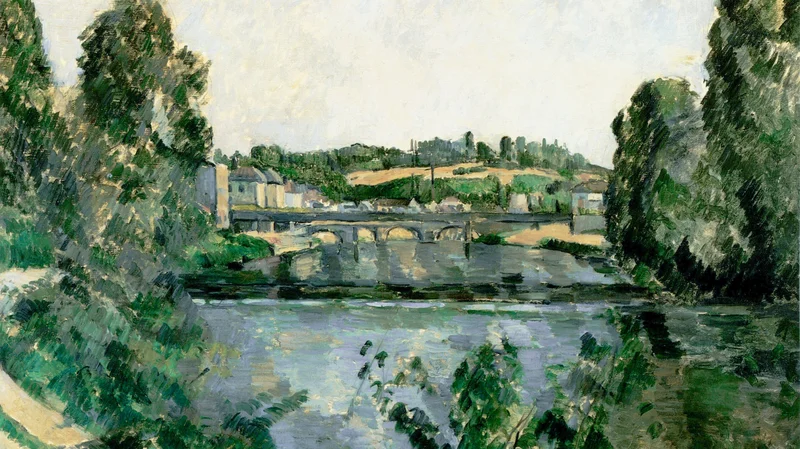
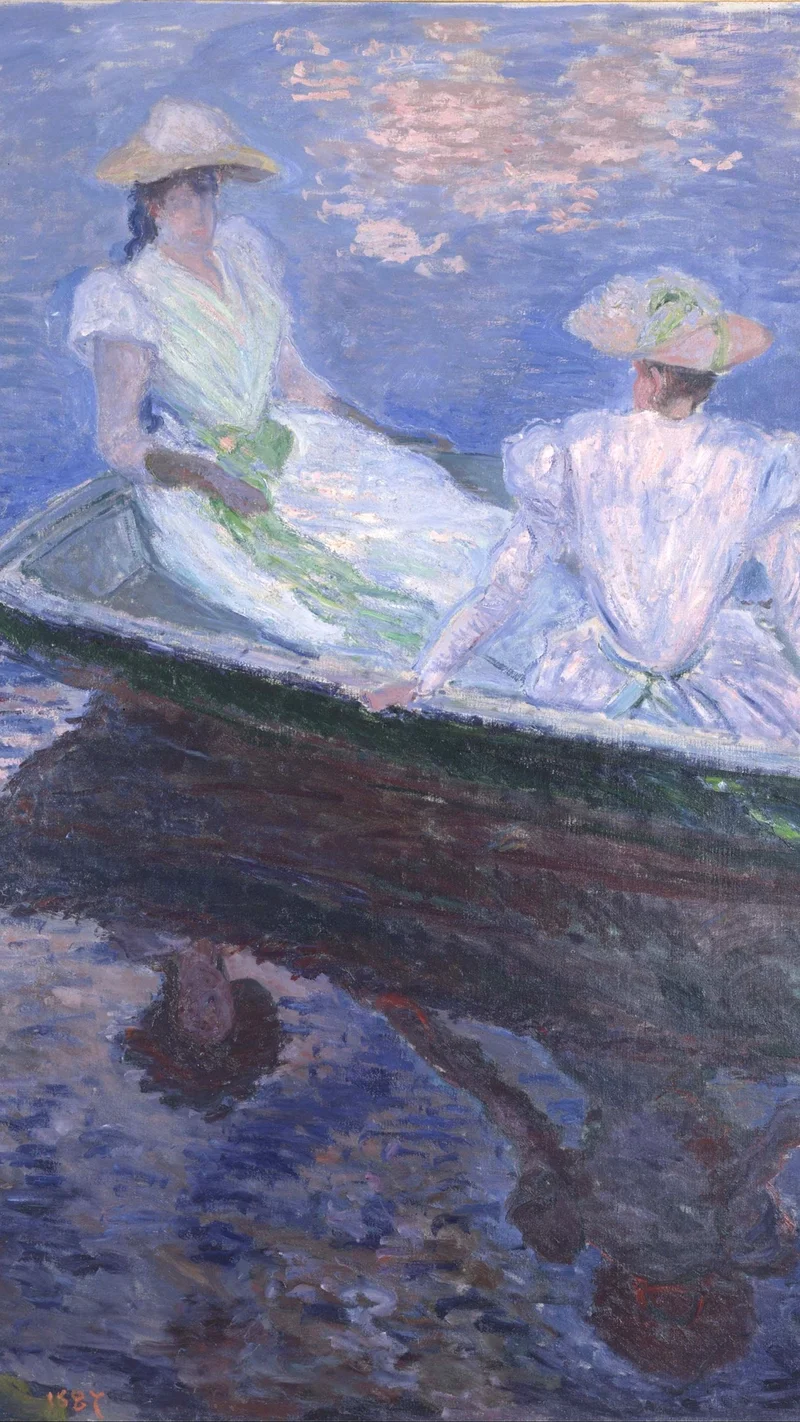
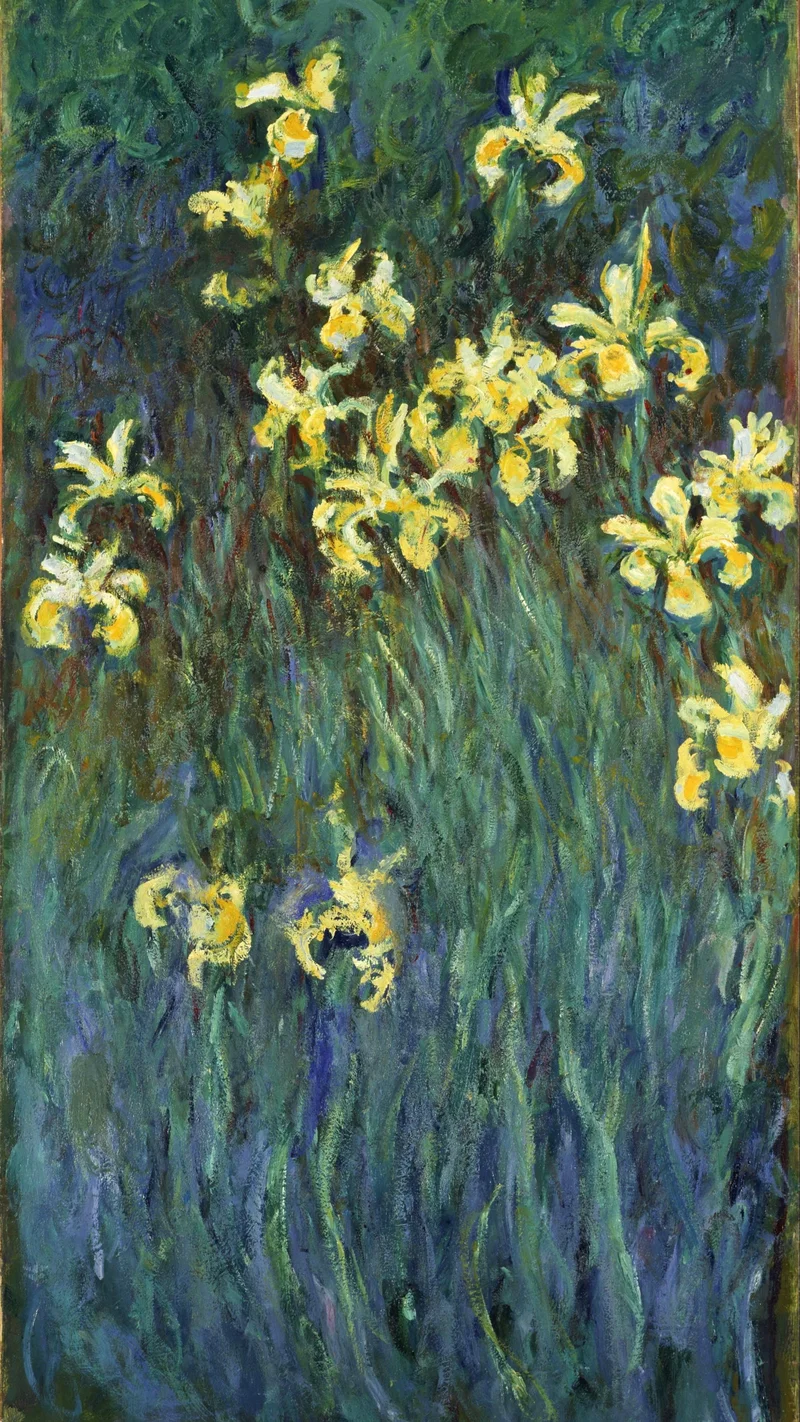
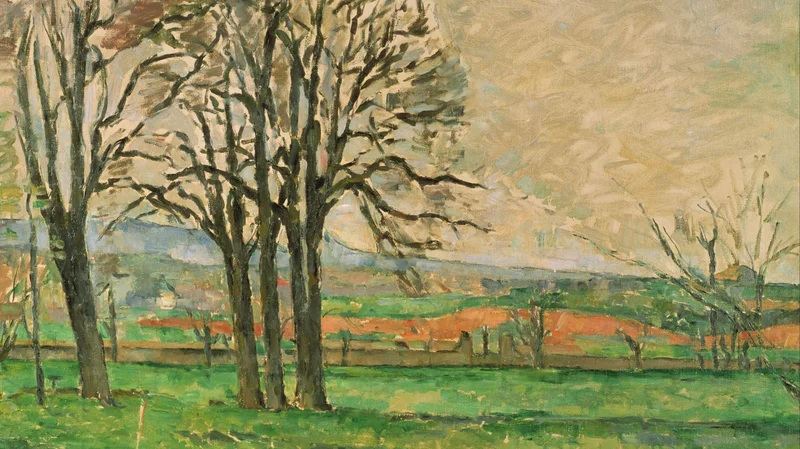
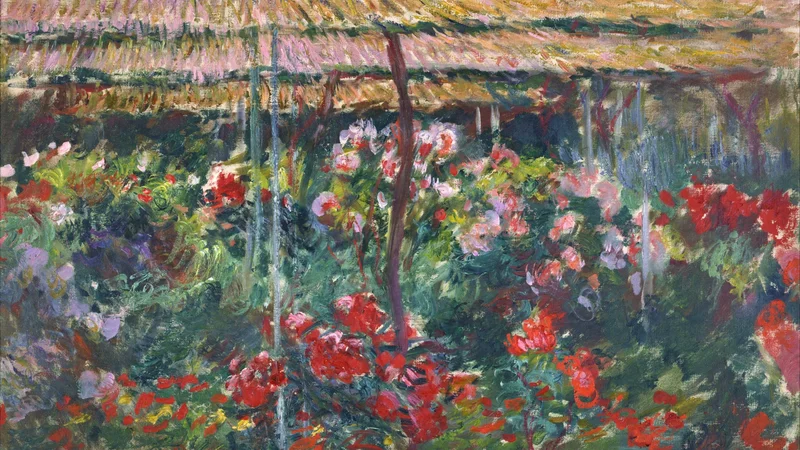
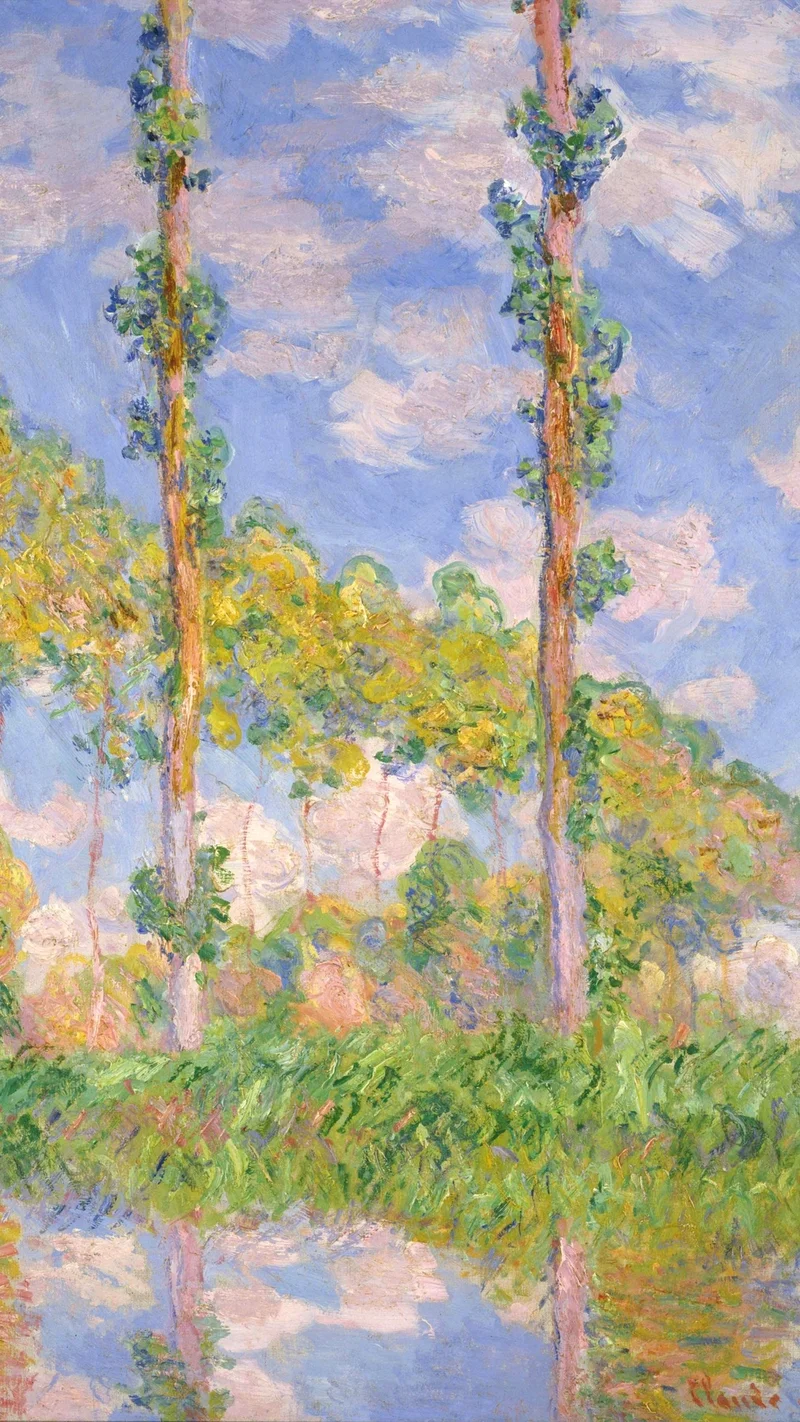
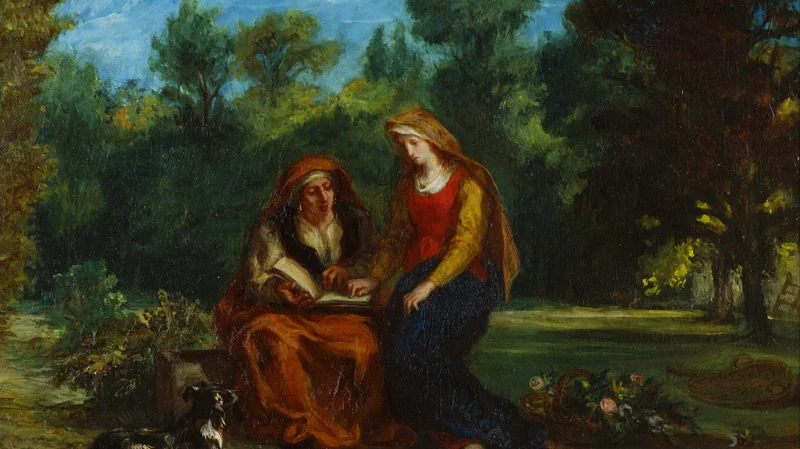
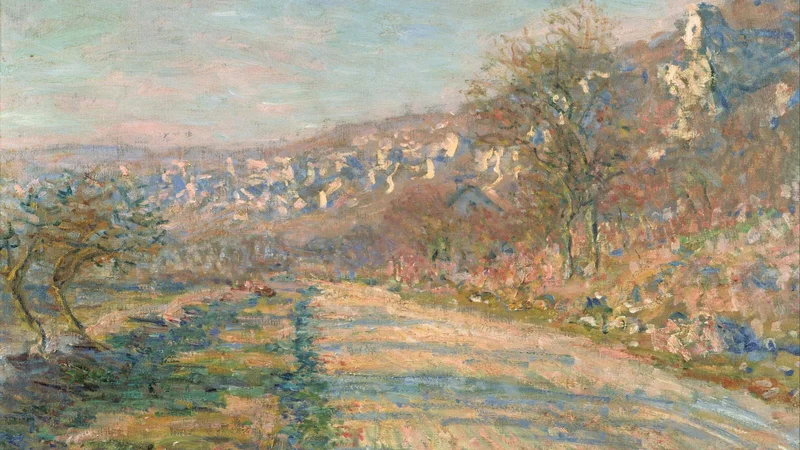
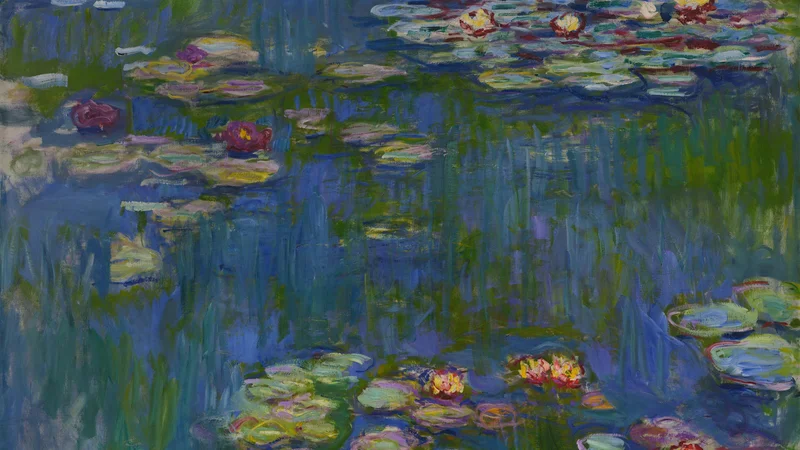
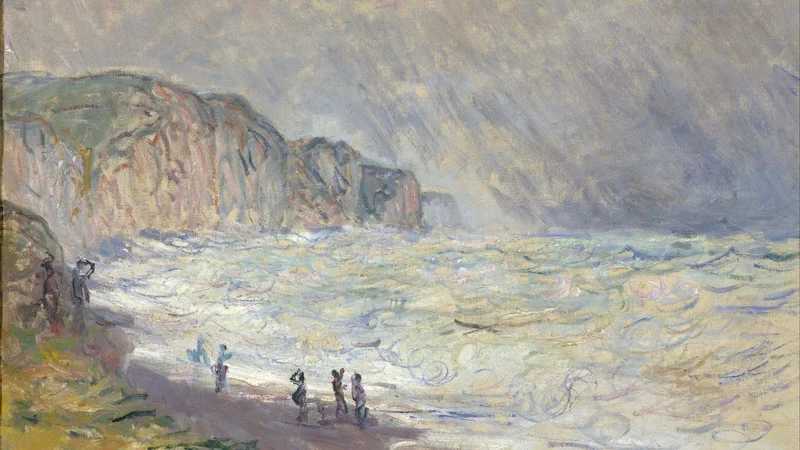
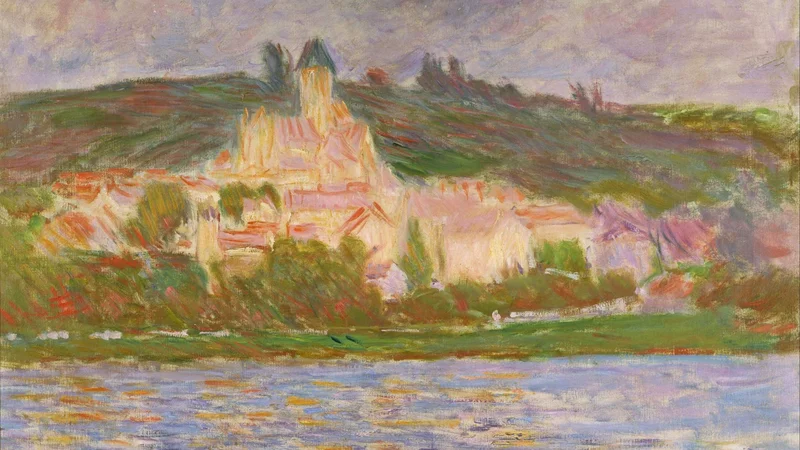
The museum’s permanent holdings offer a profound exploration of pivotal movements, most notably Romanticism, Impressionism, and Post-Impressionism. The collection is distinguished by significant works that trace the evolution of modern vision, featuring the emotive brushwork of Eugène Delacroix in The Education of the Virgin, alongside the luminous, atmospheric studies of Claude Monet, such as Heavy Sea at Pourville, On the Boat, and Peony Garden. The institution further charts the structural innovations of the late nineteenth century through Paul Cezanne, whose masterful canvases The Bridge and Dam at Pontoise and The Bare Trees at Jas de Bouffan exemplify the transition toward the analytical rigor of the modern era. By maintaining these seminal works, the museum facilitates an ongoing dialogue between historical artistic achievements and contemporary global audiences.
Background adapted from Wikipedia (CC BY-SA).