Solomon R. Guggenheim Museum
9 artworks
Situated at 1071 Fifth Avenue on Manhattan’s Upper East Side, the Solomon R. Guggenheim Museum stands as a monumental institution dedicated to the preservation and study of modern art. Established by the Solomon R. Guggenheim Foundation in 1939 as the Museum of Non-Objective Painting under the pioneering vision of Hilla von Rebay, the institution was formally renamed in 1952 to honor its founder. Its architectural presence serves as a global landmark, reflecting a trajectory that began with a commitment to spiritual and abstract expression and evolved into a comprehensive center for the avant-garde.
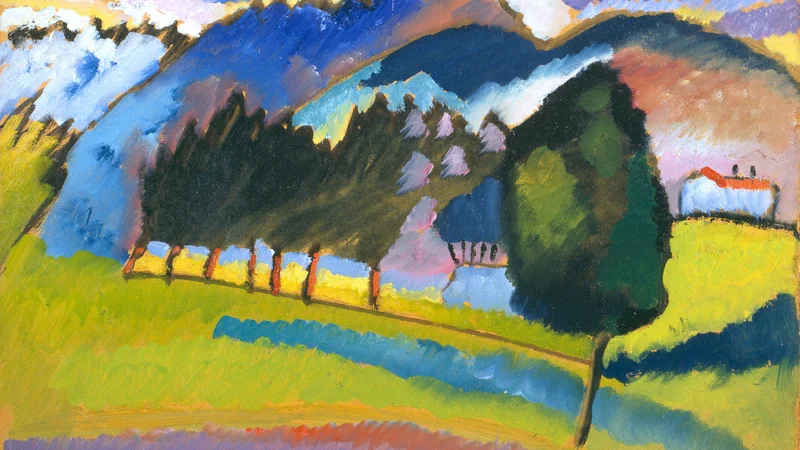
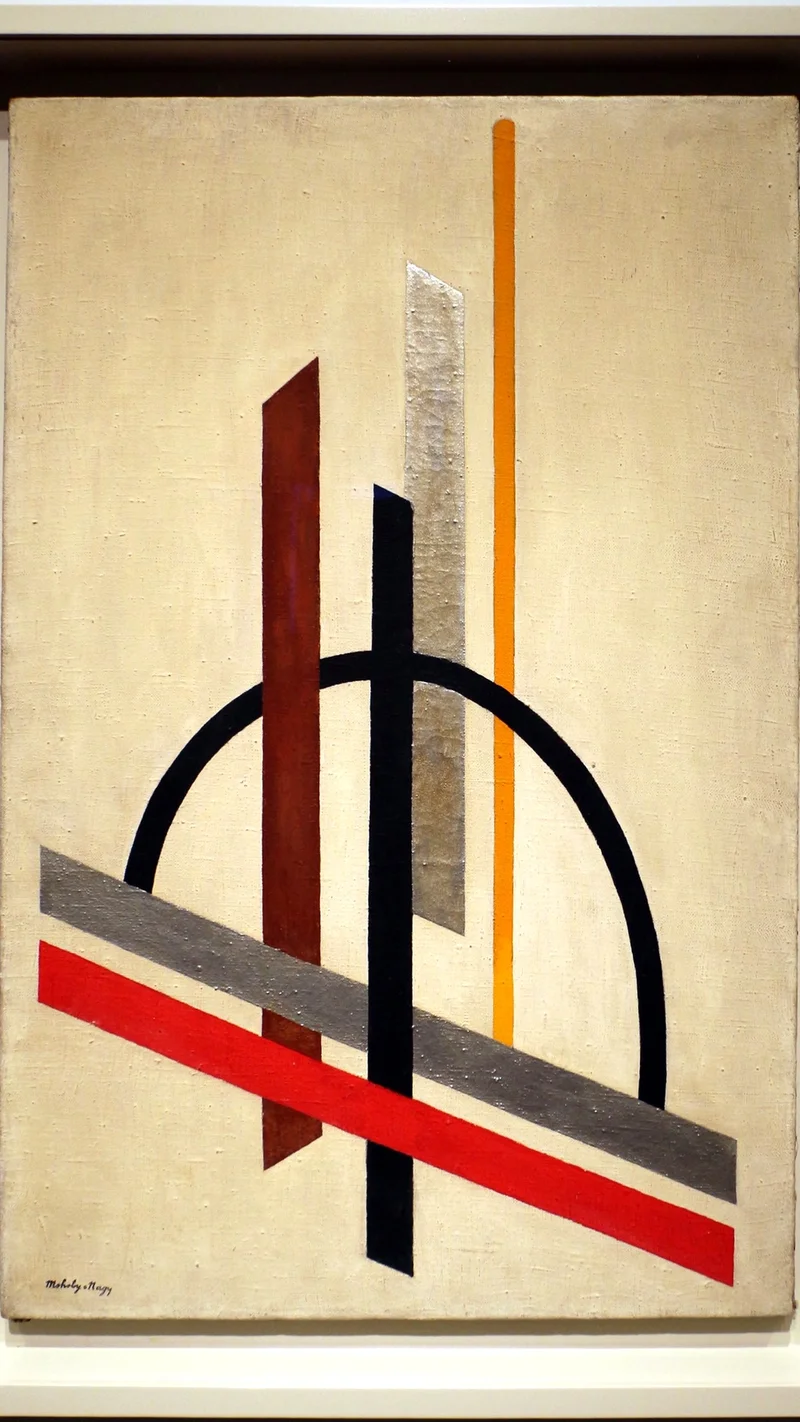
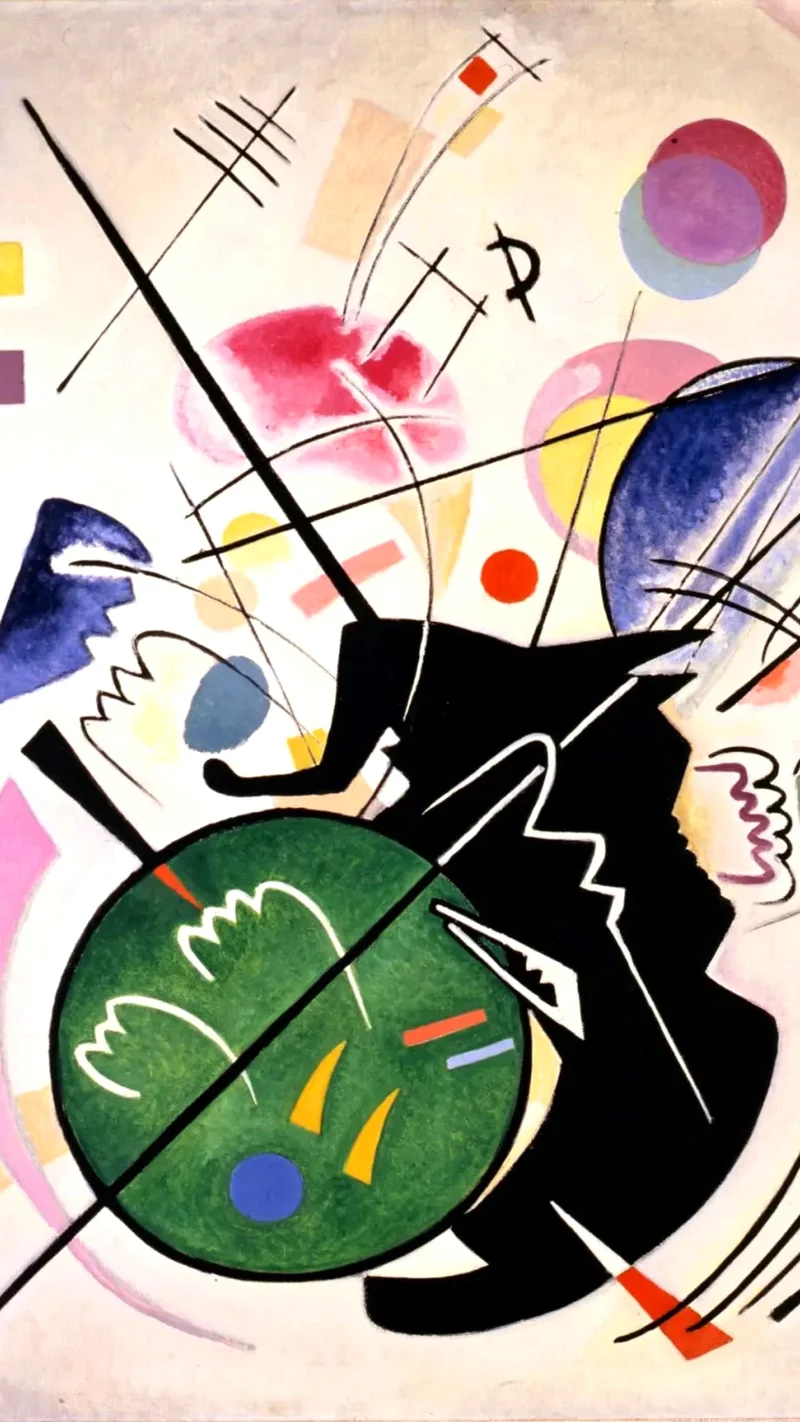
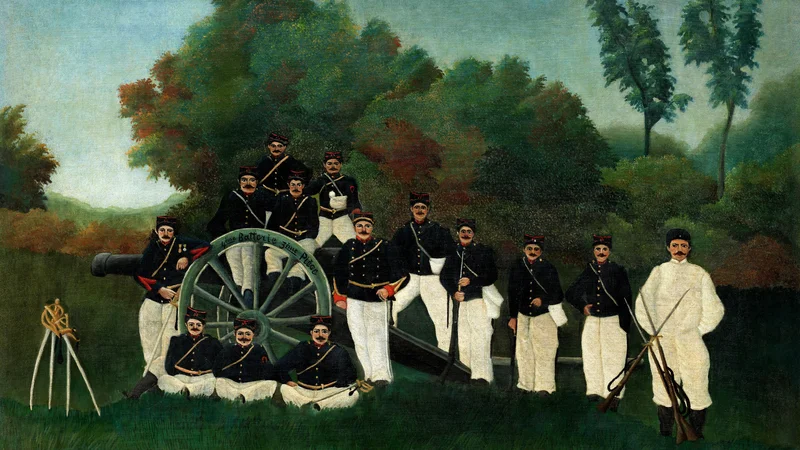
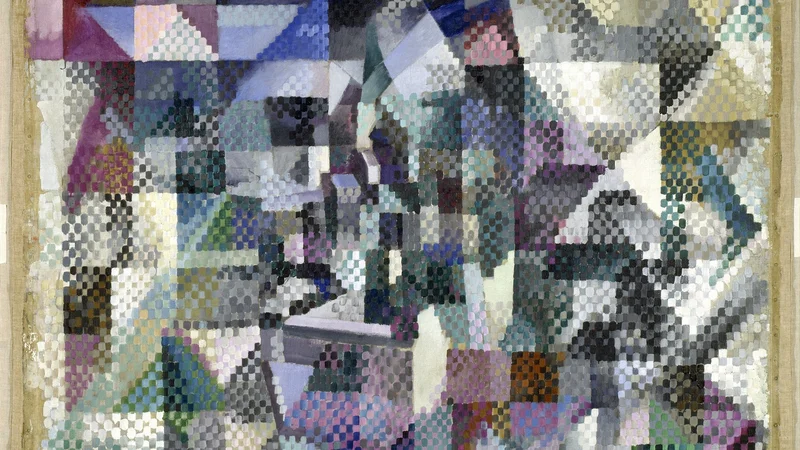
The museum’s permanent collection offers a profound survey of Post-Impressionism and Abstract art, tracing the radical shifts of the twentieth century. Within its galleries, one encounters the rigorous geometric inquiries of László Moholy-Nagy and the emotive, rhythmic compositions of Wassily Kandinsky, exemplified by the vibrant Landscape with Red Spots. The collection further bridges historical eras through the inclusion of works by Paul Cezanne, Claude Monet, and Henri Rousseau, whose The Artillerymen remains a significant point of reference. Notable masterworks such as Landscape with Rolling Hills, Window on the City No. 3, A 19, and Black Form underscore the institution’s dedication to Orphism and other transformative movements that defined the modern era.
Today, the Guggenheim remains a vital nexus for the scholarly examination of art history. By maintaining a balance between its foundational commitment to non-objective art and the presentation of contemporary exhibitions, the museum continues to shape the cultural discourse. Its enduring legacy lies in its capacity to provide a rigorous, contemplative environment that invites visitors to engage with the aesthetic and intellectual complexities of the modern canon.
Background adapted from Wikipedia (CC BY-SA).