Städel Museum
9 artworks
Founded in 1815 through the endowment of the banker Johann Friedrich Städel, the Städelsches Kunstinstitut und Städtische Galerie stands as a cornerstone of German cultural heritage. Situated along the prestigious Museumsufer on the Sachsenhausen bank of the River Main in Frankfurt, the institution occupies a significant historical site that has evolved into one of the most distinguished repositories of European art. Its architecture serves as a bridge between foundational classical traditions and the progressive spirit of modern museology, reflecting a commitment to the preservation and scholarly interpretation of artistic evolution across centuries.
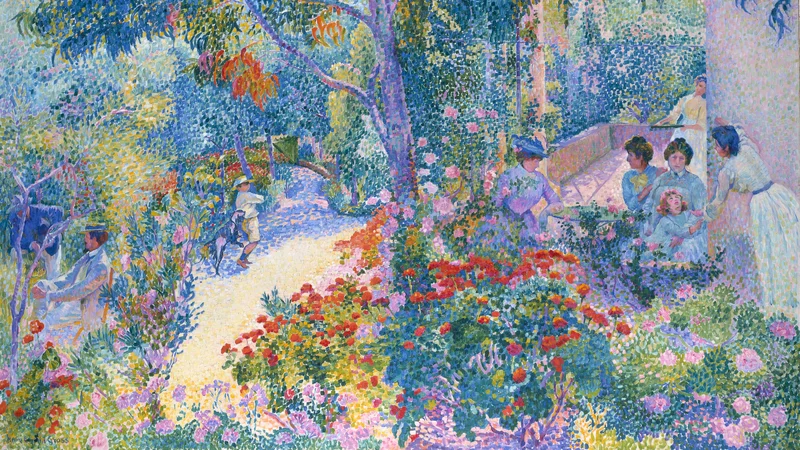
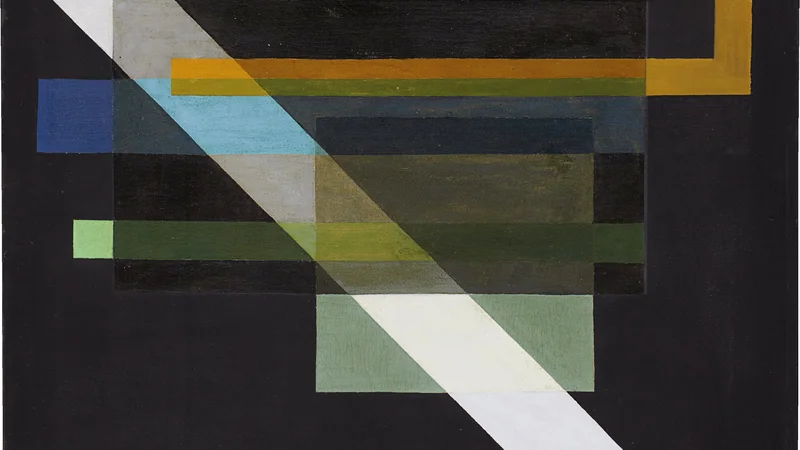
The museum houses a profound assemblage of works that trace the development of Western art, with particular distinction in the realms of Impressionism, Pointillism, and Post-Impressionism. Visitors encounter the luminous innovation of Claude Monet’s The Avenue in Saint-Cloud Park alongside the structured color theories of Henri-Edmond Cross and the evocative brushwork of Vincent van Gogh’s Portrait of Dr. Gachet. The collection further encompasses the primitive elegance of Henri Rousseau’s Cottage and Woman with Goat and the rigorous geometric inquiries of László Moholy-Nagy’s Construction, illustrating a dynamic dialogue between light, form, and subjective experience. These masterpieces, including the atmospheric View of Marino in the Alban Mountains in the Early Morning and the serene Afternoon in the Garden, articulate the shifting paradigms of the nineteenth and twentieth centuries.
As a world-class institution, the Städel Museum functions as a critical nexus for art historical inquiry and public education. By maintaining an extensive research library and a vast archive of prints and drawings, the museum fosters an environment of intellectual rigor and historical continuity. Its enduring reputation rests not merely on the breadth of its holdings, but on its dedicated role in contextualizing the trajectory of human creativity, ensuring that the legacy of these movements remains accessible to scholars and the public alike.
Background adapted from Wikipedia (CC BY-SA).