The Frick Collection
7 artworks
Located on the Upper East Side of Manhattan, The Frick Collection stands as a distinguished sanctuary of fine and decorative arts, housed within the former residence of the industrialist Henry Clay Frick. This Beaux-Arts mansion, serving as both a private home and a public institution since its formal establishment in 1935, offers a singular domestic setting that preserves the intimate scale of its original assembly. The museum is inextricably linked to the neighboring Frick Art Research Library, founded in 1920 by Helen Clay Frick, which remains an essential pillar for global scholarship and the rigorous study of art historical archives.
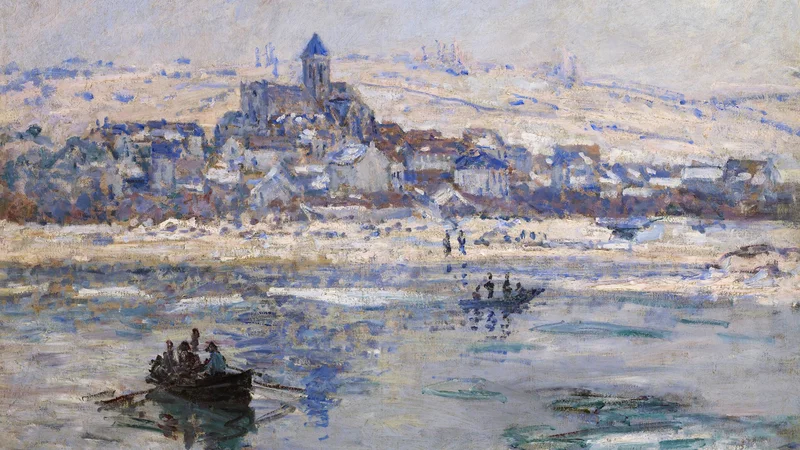
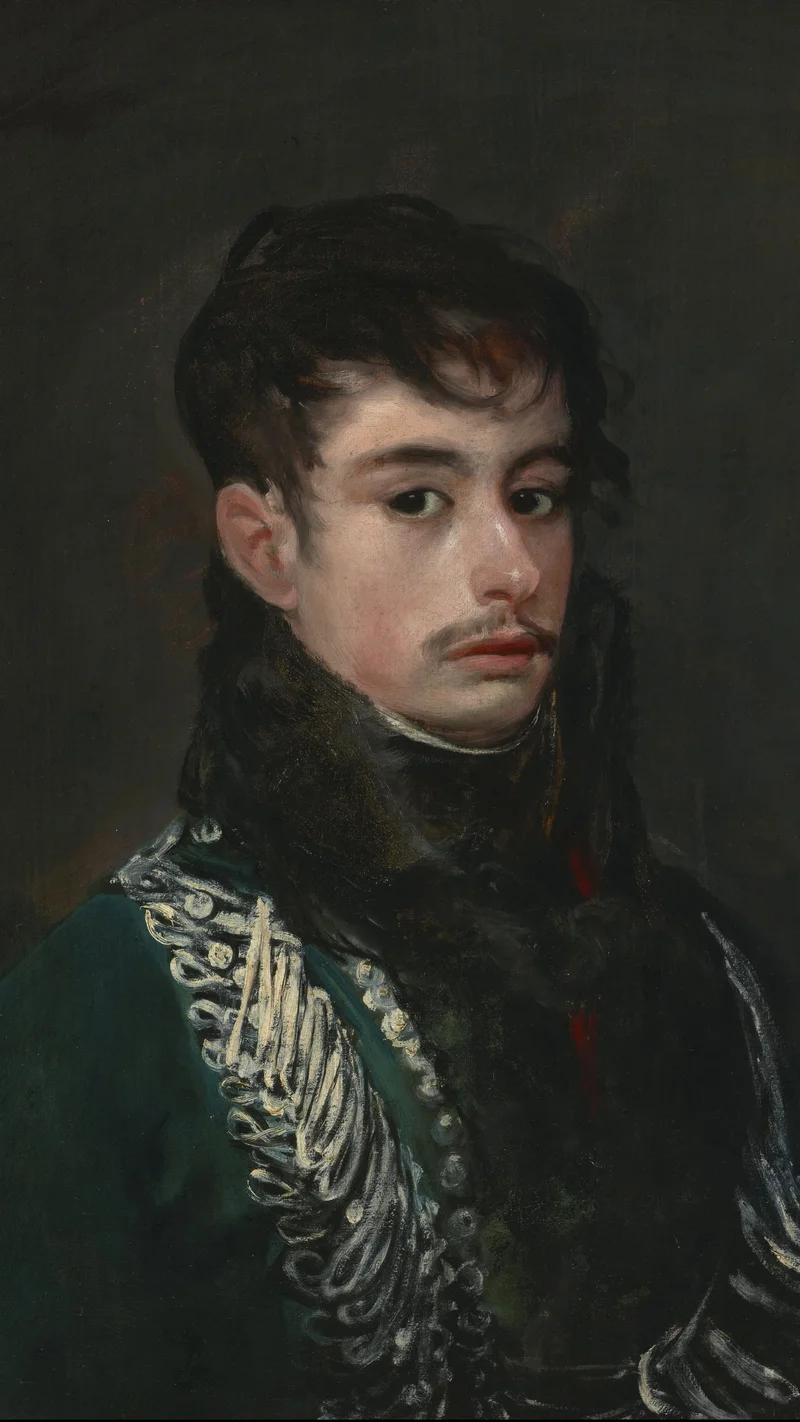
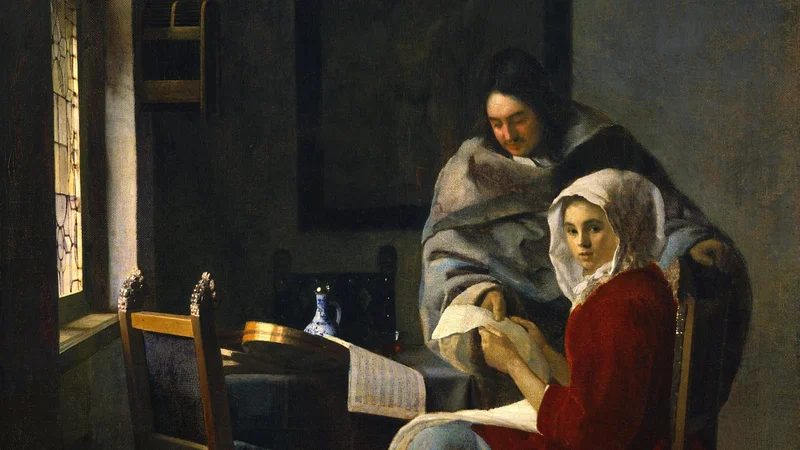
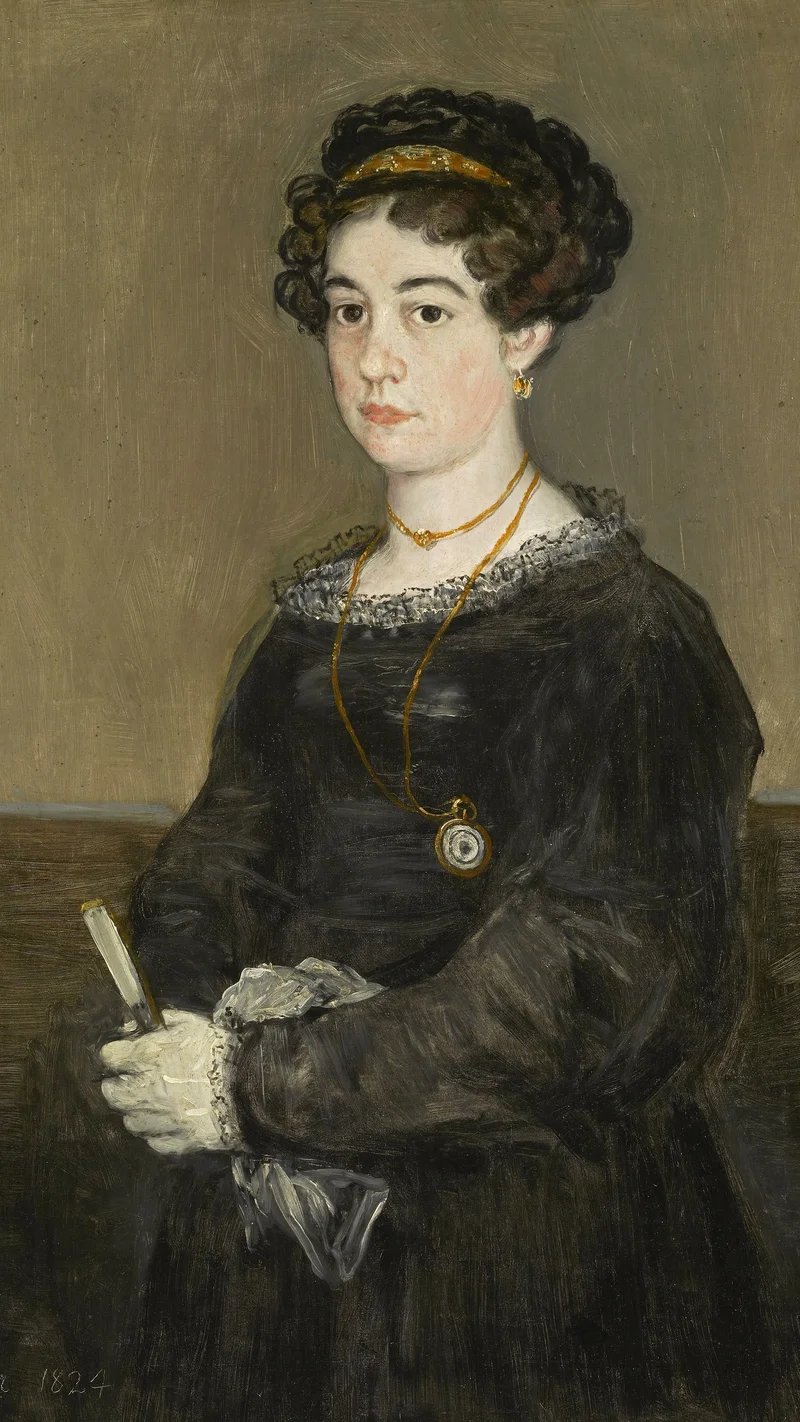
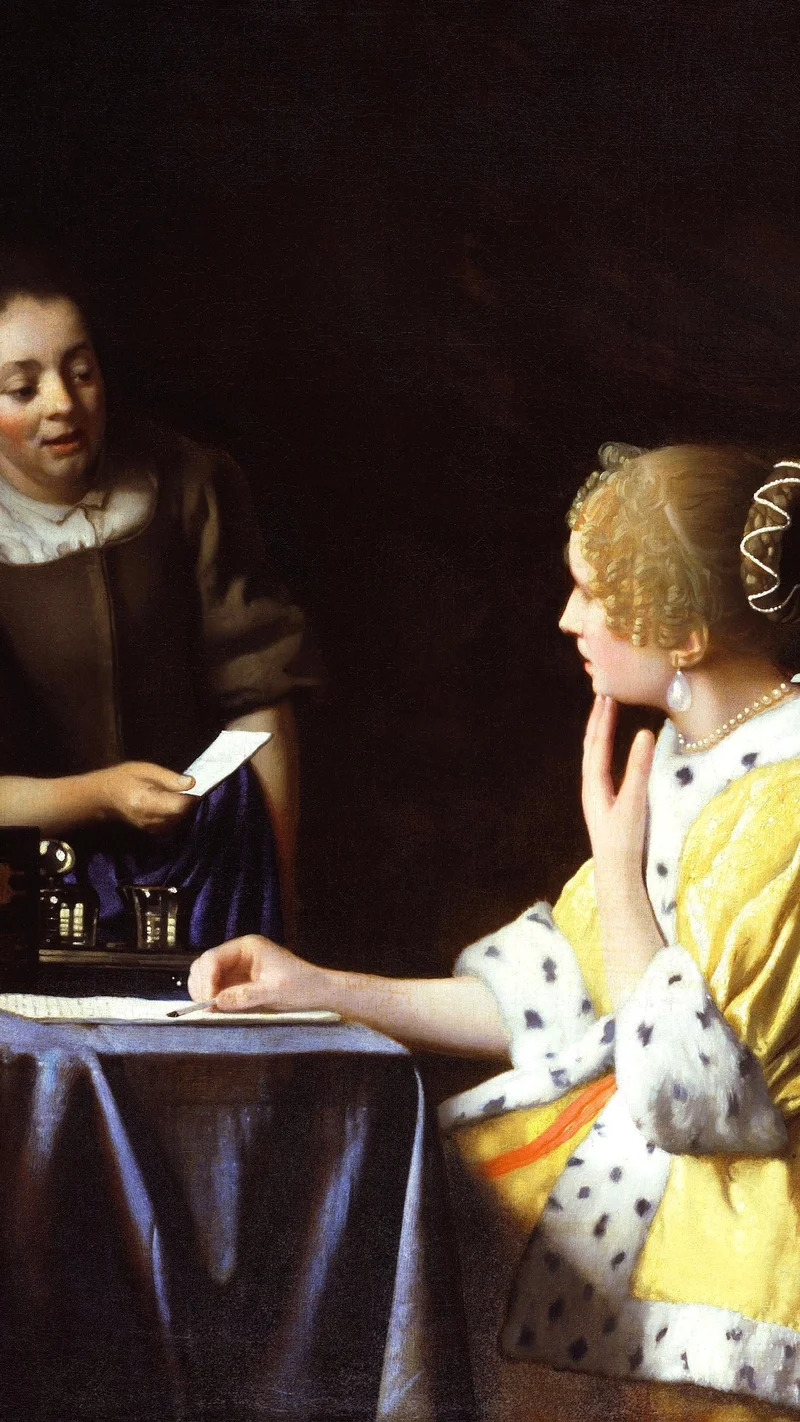
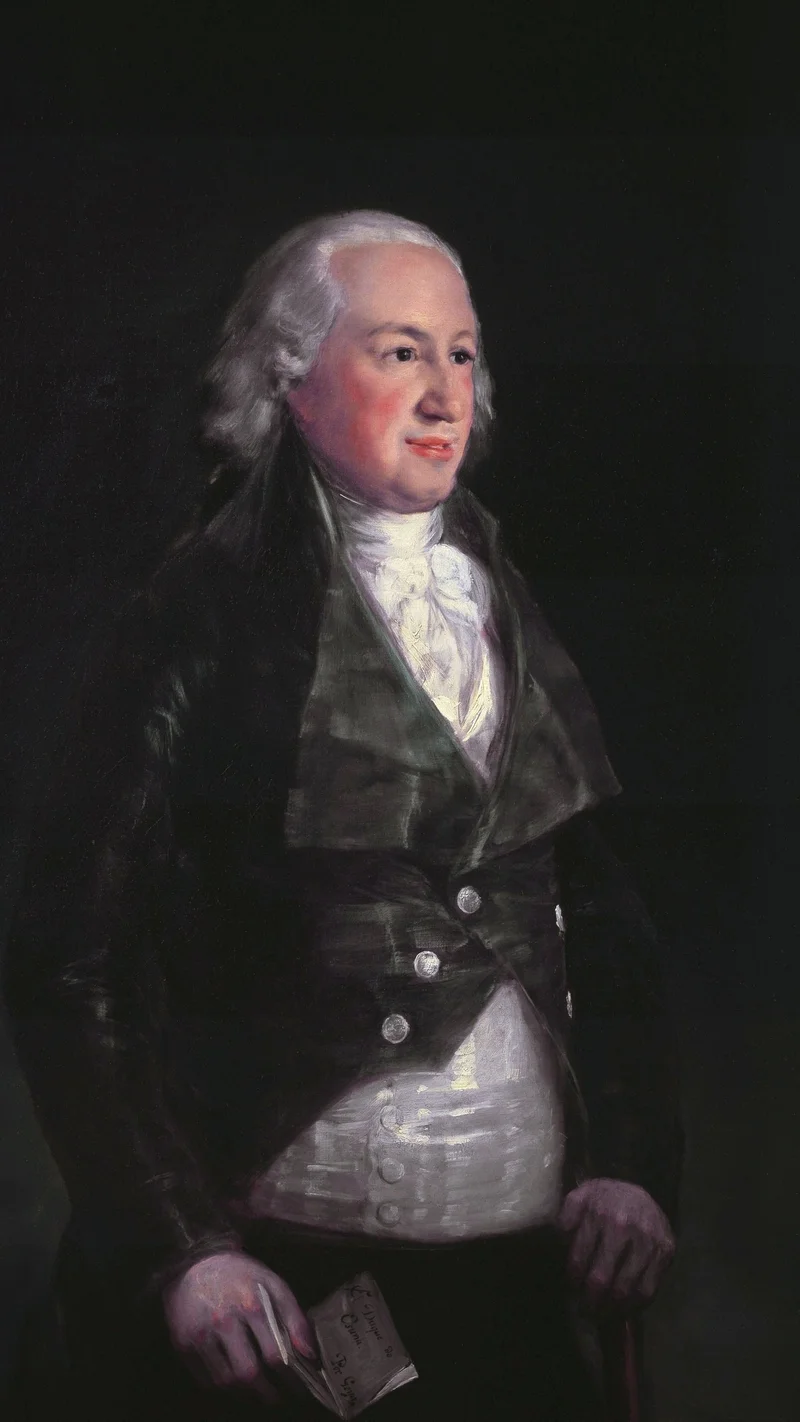
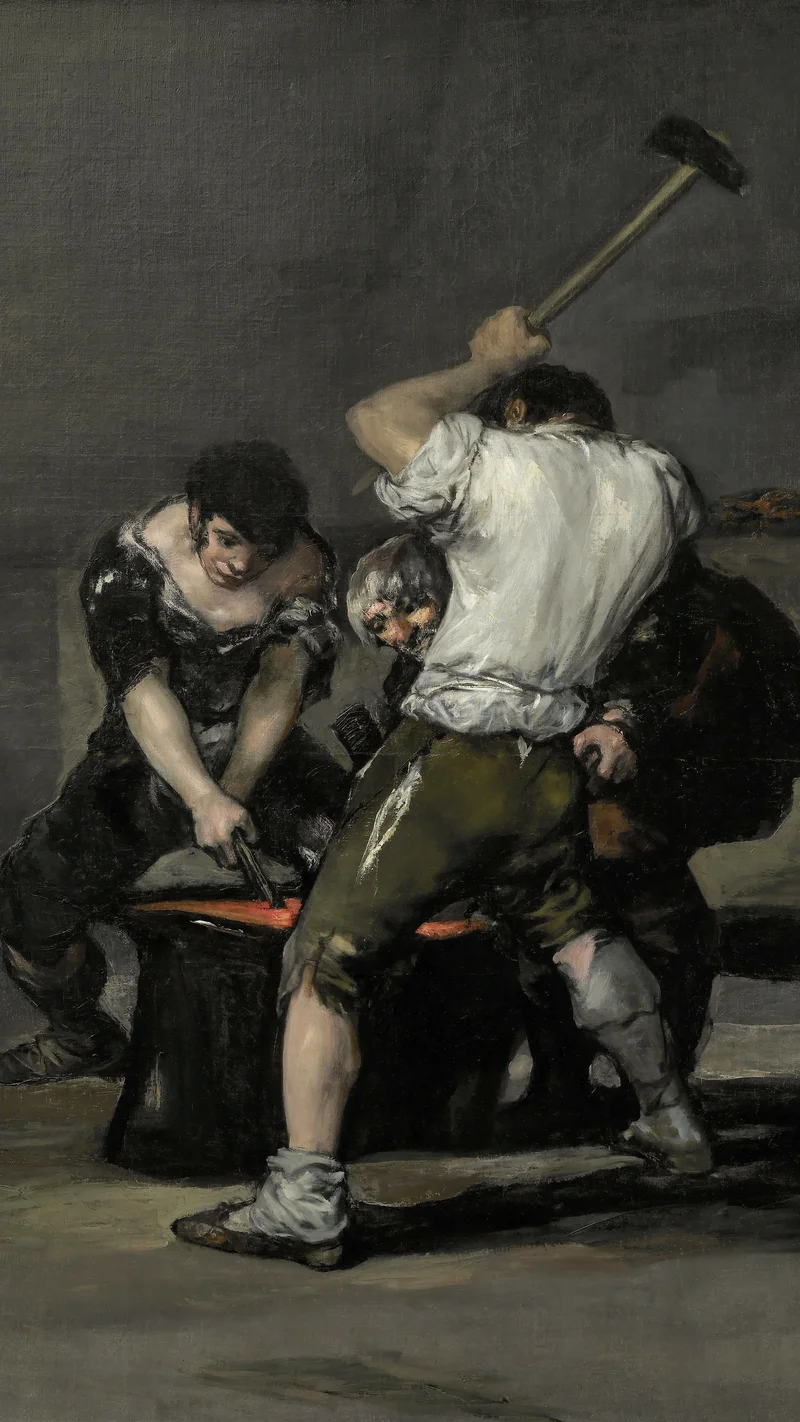
The collection spans from the 14th to the 19th century, showcasing a profound depth of European mastery. Within its galleries, visitors encounter the atmospheric precision of Genre art, epitomized by Johannes Vermeer’s Mistress and Maid, alongside the evocative brushwork of Impressionism, represented by Claude Monet’s Vétheuil in Winter. The institution also holds significant examples of Romanticism and portraiture, notably the works of Francisco Goya, such as The Forge, An Officer (probably the Count of Teba), Portrait of María Martínez de Puga, and Don Pedro, Duque de Osuna. These pieces define the museum’s commitment to high-caliber curation.
By maintaining these masterworks within the historic framework of the Frick House, the institution provides a contemplative experience that transcends traditional museum environments. It remains an authoritative center for the preservation of European heritage, bridging the gap between historical private connoisseurship and modern public engagement. The enduring reputation of the collection rests upon its ability to maintain scholarly rigor while fostering a deep, sustained appreciation for the aesthetic and cultural evolution of the Western canon.
Background adapted from Wikipedia (CC BY-SA).